
Kep
Kep is crab with green Kampot pepper at tables over the water, and the most recommended day out from Kampot. Dozens of 1960s villas decay above the road, with Cambodia's smallest national park behind them.
Kep in a nutshell
Kep: what to expect
Before writing this we counted 164,000+ planned stops in Cambodia on Stippl.
Kep was Cambodia's most fashionable seaside town in the 1960s, and the crab market is what brings people back to it. Crab tossed with green Kampot peppercorns, eaten at tables over the water, is the dish the whole province is known for. Several dozen modernist villas have stood abandoned since 1975, decaying in the open above the road. Cambodia's smallest national park sits directly behind the town, an eight-kilometre paved loop with rougher trails leading off it, and Rabbit Island is half an hour out by boat.
Kep is contained inside a Kampot trip rather than paired with one. Four out of five Kep trips also carry Kampot, the highest dependency of any Cambodian destination on any other, and one Kep stop in eight has no night attached to it at all. That second figure is a crab lunch twenty-five kilometres from where the traveller is actually sleeping.
So come for the afternoon from Kampot, and only stay the 2 nights if the villas and the park interest you. Ride the coast road in rather than taking a van: twenty-five kilometres of salt pans and karst. Avoid weekends and public holidays, when Phnom Penh fills the beach. And skip Kep if a beach is what you came for, because this one is small and every guide says the same thing about it.
Plan Kep in Stippl
Day-by-day planning, stays and budget in one app, with every place from this guide already on the map.
Download the appWho Kep is for
Anyone already in Kampot
Kep is 30 minutes away and the single most recommended day out from there; four Kep trips in five carry Kampot too.
Food travellers
The crab-with-green-pepper dish is a genuine regional speciality and this is where it is made.
Fans of modernist ruins
Several dozen abandoned modernist villas from the 1960s decay in the open, and they are the town's strangest asset.
Walkers
Cambodia's smallest national park is directly above the town, with a paved loop and rougher trails off it.
Budget travellers
Dorms and rooms from about €7 on the Kampot road, a crab lunch for a few euros, and most people give it 2 nights.
Maybe not for you: anyone who came for a beach, since Kep's is small and unremarkable; anyone arriving at a weekend or public holiday, when Phnom Penh empties into the town; anyone wanting nightlife; and anyone who has already done the Sihanoukville islands.
The best time to visit Kep
Dry season
November to March
Dry and the season every source recommends, with the crab market at its best when the pepper harvest is on from January to March. The driest station on the whole coast.
Hot season
March to May
Hotter than Kampot in every month and the national park punishing in April. Khmer New Year fills the town rather than emptying it; Kep is a domestic holiday town.
Wet season
June to October
Wettest in August, but far drier than the Sihanoukville coast in the same months. The beach is quiet, the crab is the same and the rain comes in afternoons.
- January is the month most travellers plan Kep for on Stippl, and Cambodia as a whole is planned about 78 days ahead. 17.8% of Kep plans are made inside a fortnight, and the handful of good hotels here are the only reason to plan earlier.
- Every weekend and every public holiday the beach fills with families from Phnom Penh. A midweek day has the sand, the crab shacks and the national park to yourself; a Saturday in the dry season does not.
- Kep is meaningfully drier than Kampot despite being half an hour away. It is the driest place we cover in Cambodia, so a wet-season day that is a washout in Kampot is often a normal afternoon here.
- The Kampot pepper harvest is what makes the crab seasonal. The dish is tossed with the green pepper, which is at its best from January to March; the crab itself is there all year.
Add your Kep dates and we'll flag the weather
Stippl shows the season, crowds and prices for every stop on your route.
Describe your trip, get a Kep itinerary in seconds
Everything in this guide is already in Stippl. Tell the planner how long you have and what you like: it builds the route, the days and the travel times, and you edit whatever you want.
Things to do in Kep
 Photo by Angkor Feel via Unsplash
Crab at the crab market
Eat crab with green Kampot pepper at a table over the water at the market, the town's whole reason for existing, about €10. Sunset and harvest season, and pick the crab from the sellers' baskets.
The abandoned villas
Walk among the dozens of 1960s modernist houses left since 1975, decaying in the open above the coast road, free. Entering them is a grey area; the outside is the point.
Kep National Park
Walk the eight-kilometre paved loop through Cambodia's smallest national park, with unmarked trails and viewpoints off it, about €1, and pick up the map at the café at the gate. Two hours, in the morning.
Rabbit Island
Take the boat twenty to thirty minutes to Koh Tonsay, about €8 return, with a walking track around it and almost no infrastructure. A day, or a night in a bungalow for about €10.
Sunset from the promenade
Walk the seafront with the hammocks and the snack sellers, which is what the town does in the evening, free. The crab statue is the meeting point.
The coast road from Kampot
Ride the twenty-five kilometres through the salt pans and karst country on a scooter, about €6 a day, the reason to arrive on two wheels rather than in a van. Half an hour, or a morning with the stops.
The neighbourhoods of Kep
The crab market
Crab stalls, the pier, the boat
The working end: crab stalls over the water, a row of seafood restaurants and the pier the Rabbit Island boats leave from, with guesthouses behind. For budget travellers and for the crab and the boat on foot.
The reason you came at the door, and the smell of it at dawn.
The hillside
Ruined villas, boutique stays
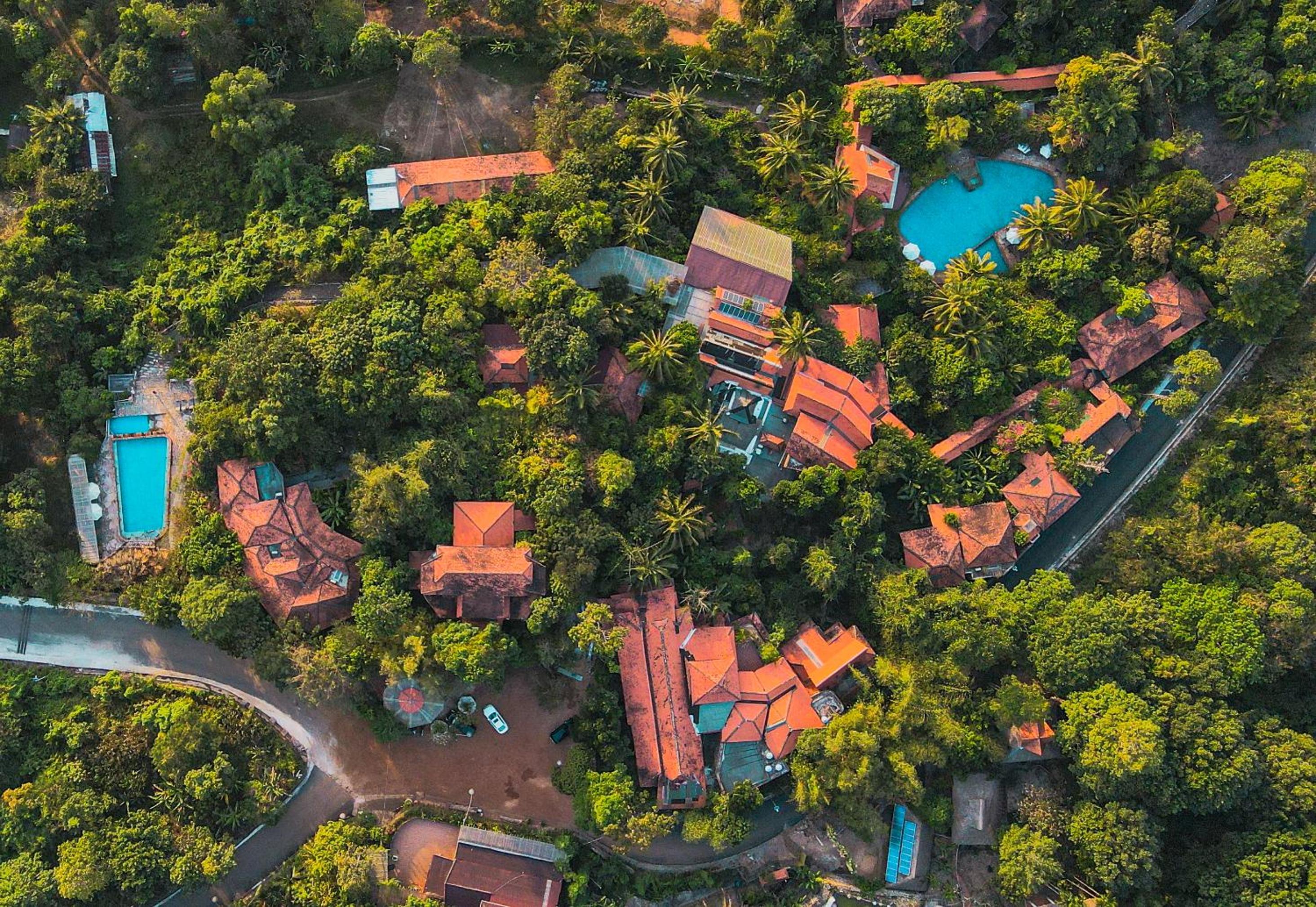
The slope above the road where the abandoned 1960s villas stand among the trees and newer boutique properties have been built between them, quiet and green with the sea below. For a splurge and for the view.
The only rooms that look at the sea from above, and a ride for every meal.
Below the park
Pools, ten minutes from the trail
The western edge where the road climbs toward the park entrance: guesthouses and small resorts with pools, ten minutes' walk from the trailhead. For walkers and families who want a pool.
The park at the door and a pool, and half an hour's walk to the crab.
The Kampot road
Cheaper, exposed, a long walk
Strung along the road that connects the two towns: cheaper, more exposed and up to a half-hour walk from the crab market. For saving money and for anyone with a scooter.
The cheapest beds, and a walk in the heat for everything.
See every Kep neighbourhood on one map
Save the areas you like and Stippl plots your days so you're not crossing the city twice.
Where to stay in Kep
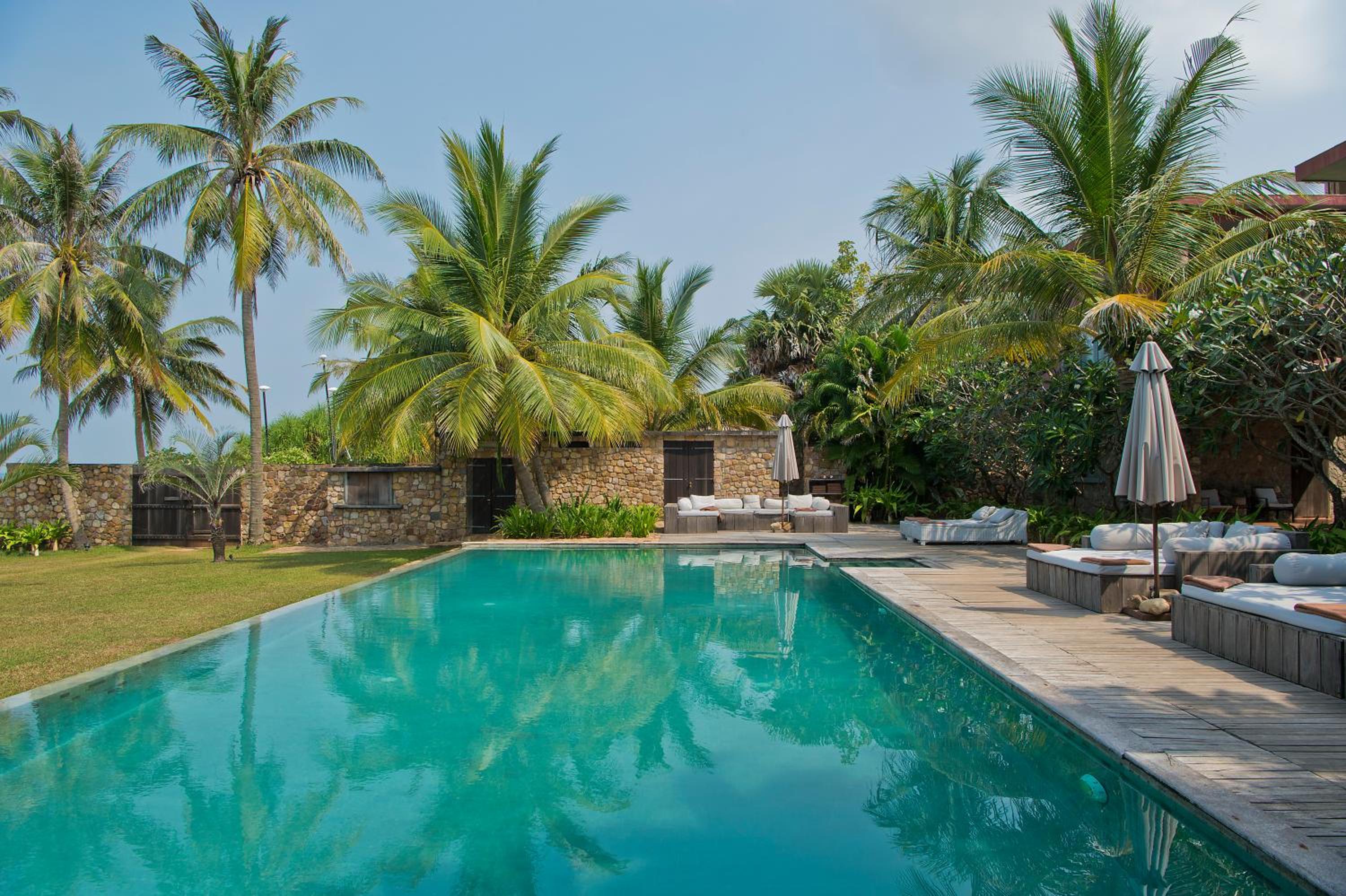
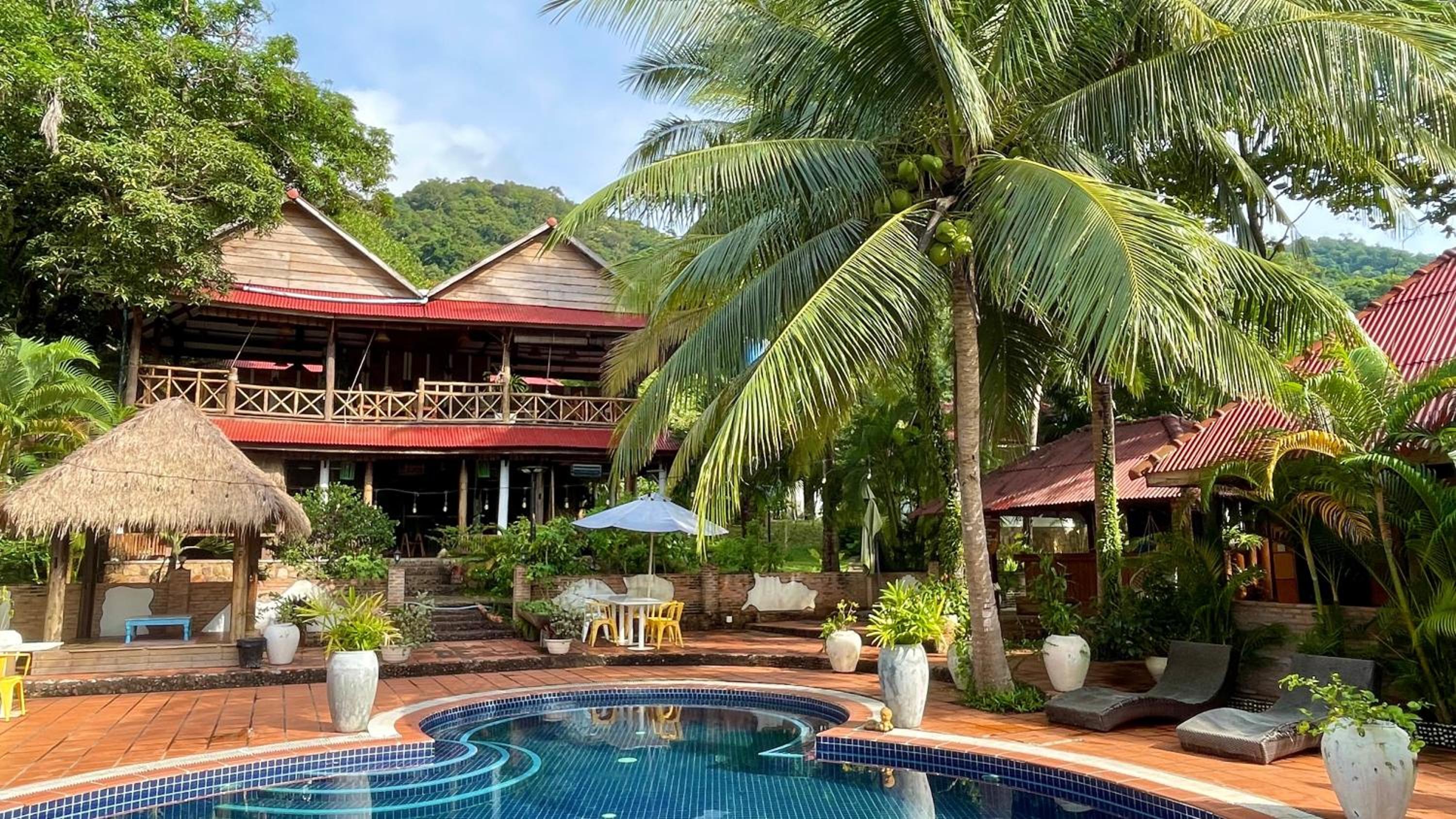
Stay on the hillside if you stay in Kep at all: the boutique villas built among the abandoned 1960s houses have the views, and the crab market is a short ride down. Two nights is enough, and many people sleep in Kampot and come for the day. 41.5% of Kep stops planned on Stippl are a single night. Occupancy is low and prices are not, so ask for a deal.
The crab market
Guesthouses behind the seafood row, €10 to €30, with the Rabbit Island boats at the pier.
The hillside
Boutique villas and small hotels with pools among the old houses, €50 to €150.
Below the park
Guesthouses and small resorts with pools near the trailhead, €25 to €70, quiet at night.
The Kampot road
€8–30
The cheapest rooms, €9 to €25, up to a half-hour walk from the crab market in full sun.


What to eat in Kep
The regional dish: steamed crab tossed with fresh green peppercorns off the vine. Seasonal at its best, January to March
Vendors selling straight from baskets held in the sea, with restaurants alongside that will cook what you pick
The rest of the catch, grilled or fried, and cheaper than the crab
A row of them at the market, with tables on the water. Prices vary sharply between neighbours
Sticky rice in bamboo and the usual roadside snacks along the promenade
A café just inside the park gate doing breakfast and light food, and holding the trail maps
A handful of cafés doing burritos, pastries and coffee for the expat and visitor trade
One upmarket seafront resort restaurant is named by more than one source as the splurge
Discover food spots in Stippl
Find restaurants and markets on the map, save them to your itinerary, works offline too.
Kep customs and what not to do
The villas have no ticket
The abandoned modernist villas are ruins, not an attraction: some are occupied, some are guarded and some are simply dangerous, so look from the road.
Weekends are for local families
The beach is a Cambodian holiday spot before a foreign one, and behaving like a guest matters more here than in Siem Reap; a shirt on, and the picnics are theirs.
The crab market is a workplace
The women sorting crab in the baskets at the waterline are working, not performing; buy from them, and the restaurant behind will cook it for a small fee.
Wat Samathi is above the park
The hilltop pagoda is in daily use and the walk up passes the monks' quarters; shoulders and knees covered, shoes off at the top, and the view is the reward.
Do
- Come on a weekday if you want the beach to yourself
- Eat at the crab market at sunset
- Cover shoulders and knees at the pagodas and at Wat Samathi
- Check the Rabbit Island boat times before you plan the day around it
Don't
- Plan a beach holiday here
- Wander into an occupied villa; several are lived in
- Assume the most popular crab restaurant is the best value; its neighbour usually is
- Cycle the Kampot road during roadworks; it is a dust storm
What a Kep trip costs
Budget
€12–22
A room on the Kampot road, crab at the market, walking everywhere.
Mid-range
€40–85
A hillside room with a view or a pool, eating at the crab market nightly.
High-end
€85+
One of the boutique resorts on the hill or the seafront, private driver.
Track what you actually spend
Set a daily budget per country and log expenses in any currency while you travel.
Fun facts about Kep
Kep's villas have stood abandoned since 1975. It was the country's most exclusive resort in the 1960s; the Khmer Rouge emptied it, and most of the houses were never reclaimed.
Kep National Park is the smallest in Cambodia. An 8 km paved loop and a handful of unmarked trails, directly above the town, with viewpoints over the gulf.
Kep gets about 1,370 mm of rain a year, the driest station on the coast. That is 28% less than Kampot 25 km west and well under half of what falls on Sihanoukville.
Four out of five Kep trips planned on Stippl also carry Kampot. 79.8% of them, the strongest one-way dependency between any two places in the country; Kep is a day trip more than a stop.
The crab market is the reason almost everyone comes. Fresh crab tossed with green Kampot peppercorns, eaten at tables over the water, is the dish the whole province is known for.
Local tips for Kep
A Kampot day trip, or a base
Half an hour by tuk-tuk for about €8, and most guides say base in Kampot; the beach and the crab market are the reason to sleep here instead. PassApp works for tuk-tuks.
Take the Crab Shuttle
The daily boat between Kampot and Kep is a nicer journey than the dusty road, about €10. It runs in the dry season; check the day before.
Most people stay two nights
41.5% of stops are a single night, and the crab market at sunset is the reason for it. Two gets Rabbit Island and the national park loop.
The villas are unsound
Sixty years of neglect, no lighting, open stairwells and floor voids. Sturdy shoes are the minimum, and the outside is the point; entering them is a grey area.
The park trails are unmarked
The eight-kilometre loop is paved; the trails off it are unmarked and unshaded, and people run out of water on the Phnom Kep climb. Breakfast, two litres, and the café's map.
Rabbit Island has no clinic
No medical facility, no wifi and power for part of the day. Bring what you need for the night, and the last boat back is mid afternoon.
Kep questions, answered
As a day out of Kampot, in most plans. Kep ranks 8th among Cambodian stops planned on Stippl and sits half an hour down the road from Kampot: the crab market is a lunch and Rabbit Island is a morning boat. Put Kampot into Stippl as the base and Kep as a day on it.
A day trip, for most people. 11.79% of Kep stops planned on Stippl carry no night at all, several times the Cambodian rate, and 41.5% more are a single night. That is the signature of a place people visit and then sleep somewhere else.
A long lunch, or one night. Kep gets 2 nights in the trips people plan on Stippl among the people who do sleep here, which covers Rabbit Island and the national park walk. Beyond that you will have run out of Kep.
Whole crab tossed with fresh green Kampot peppercorns, at a table over the water at the crab market. It is the regional dish, it is why the town is on anybody's list, and it is messy in the way good food usually is. Go at lunch, when the boats have just come in.
No, and nobody pretends otherwise. It is small, central and full of Cambodian families at the weekend, which is charming and is not what you came for. Cambodia's beaches are on the islands off Sihanoukville. Kep's water is for looking at from a crab shack with pepper on your hands.
A twenty to thirty minute boat from the pier by the crab market, with local departures late morning and early afternoon, or a private boat if you miss them. There are basic bungalows if you want to stay over. Take cash, and check what time the last boat comes back.
Every guide is written by the Stippl editors and checked against the trips our travellers actually plan. Spotted something out of date? Let us know.

Plan Kep in Stippl
Day-by-day planning, stays and budget in one app, with every place from this guide already on the map.
Download the app