

Kanchanaburi
Kanchanaburi is de best gepresenteerde Tweede Wereldoorloglocatie in Zuidoost-Azië, een ochtend reizen van Bangkok met binnenlandse prijzen. Rij op de overgebleven spoorlijn langs de klif, en zwem in de zeven niveaus van Erawan Falls.
Kanchanaburi in het kort
Kanchanaburi: wat je kunt verwachten
We hebben meer dan 1.756.000 geplande stops in Thailand op Stippl geteld voordat we dit schreven.
Kanchanaburi is een oorlogsmonument en een waterval, en ze hebben elk een dag nodig. De stalen brug over de Khwae Yai duurt twintig minuten en is waar iedereen begint. Wat de reis waard maakt, is de tweeuurige treinrit op het overgebleven stuk van de Doodspreekbaan naar Nam Tok, langs rotsanden en over het Wang Po-viaduct dat in de rotswand is gebouwd, en Hellfire Pass, waar een audiotour met getuigenissen van overlevenden u door het diepste snijpunt van de lijn geleidt. De meeste reizigers geven Kanchanaburi 2 nachten op Stippl.
Een vijfde van de mensen geeft Kanchanaburi één nacht, en de bezienswaardigheden liggen verspreid over zeventig kilometer vallei. 20,7% van de Kanchanaburi-stops die op Stippl zijn gepland, zijn voor één nacht, terwijl de meesten twee nemen. Één nacht betekent de brug en de oorlogsbegraafplaats in de stad, óf Erawan, en niet beide, omdat de watervallen zelf al bijna een hele dag in beslag nemen.
Twee nachten is de indeling: één voor de spoorlijn en één voor het water. Erawan Falls stijgt zeven niveaus ongeveer twee kilometer op langs de rivier, gemakkelijk tot het vijfde en klimmend daarboven, en je zwemt erin, dus ga goed voor sluiting door de poort. De oorlogsbegraafplaats bij Don-Rak herbergt 6.982 geallieerde krijgsgevangenen in rijen die de Commonwealth War Graves Commission nog steeds onderhoudt. Een vlothuisje aan de rivier is het enige bed hier dat een ervaring is in plaats van gewoon een plek om te slapen.
Plan Kanchanaburi in Stippl
Planning per dag, verblijven en budget in één app, met elke plek uit deze gids al op de kaart.
Download de appVoor wie is Kanchanaburi
Geschiedenisgericht gerichte reizigers
De dichtstbijzijnde en best gepresenteerde Tweede Wereldoorloglocatie in Zuidoost-Azië, met twee serieuze musea, een oorlogsbegraafplaats en een rotssnede die gevangenen met de hand hebben gegraven.
Iedereen die Bangkok ontvlucht
Rivier, heuvels en nationaal park, bereikbaar in een ochtend vanuit de hoofdstad, en de meeste mensen geven het 2 nachten.
Overlanders door het centrum
Kanchanaburi past natuurlijk bij Ayutthaya en Sukhothai in een weg- of spoorroute die de eilanden helemaal vermijdt.
Waterval- en zwemmensen
Erawans zeven niveaus zijn daar perfect voor gemaakt, en zwemmen erin is het doel in plaats van een overtreding.
Budgetreizigers
Een stad op het vasteland met vastelandprijzen, scherp goedkoper dan waar ook aan de kust.
Misschien niet voor jou: reizigers die een strand willen; iedereen met een enkele dag, want de bezienswaardigheden liggen verspreid; bezoekers in maart tot mei die naar de top van Erawans niveaus willen wandelen; en iedereen die gevangengehouden tijgers wil zien, want die industrie is hier voorgoed gesloten.
Het beste moment om Kanchanaburi te bezoeken
Koel en droog
November tot februari
Comfortabel wandelen, watervallen voeren nog water uit het regenseizoen, en de drukste weekends, want ook Thaise bezoekers komen.
Heet
maart tot mei
Centraal Thailand in het binnenland op zijn meest extreem, de enige keer dat de wandeling naar Erawan vermoeiend wordt, en de watervallen stromen dunner voordat de regens komen.
Nat
juni tot oktober
Middagregenschuiten in plaats van de hele dag, de watervallen op hun volste en de drukte op zijn dunste, ten koste van glibberige paden.
- Niets sluit hier voor het moessonseizoen, anders dan op de eilanden. De seizoenen van Kanchanaburi gaan over hitte en waterhoeveelheid, niet of je kan reizen; de natte maanden zijn die met de waterval op volle kracht.
- De bovenste trappen van Erawan sluiten na zware regenval, en de poort sluit voor nieuwe bezoekers om 15:30 in elk seizoen. Kom voor de middag aan om voorbij trap vijf te klimmen, en verwacht dat de top een dag of twee na een storm dicht is.
- Kanchanaburi is ongeveer 92 dagen van tevoren gepland op Stippl, langer dan Thailand als geheel. Het ligt op de weg- of spoorroute met Ayutthaya en Sukhothai, wat mensen vroeg vastleggen.
- Anzac Day, 25 april, brengt een dagdienst naar Hellfire Pass en vult de stad. Een van de twee plaatsen buiten Australië en Nieuw-Zeeland waar de herdenking echte aantallen trekt; boek eromheen of ervoor.
- De River Kwai Bridge Week in laat november tot begin december is het enige grote evenement van de stad. Een licht- en geluidsfestival op de brug met speciale treinen, en de rivieraktkamers gaan ervoor.
Voeg je data voor Kanchanaburi toe en wij waarschuwen je voor het weer
Stippl laat het seizoen, de drukte en de prijzen zien voor elke stop op je route.
Beschrijf je reis en krijg in seconden een reisroute voor Kanchanaburi
Alles in deze gids staat al in Stippl. Vertel de planner hoeveel tijd je hebt en wat je leuk vindt: hij bouwt de route, de dagen en de reistijden, en jij past aan wat je wilt.
Dingen om te doen in Kanchanaburi
 Photo by Kirandeep Singh Walia via Pexels
 Photo by Evan Krause via Unsplash
De brug over de Khwae Yai
Loop over de stalen overspanningen die gevangenen bouwden, twee ervan vervangen na-oorlogse vervangingen na bombardementen door de geallieerden. Iedereen begint hier, het duurt twintig minuten, en de trein rijdt er langzaam genoeg overheen om opzij te stappen.
De Doodseilinglijn naar Nam Tok
Rijd twee uur op het overgebleven gedeelte, langs de kliffrand en over het Wang Po-viaduct in de rotswand, voor ongeveer €3 in derde klasse. Het meest aanbevolen hier; zit links als je uit gaat.
Hellfire Pass
Loop door de diepste rotsuitgraving op de lijn met de audiogids van getuigenverklaringen van overlevenden uit het door Australiërs gefinancierde museum erboven, gratis en ongeveer anderhalf uur. Het is een uur van de stad en het beste museum wat de meeste bezoekers in Thailand zien.
De oorlogsbegraafplaats
Sta tussen de 6.982 geallieerde graven op Don Rak, vooral Brits, Australisch en Nederlands, in rijen onderhouden door de Commonwealth War Graves Commission. Gratis, in het midden van de stad, en stil op elk moment.
Erawan-waterval, alle zeven trappen
Klim anderhalve tot twee kilometer langs het water, makkelijk tot trap vijf en klimmen daarboven, en zwem in de poelen. Ongeveer €8, anderhalf uur van de stad per bus, en het grootste deel van de dag.
Een nacht in een vlotterhuisje
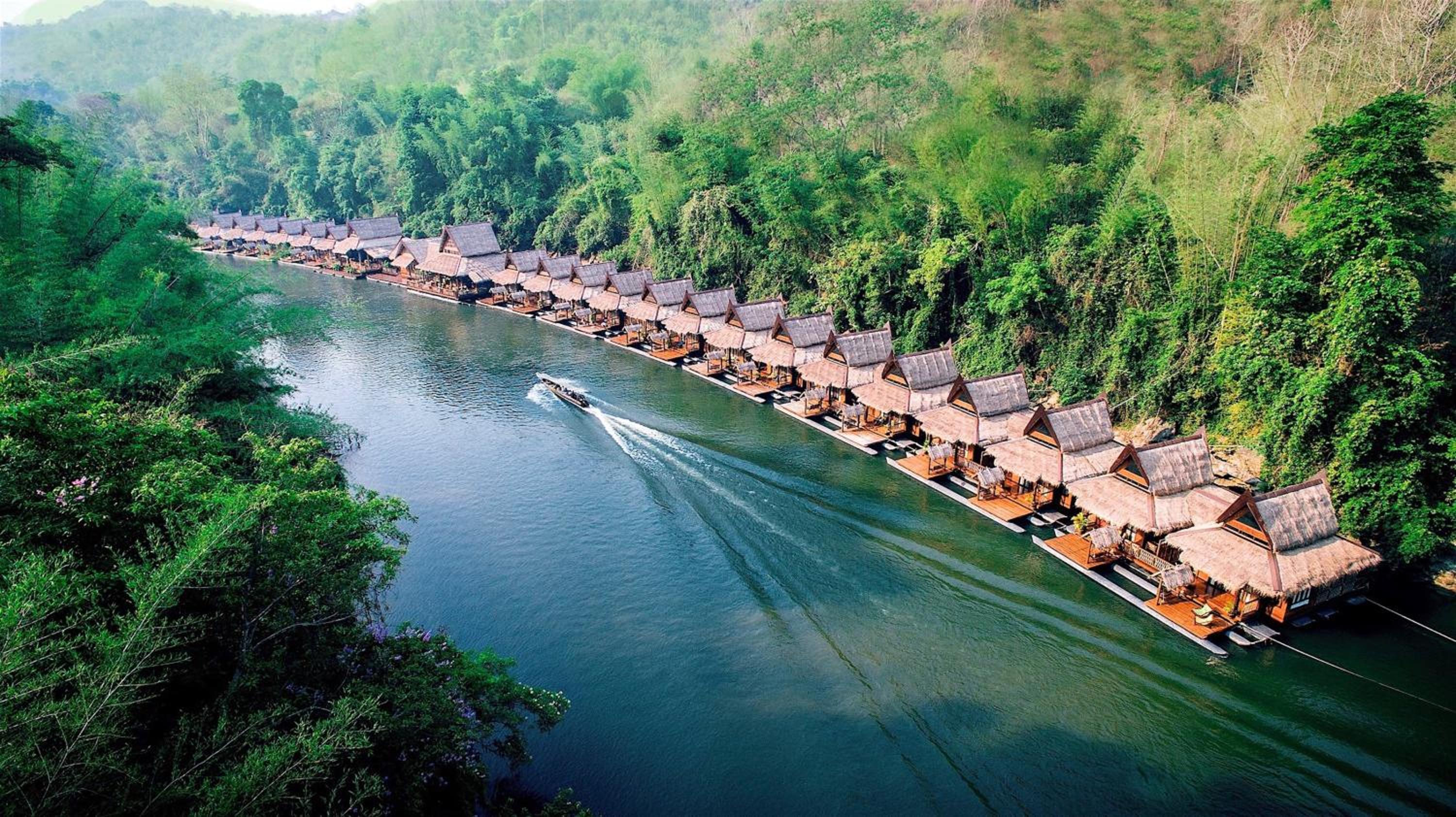
Slaap op een drijvend vlotterhuisje op de rivier of het reservoir stroomopwaarts, de enige vorm van accommodatie hier die een ervaring is in plaats van een bed. Vanaf ongeveer €30 per nacht met maaltijden; degenen zonder elektriciteit zijn het doel.
De wijken van Kanchanaburi
The riverfront
Logeerhuizen, vlothuizen, bars
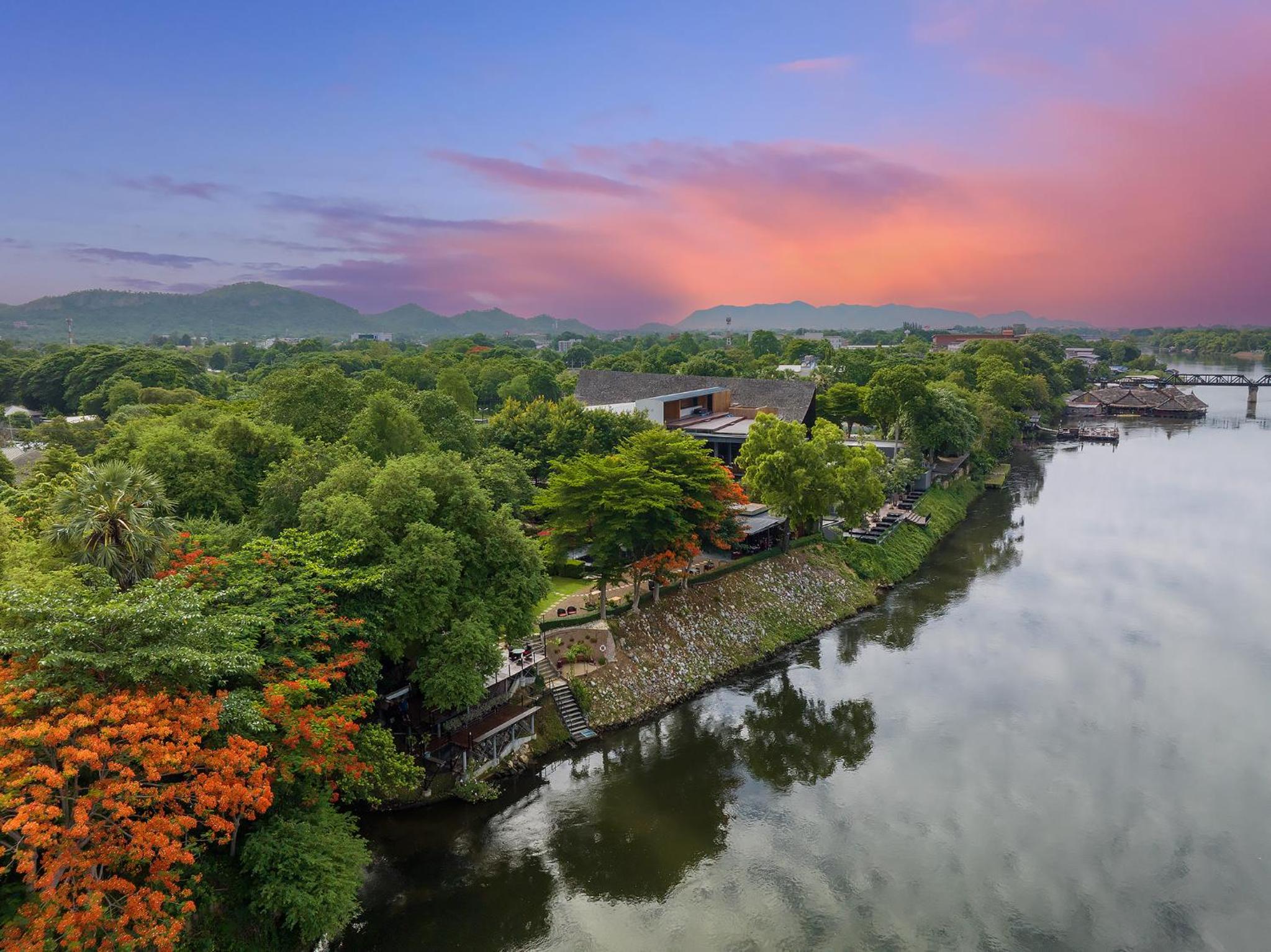
De reizigerstrip langs Mae Nam Khwae Road: logeerhuizen met vlotwoning-gevels, bars, tourdeksels en de brug op loopafstand. Voor eerste bezoeken en backpackers; het is waar bijna iedereen slaapt.
Alles loopbaar en de rivier onder je kamer, en drijvende disco's in het weekend.
Around the bridge
Druk overdag, dood 's nachts
Het noordelijke einde gebouwd rond de brug zelf, het Doodspreekbaanstation en de rijen souvenierwinkels. Voor een nacht dicht bij de treinen en de musea, en voor iedereen die 's ochtends met de service naar Nam Tok vertrekt.
De brug en de trein aan de deur, en niets open nadat de toerbussen weg zijn.
Kanchanaburi town
Markten, musea, stations
De praktische kant: bus- en treinstation, markten, oorlogsmusea en de Commonwealth-begraafplaats, een kilometer van de rivier af. Voor geschiedenisgericht bezoeken en voor iedereen die een Thaise stad wil in plaats van een reizigersstad.
De serieuze locaties te voet, en een tuk-tuk naar de rivier voor 's avonds.
Upriver
Vlothuizen, watervallen, stilte
Vlothuizen en resorts een uur of meer ten westen langs de rivier, dicht bij Erawan en Sai Yok zonder veel anders eromheen. Voor stellen en gezinnen die de parken aan de deur willen en een nacht uit het zicht.
Erawan voor de drukte en een nacht op het water, en niets te doen na donker.
Bekijk elke wijk van Kanchanaburi op één kaart
Bewaar de buurten die je leuk vindt en Stippl plant je dagen zodat je de stad niet twee keer doorkruist.
Waar te overnachten in Kanchanaburi
Blijf aan de rivierokant, op Mae Nam Khwae road, in een logement met een vlotterhuisje-voorkant: de brug, de bars en de reisdeskks zijn allemaal een wandeling weg. De meeste mensen geven Kanchanaburi 2 nachten op Stippl, één voor de stad en één voor Erawan. Boek van tevoren voor Anzac Day in april en het novemberfestival bij de brug; beide vullen de stad.
De rivierokant
eerstegangers*
Logement en jeugdhersbergen op het water, slaapzalen €5 tot €10, vlothuisjes en doubles €15 tot €45.
Rond de brug
Kleine hotels en logement dicht bij de stations, €20 tot €50, rustig zodra de souvenirrijen dichtgaan.
Kanchanaburi-stad
Eenvoudige hotels en familiepensions in de buurt van de stations, €12 tot €35, een kilometer van de rivier.
Stroomopwaarts
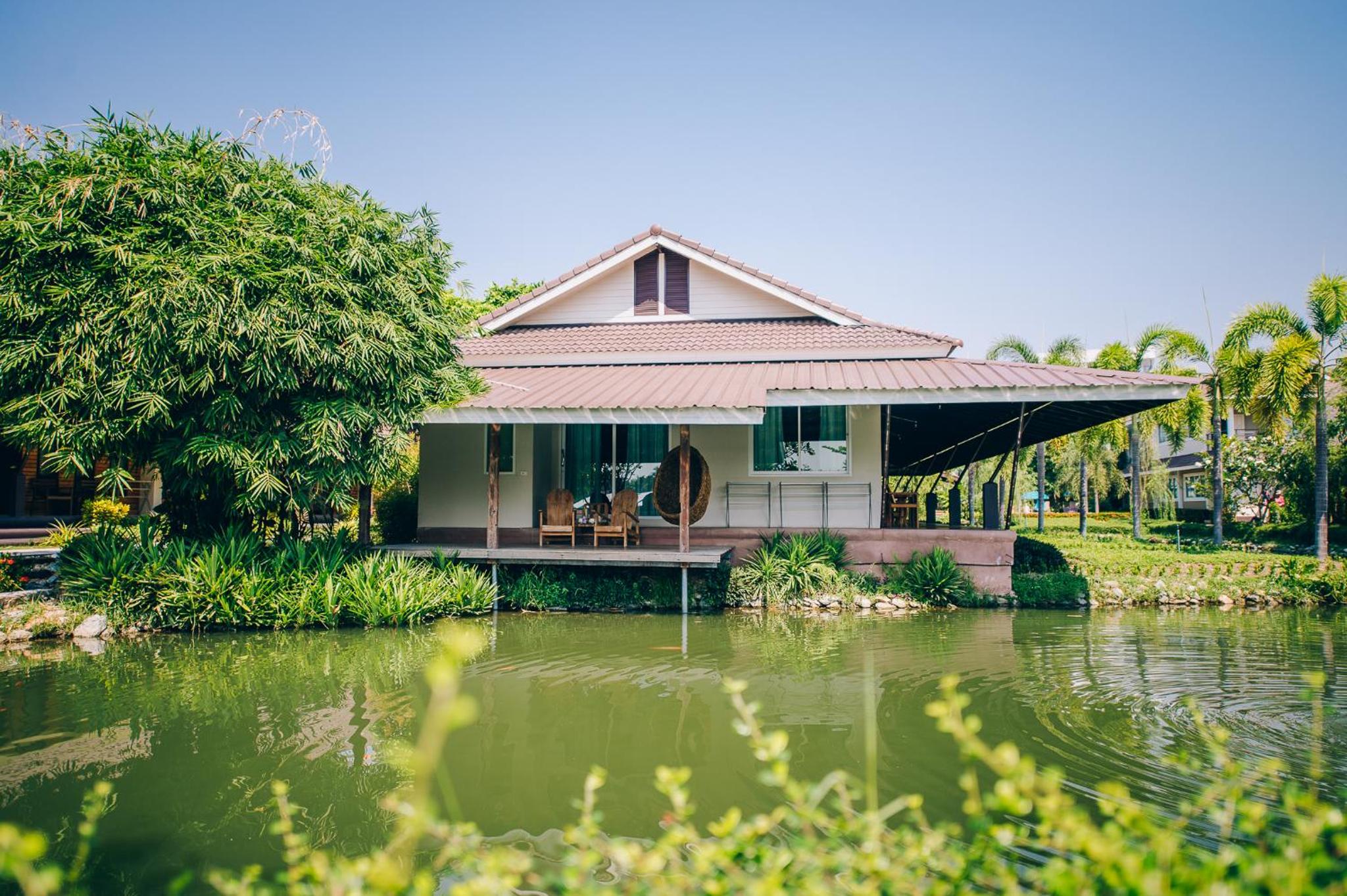
Drijvende vlotterhuisjes, sommige zonder elektriciteit, en rivierresorts, €40 tot €150, dicht bij Erawan en Sai Yok.


Wat je moet eten in Kanchanaburi
Kippensoep met kokos en galanga, milder dan tom yum
Snoekvis uit de rivier, gegrild of in curry, de lokale zoetwater vangst
Zure sinaasappelapencurry, een staple van de centrale vlakte
Birmaans-beïnvloede keuken in de Mon-gemeenschap in het noorden, verschillend van centraal Thai
Ontdek eetadresjes in Stippl
Vind restaurants en markten op de kaart, bewaar ze in je reisroute, werkt ook offline.
Kanchanaburi-gebruiken en wat niet te doen
De oorlogsbegraafplaatsen zijn graven
De Commonwealth-begraafplaats is een actief herdenkingsplaats waar families nog steeds komen; loop stil over de paden en zit of sta niet op of over de zerken.
De Mon zijn een apart volk
De gemeenschap rond Sangkhlaburi heeft een eigen taal, klederdracht en door Birma beïnvloede boeddhisme, en de ochtendalmoezen daar zijn een levend ritueel, geen voorstelling.
Ook Japanse bezoekers komen
De musea gaan voorzichtig om met de twee zijden van het verhaal van de spoorlijn, om hun eigen redenen, en een bezoeker doet er goed aan net zo voorzichtig te zijn met wat zij daar hardop zeggen.
Erawan sluit zijn poort om 15:30
De zevende trap is een flinke klim: begin vroeg, neem je eigen water mee en houd je tas dicht op het pad, want de apen zijn geoefend.
Wel doen
- Kleed je aan en gedraag je op de begraafplaatsen zoals je thuis zou doen
- Neem de audiogids bij Hellfire Pass; de wandeling betekent iets anders met de gids
- Zorg voor contant geld voor de parkpoort en begin Erawan vroeg
- Neem je eigen water mee naar de waterval
Niet doen
- Fotografeer jezelf op of over de graven
- Laat een tas onbewaakt op het Erawan-pad
- Probeer de zevende trap niet in slippers of in april
- Zoek geen attracties met gevangengehouden tijgers op
Wat een Kanchanaburi-reis kost
Budget
€15–25
Jeugdherberg aan het water of kamer met ventilator, markt en lokaal eten, fiets, stadsgezichten.
Middensegment
€40–70
Logement of hotel met zwembad, restaurantmaaltijden, een scooter, Erawan per bus.
Luxe
€100+
Een vlotterhuisje stroomopwaarts met diner en transfers, of een private auto voor het dal.
Houd bij wat je echt uitgeeft
Stel per land een dagbudget in en log uitgaven in elke valuta terwijl je reist.
Leuke weetjes over Kanchanaburi
De rivier werd hernoemd om bij de film aan te sluiten. Toeristen arriveerden op zoek naar de Kwai, en het gedeelte waar de brug overheen gaat, tot dan toe de Mae Klong, werd opnieuw aangewezen als Khwae Yai.
Twee overspanningen van de brug zijn hoekige vervangingen uit 1945. Geallieerde bombardementen vernietigden de originelen, en de gebogen overspanningen aan weerszijden ervan zijn degenen die gevangenen hebben gebouwd.
De sterftecijfers van de spoorlijn worden vaak weergegeven als één dood per gelegde slaapplaats. De herdenkingsmusea zetten het totaal boven de 100.000, waarvan ongeveer 12.000 geallieerde krijgsgevangenen waren en de rest gemobiliseerde Aziatische arbeiders.
De Mon-brug bij Sangkhlaburi is de langste handgemaakte houten brug van Thailand. Ongeveer 400 meter teak over het reservoir, herbouwd door het dorp nadat overstromingen in 2013 het midden hebben weggerukt.
Een ondergewaaide tempel steekt nog steeds boven het oppervlak van het Vajiralongkorn-reservoir uit. De dammen uit de jaren tachtig hebben het verdronken, en wanneer het water in het droge seizoen daalt, herveert de toren.
De stalen brug was de enige op het Thaise gedeelte van de lijn. De andere bruggen van de spoorlijn waren van hout, daarom werd deze brug het symbool en onderwerp van de film.
Lokale tips voor Kanchanaburi
De trein is het doel
De Bangkok-dienst is traag en ongeveer drie uur; het gedeelte naar Nam Tok rijdt over de originele Doodseilinglijn-aansluiting en is de reden om het te nemen. Kom per minibus aan, rijd van hier.
In de stad heb je vervoer nodig
De oorlogsbegraafplaats, de musea en de brug liggen verspreid over de stad in plaats van geclusterd. Een fiets voor ongeveer €1,50 of een scooter voor ongeveer €6 per dag is de normale oplossing.
Het dal is een dagtocht
Erawan, Hellfire Pass en Sai Yok zijn elk een dagtocht per bus, scooter, auto of rondleiding. De bus elk uur naar Erawan is de enige bruikbare openbare optie; controleer de laatste terug.
Hoe lang te blijven
De meeste mensen geven Kanchanaburi 2 nachten op Stippl: de brug, de begraafplaats en de spoorlijn op één dag, Erawan of Hellfire Pass op de volgende.
Hitte is het risico
De provincie ligt binnenlands in het heetste gedeelte van Thailand, en de Erawan-wandeling is een twee kilometer klim in vochtigheid zonder water te koop voorbij de ingang. Neem het mee en ga voor tien uur omhoog.
De bovenste twee trappen klimmen
Trappen één tot vijf op Erawan zijn makkelijk; zes en zeven zijn natte kalksteentrappen met handen. De poort handhaaft de half vier sluitingstijd en de paden sluiten na zware regenval.
Kanchanaburi-vragen, beantwoord
Als twee nachten op weg ergens heen in plaats van een retourtrip uit de hoofdstad. De trein van Thonburi duurt een paar uur en de bezienswaardigheden liggen langs een vallei ten westen van de stad in plaats van erin. Lay de dagen uit in Stippl rond de Erawan-poortijden. Vraag dan aan mensen die de lijn hebben gereden, in subreddits zoals r/ThailandTourism.
Slecht. Slechts 3,83% van de Kanchanaburi-stops die op Stippl zijn gepland, hebben geen nacht, en de reden dat zo weinig proberen is de geografie: de oorlogssites en Erawan Falls liggen aan tegenovergestelde uiteinden van zeventig kilometer vallei. Een dag geeft je de brug en de begraafplaats, en niets ten westen ervan.
De lijn die geallieerde gevangenen en gemobiliseerde arbeiders gedwongen bouwden tijdens de oorlog, waarvan één sectie nog steeds rijdt. Treinen nemen ongeveer twee uur van de stad naar Nam Tok langs rotsanden en over het Wang Po-viaduct, gesneden in de rotsplaat. Trips die Kanchanaburi omvatten, lopen 24 dagen op Stippl.
Dat het een klim is, dat je erin zwemt, en dat de poort eerder sluit dan je verwacht. Zeven niveaus lopen ongeveer twee kilometer op langs de rivier, gemakkelijk tot het vijfde en klimmend daarboven. De poorten sluiten in de late namiddag zonder toelating in het laatste uur, en ze nemen alleen contant geld aan.
Aan de rivier, en liever op haar. Vlothuizen zijn drijvende kamers vastgebonden aan de wal en ze zijn het enige soort bed hier dat een ervaring is in plaats van gewoon een plek om te slapen. De stad zelf is klein en loopbaar, en een fiets of scooter dekt alles anders in de stad.
Eerder dan het meeste van Thailand: reizigers laten 92 dagen verstrijken tussen het plannen van een Kanchanaburi-stop op Stippl en aankomst, wat meer dan drie maanden is. Vlothuizen zijn een klein aanbod en het koele, droge raam van november tot februari is kort, dus de twee samen zetten de beslissing naar voren.
Elke gids is geschreven door de Stippl-redactie en getoetst aan de reizen die onze reizigers echt plannen. Iets verouderds gezien? Laat het ons weten.

Plan Kanchanaburi in Stippl
Planning per dag, verblijven en budget in één app, met elke plek uit deze gids al op de kaart.
Download de app