

Suwon
Suwon is the easiest UNESCO site to reach from Seoul, on the same subway, and a complete eighteenth-century fortress you walk end to end in two hours. Beds and food cost less than thirty minutes away.
Suwon in a nutshell
Suwon: what to expect
We work from 51,000+ planned stops across South Korea on Stippl.
Suwon is thirty kilometres south of Seoul and Hwaseong Fortress is its whole identity. The walls run 5.74 kilometres, stand between four and six metres high and enclose 130 hectares, and King Jeongjo had them built in twenty-eight months to honour his father. Forty-eight structures sit along them, gates, command posts, secret sally ports and floodgates, following the ground rather than imposing a square on it. UNESCO inscribed the fortress in 1997.
Suwon is a stop rather than a stay, and everything we can check agrees on it. The place record carries a typical stay of one night, every guide that names Suwon treats it as a day out of Seoul, and what we hold ourselves points the same way. This is the one Korean destination where we publish no figure of our own: the sample is too small to be worth quoting.
Walk the full circuit rather than photographing one gate. Two hours takes you past all forty-eight structures and over Paldalsan, and doing a single gate and leaving is the common mistake. Hwaseong Haenggung, the palace the king used away from Seoul, runs re-enactments from April to October. Paldalmun Market and the fried-chicken alley beside it are the other reason to stay past the walls. Skip Suwon if you want a multi-day city, because there is one sight and it takes an afternoon.
Plan Suwon in Stippl
Day-by-day planning, stays and budget in one app, with every place from this guide already on the map.
Download the appWho Suwon is for
History-focused travellers
The fortress is a complete, walkable eighteenth-century military system rather than a fragment, and the engineering story is unusually well documented.
Anyone with a spare half-day
Suwon is the easiest UNESCO site to reach from Seoul, on the same subway line the city already uses.
Foodies
Suwon has two dishes of its own and a street dedicated to the second, which is rare for a city this close to a capital.
Walkers
Nearly six kilometres of continuous rampart with a hill in the middle is a genuine walk, not a viewpoint.
Anyone avoiding Seoul's prices
Accommodation and food are meaningfully cheaper thirty minutes away, and the subway makes the commute painless.
Repeat visitors to Korea
Once the obvious Seoul sights are done, Suwon is the nearest thing that is not Seoul.
Maybe not for you: anyone wanting a multi-day city. There is one major sight, it takes an afternoon, and the case for Suwon as a destination in its own right is a walk; most people give it one night, if that.
The best time to visit Suwon
Spring
April and May
The recommended window in every source and the best months in our own data: warm, comparatively dry and the flowers out around the fortress walls. The Haenggung re-enactments start their season in April.
Jangma
Late June to August
The East Asian monsoon, with July alone bringing more rain than January to April combined. The walls are open and empty, the humidity is the thing, and the palace is the dry hour.
Autumn
September to November
October is the driest warm month and the foliage window, and several sources rate it above spring; the Hwaseong Cultural Festival in October is the city's main event.
Winter
December to February
Cold and very dry, with the walls open and empty and the hill sections icy. The galbi restaurants are the winter plan, and the day trip from Seoul works in any weather.
- Korea is planned about 94 days ahead on Stippl, and only 9.92% of plans are made inside a fortnight. Suwon is a day trip from Seoul for most, so the room that matters is the Seoul one; the fortress needs no booking.
- The Suwon Hwaseong Cultural Festival takes the fortress for a weekend in October. The royal procession re-enactment, the night walk on the walls and the fireworks; it is the city's main annual event and the one weekend the Haenggung is crowded.
- The Haenggung re-enactments run April to October on a seasonal schedule. The changing of the guard and the martial-arts demonstrations happen daily in season and not at all in winter; check the schedule before building a day around them.
- The full wall walk is five kilometres and the hill sections ice over in winter. The Paldalsan stretch is the steep one; from December to February walk the flat northern half and take the Hwaseong trolley for the rest.
Add your Suwon dates and we'll flag the weather
Stippl shows the season, crowds and prices for every stop on your route.
Describe your trip, get a Suwon itinerary in seconds
Everything in this guide is already in Stippl. Tell the planner how long you have and what you like: it builds the route, the days and the travel times, and you edit whatever you want.
Things to do in Suwon
 Photo by Bruna Santos via Pexels
The full wall circuit
Walk the 5.74 kilometres around the fortress past all forty-eight structures and over Paldalsan, about two hours, about €1. Doing one gate and leaving is the common mistake; the circuit is the experience.
Hwaseong Haenggung
Walk the temporary palace inside the walls where the king stayed away from Seoul, about €1, with the re-enactments and the martial-arts demonstration in the courtyard from April to October. Eleven in the morning is the show.
Fried Chicken Street
Eat at the alley by Paldalmun market that made a dish out of the city, about €15 for a whole bird, then walk the market at the South Gate. Evenings, and the oldest shops are the ones with the queue.
Haengnidan-gil
Walk the mural-and-craft alley below the palace, Suwon's answer to Seoul's Ikseon-dong, free, with the cafés for the afternoon. Weekday afternoons.
The Hwaseong trolley
Ride the dragon-shaped trolley along the northern wall for about €3 when the hill sections are too much, from Paldalsan to Yeonmudae. The archery at the end is about €2 for ten arrows.
The Samsung Innovation Museum
Spend an hour in the corporate-history museum in the company's home city, free with a booking, the one Suwon thing most visitors already know. Closed weekends; book online.
The neighbourhoods of Suwon
The fortress area
Inside the walls, the palace
The walled historic core: the battlements, the gates, the command posts and the palace, with guesthouses and small hotels inside the ring. For first visits and for the walls at dawn.
The fortress from the door, and a small choice of rooms.
Haengnidan-gil
Low-rise lanes, murals, cafés
The low-rise streets below the palace: murals, indie craft shops, dalgona stalls and a pedestrian alley busy with the weekend café crowd, with guesthouses. For long stays and for the cafés.
The prettiest lanes and the cafés, and the weekend queues.
Nammun
South gate market, chicken street
The traditional market heart around the south gate: sundae and bindaetteok stalls and the Fried Chicken Street that draws people from Seoul, with budget hotels. For eating and budget travellers.
The chicken street and the market, and the noise of both.
Ingye-dong
Nightlife strip, karaoke
The compact nightlife and dining strip walkable from the fortress: karaoke rooms, bars and student restaurants, with the mid-range hotels. For nightlife and for a base with the walls in reach.
The bars on foot, and the noise until late.
See every Suwon neighbourhood on one map
Save the areas you like and Stippl plots your days so you're not crossing the city twice.
Where to stay in Suwon
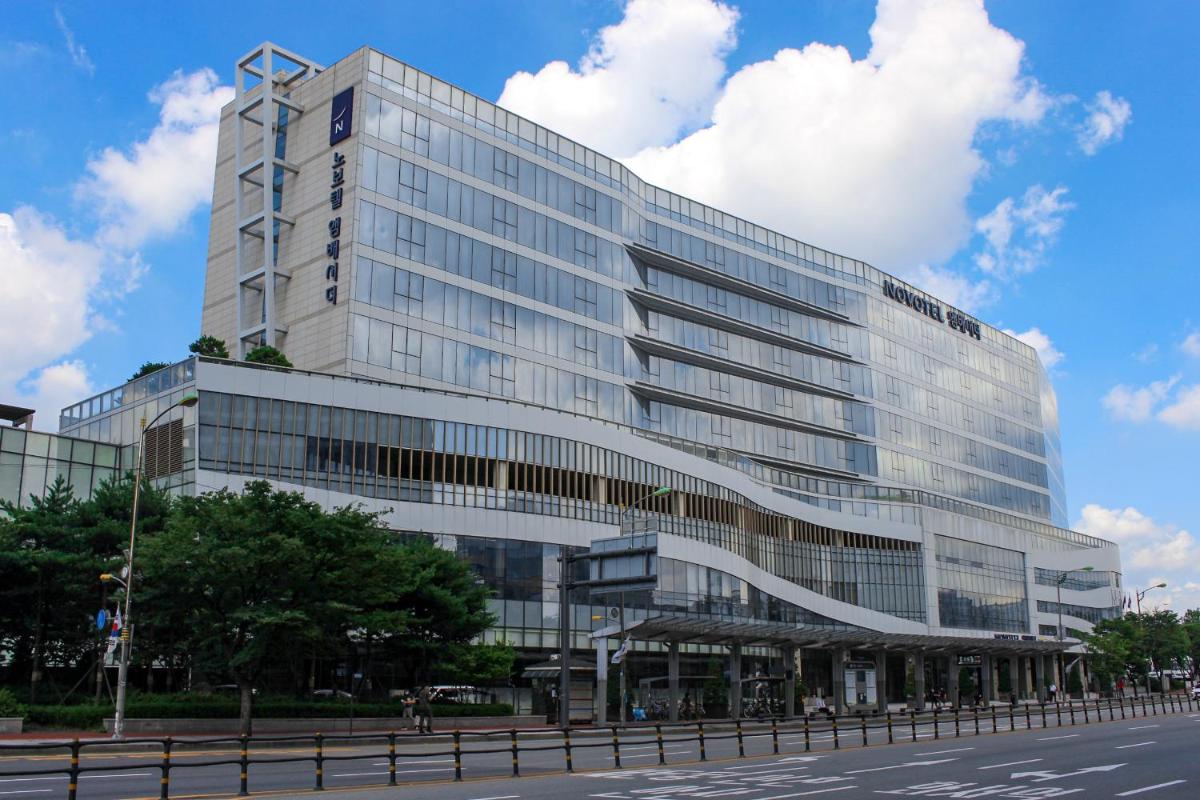
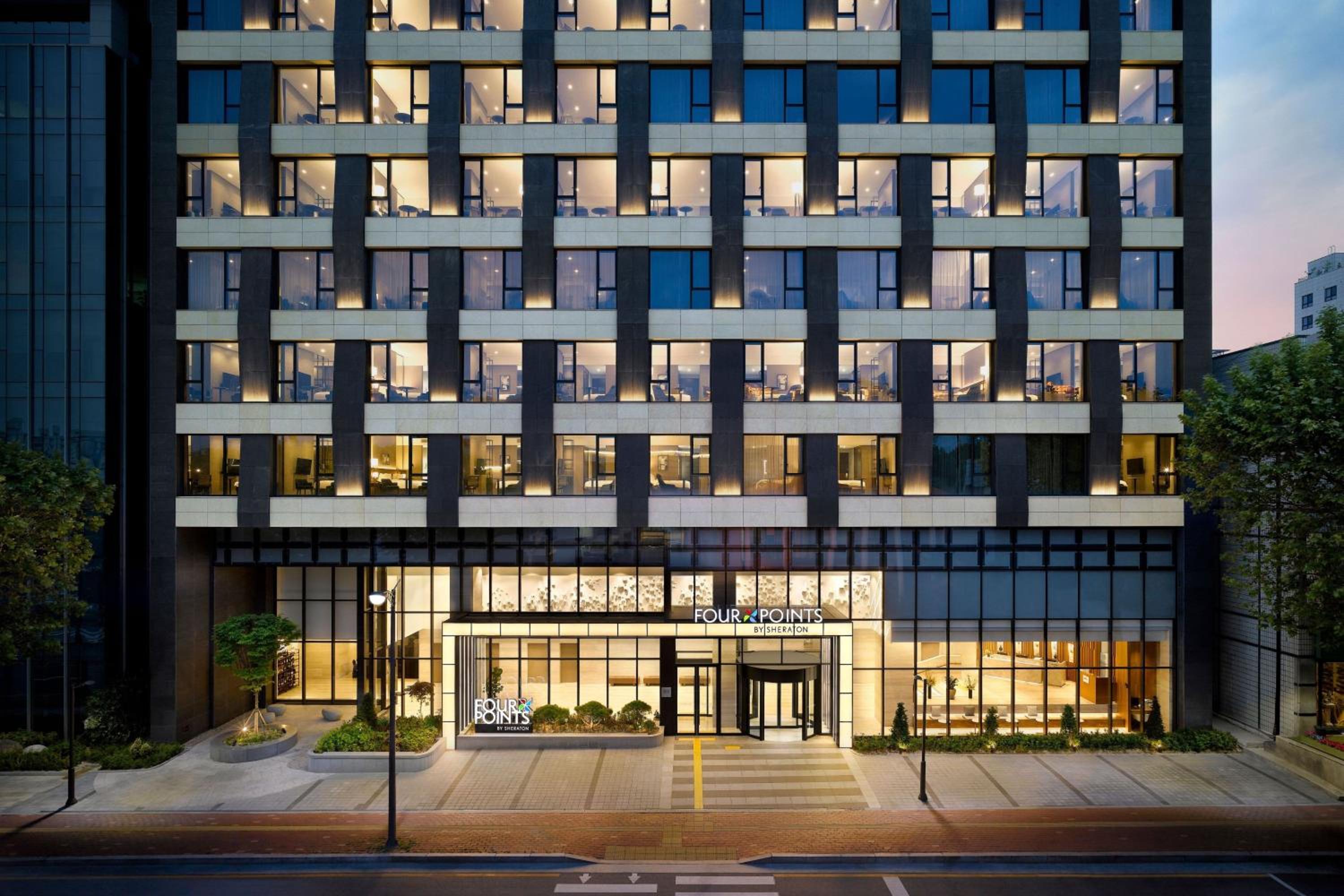
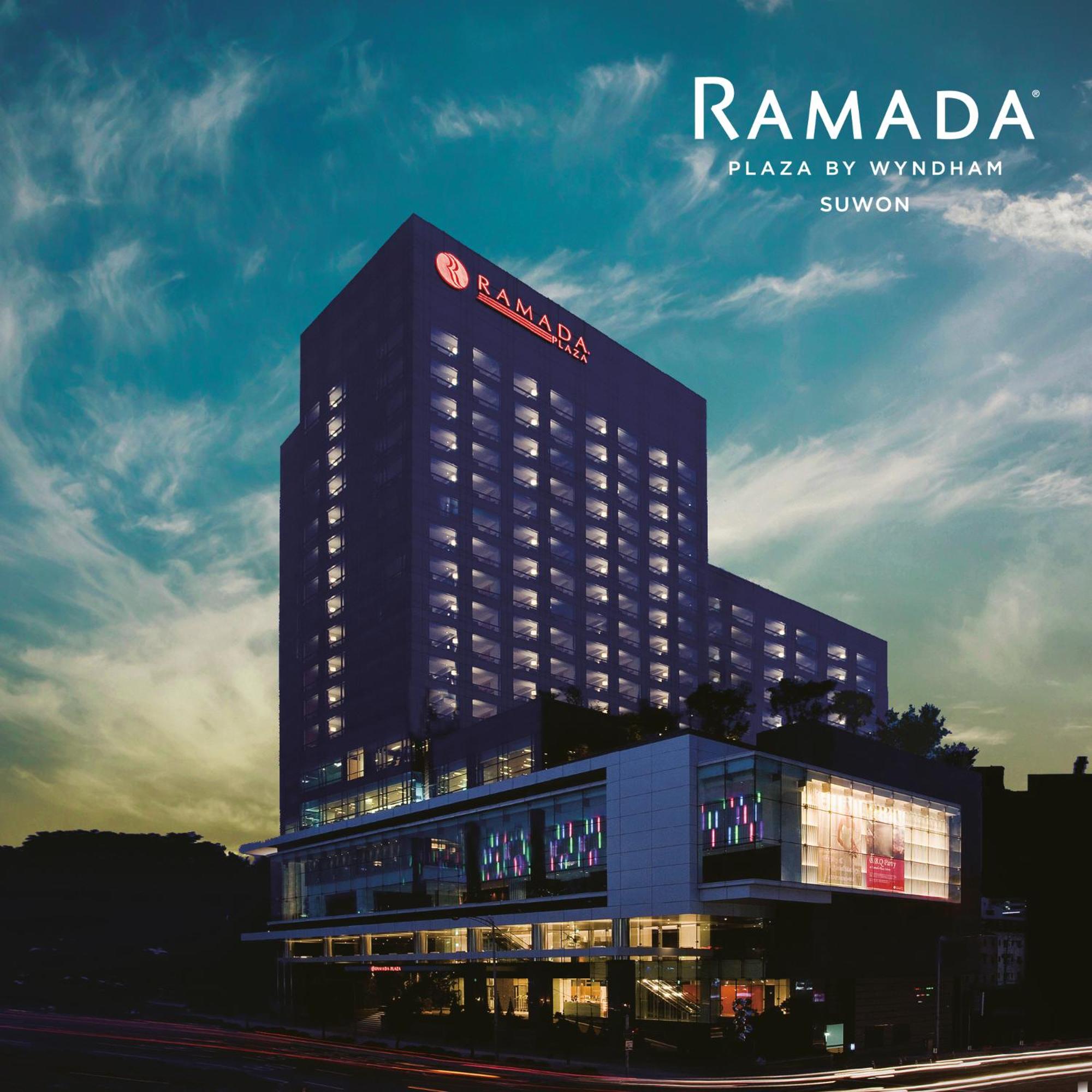
Stay near the fortress if you stay at all: the walls, Haenggung-dong and Paldalmun Market are inside walking distance and Ingye-dong's restaurants are just beyond. Most visitors day-trip, and Seoul, where most people spend 4 nights on Stippl, is a legitimate base at thirty to forty minutes each way. The mid-range is corporate business stock rather than boutique.
The fortress area
Guesthouses and small hotels inside the ring of walls, €40 to €90, with the battlements outside.
Haengnidan-gil
Guesthouses and hanok rooms in the low-rise streets below the palace, €40 to €80.
Nammun
Budget hotels and motels around the market, €30 to €60, near the chicken street.
Ingye-dong
Business hotels on the dining strip, €50 to €110, walkable from the fortress.


What to eat in Suwon
Beef short ribs, filleted open and seasoned with salt, garlic and spring onion rather than a soy marinade: the distinguishing feature of the local style
Whole fried chicken glazed in the galbi seasoning, a Suwon invention fusing its two famous foods
Hangover soup: the dish Hwachunok actually opened as in 1945, before it became a galbi restaurant
Korean blood sausage, steamed and sliced
Fried mung-bean pancake
Discover food spots in Stippl
Find restaurants and markets on the map, save them to your itinerary, works offline too.
Suwon customs and what not to do
The fortress is not a park
Walking the ramparts is expected and encouraged, but the structures themselves are protected and signposted; no climbing on the gates, and the archery range is for the ticket-holders.
A working provincial capital
Not a tourist town: outside the fortress zone and Ingye-dong English is thinner than in Seoul and menus are less likely to be translated, so the Hangul you learned pays here.
Galbi assumes company
The local dish is grilled beef ribs ordered by the portion for the table, which in practice makes it awkward to order for one; the galbi street by the fortress seats groups.
Jeongjo and Sado still matter
The fortress exists because King Jeongjo built it near his father's tomb after Sado died in a rice chest, and the story is told everywhere on site; know it before the walk.
Do
- Walk the whole ring rather than photographing one gate
- Buy the integrated ticket if you intend to see the palace or either museum
- Come in April to May or October if the walk is the reason you are coming
- Carry water onto the ramparts; there is little shade and one hill
Don't
- Assume the fortress is at Suwon Station; it is a bus ride away
- Plan Everland from here as if it were local; it is in another city
- Attempt the full circuit in the middle of an August afternoon
- Confuse Hwaseong Fortress with Hwaseong-si, a separate city twenty kilometres away
What a Suwon trip costs
Budget
€26–45
Guesthouse or motel near the station, market food, fortress entry, local buses.
Mid-range
€45–77
Business hotel in the centre, a galbi dinner, taxis, the integrated ticket.
High-end
€96+
Full-service hotel, a proper wang galbi restaurant, private guiding.
Track what you actually spend
Set a daily budget per country and log expenses in any currency while you travel.
Fun facts about Suwon
The whole fortress went up in 28 months. Hwaseong's 5.74 km ring was built between 1794 and 1796, which for a fortified circuit of that size is the fact people remember.
Cranes were designed for this building site. The geojunggi pulley cranes that raised the stones were invented by the scholar Jeong Yak-yong for the project, and are counted among the Joseon dynasty's inventions.
King Jeongjo built the fortress partly to rebury his father. Prince Sado had been executed by being sealed in a rice chest on the order of his own father, and the son moved his tomb here.
UNESCO praised Hwaseong for following the land rather than flattening it. The walls trace the topography, which is why the circuit has a hill in it, and why the 1997 citation singles that out.
Suwon's two famous foods produced a third. Wang galbi tongdak exists because a fried-chicken street sat next to a galbi city, and the 2019 comedy Extreme Job made it a national order.
Suwon galbi began as a side dish in a hangover-soup shop. Hwachunok opened in 1945 selling haejangguk; the ribs were what it served alongside, and they outgrew the soup.
Local tips for Suwon
Three trains from Seoul
They differ by a factor of four: the subway at sixty to ninety minutes for about €1.50, Korail at thirty to forty for about €3, the KTX at twenty-five for about €6.
Book Korail a month ahead
Korail tickets open one month ahead and close twenty minutes before departure, on the site or at the station. Suwon is on the Gyeongbu line, a natural break on a Seoul to Busan run.
The fortress trolley
A tourist trolley runs between the fortress landmarks for about €3, which matters because the circuit is nearly six kilometres and the gates are far apart. Walk the wall, ride the gaps.
Walk the wall before ten
Heat is the most dangerous thing about this destination: the country recorded thousands of heat-illness cases in summer 2026 and the ramparts have no shade. Water, a hat, and the circuit done by mid-morning.
Wet stone in July and August
The monsoon months bring 385 and 296 millimetres, and the wall sections over Paldalsan are stone and get slippery. In winter the hill sections ice over and the ramparts have drops.
One day is enough
The fortress, the Hwaseong Haenggung palace and a fried-chicken street lunch fit in a day from Seoul. Stay the night only if you want the wall lit up after dark, which it is until eleven.
Suwon questions, answered
As a half day out of Seoul rather than a stop of its own. Seoul carries 43% of everything planned in South Korea on Stippl, and Suwon is well under an hour down line 1 from it. Put it into Stippl as a morning out and be back in the city for dinner.
A day trip, for almost everyone. Korea is a country of short stops in any case, with 21.07% of stops planned on Stippl running to a single night, and Suwon does not even ask for that. Staying is a defensible minority choice, for the food and the cheaper rooms.
Half a day. The fortress wall is about two hours for the full circuit, a little under six kilometres with a hill in the middle of it, and the palace and museums inside add an hour or two more. Seoul gets 4 nights in the plans on Stippl, and Suwon fits inside one of them.
Three ways that differ by a factor of four in both time and price. Subway line 1 takes an hour to an hour and a half for a city fare; a regular Korail train does it in about half an hour; and some KTX services stop in twenty-five to thirty minutes. The subway is usually enough.
No. Everland is in Yongin, a separate city to the east, and it is an outdoor park rather than the indoor one people often have in mind. The big indoor theme park is Lotte World, in Seoul. If Everland is the plan, base yourself for it rather than pairing it with the fortress.
Wang galbi, the city's own beef short rib, salt-seasoned rather than soy-marinated and a genuinely different dish from the Seoul version. Then the fried chicken glazed with the same seasoning, sold along Tongdak Golmok, which was invented here off the back of it.
Every guide is written by the Stippl editors and checked against the trips our travellers actually plan. Spotted something out of date? Let us know.

Plan Suwon in Stippl
Day-by-day planning, stays and budget in one app, with every place from this guide already on the map.
Download the app