

Suwon
Suwon es el sitio UNESCO más fácil de alcanzar desde Seúl, en el mismo metro, y una fortaleza completa del siglo dieciocho que recorres de punta a punta en dos horas. Alojamiento y comida cuestan menos de lo que gastarías en treinta minutos en la capital.
Suwon en pocas palabras
Suwon: qué esperar
Operamos desde 51.000+ paradas planeadas en toda Corea del Sur en Stippl.
Suwon está a treinta kilómetros al sur de Seúl y la Fortaleza de Hwaseong es toda su identidad. Los muros recorren 5,74 kilómetros, tienen entre cuatro y seis metros de altura y encierran 130 hectáreas, y el Rey Jeongjo los mandó construir en veintiocho meses para honrar a su padre. Cuarenta y ocho estructuras se encuentran a lo largo de ellos, puertas, puestos de mando, puertos de salida secretos y compuertas de inundación, siguiendo el terreno en lugar de imponerle un cuadrado. La UNESCO inscribió la fortaleza en 1997.
Suwon es una parada en lugar de una estancia, y todo lo que podemos verificar está de acuerdo en ello. El registro del lugar lleva una estancia típica de una noche, cada guía que menciona Suwon lo trata como una excursión de un día desde Seúl, y lo que tenemos nos señala de la misma manera. Este es el único destino coreano donde no publicamos una cifra propia: la muestra es demasiado pequeña para ser digna de citar.
Camina el circuito completo en lugar de fotografiar una sola puerta. Dos horas te llevan a pasar todas las cuarenta y ocho estructuras y sobre Paldalsan, y hacer una sola puerta e irte es el error común. Hwaseong Haenggung, el palacio que el rey usaba lejos de Seúl, lleva a cabo recreaciones de abril a octubre. El Mercado Paldalmun y el callejón de pollo frito a su lado son la otra razón para quedarse más allá de los muros. Salta Suwon si quieres una ciudad de varios días, porque hay un solo sitio y toma una tarde.
Planifica Suwon en Stippl
Planificación día a día, alojamientos y presupuesto en una sola app, con cada lugar de esta guía ya en el mapa.
Descargar la appPara quién es Suwon
Viajeros enfocados en la historia
La fortaleza es un sistema militar del siglo dieciocho completo y caminable en lugar de un fragmento, y la historia de la ingeniería está documentada de manera inusualmente bien.
Cualquiera con media hora libre
Suwon es el sitio de la UNESCO más fácil de alcanzar desde Seúl, en la misma línea de metro que la ciudad ya usa.
Amantes de la gastronomía
Suwon tiene dos platos propios y una calle dedicada al segundo, lo cual es raro para una ciudad tan cerca de una capital.
Caminantes
Casi seis kilómetros de muralla continua con una colina en el medio es un paseo genuino, no un mirador.
Cualquiera que evite los precios de Seúl
El alojamiento y la comida son significativamente más baratos a treinta minutos de distancia, y el metro hace que el desplazamiento sea indoloro.
Visitantes recurrentes a Corea
Una vez que los sitios obvios de Seúl están hechos, Suwon es la cosa más cercana que no es Seúl.
Puede que no sea para ti: cualquiera que quiera una ciudad de varios días. Hay un sitio importante, toma una tarde, y el argumento de Suwon como destino en su propio derecho es un paseo; la mayoría de las personas le dan una noche, si acaso.
El mejor momento para visitar Suwon
Primavera
Abril y mayo
La ventana recomendada en todas las fuentes y los mejores meses según nuestros propios datos: cálido, relativamente seco y las flores floreciendo alrededor de los muros de la fortaleza. Los reenactments del Haenggung comienzan su temporada en abril.
Jangma
Finales de junio a agosto
El monzón de Asia oriental, con julio solo trayendo más lluvia que enero a abril combinados. Los muros están abiertos y vacíos, la humedad es lo que pesa, y el palacio es la hora seca.
Otoño
Septiembre a noviembre
Octubre es el mes cálido más seco y la ventana de follaje, y varias fuentes lo clasifican por encima de la primavera; el Festival Cultural Hwaseong en octubre es el evento principal de la ciudad.
Invierno
Diciembre a febrero
Frío y muy seco, con los muros abiertos y vacíos y las secciones de colina heladas. Los restaurantes de galbi son el plan de invierno, y el viaje de un día desde Seúl funciona en cualquier clima.
- Corea se planifica aproximadamente 94 días antes en Stippl, y solo el 9,92% de los planes se hacen en menos de una quincena. Suwon es un viaje de un día desde Seúl para la mayoría, así que la habitación que importa es la de Seúl; la fortaleza no necesita reserva.
- El Festival Cultural Suwon Hwaseong toma la fortaleza durante un fin de semana en octubre. El reenactment de la procesión real, el paseo nocturno en los muros y los fuegos artificiales; es el evento anual principal de la ciudad y el único fin de semana que el Haenggung está lleno de gente.
- Los reenactments del Haenggung se ejecutan de abril a octubre según un calendario estacional. El cambio de guardia y las demostraciones de artes marciales ocurren diariamente en temporada y no en absoluto en invierno; verifica el horario antes de construir un día alrededor de ellos.
- La caminata completa del muro es de cinco kilómetros y las secciones de colina se congelan en invierno. El tramo de Paldalsan es el empinado; desde diciembre a febrero camina la mitad norte plana y toma el tranvía Hwaseong para el resto.
Añade tus fechas para Suwon y te avisamos del tiempo
Stippl muestra la temporada, la afluencia y los precios de cada parada de tu ruta.
Describe tu viaje y obtén un itinerario de Suwon en segundos
Todo lo de esta guía ya está en Stippl. Dile al planificador cuánto tiempo tienes y qué te gusta: construye la ruta, los días y los tiempos de viaje, y tú editas lo que quieras.
Cosas que hacer en Suwon
 Photo by Bruna Santos via Pexels
El circuito completo de muros
Camina los 5.74 kilómetros alrededor de la fortaleza pasando las cuarenta y ocho estructuras y sobre Paldalsan, aproximadamente dos horas, aproximadamente €1. Hacer una puerta e irse es el error común; el circuito es la experiencia.
Hwaseong Haenggung
Camina el palacio temporal dentro de los muros donde el rey se quedaba fuera de Seúl, aproximadamente €1, con los reenactments y la demostración de artes marciales en el patio de abril a octubre. Las once de la mañana es el espectáculo.
Fried Chicken Street
Come en el callejón junto al mercado Paldalmun que hizo un plato de la ciudad, aproximadamente €15 para un ave completa, luego camina por el mercado de la Puerta Sur. Por las noches, y las tiendas más antiguas son las que tienen la cola.
Haengnidan-gil
Camina el callejón de murales y artesanía debajo del palacio, la respuesta de Suwon a Ikseon-dong de Seúl, gratis, con los cafés para la tarde. Tardes entre semana.
El tranvía Hwaseong
Monta el tranvía en forma de dragón a lo largo del muro norte aproximadamente €3 cuando las secciones de colina son demasiado, desde Paldalsan a Yeonmudae. El tiro con arco al final es aproximadamente €2 por diez flechas.
El Museo de Innovación Samsung
Pasa una hora en el museo de historia corporativa en la ciudad natal de la empresa, gratis con una reserva, la única cosa de Suwon que la mayoría de los visitantes ya conocen. Cerrado los fines de semana; reserva en línea.
Los barrios de Suwon
The fortress area
Dentro de los muros, el palacio
El núcleo histórico amurallado: los adarves, las puertas, los puestos de mando y el palacio, con casas de huéspedes y pequeños hoteles dentro del anillo. Para primeras visitas y para ver los muros al amanecer.
La fortaleza desde la puerta, y una pequeña selección de habitaciones.
Haengnidan-gil
Callejones de baja altura, murales, cafés
Las calles de baja altura debajo del palacio: murales, tiendas de artesanía independientes, puestos de dalgona y un callejón peatonal lleno de multitudes de cafés los fines de semana, con casas de huéspedes. Para estancias largas y para los cafés.
Los callejones más bonitos y los cafés, y las colas de los fines de semana.
Nammun
Mercado de la puerta sur, la calle de pollo
El corazón del mercado tradicional alrededor de la puerta sur: puestos de sundae y bindaetteok y la Calle de Pollo Frito que atrae a gente desde Seúl, con hoteles económicos. Para comer y viajeros con presupuesto.
La calle de pollo y el mercado, y el ruido de ambos.
Ingye-dong
Franja de vida nocturna, karaoke
La franja compacta de vida nocturna y comida a pie de la fortaleza: salones de karaoke, bares y restaurantes de estudiantes, con hoteles de gama media. Para vida nocturna y para una base con los muros al alcance.
Los bares a pie, y el ruido hasta tarde.
Consulta todos los barrios de Suwon en un solo mapa
Guarda las zonas que te gusten y Stippl organiza tus días para que no cruces la ciudad dos veces.
Dónde alojarse en Suwon
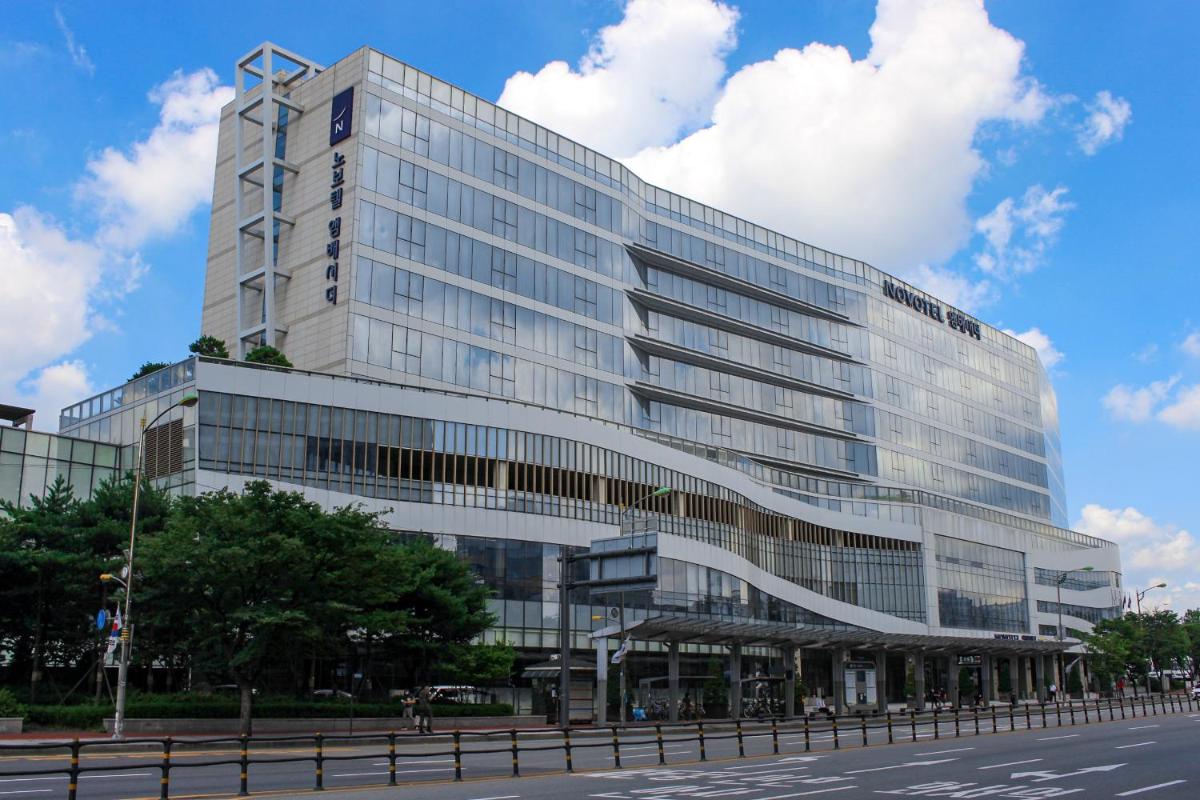
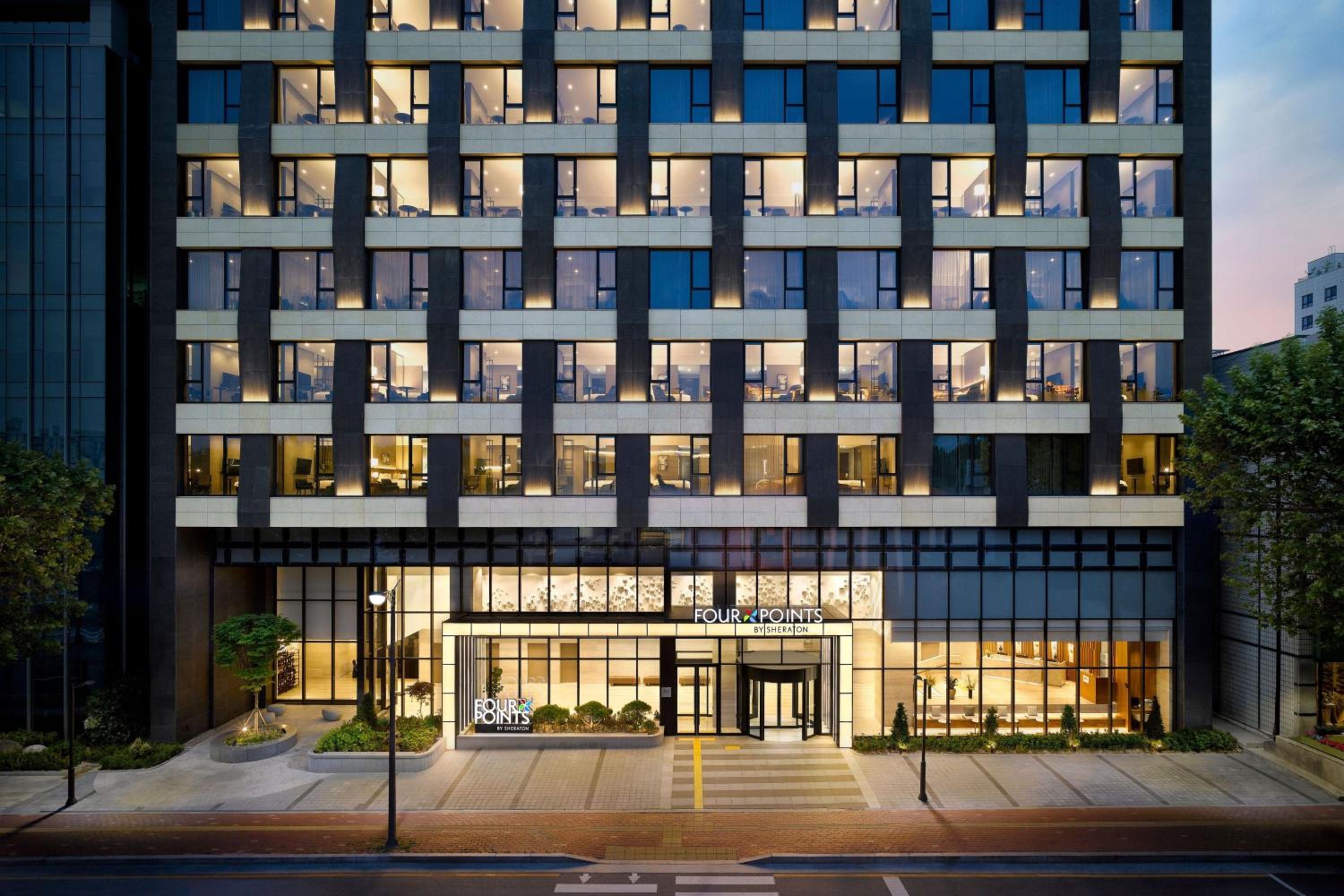
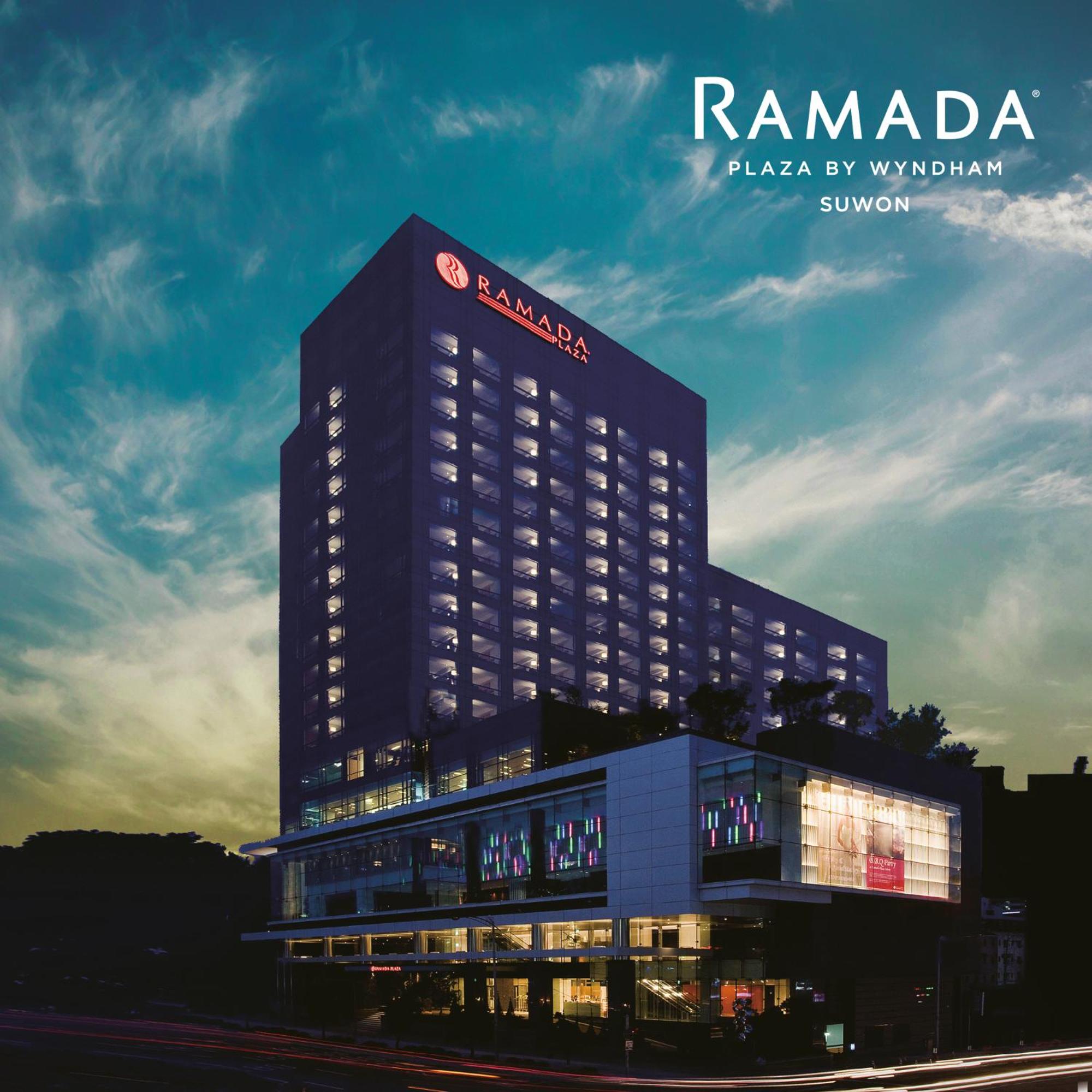
Quédate cerca de la fortaleza si te quedas en absoluto: los muros, Haenggung-dong y Paldalmun Market están a poca distancia a pie e Ingye-dong's restaurants están justo más allá. La mayoría de los visitantes visitan de un día, y Seúl, donde la mayoría de las personas pasan 4 noches en Stippl, es una base legítima a treinta a cuarenta minutos en cada dirección. El rango medio es stock de negocios corporativos en lugar de boutique.
El área de la fortaleza
Casas de huéspedes y pequeños hoteles dentro del anillo de muros, €40 a €90, con los adarves afuera.
Haengnidan-gil
Casas de huéspedes y habitaciones hanok en las calles de baja altura debajo del palacio, €40 a €80.
Nammun
Hoteles económicos y moteles alrededor del mercado, €30 a €60, cerca de la calle de pollo.
Ingye-dong
Hoteles de negocios en la franja de comida, €50 a €110, a pie de la fortaleza.


Qué comer en Suwon
Costillas de res, abiertas en filete y sazonadas con sal, ajo y cebolla de primavera en lugar de un marinado de soja: la característica distintiva del estilo local
Pollo frito entero glaseado con la salsa galbi, una invención de Suwon que fusiona sus dos alimentos famosos
Sopa para la resaca: el plato que Hwachunok abrió como en 1945, antes de convertirse en un restaurante de galbi
Salchicha de sangre coreana, al vapor y en rodajas
Tortita frita de harina de mung
Descubre sitios para comer en Stippl
Encuentra restaurantes y mercados en el mapa, guárdalos en tu itinerario, también funciona sin conexión.
Costumbres de Suwon y qué no hacer
La fortaleza no es un parque
Caminar por los adarves es esperado y alentado, pero las estructuras mismas están protegidas y señalizadas; sin escalada en las puertas, y el campo de tiro es para los titulares de entrada.
Una capital provincial que funciona
No es un pueblo turístico: fuera de la zona de la fortaleza e Ingye-dong, el inglés es más escaso que en Seúl y los menús son menos probable que estén traducidos, así que el Hangul que aprendiste vale aquí.
Galbi asume compañía
El plato local es costillas de res a la parrilla pedidas por porción para la mesa, lo que en la práctica dificulta pedir para uno; la calle de galbi cerca de la fortaleza acomoda grupos.
Jeongjo y Sado siguen importando
La fortaleza existe porque el rey Jeongjo la construyó cerca de la tumba de su padre después de que Sado muriera en una caja de arroz, y la historia se cuenta en todas partes del sitio; conócela antes de la caminata.
Sí
- Camina todo el anillo en lugar de fotografiar una puerta
- Compra el boleto integrado si tienes la intención de ver el palacio o cualquiera de los museos
- Ven en abril a mayo u octubre si la caminata es la razón por la que vienes
- Lleva agua a los adarves; hay poco sombra y una colina
No
- Supón que la fortaleza está en la estación de Suwon; está a un viaje en autobús de distancia
- Planifica Everland desde aquí como si fuera local; está en otra ciudad
- Intenta el circuito completo en el medio de una tarde de agosto
- Confunde Hwaseong Fortress con Hwaseong-si, una ciudad separada veinte kilómetros más allá
Lo que cuesta un viaje a Suwon
Presupuesto
€26–45
Casa de huéspedes o motel cerca de la estación, comida de mercado, entrada a la fortaleza, autobuses locales.
Rango medio
€45–77
Hotel de negocios en el centro, una cena de galbi, taxis, el boleto integrado.
De lujo
€96+
Hotel de servicio completo, un restaurante wang galbi adecuado, guía privada.
Controla lo que gastas de verdad
Fija un presupuesto diario por país y registra gastos en cualquier moneda mientras viajas.
Curiosidades sobre Suwon
La fortaleza completa se construyó en 28 meses. El anillo de 5.74 km de Hwaseong se construyó entre 1794 y 1796, que para un circuito fortificado de ese tamaño es el dato que la gente recuerda.
Las grúas fueron diseñadas para este sitio de construcción. Las grúas de polea geojunggi que levantaban las piedras fueron inventadas por el erudito Jeong Yak-yong para el proyecto, y se cuentan entre los inventos de la dinastía Joseon.
El rey Jeongjo construyó la fortaleza en parte para reenterrar a su padre. El príncipe Sado fue ejecutado al ser sellado en una caja de arroz por orden de su propio padre, y el hijo trasladó su tumba aquí.
La UNESCO elogió Hwaseong por seguir la topografía en lugar de aplanarla. Los muros trazan la topografía, por lo que el circuito tiene una colina en él, y por eso la cita de 1997 lo destaca.
Las dos comidas famosas de Suwon produjeron una tercera. Wang galbi tongdak existe porque una calle de pollo frito estaba al lado de una ciudad de galbi, y la comedia de 2019 Extreme Job la convirtió en un pedido nacional.
El galbi de Suwon comenzó como un acompañamiento en una tienda de sopa de resaca. Hwachunok abrió en 1945 vendiendo haejangguk; las costillas eran lo que servía al lado, y superaron la sopa.
Consejos locales para Suwon
Tres trenes desde Seúl
Difieren por un factor de cuatro: el metro en sesenta a noventa minutos por aproximadamente €1,50, Korail en treinta a cuarenta por aproximadamente €3, el KTX en veinticinco por aproximadamente €6.
Reserva Korail un mes antes
Los boletos de Korail se abren un mes antes y se cierran veinte minutos antes de la salida, en el sitio o en la estación. Suwon está en la línea Gyeongbu, un descanso natural en un viaje de Seúl a Busan.
El teleférico de la fortaleza
Un tranvía turístico funciona entre los monumentos de la fortaleza por aproximadamente €3, lo que importa porque el circuito tiene casi seis kilómetros y las puertas están lejos. Camina el muro, monta los espacios.
Camina el muro antes de las diez
El calor es la cosa más peligrosa sobre este destino: el país registró miles de casos de enfermedad por calor en el verano de 2026 y los adarves no tienen sombra. Agua, un sombrero, y el circuito hecho antes de media mañana.
Piedra mojada en julio y agosto
Los meses de monzón traen 385 y 296 milímetros, y las secciones de muro sobre Paldalsan son de piedra y se vuelven resbaladizas. En invierno las secciones de colina se congelan y los adarves tienen caídas.
Un día es suficiente
La fortaleza, el palacio Hwaseong Haenggung y un almuerzo en la calle de pollo frito caben en un día desde Seúl. Quédate la noche solo si quieres el muro iluminado después del anochecer, que lo está hasta las once.
Preguntas sobre Suwon, respondidas
Como media hora fuera de Seúl en lugar de una parada propia. Seúl lleva el 43% de todo lo planificado en Corea del Sur en Stippl, y Suwon está bien bajo una hora por la línea 1 desde allí. Ponlo en Stippl como una salida por la mañana y regresa a la ciudad para cenar.
Una excursión de un día, para casi todos. Corea es un país de paradas cortas en cualquier caso, con el 21,07% de paradas planeadas en Stippl que se extienden a una sola noche, y Suwon ni siquiera pide eso. Quedarse es una opción minoritaria defendible, por la comida y las habitaciones más baratas.
Medio día. El muro de la fortaleza toma aproximadamente dos horas para el circuito completo, poco menos de seis kilómetros con una colina en el medio, y el palacio y los museos dentro añaden una o dos horas más. Seúl obtiene 4 noches en los planes en Stippl, y Suwon cabe dentro de una de ellas.
Tres formas que difieren por un factor de cuatro tanto en tiempo como en precio. La línea 1 del metro toma una hora a una hora y media para una tarifa de ciudad; un tren Korail regular lo hace en aproximadamente media hora; y algunos servicios KTX paran en veinticinco a treinta minutos. El metro suele ser suficiente.
No. Everland está en Yongin, una ciudad separada al este, y es un parque al aire libre en lugar del cerrado que muchas personas tienen en mente. El gran parque temático cubierto es Lotte World, en Seúl. Si Everland es el plan, establézcase allí en lugar de emparejarlo con la fortaleza.
Wang galbi, la costilla de res corta de la ciudad, sazonada con sal en lugar de marinada en soja y un plato genuinamente diferente de la versión de Seúl. Luego el pollo frito glaseado con el mismo condimento, vendido a lo largo de Tongdak Golmok, que fue inventado aquí por su causa.
Cada guía la escribe la redacción de Stippl y se contrasta con los viajes que nuestros viajeros planean de verdad. ¿Has visto algo desactualizado? Cuéntanoslo.

Planifica Suwon en Stippl
Planificación día a día, alojamientos y presupuesto en una sola app, con cada lugar de esta guía ya en el mapa.
Descargar la app