

Suwon
Suwon ist die am leichtesten erreichbare UNESCO-Stätte von Seoul aus, mit derselben U-Bahn zu erreichen, und eine vollständige Festung aus dem 18. Jahrhundert, die man in zwei Stunden komplett durchlaufen kann. Unterkunft und Essen kosten weniger als dreißig Minuten Fahrt entfernt.
Suwon auf einen Blick
Suwon: was dich erwartet
Wir arbeiten mit über 51.000 geplanten Haltestellen in ganz Südkorea auf Stippl.
Suwon liegt 30 Kilometer südlich von Seoul und die Hwaseong-Festung ist seine ganze Identität. Die Mauern laufen 5,74 Kilometer, sind zwischen vier und sechs Meter hoch und umgeben 130 Hektar, und König Jeongjo ließ sie in achtundzwanzig Monaten errichten, um seinen Vater zu ehren. Achtundvierzig Strukturen sitzen entlang von ihnen, Tore, Kommandoposten, geheime Ausfallstore und Schleusen, die dem Gelände folgen statt ein Quadrat darauf zu legen. Die UNESCO schrieb die Festung 1997 ein.
Suwon ist ein Halt und nicht ein Aufenthalt, und alles, worauf wir überprüft haben, stimmt darin überein. Das Ortsverzeichnis enthält einen typischen Aufenthalt von einer Nacht, jeder Reiseführer, der Suwon nennt, behandelt es als Tagesausflug von Seoul, und alles, das wir selbst halten, deutet in die gleiche Richtung. Dies ist das einzige koreanische Reiseziel, für das wir keine eigene Zahl veröffentlichen: Das Sample ist zu klein, um es zu zitieren.
Gehen Sie die gesamte Strecke ab statt ein Tor zu fotografieren. Zwei Stunden führen Sie an allen achtundvierzig Strukturen vorbei und über Paldalsan, und nur ein Tor zu fotografieren und zu gehen ist der häufige Fehler. Hwaseong Haenggung, der Palast, den der König außerhalb Seouls nutzte, führt Nachstellungen von April bis Oktober auf. Paldalmun Market und die Fried-Chicken-Gasse daneben sind der andere Grund, über die Mauern hinaus zu bleiben. Überspringen Sie Suwon, wenn Sie eine mehrtägige Stadt mögen, denn es gibt nur eine Sehenswürdigkeit und sie dauert einen Nachmittag.
Plane Suwon in Stippl
Tagesplanung, Unterkünfte und Budget in einer App, mit jedem Ort aus diesem Reiseführer bereits auf der Karte.
App herunterladenFür wen sich Suwon eignet
Geschichtlich interessierte Reisende
Die Festung ist ein komplettes, begehbares militärisches System aus dem achtzehnten Jahrhundert statt eines Fragments, und die Ingenieurgeschichte ist ungewöhnlich gut dokumentiert.
Jeder mit einer halben Stunde Zeit
Suwon ist die leichteste UNESCO-Stätte, die von Seoul erreichbar ist, auf der gleichen U-Bahn-Linie, die die Stadt bereits nutzt.
Feinschmecker
Suwon hat zwei eigene Gerichte und eine Straße der zweiten gewidmet, was für eine Stadt dieser Nähe zu einer Hauptstadt selten ist.
Wanderer
Fast sechs Kilometer durchgehender Schanzen mit einem Hügel in der Mitte ist ein echtes Gehen, nicht nur ein Aussichtspunkt.
Jeder, der Seouls Preise vermeidet
Unterkunft und Essen sind 30 Minuten entfernt bedeutend billiger, und die U-Bahn macht den Weg schmerzlos.
Wiederholungsbesucher in Korea
Sobald die offensichtlichen Seoul-Sehenswürdigkeiten erledigt sind, ist Suwon das Nächste, das nicht Seoul ist.
Vielleicht nichts für dich: Personen, die eine mehrtägige Stadt mögen. Es gibt nur eine Hauptsehenswürdigkeit, sie dauert einen Nachmittag, und der Fall für Suwon als Ziel an sich ist ein Spaziergang; die meisten Personen verbringen eine Nacht dort, wenn überhaupt.
Die beste Zeit zum Besuch von Suwon
Frühling
April and May
Das empfohlene Zeitfenster aus allen Quellen und die besten Monate nach eigenen Daten: warm, vergleichsweise trocken und die Blüten blühen rund um die Festungsmauern. Die Haenggung-Nachstellungen starten ihre Saison im April.
Jangma
Late June to August
Der ostasiatische Monsun, wobei der Juli allein mehr Regen bringt als Januar bis April zusammen. Die Mauern sind offen und leer, die Luftfeuchtigkeit ist das Thema, und der Palast ist die trockene Stunde.
Herbst
September to November
Oktober ist der trockenste warme Monat und das Laubfarbenfenster, und mehrere Quellen bewerten ihn höher als Frühling; das Hwaseong Cultural Festival im Oktober ist das Hauptereignis der Stadt.
Winter
December to February
Kalt und sehr trocken, mit offenen und leeren Mauern und eisigen Hügelabschnitten. Die Galbi-Restaurants sind der Winterplan, und die Tagesausflug von Seoul funktioniert bei jedem Wetter.
- Korea wird etwa 94 Tage im Voraus auf Stippl geplant, und nur 9,92% der Pläne werden innerhalb von zwei Wochen gemacht. Suwon ist für die meisten ein Tagesausflug von Seoul, also ist das Zimmer, das wichtig ist, das Seoul-Zimmer; die Festung benötigt keine Buchung.
- Das Suwon Hwaseong Cultural Festival nimmt die Festung für ein Wochenende im Oktober. Die königliche Prozessionsnachstellung, der Nachtspaziergang auf den Mauern und das Feuerwerk; es ist das Hauptjahresereignis der Stadt und das eine Wochenende, an dem der Haenggung überfüllt ist.
- Die Haenggung-Nachstellungen laufen vom April bis Oktober nach einem saisonalen Zeitplan. Der Wechsel der Wache und die Kampfkunstdemonstationen finden täglich in der Saison statt und überhaupt nicht im Winter; überprüfe den Zeitplan, bevor du einen Tag um sie herum aufbaust.
- Der vollständige Mauerspaziergang ist fünf Kilometer und die Hügelabschnitte frieren im Winter zu. Der Paldalsan-Streifen ist der steile; von Dezember bis Februar spaziere die flache nördliche Hälfte und nimm die Hwaseong-Straßenbahn für den Rest.
Füge deine Suwon-Termine hinzu, und wir warnen dich vor dem Wetter
Stippl zeigt Saison, Andrang und Preise für jeden Stopp auf deiner Route.
Beschreibe deine Reise und erhalte in Sekunden eine Route für Suwon
Alles in diesem Reiseführer ist bereits in Stippl. Sag dem Planer, wie viel Zeit du hast und was dir gefällt: Er baut die Route, die Tage und die Reisezeiten, und du änderst, was du willst.
Dinge zu tun in Suwon
 Photo by Bruna Santos via Pexels
Der vollständige Wanderkreislauf
Spaziere die 5,74 Kilometer um die Festung herum an alle achtundvierzig Strukturen vorbei und über Paldalsan, etwa zwei Stunden, etwa €1. Ein Tor zu machen und zu gehen ist der häufige Fehler; der Kreislauf ist die Erfahrung.
Hwaseong Haenggung
Spaziere den temporären Palast innerhalb der Mauern, wo der König weg von Seoul blieb, etwa €1, mit den Nachstellungen und der Kampfkunstdemonstration im Hof vom April bis Oktober. Elf Uhr morgens ist die Show.
Fried Chicken Street
Iss in der Gasse neben dem Paldalmun-Markt, die ein Gericht aus der Stadt machte, etwa €15 für einen ganzen Vogel, dann spaziere den Markt am Südtor. Abends, und die ältesten Läden sind die mit der Warteschlange.
Haengnidan-gil
Spaziere die Wand- und Handwerk-Gasse unterhalb des Palastes, Suwons Antwort auf Seouls Ikseon-dong, kostenlos, mit den Cafés für den Nachmittag. Wochentag-Nachmittage.
Die Hwaseong-Straßenbahn
Fahre mit der drachenförmigen Straßenbahn entlang der Nordmauer für etwa €3, wenn die Hügelabschnitte zu viel sind, von Paldalsan bis Yeonmudae. Das Bogenschießen am Ende ist etwa €2 für zehn Pfeile.
Das Samsung Innovation Museum
Verbring eine Stunde im Unternehmensgeschichte-Museum in der Heimatstadt des Unternehmens, kostenlos mit einer Buchung, das eine Suwon-Sache, die die meisten Besucher bereits kennen. Samstags und sonntags geschlossen; online buchen.
Die Viertel von Suwon
The fortress area
Innerhalb der Mauern der Palast
Der ummauerte historische Kern: die Wehrgänge, die Tore, die Kommandozentralen und der Palast, mit Guesthouses und kleinen Hotels innerhalb des Rings. Für erste Besuche und für die Mauern in der Morgenröte.
Die Festung vor der Tür und eine kleine Auswahl an Zimmern.
Haengnidan-gil
Niedrige Gassen, Wandmalereien, Cafés
Die niedrigen Straßen unterhalb des Palastes: Wandmalereien, unabhängige Handwerksläden, Dalgona-Stände und eine Fußgängerallee, belebt von der Café-Menge am Wochenende, mit Guesthouses. Für längere Aufenthalte und für die Cafés.
Die hübschesten Gassen und die Cafés, und die Wochenendschlangen.
Nammun
Südtor-Markt, Hühnerstraße
Das traditionelle Marktzentrum rund um das Südtor: Sundae- und Bindaetteok-Stände und die Fried Chicken Street, die Menschen aus Seoul anzieht, mit günstigen Hotels. Zum Essen und für Budgetreisende.
Die Hühnerstraße und der Markt, und der Lärm von beiden.
Ingye-dong
Nachtleben-Streifen, Karaoke
Der kompakte Nachtleben- und Speisestreifen zu Fuß von der Festung erreichbar: Karaoke-Räume, Bars und Studentenrestaurants, mit den mittelklassigen Hotels. Für Nachtleben und als Basis mit den Mauern in Reichweite.
Die Bars zu Fuß, und der Lärm bis spät in die Nacht.
Sieh jedes Viertel von Suwon auf einer Karte
Speichere die Viertel, die dir gefallen, und Stippl plant deine Tage, damit du die Stadt nicht zweimal durchquerst.
Wo man in Suwon übernachtet
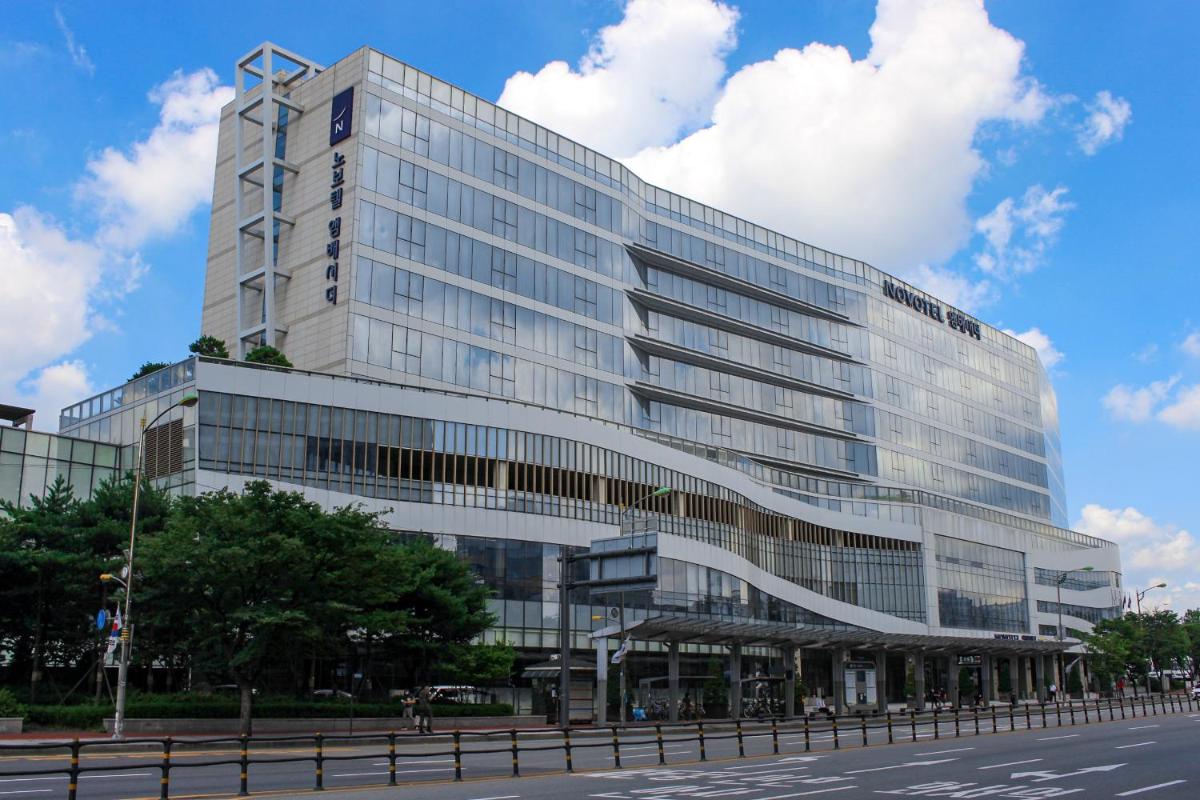
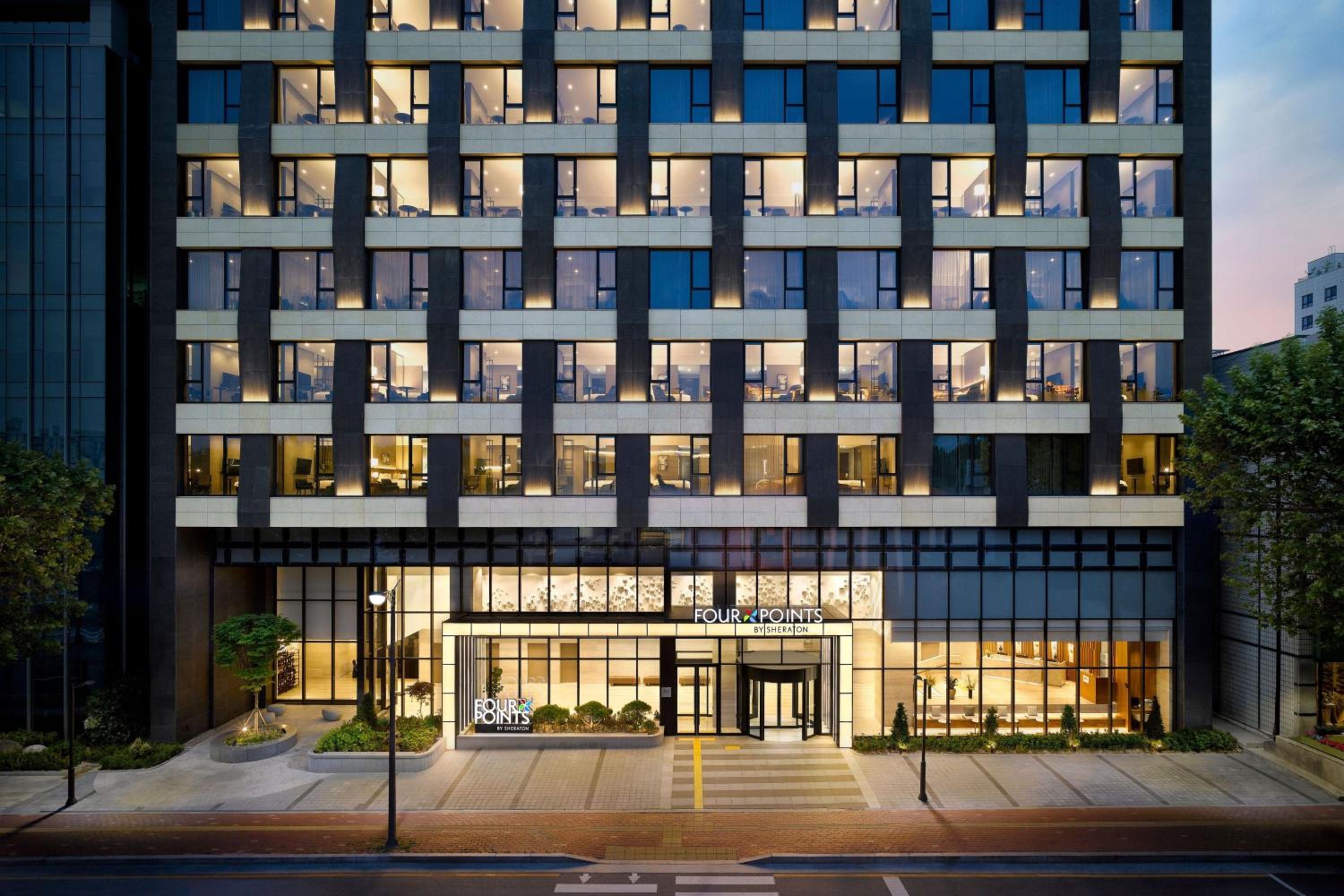
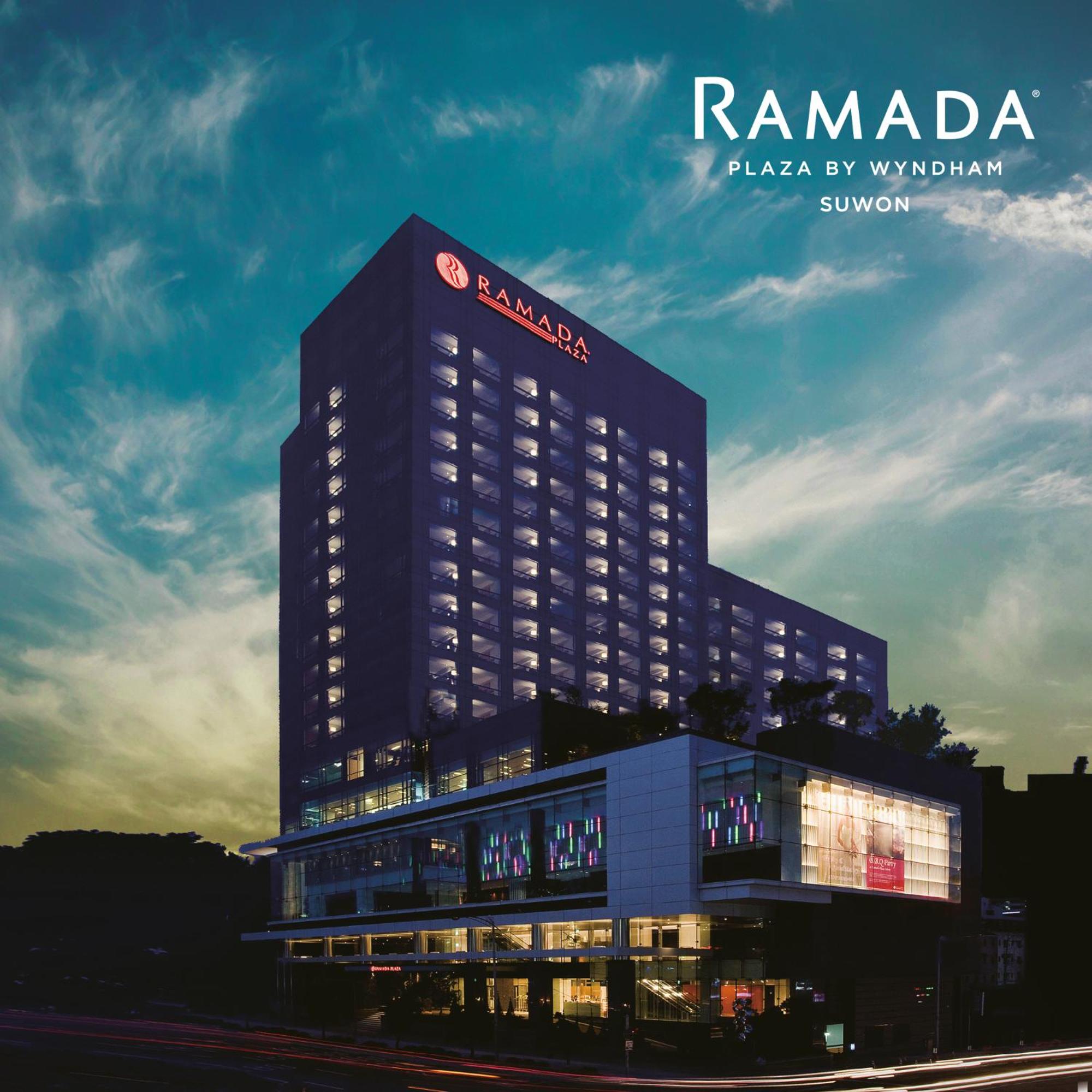
Bleibe in der Nähe der Festung, wenn du überhaupt bleibst: die Mauern, Haenggung-dong und Paldalmun Market sind zu Fuß erreichbar und die Restaurants von Ingye-dong sind nur dahinter. Die meisten Besucher machen einen Tagesausflug, und Seoul, wo die meisten Menschen 4 Nächte auf Stippl verbringen, ist eine legitime Basis mit dreißig bis vierzig Minuten pro Weg. Die mittlere Sparte ist eher Unternehmensgeschäftsbestand als Boutique.
Das Festungsgebiet
Guesthouses und kleine Hotels innerhalb des Ringes der Mauern, €40 bis €90, mit den Wehrgängen außen.
Haengnidan-gil
Guesthouses und Hanok-Zimmer in den niedrigen Straßen unterhalb des Palastes, €40 bis €80.
Nammun
Budget-Hotels und Motels rund um den Markt, €30 bis €60, in der Nähe der Hühnerstraße.
Ingye-dong
Geschäftshotels auf dem Speisestreifen, €50 bis €110, zu Fuß von der Festung erreichbar.


Was du in Suwon essen solltest
Rinderkurzrippen, offen filetiert und gewürzt mit Salz, Knoblauch und Frühlingszwiebeln statt einer Soja-Marinade: das Unterscheidungsmerkmal des lokalen Stils
Ganzes Brathähnchen mit Galbi-Würzung glasiert, eine Suwon-Erfindung, die die beiden berühmten Speisen fusioniert
Katersuppe: das Gericht, das Hwachunok 1945 tatsächlich als solches öffnete, bevor es ein Galbi-Restaurant wurde
Koreanische Blutwurst, gedämpft und in Scheiben geschnitten
Frittierter Mungbohnen-Pfannkuchen
Entdecke Food-Spots in Stippl
Finde Restaurants und Märkte auf der Karte, speichere sie in deiner Route, funktioniert auch offline.
Suwon-Bräuche und was man nicht tun sollte
Die Festung ist kein Park.
Das Gehen auf den Wehrgängen wird erwartet und gefördert, aber die Strukturen selbst sind geschützt und beschildert; kein Klettern auf den Toren, und der Schießstand ist für die Karteninhaber.
Eine funktionierende Provinzhauptstadt.
Keine Touristenstadt: außerhalb der Festungszone und Ingye-dong ist Englisch dünner als in Seoul und Menüs sind weniger wahrscheinlich übersetzt, so dass das Hangul, das du gelernt hast, hier bezahlt.
Galbi setzt Gesellschaft voraus.
Das lokale Gericht ist gegrillte Rindrippen, die portionsweise für den Tisch bestellt werden, was in der Praxis es unbequem macht, für eine Person zu bestellen; die Galbi-Straße an der Festung sitzt Gruppen.
Jeongjo und Sado spielen immer noch eine Rolle.
Die Festung existiert, weil König Jeongjo sie in der Nähe des Grabes seines Vaters baute, nachdem Sado in einer Reiskiste starb, und die Geschichte wird überall auf der Stätte erzählt; kenne sie vor dem Spaziergang.
Tun
- Gehen Sie die ganze Runde statt nur ein Tor zu fotografieren.
- Kaufen Sie das Kombikarte, wenn Sie den Palast oder eines der Museen besichtigen möchten.
- Komm im April bis Mai oder Oktober, wenn der Spaziergang der Grund ist, warum du kommst
- Trage Wasser auf die Wehrgänge; es gibt wenig Schatten und einen Hügel
Lassen
- Nimm an, dass die Festung an der Suwon Station ist; es ist eine Busfahrt entfernt
- Plane Everland von hier aus, als wäre es lokal; es ist in einer anderen Stadt
- Versuche nicht, den vollständigen Kreislauf in der Mitte eines August-Nachmittags zu absolvieren
- Verwechsle Hwaseong Fortress nicht mit Hwaseong-si, einer separaten Stadt zwanzig Kilometer entfernt
Was ein Suwon-Trip kostet
Budget
€26–45
Guesthouse oder Motel in der Nähe der Station, Marktessen, Festungseintritt, lokale Busse.
Mittleres Preissegment
€45–77
Geschäftshotel im Zentrum, ein Galbi-Abendessen, Taxis, das integrierte Ticket.
Gehobenes Preissegment
€96+
Vollservice-Hotel, ein echtes Wang-Galbi-Restaurant, private Führung.
Behalte im Blick, was du wirklich ausgibst
Lege pro Land ein Tagesbudget fest und erfasse Ausgaben in jeder Währung, während du reist.
Wissenswertes über Suwon
Die ganze Festung wurde in 28 Monaten gebaut. Hwaseonge 5,74-km-Ring wurde zwischen 1794 und 1796 gebaut, was für einen befestigten Kreislauf dieser Größe die Tatsache ist, die die Leute sich merken.
Kräne wurden für diese Baustelle entworfen. Die Geojunggi-Flaschenaufzugskräne, die die Steine hoben, wurden von dem Gelehrten Jeong Yak-yong für das Projekt erfunden und werden unter den Erfindungen der Joseon-Dynastie aufgeführt.
König Jeongjo baute die Festung teilweise um seinen Vater umzubestatten. Prinz Sado wurde hingerichtet, indem er auf Befehl seines eigenen Vaters in einer Reiskiste verschlossen wurde, und der Sohn verlegte sein Grab hierher.
UNESCO pries Hwaseong dafür, dem Land zu folgen, anstatt es zu planieren. Die Mauern folgen der Topografie, weshalb der Schaltkreis einen Hügel hat, und weshalb die Zitierung von 1997 dies besonders hervorhebt.
Suwons zwei berühmte Lebensmittel brachten ein drittes hervor. Wang galbi tongdak existiert, weil eine Fried-Chicken-Straße neben einer Galbi-Stadt saß, und die Komödie von 2019 Extreme Job machte es zu einer nationalen Bestellung.
Suwon Galbi begann als Beilage in einem Katerkohl-Shop. Hwachunok öffnete 1945 mit dem Verkauf von Haejangguk; die Rippen waren das, was es daneben servierte, und sie wuchsen die Suppe.
Lokale Tipps für Suwon
Drei Züge aus Seoul.
Sie unterscheiden sich um einen Faktor von vier: die U-Bahn mit sechzig bis neunzig Minuten für etwa €1,50, Korail mit dreißig bis vierzig für etwa €3, die KTX mit fünfundzwanzig für etwa €6.
Buchen Sie Korail einen Monat im Voraus.
Korail-Tickets öffnen einen Monat im Voraus und schließen zwanzig Minuten vor der Abfahrt, auf der Website oder am Bahnhof. Suwon ist auf der Gyeongbu-Linie, eine natürliche Unterbrechung auf einer Seoul-zu-Busan-Fahrt.
Der Festungstroli.
Eine Touristenstraßenbahn fährt zwischen den Festungssehenswürdigkeiten für etwa €3, was wichtig ist, weil der Kreislauf fast sechs Kilometer beträgt und die Tore weit auseinander liegen. Spaziere die Mauer, fahre die Lücken.
Spaziere die Mauer vor zehn
Hitze ist das gefährlichste an diesem Reiseziel: das Land verzeichnete Tausende von Hitzekrankheitsfällen im Sommer 2026 und die Wehrgänge haben keinen Schatten. Wasser, ein Hut, und der Kreislauf bis Mitte Morgen erledigt.
Nasser Stein im Juli und August
Die Monsunmonate bringen 385 und 296 Millimeter, und die Wandabschnitte über Paldalsan sind Stein und werden rutschig. Im Winter werden die Hügelabschnitte eisig und die Wehrgänge haben Tropfen.
Ein Tag ist genug
Die Festung, der Hwaseong Haenggung-Palast und ein Fried-Chicken-Street-Mittagessen passen an einem Tag von Seoul. Bleibe nur die Nacht, wenn du die Mauer nach Dunkelheit beleuchtet sehen möchtest, was bis elf der Fall ist.
Häufig gestellte Fragen zu Suwon, beantwortet
Als halber Tag aus Seoul statt als eigenständiger Halt. Seoul macht 43% von allem aus, das auf Stippl in Südkorea geplant ist, und Suwon liegt gut unter einer Stunde die Linie 1 hinunter von dort. Stellen Sie es in Stippl als Morgenausflug ein und seien Sie zum Abendessen wieder in der Stadt.
Ein Tagesausflug für fast jeden. Korea ist ohnehin ein Land der kurzen Stopps, 21,07% der auf Stippl geplanten Aufenthalte dauern nur eine Nacht, und Suwon verlangt nicht einmal das. Übernachten ist eine vertretbare Minderheitsentscheidung – wegen des Essens und der günstigeren Zimmer.
Halber Tag. Die Festungsmauer ist etwa zwei Stunden für die komplette Runde, knapp sechs Kilometer mit einem Hügel in der Mitte, und der Palast sowie die Museen im Inneren brauchen noch ein, zwei Stunden mehr. Seoul bekommt in den Stippl-Plänen 4 Nächte, und Suwon passt in eine davon.
Drei Varianten, die sich um den Faktor vier bei Zeit und Preis unterscheiden. U-Bahn-Linie 1 braucht eine bis anderthalb Stunden für ein Stadtticket; ein gewöhnlicher Korail-Zug schafft es in etwa einer halben Stunde; und manche KTX-Verbindungen brauchen 25 bis 30 Minuten. Die U-Bahn reicht meist aus.
Nein. Everland liegt in Yongin, einer separaten Stadt im Osten, und ist ein Außenpark statt des Indoor-Parks, den viele erwarten. Der große Indoor-Vergnügungspark ist Lotte World in Seoul. Wenn Everland das Ziel ist, basieren Sie sich dort, nicht in Kombination mit der Festung.
Wang galbi, die eigenen Rinderkurzkosteletten der Stadt, mit Salz gewürzt statt mit Sojasauce mariniert – ein wirklich anderes Gericht als die Seoul-Version. Dann das gebratene Hähnchen, das mit derselben Würzung glasiert ist und entlang der Tongdak Golmok verkauft wird, die hier erfunden wurde, basierend darauf.
Jeder Guide wird von der Stippl-Redaktion geschrieben und mit den Reisen abgeglichen, die unsere Reisenden tatsächlich planen. Etwas veraltet entdeckt? Sag uns Bescheid.

Plane Suwon in Stippl
Tagesplanung, Unterkünfte und Budget in einer App, mit jedem Ort aus diesem Reiseführer bereits auf der Karte.
App herunterladen