

Sokcho
Sokcho is Seoraksan, the granite ridge and the cable car, and in October the mountain is on fire. A cooking that exists nowhere else in Korea, in a village reached by a raft the passengers haul across themselves.
Sokcho in a nutshell
Sokcho: what to expect
Our travellers have planned 51,000+ stops in South Korea on Stippl. That is where the numbers here come from.
Sokcho is a town of eighty thousand between the Taebaek mountains and the East Sea, and Seoraksan is why you go. The park became Korea's first national park in 1970 and a UNESCO biosphere reserve since, with Daecheongbong at 1,708 metres and the Ulsanbawi granite ridge climbed on long stair sections. Abai Village was settled by North Korean refugees who arrived in the winter of 1951 expecting to go home, and the hand-pulled gaetbae raft still crosses the harbour channel to it.
Sokcho has the sharpest season of anywhere in this knowledge base. September and October alone carry close to a third of its year, and December runs at under a third of September's rate. Seoraksan behaves as a day trip from the town rather than a stay in its own right, which is measurable: a fifth of Seoraksan stops carry no night against one in twenty in Sokcho itself.
Two nights, and come in autumn. The stays here are the tightest in Korea, nearly all of them two or three nights with no meaningful tail, and the town is reached by bus because there is no railway line to it. Eat the refugee cuisine, which exists nowhere else in the country because it arrived with people rather than growing here. Do not come for the town itself, which is pleasant rather than remarkable, and do not come in winter.
Plan Sokcho in Stippl
Day-by-day planning, stays and budget in one app, with every place from this guide already on the map.
Download the appWho Sokcho is for
Hikers, autumn ones above all
Seoraksan is the reason the town exists as a destination, and October is when it is on fire.
Anyone deep into a Korea trip
Sokcho's trips carry more Korean stops than any other destination's, and nearly half never leave the country; most give it 2 nights.
Food travellers
A regional cuisine exists here and nowhere else in Korea, because it arrived with refugees from the north.
Sunrise and sea people
Yeonggeumjeong Pavilion on the rocks north of the port is the place for sunrise over the East Sea, with Sokcho Beach and its cable car beside it.
Maybe not for you: anyone wanting a city break, since the town itself is pleasant rather than remarkable and the mountain is the point; and anyone visiting outside autumn without a reason, because the crowds and the colour both come in October.
The best time to visit Sokcho
Autumn
Mid September to early November
The reason to come: cool, clear and the whole of Seoraksan turning, with the colour starting at the peaks in late September and reaching the valleys in mid October. The peak by a wide margin, and the room prices follow it.
Spring
April and May
The quieter alternative: green, mild and the park open without the queue. May is the second window and the better one for the walking.
Summer
June to August
Hot, humid and the wettest months of the year, but the Korean holiday season and the beach fills. The park trails are wet and the waterfalls are at their best.
Winter
December to March
Below freezing, the trails icy and the quietest stretch of the year anywhere in Korea we cover. The park is open with crampons and the town runs on the fish market.
- Sokcho is planned about 89 days ahead on Stippl, and Korea as a whole is planned about 94 days ahead. The lead is for the October fortnight, when every room in town and every bus from Seoul is full.
- Seoraksan's colour is a fortnight, and it moves down the mountain. The peaks turn in late September and the valleys around Sinheungsa by the middle of October; the park posts the progress, and the weekend in the middle of it is the busiest day of the Korean year in any national park.
- The cable car to Gwongeumseong sells out by mid morning in autumn. Tickets are timed and sold on the day at the base station; be there at opening in October or walk to Biseondae instead, which is the better view anyway.
- Sokcho's winter is the fish market and the hot springs. The trails need crampons and the wind off the East Sea is bitter; the Jungang market's fried chicken alley and the Cheoksan spa are the plan, and the rooms are the cheapest of the year.
Add your Sokcho dates and we'll flag the weather
Stippl shows the season, crowds and prices for every stop on your route.
Describe your trip, get a Sokcho itinerary in seconds
Everything in this guide is already in Stippl. Tell the planner how long you have and what you like: it builds the route, the days and the travel times, and you edit whatever you want.
Things to do in Sokcho

Seoraksan National Park
Take the bus into the park for the Ulsanbawi granite ridge, the Gwongeumseong cable car, Sinheungsa temple with its seated Buddha and dozens of marked trails, about €3 entry. The cable car is about €11 and sells out by mid morning in October.
The Ulsanbawi hike
Climb the steep granite ridge on long stair sections, the park's best-known route, four hours round trip from the entrance. Early, and real shoes; the last section is iron stairs bolted to the rock.
Abai Village
Cross the harbour channel on the hand-pulled gaetbae raft of wood and tyres for a few cents and eat the sundae blood sausage at the stalls on the far side, about €7. The village was settled by refugees from the north.
Yeonggeumjeong Pavilion
Walk to the pavilion on the rocks north of the port for the sunrise over the East Sea, free. Half past six in autumn, and the fish market opens as you walk back.
Sokcho Beach and Cheongchoho Lake
Walk the lake loop and the beach, take the beach cable car for about €10, and watch the sea fountain after dark. The summer evening of the town.
Naksansa
Take the bus fifteen minutes south to the coastal temple on the cliff, about €3, with the sea Buddha and the pavilion over the water. Sunrise, or the hour before it closes.
The neighbourhoods of Sokcho
Sokcho Beach
Seafront hotels, the sand
The long east-facing beach and the seafront hotels south of the port, where most visitors stay, with the crab landed at Daepo port at the end. For first visits and for the beach in August.
The sea and the hotels, and a bus to the mountain.
The town centre
Market, buses, shopping street
The town centre around the fishery market: the food, the buses and the shopping street, with plain hotels and guesthouses. For budget travellers and for the buses to the park.
The market and every bus, and a plain town.
Abai Village
Sandspit, hand-pulled ferry
The sandspit across the harbour channel reached by the hand-pulled ferry: guesthouses, the sundae stalls and the community that came south in 1951. For the village and for a night among it.
The village and the ferry, and a quiet that starts at eight.
Seorak-dong
The park gate, cable car
The park gate thirty minutes inland: hotels and the cable car, for people who want the trailhead at dawn. For hikers and for the mountain first.
The trail at the door, and a bus for the town.
See every Sokcho neighbourhood on one map
Save the areas you like and Stippl plots your days so you're not crossing the city twice.
Where to stay in Sokcho
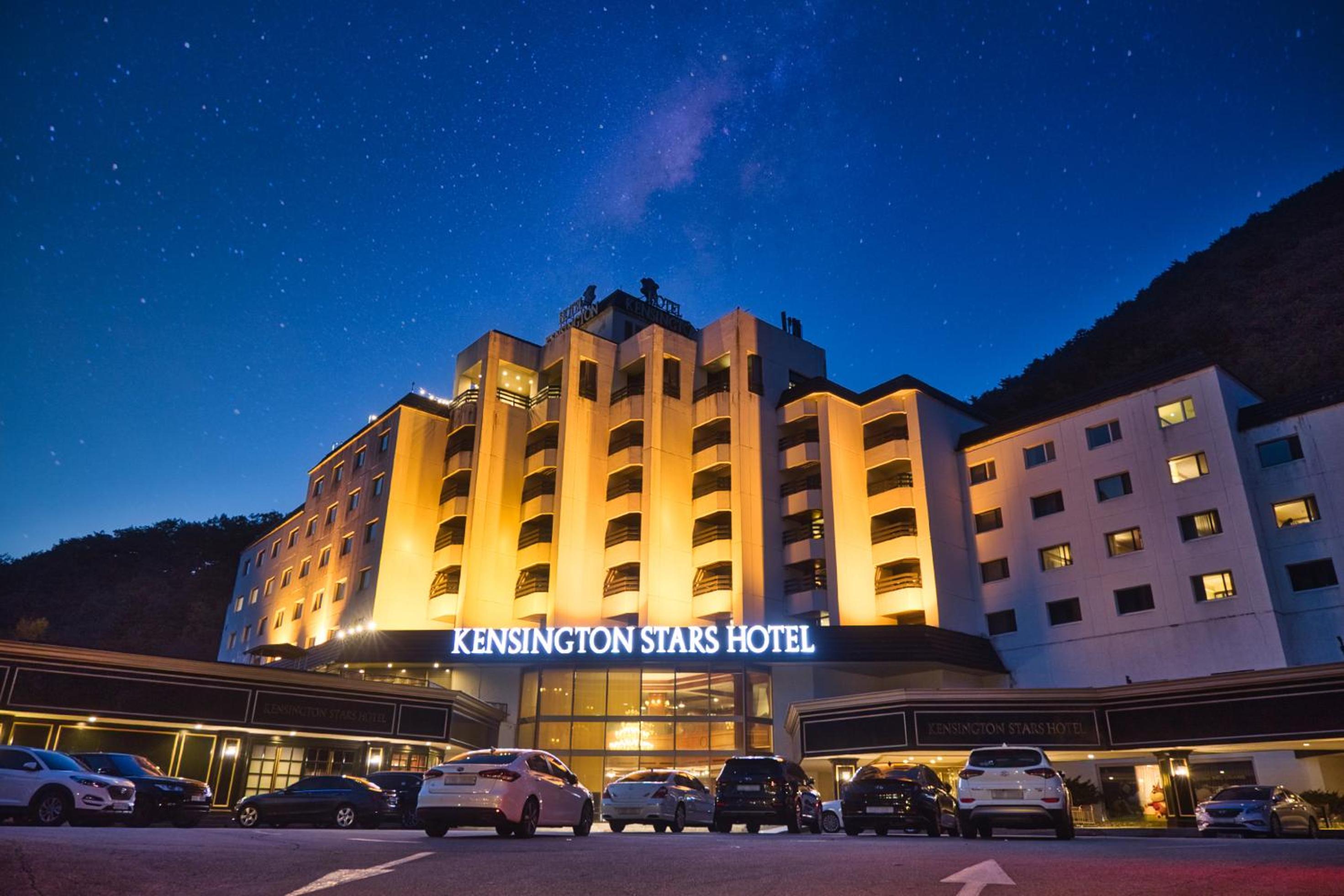
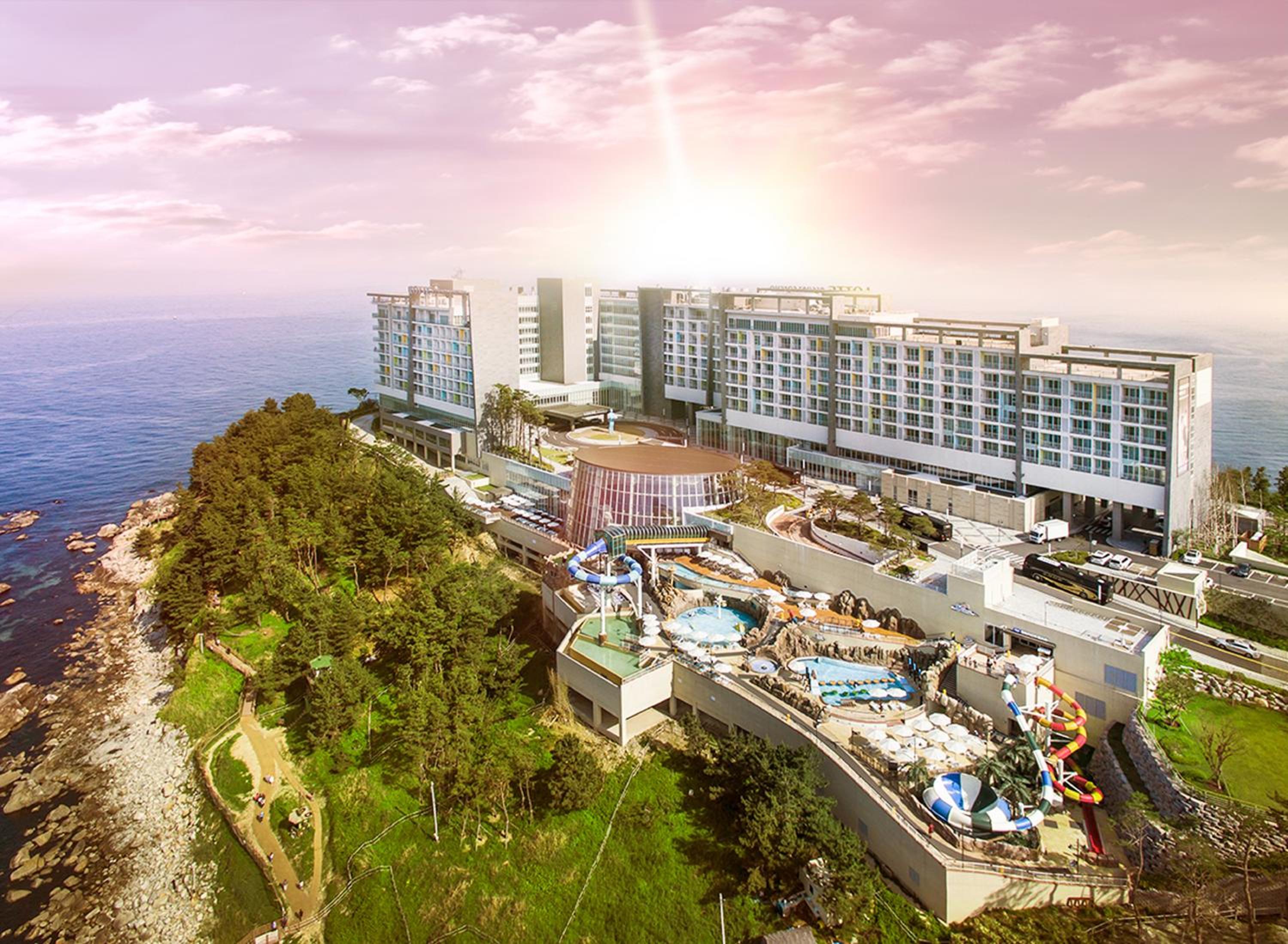
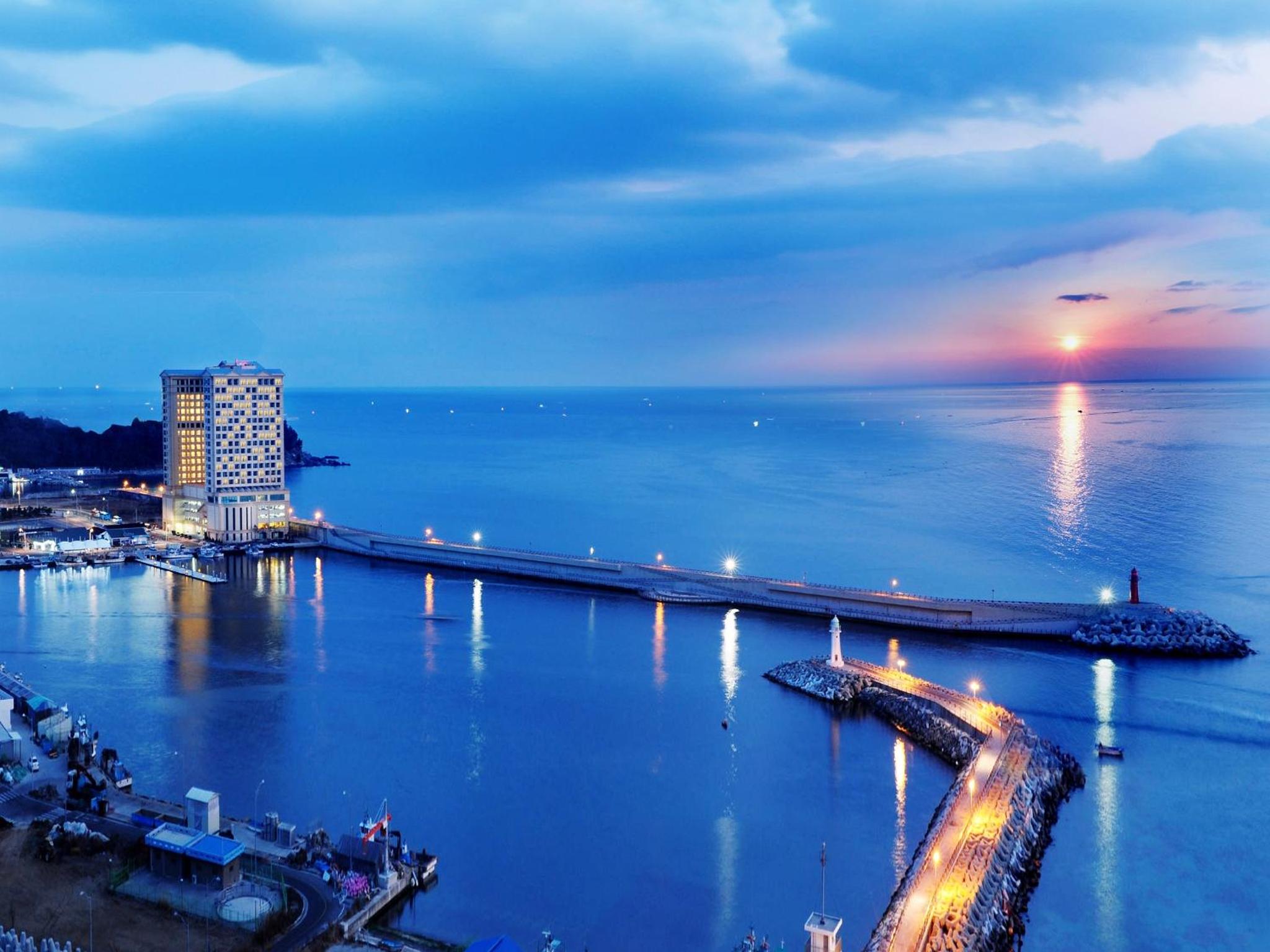
Stay near Sokcho Beach or the Central Market for a first visit: the seafront hotels and the guesthouses put the crab, the buses and the food on foot, and the park gate is thirty minutes by bus. Most people give Sokcho 2 nights on Stippl, the tightest booking in Korea. Book the foliage window, late September to early November, well ahead.
Sokcho Beach
Seafront hotels and motels along the sand, €50 to €130, with the crab port at the end.
The town centre
Plain hotels, motels and a well-run hostel near the market, €18 a bed to €70 a room.
Abai Village
A few guesthouses on the sandspit, €30 to €60, reached by the hand-pulled ferry.
Seorak-dong
Hotels and condos by the park gate and the cable car, €60 to €140, with a bus back for dinner.


What to eat in Sokcho
A Hamgyong-province sausage brought south by refugees in 1951
Squid stuffed and sliced, often served with a crisped rice crust
Sweet, crisp fried chicken; what the town is known for nationally
Cold raw-fish soup in an iced broth, the east-coast summer dish
Crab landed at the port, sold by weight
Discover food spots in Stippl
Find restaurants and markets on the map, save them to your itinerary, works offline too.
Sokcho customs and what not to do
Abai Village is lived in
Not a folk attraction: many residents still have relatives in North Korea, the hand-pulled ferry is their commute, and the alley eateries are their kitchens.
Seoraksan warns, not fences
The signage reads Fall Risk where a European park would have railings; the rule is that the sign is the fence, and the rangers do not come to fetch you.
The food is refugee food
Ojingeo sundae and abai sundae are North Korean dishes carried south by the settlers, and the alley eateries around Abai Village are still where people come to eat them.
Korean-only signage is common
Outside the main tourist points the bus stops and the menus are Korean; a written destination from the hotel and a pointed finger at the next table do the job.
Do
- Take the hand-pulled ferry to Abai Village and eat there
- Ask the hotel to write the next stop in Korean before you board a bus
- Start Seoraksan at first light
- Treat a Fall Risk sign as a fence
Don't
- Photograph the Abai Village houses without a nod
- Step past a warning sign for a photograph
- Expect English on the bus
- Swim at the beach outside August
What a Sokcho trip costs
Budget
€43
Dorm bed, market and convenience-store food, subway and intercity bus, free hiking and free park entry.
Mid-range
€105
A three- or four-star hotel or private guesthouse room, restaurant meals, KTX between cities, paid attractions.
High-end
€340
A five-star or design hotel, fine dining with the automatic service charge, private tours and car hire.
Track what you actually spend
Set a daily budget per country and log expenses in any currency while you travel.
Fun facts about Sokcho
A village of North Korean refugees became the town's culinary identity. Abai Village was settled in the winter of 1951 by people from Hamgyong who expected to go home; abai sundae is what Sokcho eats now.
The ferry to Abai Village is hand-pulled. The gaetbae is a raft of wood and tyres hauled across the harbour channel on a cable by its own passengers.
Seoraksan was Korea's first national park. It was a nature reserve from 1965, the first park under the 1970 National Park Law, and a UNESCO Biosphere Reserve since 1982.
Sokcho has the sharpest season of any destination on Stippl. September carries three and a half times the trips of December, and two months hold nearly a third of its year.
Daecheongbong is the third-highest mountain in South Korea. The park's main peak reaches 1,708 metres, and the reserve covers 163 square kilometres of granite with many peaks over 1,200.
There is no railway to Sokcho. The town of 81,000 between the Taebaek mountains and the East Sea is reached by bus from Seoul, about two and a half hours.
Local tips for Sokcho
There is no train
The bus from Seoul's Express Bus Terminal is the only practical way in, about €10 to €20 depending on class and time and two and a half hours. Andong and the south route through Seoul.
Park entry is free
The entry charge was scrapped; the separate Sinheungsa temple fee is a different charge, about €3. Bus 7 or 7-1 from the town runs to the park gate for about €1.
Ask for the next stop in Korean
Signage is often Korean-only. Ask hotel staff to write the next destination in Korean before you board a bus, and show the driver.
How long to stay
Most people give Sokcho 2 nights on Stippl: Seoraksan one full day from first light, and the harbour, the Abai village and the beach the other. Two trails in a day only from dawn.
Seoraksan, not the town
The risk is the mountain: exposed granite, long stair sections, minimal barriers and weather that changes fast at 1,700 metres. Carry water and a layer; the cable car is about €10.
Winter needs equipment
January averages minus two in the town and is far colder on the ridge; crampons are rented at the gate. The sea is a swimming beach in August and not otherwise.
Sokcho questions, answered
As the base for Seoraksan, and you get there by bus. Sokcho carries 1.7% of everything planned in South Korea on Stippl, and Gangwon has no railway at all, so the express coach from Seoul is how everyone arrives. Put two nights into Stippl with the mountain day between them.
Two nights. The Sokcho stops planned on Stippl run to 2 nights, which is one full day in Seoraksan plus the bus at each end. A third night only earns itself if you want a long ridge walk rather than the cable car and Ulsanbawi.
Less far ahead than the rest of Korea. Travellers planning Sokcho on Stippl book about 89 days out, the shortest lead in the country, because it is a stop people add once the mountain forecast looks right. Autumn weekends are the exception and go early.
The cable car up to Gwongeumseong for the view with no effort, the climb to Ulsanbawi for a hard three or four hours of stairs, and Sinheungsa temple with its bronze Buddha at the bottom, which costs nothing. The park bus from town takes about half an hour.
Dakgangjeong, the sweet fried chicken sold by the box at the central market, and then the fish: squid stuffed with noodles and vegetables, and raw fish down at the harbour. Abai village across the channel is reached by a hand-pulled ferry, which is worth the crossing on its own.
Honestly, not much. The town is pleasant rather than remarkable: a working fishing harbour, a very good market and a long beach. Plenty of people visit the park as a day trip and never stop in Sokcho at all. Come for the mountain and treat the town as somewhere comfortable to eat.
Every guide is written by the Stippl editors and checked against the trips our travellers actually plan. Spotted something out of date? Let us know.

Plan Sokcho in Stippl
Day-by-day planning, stays and budget in one app, with every place from this guide already on the map.
Download the app