

Daegu
Daegu has a food canon of its own rather than a variation on Seoul's, and a mountain rising straight out of the suburbs. Two nights buy a hiking day and a city night from one bed.
Daegu in a nutshell
Daegu: what to expect
51,000+ stops in South Korea have been planned on Stippl. Here is what they say about Daegu.
Daegu sits in a basin ringed by mountains, which makes it the hottest major city in Korea. Yangnyeongsi has traded herbal medicine since 1658 and is the oldest market of its kind in the country, with a museum attached. Seomun is the big traditional market and runs a night market in the warm months. Palgongsan takes a cable car to 820 metres with Donghwasa temple below it, and Kim Kwang-seok Road is 350 metres of murals with the singer's music playing along it.
Daegu is booked further ahead than anywhere else in Korea, by more than a month. That is not seasonality and it is not the festivals either, since its summer trips are booked closer in than its own average rather than further out. What it is instead is a corridor stop added late: two thirds of the trips carrying Seoul, Daegu and Busan file them in order, which is looser than Gyeongju manages from further off the line.
Two nights, and three if you intend to hike. Apsan and Palgongsan both have cable cars and both reward a day. The food here is a genuine local canon rather than a regional variation, which is the strongest argument for the stop. Come outside high summer if heat is a problem for you, because the basin traps it and the record here stands at forty degrees. Do not make Daegu your first Korean city.
Plan Daegu in Stippl
Day-by-day planning, stays and budget in one app, with every place from this guide already on the map.
Download the appWho Daegu is for
Food travellers
Daegu has a genuinely distinct local canon rather than regional variations on Seoul's, and the makchang and jjimgalbi streets are where it is eaten.
Anyone several stops into Korea
Daegu is the 8th most-planned city in the country, and it turns up on itineraries that already have Seoul and Busan on them.
Hikers with a city base
Palgongsan rises straight out of the suburbs, so two nights buys a hiking day and a city night without moving base.
Festival travellers
Korea's largest chicken-and-beer festival fills Duryu Park in early July, and DIMF, the musical-theatre festival, runs just before it.
Maybe not for you: anyone on a first trip to Korea, since Seoul and Busan come first for good reason; and anyone travelling in summer, when Daegu is reliably the hottest city in the country.
The best time to visit Daegu
Spring
April and May
Dry, mild and the blossom out: what the guides recommend and what our own travellers largely skip. The Palgongsan trails and the Seomun market at their best.
Summer
June to August
Monsoon and heat together, in the hottest city in Korea, with the Chimac festival in July as the one reason to be here in it. The peak in our own data, on the Korean domestic holiday.
Autumn
September and October
The other recommended window, clear and dry, with the temple stay at Donghwasa and the Palgongsan colour in late October. September is the pick.
Winter
November to February
Dry, cold and the quietest stretch of the year here. The markets and the medicine street are the winter plan; the mountain is icy.
- Daegu is planned about 126 days ahead on Stippl, the longest lead of any Korean city we cover. Most of that is Daegu being one stop on a country plan; the city itself has the rooms for a late decision in any month.
- Daegu is the hottest city in Korea, and July and August are the months to avoid. The basin holds the heat and the humidity sits on it; the Chimac festival in July is the one event that makes the heat worth it.
- The Chimac Festival in July fills Duryu Park with chicken and beer for five days. It is Daegu's own festival and the one week the city's hotels are busy; the evening sessions are the good ones and the heat is the price.
- Palgongsan's colour comes in late October. The cable car and the Gatbawi climb are at their best in the last week of the month; the weekends fill with Daegu families and a weekday morning has the temple to itself.
Add your Daegu dates and we'll flag the weather
Stippl shows the season, crowds and prices for every stop on your route.
Describe your trip, get a Daegu itinerary in seconds
Everything in this guide is already in Stippl. Tell the planner how long you have and what you like: it builds the route, the days and the travel times, and you edit whatever you want.
Things to do in Daegu
 Photo by William Warby via Pexels
 Photo by makafood via Pexels
The Yangnyeongsi medicine market
Walk the working herbal-medicine trade district since 1658, the oldest of its kind in Korea, and spend an hour in its museum, free. Mornings, and the smell is the point.
Seomun Market
Eat at the biggest market in the city, and come back after dark in the warmer months for the night market, about €5 a plate. The napjak mandu flat dumplings are the Daegu dish.
Palgongsan
Take the cable car to 820 metres, about €9 return, and walk down to Donghwasa temple below it. Late October for the colour, and the Gatbawi Buddha climb for the fit.
Kim Kwang-seok Road
Walk the 350 metres of murals to the late singer beside Bangcheon Market, free, with the buskers on weekend afternoons. Half an hour, and the market for lunch.
Apsan
Take the cable car up the city's near mountain, about €8 return, or walk the two hours, for the view over the whole basin. Sunset, and the observatory at the top.
The Chimac Festival
Come in early July for Korea's largest chicken-and-beer festival at Duryu Park, five days and free entry, the one event that makes the heat worth it. Evenings are the sessions.
The neighbourhoods of Daegu
Dongseongno
Central, shopping, most hotels
The central district and the main shopping street: nightlife, cafés, the modern-history walking route and most of the hotels. For first visits and for the city on foot.
Everything on foot, and the shopping street's crowds.
Seomun Market
The big market, night stalls
The traditional market and its night market immediately west of the centre, with budget hotels around it. For the market and for budget travellers.
The market and the night stalls, and a plain quarter otherwise.
Dongdaegu
KTX district, practical
The KTX station district: practical rather than pleasant, with the business hotels and every train. For a night before an early train.
The trains at the door, and nothing else.
Suseong Lake
Residential, lakeside, evening walk
Residential and lakeside east of the centre: restaurants on the shore, the evening walk round the lake and the quieter hotels. For families and for calm.
The lake and the quiet, and a taxi to the centre.
See every Daegu neighbourhood on one map
Save the areas you like and Stippl plots your days so you're not crossing the city twice.
Where to stay in Daegu
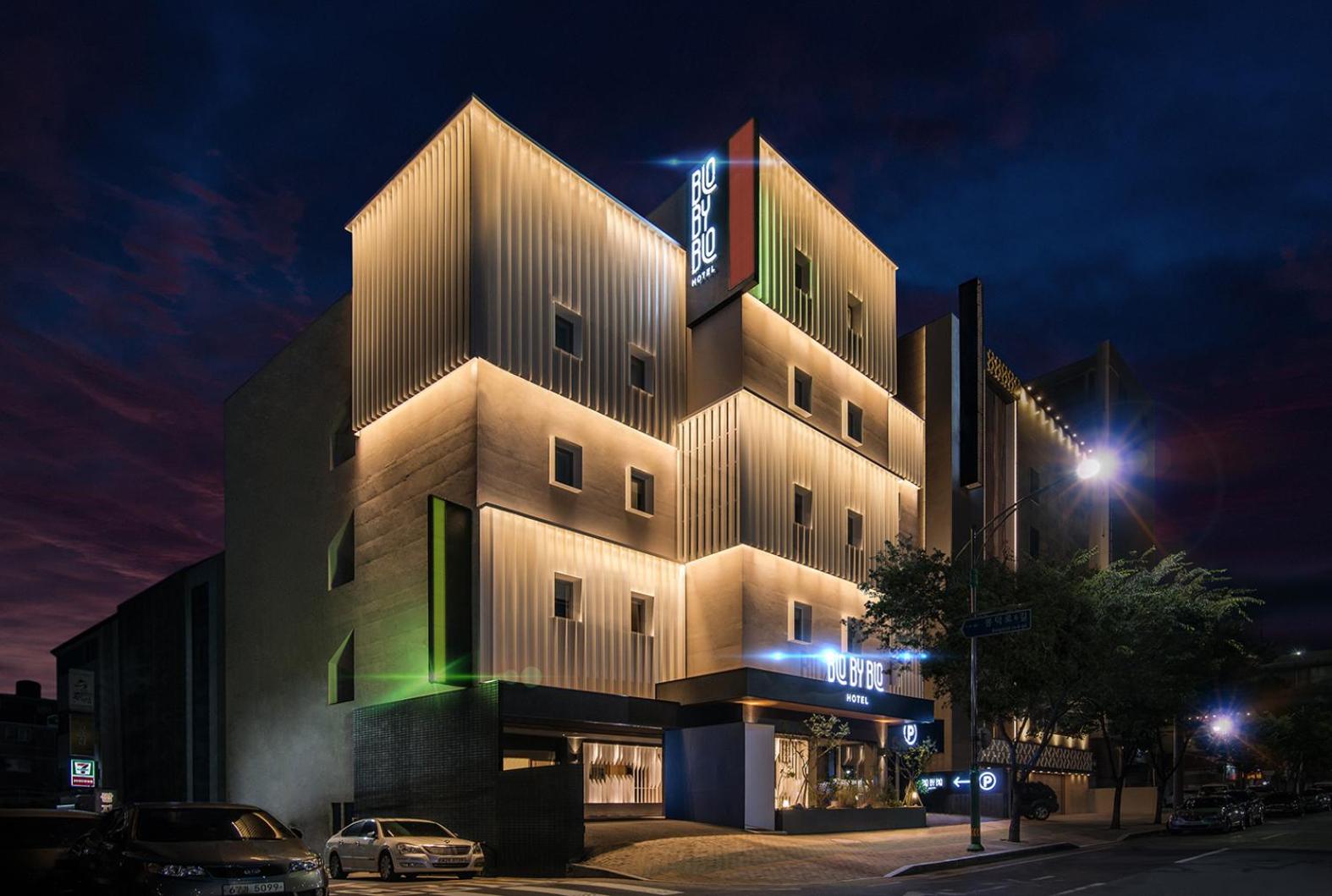
Stay in Dongseongno for a first visit: central, walkable, and where the nightlife and most of the hotels are, with the modern-history walking route starting at the door. Most people give Daegu 2 nights on Stippl, which is what you need if the hike is on the list. For an early KTX, Dongdaegu station is the practical alternative, plain and connected.
Dongseongno
Business hotels, motels and a few hanok guesthouses in the centre, €35 to €100.
Seomun Market
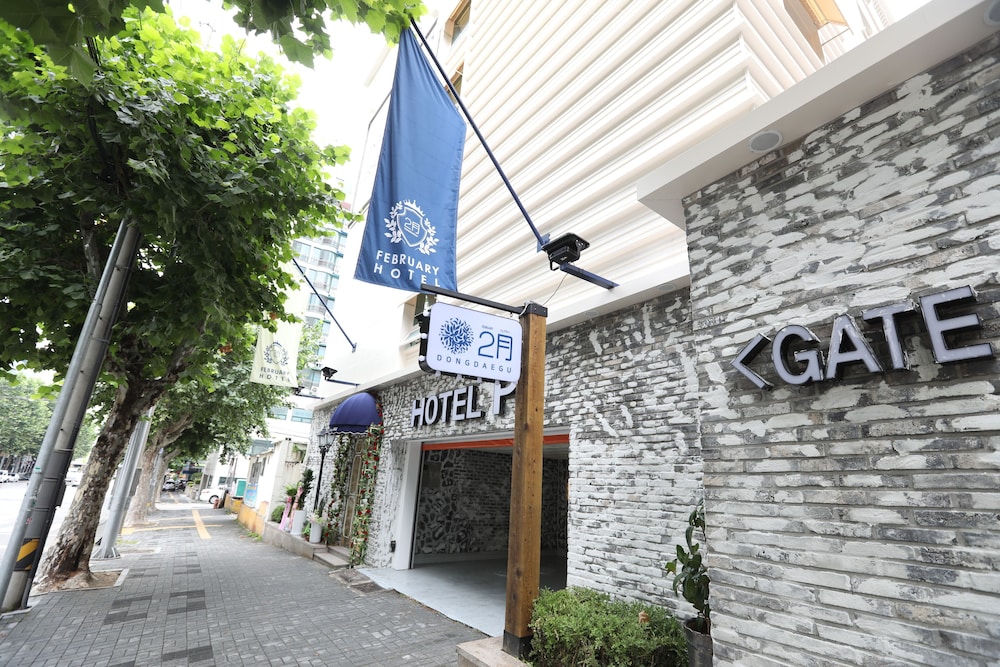
Budget hotels and motels around the market, €30 to €60, with the night market outside.
Dongdaegu
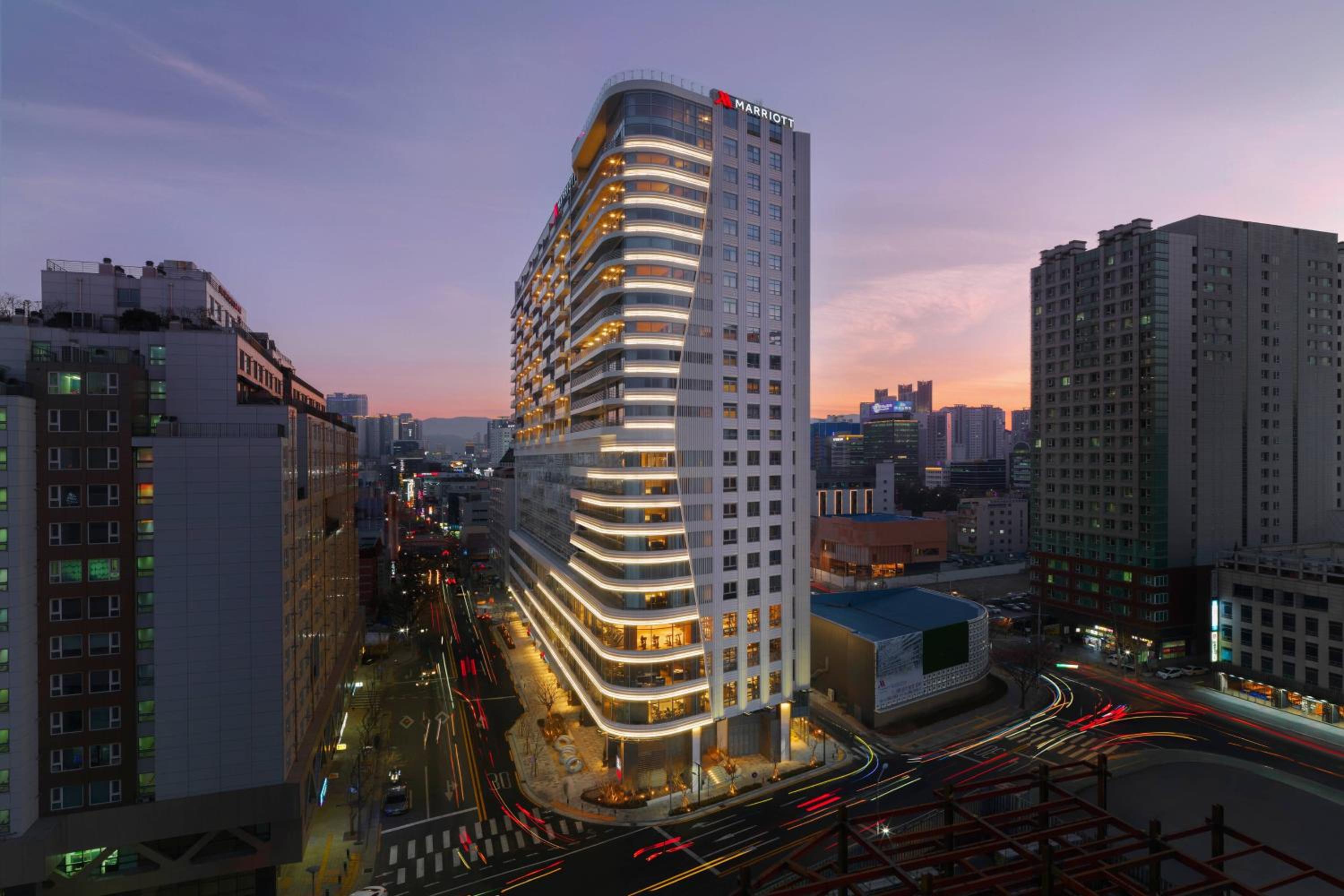
Chain business hotels beside the KTX platforms, €50 to €110, for a dawn train.
Suseong Lake
Quieter hotels and the city's upscale stock by the lake, €70 to €160, with the evening walk outside.


What to eat in Daegu
Grilled beef or pork intestine with a salty dip and soju; a drinking food rather than a meal
Flat, thin, pan-fried dumplings, a Daegu invention
Braised short ribs, the city's sit-down speciality
Cold seasoned raw fish, eaten wrapped with hot napjak mandu
Raw beef
Chicken and beer, a Daegu institution
Discover food spots in Stippl
Find restaurants and markets on the map, save them to your itinerary, works offline too.
Daegu customs and what not to do
Makchang is a drinking dish
Grilled intestine is ordered with soju rather than as a meal in itself, in the alleys around Anjirang; the pours go round the table and the bill is per grill.
Yangnyeongsi is a market
The medicine street is a working herb market, not a heritage display; the herbs are being traded, so ask before photographing the counters and buy the tea you tasted.
Daegu is conservative
It feels different from Seoul and it votes that way; dress a shade more covered, and the older generation appreciates the full annyeonghaseyo more than anywhere.
The herb festival is in May
Yangnyeongsi's festival is tastings, teas and traditional performances rather than a trade fair, which is how the city presents its oldest industry; go on the weekend.
Do
- Eat makchang in Anjirang with soju
- Visit the medicine market on a weekday morning
- Take the cable car up Palgongsan in the heat
- Use Dongdaegu station for the KTX, not Daegu station
Don't
- Order makchang without a drink
- Photograph the herb counters without asking
- Hike Palgongsan in July or August at midday
- Expect the night market to have seats
What a Daegu trip costs
Budget
€43
Dorm bed, market and convenience-store food, subway and intercity bus, free hiking, cheaper here than Seoul or Busan.
Mid-range
€105
A three- or four-star hotel or private guesthouse room, restaurant meals, KTX between cities, paid attractions.
High-end
€340
A five-star or design hotel, fine dining with the automatic service charge, private tours and car hire.
Track what you actually spend
Set a daily budget per country and log expenses in any currency while you travel.
Fun facts about Daegu
A herbal-medicine market has traded on the same spot since 1658. Yangnyeongsi was certified Korea's oldest by the Korea Guinness Committee in 2001, and the city was the centre of the trade for more than 350 years.
Koreans call Daegu Daefrica, for the heat. The city sits in a basin that traps hot air, 40 degrees is on the official record, and summer routinely reaches the high thirties.
Flat dumplings were invented in Daegu. Napjak mandu are thin and pan-fried, specific to the city, and eaten wrapped around cold seasoned raw fish.
Daegu is booked 126 days ahead, a month further than anywhere in Korea. On Stippl it is the longest lead in the country, and it is not the festivals: the summer trips are booked closer in than the average.
Daegu's busiest month on Stippl is its hottest and wettest. Travellers plan it for July against unanimous advice to come in spring or autumn, because that is when the Chimac festival runs.
Kim Kwang-seok Road plays the singer's music along its 350 metres. The mural street commemorates the songwriter who grew up here, and the speakers run his songs all day.
Local tips for Daegu
On the KTX line
Daegu is on the Seoul to Busan line, fifty minutes from Busan for about €15, which is why it is easy to reach and easy to skip. Dongdaegu is the KTX station, not Daegu Station.
An hour from Gyeongju
The bus from Gyeongju takes an hour and costs about €8, and it runs all day. Most people see Daegu on the way between Gyeongju and Seoul.
How long to stay
Most people give Daegu 2 nights on Stippl, and many record it without sleeping there at all. Seomun night market and the Yangnyeongsi medicine street fill an afternoon and evening.
The heat is the hazard
Forty degrees has been recorded and the basin traps it; heat advisories are routine in July and August. Hiking Palgongsan or Apsan in midsummer is a heat risk rather than a difficulty risk.
Wet days in July and August
The monsoon overlaps the heat with 225 and 245 millimetres across thirteen to fourteen wet days each month. Take the cable car up Palgongsan rather than the trail when it is both.
Very safe, standard care
South Korea is a very safe country and violent and property crime are both rare. Standard city precautions are enough; the night market crowds are the only place to mind a bag.
Daegu questions, answered
It costs very little to add, which is the honest answer. Daegu carries 1.2% of everything planned in South Korea on Stippl and it sits on the KTX line between Seoul and Busan, so it is a stop you slot into a leg you were making anyway. Put one night into Stippl.
Two nights. 2 nights is the normal stay in the Daegu stops planned on Stippl, and it is what you want if the mountain temples at Palgongsan are going in alongside the herbal medicine market and the night streets. One night covers the city on its own.
Further ahead than anywhere else in the country. Travellers planning Daegu on Stippl start about 126 days out, a month longer than Seoul, because it tends to be added by people building a long, deliberate Korea route rather than a first highlights loop.
Makchang, the grilled pork intestine the city is known for; napjak mandu, a flat fried dumpling that exists nowhere else; and jjimgalbi, ribs braised in chilli and garlic. It is a genuinely separate food canon from Seoul's, and it is the best single reason to stop here at all.
Yes. It sits in a basin that traps the heat, it has recorded some of the country's highest temperatures, and Koreans call it Daefrica without much affection. July and August are punishing, which is why the museums and the underground shopping streets fill up at midday.
KTX from Seoul in about an hour and forty minutes, with trains running most of the day, and under an hour on from Busan. That frequency is the point: Daegu is the easiest unplanned stop in Korea, because you can decide over breakfast and be there before lunch.
Every guide is written by the Stippl editors and checked against the trips our travellers actually plan. Spotted something out of date? Let us know.

Plan Daegu in Stippl
Day-by-day planning, stays and budget in one app, with every place from this guide already on the map.
Download the app