

Cartagena
Cartagena is four centuries of Spanish colonial architecture inside intact walls on the Caribbean coast, hot and humid in every month, the most photographed place in Colombia and the most expensive. Three nights, Getsemaní for value and the walled city for the experience, the walls at sunset, and the Caribbean postcard an hour out by boat.
Cartagena in a nutshell
Cartagena: what to expect
We read 101,000+ planned stops in Colombia on Stippl to see how Cartagena really gets planned.
The walls are why Cartagena exists on a route, and three nights is what they take. Walking the walls at sunset is free and the thing every guide names first, Castillo San Felipe is the largest Spanish fort in the Americas with its tunnels, Getsemaní after dark is Plaza de la Trinidad with the street food, the murals and the music, the Rosario Islands are the Caribbean water the city itself does not have, and Cerro de la Popa is the hilltop monastery with the whole bay under it. Most travellers give Cartagena 3 nights on Stippl.
Cartagena is the end of the corridor, and the stop the whole country leads to. The city closes 17.2% of the trips it appears on, of everyone who plans it on Stippl, nearly twice the rate at which it opens them, because the flight home leaves from the coast, 54.99% of its stops run three nights or more, and it sits on 68.59% of N of the country's trips.
Sleep in Getsemaní unless the walled city is the point, walk the walls at sunset and the old town when the heat breaks, take the boat to the Rosario Islands rather than the bus to Playa Blanca, and pay for photographs of the palenqueras before taking them. Skip swimwear inside the walls, since it reads as disrespectful, and skip agreeing to anything on the beach without a price first, because the pressure selling is the actual problem here rather than crime.
Plan Cartagena in Stippl
Day-by-day planning, stays and budget in one app, with every place from this guide already on the map.
Download the appWho Cartagena is for
First-time Colombia visitors
The country's most photographed place and the easiest to enjoy, on 68.59% of N of Stippl trips in Colombia.
History travellers
The walls, San Felipe and the Inquisition palace are one continuous colonial story, walked in a morning before the heat.
Couples
The boutique hotels inside the walls exist for exactly this, and the walls at sunset are the reason the city has the reputation.
Nightlife travellers
Getsemaní's Plaza de la Trinidad and the walled city's rooftops are two different nights out, five minutes apart.
Beach travellers, adjusted
The good beaches are on the islands an hour away rather than in the city, and the boat is the day.
Trip-enders
Cartagena closes 17.2% of the Stippl trips it appears on, because the flight home leaves from the coast and the walls are the last night.
Maybe not for you: the budget traveller who has just come from Medellín, since the price step is the most remarked-on thing about the city after the walls; and anyone who came for a city beach, because the postcard is an hour out by boat.
The best time to visit Cartagena
The dry season
December to April
The recommendation, with the trade winds making the heat bearable, and the mid-December to mid-January holidays and Holy Week as the crowd peaks.
The wet season
May and September to November
Humid with heavy afternoon rain and the trade winds gone, and the cheapest months for the rooms inside the walls.
The mid-year window
June to August
Between the two, hot and reasonably priced, with the second dry season inland not quite reaching the coast.
The literary week
January
The Hay Festival's Cartagena edition, a genuine draw, and the walled city's rooms gone for the week.
- Most travellers give Cartagena 3 nights on Stippl, and 54.99% of stops run three or more. The walls and the old town, Getsemaní at night and a day on the islands.
- The independence celebrations take mid-November. Several days of street parades and music, in the wettest stretch of the year, and the rooms priced for the party rather than the weather.
- The Hay Festival lands in January. The literary festival's Cartagena edition and a genuine draw, with the walled city's boutique hotels booked months ahead and the plazas full of readings.
- Holy Week fills the city with Colombians. Semana Santa moves each year, the domestic visitors arrive in numbers, the islands' boats sell out and the walled city's rates match December.
- Most travellers plan Cartagena about 77 days ahead on Stippl, and 22.49% more than six months out. The walled-city rooms are the small supply that the lead time secures.
- The cruise ships set the crowd. The walled city empties and fills with the port schedule, and the day for the old town is chosen against it.
Add your Cartagena dates and we'll flag the weather
Stippl shows the season, crowds and prices for every stop on your route.
Describe your trip, get a Cartagena itinerary in seconds
Everything in this guide is already in Stippl. Tell the planner how long you have and what you like: it builds the route, the days and the travel times, and you edit whatever you want.
Things to do in Cartagena
 Photo by Niels van Altena via Unsplash
 Photo by felipe prieto via Unsplash
 Photo by TUTO PATALV via Pexels
Walking the walls at sunset
Free, and the thing every guide names first, from the Baluarte de Santo Domingo round to the sea wall as the heat breaks.
Castillo San Felipe de Barajas
The largest Spanish fort in the Americas, with its tunnels and the view back over the walled city, done at opening before the sun.
Getsemaní after dark
Plaza de la Trinidad from about eight, with the street food, the murals and the music, and the whole neighbourhood out.
The Rosario Islands
The Caribbean water the city itself does not have, an hour out by boat, with the park fee and a beach club or a quiet cove.
The Palacio de la Inquisición
The colonial tribunal's building and now the city museum, and the counterweight to the bougainvillea.
Cerro de la Popa
The hilltop monastery with the whole city and the bay under it, reached by taxi rather than on foot.
The neighbourhoods of Cartagena
Getsemaní
Just outside the walls
Hostels, murals, street food and Plaza de la Trinidad, five minutes from the walls and the value end of the old town. For almost everyone.
The nightlife, the value and the street life, but the plaza runs late every night.
The walled city
The postcard
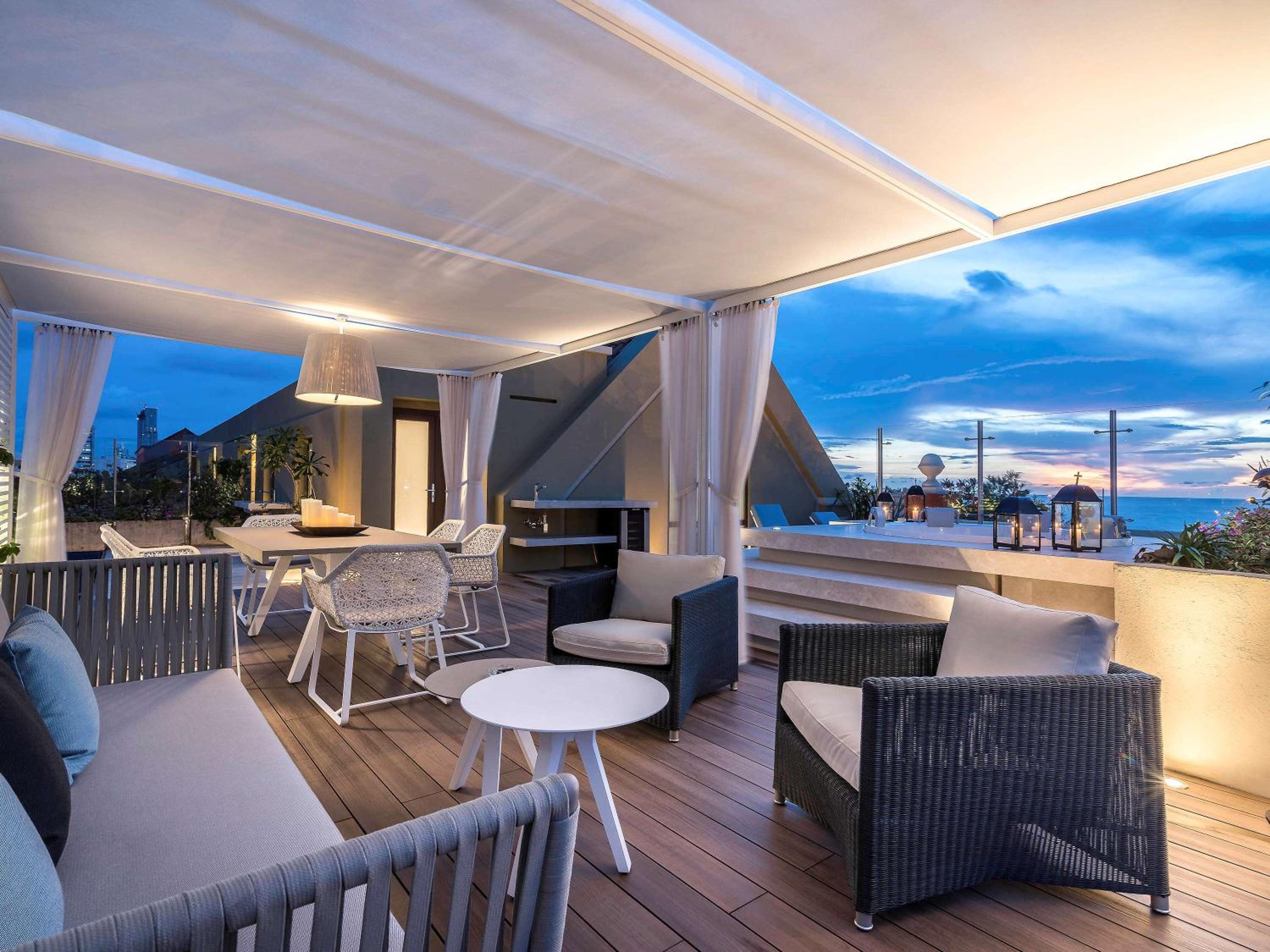
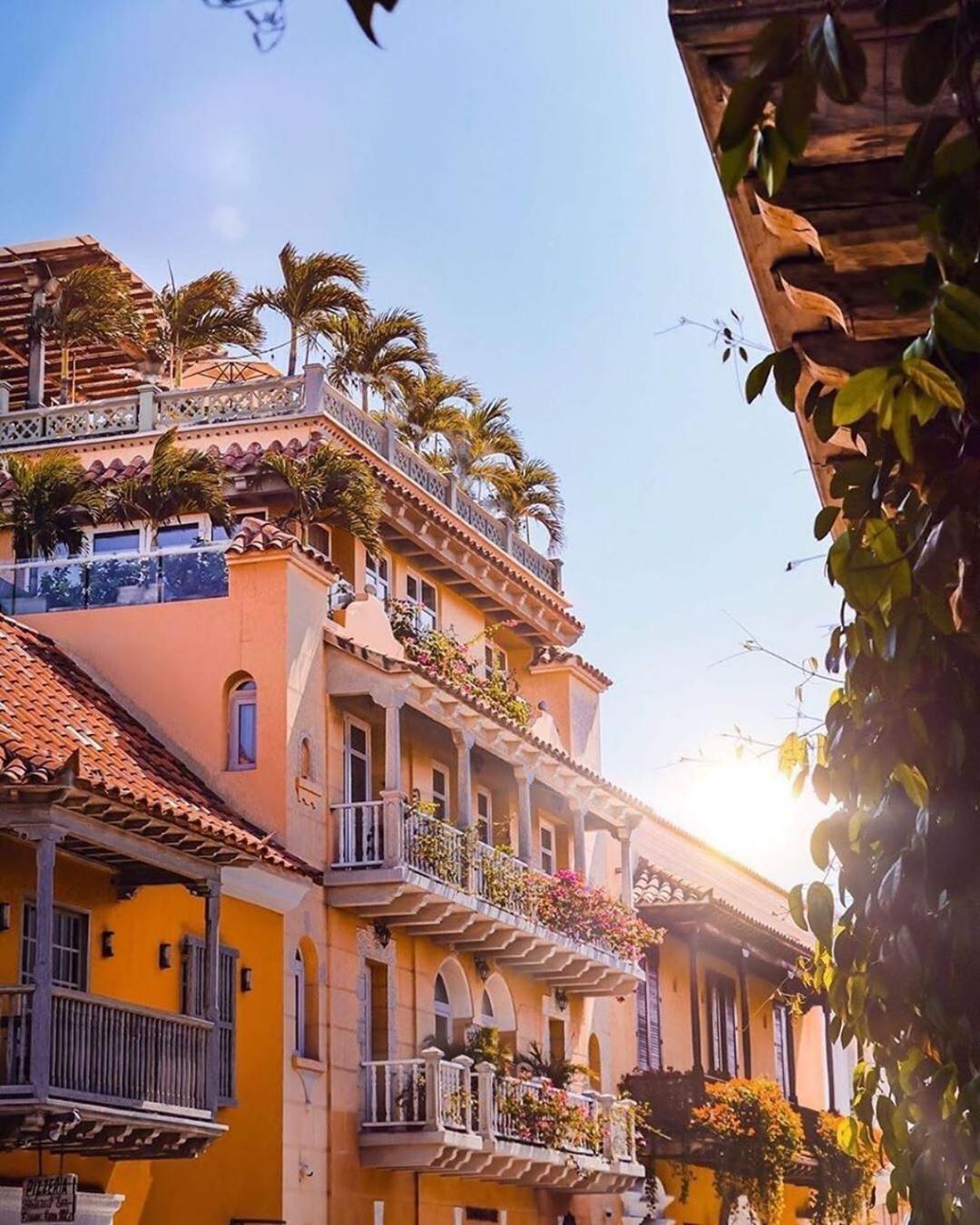
Balconies, bougainvillea, plazas and the boutique hotels inside four centuries of walls, and the small supply of very desirable rooms. For the experience.
It is what you came for, and you pay the highest rates in Colombia for it.
San Diego
The calm corner inside
The quieter northern quarter inside the walls, with the same architecture, fewer bars and the better restaurants. For staying central and calm.
The same architecture and the better restaurants, though the rates are the walled city's.
Bocagrande
The high-rise strip
A beach strip of hotels and towers south of the old town, with hotel beaches and sea views on grey sand. For a pool and the sea.
Hotel beaches and a pool, though the sand is not the Caribbean postcard.
Manga
The residential island
Old mansions on an island south-east of the centre, a real neighbourhood with no visitors ten minutes away by taxi. For a local stay.
A real neighbourhood for less, but a taxi to the walls.
La Boquilla
The fishing village
A village turned beach strip north of the airport with the mangrove tours and a working beach community. For beach without the strip.
Mangrove tours and a working beach, though the selling follows you there.
See every Cartagena neighbourhood on one map
Save the areas you like and Stippl plots your days so you're not crossing the city twice.
Where to stay in Cartagena
Getsemaní for value and the walled city for the experience, and every guide makes exactly that split, with San Diego the calm corner inside the walls and Bocagrande the version with a pool. Most travellers give Cartagena 3 nights on Stippl, and the rooms inside the walls are the most expensive in the country.
Getsemaní
€15–70
Hostels, guesthouses and boutique hotels behind the plaza, €15 to €70 a night.
The walled city
Converted colonial boutique hotels behind the balconies, €90 to €400 a night.
San Diego
€70–250
Boutique hotels in the quieter lanes inside the walls, €80 to €300 a night.
Bocagrande
€50–180
High-rise hotels with pools on the strip, €50 to €200 a night.
Manga
€25–70
Apartments and a few guesthouses in the mansions, €30 to €90 a night.
La Boquilla
€30–110
Beach hotels and a resort or two by the village, €60 to €250 a night.


What to eat in Cartagena
A fried corn cake with a whole egg cooked inside it, the coast's own
Caribbean-style, sweeter than the Peruvian version, often served with crackers
Whole fried fish with smashed fried plantain and coconut rice
Coconut rice, slightly caramelised, the coastal staple side
Blended lime and coconut milk, the drink of the coast
Slow-braised beef in a dark sweet sauce, the city's own dish
Discover food spots in Stippl
Find restaurants and markets on the map, save them to your itinerary, works offline too.
Cartagena customs and what not to do
The coast runs at another speed
Slower, louder and more physical than the Andes, and the formality of Bogotá does not apply on the plaza.
Ask the palenqueras first
The fruit sellers in colourful dress are working, they charge for photographs, and people are charged after the fact when they do not ask.
Cover up off the beach
Swimwear in the walled city reads as disrespectful, and the shirt goes on before the walk from Bocagrande.
The selling is the problem
Boat tours, beach massages, photographs, sunglasses and bracelets are pressed on every visitor along the walls, and a price agreed first is the only defence.
The rest is national
Usted, con mucho gusto and no dar papaya apply here as everywhere, with the tips for the guides separate from the restaurant ten percent.
Do
- Walk the walls at sunset, and the old town when the heat breaks
- Pay for photographs of the palenqueras before taking them
- Agree the taxi fare before getting in
- Take the boat to the Rosario Islands rather than the bus to Playa Blanca
Don't
- Wear swimwear inside the walls
- Agree to a massage, a boat or a bracelet without a price first
- Expect a Caribbean beach in the city; it is an hour out by boat
What a Cartagena trip costs
Budget
€30–60
A hostel bed in Getsemaní, street food, the old town on foot and the walls at sunset.
Mid-range
€90–200
A private room in Getsemaní or San Diego, restaurant meals, a Rosario Islands day and the fort.
High-end
€250+
A converted colonial boutique hotel inside the walls, a private guide and the islands by private boat.
Track what you actually spend
Set a daily budget per country and log expenses in any currency while you travel.
Fun facts about Cartagena
Cartagena's walled city has been a UNESCO World Heritage site since 1984. Four centuries of Spanish colonial architecture inside intact fortifications, and every guide leads with it.
Castillo San Felipe at Cartagena is the largest fortress the Spanish built in the Americas. On a hill outside the walls, with tunnels designed so a footstep echoes ahead of the intruder.
The city's full name is Cartagena de Indias. Which is how it is distinguished from Cartagena in Spain, and travellers type both when they plan it.
The Totumo mud volcano outside Cartagena is about 15 metres high. And you climb down inside it to float in the mud, an hour north of the city.
The trade winds at Cartagena are seasonal. Which is why December to March is bearable and September is not, at the same temperature on the thermometer.
Cartagena closes 17.2% of the Stippl trips it appears on. Nearly twice the rate at which it opens them, because the flight home leaves from the coast and the walls are the last night.
Local tips for Cartagena
The old town is walked
The walled city and Getsemaní together are about two square kilometres, and there is nowhere in them worth a taxi.
The airport is inside the city
The ride is ten to twenty minutes to the centre, which is unusual and worth knowing when booking the flight home.
Agree the fare first
The national taxi advice, and this is the city where it is reported most, so the price is fixed before the door closes.
The coast bus is easy
The bus to Santa Marta is straightforward and the two are treated as one trip, four hours along the coast road.
The safest big city
Cartagena is the safest large Colombian city for visitors and the risks are commercial rather than violent, with the pressure selling the actual problem.
Three nights, at the end
17.2% of the Stippl trips Cartagena appears on end here and 54.99% of stops run three nights or more, because the corridor finishes on the coast.
Cartagena questions, answered
Yes, and it is both the guides' figure and the measured one: most travellers give Cartagena 3 nights on Stippl and 54.99% of stops run three or more, with the walls, Getsemaní and a day on the islands filling them.
It is the safest large Colombian city for visitors, and the problem is being sold to rather than being robbed: boat tours, massages, photographs and bracelets are pressed on everyone along the walls and on Playa Blanca, and the fare or the price is agreed before anything starts.
Getsemaní unless the walled city is the point of the trip, with San Diego the calm corner inside the walls and Bocagrande the version with a pool. Put Getsemaní into Stippl for the value and the plaza, then ask people in subreddits like r/ColombiaTravel whether the boutique hotel inside the walls was worth the step up.
The sand is white and the selling is relentless, so several guides say go to the Rosario Islands instead or stay overnight after the day-trippers leave. The islands are an hour out by boat with the park fee, and the Caribbean postcard is there rather than in the city.
It is the country's flagship destination, it takes cruise ships and the walled city is a small supply of very desirable rooms, so the step up from Medellín is the single most remarked-on thing after the walls. Only 2.18% of Cartagena stops on Stippl are no night at all, and the demand sets the rate.
Bocagrande's beaches are grey and busy, and the Caribbean postcard is an hour out by boat on the Rosario Islands. 17.2% of the trips it appears on end here, of everyone who plans Cartagena on Stippl, and the island day is usually the last one of the trip.
Every guide is written by the Stippl editors and checked against the trips our travellers actually plan. Spotted something out of date? Let us know.

Plan Cartagena in Stippl
Day-by-day planning, stays and budget in one app, with every place from this guide already on the map.
Download the app