

Salento
Salento is a small painted town in the coffee country at nineteen hundred metres, cool and wet, and the base for the Cocora valley where the tallest palms in the world stand sixty metres high in cloud. Three nights, the jeep from the square, the loop started early with cash in the pocket, and a weekday if there is any choice.
Salento in a nutshell
Salento: what to expect
Every figure here is drawn from 101,000+ stops planned in Colombia on Stippl.
Three nights in Salento, and the Cocora loop is the reason most people come. The loop is about five hours through cloud forest and out among sixty-metre wax palms, walked in either direction, the coffee farm tours above the town are small, cheap and genuinely informative, the jeep ride to the valley is done standing on the back tray, Calle Real is the painted balconies and the town's evening, and tejo is the national game with gunpowder and beer. Most travellers give Salento 3 nights on Stippl.
Salento is the pause in the middle of the Colombian trip, and never its beginning or its end. The town opens only 1.3% of the trips it appears on, of everyone who plans it on Stippl, and closes 2.4%, because it sits between Medellín and Bogotá with no direct route from anywhere, only 1.55% of its stops are no night at all, and the trips that carry it run about nine Colombian stops, the longest chains in the country.
Start Cocora early and carry water and cash, take a weekday if there is any choice, sleep in the town for the square or on a finca for waking up in the coffee, and let yourself be handed a tejo disc. Skip the loop in April, May and October, since it is mud and cloud, and skip Saturday on the square in the dry season, because it is busy in a way the photographs never show.
Plan Salento in Stippl
Day-by-day planning, stays and budget in one app, with every place from this guide already on the map.
Download the appWho Salento is for
Walkers
The Cocora loop is the reason most people come and it is a real five hours, with wire-and-plank bridges and a steep climb through the cloud forest.
Coffee travellers
Salento is the heart of the coffee axis, and the farm tours are small, cheap and genuinely informative, on producing farms rather than showpieces.
Budget travellers
One of the cheapest places in Colombia to spend a few days, with the set lunch a few euros and the jeep less than the coffee.
Travellers between cities
Salento sits between Medellín and Bogotá and is the pause in the middle of most itineraries, opening only 1.3% of the Stippl trips it appears on.
Photographers
Painted balconies, jeeps and sixty-metre palms in cloud, with the morning light before the tour groups.
Three-night stayers
53.09% of Stippl stops here run three nights or more, because the loop and the farm take a day each.
Maybe not for you: the traveller who dislikes rain or crowds, since Salento is wet at nineteen hundred metres and its square on a dry-season Saturday is busy in a way the photographs never show; and anyone expecting a direct route in.
The best time to visit Salento
The dry months
December to March and June to August
The recommendation, with the mid-December to mid-January domestic peak carved out and the loop at its driest in July.
The wet months
April to May and September to November
Heavy, and the Cocora trail becomes hard work in mud and cloud, with the palms disappearing by mid-morning.
The harvest
April to June and October to December
The national coffee harvest, when the farm tours show the most and the fincas are busiest with the picking.
The weekends
Every Saturday and Sunday
A separate crowd axis from the seasons and a real one, when the square fills with Colombian families from the cities.
- Most travellers give Salento 3 nights on Stippl, and 53.09% of stops run three or more. The loop on one day, a farm on the second and the town on the third.
- The weekends are their own season. A separate crowd axis from the weather, when the square fills with domestic visitors, and a weekday arrival is the single most useful decision here.
- The Fiestas de Salento take early January. The town's own week and the busiest it gets, inside the domestic holiday peak, with the square a fair and the rooms gone.
- The harvest runs twice a year. April to June and October to December, when the farm tours show the most and the picking is what the tour fits around.
- Most travellers plan Salento about 75 days ahead on Stippl, and 14.12% inside a fortnight. The town is walk-in, and the finca rooms are the one thing booked.
- Only 1.55% of Salento stops on Stippl are no night at all. The loop and the jeeps make a day trip pointless, and the town is the night between cities.
Add your Salento dates and we'll flag the weather
Stippl shows the season, crowds and prices for every stop on your route.
Describe your trip, get a Salento itinerary in seconds
Everything in this guide is already in Stippl. Tell the planner how long you have and what you like: it builds the route, the days and the travel times, and you edit whatever you want.
Things to do in Salento
 Photo by Nicole Arango Lang via Unsplash
 Photo by Ricardo Gomez Angel via Unsplash
 Photo by Julian Florez via Unsplash
The Cocora valley loop
Five hours through cloud forest and out among sixty-metre wax palms, walked in either direction and started early before the cloud.
A coffee farm tour
Small fincas above the town with the picking, the drying, the roasting and a cup, on a working farm rather than a showpiece.
The Willys ride to Cocora
Standing on the back tray of a wartime jeep from the square, and one of the images people come here for.
Calle Real and the main square
Painted balconies, the shops and the restaurants, and the town's evening on the steps of the square.
The mirador
Steps up from the top of Calle Real to a view over the valley, ten minutes from the square and best at the end of the day.
A game of tejo
The national game, played with a metal disc thrown at gunpowder charges and usually with beer, and the town has courts for it.
The areas of Salento
Plaza de Bolívar and Calle Real
The painted centre
The square, the shops and the restaurants along four streets of painted balconies, which is the whole town, with the jeeps leaving from the square. For almost everyone.
The whole town on foot and the jeeps at the door, but the square on a weekend.
The mirador
The hill above the town
The hill at the top of Calle Real with the steps up to a viewpoint over the Cocora valley, ten minutes from the square and a handful of rooms. For a short climb.
The view over the valley from the door, though a climb home with the shopping.
The finca belt
The coffee slopes
Coffee farms on the slopes around the town, some with rooms, fifteen minutes out by jeep or on foot. For waking up in it.
Sleeping on a working coffee farm, and a jeep or a walk into town for dinner.
The Valle de Cocora
The palm valley
The valley twenty-five minutes north by jeep, with the wax palms, the loop walk and a handful of places to stay at the trailhead. For the reason to come.
The palms at dawn before the jeeps arrive, but nothing else and the last jeep back mid-afternoon.
Filandia
The quieter twin
A painted town forty minutes north with the same architecture and about a fifth of the visitors, and a day trip to Cocora from there. For Salento without the crowd.
The same architecture with a fraction of the visitors, though forty minutes from the valley.
See every Salento neighbourhood on one map
Save the areas you like and Stippl plots your days so you're not crossing the city twice.
Where to stay in Salento
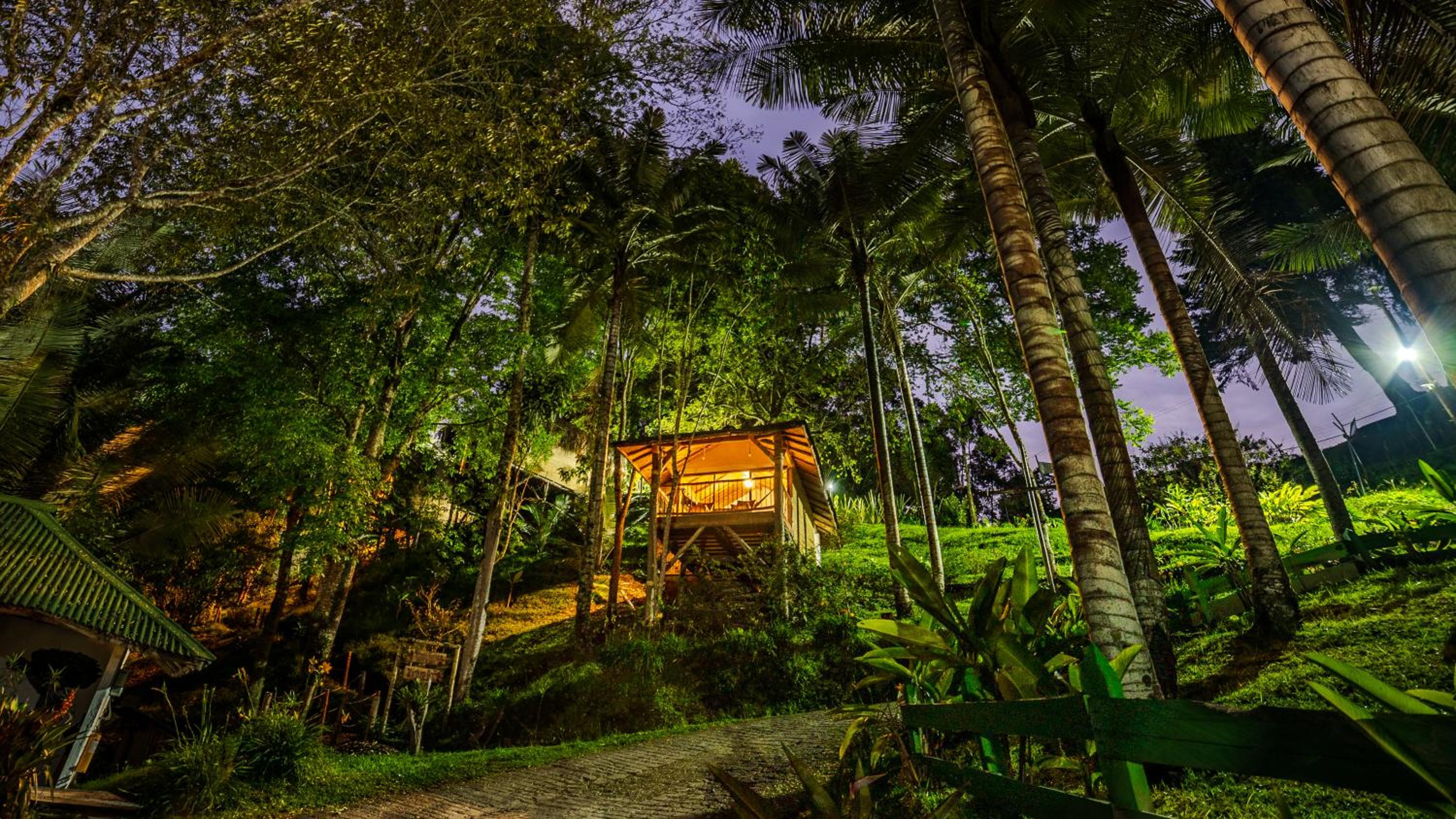
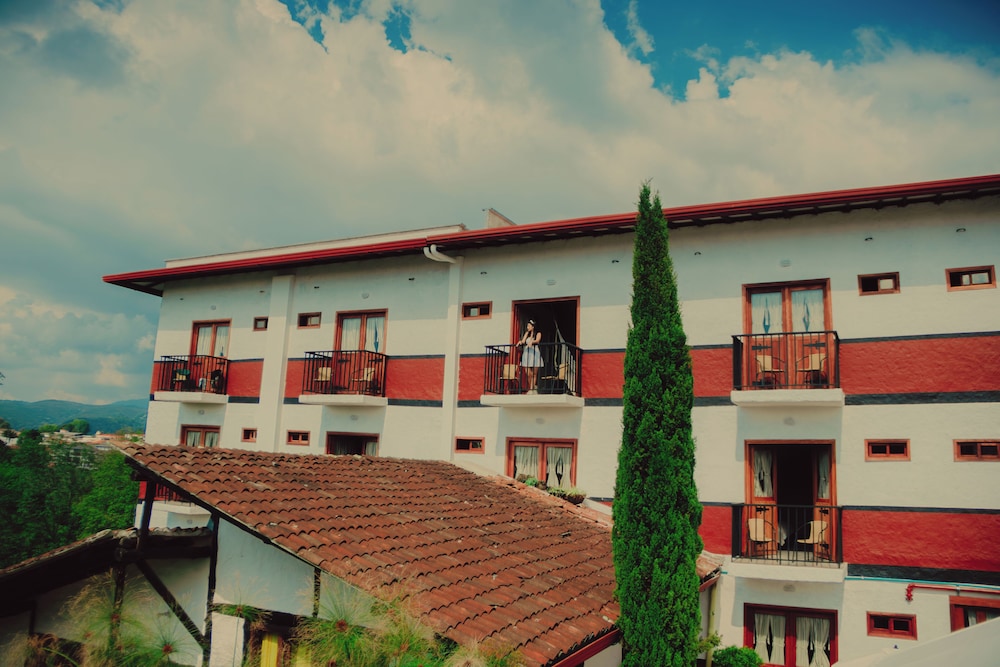
Town or farm is the only real decision, the town for the square and the restaurants and a finca for waking up in the coffee, with Filandia the third answer for the same architecture without the weekend crowd. Most travellers give Salento 3 nights on Stippl, and the finca rooms are the one thing booked ahead.
Plaza de Bolívar and Calle Real
€12–70
Hostels and guesthouses in the painted houses, €12 to €70 a night.
The mirador
A few guesthouses on the hill with the valley view, €20 to €80 a night.
The finca belt
€25–120
Rooms on working coffee farms, €25 to €120 a night.
The Valle de Cocora
A handful of lodges at the trailhead, €30 to €100 a night.
Filandia
€18–70
Boutique hotels and guesthouses in the quieter town, €20 to €90 a night.


What to eat in Salento
Rainbow trout, farmed in the valley streams, usually with patacón
A dinner-plate-sized fried plantain used as the base for everything
The farms above the town, roasted and brewed where it grows
The regional plate, this being the edge of paisa country
Hot sugarcane drinks, one with aguardiente, for the cold nights
A sweet fresh-corn arepa with cheese
Discover food spots in Stippl
Find restaurants and markets on the map, save them to your itinerary, works offline too.
Salento customs and what not to do
Coffee farming is work
The fincas that run tours are producing farms, and the tour fits around the harvest rather than the other way round.
Tejo is played with strangers
Being invited to throw is normal and refusing is odd, and the beer is part of the game rather than the reward.
Paisa formality applies
This is the southern edge of paisa country, and the usted and the greetings come with it.
The valley is a crop too
The palms stand in cattle pasture and the farmers own the land the loop crosses, so the fees at the gates are theirs.
The rest is national
Con mucho gusto for gracias, the ten percent on the bill voluntary, and no dar papaya even in the safest town in the country.
Do
- Start Cocora early and carry water; the cloud arrives before the last jeep
- Carry cash for the valley; there is no card machine and no cash machine
- Come on a weekday if you have any choice
- Take the jeep standing on the back tray at least once
Don't
- Walk the loop in April, May or October without accepting the mud
- Expect a direct bus; the town is reached via Armenia or Pereira
- Rely on the town's cash machines at a weekend; they empty
What a Salento trip costs
Budget
€20–40
A hostel or a basic room in town, the set lunch, the jeep to Cocora and one coffee tour.
Mid-range
€50–95
A private room or a stay on a coffee finca, restaurant meals, the jeep plus the valley fees and a guided coffee tour.
High-end
€155+
A private finca or a boutique stay in the coffee belt and a private guide.
Track what you actually spend
Set a daily budget per country and log expenses in any currency while you travel.
Fun facts about Salento
The wax palm above Salento is the tallest palm species in the world. Reaching about 60 metres, and Colombia's national tree, growing at an altitude no other palm manages.
The Willys jeeps in Salento are surplus wartime vehicles still in daily service. As the town's public transport, leaving the square when they fill and carrying passengers on the back tray.
The Coffee Cultural Landscape around Salento is a UNESCO World Heritage site. Listed in 2011, and the town sits inside it among the working fincas.
Salento is the oldest town in Quindío, founded in 1842. On the old road over the mountains, which is why the painted houses line one long street.
Tejo, played in Salento's courts, involves throwing a metal disc at gunpowder charges. It is the national sport, and the explosion is the point.
Salento opens only 1.3% of the Stippl trips it appears on. The pause in the middle of the country, on the longest Colombian chains at about nine stops each.
Local tips for Salento
The jeeps leave when full
There is no timetable from the square, the first ones go early, and the last one back from Cocora leaves mid-afternoon before the cloud.
The safest stop in the country
Essentially no incidents on record, and the risk here is the trail rather than crime.
The trail is the risk
The Cocora loop crosses a river on wire-and-plank bridges, climbs steeply and turns to mud in the wet months.
Early, with water
The last jeeps back leave mid-afternoon and the cloud arrives before them, so the loop starts on the first jeep.
Cash for the valley
No card acceptance and no cash machine in the valley, and the town's machines empty at weekends.
Three nights, in the middle
53.09% of Stippl stops here run three nights or more and only 2.4% of trips end here, because the coast is still to come.
Salento questions, answered
Three, which is what is measured and what the guides say: most travellers give Salento 3 nights on Stippl and 53.09% of stops run three or more, with the loop, a farm and the town taking a day each.
Two fees rather than one: a few euros to enter and a smaller one to exit, cash only, plus the jeep from the square, and it is not a single ticket whatever an older guide says. The fees go to the farmers whose pasture the loop crosses, and the town's cash machines empty at weekends.
About five for the full loop through the cloud forest and out among the palms, with a shorter out-and-back for anyone short of time or weather. Put the first jeep into Stippl for the morning, then ask people in subreddits like r/ColombiaTravel which direction they walked it; only 15.14% of Salento stops on Stippl are a single night, and the loop is the reason for the second.
Salento for Cocora and Filandia for the town, and several guides now recommend sleeping in Filandia and day-tripping to the valley, forty minutes apart. Only 1.55% of Salento stops on Stippl are no night at all, and the loop is why the night is here.
The town is, and the loop is mud and cloud, so April, May and October are the months to think twice about. Most travellers plan Salento about 75 days ahead on Stippl, and the dry windows in July and January are what the planning aims at.
Fly to Armenia or Pereira and take a bus, because there is no direct route from anywhere, and the town sits between Medellín and Bogotá as the pause on the way. The jeeps from the square do the last leg to the valley.
Every guide is written by the Stippl editors and checked against the trips our travellers actually plan. Spotted something out of date? Let us know.

Plan Salento in Stippl
Day-by-day planning, stays and budget in one app, with every place from this guide already on the map.
Download the app