
Bogota
Bogotá is a capital at 2,640 metres where the temperature never leaves the teens and the first day is taken slowly, with the Gold Museum for the price of a coffee, a free Botero and a hundred and twenty kilometres of car-free road every Sunday. Two nights, the north for the bed and the centre for the sights, and La Candelaria in daylight only.
Bogota in a nutshell
Bogota: what to expect
This is what 101,000+ planned stops in Colombia on Stippl say about Bogotá.
Two nights in Bogotá, and the altitude governs the first of them. The Gold Museum holds fifty-five thousand pre-Columbian pieces including the Muisca raft the El Dorado legend was built on, for the price of a coffee, the street-art walk through La Candelaria and Chapinero is the most-recommended thing after the museums, Monserrate is a cable car or a free climb to the whole city laid out below, the Ciclovía closes a hundred and twenty kilometres of road every Sunday, and the Botero is free. Most travellers give Bogotá 2 nights on Stippl.
Bogotá is the door into Colombia, and the numbers say it is the door and not the room. The capital opens 39.6% of the trips it appears on, of everyone who plans it on Stippl, and closes 24.1%, because the airport is the country's main international gateway, and only 3.1% of its trips stop nowhere else in Colombia, because the coast and the coffee are what people came for.
Sleep in the north and visit the centre, take the first day slowly and skip the alcohol, do the Gold Museum on a Sunday when it is free, and use the ride-hailing app rather than a street taxi. Skip La Candelaria after dark, since every guide says it and it is the single most repeated piece of advice about the city, and skip displaying a phone on the bus system, because the no dar papaya rule applies here more than anywhere.
Plan Bogota in Stippl
Day-by-day planning, stays and budget in one app, with every place from this guide already on the map.
Download the appWho Bogotá is for
Anyone arriving in Colombia
The main international gateway, and the stop that opens 39.6% of the Stippl trips it appears on.
Museum travellers
The Gold Museum and the Botero are both first-rank and both cost almost nothing, five minutes apart in the old town.
Street-art travellers
The tours of the Candelaria and Chapinero walls are the single most-recommended activity after the museums, and they are political rather than decorative.
Cyclists
A hundred and twenty kilometres of car-free road every Sunday morning, and a bike network the rest of the week.
Digital nomads
The northern districts have the cafés and the connectivity, and the city runs cooler than the coffee region for a laptop.
Two-night travellers
32.50% of Stippl stops here are a single night and the typical stay is two, because the coast and the coffee are the reason for the flight.
Maybe not for you: the traveller who came for the Caribbean, since Bogotá is cold, high and grey; and anyone who struggles with altitude, because the air at two thousand six hundred metres is thin enough to feel on the first day.
The best time to visit Bogotá
The dry months
December to March and June to August
The recommendation, with the December to mid-January domestic peak carved out, and the second window the one that suits the Andes and not the coast.
The wet months
April to May and September to November
Afternoon rain most days rather than all-day rain, with October the worst of it and the museums built for it.
The domestic peak
Mid-December to mid-January
Full and expensive without being foreign-crowded, when the city families leave for their fincas and the flights fill.
Holy Week
March or April
Semana Santa moves each year, empties the offices and fills the roads out of the city.
- Most travellers give Bogotá 2 nights on Stippl, and 32.50% of stops are a single night. Two covers the centre and Monserrate; three adds the salt cathedral at Zipaquirá.
- There is no summer and no winter. The temperature sits between ten and seventeen degrees every month of the year, and what changes is the rain, so the packing is a jacket rather than a season.
- The Ciclovía runs every Sunday morning. Not a festival but a weekly event that changes what the city is for a morning, with the roads closed to cars since the seventies.
- The Usaquén flea market is on Sundays. The northern village's weekly market and the reason to be up there on a Sunday after the Ciclovía.
- Most travellers plan Bogotá about 80 days ahead on Stippl, and 23.07% more than six months out. The flight in is the booking, and the city itself needs none.
- The Velitas light the plaza on 7 December. Candles and paper lanterns across the country, with the Plaza de Bolívar the showpiece, and the start of the holiday season.
Add your Bogota dates and we'll flag the weather
Stippl shows the season, crowds and prices for every stop on your route.
Describe your trip, get a Bogota itinerary in seconds
Everything in this guide is already in Stippl. Tell the planner how long you have and what you like: it builds the route, the days and the travel times, and you edit whatever you want.
Things to do in Bogotá
 Photo by Moriah Bender via Unsplash
 Photo by Rizvi Rahman via Unsplash
The Gold Museum
Fifty-five thousand pieces and the Muisca raft that started the El Dorado story, for the price of a coffee and free on Sundays.
A street-art walking tour
The Candelaria and Chapinero walls and the politics behind why the city tolerates them, on a tip-based walk of two to three hours.
Monserrate at 3,152 metres
Cable car, funicular or a free walk, with the whole city laid out under it and the walk not done alone or late.
The Ciclovía on a Sunday
A hundred and twenty kilometres of closed road, and the best way to see how the city uses itself, on a rented bike from the north.
The Botero Museum
Free, and the largest collection of the artist's work anywhere, alongside his own Picassos and Monets in a colonial house.
La Candelaria on foot
Plaza de Bolívar, the painted lanes and the museums, in daylight, with the graffiti tour as the way through it.
The neighbourhoods of Bogotá
La Candelaria
Heritage on a budget
The colonial old town with Plaza de Bolívar, the museums, the painted houses and the steep lanes, and the hostels in among them. For budgets.
Everything historic on foot and the cheapest beds, but daylight only after dark falls.
Chapinero
The local stay
A long district running north from the centre with the bars, the cafés and the city's LGBTQ heart, and the best value once you leave the tourist core. For a real neighbourhood.
Real neighbourhood life at a fair price, though a bus or an app taxi to the museums.
Usaquén
The slower village
A colonial village swallowed by the city with a Sunday flea market and the northern restaurant scene. For a slower version.
Village scale and the Sunday market, but far from the centre.
Zona Rosa and Zona T
The going-out quarter
The pedestrianised nightlife and shopping streets in the north, with the restaurant and club density in the safest part of the city. For nights out.
The best nights and the safest streets, at the highest rates.
La Macarena
The eating quarter
A small hillside quarter of galleries and restaurants above the centre, ten minutes from La Candelaria and the bullring. For eating well.
Bogotá's best small restaurants near the old town, though a hill to climb home.
Parque 93
Business and quiet
Corporate north Bogotá around a green square with the restaurants and the offices, safe and green. For a quiet base.
Safe, green and dull in the way business districts are.
See every Bogota neighbourhood on one map
Save the areas you like and Stippl plots your days so you're not crossing the city twice.
Where to stay in Bogotá
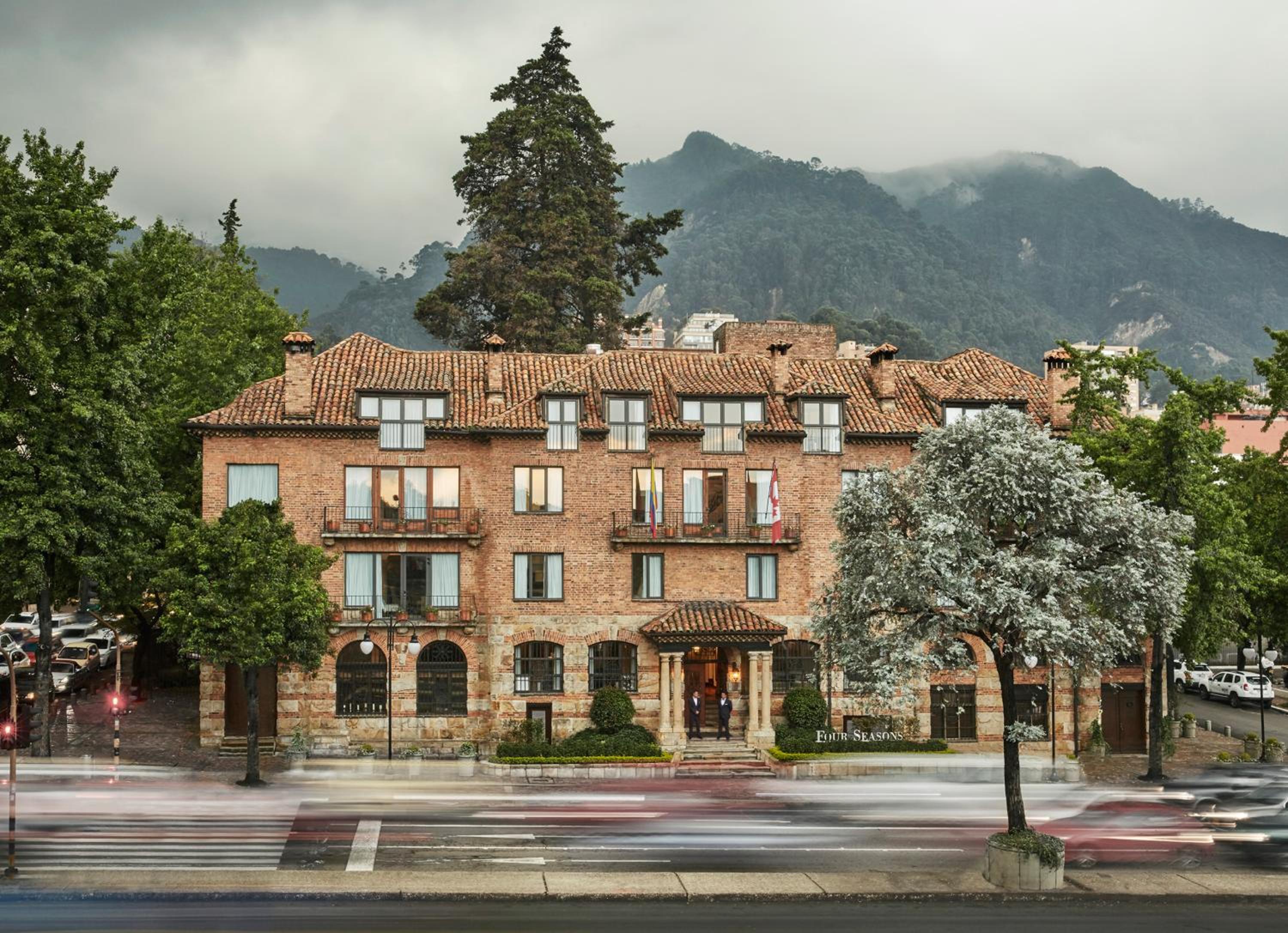
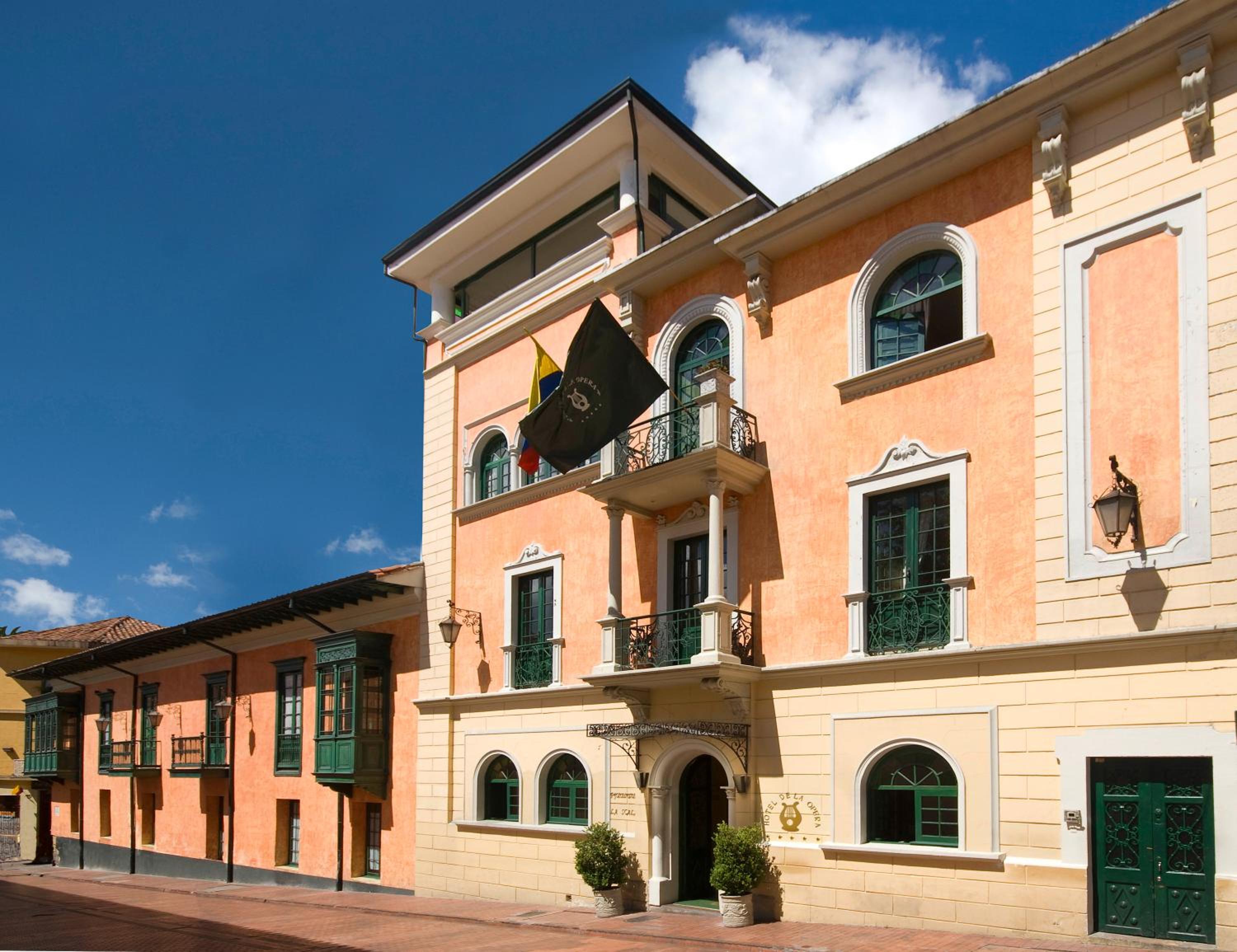
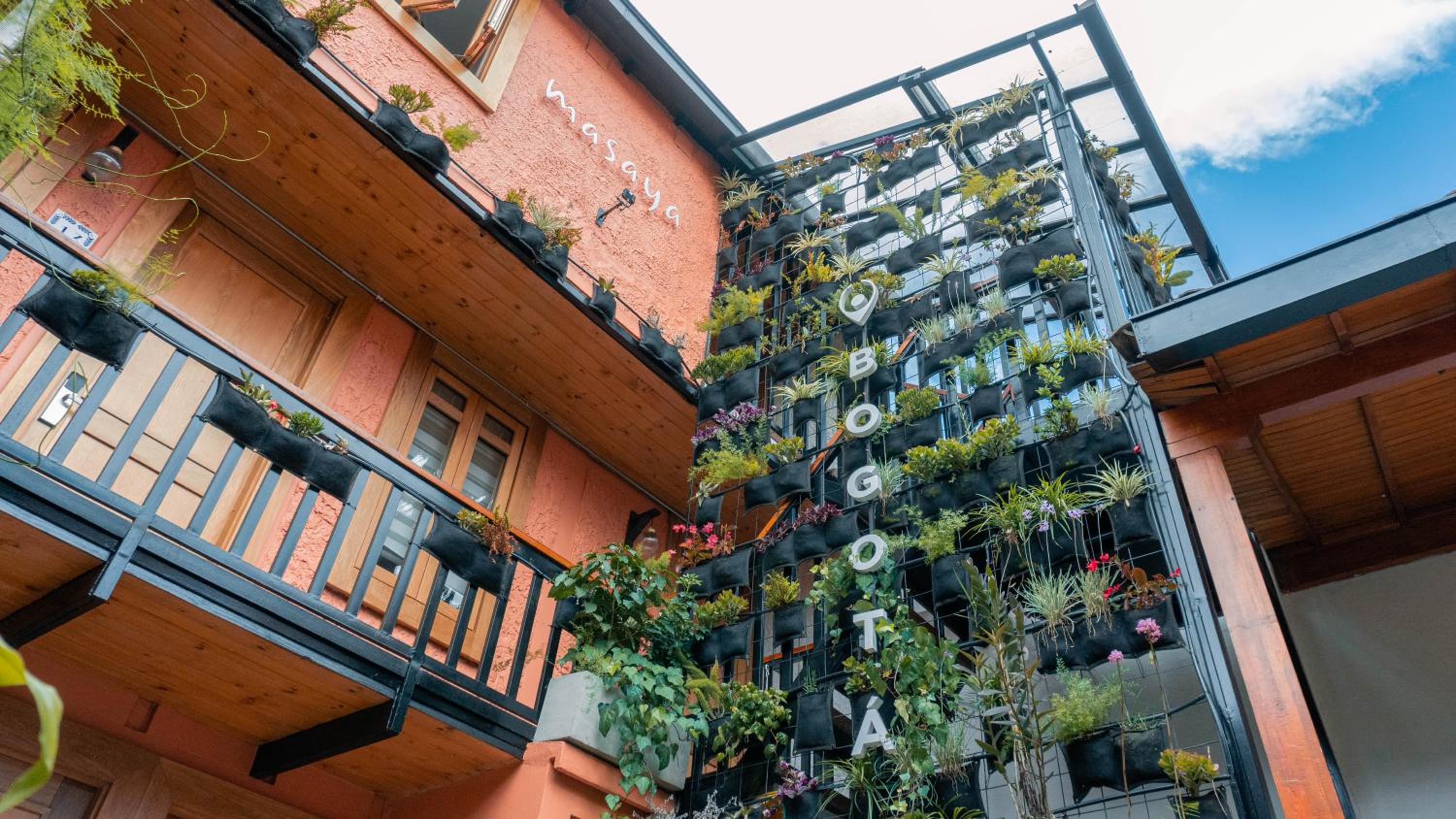
Stay north and visit the centre: Chapinero, Zona Rosa and Usaquén are where the guides put people, with La Candelaria the budget exception for the hostels and the museums at the door. Most travellers give Bogotá 2 nights on Stippl, and the rooms are among the cheapest in any capital.
La Candelaria
€12–45
Hostels and budget hotels in the colonial houses, €12 to €45 a night.
Chapinero
€25–70
Mid-range hotels and apartments in the long district, €25 to €70 a night.
Usaquén
€45–120
Boutique hotels around the village square, €40 to €110 a night.
Zona Rosa and Zona T
€50–140
Top hotels and business chains by the nightlife, €50 to €160 a night.
La Macarena
€35–90
A few small hotels among the restaurants, €35 to €90 a night.
Parque 93
€60–160
Business hotels around the square, €50 to €160 a night.


What to eat in Bogotá
A thick chicken and three-potato soup with corn, capers and cream, the city's own dish
Soup, a main, a juice and sometimes a dessert, at lunchtime, for a few euros
Grilled corn cakes, plainer here than on the coast
Corn dough, meat and vegetables steamed in a banana leaf, a Sunday breakfast
Hot chocolate served with cheese to drop into it
The specialty scene the country's own crop supports
Discover food spots in Stippl
Find restaurants and markets on the map, save them to your itinerary, works offline too.
Bogotá customs and what not to do
Altitude is a courtesy
Locals will tell a visitor to slow down on the first day, and it is meant literally, with water instead of aguardiente.
Rolos are formal
Bogotanos have a reputation across the country for reserve and for usted, and the coast will tell you so.
No phone on the bus
Not displayed on the bus system or in the centre, because the no dar papaya rule applies here more than anywhere.
La Candelaria by day
The old town is walked in daylight and left after dark, and the hostels there say it before you ask.
The rest is national
The etiquette applies without local exception, from usted to con mucho gusto.
Do
- Take the first day slowly and skip the alcohol
- Do the Gold Museum on a Sunday, when it is free
- Use the ride-hailing app rather than a street taxi
- Walk La Candelaria with the street-art tour, in daylight
Don't
- Walk La Candelaria after dark
- Display a phone on the bus system or in the centre
- Climb Monserrate on foot alone or late
What a Bogotá trip costs
Budget
€25–45
A dorm or a budget room in La Candelaria, set lunches, the bus system and one paid museum a day.
Mid-range
€60–110
A private room in Chapinero or Usaquén, mixed street and restaurant meals, app taxis, Monserrate and a street-art tour.
High-end
€155+
A top hotel in Zona Rosa or Parque 93, a private guide and driver and fine dining in La Macarena.
Track what you actually spend
Set a daily budget per country and log expenses in any currency while you travel.
Fun facts about Bogotá
Bogotá sits at 2,640 metres, one of the highest capital cities in the world. The air is thin enough that visitors feel it, and the first day is taken slowly on local advice.
The Gold Museum in Bogotá holds around 55,000 pre-Columbian gold objects. Including the Muisca raft the El Dorado legend came from, for the price of a coffee.
120 kilometres of Bogotá's roads close to cars every Sunday. And have done since the 1970s, with a million people out on bikes and skates by mid-morning.
The Botero Museum in Bogotá is free and holds the largest Botero collection anywhere. Plus his own Picasso and Monet, donated to the city on the condition that entry stayed free.
Zipaquirá's cathedral outside Bogotá is 180 metres underground. Carved inside a working salt mine, and an hour north of the city by bus.
Bogotá opens 39.6% of the Stippl trips it appears on. The country's door, and only 3.1% of those trips stop nowhere else in Colombia.
Local tips for Bogotá
Fly between the big cities
Domestic flights are cheap and the distances are long, so almost every itinerary flies rather than taking the bus, and the bus times are the reason.
Monserrate by cable car
About five euros return by cable car or funicular, and the walk up is free with the standing advice not to do it alone or late.
The bus system is crowded
The rapid-transit buses are cheap and they work, and every guide warns about pickpocketing on them at rush hour.
The app, not the street
Ride-hailing apps rather than hailed taxis, which is the national advice and applies here most of all.
La Candelaria in daylight only
The single most repeated piece of advice about the city, and the hostels there know it.
Two nights, and the door
39.6% of the Stippl trips Bogotá appears on start here and 24.1% end here, because the airport is the country's gateway.
Bogotá questions, answered
Yes, and the guides say three: most travellers give Bogotá 2 nights on Stippl and 32.50% of stops are a single night, with two covering the centre and Monserrate and the third adding the salt cathedral at Zipaquirá.
With the daylight rule for La Candelaria, the app-taxi rule and the phone rule, yes, and the guides are consistent on all three. The centre is walked by day and left by dark, the taxi is booked rather than hailed, and the phone stays in the pocket on the bus system.
Some feel the two thousand six hundred metres, so the first day is taken slowly with water rather than alcohol and the Monserrate climb left for the second. Put the museums into Stippl for day one and the hill for day two, then ask people in subreddits like r/ColombiaTravel how they felt on arrival.
It is the reason most itineraries stop here: fifty-five thousand pieces including the Muisca raft, for the price of a coffee and free on Sundays, with the free Botero five minutes away. The two together are the best-value museum morning on the continent.
One guide argues exactly that, and most people do neither: the capital opens 39.6% of the trips it appears on, of everyone who plans it on Stippl, and almost all of them go on to Medellín, because the airport lands the flight here and the eternal spring is a short hop away.
A hundred and twenty kilometres of roads closed to cars every Sunday morning since the seventies, with the city out on bikes, skates and foot, and a rented bike from the north the way to see it. Only 3.1% of Bogotá trips on Stippl stop nowhere else, and the Sunday is the one morning the capital feels like the destination.
Every guide is written by the Stippl editors and checked against the trips our travellers actually plan. Spotted something out of date? Let us know.

Plan Bogota in Stippl
Day-by-day planning, stays and budget in one app, with every place from this guide already on the map.
Download the app