

Bruges
Bruges is the best-preserved medieval centre in northern Europe, a UNESCO web of Gothic spires, cobbles and canals that froze when the sea silted up and the trade moved to Antwerp, and eight million visitors a year in a city of 120,000. One night for most and two for the city outside the day-trip hours, before nine or after five, and the canal boat that cannot be booked.
Bruges in a nutshell
Bruges: what to expect
62,000+ stops in Belgium have been planned on Stippl. Here is what they say about Bruges.
Bruges is a different city before nine and after five, and the night is what buys it. The canal boat is thirty minutes with live commentary and cannot normally be booked ahead, Rozenhoedkaai at dusk is the iconic view with nobody on it, the Belfry is 366 steps and the Historium tower is fewer for a better view with less queue, the Beguinage is a walled courtyard of whitewashed cottages still occupied by nuns, the windmills stand on the ramparts at Sint-Anna, and Michelangelo's Madonna in the Church of Our Lady is the only sculpture he let leave Italy in his lifetime. Most travellers give Bruges 1 night on Stippl.
Bruges is the day trip that should be a night. 16.2% of Bruges stops on Stippl are no night at all and 43.5% a single night, because the train from Brussels is an hour and the cruise coaches arrive at ten, while Ghent appears three times as often as expected on the trips that carry Bruges, since the two are 25 minutes apart and the pairing is the standard Flemish weekend.
So sleep inside the ring canal, walk the centre before nine and after five, climb one tower and take one boat, and walk north up the Langerei where almost nobody goes. Skip the Markt restaurants by default, skip trying to pre-book the canal boat, since the queue is the system, and skip the middle of a summer day around Rozenhoedkaai, because the crowd itself is the hazard.
Plan Bruges in Stippl
Day-by-day planning, stays and budget in one app, with every place from this guide already on the map.
Download the appWho Bruges is for
First-timers, for the postcard
No better-preserved medieval city exists in this part of Europe, and the plans choose Bruges over Ghent by three to two.
Couples
Historic and romantic is the register, and Minnewater at dusk is why.
Art lovers
The Groeningemuseum holds the world's best Flemish Primitive collection, including van Eyck's Madonna with Canon van der Paele.
Beer drinkers
De Halve Maan has brewed in the centre for generations, and the tour ends in a glass of Bruges Zot.
Christmas market travellers
Winter is the one season when Bruges is cheaper than Ghent, and the quietest month here on Stippl is February 3.3% of plans.
Photographers
Rozenhoedkaai has its own map pin as the photo point, and the light is best early or at dusk, when 16.2% of Stippl stops have already left.
Maybe not for you: anyone who wants a city that still functions as one, because Bruges has lost its resident population from the centre and between ten and four the streets around the Markt belong to the coaches; Ghent is the answer to that.
The best time to visit Bruges
Shoulder
March to May, September to October
The months every guide and the plans agree on, with the canals in light, the coaches fewer and the rooms below the summer rate.
Peak
July and August
The months the guides tell you to avoid unless you can work around the ten-to-four window, and the busiest month here on Stippl is August 15.5% of plans.
Winter
November to February
Cheaper accommodation, thinner crowds and the Christmas market on the Markt, with January chosen deliberately by the people who know the city.
The daily rhythm
Before nine, after five
The season that matters more than the month, because the day-trip and cruise traffic occupies roughly ten to four and the medieval streets are empty outside it.
- Most travellers give Bruges 1 night on Stippl, and 43.5% of stops are a single night. One night buys the evening and the morning, which is the whole argument for sleeping here rather than day-tripping.
- The daily rhythm matters more than the month. Arrive before nine or stay past five and the streets are empty, and the coaches and the cruise tenders own the middle of the day.
- Bruges peaks in August rather than July. Unlike the other three Belgian cities, because the cruise calls and the school holidays land together on the coast.
- The canal boat cannot be pre-booked. Waits run up to an hour in summer and are short in winter, and the five landing stages are the queue.
- Winter is the season Bruges is cheaper than Ghent. The Christmas market runs on the Markt from late November, and January drops the rooms further.
- 22.5% of trips carrying Bruges on Stippl are planned inside a fortnight. The train from Brussels is an hour, and the room is the only thing that needs booking.
Add your Bruges dates and we'll flag the weather
Stippl shows the season, crowds and prices for every stop on your route.
Describe your trip, get a Bruges itinerary in seconds
Everything in this guide is already in Stippl. Tell the planner how long you have and what you like: it builds the route, the days and the travel times, and you edit whatever you want.
Things to do in Bruges
A canal boat
Thirty minutes with live commentary from one of five landing stages, treated as compulsory by every guide, and not normally bookable ahead.
Rozenhoedkaai at dusk
The iconic view of the canal, the spire and the quay, empty in the evening once the coaches leave.
A tower climbed
The Belfry is 83 metres and 366 steps, and the Historium tower is 145 steps for a better view with less queue.
The Beguinage
A walled courtyard of whitewashed cottages founded in 1245, still occupied by Benedictine nuns, and silent by rule.
The windmills at Sint-Anna
Four of them on the ramparts along the eastern canal, two still working, and the quietest walk in the city.
Michelangelo's Madonna
In the Church of Our Lady, the only sculpture he let leave Italy in his lifetime, and the one the Monuments Men came for.
The quarters of Bruges
Markt and Burg
The two squares
The civic squares with the Belfry and the guild houses on one and the Basilica of the Holy Blood on the other, everything concentrated and everything busiest. For a first stay.
Everything at the door, and the densest crowds in the country at noon.
Onze-Lieve-Vrouw Quarter
The arts district
South of the Markt across the Bonifacius bridge, with Michelangelo's Madonna in the church and the Groeningemuseum a short walk. For art first.
The museums at the door, and the bridge as a bottleneck by day.
Minnewater and the Beguinage
The peaceful corner
The Lake of Love and the 1245 walled courtyard at the southern edge, the most peaceful corner of the city and free. For anyone.
The calm and the swans, and a ten-minute walk to the squares.
Sint-Anna
The lived-in east
Cobbled lanes, the windmills on the ramparts and the oldest pub in town, the quietest and most lived-in quarter. For a second visit.
Residents and quiet, and the hostels rather than the hotels.
Sint-Gilles
The residential north
Bakeries, neighbourhood cafés and value beds a short walk from the centre, with Memling buried in the church. For a budget.
Cheaper rooms and real bakeries, and no canal at the window.
Langerei
The long canal
The towpath north towards the old port, the loveliest walk in the city with almost nobody on it. For walkers.
The walk and the silence, with few rooms and fewer restaurants.
See every Bruges neighbourhood on one map
Save the areas you like and Stippl plots your days so you're not crossing the city twice.
Where to stay in Bruges
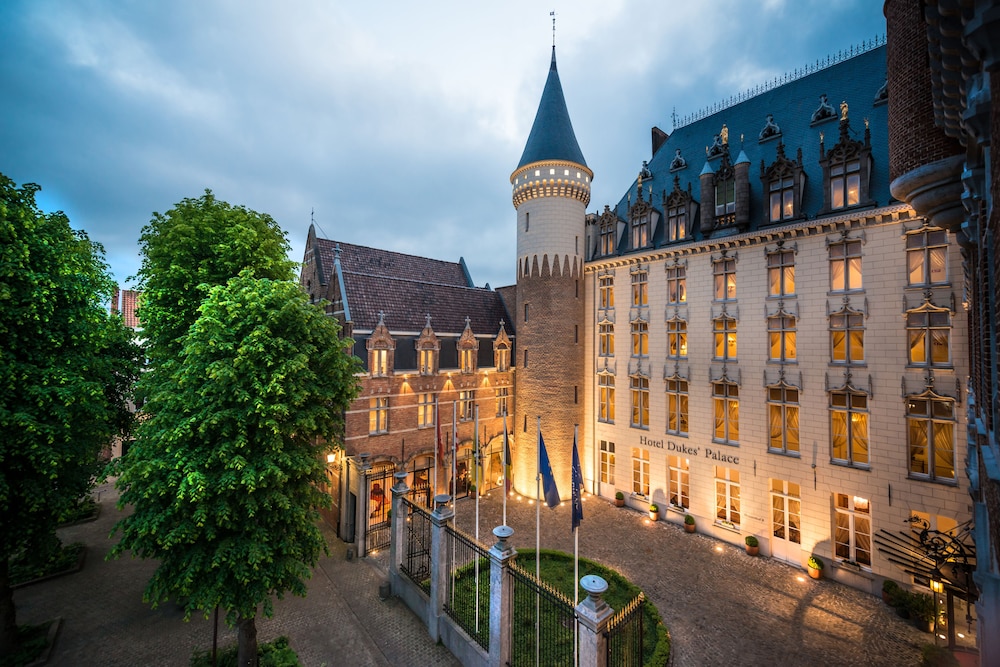
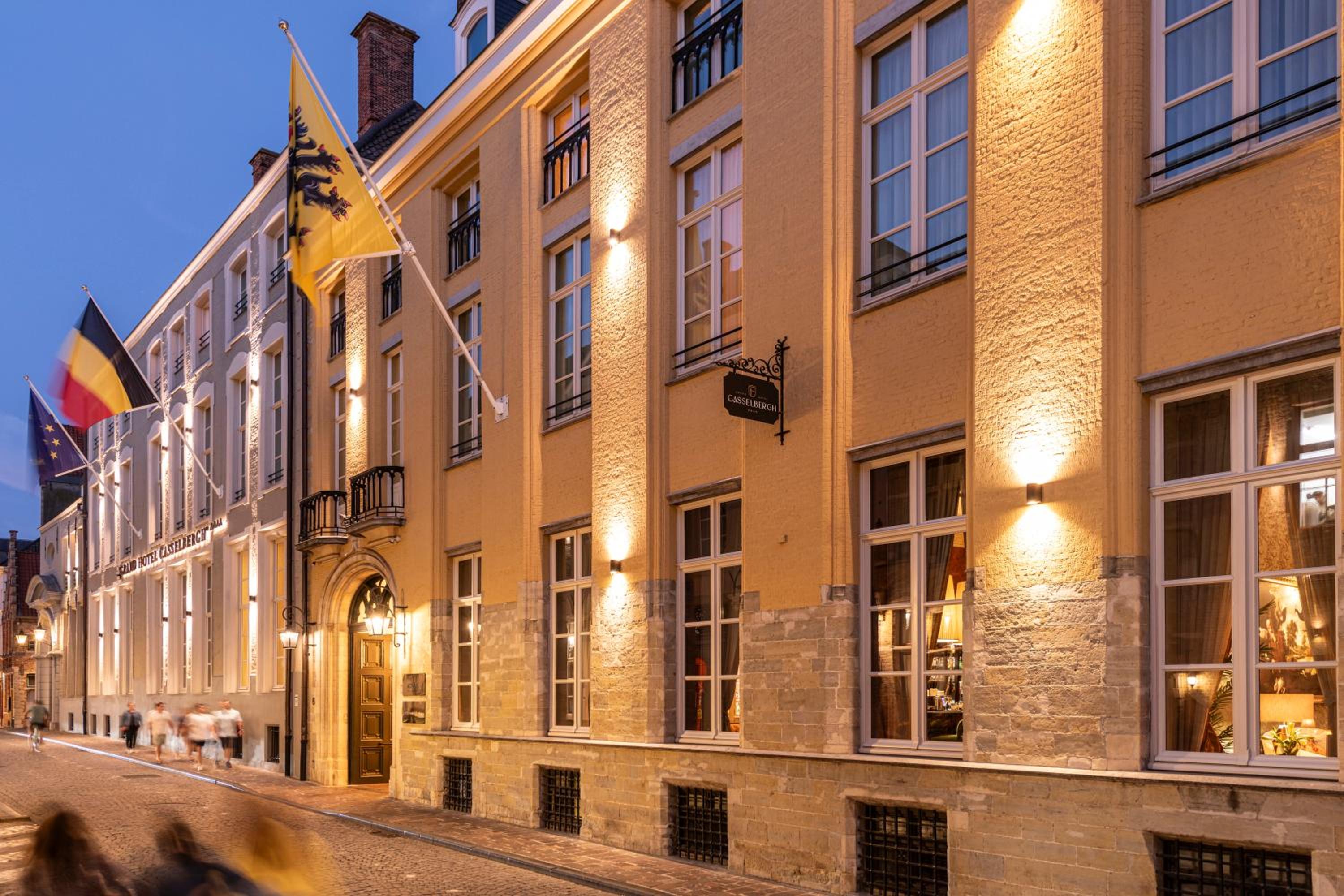
Anywhere inside the ring canal works, because the centre is small enough that location is about atmosphere and price rather than distance. Most travellers give Bruges 1 night on Stippl, and the room is what buys the city outside the day-trip hours.
Markt and Burg
€€€
Hotels on and behind the squares, €130 to €300 a night.
Onze-Lieve-Vrouw Quarter
€€€
Canal-side boutique hotels and guesthouses, €130 to €250 a night.
Minnewater and the Beguinage
Small hotels by the lake, €120 to €220 a night.
Sint-Anna
€€
Hostels and family guesthouses in the lanes, €25 to €110 a night.
Sint-Gilles
€
Guesthouses and apartments in the residential streets, €70 to €130 a night.
Langerei
€€
A handful of canal-side rooms, €90 to €180 a night.


What to eat in Bruges
Twice-fried, in a cone
The dense Liège style is the common street version here
The city's own beer, brewed at De Halve Maan in the centre
In season, with fries
Beef in dark beer
Filled chocolates, sold on nearly every street
Discover food spots in Stippl
Find restaurants and markets on the map, save them to your itinerary, works offline too.
Bruges customs and what not to do
Dutch, and English for visitors
This is Flanders and the language question matters, and the centre is thoroughly used to visitors, so goedendag and merci both land.
Residents are neighbours
The city is a UNESCO site people live in, and the criticism of Bruges is that residents have left the centre, so the ones who remain are treated as neighbours.
The Beguinage is silent
A working religious community behind the wall, and the sign at the gate asking for silence is meant.
Every beer has its glass
Bruges Zot in its own, as everywhere in Belgium, and the café pours the right one without being asked.
The Markt is for looking
The restaurants on the square are priced for the view, and the ones a street back are where the city eats.
Do
- Come before nine or stay past five
- Buy the Musea Brugge card if three or more sights are planned
- Walk north up the Langerei, where almost nobody goes
- Climb the Historium tower for the view and the Belfry for the name
Don't
- Eat on the Markt by default
- Expect to pre-book a canal boat
- Assume the Vismarkt sells fish; it does so two mornings a week
What a Bruges trip costs
Budget
€100–130
A hostel bed in Sint-Anna, frites and bakery meals, and the free churches.
Mid-range
€150
A central double, restaurant dinners, the Belfry and a museum.
High-end
€300+
A canal-side boutique room, tasting menus and private guiding.
Track what you actually spend
Set a daily budget per country and log expenses in any currency while you travel.
Fun facts about Bruges
The Belfry of Bruges leans nearly a metre to the east. A visible tilt caused by subsidence in the marshy Flemish soil, and the reason the top floor feels wrong.
Bruges hosted what is widely considered the world's first stock exchange in the 13th century. The Van der Beurse family's inn gave its name to the bourse in most European languages.
The Markt in Bruges has held a market since 958. Weekly since 985, and the Wednesday market still sets up under the Belfry.
Bruges has more than 80 bridges and 27 kilometres of waterways. The name itself is thought to come from the old word for bridge.
Huis Boechoute is the only flat-roofed house on the Markt in Bruges. The oldest on the square, carrying a golden ball and a compass that once tracked the wind for the cloth merchants.
16.2% of Bruges stops on Stippl are no night at all. The day trip from Brussels, and the version that never sees the city empty.
Local tips for Bruges
Walk everything
The historic centre sits inside a ring canal and nothing is far, with the station a fifteen-minute walk or a short bus from the Markt.
A day trip for most
Bruges is a day trip from Brussels for a large share of visitors, which is why the streets empty in the evening and the night is worth having.
The crowd is the hazard
The streets around the Markt and Rozenhoedkaai are uncomfortably busy between ten and four, and the side canals are empty at the same hour.
Pockets in the crowd
Belgium's named hotspots are the Brussels stations, and the Markt and Rozenhoedkaai at midday are the densest tourist crowds in the country, so the bag stays in front.
The boat queue is the system
Five landing stages, no advance booking, an hour's wait in summer and none in winter, and the first boats of the morning are the quiet ones.
One night, and rarely more
Most travellers give Bruges 1 night on Stippl, and 43.5% of stops are a single night, which is the evening and the morning the city is built for.
Bruges questions, answered
The guides argue Ghent, on price, crowds and the fact that residents still live in the centre, and the plans choose Bruges by roughly three to two. Both concede Bruges is prettier, and they are 25 minutes apart, so the honest answer is a night in each.
It is what most visitors give it: most travellers give Bruges 1 night on Stippl and 16.2% of stops are no night at all. The city is a different place outside ten to four, so the night is the thing to buy.
The Belfry for the name and the Historium tower for the view, 145 steps against 366, cheaper and with less queue, and the residents prefer it. Put one tower into Stippl for the first evening, then ask people in subreddits like r/belgium which one they would climb twice.
January. The accommodation drops, the crowds go and the canals are still there, and the quietest month here on Stippl is February 3.3% of plans, which is the room at its lowest and the Christmas market just gone from the Markt.
No, and normally it cannot be done. Five landing stages run boats every few minutes, the waits run up to an hour in summer and are short in winter, and the first boats of the morning are the empty ones.
It can be, in an hour by train, and that is how most people do it. 22.5% of trips carrying Bruges on Stippl are planned inside a fortnight, which is the morning's decision from the capital, and the night is what the day-trippers miss.
Every guide is written by the Stippl editors and checked against the trips our travellers actually plan. Spotted something out of date? Let us know.

Plan Bruges in Stippl
Day-by-day planning, stays and budget in one app, with every place from this guide already on the map.
Download the app