
Gjirokaster
Gjirokastër is the Ottoman town of slate roofs and five hundred tower houses, and the castle, the grandest house and a Cold War tunnel fit in one walkable day. Guesthouses are cheap even for Albania.
Gjirokaster in a nutshell
Gjirokaster: what to expect
Every figure here is drawn from 93,000+ stops planned in Albania on Stippl.
Gjirokastër is the Stone City, hundreds of slate-roofed tower houses climbing a hillside under one of the largest castles in the Balkans. The old bazaar is two cobbled streets fanning out below the fortress, paved in interlaced black and white stone. The Zekate house was built in 1811 as a gift from Ali Pasha and still carries its painted ceilings. A one-and-a-half-kilometre Cold War tunnel runs under the town from the main square, and the Blue Eye is forty minutes south.
The longest Albanian itineraries run through Gjirokastër, and so do the most domestic ones. Trips carrying it hold nearly twice the Albanian stops of the national picture, and six in ten of them never leave the country at all. Berat is its strongest partner, measured at the same strength from both directions, and September runs stronger here than at any other Albanian destination: this is the only one where it outranks June.
One night, or two at the most, because nine travellers in ten stop there. The town has the highest one-night share in Albania and it is not a place that stretches. Do the castle, the Zekate and Skenduli houses and the tunnel and you have had it. Wear something you can climb in, because the quarters run steeply up from the bazaar on cobbles the whole way, and give it a miss if stairs are a problem for you.
Plan Gjirokaster in Stippl
Day-by-day planning, stays and budget in one app, with every place from this guide already on the map.
Download the appWho Gjirokaster is for
Ottoman Balkans travellers
Gjirokastër and Berat are the two surviving examples, and this is the one with the tower houses and the slate roofs.
History travellers more broadly
The castle, the tower houses and the Cold War tunnel sit inside one small town, walkable in a day.
Photographers
The slate roofs from Palorto and the valley from the ramparts are the two frames worth the climb.
Budget travellers
Guesthouses in the lower quarters are cheap even by Albanian standards, and most people give it 1 night.
Maybe not for you: anyone with mobility limits, since the old town is cobbled and steep throughout; and anyone planning a long stay, because nine in ten visitors find two nights enough.
The best time to visit Gjirokaster
Wet winter
November to March
The wettest town in the country in these months, with freezing nights and stone houses with no heating. Some guesthouses close; the ones that stay open are the ones with a stove.
Spring
April and May
Green valleys, mild days and the town at its most photogenic. From May it is the first choice, with the castle climb still comfortable at midday.
Dry summer
June to August
Hot, dry and exposed, and the climb to the castle and the Ottoman houses on the hill done early or late. Evenings on the bazaar are the reward.
September
September
Still warm, the busiest single month by our data, and wetter than August. The rain comes as afternoon storms rather than wet days.
- July is the month most travellers plan Gjirokastër for on Stippl, about 60 days ahead. The tower houses that take guests have a handful of rooms each, so the good ones go first in the summer weeks.
- The Gjirokastër National Folk Festival runs only every few years. When it does, it fills every room in town for a week; check the year before assuming a September stay is easy.
- Gjirokastër's stone houses stay cold into April. A winter or early spring night in an unrenovated tower house is a night in a stone box; ask about heating before you book, not after.
- The castle and the old bazaar have no shade at all. In July and August the slate roofs radiate the heat back; walk the hill before nine or after six and spend the middle of the day in the Zekate House or the cold-war tunnel.
Add your Gjirokaster dates and we'll flag the weather
Stippl shows the season, crowds and prices for every stop on your route.
Describe your trip, get a Gjirokaster itinerary in seconds
Everything in this guide is already in Stippl. Tell the planner how long you have and what you like: it builds the route, the days and the travel times, and you edit whatever you want.
Things to do in Gjirokaster
 Photo by pierre matile via Pexels
The castle
Walk the thirteenth-century fortress with its long rampart over the Drino valley, the Museum of Armaments, the captured Italian and German artillery and the 1950s American spy plane, about €4. Two hours, and the prison cells are the part to give time.
The Zekate House
Enter the grandest of the Ottoman tower houses, built in 1811 for Beqir Zeko as a gift from Ali Pasha, with carved and painted ceilings and the defensive shutters intact, about €3. The family still lives on the ground floor.
The Skenduli House
Visit the other tower house open as a museum, usually alongside Zekate, about €3, with the owner's own tour of the winter and summer rooms. Half an hour, and worth the second house.
The Cold War tunnel
Take the guided walk through the one-and-a-half-kilometre bunker complex built under the town in the 1970s, entered from the main square, about €2. Guided only, and the tours leave on the hour.
The Old Bazaar
Walk the bazaar's interlaced black and white stone paving, unique to the town, in the evening when the shops and the restaurants come alive. Free, and the qifqi rice balls are the dish.
The Ali Pasha bridge
Walk twenty minutes from the bazaar to the fragment of eighteenth-century aqueduct on the town's edge, one of southern Albania's classic short walks. Free, and the path continues into the hills.
The neighbourhoods of Gjirokaster
The old bazaar
Stone arcades, black-and-white paving
The commercial heart below the castle: two cobbled streets of stone arcades paved in interlaced stone, with craft workshops, restaurants and guesthouses in the tower houses above. For first visits and anyone who wants the bazaar at the door.
The bazaar on foot, and the steepest cobbles in the country with luggage.
Palorto and Manalat
Tower houses, the view back
The steep residential quarters climbing toward the castle with the densest run of slate-roofed tower houses, and guesthouses in several of them. For architecture and photographers who want the roofs from the balcony.
The best houses and the view, and a climb home after dinner.
Dunavat
Lower quarters, family guesthouses
The lower quarters south of the bazaar on the walking route to the Ali Pasha bridge: affordable family guesthouses, a working Bektashi tekke and the taverns where the town eats. For budget travellers and the walk out.
Family prices and the town's own taverns, and a climb to the bazaar.
The new town
Flat, buses, plain hotels
The modern town on the valley floor below the old quarters: the bus stop, the shops and the plainer hotels on flat ground. For late arrivals and anyone who cannot do the cobbles.
Flat and the buses, and a twenty-minute climb to the bazaar.
See every Gjirokaster neighbourhood on one map
Save the areas you like and Stippl plots your days so you're not crossing the city twice.
Where to stay in Gjirokaster
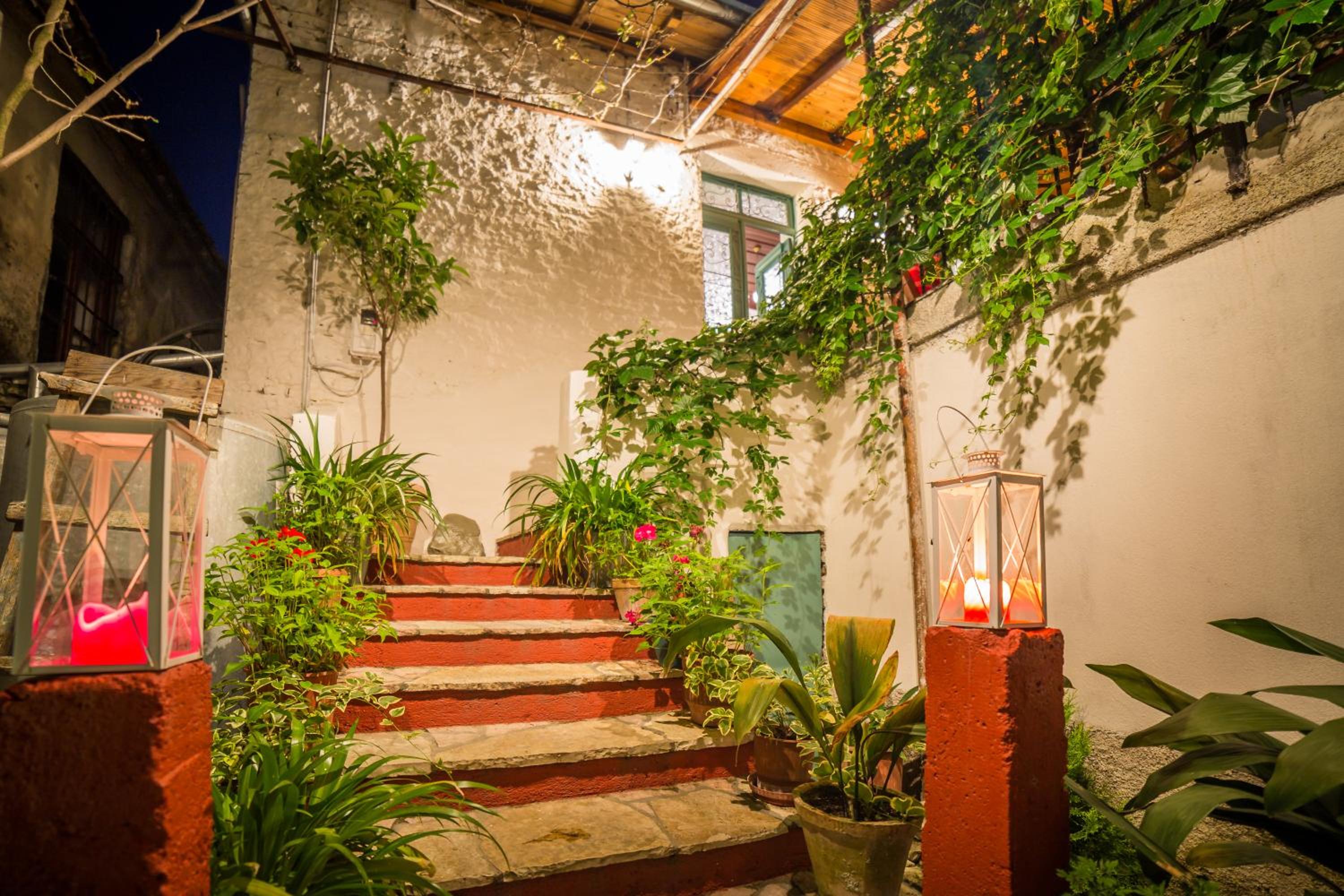
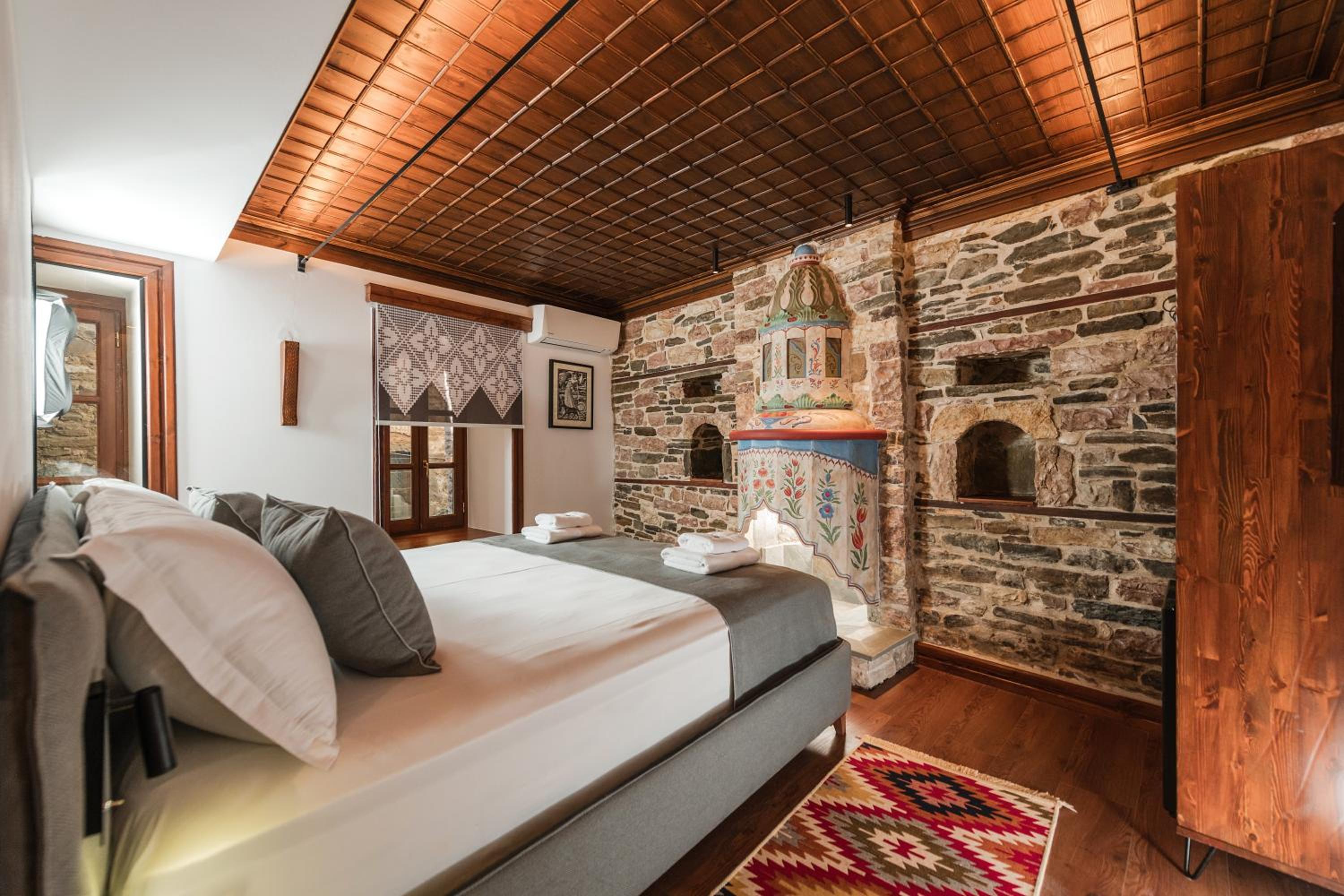
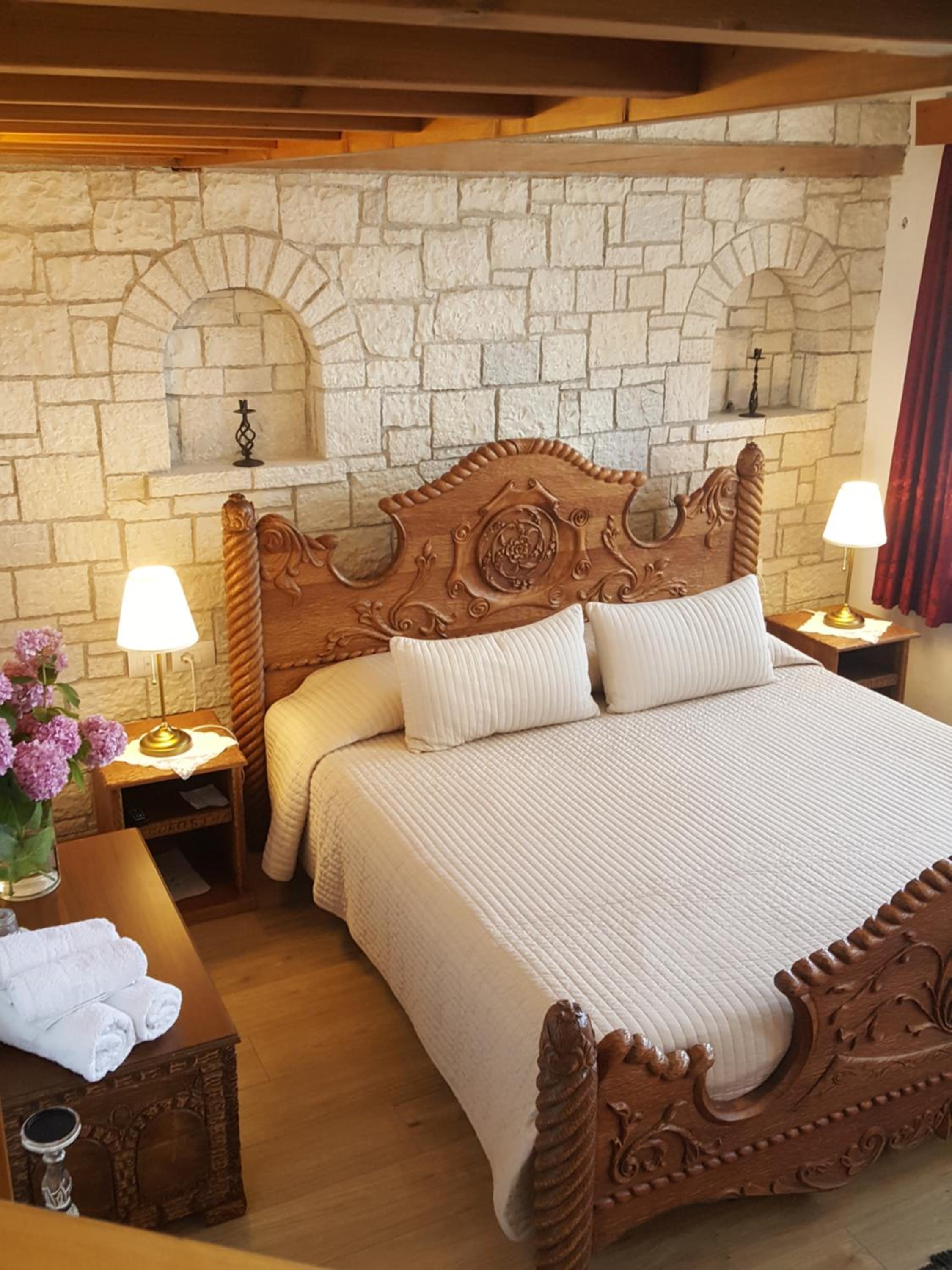
Stay in or just below the old bazaar: the restored Ottoman tower houses that take guests are the distinctive stay here, and staying low avoids the climb that the higher quarters demand every evening. 55.4% of Gjirokaster stops planned on Stippl are a single night. The stock is small and family-run, with no large hotels in the old town, so book summer weekends ahead.
The old bazaar
Guesthouses in restored stone houses along the two cobbled streets, €30 to €70, with breakfast on the terrace.
Palorto and Manalat
Rooms in the slate-roofed tower houses, €35 to €80, up steep lanes with the castle above.
Dunavat
Affordable family guesthouses ten minutes further out, €20 to €45.
The new town
Plainer hotels on flat ground near the bus stop, €25 to €50, for a late arrival.


What to eat in Gjirokaster
Fried rice balls with egg, mint and black pepper, a speciality found almost nowhere else
A dedicated breakfast spread one source builds an entire entry around
Discover food spots in Stippl
Find restaurants and markets on the map, save them to your itinerary, works offline too.
Gjirokaster customs and what not to do
Two famous sons, one house
Enver Hoxha and Ismail Kadare were both born here and the town holds the two very differently; ask a local about either and expect an opinion, not a shrug.
One mosque survived
The Bazaar Mosque is the only one in town the regime left standing, which is why it is pointed out; it is in use, so covered shoulders and knees, outside prayer times.
A Bektashi tekke still runs
The Sufi order has deep roots in the south and the tekke above the town welcomes visitors who ask; shoes off, a quiet voice, and a small donation.
The bazaar expects bargaining
Cheerfully and not hard; the shops on the cobbled streets are family businesses, the carpets are made locally, and the first price is a starting point.
Do
- Walk the bazaar early or late; the stone holds the heat
- Ask the tunnel guide about the bunker rather than reading the panels
- Try the qifqi rice balls; they are only made here
- Wear shoes with grip; the cobbles are polished stone
Don't
- Drive into the bazaar; park below and walk up
- Photograph inside the mosque during prayers
- Open the topic of Hoxha as a joke
- Expect the castle to be shaded; carry water
What a Gjirokaster trip costs
Budget
€40–55
Dorm bed or basic guesthouse, buses and furgons, market food plus a €5–10 restaurant meal, free hikes and beaches.
Mid-range
€90–130
Private room or small hotel, a share of a hire car, restaurant meals, paid sunbeds, entry fees and a boat trip.
High-end
€200+
Boutique hotel or Riviera resort, private transfers or an automatic hire car, beach clubs, guided treks.
Track what you actually spend
Set a daily budget per country and log expenses in any currency while you travel.
Fun facts about Gjirokaster
There is an American spy plane in the castle courtyard. A Lockheed T-33 was forced down in 1957 and kept as a trophy of the communist period, and it is still parked among the cannon.
The Zekate House was a gift from Ali Pasha of Tepelena. It was built between 1811 and 1812 for one of his generals, and it is the grandest of the tower houses open to visitors.
More than 500 tower houses are individually listed as monuments. In one small town, which is why UNESCO inscribed Gjirokastër in 2005 as a rare surviving Ottoman-era town.
Gjirokastër is the birthplace of both Enver Hoxha and Ismail Kadare. The dictator and the novelist grew up a few streets apart, which gives the town an outsized place in Albanian memory.
The castle is one of the largest in the Balkans. It dominates the town from a rocky ridge over the Drino valley, and the Cold War tunnel beneath it was dug for the party leadership.
The old bazaar is paved in interlaced black and white stone. Two cobbled streets fan out from below the castle, lined with workshops, and the pattern under your feet is the town's signature.
Local tips for Gjirokaster
Five morning buses south
Departures to Sarandë at seven, eight, nine, ten and midday, about €4, the timetable of a town people leave in the morning. The Blue Eye is on that road; ask the driver to stop.
Three hours from Berat
About €8 by bus, and the same route continues to Sarandë. The bus station is below the old town, so arriving means a climb or a taxi for about €3.
Park below and walk up
Driving and parking in the old town are difficult on the stone streets. Leave the car at the foot of the hill; the bazaar is ten minutes up.
Most people stay one night
55.4% of stops are a single night, the highest share in Albania. The castle and the tower houses fill a day; the bazaar after dark is the reason for the night.
The cobbles are the hazard
The old-town lanes are steep, uneven and slippery when wet, and the castle ramparts are open and unrailed in places, which matters with children. Shoes with grip.
Winter is real here
January nights drop below freezing and the stone houses are unheated. Ask about heating before booking a winter room; most do not have it.
Gjirokaster questions, answered
On the road between Sarande and the north, which is why it works so well. Gjirokaster carries 6.15% of everything planned in Albania on Stippl, and most routes that include it also include Berat, the other Ottoman stone town. Build both into the route in Stippl and take Berat second.
One night, two if you want everything. The Gjirokaster stops planned on Stippl run to 1 night, and it covers the castle, the bazaar and one Ottoman tower house. The second night is what buys you the cold war tunnel and the Ali Pasha bridge.
It gets treated as one more often than it deserves: 11.7% of Gjirokaster stops planned on Stippl are same-day, usually a break on the drive to or from Sarande. The town empties in the evening, and having the stone lanes to yourself is the whole reason to sleep here.
The Zekate house, if you only do one. It is the grander of the two open to visitors, with the painted upper room everybody photographs, and the climb up through the lanes to reach it is part of the experience. Skenduli is the alternative and usually comes second in anyone's ranking.
Yes, but steeply, and on cobbles the whole way. The town climbs the side of a valley with the castle on top, so everything is either an ascent or a descent on rounded stones that turn slippery in rain. Bring shoes with grip and do not plan on wheeling a suitcase anywhere.
More than the ramparts. Along with the view down the valley there is a gallery of captured artillery, a cold war prison wing, and an American reconnaissance aircraft parked on the terrace, which the communist government displayed as a trophy. Allow one to two hours and take a layer, because the vaults are cold.
Every guide is written by the Stippl editors and checked against the trips our travellers actually plan. Spotted something out of date? Let us know.

Plan Gjirokaster in Stippl
Day-by-day planning, stays and budget in one app, with every place from this guide already on the map.
Download the app