
Kampot
Kampot est l'étape de décompression après les temples et les Killing Fields, et les séjours ici durent plus longtemps que prévu. Un poivre que vous goûtez à la vigne, du crabe à trente minutes de route à Kep, et des bungalows en bord de rivière à partir de 9 €.
Kampot en bref
Kampot : à quoi s'attendre
Voici ce que 164 000+ arrêts planifiés au Cambodge sur Stippl disent à propos de Kampot.
Kampot est une ville fluviale plutôt qu'une ville balnéaire, et la distinction c'est tout l'intérêt. Elle se situe à cinq kilomètres à l'intérieur des terres entre l'eau et les Montagnes de l'Éléphant, dans des maisons coloniales françaises qui sont la raison pour laquelle les gens la photographient. Le poivre de Kampot a une origine protégée depuis 2010 et vous le goûtez à la vigne. Phnom Bokor est une heure de virages pour monter à une ancienne station de montagne abandonnée, une église et un temple se dressant dans la brume, et la Cathédrale Verte est une boucle de kayak de trois kilomètres couverte par les arbres.
Kampot a une réputation de ville dont personne ne s'en va, et les plans ne le soutiennent pas. 42,1% des séjours ici durent exactement deux nuits, la durée unique la plus courte au Cambodge, et moins de trois sur cent s'étendent à cinq nuits ou plus, contre un quart à Koh Rong. Ce que Kampot possède c'est l'unique véritable association du pays: Kep apparaît sur ses voyages deux fois et demie plus souvent que le hasard ne le mettrait là.
Passez 2 nuits ici, et passez-les en dehors de la ville. Les plantations de poivre sont à l'est et meilleures entre janvier et mars, les salines sont au sud et travaillées à la main pendant les mois secs, la grotte-temple de Phnom Chhnork est à quinze minutes, et le marché aux crabes de Kep est à une demi-heure. Évitez Kampot si vous êtes venu au Cambodge pour une plage, car il n'y en a pas ici, et évitez les mois humides entre juin et septembre.
Planifiez Kampot dans Stippl
Planification jour par jour, hébergements et budget dans une seule application, avec chaque lieu de ce guide déjà sur la carte.
Télécharger l'applicationÀ qui Kampot s'adresse
Quiconque a fini avec les sites difficiles
Après les Killing Fields ou trois jours de temples, Kampot est l'arrêt de décompression, et son séjour typique de 2 nuits s'allonge plus que celui de Battambang.
Voyageurs gourmands
Un poivre avec une origine protégée, une plantation où vous pouvez le goûter, du crabe à 30 km de là à Kep, et une scène gastronomique disproportionnée à la taille de la ville.
Voyageurs à petit budget
Dortoirs à partir d'environ €4 à 6, bungalows en bordure de rivière à partir d'environ €9 à 12, et scooters à €4 à 9 par jour.
Cyclistes et motocyclistes
La campagne est plate, les routes vers l'est sont bonnes, et la route de Bokor est pavée tout le long.
Couples
Boutiques hôtels dans des bâtiments patrimoniaux et bungalows en bordure de rivière à une fraction du prix équivalent en Thaïlande.
Grimpeurs et spéléologues
Un seul opérateur gère des excursions d'escalade et de spéléologie d'une demi-journée sur les karsts calcaires en dehors de la ville pour environ €30 à 43.
Peut-être pas fait pour vous : quiconque est venu au Cambodge pour une plage, puisqu'il n'y en a pas et celle de Kep est petite ; quiconque a un emploi du temps chargé, car c'est une ville lente ; quiconque vient de juin à septembre, quand seules les chutes d'eau s'améliorent ; et quiconque s'attend à une vie nocturne au-delà de quelques bars.
La meilleure période pour visiter Kampot
Saison sèche
Novembre à mars
Vues dégagées depuis Bokor, planchers de grottes secs, la récolte du poivre à partir de janvier et les salines en exploitation. La saison, et toutes les sources s'accordent.
Saison chaude
Mars à mai
La chaleur culmine en avril avant l'arrivée des nuages, et le Nouvel An khmer remplit la promenade en bord de rivière de familles cambodgiennes tandis que de nombreuses entreprises dirigées par des étrangers ferment pendant la semaine.
Saison des pluies
Juin à octobre
Vert, les chutes d'eau coulent et Bokor est perdu dans les nuages, mais rarement mouillé pendant des jours d'affilée. Rien à Kampot ne dépend d'une traversée en bateau, donc la saison des pluies n'est pas le désastre qu'elle est sur les îles. Octobre est le mois le moins cher.
- Janvier est le mois pour lequel la plupart des voyageurs planifient Kampot sur Stippl, environ 72 jours à l'avance. 21,0 % des plans Kampot sont faits dans les deux semaines, ce qui fonctionne ici chaque mois ; les gîtes en bord de rivière ne manquent rarement.
- Les plantations de poivre ne valent vraiment le coup que lorsqu'elles sont en pleine activité. La récolte s'étend de janvier à mars ; une visite en septembre vous montrera les vignes mais aucun des travaux.
- Bokor disparaît à la saison des pluies. La station de montagne s'enveloppe de nuages de juin à septembre et les vues depuis l'ancien casino disparaissent avec ; une matinée en saison sèche est la seule version du trajet qui en vaut la peine.
- La nouvelle année khmer en mi-avril est une fête locale ici. Kampot se remplit de familles cambodgiennes sur les berges du fleuve et beaucoup de guesthouses et restaurants tenus par des étrangers ferment pour la semaine ; la ville reste ouverte, juste une version différente.
Ajoutez vos dates pour Kampot et nous vous signalerons la météo
Stippl indique la saison, l'affluence et les prix pour chaque étape de votre itinéraire.
Décrivez votre voyage et obtenez un itinéraire pour Kampot en quelques secondes
Tout ce guide est déjà dans Stippl. Dites au planificateur combien de temps vous avez et ce que vous aimez : il construit l'itinéraire, les journées et les temps de trajet, et vous modifiez ce que vous voulez.
Choses à faire à Kampot
 Photo by Angkor wat tuktuk driver By kakada via Pexels
Une plantation de poivre
Visitez une plantation pendant la saison des récoltes de janvier à mars, en goûtant le poivre à la vigne, principalement gratuit, vingt minutes de la ville. La Plantation et Sothy's sont les deux qui organisent des visites.
Phnom Bokor
Faites une heure de virages en épingle à cheveux jusqu'à la station de montagne française abandonnée à 1 081 mètres : l'hôtel de l'ère des Khmers rouges, l'église catholique et le temple dans la brume, avec la côte en dessous. Environ 1 € d'entrée au parc et un scooter, uniquement en saison sèche.
Kayak sur la Cathédrale Verte
Naviguez en kayak la boucle de trois kilomètres en retrait de la rivière principale, où la végétation arrondie vous surplombe, en partant des guesthouses en bordure de rivière pour environ 5 € à 10 €. En fin d'après-midi, vous verrez les lucioles au retour, en saison.
Crabe à Kep
Roulez trente minutes à l'est jusqu'au marché du crabe et mangez du crabe vapeur avec du poivre vert frais de Kampot à une table au-dessus de l'eau, environ 10 €. Au coucher du soleil, et choisissez le crabe dans les paniers vous-même.
Temple de la grotte Phnom Chhnork
Montez jusqu'au petit sanctuaire en brique à l'intérieur d'une grotte calcaire, pré-angkorien et de la période Funan, quinze minutes de la ville, environ 1 €. Les enfants du village vous guident à travers la grotte contre un pourboire.
Les salines
Faites du vélo sur le vieux pont français jusqu'aux plateaux blancs plats au sud de la ville, travaillés à la main de décembre à mai, gratuit. Cela ne vaut le coup que quand ils sont en exploitation ; en saison des pluies, ce sont des étangs.
Les quartiers de Kampot
In town
Rue du vieux marché, cafés, bars
Le centre compact sur la rive est entre la rue du Vieux Marché et le rond-point du Durian : cafés, restaurants, bars, le musée, le marché de nuit et les agences de voyages, accessible d'un bout à l'autre à pied. Pour manger au restaurant et les premiers séjours.
Tout à pied, et une ville plutôt qu'une rivière.
Riverfront north
Bungalows, hamacs, coucher de soleil
Bungalows et resorts en bord de rivière alignés le long de la rive nord de trois à neuf kilomètres, jusqu'à vingt minutes en tuk-tuk : baignade, kayaks, hamacs et coucher de soleil sur la montagne. Pour un séjour tranquille.
La rivière et le coucher de soleil, et un tuk-tuk pour chaque repas en ville.
Thvi
De l'autre côté de la rivière, plus calme, tout proche
Directement de l'autre côté de la rivière depuis le centre sur la rive ouest : plus calme mais toujours tout proche, avec des établissements en bord de rivière au nord du pont et quelques resorts au sud. Pour le calme avec la ville à dix minutes.
La ville en dix minutes sans son bruit, et un pont à traverser la nuit.
The villages
Rizières, salines, gîtes d'accueil
Tuek Chhou et Trapeang Sangkae, les villages satellites à l'est et au sud-est au milieu des rizières, salines et mangroves : gîtes d'accueil, bungalows sur pilotis dans un village de pêcheurs et un site de glamping. Pour le paysage sans la foule.
La campagne pour laquelle les gens viennent, et un trajet pour tout.
The south bank
Bungalows-jardins, pagodes
Bungalows-jardins dans les villages de l'autre côté de la rivière à courte distance de la ville, avec des pagodes locales et aucune infrastructure touristique. Pour une retraite verdoyante qui est calme sans être isolée.
Calme et verdoyant, et un scooter ou un tuk-tuk pour la ville.
Découvrez chaque quartier de Kampot sur une seule carte
Enregistrez les quartiers que vous aimez et Stippl organise vos journées pour éviter de traverser la ville deux fois.
Où loger à Kampot
Restez en bord de rivière au nord de la ville pour une première visite, dans un bungalow sur la rive avec un kayak et un hamac, et prenez un tuk-tuk en ville pour dîner ; en ville est la réponse si vous voulez les cafés à pied. La plupart des gens donnent à Kampot 2 nuits sur Stippl. Réservez à l'avance de décembre à février et pour tout week-end ; la ville est petite et Phnom Penh descend.
En ville
€10–40
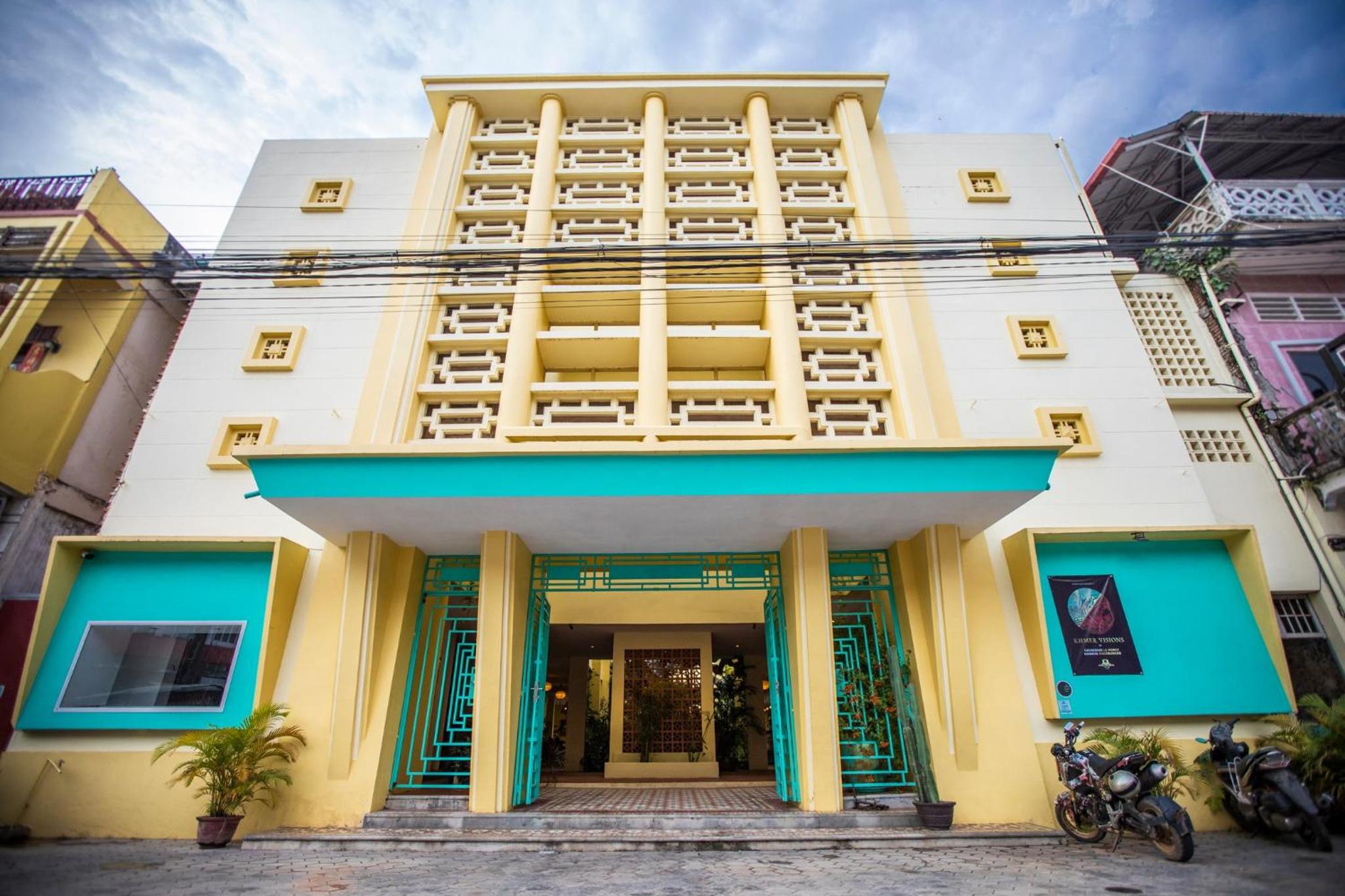
Conversions patrimoniales du cinéma et des immeubles commerciaux, €40 à €65, et auberges sociales avec piscines à partir de €5 par lit.
Bord de rivière nord
10–40 €
Bungalows en bord de rivière, cabanes dans les arbres et plateformes sur l'eau, à partir de 9 € rustique jusqu'à 60 € avec piscine.
Thvi
€20–55
Des maisons d'hôtes au bord de la rivière et quelques petits resorts de l'autre côté du pont, €15 à €50.
Les villages
€8–35
Gîtes d'accueil, bungalows de villages sur l'eau et un site de glamping, à partir d'environ 7 €, le moins cher et le plus isolé.
Rive sud
€15–40
Bungalows de jardin dans les villages de l'autre côté de la rivière, €12 à €35, sans infrastructure touristique.


Que manger à Kampot
Le grain de poivre d'origine protégée de la ville, vendu vert, noir, rouge et blanc. Le vert est frais de la vigne et n'existe que de saison
Le plat de Kep plutôt que celui de Kampot, mais mangé par la plupart des gens qui se basent ici: crabe vapeur mélangé aux grains de poivre vert de Kampot frais
Le bœuf à la sauce au poivre cambodgien qui est la raison pour laquelle le poivre importe au niveau national
Curry de poisson vapeur en feuille de bananier, le plat national
Étals locaux à côté du Carrefour de la Durian, le repas complet le moins cher de la ville
Boulangeries, bière artisanale, pizza cuite au feu de bois, cafés, disproportionnée à une ville de cette taille
Une originalité de plantation, et nommée spontanément par plus d'une source
Grillé aux guesthouses en bordure de rivière, c'est où vous mangerez si vous dormez en dehors de la ville
Découvrez des adresses gourmandes dans Stippl
Trouvez restaurants et marchés sur la carte, enregistrez-les dans votre itinéraire, fonctionne aussi hors ligne.
Coutumes de Kampot et quoi éviter
Une ville de travail, pas un resort
En dehors des deux ou trois rues touristiques, les travailleurs des salines, les fermiers de poivre et les familles de pêcheurs dont vous traversez le paysage à vélo sont au travail ; un salut, et pas de photos sans permission.
Les gens vivent sur la rivière
Les villages le long de la boucle de la Cathédrale Verte utilisent l'eau pour se laver et pêcher ; pagayez devant eux en chemise, pas en maillot de bain, et restez discrets sous les arbres.
Les expatriés sont installés
C'est pourquoi la scène de café existe et pourquoi la ville ne ressemble pas à une rue de backpackers ; les longs séjours font partie de la ville, et les bars ferment tôt.
Le poivre fait la fierté
Le poivre de Kampot porte une appellation d'origine protégée et les plantations l'affichent avec fierté ; achetez à la ferme ou au Vieux Marché, goûtez avant d'acheter, et le prix à l'aéroport est le double.
À faire
- Couvrez les épaules et les genoux à Wat Ey Sey, aux temples grotte et dans toute pagode en activité
- Achetez le poivre à la plantation ou au Vieux Marché plutôt qu'à l'aéroport
- Prenez une veste en montant à Bokor ; c'est plus de mille mètres et c'est froid au sommet
- Négociez le tarif du tuk-tuk avant de monter dedans, ou utilisez l'app
À éviter
- Supposez que le bord de rivière est à distance de marche du dîner
- Ne faites pas la route de Bokor par temps de pluie ou de brouillard ; les virages ne pardonnent pas
- Ne pagayez pas devant les villages en maillot de bain
- Ne vous attendez pas à ce que les chutes d'eau coulent en février ; c'est un spectacle de saison des pluies
Ce qu'un voyage à Kampot coûte
Budget
€15–25
Dortoir ou bungalow rustique en bord de rivière, marché et restauration de rue, une bicyclette, une visite partagée.
Milieu de gamme
45–90 €
Hôtel de charme ou patrimoine avec piscine, la scène gastronomique, une journée privée à Bokor et Kep.
Haut de gamme
90+ €
Le meilleur des hôtels de charme de la ville ou une villa en bord de rivière, chauffeur privé, tout guidé.
Suivez ce que vous dépensez vraiment
Définissez un budget journalier par pays et enregistrez vos dépenses dans n'importe quelle devise pendant le voyage.
Anecdotes sur Kampot
Le poivre de Kampot était l'une des deux premières origines protégées du Cambodge, en 2010. Le ministère du Commerce l'a enregistré aux côtés du sucre de palme de Kampong Speu, et l'UE lui a accordé le statut protégé six ans plus tard.
Le commerce du poivre a failli mourir deux fois en un siècle. Il approvisionnait les ménages royaux européens au début des années 1900, puis la production s'est effondrée presque complètement sous les Khmers rouges avant que les plantations ne soient replantées.
Kampot était le port principal du Cambodge jusqu'à la construction de Sihanoukville. Le port en eau profonde à 100 km à l'ouest n'a ouvert qu'après l'indépendance en 1954, ce qui a mis fin au commerce de Kampot et préservé ses rues françaises.
La ville reçoit à peine la moitié des pluies de la côte à 100 km à l'ouest. Environ 1 900 mm par an contre 3 200 mm à Sihanoukville, parce que les chaînes de l'Éléphant et des Cardamomes absorbent d'abord la mousson de l'air.
Le temple grotte de Phnom Chhnork est plus ancien qu'Angkor. Un petit sanctuaire en brique à l'intérieur d'une colline calcaire, attribué à la période Funan et datant de plus de mille ans.
Le point de repère de la ville est un rond-point avec un énorme durion en béton dessus. C'est le point d'orientation dans chaque ensemble de directions, et le marché de nuit s'installe à côté.
Conseils locaux pour Kampot
Prenez le train
Kampot est sur la seule ligne ferroviaire du Cambodge, la ligne Phnom Penh à Sihanoukville, environ 6 € et quatre heures, une façon nettement meilleure que l'autobus. Elle circule quelques jours par semaine ; consultez l'horaire.
Louez un scooter
Environ €5 à €8 par jour et toute la province s'ouvre à vous : les plantations, les grottes, les salins et Bokor. PassApp fonctionne pour les tuk-tuks si vous restez le long de la rivière.
La route de Bokor est goudronnée
Plus de mille mètres de virages en épingle à cheveux et environ une heure de la ville, gérable sur n'importe quel véhicule en plein jour. C'est une longue succession de virages aveugles ; pas la route pour apprendre.
Combien de temps rester
La plupart des gens donnent à Kampot 2 nuits sur Stippl : le poivre et Bokor un jour, la rivière et Kep le lendemain. Les gîtes en bord de rivière sont la raison pour une troisième.
Les grottes ont besoin d'une lampe
Non éclairées, mouillées et inégales ; les expéditions de spéléologie commerciales fournissent des casques et des lampes, et entrer dans Phnom Chhnork en tongs est la blessure. La rivière a un courant et aucun maître-nageur.
Kampot n'est pas Sihanoukville
Les guides qui avertissent durement à propos de la côte une heure à l'ouest ne disent rien de comparable ici, et elle n'a aucune réputation de sécurité. La route est le risque, comme partout.
Questions sur Kampot, réponses
Établissez votre base à Kampot et faites une excursion d'une journée à Kep. C'est une demi-heure en bas de la route, les lits de Kep sont plus chers et moins nombreux, et le marché aux crabes est un déjeuner plutôt qu'un séjour. Mettez Kampot dans Stippl comme base et accrochez Kep, Bokor et les fermes de poivre comme jours séparés.
Deux ou trois nuits. La plupart des gens donnent à Kampot 2 nuits dans les plans qu'ils construisent sur Stippl, et trois c'est correct si Bokor et Kep vont être des jours appropriés plutôt que précipités. La ville elle-même veut un après-midi et une soirée, rien de plus.
Une base, et l'une des plus fortes du Cambodge. Presque jamais, et 22,9% des arrêts de Kampot prévus sur Stippl font exception avec une nuit, un taux bas pour une ville de cette taille, car tout autour, Kep, Bokor, les fermes de poivre et la rivière elle-même, sont une excursion d'une journée d'ici.
Moins que la plupart du Cambodge. 21,0% des voyages incluant Kampot se montent en moins de deux semaines sur Stippl, l'une des parts de dernière minute les plus élevées du pays, ce qui correspond à une ville que les gens ajoutent une fois qu'ils voyagent déjà. Les lieux en bordure de rivière se remplissent encore pendant la saison sèche.
En ville si vous avez l'intention de manger dehors, en bordure de rivière si vous avez l'intention de vous arrêter. La rive fluviale lointaine s'étend sur plusieurs kilomètres du centre, ce qui représente un tuk-tuk de vingt minutes pour le dîner et un autre pour revenir, deux fois par jour. Les lieux en bordure de rivière sont charmants, et en choisir un c'est un engagement.
En saison sèche, oui : une route goudronnée grimpant mille mètres jusqu'à une ancienne station française de montagne abandonnée avec toute la côte déployée en dessous. Entre juin et septembre, elle est enveloppée dans les nuages, et vous aurez conduit deux heures pour regarder l'intérieur d'un nuage. Vérifiez la météo d'abord.
Chaque guide est écrit par la rédaction Stippl et vérifié avec les voyages que nos voyageurs planifient réellement. Vous avez repéré une information dépassée ? Dites-le-nous.

Planifiez Kampot dans Stippl
Planification jour par jour, hébergements et budget dans une seule application, avec chaque lieu de ce guide déjà sur la carte.
Télécharger l'application