

Miyajima
El torii flotante de Miyajima representa a todo Japón, y la isla se vacía cuando sale el último ferry de Hiroshima. Pasa la noche, y tendrás la puerta para ti solo al amanecer, lo bastante cerca para tocarlo con la mano en marea baja.
Miyajima en pocas palabras
Miyajima: qué esperar
Esto se encuentra en más de 562.000 paradas planeadas en Japón en Stippl.
Miyajima es una isla donde un objeto es dos vistas diferentes, con horas de diferencia. El Gran Torii en Itsukushima está de pie en el agua y parece flotar en marea alta; en marea baja caminas hasta allí y te paras bajo él con los pilares lo suficientemente cerca para tocar. Dos mareas altas y dos bajas al día deciden cuál consigues. Detrás del santuario, Mt Misen es una hora de subida a través de bosque antiguo o un teleférico y media hora a pie, con el Mar Interior de Seto esparcido abajo. La mayoría de viajeros le dedican 1 noche en Stippl.
Nueve de cada diez personas se han ido al final de la primera tarde, y el consejo de la isla es lo opuesto. El 89,3% de las paradas en Miyajima planeadas en Stippl son una excursión de un día o una sola noche. Lo que la pernoctación te da es el paseo hacia la puerta al amanecer, antes de que llegue el primer ferry desde Hiroshima, y esa es la única cosa a la que una excursión de un día no puede llegar.
Quédate la noche si la ruta lo permite, y planifica el día alrededor de la tabla de mareas. Comprueba cuándo caen las aguas altas y bajas antes de fijar el ferry, porque la puerta es un objeto diferente en cada momento. Daishō-in al pie del Mt Misen es más tranquilo que el santuario, con filas de pequeñas estatuas y un salón de iconos, y Senjōkaku es el gran salón sin terminar junto a la pagoda. Los ciervos aquí son sagrados y deambulan libremente como lo hacen en Nara, y a diferencia de Nara, está prohibido alimentarlos.
Planifica Miyajima en Stippl
Planificación día a día, alojamientos y presupuesto en una sola app, con cada lugar de esta guía ya en el mapa.
Descargar la appPara quién es Miyajima
Visitantes por primera vez a Japón
El torii flotante es una de las dos o tres imágenes que representan todo el país, y la gente la reconoce sin saber su nombre.
Fotógrafos
El sujeto cambia completamente entre marea alta y baja, y hay una ventana de amanecer antes de que llegue el primer ferry desde Hiroshima.
Familias
Los ciervos, en una pequeña isla en la que no puedes perderte, son la hora más confiable con niños en el oeste de Japón.
Senderistas
Mt Misen es una verdadera hora de subida a través de bosque antiguo, con un teleférico como ruta de escape hacia abajo.
Cualquiera que quiera una noche en posada
La mayoría de las personas dedican 1 noche a Miyajima, y es el lugar más recomendado en el oeste de Japón para pasar la noche: la isla se vacía cuando se va el último ferry.
Puede que no sea para ti: viajeros que desean vida nocturna o más de un día de variedad. Miyajima se empareja con Hiroshima en lugar de mantenerse independiente durante dos días, y después del anochecer está el santuario y no mucho más.
El mejor momento para visitar Miyajima
Otoño
September to November
Riesgo de tifón en septiembre, luego el mes emblemático de la isla: punto álgido del color de las hojas de arce en Momijidani en noviembre, y las semanas más concurridas del año.
Temporada de flores y verdor
March to May
Cerezos en flor en la isla y en Momijidani, el santuario extiende sus horarios desde el 1 de marzo, y un suave mes de mayo con verdor, solo abarrotado en la primera semana de Golden Week.
Estación de lluvias y verano
June to August
Las semanas más húmedas, luego calor y humedad, y el principal festival de la isla, Kangen-sai, en julio o agosto según el calendario lunar.
Invierno
December to February
Frío, muy tranquilo, ostras en su mejor momento, y el santuario con horarios más cortos, cierra a las 17:00.
- Kangen-sai cae en el día 17 del sexto mes lunar, por lo que la fecha se mueve cada año entre julio y agosto. La música de la corte se toca desde barcos en la bahía desde finales de la tarde hasta la noche, y es la única noche que la isla no se vacía.
- Miyajima se planifica aproximadamente 1 noche en Stippl, y los ferries deciden el día. El último ferry de Hiroshima sale a primeras horas de la tarde y el primero llega a media mañana, por lo que la puerta al amanecer y el santuario después del anochecer pertenecen a los que se quedaron.
- Los fuegos artificiales de agua son ahora un evento de octubre, no uno de agosto. Revividos en 2025 en una fecha a mediados de octubre después de años de cancelación; consulta la fecha del año antes de planificar una noche de agosto alrededor de ellos.
Añade tus fechas para Miyajima y te avisamos del tiempo
Stippl muestra la temporada, la afluencia y los precios de cada parada de tu ruta.
Describe tu viaje y obtén un itinerario de Miyajima en segundos
Todo lo de esta guía ya está en Stippl. Dile al planificador cuánto tiempo tienes y qué te gusta: construye la ruta, los días y los tiempos de viaje, y tú editas lo que quieras.
Cosas que hacer en Miyajima
El Gran Torii en marea baja
Camina hacia la arena y ponte bajo la puerta; los pilares están lo bastante cerca para tocar. Consulta la tabla de mareas antes del ferry: el agua baja es una ventana de dos o tres horas.
La misma puerta en marea alta
Ver el torii flotando desde el paseo del santuario, aproximadamente €2 para entrar, unas horas después de haber estado bajo él. Estas son dos experiencias diferentes de un mismo objeto, y un viaje de un día generalmente puede capturar ambas.
Pasa la noche
Duerme en la isla y camina hacia la puerta al amanecer, antes de que llegue el primer ferry de Hiroshima; los excursionistas se van a las seis de la tarde y las linternas en Machiya Street se encienden. Una noche, en un ryokan o en las casas de huéspedes detrás del santuario.
Monte Misen
Sube una hora a través del viejo bosque, o toma el teleférico y camina treinta minutos hasta la cumbre, para ver el Mar Interior de Seto y sus islas dispersas debajo. El teleférico cuesta aproximadamente €11 ida y vuelta y el último viaje baja es a media tarde.
Templo Daisho-in
Camina hacia el templo al pie del Monte Misen, más tranquilo que el santuario: filas de pequeñas estatuas con sombreros de punto, un salón de iconos budistas y las ruedas de sutras giratorias en las escaleras. Gratis, y a diez minutos del ferry.
Senjokaku
Entra al gran salón inacabado junto a la pagoda de cinco pisos, encargado por Hideyoshi en 1587 y nunca completado. Aproximadamente €1, lados abiertos, y el mejor lugar de la isla para resguardarse de un aguacero.
Los barrios de Miyajima
The waterfront
Ferry, ciervos, paseo costero
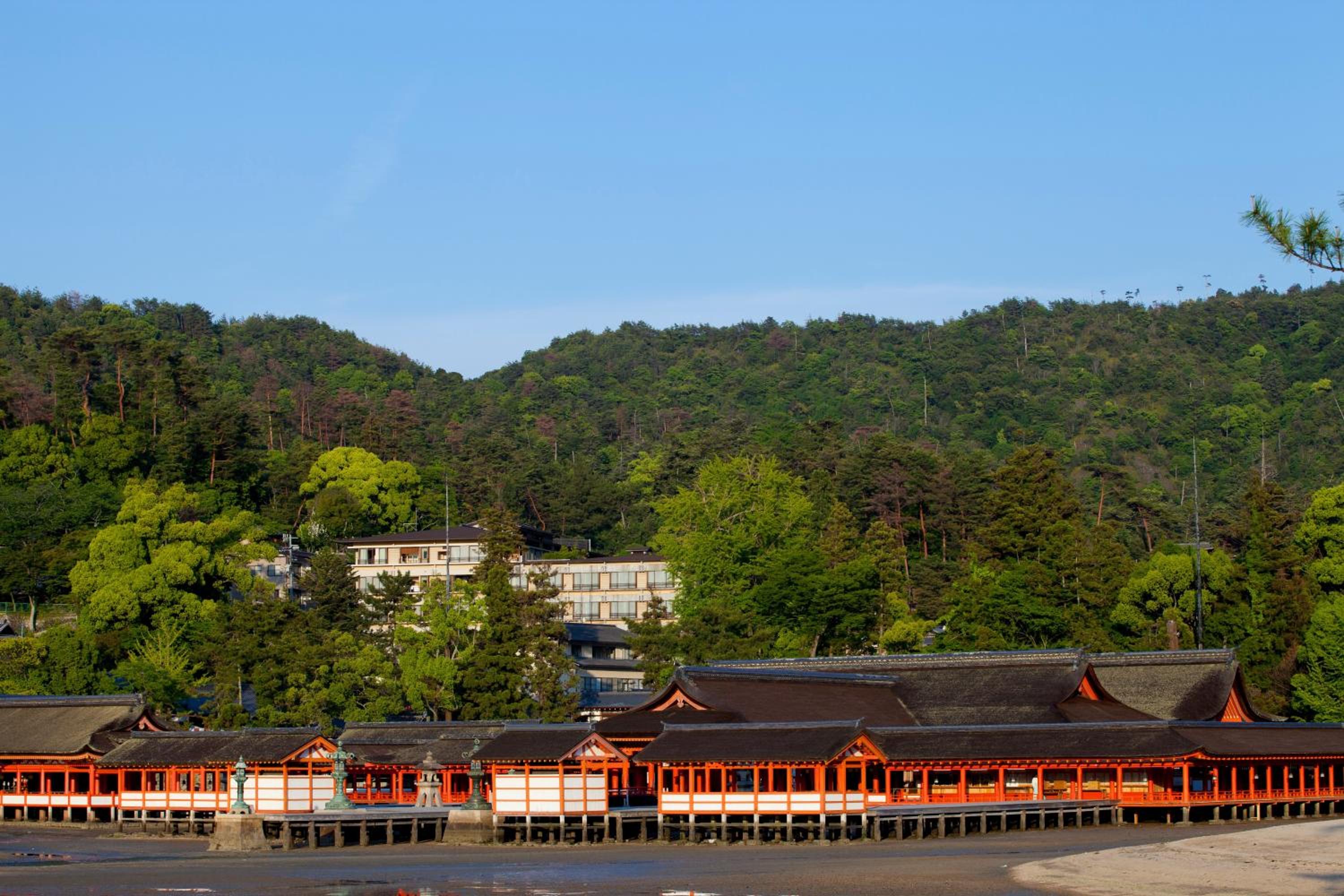
Donde llegas y donde hay más ciervos, con los hoteles a lo largo del paseo costero hasta el santuario y el torii a la vista desde las habitaciones. Para primeras visitas y para ver el torii en marea alta desde la ventana.
La vista desde la habitación, y las multitudes del ferry debajo hasta las cuatro.
Omotesando
Calle cubierta, ostras, souvenirs
La calle comercial cubierta: souvenirs, tiendas de momiji manju, puestos de ostras y la mayoría de restaurantes de la isla, con ryokan detrás de las tiendas. Para comer y para establecer una base en el centro.
Cena a pie, y una calle que cierra cuando se van los excursionistas de día.
Machiya Street
Casas antiguas, linternas al anochecer
Una calle atrás de Omotesando: casas antiguas machiya, cafés retro, pequeñas galerías y cincuenta y una linternas de papel iluminadas al anochecer, con las casas de huéspedes más bonitas de la isla. Para tardes relajadas y para la noche que se pierden los barcos de día.
La isla después del anochecer, y a cinco minutos a pie de todo.
Momijidani
Valle del arce, teleférico, tranquilidad
El valle del arce detrás del pueblo y la montaña sobre él: la base del teleférico, los senderos de senderismo y algunos ryokan entre los árboles. Para senderistas y para una noche en ryokan en el valle en otoño.
El valle en noviembre y el sendero al amanecer, y un paseo bajando para cada comida.
Consulta todos los barrios de Miyajima en un solo mapa
Guarda las zonas que te gusten y Stippl organiza tus días para que no cruces la ciudad dos veces.
Dónde alojarse en Miyajima
Quédate en la orilla, en un ryokan cerca del santuario: los excursionistas se van en los últimos ferries, el torii está iluminado después del anochecer, y esa tranquilidad es el punto completo de dormir aquí. El 54,0% de paradas en Miyajima planeadas en Stippl son una sola noche, y una está bien. Los precios de la isla corren muy por encima de la tierra firme; la alternativa presupuestaria es el lado del puerto de ferries al otro lado del agua.
La orilla
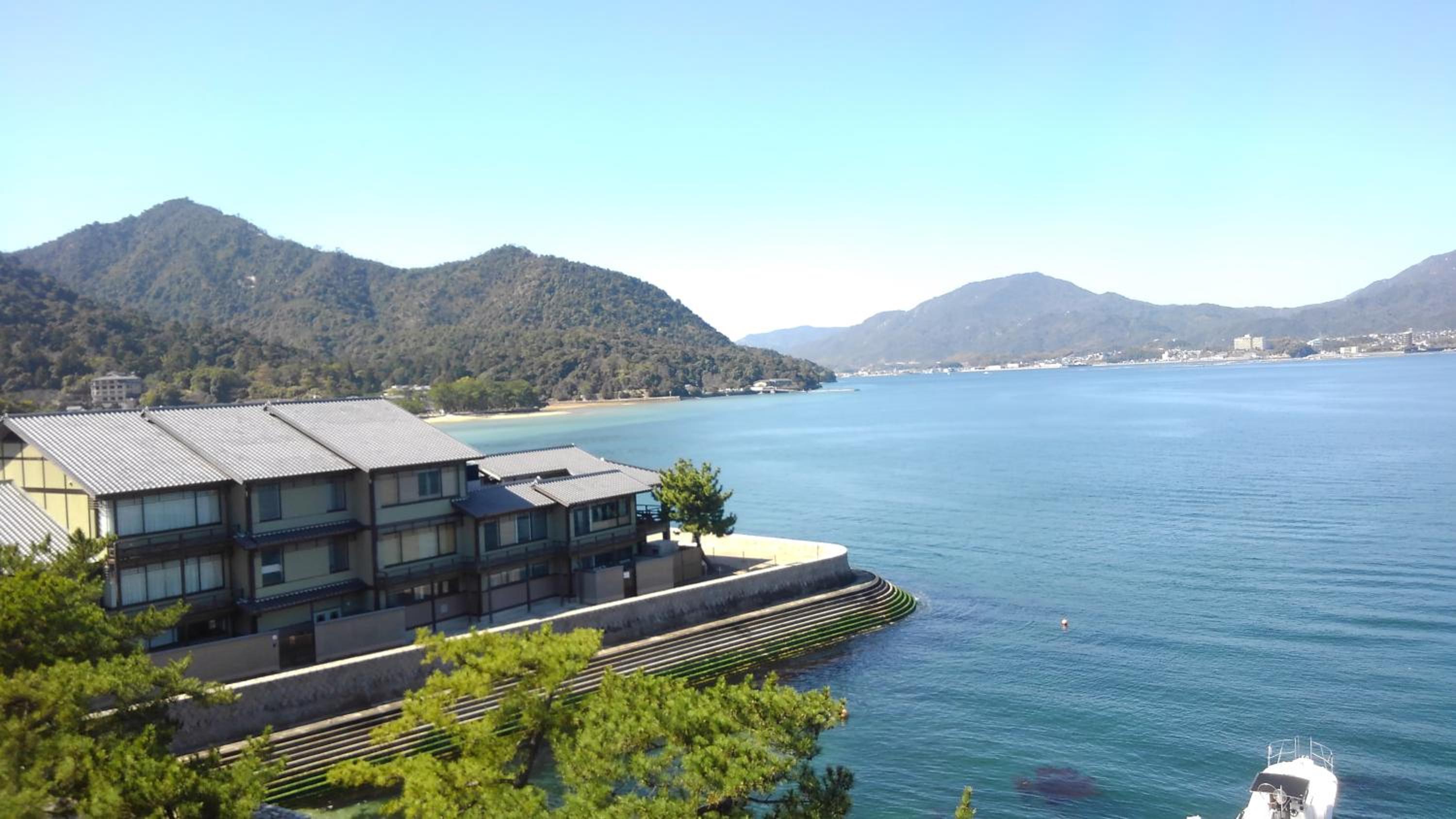
Ryokan con cena y vistas al torii, €200 a €450, y los tres con su propio onsen desde €300.
Omotesando
Ryokan y pequeñas posadas detrás de las tiendas, €120 a €250, con opciones de cena de la isla abajo.
Machiya Street
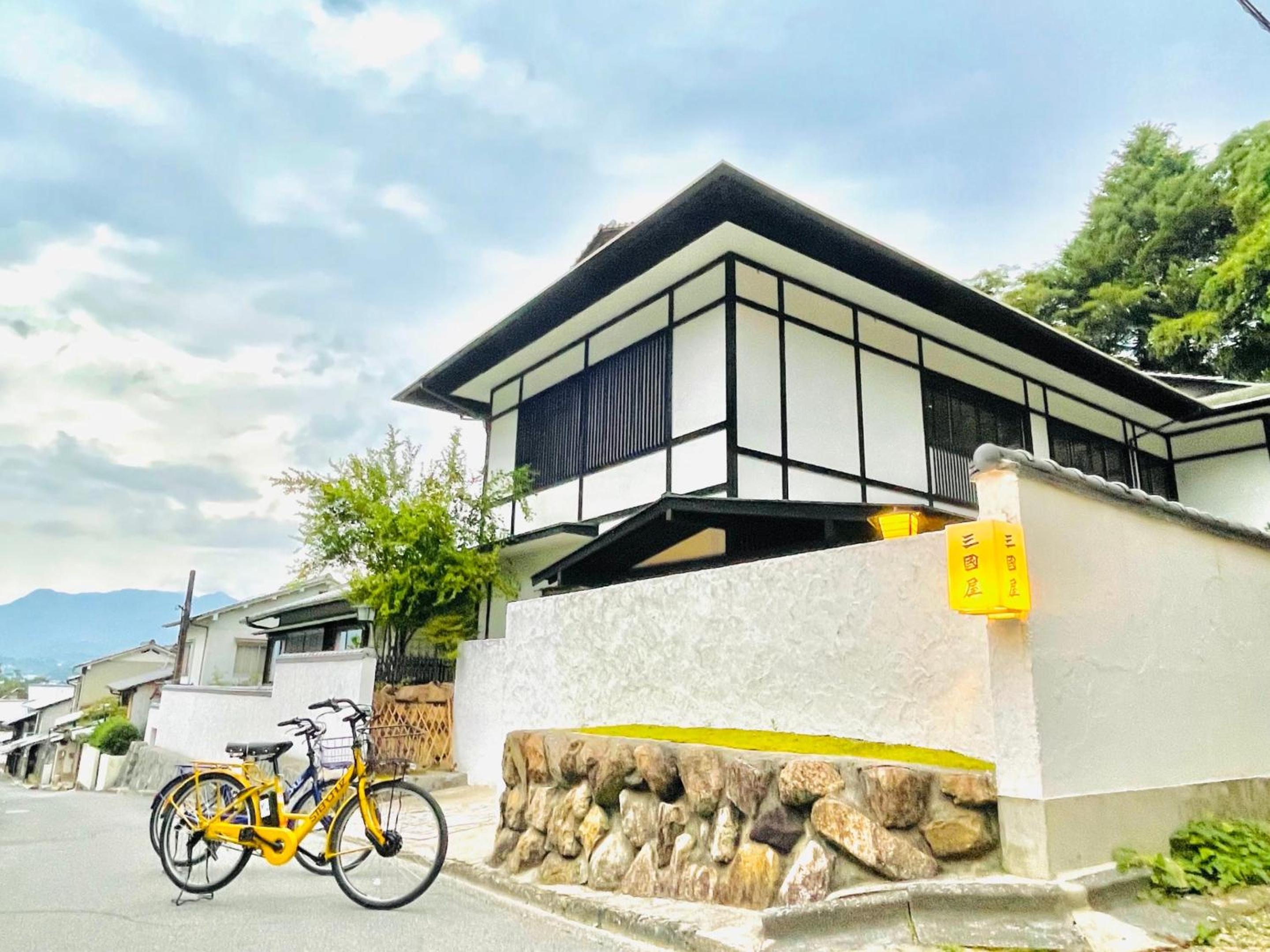
Casas de huéspedes antiguas y algunas pequeñas posadas, €60 a €150, en la calle más bonita después del anochecer.
Momijidani
Unos pocos ryokan entre los árboles de arce, €150 a €350, para senderistas y para una noche lejos del muelle.


Qué comer en Miyajima
Ostras de la bahía de Hiroshima asadas en la concha y vendidas desde mostradores a lo largo de Omotesando; la bahía se cultiva para ellas
Anguila congrio, asada y colocada sobre arroz, el plato regional más vinculado a la isla y al área del puerto de ferry
Un pastel en forma de hoja de arce relleno de judía roja o natilla; la confección de recuerdo de la isla, hecha a la vista en máquinas automatizadas en las vitrinas de las tiendas
Descubre sitios para comer en Stippl
Encuentra restaurantes y mercados en el mapa, guárdalos en tu itinerario, también funciona sin conexión.
Costumbres de Miyajima y qué no hacer
Toda la isla es un santuario
Los edificios de Itsukushima se alzan sobre el agua porque la isla misma era demasiado sagrada para construir en ella; no hay nacimientos ni entierros aquí ni siquiera ahora, y los residentes la tratan en consecuencia.
Los ciervos no reciben alimento
La diferencia más aguda con Nara: alimentar está prohibido porque los ciervos alimentados se volvieron dependientes y agresivos, y aún así toman papel, mapas y billetes de una mano abierta.
Las tablas del piso tienen huecos
Los corredores del santuario están construidos con huecos deliberados para aliviar la presión del mar en marea alta, y el propio sitio del santuario advierte que los tacones se enganchan; zapatos planos.
La marea decide la visita
En marea alta el santuario flota y el torii se alza en el mar; en marea baja caminas hacia él cruzando las llanuras fangosas. Consulta la tabla y planifica para ambas.
Sí
- Consulta la tabla de mareas antes de ir; decide cuál de las dos visitas obtendrás
- Usa zapatos planos para los corredores del santuario
- Llega temprano o duerme aquí; el medio día en la puerta es la parte más concurrida
- Quítate los zapatos y baja la voz dentro de los salones de Daisho-in
No
- Alimenta a los ciervos, o deja comida, papel o billetes a su alcance
- Cuenta con tiendas después de que se vayan los excursionistas de día; la mayoría de Omotesando cierra
- Camina hacia el torii en marea baja con zapatos que quieras conservar; las llanuras son barro
- Sube Misen para el atardecer sin linterna; el último teleférico es antes
Cuánto cuesta un viaje a Miyajima
Presupuesto
€70–80
Una cama en dormitorio de casa de huéspedes desde €31 (¥5.700), ya que no hay albergues en la isla misma.
Medio
€100–150
Una base en tierra firme en Miyajimaguchi, visitando el santuario y el teleférico de día.
De lujo
€250+
Un ryokan junto al santuario desde aproximadamente €360 la noche, el lujo de una noche por la que la isla es famosa.
Controla lo que gastas de verdad
Fija un presupuesto diario por país y registra gastos en cualquier moneda mientras viajas.
Curiosidades sobre Miyajima
Históricamente no se permitían nacimientos ni muertes en Miyajima. La isla todavía no tiene hospital ni cementerio, y los moribundos eran trasladados al continente.
El Santuario Itsukushima está construido sobre el mar para que los adoradores nunca toquen tierra sagrada. Los corredores y salones se alzan sobre pilotes por encima del agua, que es el único hecho que explica toda la arquitectura.
Un torii se ha alzado en el sitio desde 1168. La puerta actual se terminó en 1875 con madera de alcanfor, y se mantiene en pie en el mar por su propio peso sin estar fijada al fondo.
Miyajima es uno de los nihon sankei, las tres vistas clásicas de Japón. El canon data del siglo XVII, junto a Matsushima y Amanohashidate, y el santuario está en la lista de patrimonio de la UNESCO desde 1996.
Miyajima significa isla santuario; el nombre oficial es Itsukushima. Ambos aparecen en mapas y horarios, por eso el ferry y el santuario parecen ir a lugares diferentes.
Senjokaku quedó sin terminar cuando Toyotomi Hideyoshi murió. El salón de mil esteras fue encargado en 1587 y nunca recibió su techo, y se mantiene así junto a la pagoda.
Consejos locales para Miyajima
Tres saltos, y se suman
Tren, a dos minutos a pie, ferry: cada tramo es trivial, pero permite una hora a una hora y media desde la Estación de Hiroshima y no empieces tarde. El tranvía es más lento que el tren JR.
Dos ferries, un cruce
Ambos hacen el mismo viaje de diez minutos desde el mismo muelle por aproximadamente €1,30 ida. La distinción que importa es el JR Pass, que cubre solo el barco JR West.
El teleférico no llega hasta el final
Desde la estación superior son treinta minutos a pie hasta la cumbre, y el último viaje baja es a las cuatro y media. Si lo pierdes, el camino hacia abajo es a pie con la luz desapareciendo.
La mayoría de la gente viene de día
El 54,0% de paradas es una sola noche y un tercio ninguna. Pasa la noche y obtendrás la puerta al amanecer, las linternas en Machiya Street y la isla vacía después de las seis.
Los ciervos son animales salvajes
Empujan, cornean y toman cosas, y la prohibición de alimentación es parcialmente una medida de seguridad. Nada suelto en las manos, y mantén el mapa en un bolsillo.
La marea decide el torii
No camines durante una marea creciente, y conoce el último ferry si no te quedas; la isla no tiene otra salida y las tiendas cierran cuando se van los excursionistas de día.
Preguntas sobre Miyajima, respondidas
Si la ruta lo permite, sí. La pernoctación te compra el paseo hacia la puerta al amanecer, antes de que llegue el primer ferry de Hiroshima, que es lo único a lo que la versión de un día no puede llegar. Insértaló en la ruta en Stippl como una noche en lugar de una tarde. Luego pregunta a personas que se quedaron, en subreddits como r/JapanTravel.
Menos de lo que te esperarías. El 35,3% de las paradas en Miyajima planeadas en Stippl no llevan noche en absoluto, que es una de las mayores proporciones de excursiones de un día del país. La isla está a una hora o una hora y media de distancia desde el centro de Hiroshima puerta a puerta, por lo que es fácil tratarla como una tarde.
Dos veces, en marea alta y en marea baja. La puerta parece flotar en agua alta y se puede caminar hacia ella y tocarla en marea baja, y hay dos de cada cada día. Mira la tabla de mareas antes de fijar el ferry, porque llegar a la hora equivocada te deja la mitad de la vista.
No. Los ciervos deambulan libremente y son sagrados aquí como lo son en Nara, pero está prohibido alimentarlos en Miyajima en lugar de ser una atracción pagada. Mantén la comida y el papel fuera del alcance y fuera de bolsas abiertas, porque se ayudarán a sí mismos independientemente de la regla.
Una travesía de diez minutos desde Miyajimaguchi, aproximadamente veintiséis minutos desde Hiroshima en la línea JR Sanyo, por lo que es una hora a una hora y media puerta a puerta. El 0,53% de las paradas japonesas planeadas en Stippl están en la isla, que es pequeña para algo tan famoso.
Por la vista del Mar Interior de Seto y sus islas dispersas, sí. Son aproximadamente una hora hacia arriba a través de bosque antiguo a pie, o el teleférico más una caminata de treinta minutos a la cumbre. El 54,0% de las paradas en Miyajima planeadas en Stippl son una sola noche, que cubre la subida o la puerta del amanecer pero no ambas.
Cada guía la escribe la redacción de Stippl y se contrasta con los viajes que nuestros viajeros planean de verdad. ¿Has visto algo desactualizado? Cuéntanoslo.

Planifica Miyajima en Stippl
Planificación día a día, alojamientos y presupuesto en una sola app, con cada lugar de esta guía ya en el mapa.
Descargar la app