

Hoi An
Hoi An is the easiest town in Vietnam, and the one where you leave with clothes made for you. Four hundred tailors, three dishes that exist nowhere else, and an old town no war touched.
Hoi An in a nutshell
Hoi An: what to expect
A 15th–19th-century trading port that survived the war intact, UNESCO-listed in 1999. Japanese, Chinese, Dutch and Portuguese merchants kept permanent warehouses here, and the Ancient Town is the layering of those communities on one grid of streets
It escaped the American war essentially undamaged, which is why there is anything left to list. The port had silted up by the 19th century and the trade moved to Da Nang; the town was too unimportant to bomb
On 1 July 2025 Quảng Nam province ceased to exist, merged into a new Đà Nẵng City as part of a national consolidation from 63 provinces to 34. Hoi An is now administratively part of Da Nang. Nothing on the ground changed; every address, guidebook and map still says Quảng Nam
Plan Hoi An in Stippl
Day-by-day planning, stays and budget in one app, with every place from this guide already on the map.
Download the appWho Hoi An is for
First-timers to Vietnam
Hoi An is the country's easiest town: walkable, English-speaking, low-hassle, and on 63.8% of Vietnam trips on Stippl.
Food travellers
Three dishes exist essentially nowhere else, cao lau, banh bao banh vac and com ga Hoi An, and the town is the food capital of central Vietnam.
History travellers
A merchant port that four cultures built and no war destroyed, with the old town intact end to end.
Anyone who wants clothes made
Over 400 tailors, and this is the reason a lot of people come.
Cyclists and slow travellers
Flat, small, and surrounded by rice paddies, beaches and villages within an hour's ride.
Budget travellers
About €17 a day works here, and the street food is among the best in the country.
Maybe not for you: anyone who wants nightlife, since beyond the riverside bars there is very little; and anyone allergic to crowds and tourist pricing, because this is one of the most visited places in Vietnam and the prices follow.
The best time to visit Hoi An
Dry season
February to August
The useful window: February to April comfortable, May to August dry but over thirty-three by day, which is when the old town is for the mornings and the beach for the afternoon.
Wet season
September to January
Most of the year's rain in five months, with October and November the peak. Flooding of the old town is normal rather than exceptional in this stretch.
- The old town floods in October and November, and the streets by the river go under. Boats replace the lanes for a day or two at a time; a wet-season stay gambles the one thing you came here to see.
- The 14th of every lunar month is Lantern Night, and the date moves. The electric lights go off across the Ancient Town, the streets close and paper lanterns go onto the river; the first full moon of the lunar year is the biggest of the twelve.
- January is the month most travellers plan Hoi An for on Stippl, only 68 days ahead. 20.9% of plans are made inside a fortnight, and a tailor needs two fittings over 48 hours, so the stay is the constraint, not the booking.
- Tet in late January or February closes many of the tailors and restaurants for a week. The lantern night that follows it is the largest of the year; either come for that or avoid the fortnight.
Add your Hoi An dates and we'll flag the weather
Stippl shows the season, crowds and prices for every stop on your route.
Describe your trip, get a Hoi An itinerary in seconds
Everything in this guide is already in Stippl. Tell the planner how long you have and what you like: it builds the route, the days and the travel times, and you edit whatever you want.
Things to do in Hoi An
The Ancient Town on a lantern night
Walk the old town on the fourteenth of the lunar month, when the electric lights go off, the streets close to traffic and paper lanterns go onto the river. The single thing the town is known for, and free.
Have something made
Order a suit or a dress from one of the four hundred tailors and allow two fittings over forty-eight hours; the twenty-four-hour turnaround exists and the quality varies enormously. Pick the tailor before you arrive, from about €80 for a suit.
The Japanese Covered Bridge
Cross the eighteenth-century roofed bridge with the small temple built into its side, the image on the twenty-thousand-dong note. Included in the old-town ticket, about €5, and quiet before eight.
Cycling to An Bang Beach
Ride three flat kilometres through the rice paddies to the beach, a ride rated as highly as the beach itself; bikes are free at most guesthouses. Leave at eight and swim before the umbrellas fill.
My Son
Take the hour west to the UNESCO cluster of Cham Hindu temples, built between the fourth and fourteenth centuries and badly damaged by American bombing, about €6. Go at opening; it is brutal by mid morning.
A basket-boat trip
Paddle a round bamboo coracle through the water-palm channels of the Cam Thanh coconut forest, about €8 for half an hour. Genuinely local in origin and now heavily commercialised; the quiet operators are away from the main landing.
The neighbourhoods of Hoi An
Ancient Town
Lanterns, merchant houses, tailors
The UNESCO core: two-storey merchant houses in ochre, the Japanese bridge, the assembly halls, tailors on every street and lanterns on the river, with boutique hotels in the old houses. For first stays and the town at dawn.
The old town from the door, and the flood risk on a ground floor from October.
The riverfront
Across the bridge, quieter, views
The south bank across the An Hoi bridge and the streets along the river: the night market, the boat lanterns and hotels with a river view, five minutes from the old town. For couples who want the view.
The river at breakfast and the old town on foot, and the night market's noise until ten.
An Bang Beach
Sand, beach bars, rice paddies
Three kilometres north-east through the paddies: a broad beach with a strip of beach bars and seafood shacks and guesthouses and villas behind. For quieter stays and for a beach morning before the town.
The beach and the quiet, and a flat bicycle ride for every meal in town.
Cam Thanh
Water palms, homestays, basket boats
Four kilometres east where the river breaks into water-palm channels: the basket-boat trips, the eco-homestays and the cooking schools among the palms. For homestays and families who want the countryside.
Village life and the palms, and a bicycle or a taxi for the town.
See every Hoi An neighbourhood on one map
Save the areas you like and Stippl plots your days so you're not crossing the city twice.
Where to stay in Hoi An
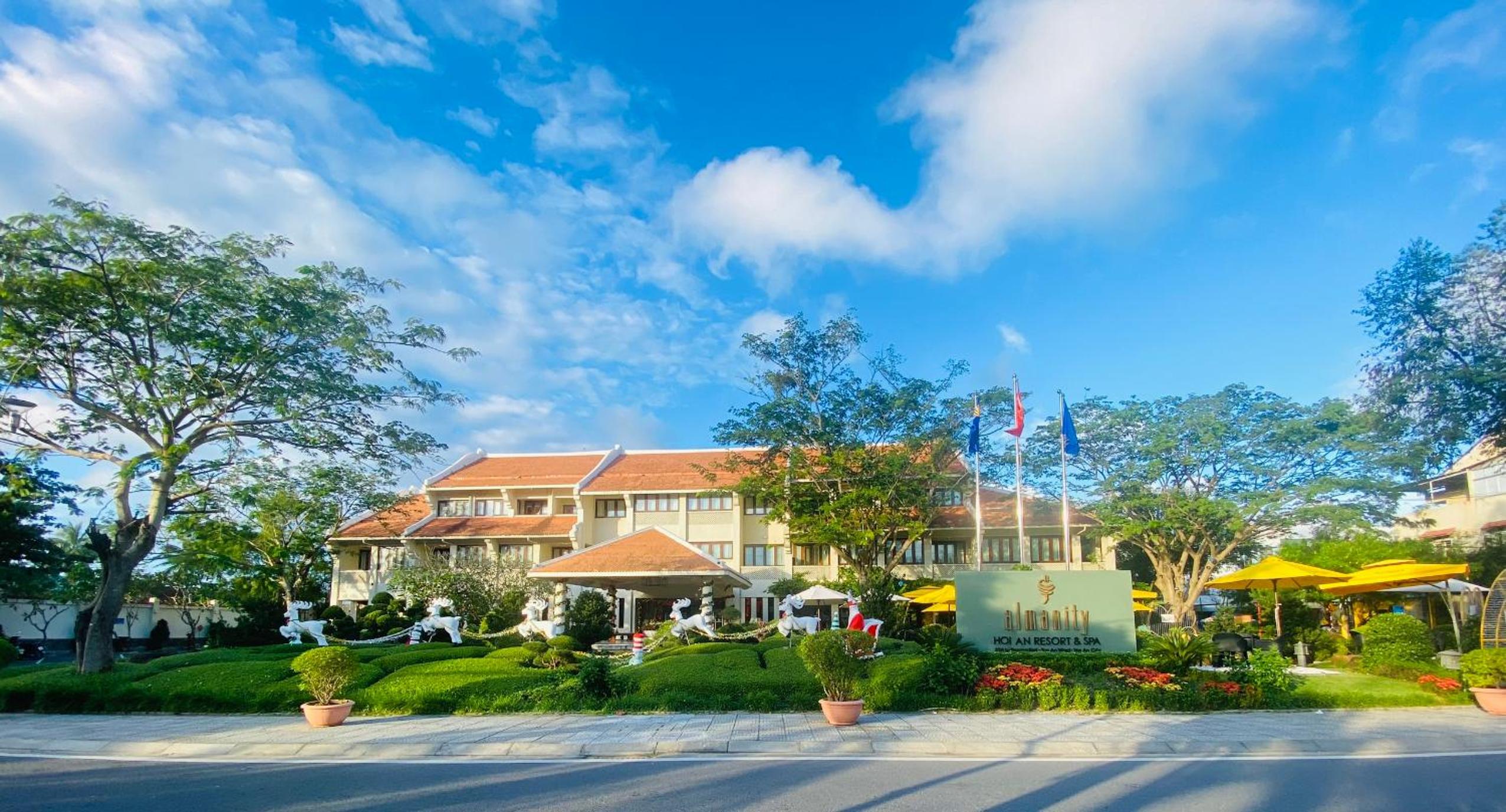
Stay in the Ancient Town or on the riverfront across the bridge for a first visit, with the lanterns outside the door and everything on foot; An Bang is the beach answer three kilometres out. Most people give Hoi An 3 nights on Stippl, longer than most Vietnamese stops. Check the flood history before booking a ground-floor room from October to December.
Ancient Town
Boutique hotels in old merchant houses, €40 to €120, and pool hostels with dorms €6 to €12.
The riverfront
Mid-range guesthouses with pools from €26 and river-view hotels €50 to €130, five minutes from the bridge.
An Bang Beach
Guesthouses and villas behind the beach bars, €25 to €80, with resorts along the sand from €120.
Cam Thanh
Eco-homestays and bungalows among the water palms, €20 to €60, a bicycle ride from town.




What to eat in Hoi An
Thick chewy noodles, slices of char siu-style pork, greens, croutons and almost no broth. It exists only here: the noodles are made with lye water from local wells and cannot be reproduced elsewhere
Translucent rice-paper parcels of shrimp or pork, pinched into a rose shape and topped with fried shallot
Turmeric rice cooked in chicken stock, shredded poached chicken tossed with onion, herbs and lime, with a bowl of broth on the side
The Hoi An version is loaded with pâté, cold cuts and a house sauce; the town has a national reputation for it
Fresh draft beer delivered daily in kegs, drunk on plastic stools by the river
Discover food spots in Stippl
Find restaurants and markets on the map, save them to your itinerary, works offline too.
Hoi An customs and what not to do
The ticket funds the town
The Ancient Town ticket, about €5, pays for the restoration of a town visibly under strain from its own popularity; buy it and keep it, the checkpoints ask.
Tailoring takes two fittings
Forty-eight hours and two fittings is where the quality is; the 24-hour promise is achievable and it is where the complaints come from. Bring photographs of what you want.
The lanterns are sold to guilt
Children selling floating lanterns on the riverbank are working a guilt-sell; buy the lantern from a boat operator instead, and never from a child.
The town is built for bicycles
Cycling is what locals do and the old town is closed to motor traffic most of the day; bikes are free at most hotels and the road to An Bang is flat.
Do
- Buy the Ancient Town ticket
- Allow two fittings and 48 hours for tailoring, and bring photographs
- Cover shoulders and knees in the assembly halls and temples
- Cycle rather than take taxis
Don't
- Buy floating lanterns from children; buy from the boat operators instead
- Assume the 24-hour tailoring promise
- Accept drinks you did not watch being poured, or drink spirits at the cheaper bars
- Drink the tap water
What a Hoi An trip costs
Budget
€17–22
Hostel dorm, market food, a rented bicycle, the town ticket.
Mid
€34–50
Pool guesthouse or small hotel, restaurant meals, a tailored garment, tours.
Comfortable
€85+
Riverside boutique or beach resort, spa, private guides, a full tailored wardrobe.
Track what you actually spend
Set a daily budget per country and log expenses in any currency while you travel.
Fun facts about Hoi An
Cao lau noodles cannot be made anywhere else. The reason is mundane: the noodles need lye water from local wells, though the story that only Ba Le well water will do is a myth.
One family holds the white rose dumpling recipe and supplies every restaurant. Wherever you order banh bao vac in Hoi An, you are eating the same dumpling from the same kitchen.
Hoi An survived the war because it had already failed. The Thu Bon river silted up in the nineteenth century, trade moved to Da Nang, and the town became too unimportant to bomb.
The Japanese Covered Bridge is on the 20,000 dong note. The 400-year-old bridge with a temple inside it is the town's emblem, and the note is the one most travellers hand over for a lantern.
Tra Que herb village is still fertilised with river algae. The village supplies the herbs used across the region, and the beds are fed with seaweed dredged from the lagoon as they have been for centuries.
Hoi An has more than 400 tailors in a town of about 120,000 people. The industry descends from the silk trade the port was built on, and a suit can be measured, cut and fitted inside three days.
Local tips for Hoi An
Everything arrives via Da Nang
There is no airport and no railway, which is why almost nobody starts or ends a trip here. The shuttle or a Grab from Da Nang airport is forty minutes and about €12.
A bicycle is the right vehicle
The town is flat, most guesthouses lend them free, and the beach, the coconut forest and the herb village are all inside five kilometres. Ride to An Bang at eight.
A motorbike only if you ride
It is the way to My Son and the Hai Van Pass and it is not the place to learn; the pillion tours do both with a local driving.
How long to stay
Most people give Hoi An 3 nights on Stippl, one of the longest stays in Vietnam: the old town, the beach and a tailor's two fittings need the three.
Flooding is the town's hazard
The Thu Bon comes into the Ancient Town most years between late October and January, and a ground-floor room there is the exposure. Ask for an upper floor in those months.
Know the real price first
Over-pricing is systematic rather than occasional, from cyclo drivers to the market. Agree the fare before the ride and ask the guesthouse what things cost.
Hoi An questions, answered
As the centre of the country, with Da Nang as its airport and Hue a day up the coast. Lay the whole route out in Stippl and give Hoi An three nights, then look at how many days the north and south each get around it. Show the route to people who have been, in subreddits like r/VietnamTravel, and say whether tailoring or the beach matters to you.
Three. Most people give Hoi An 3 nights on Stippl and 35.9% of stops run to four or more, the longest stays in the country. One day for the old town, one for An Bang beach or the countryside by bicycle, and one for a cooking class and the second tailoring fitting.
Most of them. 63.8% of Vietnam trips planned on Stippl carry a Hoi An stop, more than any other place in the country except Hanoi, and with about 79,000+ planned stops it is the fixture the rest of a central Vietnam route is built around.
Yes, about €5 for foreign visitors. It admits you to five of the twenty-two heritage buildings and funds their restoration in a town visibly under strain from its own popularity; keep it on you, because the checkpoints at the old town entrances do ask. The lantern night on the fourteenth of each lunar month is the one to plan around.
Yes, from late October to January. The river comes through the Ancient Town most years and some years it comes through the ground floors; a room on an upper floor and a loose plan in those months is the sensible hedge. February to April is the dry, warm window and the one most people plan for.
Allow forty-eight hours and two fittings, and bring photographs of what you want. The twenty-four-hour promise is real and it is where the quality complaints come from, so book the tailor on your first afternoon and the final fitting the morning you leave. The good shops fill in January, the busiest month for Hoi An starts planned on Stippl.
Every guide is written by the Stippl editors and checked against the trips our travellers actually plan. Spotted something out of date? Let us know.

Plan Hoi An in Stippl
Day-by-day planning, stays and budget in one app, with every place from this guide already on the map.
Download the app