

Krabi
Krabi puts beach, island, jungle and temple in one compact region, with 700 bolted climbing routes and schools that take beginners. The boat days are short, and Krabi Town is the cheap corner of an expensive coast.
Krabi in a nutshell
Krabi: what to expect
169,000+ stops in the province have been planned on Stippl. Here is what they say about Krabi.
Krabi is a province rather than a town, and where you sleep matters more than what you see. The mainland gives you Ao Nang for the boats and Krabi Town for cheap beds, while Railay and Tonsai sit on a peninsula with no road, so a longtail is the only way in. What you come for is limestone: bolted climbing on Thaiwand Wall and 123 Wall, the 1,260 steps up Tiger Cave Temple, and Phra Nang Cave Beach. Most travellers give the province 3 nights on Stippl.
Nearly half of every Thailand trip runs through Krabi, which is not how the province is usually described. 48.9% of Thailand trips planned on Stippl carry a Krabi stop, so it is closer to a fixture of the standard route than the quieter alternative to Phuket it gets called. The boats are the reason: Phi Phi, Koh Lanta and Phuket are each a ferry away, and Ao Nang is where those ferries leave from.
Four or five nights covers the province properly and three covers only the headline day. Give one day to the four-island longtail run out of Nopparat Thara, where a sandbar surfaces at low tide and you walk between Tup and Chicken Island, so the tide table shapes the day, not the operator. Give another to the Hong Islands lagoon, which runs all year, or to the Emerald Pool inland. Climb Tiger Cave at dawn: the staircase is fully exposed from halfway up.
Plan Krabi in Stippl
Day-by-day planning, stays and budget in one app, with every place from this guide already on the map.
Download the appWho Krabi is for
Rock climbers, at every level
Over 700 bolted routes across the Railay and Tonsai peninsula, from beginner walls to hard projects, with schools that take complete beginners on the beach.
Island-hoppers and boat days
The region's core product is a full day on a longtail or speedboat: the four-island circuit, the Hong Islands, or Phi Phi, all from one stretch of coast.
First-timers in the south
Beach, island, jungle and temple in one compact region, with Ao Nang giving a full tourist infrastructure and English everywhere.
Active families
Climbing takes children, the boat days are short, and nine days here does not run out of things to do.
Budget and long-stay travellers
Krabi Town's hostels and night markets, and Tonsai's negotiable weekly rates, are among the cheaper corners of an otherwise expensive coast.
Viewpoint walkers
Most people give Krabi 3 nights, and three half-day climbs with big payoffs, Tiger Cave, Khao Ngon Nak and Railay Viewpoint, fit inside that.
Maybe not for you: nightlife-first travellers, who are better off on Phi Phi or Phuket; anyone wanting everything walkable, since the region is spread out and Grab is expensive; travellers with mobility limits, because the headline sights are 1,260 steps and a wet beach landing; and fixed May-to-October schedules.
The best time to visit Krabi
Dry season
November to April
Reliably December to March: calm sea, clear water, every boat running and the best friction on the limestone. Also the busiest and most expensive window, sharply so around Christmas and New Year.
Southwest monsoon
mid May to October
The rain is heavy and usually afternoon rather than all-day, but the sea is the problem: crossings thin out, longtails and speedboats cancel, and the small-boat day trips are the first thing to go.
- Weather matters more here than at a normal beach, because the trip is boat trips. A rainy afternoon is an inconvenience; a cancelled boat day is the trip, and from mid May to October it happens.
- Maya Bay closes from 1 August to 30 September every year. Anything sold as Krabi to Maya Bay in those months lands you at the cliffs from the water; the four-island and Hong Island days still run.
- January is the month most travellers plan Krabi for on Stippl, about 81 days ahead. Only 10.8% of Krabi plans are made inside a fortnight, and January is the peak, so Railay's few hundred beds go first.
- Ramadan moves each year and matters more here than elsewhere in Thailand. Muslim-owned restaurants shift around the fast, some closing by day and opening after dark; the tourist strip runs as normal.
- April to June is the value middle ground. Hot, fewer crowds, lower prices and showers building, and the sea still calm enough for the boats through most of it.
Add your Krabi dates and we'll flag the weather
Stippl shows the season, crowds and prices for every stop on your route.
Describe your trip, get a Krabi itinerary in seconds
Everything in this guide is already in Stippl. Tell the planner how long you have and what you like: it builds the route, the days and the travel times, and you edit whatever you want.
Things to do in Krabi
Climbing at Railay and Tonsai
Climb the overhanging limestone the province is world-famous for: more than seven hundred bolted pitches at every grade, and schools that take a beginner up a wall the same day for about €30 a half day. The cliffs face the sea and the belay is on the sand.
The four-island longtail day
Take the boat from Nopparat Thara from nine to three to Phra Nang Cave Beach, Chicken Island, Tup and Poda with lunch on a beach, about €12 shared. At low tide a sandbar surfaces between Tup and Chicken Island and you walk between them.
The Hong Islands
Go to the calmer, quieter alternative to Phi Phi, twenty minutes offshore: an enclosed lagoon you kayak into, white sand and karst walls. About €25 by longtail plus the park fee, in Than Bok Khorani National Park.
Phi Phi and Pileh Lagoon
Take the shared speedboat from Ao Nang for the five-stop day, about €40, and swim at Pileh Lagoon rather than Maya Bay, which is a landing with a viewing walk and no swimming. It is a day trip, not a stay.
Tiger Cave Temple
Climb the 1,260 steps up the karst tower to the golden Buddha and a full circle over the Krabi valley and out to the Andaman. Free, an hour's climb, and start by seven; the steps are in the sun by nine.
Khao Ngon Nak, Dragon Crest
Walk the region's proper hike from the Nong Thale trailhead, about 3.7 kilometres each way, two hours up and one down, to a ridge ending on an overhanging rock above the bay. Free, and a permit is signed at the trailhead.
The neighbourhoods of Krabi
Krabi Town
River town, night markets, no beach
The provincial capital: the river pier, the bus terminal, a mangrove boardwalk, three night markets and the cheapest food in the region, with the best hostel scene. For budget travellers and anyone who wants a Thai town.
The region's cheapest beds and best markets, and twenty minutes to any beach.
Ao Nang
The resort strip, every boat
The region's tourist centre and default base: a beach road of restaurants across every cuisine, tour desks, dive schools, a night market and party hostels. For first visits and anyone who wants the boats at the door.
Everything at the door, and the busiest and least Thai stretch of the coast.
Nopparat Thara
Park beach, the real pier
The long national-park beach immediately north-west of Ao Nang, quieter and less built up, and its pier is where most four-island and Phi Phi boats actually leave. For families who want the strip nearby but not around them.
The boats and a quieter beach, and a walk or a songthaew to the restaurants.
Railay
Cliff-locked, boat only
The peninsula with three beaches: Railay West the postcard sand, Railay East the mangrove side you land and sleep on, Phra Nang the famous one, reachable only by longtail. For climbers, couples and anyone who wants the postcard.
The coast's best beaches and the climbing, and a boat for anything beyond them.
Tonsai Beach
Bamboo bungalows, reggae, no road
The peninsula's rustic third bay: bamboo bungalows, reggae bars, fire shows and slacklines, with no pier, no road and no vehicles. For climbers and backpackers, at the cheapest prices on the peninsula.
The climbers' scene at climbers' prices, and a scramble or a boat to Railay.
Klong Muang & Tubkaek
Quiet resorts, karst views
The resort strip north of Ao Nang: four kilometres of beachfront, higher-end stock, karst views offshore and the Khao Ngon Nak trailhead behind. For couples who want a pool, quiet and the sunset.
Quiet and the view, and a taxi to every restaurant off the resort.
See every Krabi neighbourhood on one map
Save the areas you like and Stippl plots your days so you're not crossing the city twice.
Where to stay in Krabi
Stay in Ao Nang unless you came for the cliffs: it has the boats, the restaurants and the road connections, and nothing needs arranging. Railay is two or three nights for climbers, with a boat for every move. Most people give Krabi 3 nights on Stippl. Book ahead for December to February, when rooms and transport tighten together; the rest of the year rewards turning up.
Krabi Town
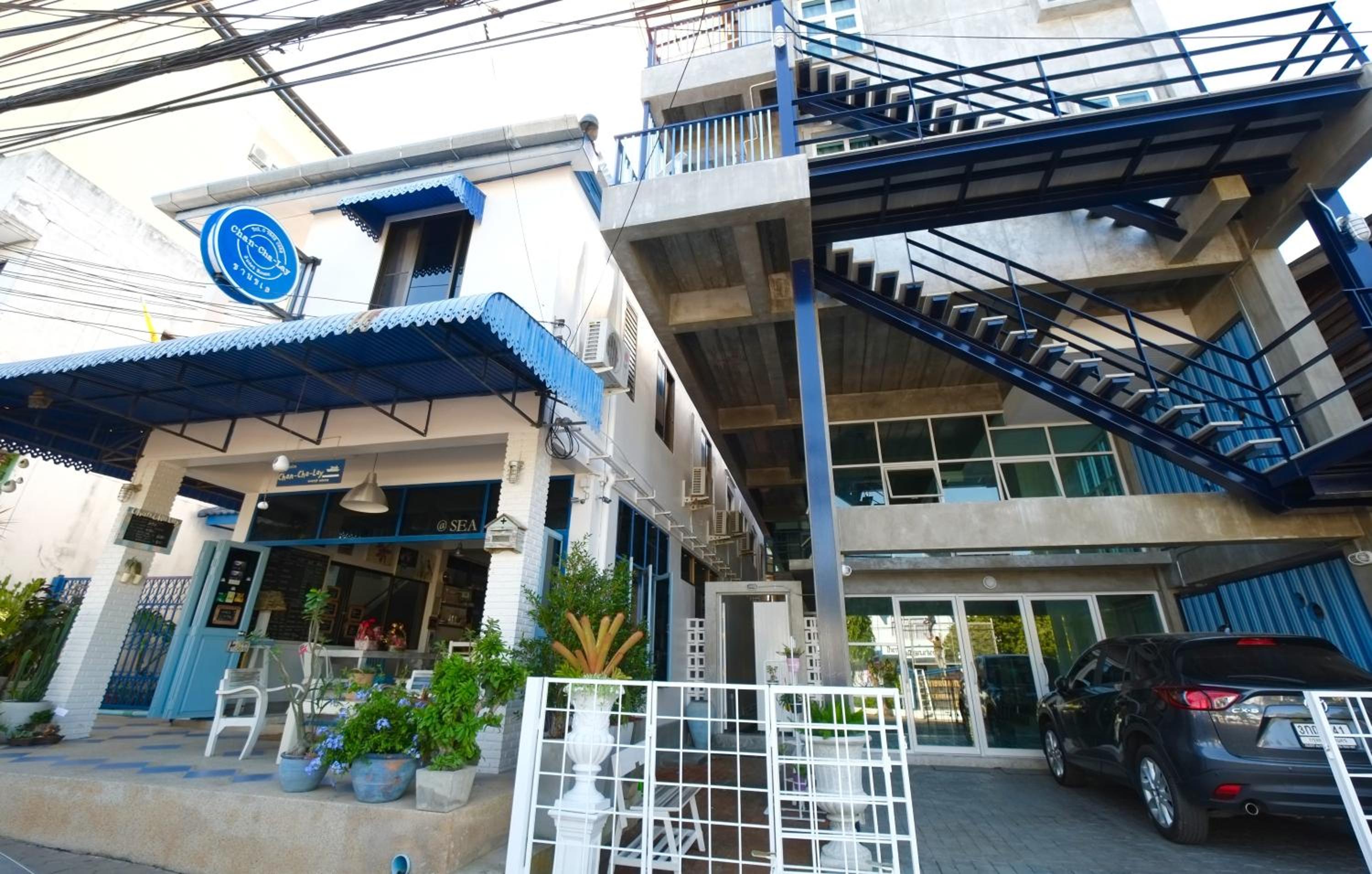
The hostel capital, dorms €5 to €16 and plain hotels €15 to €40, the value base for a first or last night.
Ao Nang
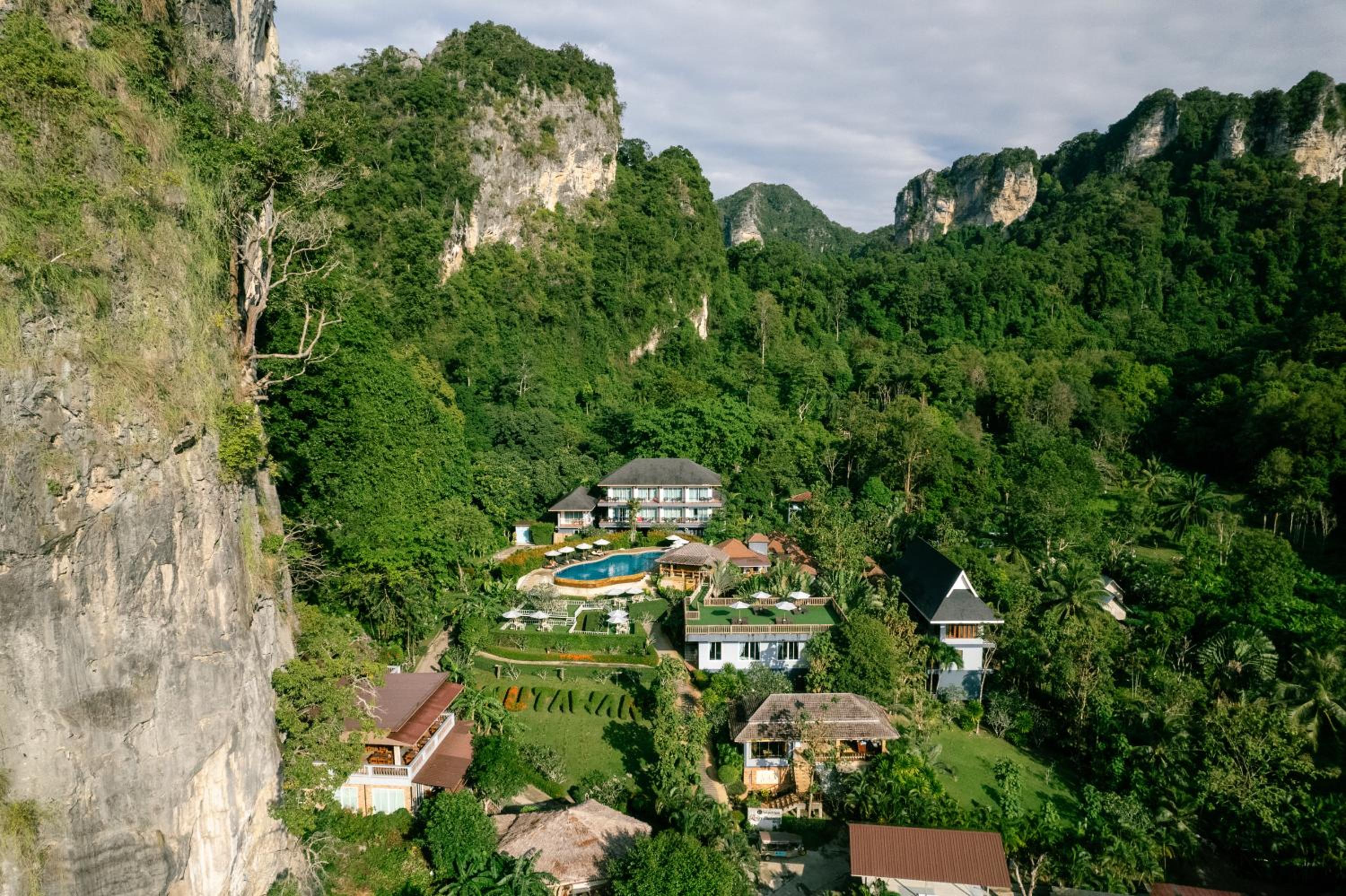
Party hostels, budget doubles around €29, and mid-range resorts with breakfast from €72.
Nopparat Thara
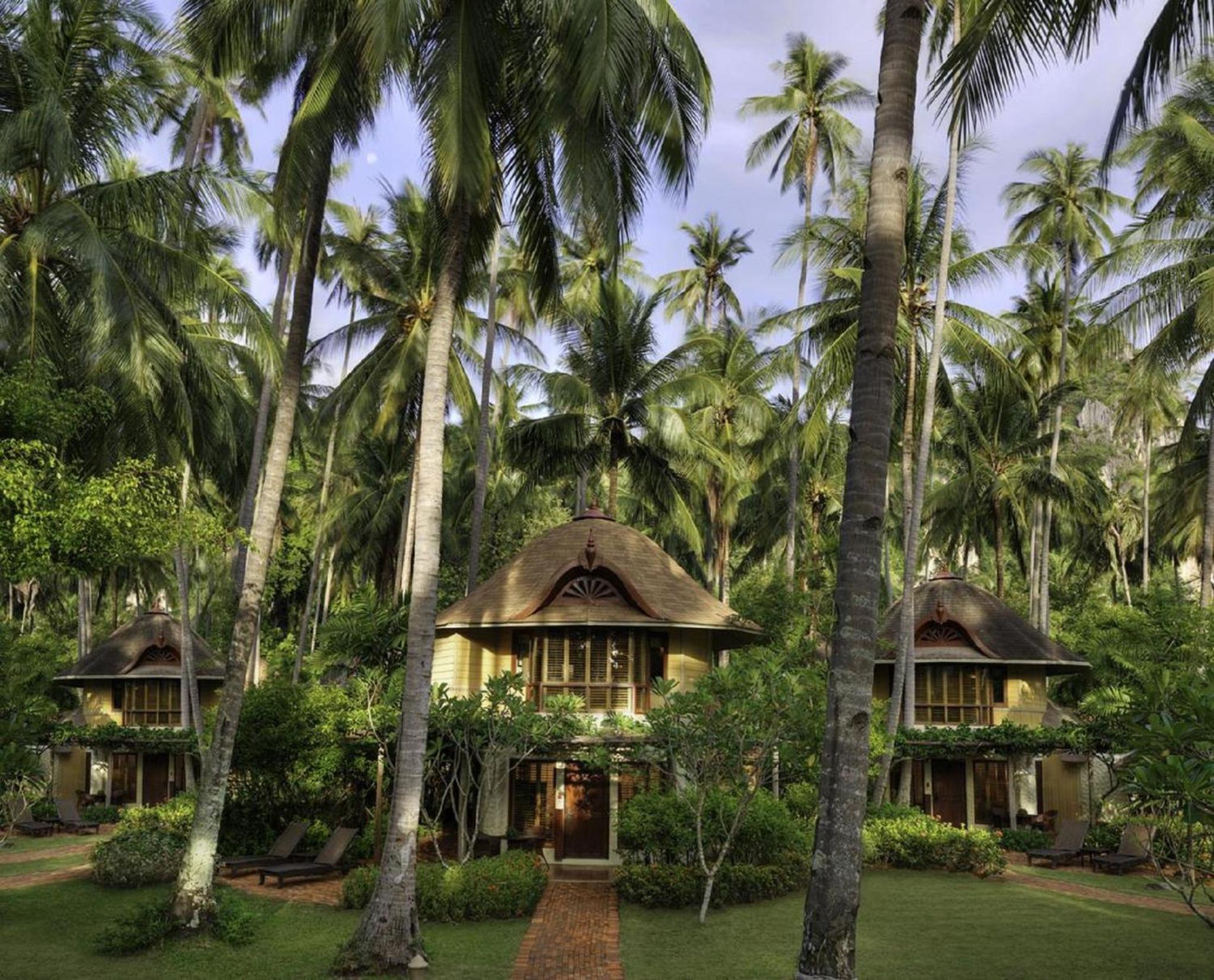
Low-rise resorts and a few guesthouses along the park beach, €35 to €100, with quieter nights.
Railay
Bungalows on Railay East from €40 and the postcard resorts on Railay West €100 to €250.
Tonsai Beach
Fan-only bamboo bungalows from €12 up to villa resorts at €130; pay for air conditioning if you sleep warm.
Klong Muang & Tubkaek
Higher-end beachfront resorts with pools and spas, from €120, with a car or taxi for dinner out.


What to eat in Krabi
mild, rich southern curry with Persian-Indian roots, the dish our sources name twice as the one this coast does best
southern Thai-Muslim chicken biryani, turmeric rice with fried shallots, one of the region's genuinely local plates
griddled flatbread, sweet with condensed milk or savoury with curry; Muslim-southern street food rather than a tourist dish
this is a fishing coast and the prices show it: whole fish, prawns and squid grilled to order
the market sweets counter: sticky rice with mango, coconut sweets, grilled bananas
served in the husk with peanuts and sticky rice, the night market's signature stall
Discover food spots in Stippl
Find restaurants and markets on the map, save them to your itinerary, works offline too.
Krabi customs and what not to do
A third of Krabi is Muslim
Concentrated in Ao Nang, Ao Nam Mao, the Paknam estuary and the Maharaj Road end of town, and majority on Koh Lanta; halal food is everywhere and some restaurants serve no alcohol.
Dress is beach versus village
Swimwear is fine on Ao Nang, Railay and the tourist beaches; cover shoulders and knees through villages, at the fishing-village end of town and near any mosque.
Phra Nang Cave is a shrine
The wooden phalluses are offerings to the princess-goddess the beach is named for, left by fishermen for safe passage and by women hoping to conceive; not a photo joke.
Tiger Cave is a working site
Monks and nuns retreat there from across Thailand; shoulders, chest and knees covered for men and women, enforced at the gate, with free sarongs if you turn up unprepared.
Bargaining is expected
At the Krabi Town markets a smile does the work; walk the whole market before buying, and the night market prices are already fair.
Do
- Take the first longtail of the morning to Railay and Phra Nang
- Tell the boatman Tonsai on boarding if that is where you are going, or he continues to Railay
- Check the tide first: low for the Tup and Chicken sandbar and the Tonsai to Railay walk, high for the Blue Lagoon
- Carry cash in small notes for longtails, market food and park fees
- Wash the red Railay mud off before your room; some hotels charge for stained linen
Don't
- Feed or approach the macaques at Tiger Cave, on Tonsai beach or in the urban forest; a mother with young is aggressive
- Treat Phra Nang Cave's offerings as a photo joke
- Climb past the barriers at the Khao Ngon Nak overhang for a photograph
- Assume the Krabi ferry leaves from Ao Nang beach; it does not
- Plan a Maya Bay landing in August or September
What a Krabi trip costs
Track what you actually spend
Set a daily budget per country and log expenses in any currency while you travel.
Fun facts about Krabi
Krabi is named after a sword found when the land was first cleared. A krabi is a Thai sabre, and the province's emblem still shows two of them crossed above the sea.
Tonsai Beach has no pier, no road and no vehicles. Ferries stop offshore and transfer passengers to a longtail, which puts you ashore on the sand with your bag over your head.
The Shell Fossil Beach is a bed of shells 25 to 40 million years old. Susan Hoi, on the coast south of town, is said to be one of only three such sites in the world.
There are no tigers at the Tiger Cave Temple. The name comes from tiger pawprints found in the cave and from a tiger that, in the legend, entered while the abbot meditated and did no harm.
The record for the Tiger Cave staircase is 10 minutes and 21 seconds. It was set in April 2016 on the old count of 1,237 steps, before the renovation changed the number.
The limestone here corrodes stainless steel. It is one of few rock types on earth that causes stress corrosion cracking in it, which is why volunteers have rebolted over 700 climbing pitches in titanium.
At low tide a sandbar surfaces between Tup and Chicken Island. For a couple of hours you can walk between the two islands on wet sand, which is the timing every four-island tour is built around.
Local tips for Krabi
There is no Krabi pier
Klong Jilad serves the Lanta and Phi Phi ferries, Ao Nang beach and Ao Nam Mao the Railay longtails, Nopparat Thara the four islands. The wrong one costs a morning.
Book the ferries online
The pier counter runs a quarter to a third above the online fare on the Phi Phi route. In the monsoon the sailings thin to one morning boat rather than stopping; book that one.
Boarding is a wet landing
The longtails beach on sand and at low tide you wade to mid-calf, at Ao Nang and at Railay. Flip-flops, a dry bag for the electronics and no rolling suitcase.
How long to stay
Most people give Krabi 3 nights on Stippl, split between Ao Nang or Railay and one mainland day. Railay has no road at all, so the last boat back is early.
A buffer night in the monsoon
Railay and Tonsai are boat-only, and from May to October a rough morning can mean no boat off the peninsula. Anyone with a flight books the last night on the mainland.
Monkeys are the top hazard
The macaques on the Tiger Cave staircase and on Tonsai beach take sunglasses, caps, bottles and anything held in a hand. Bags closed, nothing loose, and never feed them.
Krabi questions, answered
By working out what you want to be able to walk to, because the province has four very different bases. Lay the nights out in Stippl against the boat times rather than the map, since Railay has no road and everything there arrives by longtail. Then ask people who have stayed in each, in subreddits like r/ThailandTourism or the Facebook groups.
Earlier than most of Thailand. Travellers leave 81 days between planning a Krabi stop on Stippl and turning up, and the cool season from November to March is when almost everyone comes. Railay fills first, because nothing much can be built on a peninsula that has no road onto it.
For most of the year, though not on the terms the photograph suggests. Maya Bay closes completely from the start of August to the end of September, and when it is open you land at a pier on the far side of the island, walk a boardwalk across and wade to about knee depth. Nobody swims there now.
The plans say so: only 17.0% of Krabi stops planned on Stippl are a single night. One night buys you a boat day or the Tiger Cave climb and not both, and the province holds at least four days once you count the inland pools, the peninsula and a second island run.
By longtail boat, and only by longtail boat. There is no road onto the peninsula, so boats run from Ao Nang and from the Khlong Chilat pier at Krabi Town, and they leave when they fill rather than to a timetable. Build that into any day where you have a flight or a ferry to catch.
More often than almost anywhere else in the country: 13.5% of the trips that include Krabi on Stippl plan it twice. That is the ferry hub doing its work, because Phi Phi and Koh Lanta both send you back through Krabi rather than onward to somewhere new.
Every guide is written by the Stippl editors and checked against the trips our travellers actually plan. Spotted something out of date? Let us know.

Plan Krabi in Stippl
Day-by-day planning, stays and budget in one app, with every place from this guide already on the map.
Download the app