

Krabi
Krabi coloca praia, ilha, selva e templo em uma região compacta, com 700 rotas de escalada com pinos e escolas que aceitam iniciantes. Os dias de barco são curtos, e a cidade de Krabi é o canto barato de uma costa cara.
Krabi em resumo
Krabi: o que esperar
169.000+ paradas na província foram planejadas no Stippl. Aqui está o que dizem sobre Krabi.
Krabi é uma província em vez de uma cidade, e onde você dorme importa mais do que o que você vê. O continente oferece Ao Nang para os barcos e a cidade de Krabi para camas baratas, enquanto Railay e Tonsai ficam em uma península sem estrada, então um barco de cauda longa é o único jeito de entrar. O que você vem procurar é calcário: escalada com pinos na Parede de Thaiwand e Parede 123, os 1.260 degraus até o Templo da Caverna do Tigre e a Praia da Caverna Phra Nang. A maioria dos viajantes dá à província 3 noites no Stippl.
Quase metade de cada viagem na Tailândia passa por Krabi, o que não é como a província é geralmente descrita. 48,9% das viagens na Tailândia planejadas no Stippl carregam uma parada em Krabi, então está mais próximo de um acessório da rota padrão do que a alternativa mais tranquila para Phuket que recebe. Os barcos são o motivo: Phi Phi, Koh Lanta e Phuket estão cada um a uma balsa de distância, e Ao Nang é de onde essas balsas partem.
Quatro ou cinco noites cobrem a província adequadamente e três cobrem apenas o dia principal. Dê um dia ao passeio de barco de cauda longa de quatro ilhas de Nopparat Thara, onde um banco de areia emerge na maré baixa e você caminha entre Tup e Chicken Island, então a tabela de marés molda o dia, não o operador. Dê outro às lagoas das Ilhas Hong, que funcionam o ano todo, ou à Piscina Esmeralda no interior. Suba o Templo da Caverna do Tigre ao amanhecer: a escada fica completamente exposta a partir do meio.
Planeie Krabi na Stippl
Planeamento dia a dia, alojamentos e orçamento numa só aplicação, com cada lugar deste guia já no mapa.
Descarregar a aplicaçãoPara quem é Krabi
Escaladores de rocha, em todos os níveis
Mais de 700 rotas com pinos espalhadas pela península Railay e Tonsai, de paredes para iniciantes a projetos desafiadores, com escolas que aceitam iniciantes completos na praia.
Passeadores de ilhas e dias de barco
O produto central da região é um dia completo em um barco de cauda longa ou lancha veloz: o circuito de quatro ilhas, as Ilhas Hong ou Phi Phi, todos de um trecho de costa.
Iniciantes no sul
Praia, ilha, selva e templo em uma região compacta, com Ao Nang oferecendo uma infraestrutura turística completa e inglês em todo lugar.
Famílias ativas
A escalada é adequada para crianças, os dias de barco são curtos, e nove dias aqui não esgotam as coisas a fazer.
Viajantes com orçamento e longa permanência
Os hostels da cidade de Krabi e mercados noturnos, e as tarifas semanais negociáveis de Tonsai, estão entre os cantos mais baratos de uma costa cara.
Caminhantes de mirante
A maioria das pessoas dá a Krabi 3 noites, e três escaladas de meia jornada com grandes recompensas, Templo da Caverna do Tigre, Khao Ngon Nak e Railay Viewpoint, cabem nesse tempo.
Talvez não seja para você: viajantes que priorizam vida noturna, que ficariam melhor em Phi Phi ou Phuket; qualquer um querendo tudo caminhável, já que a região é espalhada e Grab é caro; viajantes com limitações de mobilidade, porque as atrações principais são 1.260 degraus e um desembarque em praia molhada; e cronogramas fixos de maio a outubro.
A melhor época para visitar Krabi
Estação seca
Novembro a Abril
Confiavelmente dezembro a março: mar calmo, água clara, todos os barcos funcionando e a melhor aderência no calcário. Também a janela mais movimentada e cara, acentuadamente na época do Natal e Ano Novo.
Monção do sudoeste
meados de maio a outubro
A chuva é pesada e geralmente à tarde em vez de o dia todo, mas o mar é o problema: travessias diminuem, barcos de cauda longa e lanchas velozes cancelam, e os passeios marítimos de pequenos barcos são a primeira coisa a desaparecer.
- O clima importa mais aqui do que em uma praia normal, porque a viagem consiste em passeios de barco. Uma tarde chuvosa é um inconveniente; um dia de barco cancelado é a viagem, e de meados de maio a outubro isso acontece.
- Maya Bay fecha de 1º de agosto a 30 de setembro todos os anos. Qualquer pacote vendido como Krabi para Maya Bay nesses meses o leva aos penhascos pelo mar; os passeios de quatro ilhas e Hong Island continuam.
- Janeiro é o mês em que a maioria dos viajantes planeja Krabi no Stippl, cerca de 81 dias antes. Apenas 10,8% dos planos para Krabi são feitos dentro de uma quinzena, e janeiro é o pico, então as poucas centenas de camas de Railay se esgotam primeiro.
- O Ramadã muda a cada ano e importa mais aqui do que em qualquer outro lugar da Tailândia. Restaurantes de propriedade muçulmana se adaptam ao jejum, alguns fechando durante o dia e abrindo após o anoitecer; a zona turística funciona normalmente.
- Abril a junho é o meio-termo de melhor preço. Quente, multidões menores, preços mais baixos e chuvas aumentando, e o mar ainda calmo o suficiente para os barcos na maior parte do período.
Adicione as suas datas para Krabi e avisamos sobre o tempo
A Stippl mostra a época, a afluência e os preços de cada paragem do seu roteiro.
Descreva a sua viagem e obtenha um roteiro de Krabi em segundos
Tudo neste guia já está na Stippl. Diga ao planeador quanto tempo tem e do que gosta: ele constrói o roteiro, os dias e os tempos de viagem, e você edita o que quiser.
Coisas para fazer em Krabi
Escalada em Railay e Tonsai
Escale o calcário em forma de penhasco que a província é mundialmente famosa: mais de setecentas vias parafusadas em todos os níveis, e escolas que levam um iniciante por uma parede no mesmo dia por cerca de €30 meio dia. Os paredões enfrentam o mar e a âncora fica na areia.
O passeio de longtail de quatro ilhas
Pegue o barco de Nopparat Thara das nove às três para Phra Nang Cave Beach, Chicken Island, Tup e Poda com almoço numa praia, cerca de €12 compartilhado. Na maré baixa, uma barra de areia surge entre Tup e Chicken Island e você caminha entre elas.
As Ilhas Hong
Vá para a alternativa mais calma e tranquila do Phi Phi, vinte minutos em mar aberto: uma lagoa fechada que você caiaca, areia branca e paredes de karst. Cerca de €25 de longtail mais a taxa de parque, no Than Bok Khorani National Park.
Phi Phi e Pileh Lagoon
Pegue o speedboat compartilhado de Ao Nang para o passeio de cinco paradas, cerca de €40, e nade em Pileh Lagoon em vez de Maya Bay, que é um desembarque com um passeio de visualização e sem natação. É um passeio de um dia, não uma estadia.
Tiger Cave Temple
Escale os 1.260 degraus até o topo da torre de karst para o Buda dourado e uma volta completa sobre o vale de Krabi e até a Andamã. Grátis, escalada de uma hora, e comece antes das sete; os degraus estão ao sol a partir das nove.
Khao Ngon Nak, Dragon Crest
Caminhe a caminhada adequada da região desde a cabeceira da trilha Nong Thale, cerca de 3,7 quilômetros em cada sentido, duas horas de subida e uma de descida, até uma crista terminando numa rocha que sobressai acima da baía. Grátis, e uma permissão é assinada no início da trilha.
Os bairros de Krabi
Krabi Town
Cidade ribeirinha, mercados noturnos, sem praia
A capital provincial: o cais do rio, a estação de ônibus, uma passarela de mangues, três mercados noturnos e a comida mais barata da região, com a melhor cena de hostel. Para viajantes com orçamento e qualquer um que queira uma cidade tailandesa.
As camas mais baratas da região e os melhores mercados, e vinte minutos para qualquer praia.
Ao Nang
O strip de resort, todos os barcos
O centro turístico da região e base padrão: uma estrada de praia com restaurantes de todas as culinárias, desks de tour, escolas de mergulho, um mercado noturno e hostels animados. Para primeiras visitas e qualquer um que queira os barcos à porta.
Tudo à porta, e o trecho mais movimentado e menos tailandês da costa.
Nopparat Thara
Praia do parque, o cais real
A longa praia do parque nacional imediatamente noroeste de Ao Nang, mais tranquila e menos construída, e seu cais é de onde a maioria dos barcos de quatro ilhas e Phi Phi realmente saem. Para famílias que querem o strip perto mas não ao redor delas.
Os barcos e uma praia mais tranquila, e uma caminhada ou um songthaew para os restaurantes.
Railay
Trancado por penhascos, apenas barco
A península com três praias: Railay West a areia postal, Railay East o lado mangue onde você desembarca e dorme, Phra Nang a famosa, acessível apenas por barco de cauda longa. Para escaladores, casais e qualquer um que queira a postal.
As melhores praias da costa e a escalada, e um barco para qualquer coisa além delas.
Tonsai Beach
Bangalôs de bambu, reggae, sem estrada
A terceira baía rústica da península: bangalôs de bambu, bares de reggae, shows de fogo e slack lines, sem cais, sem estrada e sem veículos. Para escaladores e mochilas, aos preços mais baratos da península.
A cena dos escaladores a preços de escaladores, e um trepar ou um barco para Railay.
Klong Muang & Tubkaek
Resorts tranquilos, vistas de cársicos
O strip de resort ao norte de Ao Nang: quatro quilômetros de frente de praia, estoque de nível superior, vistas de cársicos no mar e a trilha de Khao Ngon Nak atrás. Para casais que querem uma piscina, tranquilidade e o pôr do sol.
Tranquilidade e a vista, e um táxi para cada restaurante fora do resort.
Veja todos os bairros de Krabi num único mapa
Guarde as zonas de que gosta e a Stippl organiza os seus dias para não atravessar a cidade duas vezes.
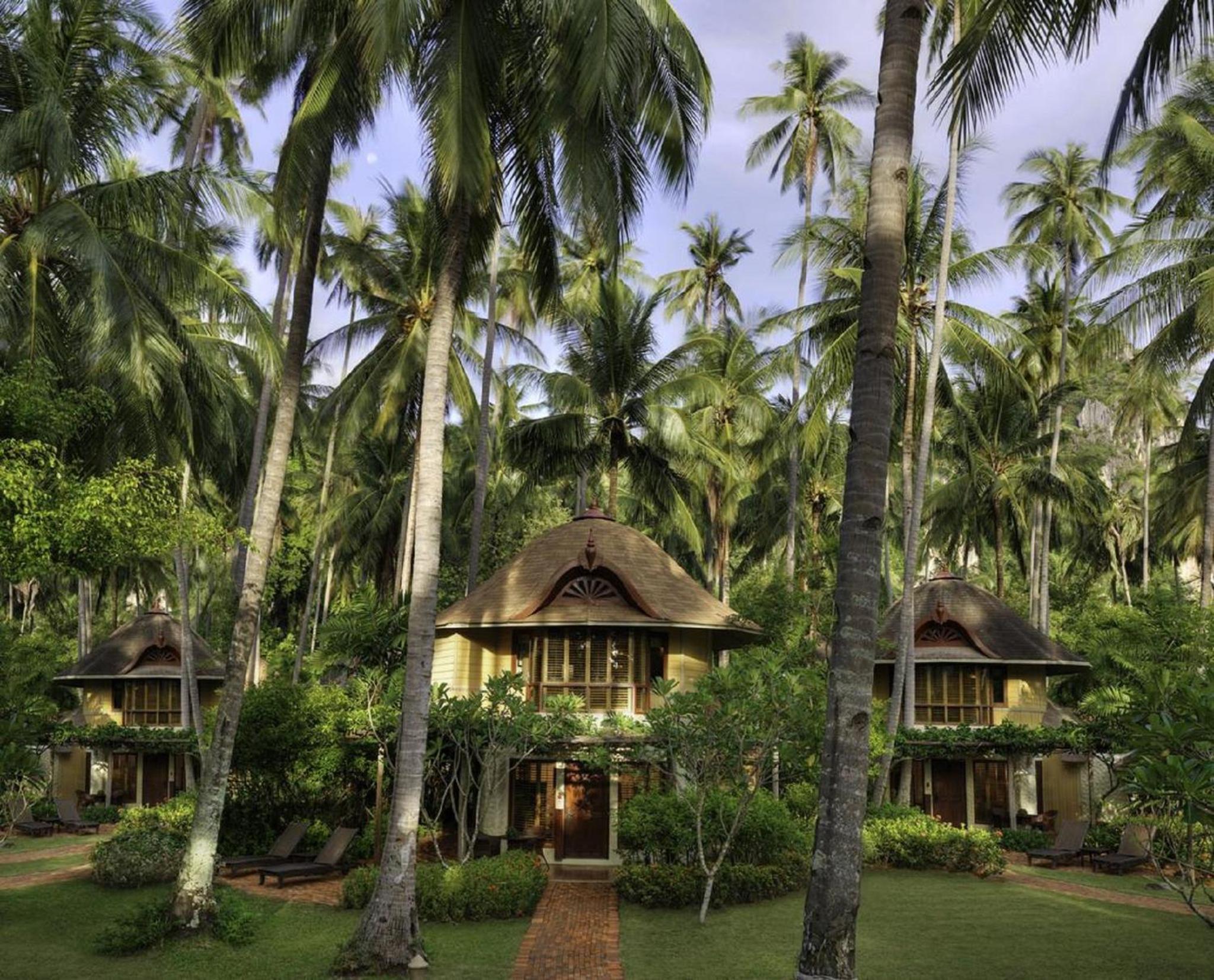
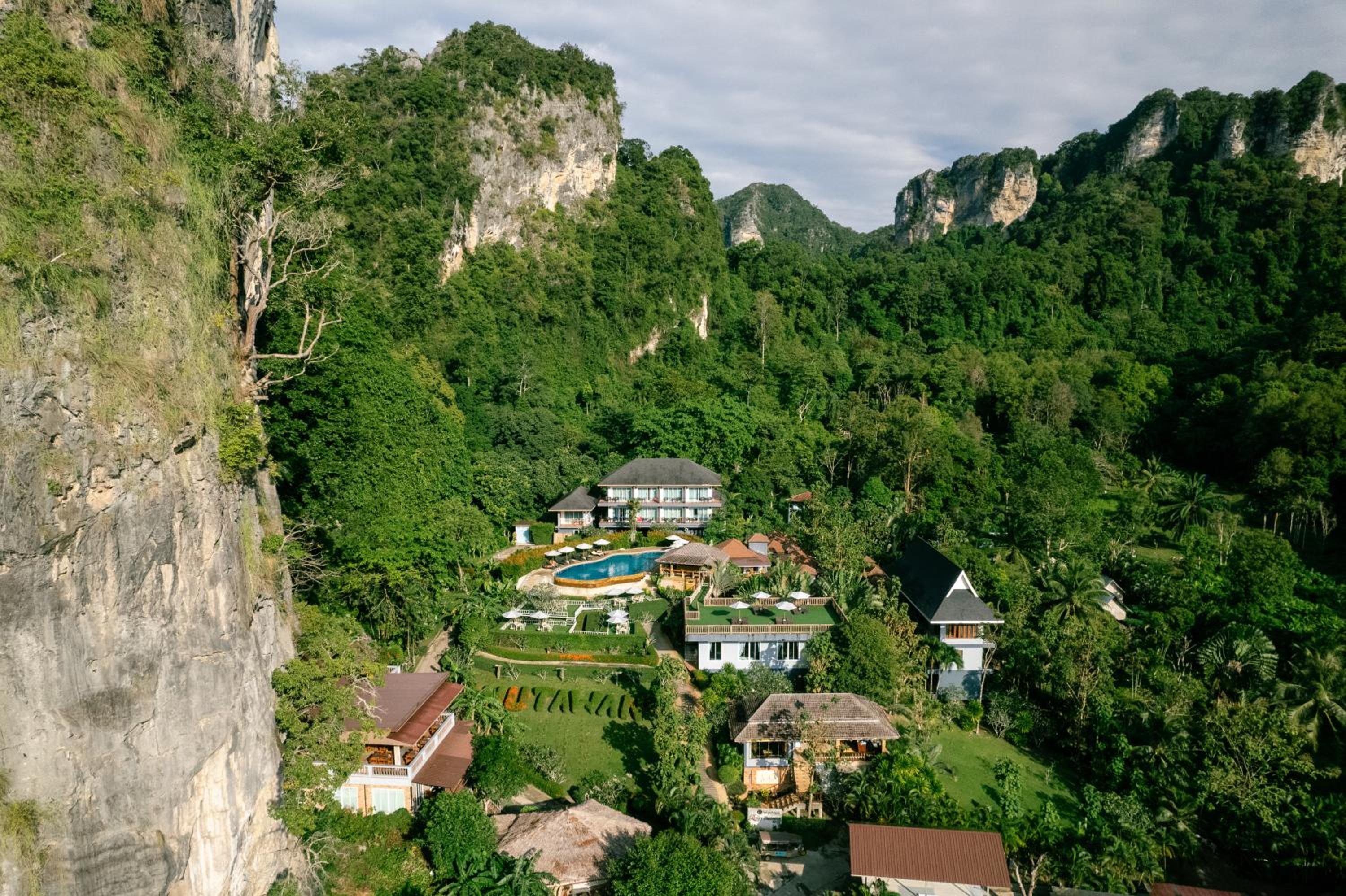
Onde ficar em Krabi
Fique em Ao Nang a menos que tenha vindo pelos paredões: tem os barcos, os restaurantes e as conexões de estrada, e nada precisa ser arranjado. Railay são dois ou três noites para escaladores, com um barco para cada movimento. A maioria das pessoas dá a Krabi 3 noites no Stippl. Reserve para dezembro a fevereiro, quando quartos e transporte se apertem juntos; o resto do ano recompensa chegar desprevenido.
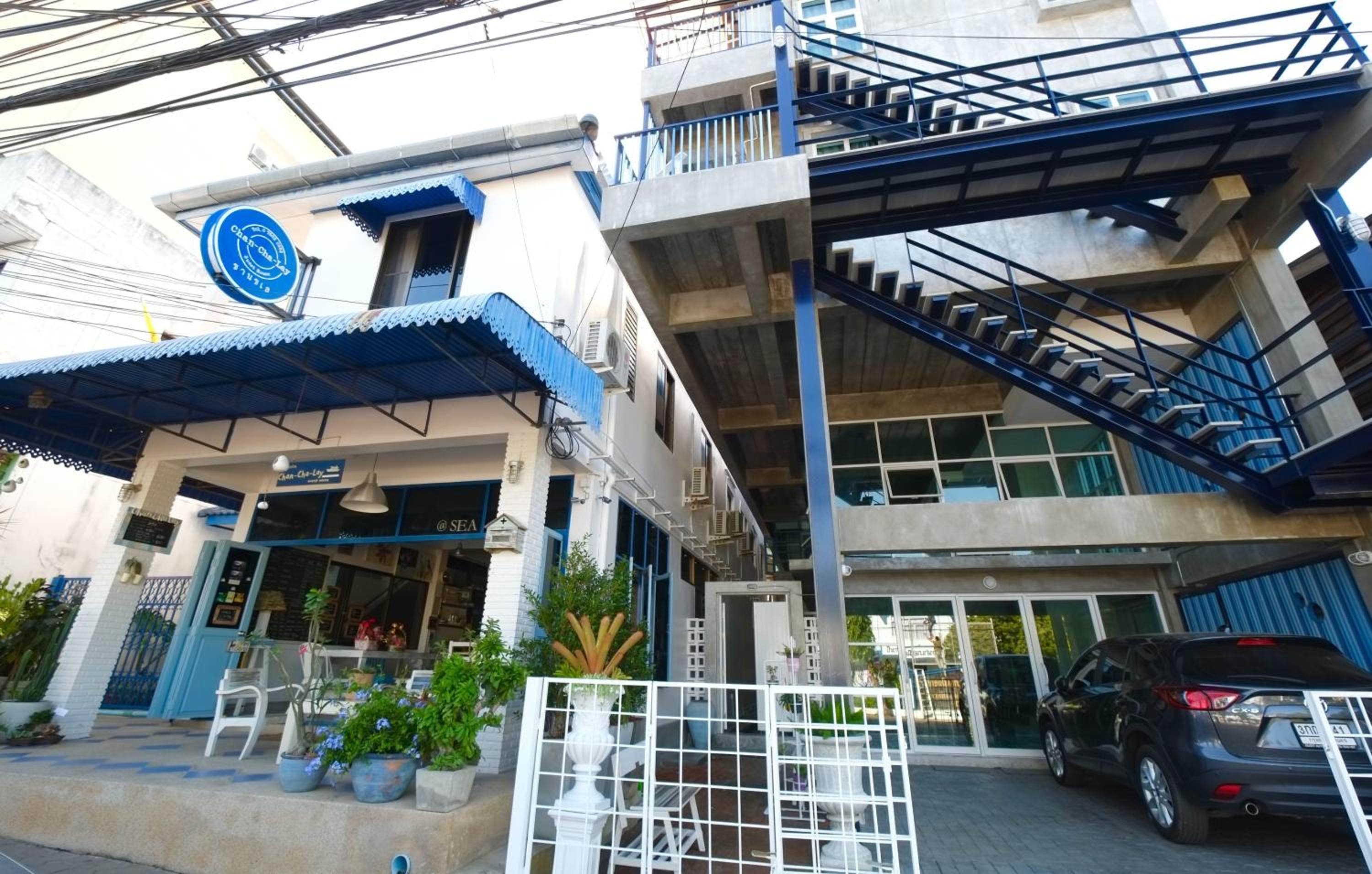
Krabi Town
A capital dos hostels, dormitórios €5 a €16 e hotéis simples €15 a €40, a base de valor para uma noite primeira ou última.
Ao Nang
Hostels festeiros, doubles orçamentários em torno de €29, e resorts de médio alcance com café da manhã a partir de €72.
Nopparat Thara
Resorts de baixa altura e algumas pousadas ao longo da praia do parque, €35 a €100, com noites mais tranquilas.
Railay
Cabanas em Railay East a partir de €40 e os resorts de cartão postal em Railay West €100 a €250.
Tonsai Beach
Cabanas de bambu apenas com ventilador a partir de €12 até resorts de villas a €130; pague pelo ar condicionado se dormir com calor.
Klong Muang & Tubkaek
Resorts beachfront de gama alta com piscinas e spas, a partir de €120, com carro ou táxi para sair para jantar.


O que comer em Krabi
curry do sul suave e rico com raízes persa-indianas, o prato que nossas fontes mencionam duas vezes como aquele que esta costa faz melhor
biryani de frango tailandês-muçulmano do sul, arroz cúrcuma com chalotes fritos, um dos pratos genuinamente locais da região
pão achatado grelhado, doce com leite condensado ou salgado com curry; comida de rua tailandesa-muçulmana do sul em vez de um prato turístico
esta é uma costa de pesca e os preços mostram isso: peixe inteiro, camarões e lula grelhados na hora
o balcão de doces do mercado: arroz pegajoso com manga, doces de coco, bananas grelhadas
servido na casca com amendoim e arroz pegajoso, a barraca de assinatura do mercado noturno
Descubra sítios para comer na Stippl
Encontre restaurantes e mercados no mapa, guarde-os no seu roteiro, também funciona offline.
Costumes de Krabi e o que não fazer
Um terço de Krabi é muçulmano
Concentrado em Ao Nang, Ao Nam Mao, o estuário de Paknam e a extremidade de Maharaj Road na cidade, e maioria em Koh Lanta; comida halal está em toda parte e alguns restaurantes não servem álcool.
Vestuário é praia versus aldeia
Roupa de banho é apropriada em Ao Nang, Railay e as praias turísticas; cubra ombros e joelhos nas aldeias, na extremidade de vila de pesca da cidade e perto de qualquer mesquita.
Phra Nang Cave é um santuário
Os pênis de madeira são oferendas à princesa-deusa a que a praia é dedicada, deixadas por pescadores para passagem segura e por mulheres esperando engravidar; não é uma piada de foto.
Tiger Cave é um local ativo
Monges e freiras se retiram lá de toda a Tailândia; ombros, peito e joelhos cobertos para homens e mulheres, aplicado na porta, com pareus gratuitos se chegar desprevenido.
Negociação é esperada
Nos mercados de Krabi Town um sorriso faz o trabalho; caminhe por todo o mercado antes de comprar, e os preços do mercado noturno já são justos.
Fazer
- Pegue o primeiro longtail da manhã para Railay e Phra Nang
- Diga ao barqueiro Tonsai ao embarcar se é para lá que você está indo, senão ele continua para Railay
- Verifique a maré primeiro: maré baixa para a barra de areia de Tup e Chicken e o passeio de Tonsai para Railay, maré alta para a Lagoa Azul
- Carregue dinheiro em notas pequenas para longtails, comida de mercado e taxas de parque
- Lave a lama vermelha de Railay antes do seu quarto; alguns hotéis cobram por roupa de cama manchada
Evitar
- Alimente ou aborde os macacos no Tiger Cave, em Tonsai beach ou na floresta urbana; uma mãe com filhotes é agressiva
- Trate as oferendas de Phra Nang Cave como uma piada de foto
- Escale além das barreiras no penhasco de Khao Ngon Nak para uma fotografia
- Assuma que o ferry de Krabi sai da praia de Ao Nang; não sai
- Planeje um desembarque em Maya Bay em agosto ou setembro
O que uma viagem a Krabi custa
Acompanhe o que gasta de verdade
Defina um orçamento diário por país e registe despesas em qualquer moeda enquanto viaja.
Curiosidades sobre Krabi
Krabi é nomeado em homenagem a uma espada encontrada quando a terra foi inicialmente desmatada. Um krabi é um sabre tailandês, e o brasão da província ainda mostra dois deles cruzados sobre o mar.
Tonsai Beach não tem píer, estrada ou veículos. Ferries param no mar aberto e transferem passageiros para um longtail, que o coloca na areia com sua mala sobre a cabeça.
Shell Fossil Beach é um leito de conchas de 25 a 40 milhões de anos. Susan Hoi, na costa ao sul da cidade, é dito ser um dos únicos três locais deste tipo no mundo.
Não há tigres no Tiger Cave Temple. O nome vem de pegadas de tigre encontradas na caverna e de um tigre que, na lenda, entrou enquanto o abade meditava e não causou dano.
O recorde para a escadaria do Tiger Cave é 10 minutos e 21 segundos. Foi definido em abril de 2016 na contagem anterior de 1.237 degraus, antes da renovação mudar o número.
O calcário aqui corrói o aço inoxidável. É um dos poucos tipos de rocha na terra que causa stress corrosion cracking nele, razão pela qual voluntários reparafusaram mais de 700 vias de escalada com titânio.
Na maré baixa, uma barra de areia surge entre Tup e Chicken Island. Durante algumas horas você pode caminhar entre as duas ilhas na areia molhada, e esse é o cronograma em torno do qual cada passeio de quatro ilhas é construído.
Dicas locais para Krabi
Não há píer de Krabi
Klong Jilad atende os ferries de Lanta e Phi Phi, Ao Nang beach e Ao Nam Mao os longtails de Railay, Nopparat Thara as quatro ilhas. O local errado custa uma manhã.
Reserve as ferries online
O balcão do píer executa um quarto a um terço acima da tarifa online na rota de Phi Phi. Na monção os passeios se reduzem a um barco da manhã em vez de parar; reserve esse.
O desembarque é molhado
Os longtails se encalham na areia e na maré baixa você entra na água até o meio da panturrilha, em Ao Nang e em Railay. Flip-flops, uma bolsa à prova d'água para eletrônicos e nenhuma mala de rodinhas.
Quanto tempo ficar
A maioria das pessoas dá a Krabi 3 noites no Stippl, divididas entre Ao Nang ou Railay e um dia em terra. Railay não tem estrada, então o último barco de volta é cedo.
Uma noite de buffer na monção
Railay e Tonsai são apenas de barco, e de maio a outubro uma manhã agitada pode significar nenhum barco deixando a península. Qualquer um com um voo marca a última noite em terra.
Macacos são o perigo principal
Os macacos na escadaria do Tiger Cave e em Tonsai beach pegam óculos de sol, bonés, garrafas e qualquer coisa segura na mão. Bolsas fechadas, nada solto, e nunca os alimente.
Perguntas sobre Krabi, respondidas
Determine isto consultando o que você quer alcançar a pé, já que a província tem quatro bases muito diferentes. Distribua as noites no Stippl em relação aos horários dos barcos, não ao mapa, pois Railay não tem estrada e tudo chega por longtail. Depois pergunte a pessoas que ficaram em cada local, em subreddits como r/ThailandTourism ou nos grupos do Facebook.
Mais cedo que a maioria da Tailândia. Viajantes deixam 81 dias entre planejar uma parada em Krabi no Stippl e chegar, e a estação seca de novembro a março é quando quase todos vêm. Railay se enche primeiro, porque não se pode construir muito numa península que não tem estrada de acesso.
Durante a maior parte do ano, mas não nos termos que a fotografia sugere. Maya Bay fecha completamente do início de agosto até o final de setembro, e quando está aberta você desembarca num píer na beira oposta da ilha, caminha por uma passarela e entra na água até aproximadamente a altura do joelho. Ninguém nada lá agora.
Os planos indicam: apenas 17,0% das paradas em Krabi planejadas no Stippl são de uma única noite. Uma noite permite um dia de barco ou o passeio pelo Tiger Cave, mas não ambos, e a província oferece pelo menos quatro dias quando você conta as piscinas do interior, a península e um segundo passeio por ilha.
De longtail boat, e apenas de longtail boat. Não há estrada para a península, então os barcos saem de Ao Nang e do píer de Khlong Chilat em Krabi Town, e partem quando estão cheios em vez de seguir um horário. Inclua isto em qualquer dia em que você tenha um voo ou ferry para pegar.
Mais frequentemente que em quase qualquer outro lugar do país: 13,5% dos passeios que incluem Krabi no Stippl o planejam duas vezes. Isto é o resultado do hub de ferry, porque Phi Phi e Koh Lanta o trazem de volta através de Krabi em vez de ir para um novo destino.
Cada guia é escrito pela redação da Stippl e verificado com as viagens que os nossos viajantes planeiam de facto. Viu algo desatualizado? Diga-nos.

Planeie Krabi na Stippl
Planeamento dia a dia, alojamentos e orçamento numa só aplicação, com cada lugar deste guia já no mapa.
Descarregar a aplicação