

Krabi
Krabi ofrece playas, islas, selva y templo en una región compacta, con 700 rutas de escalada equipadas y escuelas para principiantes. Los días en bote son cortos, y el pueblo de Krabi es la esquina más barata de una costa cara.
Krabi en pocas palabras
Krabi: qué esperar
169.000+ paradas en la provincia han sido planificadas en Stippl. Esto es lo que dicen sobre Krabi.
Krabi es una provincia en lugar de un pueblo, y dónde duermas importa más que qué veas. El continente te ofrece Ao Nang para los botes y el pueblo de Krabi para camas baratas, mientras que Railay y Tonsai se encuentran en una península sin carreteras, así que una cola larga es la única forma de entrar. Lo que vienes a ver es piedra caliza: escalada equipada en Thaiwand Wall y 123 Wall, los 1.260 escalones hacia Tiger Cave Temple, y Phra Nang Cave Beach. La mayoría de viajeros dan a la provincia 3 noches en Stippl.
Casi la mitad de cada viaje a Tailandia pasa por Krabi, que no es cómo se describe generalmente la provincia. El 48,9% de los viajes a Tailandia planificados en Stippl incluyen una parada en Krabi, así que está más cerca de ser un punto de referencia de la ruta estándar que la alternativa más tranquila a Phuket como se suele llamar. Los botes son la razón: Phi Phi, Koh Lanta y Phuket están cada uno a un ferry de distancia, y Ao Nang es de donde salen esos ferrys.
Cuatro o cinco noches cubren la provincia adecuadamente y tres cubren solo el día titular. Dedica un día a la excursión en cola larga de cuatro islas desde Nopparat Thara, donde un banco de arena aflora en marea baja y caminas entre Tup e Chicken Island, así que la tabla de mareas forma el día, no el operador. Dedica otro a la laguna Hong Islands, que funciona todo el año, o a la Emerald Pool en tierra. Sube Tiger Cave al amanecer: la escalera está completamente expuesta desde la mitad hacia arriba.
Planifica Krabi en Stippl
Planificación día a día, alojamientos y presupuesto en una sola app, con cada lugar de esta guía ya en el mapa.
Descargar la appPara quién es Krabi
Escaladores, en todos los niveles
Más de 700 rutas equipadas en toda la península de Railay y Tonsai, desde paredes para principiantes hasta proyectos difíciles, con escuelas que toman principiantes completos en la playa.
Viajeros entre islas y días en bote
El producto central de la región es un día completo en un bote de cola larga o lancha rápida: el circuito de cuatro islas, Hong Islands, o Phi Phi, todos desde una sección de costa.
Principiantes en el sur
Playa, isla, selva y templo en una región compacta, con Ao Nang ofreciendo una infraestructura turística completa e inglés por todas partes.
Familias activas
La escalada acepta niños, los días en bote son cortos, y nueve días aquí no se agotan las cosas que hacer.
Viajeros de presupuesto y larga estancia
Los hostales del pueblo de Krabi y los mercados nocturnos, y las tarifas semanales negociables de Tonsai, están entre las esquinas más baratas de una costa de otro modo cara.
Caminantes que buscan miradores
La mayoría de las personas dan a Krabi 3 noches, y tres escaladas de media jornada con grandes recompensas, Tiger Cave, Khao Ngon Nak y Railay Viewpoint, caben dentro de eso.
Puede que no sea para ti: viajeros que priorizan la vida nocturna, que estarían mejor en Phi Phi o Phuket; cualquiera que quiera todo caminable, ya que la región está dispersa y Grab es caro; viajeros con limitaciones de movilidad, porque los principales atractivos son 1.260 escalones y un desembarque en playa mojada; y horarios fijos de Mayo a Octubre.
El mejor momento para visitar Krabi
Estación seca
November to April
Confiablemente de Diciembre a Marzo: mar tranquilo, agua clara, todos los botes funcionando y la mejor tracción en la piedra caliza. También la ventana más concurrida y más cara, notoriamente alrededor de Navidad y Año Nuevo.
Monzón del suroeste
mid May to October
La lluvia es abundante y generalmente por la tarde en lugar de todo el día, pero el mar es el problema: los cruces disminuyen, las colas largas y lanchas rápidas se cancelan, y las excursiones en bote pequeño son lo primero que se cancela.
- El clima es más importante aquí que en una playa normal, porque el viaje consiste en viajes en barco. Una tarde lluviosa es un inconveniente; un día de barco cancelado es el viaje, y de mediados de mayo a octubre sucede.
- Maya Bay cierra del 1 de agosto al 30 de septiembre cada año. Todo lo que se venda como Krabi a Maya Bay en esos meses te deja en los acantilados desde el agua; los viajes de cuatro islas e Isla Hong siguen en marcha.
- Enero es el mes que más viajeros planean para Krabi en Stippl, aproximadamente 81 días antes. Solo el 10,8% de los planes de Krabi se hacen en menos de dos semanas, y enero es la temporada alta, así que las pocas centenas de camas de Railay se agotan primero.
- El Ramadán se mueve cada año y es más importante aquí que en otros lugares de Tailandia. Los restaurantes de propiedad musulmana cambian alrededor del ayuno, algunos cerrando de día y abriendo después del anochecer; la zona turística funciona con normalidad.
- Abril a junio es el punto medio de valor. Caluroso, menos multitudes, precios más bajos y lluvias que se acumulan, y el mar aún lo suficientemente tranquilo para que los barcos naveguen la mayor parte del tiempo.
Añade tus fechas para Krabi y te avisamos del tiempo
Stippl muestra la temporada, la afluencia y los precios de cada parada de tu ruta.
Describe tu viaje y obtén un itinerario de Krabi en segundos
Todo lo de esta guía ya está en Stippl. Dile al planificador cuánto tiempo tienes y qué te gusta: construye la ruta, los días y los tiempos de viaje, y tú editas lo que quieras.
Cosas que hacer en Krabi
Escalada en Railay y Tonsai
Escala la piedra caliza con saliente por la que la provincia es mundialmente famosa: más de setecientos tramos con bisagra en cada grado, y escuelas que llevan a un principiante a una pared el mismo día por aproximadamente 30 € media jornada. Los acantilados miran hacia el mar y el asegurador está en la arena.
El día de lancha de las cuatro islas
Toma el barco desde Nopparat Thara de nueve a tres a Phra Nang Cave Beach, Chicken Island, Tup y Poda con comida en una playa, aproximadamente 12 € compartidos. En la marea baja sale a la superficie una barra de arena entre Tup y Chicken Island y caminas entre ellas.
Las Islas Hong
Ve a la alternativa más tranquila y más callada a Phi Phi, a veinte minutos en alta mar: una laguna cerrada en la que navega en kayak, arena blanca y muros de karst. Aproximadamente 25 € en lancha de cola larga más la tarifa del parque, en el Parque Nacional Than Bok Khorani.
Phi Phi y Laguna Pileh
Toma el barco rápido compartido desde Ao Nang para el día de cinco paradas, aproximadamente 40 €, y nada en Pileh Lagoon en lugar de Maya Bay, que es un desembarque con una caminata de visualización y sin natación. Es un viaje de un día, no una estancia.
Tiger Cave Temple
Sube los 1.260 escalones de la torre de karst al Buda dorado y un círculo completo sobre el valle de Krabi y hasta el Andamán. Gratis, un viaje de una hora, y comienza a las siete; los escalones están al sol a las nueve.
Khao Ngon Nak, Dragon Crest
Haz la caminata adecuada de la región desde el sendero Nong Thale, aproximadamente 3,7 kilómetros en cada sentido, dos horas hacia arriba y una hacia abajo, a una cresta que termina en una roca con saliente sobre la bahía. Gratis, y se firma un permiso en el inicio del sendero.
Los barrios de Krabi
Krabi Town
Pueblo fluvial, mercados nocturnos, sin playa
La capital provincial: el muelle fluvial, la terminal de autobuses, un paseo por manglares, tres mercados nocturnos y la comida más barata de la región, con la mejor escena de hostales. Para viajeros con presupuesto y cualquiera que quiera un pueblo tailandés.
Las camas más baratas de la región y los mejores mercados, y veinte minutos a cualquier playa.
Ao Nang
La franja resort, todos los botes
El centro turístico de la región y base predeterminada: una calle de playa con restaurantes de todas las cocinas, escritorios de tours, escuelas de buceo, un mercado nocturno y hostales de fiesta. Para primeras visitas y cualquiera que quiera los botes a la puerta.
Todo en la puerta, y la franja más concurrida y menos tailandesa de la costa.
Nopparat Thara
Playa del parque, el muelle real
La larga playa del parque nacional inmediatamente al noroeste de Ao Nang, más tranquila y menos construida, y su muelle es de donde salen la mayoría de botes de cuatro islas y Phi Phi. Para familias que quieren la franja cerca pero no alrededor de ellas.
Los botes y una playa más tranquila, y una caminata o un songthaew a los restaurantes.
Railay
Encerrado por acantilados, solo en bote
La península con tres playas: Railay West la arena de postal, Railay East el lado de manglar donde desembarcarás y dormirás, Phra Nang la famosa, accesible solo por cola larga. Para escaladores, parejas y cualquiera que quiera la postal.
Las mejores playas de la costa y la escalada, y un bote para cualquier cosa más allá de ellas.
Tonsai Beach
Bungalós de bambú, reggae, sin carreteras
La tercera bahía rústica de la península: bungalós de bambú, bares reggae, espectáculos de fuego y slacklines, sin muelle, sin carreteras y sin vehículos. Para escaladores y mochileros, a los precios más baratos de la península.
La escena de escaladores a precios de escaladores, y un scramble o un bote a Railay.
Klong Muang & Tubkaek
Complejos tranquilos, vistas de karst
La franja resort al norte de Ao Nang: cuatro kilómetros de frente de playa, stock de gama más alta, vistas de karst en el mar y el trailhead de Khao Ngon Nak detrás. Para parejas que quieren una piscina, tranquilidad y la puesta de sol.
Tranquilidad y la vista, y un taxi a todos los restaurantes fuera del resort.
Consulta todos los barrios de Krabi en un solo mapa
Guarda las zonas que te gusten y Stippl organiza tus días para que no cruces la ciudad dos veces.
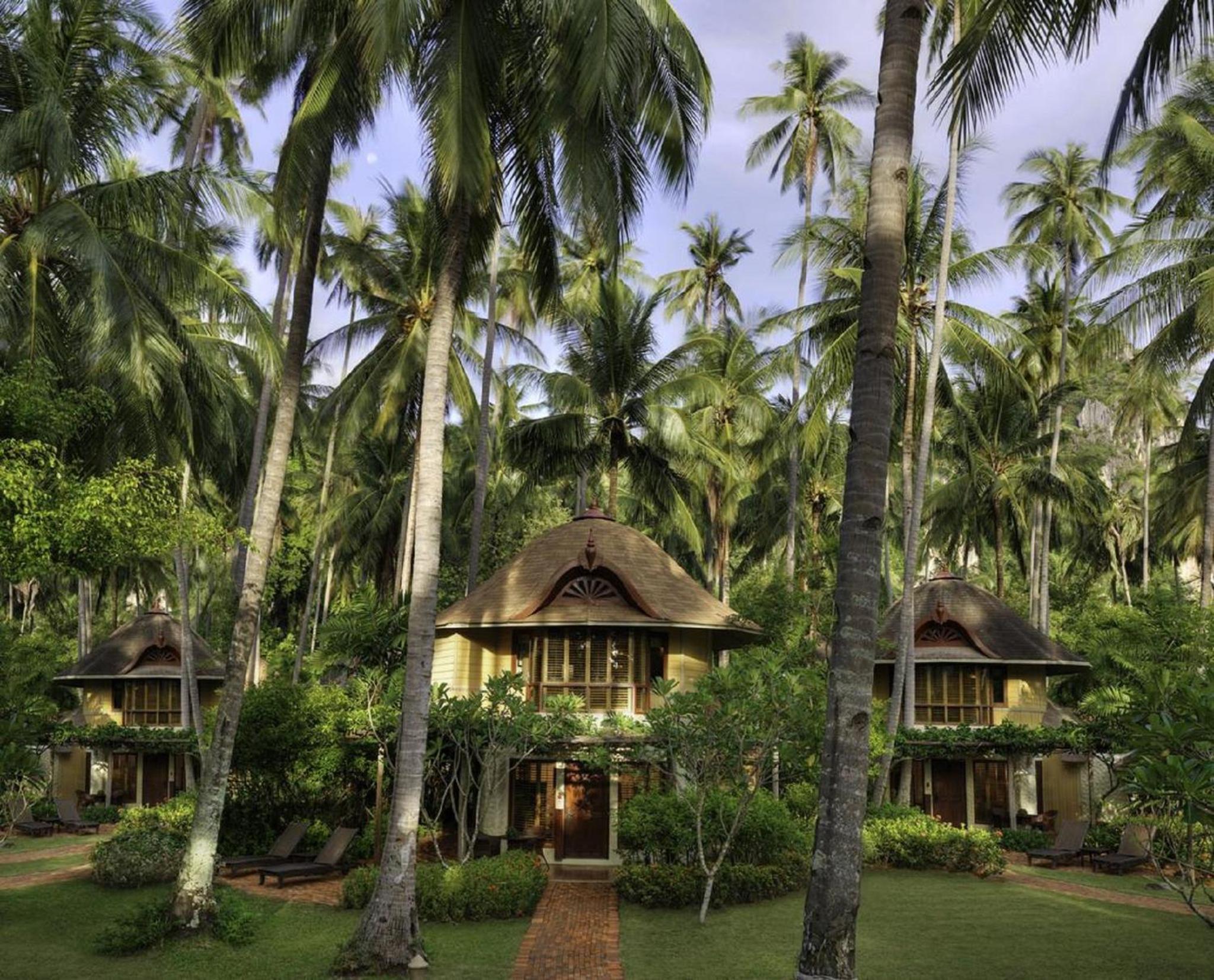
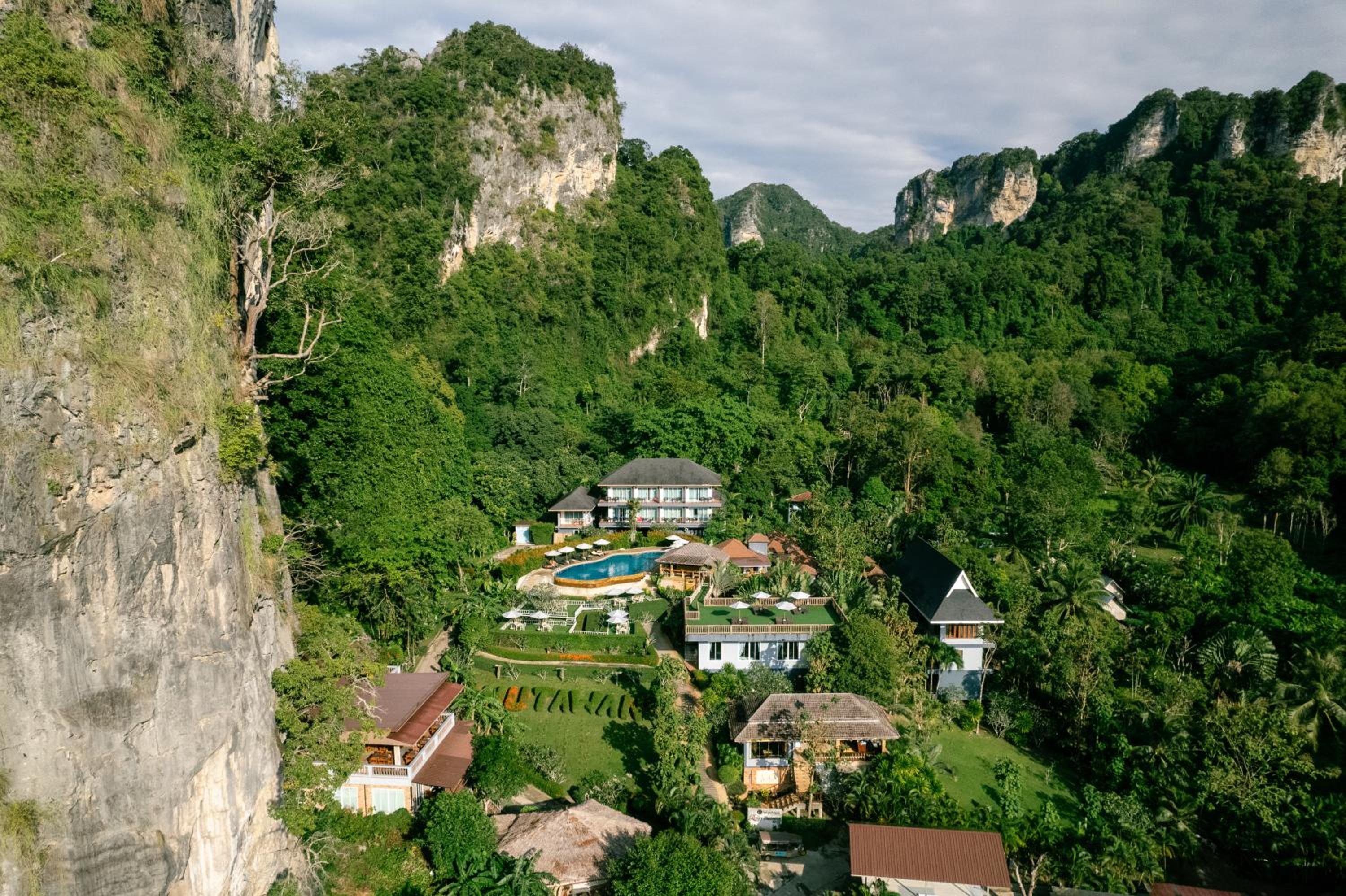
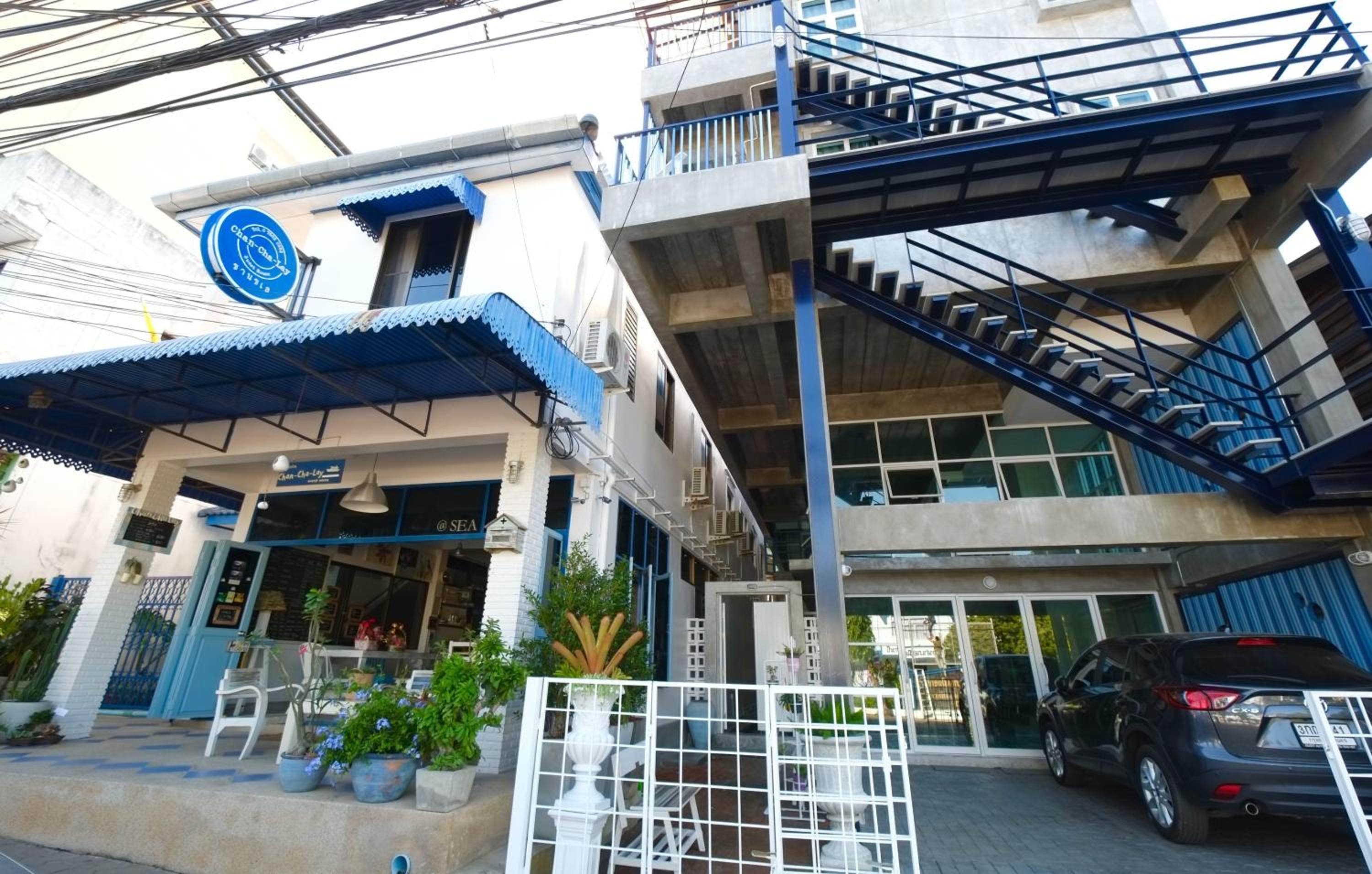
Dónde alojarse en Krabi
Quédate en Ao Nang a menos que hayas venido por los acantilados: tiene los barcos, los restaurantes y las conexiones de carreteras, y nada necesita ser arreglado. Railay es dos o tres noches para escaladores, con un barco para cada movimiento. La mayoría de la gente da a Krabi 3 noches en Stippl. Reserva con anticipación de diciembre a febrero, cuando las habitaciones y el transporte se ajustan; el resto del año recompensa la presentación.
Krabi Town
La capital de los albergues, dormitorios de €5 a €16 y hoteles simples de €15 a €40, la base de valor para una primera o última noche.
Ao Nang
Albergues de fiesta, habitaciones dobles presupuestarias alrededor de 29 €, y resorts de rango medio con desayuno desde 72 €.
Nopparat Thara
Resorts de baja altura y algunas casas de huéspedes junto a la playa del parque, €35 a €100, con noches más tranquilas.
Railay
Bungalós en Railay East desde €40 y los resorts de postal en Railay West €100 a €250.
Tonsai Beach
Bungalows de bambú solo con ventilador desde 12 € hasta resorts de villas a 130 €; paga aire acondicionado si duermes caliente.
Klong Muang & Tubkaek
Resorts de playa de gama alta con piscinas y spas, desde 120 €, con coche o taxi para cenar fuera.


Qué comer en Krabi
curry sureño suave y rico con raíces perso-indias, el plato que nuestras fuentes nombran dos veces como el que mejor hace esta costa
biryani de pollo tailandés-musulmán sureño, arroz con cúrcuma y cebolletas fritas, uno de los platos verdaderamente locales de la región
pan plano a la plancha, dulce con leche condensada o salado con curry; comida callejera tailandés-musulmán sureña en lugar de un plato turístico
esta es una costa de pesca y los precios lo muestran: peces enteros, gambas y calamares a la plancha al pedido
el mostrador de dulces del mercado: arroz pegajoso con mango, dulces de coco, plátanos a la parrilla
servido en la vaina con cacahuetes y arroz pegajoso, el puesto de firma del mercado nocturno
Descubre sitios para comer en Stippl
Encuentra restaurantes y mercados en el mapa, guárdalos en tu itinerario, también funciona sin conexión.
Costumbres de Krabi y qué no hacer
Un tercio de Krabi es musulmán
Concentrada en Ao Nang, Ao Nam Mao, el estuario Paknam y el extremo de Maharaj Road de la ciudad, y mayoritaria en Koh Lanta; la comida halal está por todas partes y algunos restaurantes no sirven alcohol.
El vestuario es playa versus pueblo
Los trajes de baño están bien en Ao Nang, Railay y las playas turísticas; cubre hombros y rodillas a través de pueblos, en el extremo de pueblo de pescadores de la ciudad y cerca de cualquier mezquita.
Phra Nang Cave es un santuario
Los falo de madera son ofrendas a la princesa-diosa por la que se nombra la playa, dejadas por pescadores para un paso seguro y por mujeres que esperan concebir; no es una broma fotográfica.
Tiger Cave es un sitio activo
Monjes y monjas se retiran allí desde toda Tailandia; hombros, pecho y rodillas cubiertos para hombres y mujeres, impuesto en la puerta, con sarongs gratis si llegas sin preparación.
Se espera negociación
En los mercados de Krabi Town una sonrisa hace el trabajo; recorre todo el mercado antes de comprar, y los precios del mercado nocturno ya son justos.
Sí
- Toma la primera lancha de cola larga de la mañana a Railay y Phra Nang
- Dile al barquero Tonsai al embarcar si ese es tu destino, o continúa a Railay
- Comprueba primero la marea: baja para la barra de arena Tup y Chicken y la caminata de Tonsai a Railay, alta para la Laguna Azul
- Lleva efectivo en billetes pequeños para lanchas, comida de mercado y tarifas de parques
- Lava el barro rojo de Railay antes de tu habitación; algunos hoteles cobran por la ropa de cama manchada
No
- Alimentar o acercarse a los macacos en Tiger Cave, en playa Tonsai o en el bosque urbano; una madre con crías es agresiva
- Trata las ofrendas de Phra Nang Cave como una broma fotográfica
- Sube pasando las barreras en el saliente de Khao Ngon Nak para una fotografía
- Asumir que el ferry de Krabi sale de la playa de Ao Nang; no es así
- Planifica un desembarque en Maya Bay en agosto o septiembre
Lo que cuesta un viaje a Krabi
Controla lo que gastas de verdad
Fija un presupuesto diario por país y registra gastos en cualquier moneda mientras viajas.
Curiosidades sobre Krabi
Krabi recibe su nombre de una espada encontrada cuando se despejó la tierra. Un krabi es un sable tailandés, y el emblema de la provincia todavía muestra dos de ellos cruzados sobre el mar.
Tonsai Beach no tiene muelle, carretera ni vehículos. Los ferries se detienen en aguas profundas y transfieren pasajeros a una lancha de cola larga, que te deja en la arena con tu bolsa sobre la cabeza.
The Shell Fossil Beach es un lecho de conchas de 25 a 40 millones de años. Susan Hoi, en la costa al sur de la ciudad, se dice que es uno de solo tres sitios así en el mundo.
No hay tigres en el Tiger Cave Temple. El nombre viene de huellas de tigre encontradas en la cueva y de un tigre que, en la leyenda, entró mientras el abad meditaba y no causó daño.
El récord de la escalera del Tiger Cave es de 10 minutos y 21 segundos. Fue establecido en abril de 2016 en el conteo anterior de 1.237 escalones, antes de que la renovación cambiara el número.
La piedra caliza aquí corroe el acero inoxidable. Es uno de los pocos tipos de roca en la tierra que causa grietas por corrosión por tensión en él, por eso los voluntarios han rebisagrado más de 700 tramos de escalada en titanio.
En la marea baja sale a la superficie una barra de arena entre Tup y Chicken Island. Durante un par de horas puedes caminar entre las dos islas sobre arena mojada, que es el cronometraje en el que se basan todos los tours de cuatro islas.
Consejos locales para Krabi
No hay muelle en Krabi
Klong Jilad sirve a los ferries de Lanta y Phi Phi, playa de Ao Nang y Ao Nam Mao las lanchas de cola larga de Railay, Nopparat Thara las cuatro islas. El incorrecto cuesta una mañana.
Reserva los ferries en línea
El contador del muelle ejecuta un cuarto a un tercio por encima de la tarifa en línea en la ruta Phi Phi. En el monzón los viajes se reducen a un bote matutino en lugar de detenerse; reserva ese.
El embarque es un desembarque mojado
Las lanchas de cola larga llegan a la playa en arena y en la marea baja vadeás hasta media pantorrilla, en Ao Nang y en Railay. Chanclas, una bolsa impermeable para la electrónica y ninguna maleta con ruedas.
Cuánto tiempo quedarse
La mayoría de la gente da a Krabi 3 noches en Stippl, divididas entre Ao Nang o Railay y un día en tierra. Railay no tiene carretera en absoluto, así que el último barco de regreso es temprano.
Una noche de amortiguación en el monzón
Railay y Tonsai son solo para barcos, y de mayo a octubre una mañana áspera puede significar que no hay barco de la península. Cualquiera con un vuelo reserva la última noche en tierra.
Los monos son el peligro principal
Los macacos en la escalera del Tiger Cave y en la playa de Tonsai toman gafas de sol, gorras, botellas y cualquier cosa que se sostenga en la mano. Bolsas cerradas, nada suelto, y nunca los alimentes.
Preguntas sobre Krabi, respondidas
Averigua a dónde quieres poder ir andando, porque la provincia tiene cuatro bases muy diferentes. Distribuye las noches en Stippl según los horarios de lanchas en lugar de según el mapa, ya que Railay no tiene carretera y todo allí llega en lancha de cola larga. Luego pregunta a personas que han estado en cada lugar, en subreddits como r/ThailandTourism o en grupos de Facebook.
Antes que la mayoría de Tailandia. Los viajeros dejan 81 días entre planificar una parada en Krabi en Stippl y presentarse, y la estación fría de noviembre a marzo es cuando casi todo el mundo llega. Railay se llena primero, porque no se puede construir mucho en una península que no tiene acceso por carretera.
Durante la mayor parte del año, aunque no en las condiciones que sugiere la fotografía. Maya Bay cierra completamente desde principios de agosto hasta finales de septiembre, y cuando está abierta desembarcas en un muelle al otro lado de la isla, caminas por un pasarela y vadas hasta la profundidad de la rodilla. Nadie nada allí ahora.
Lo dicen los planes: solo el 17,0% de las paradas en Krabi planificadas en Stippl son de una sola noche. Una noche te permite un día de lancha o la escalada de la Tiger Cave pero no ambas, y la provincia necesita al menos cuatro días una vez que cuentas las piscinas interiores, la península y una segunda ruta de isla.
En lancha de cola larga, y únicamente en lancha de cola larga. No hay carretera a la península, así que las lanchas salen de Ao Nang y del muelle Khlong Chilat en Krabi Town, y parten cuando se llenan en lugar de según un horario. Ten eso en cuenta en cualquier día en el que tengas un vuelo o un ferry que coger.
Más a menudo que en casi cualquier otro lugar del país: el 13,5% de los viajes que incluyen Krabi en Stippl lo planifican dos veces. Eso es el trabajo del centro de ferries, porque Phi Phi y Koh Lanta te devuelven a través de Krabi en lugar de llevarte a un lugar nuevo.
Cada guía la escribe la redacción de Stippl y se contrasta con los viajes que nuestros viajeros planean de verdad. ¿Has visto algo desactualizado? Cuéntanoslo.

Planifica Krabi en Stippl
Planificación día a día, alojamientos y presupuesto en una sola app, con cada lugar de esta guía ya en el mapa.
Descargar la app