

Hua Hin
Hua Hin is the sea three hours from Bangkok, built for families and six-month leases alike. Kitesurfing on flat shallow water, golf courses within reach, and grilled seafood by weight at the night market.
Hua Hin in a nutshell
Hua Hin: what to expect
Behind this are 1,756,000+ stops planned across Thailand on Stippl.
Hua Hin is the beach Bangkok drives to, which makes it a different kind of resort town from the islands. It sits three hours south of the capital by road or rail, so the crowd is largely domestic and the night market is the centre of the evening rather than any bar strip. Grilled seafood by weight is the thing everyone agrees on. Around the town are the teak stilt buildings of Mrigadayavan Palace, the macaque-covered headland at Khao Takiab and the old railway station with its royal waiting room. Most travellers give it 3 nights on Stippl.
Hua Hin barely appears on an international Thailand route, and that is most of the appeal. 0.37% of Thai stops planned on Stippl are in Hua Hin, a fraction of what the Andaman beaches take. What fills the town instead is weekend traffic out of Bangkok, which is why it is busiest on a Saturday and quiet in the middle of the week.
Three nights works, and the two best things are outside town. Ride out to Phraya Nakhon Cave early, because the climb is four hundred metres and steep and the light drops through the collapsed roof onto the royal pavilion between about ten and half past eleven. Kui Buri is an afternoon jeep circuit in one of the few Thai parks where wild elephants are reliably seen. Mrigadayavan Palace opens Friday to Sunday only, which catches most visitors out. Keep the evenings for the night market.
Plan Hua Hin in Stippl
Day-by-day planning, stays and budget in one app, with every place from this guide already on the map.
Download the appWho Hua Hin is for
Families
Shallow water, short transfers, resorts built for children and no need for a boat to reach anything.
Weekenders and long-stayers
The town is built for the three-night break and the six-month lease alike, which is why the services here outlast the season.
Kitesurfers
Reliable thermal and monsoon wind over flat shallow water, and schools that teach in it from the beach.
Golfers
Several full-length courses sit within reach of the town, one of the few Thai beach destinations where that is true.
Coffee travellers
An established specialty scene with year-round trade rather than a seasonal one, which is unusual for a Thai resort town.
Anyone short on time in Bangkok
Three hours each way makes a 3-night sea trip possible where the islands do not.
Maybe not for you: backpackers and solo travellers looking for a scene; anyone whose picture of Thailand is limestone and turquoise water; island-hoppers, since Hua Hin connects to nothing by sea; and swimmers in October and November, when the sea is at its roughest.
The best time to visit Hua Hin
Cool dry season
November to February
The peak: warm days, low humidity, almost no rain, full resorts and the highest prices. The sea can still be rough early in it.
Hot season
March to May
Building humidity, and the season the kitesurfing schools like best, because the thermal wind is steady and the water flat.
Green season
June to August
Genuinely underrated here: rain in short bursts, monthly totals low, and the rates fall.
Autumn monsoon
September and October
The wet part of the year and the one to avoid. October is the wettest month, the sea is rough and swimming bans are routine.
- Hua Hin is planned about 87 days ahead on Stippl, and more than a fifth of its plans are made inside a month. Three hours from Bangkok makes it the beach people decide on late, which works outside the December to February peak.
- The kitesurfing season is the hot season, March to May. Steady thermal wind over flat shallow water is what the schools are built on, so a lesson is a spring booking, not a winter one.
- The Jazz Festival is a royal-patronage event on the beach with dates that move year to year. Check them before booking around it; the beachfront hotels fill for the weekend.
Add your Hua Hin dates and we'll flag the weather
Stippl shows the season, crowds and prices for every stop on your route.
Describe your trip, get a Hua Hin itinerary in seconds
Everything in this guide is already in Stippl. Tell the planner how long you have and what you like: it builds the route, the days and the travel times, and you edit whatever you want.
Things to do in Hua Hin
The night market
Eat grilled seafood sold by weight from half past six on Dechanuchit Road, the thing every visitor does on the first night. Pick the fish, agree the price and sit at the plastic tables; about €10 a head.
Phraya Nakhon Cave
Climb four hundred metres to a collapsed cavern with a royal pavilion in the middle of it, lit through the roof between about ten and half past eleven. Forty minutes south in Khao Sam Roi Yot park, about €5, and a boat around the headland saves the first climb.
Mrigadayavan Palace
Walk the eighteen teak buildings on stilts and the open corridors of the seaside palace, about €1; it opens Friday to Sunday only, which catches most visitors out. Fifteen minutes north of town.
Wild elephants at Kui Buri
Take the afternoon jeep circuit in one of the few Thai parks where wild elephants are reliably seen, from about three when they come to the water. About €25 for the jeep, an hour south, and binoculars help.
Kitesurfing on flat water
Learn on the shallow, flat water north of town with consistent wind from October to April; the schools run three-day beginner courses for about €300. The water is knee-deep for a hundred metres out.
Khao Takiab
Climb the temple headland at the south end of the beach for the view back along the bay, and keep the bag zipped: the macaque troop takes anything loose. Free, and the seafood restaurants below it are the locals' choice.
The neighbourhoods of Hua Hin
The town centre
Night market, old pier, station
The night market, the old pier restaurants, the historic station and the busiest stretch of beach, everything walkable. For first visits and anyone who wants dinner on foot.
Everything walkable, and the busiest sand and the market crowd.
Khao Takiab
Monkey hill, local seafood
The headland four kilometres south: Monkey Hill and its temple, Hua Don beach and a quieter, more local seafood scene, with condos and resorts along the road. For longer stays and families who want a quieter beach.
A quieter beach and cheaper seafood, and a songthaew to the market.
Cha-Am
Cheaper, more Thai, the palace
Twenty-five kilometres north and in a different province: cheaper, far more Thai, a long beach of umbrellas and where Mrigadayavan Palace actually stands. For budget stays and a Thai weekend crowd rather than a foreign one.
Half the price and the palace, and a bus to Hua Hin's night market.
Pran Buri
Lagoon resorts, no town
Forty minutes south: lagoon-and-mangrove resorts on a quiet beach with no town to speak of. For couples who want the resort and the silence and have a car.
The quietest coast in the region, and the resort for every meal.
Khao Tao
Lake, beach, kitesurfing
Further south again: a lake, a beach and the kitesurfing water people actually rate, with a scatter of resorts and the flat water that made it. For kitesurfers and for anyone who wants the beach without a town.
The best kite water on the coast, and a car for anything else.
See every Hua Hin neighbourhood on one map
Save the areas you like and Stippl plots your days so you're not crossing the city twice.
Where to stay in Hua Hin
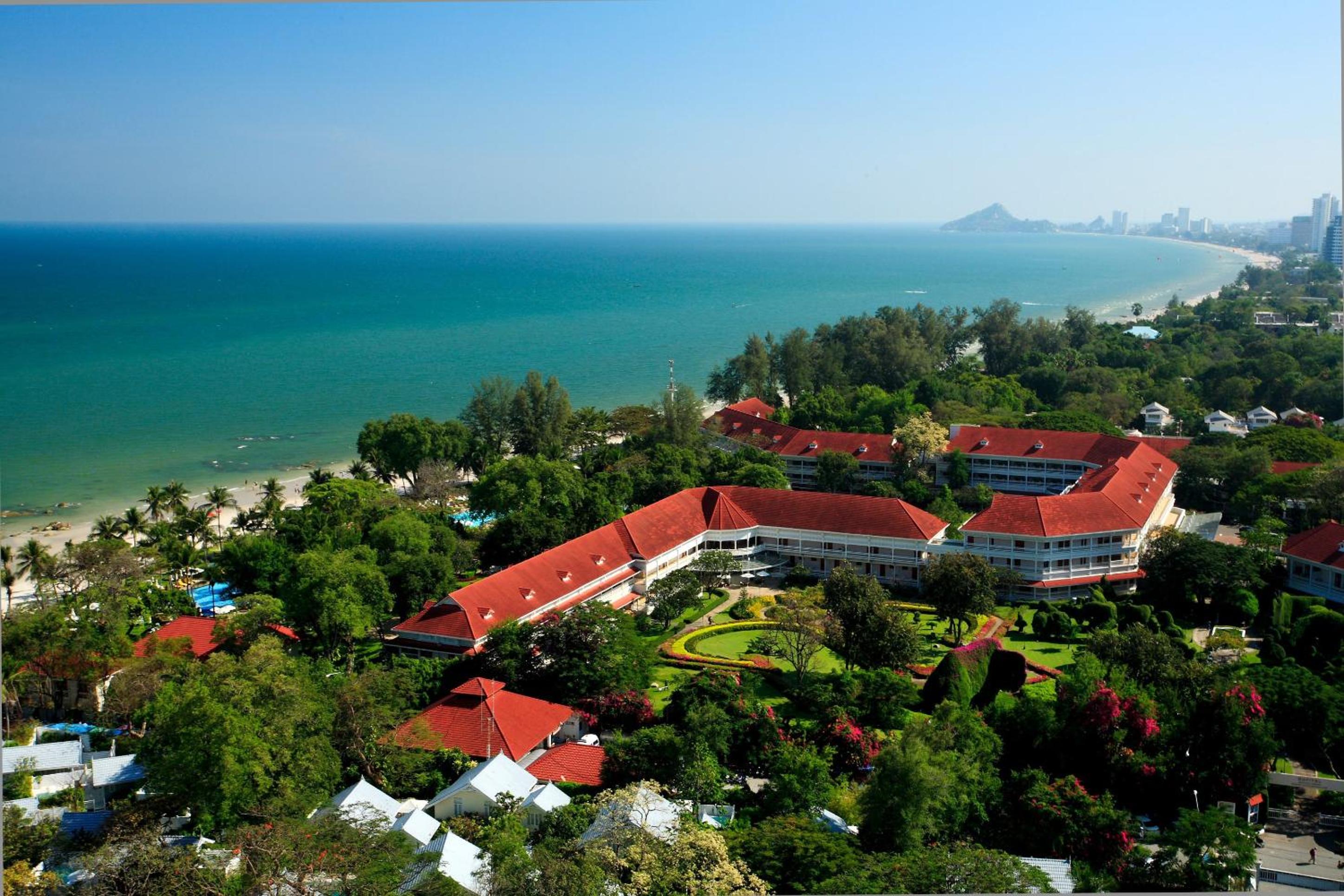
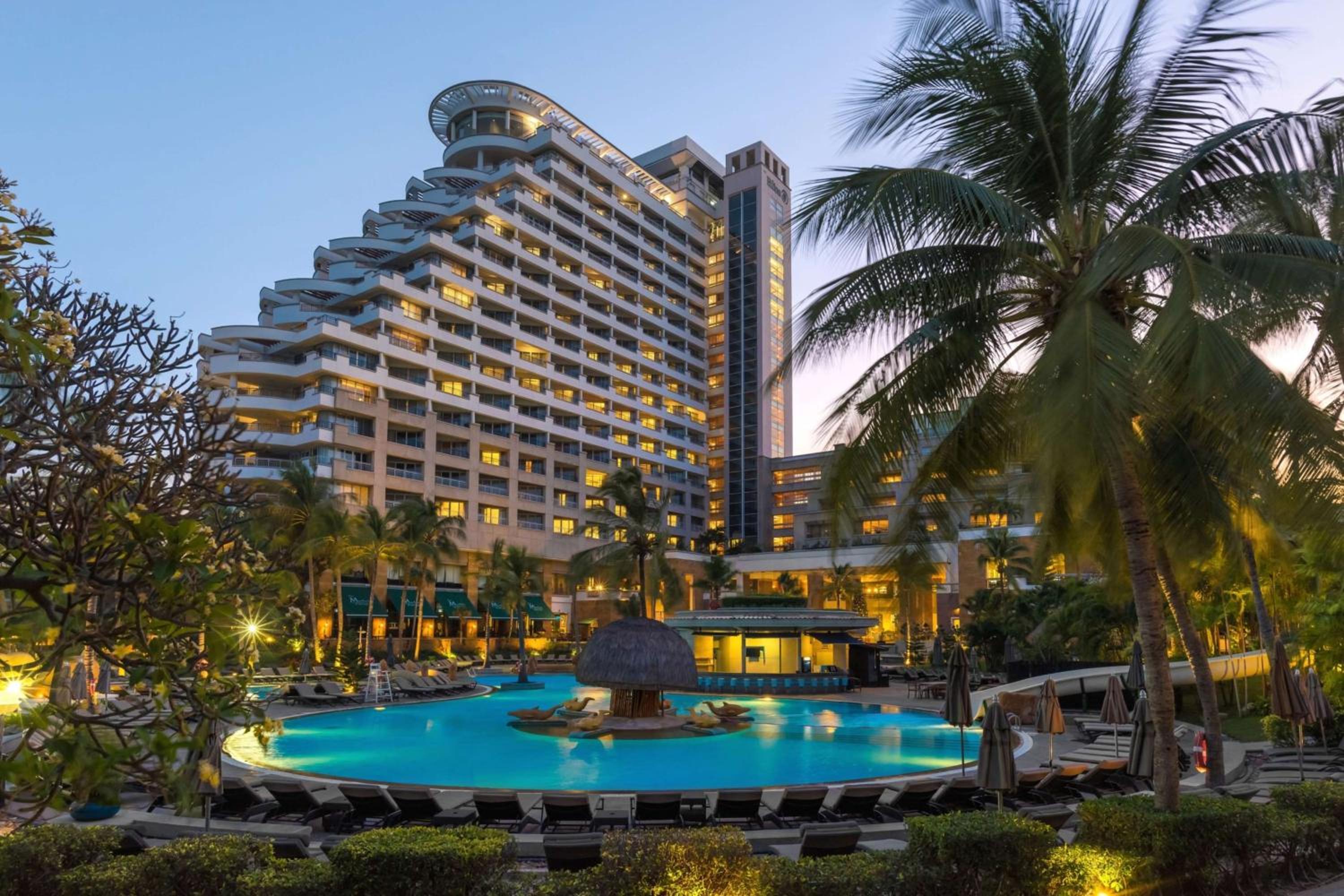
Stay in the town centre for a first visit, close enough to walk to the night market and the old pier restaurants, on the busiest stretch of the beach. Most people give Hua Hin 3 nights on Stippl. Book ahead for weekends rather than for the season: the market is Bangkok, so the demand curve runs weekly, and Friday to Sunday fills first.
The town centre
Beachfront resorts and hotels the length of the sand, €50 to €150, with a handful of hostels from €12.
Khao Takiab
Condos and mid-range resorts along the headland, €35 to €90, cheaper than the centre and served by songthaew.
Cha-Am
Resorts in the local style and family hotels, €25 to €70, with big weekend groups from Bangkok.
Pran Buri
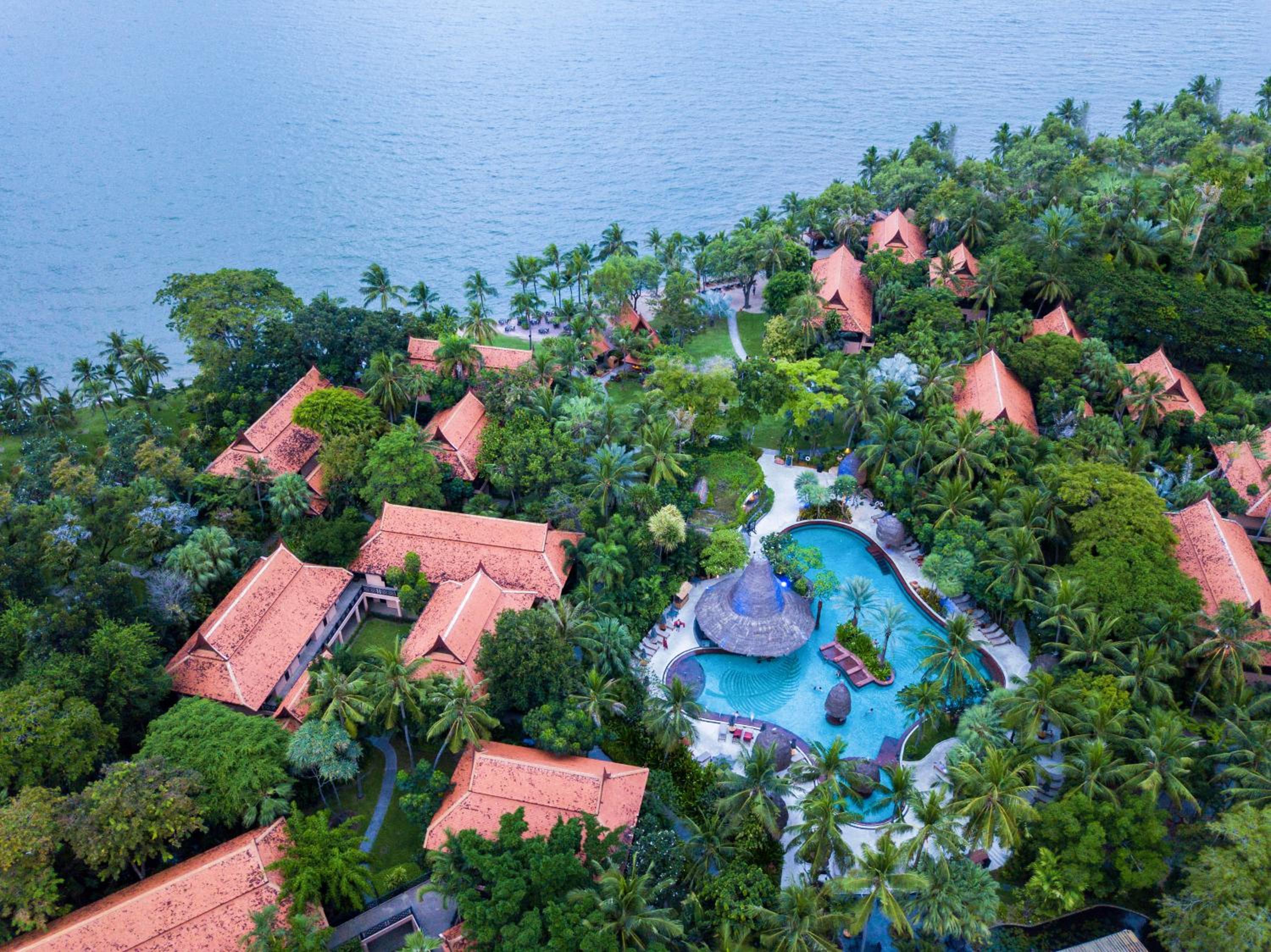
Lagoon and mangrove resorts with pools, €80 to €200, and effectively nothing else around them.
Khao Tao
A scatter of small resorts and kitesurf-friendly guesthouses, €30 to €80, at the flat-water end.


What to eat in Hua Hin
Green papaya salad with raw blue swimming crab: the local variant, not the Isaan one
Steamed blue crab, sold by weight
Grilled squid off the charcoal, a Gulf-coast staple
Scallops grilled in the shell with garlic and butter
Griddled sweet flatbread, the standard market dessert
Discover food spots in Stippl
Find restaurants and markets on the map, save them to your itinerary, works offline too.
Hua Hin customs and what not to do
Hua Hin is a royal town
A working palace stands in the town and another twelve kilometres north, and the monarchy is present here in a way it is not in an island resort; lèse-majesté is enforced.
Royal sites have a dress code
Mrigadayavan requires modest dress covering arms and legs, with sarongs to rent at the gate; Thursdays are reserved for school and university groups.
Khao Takiab is a temple hill
Wat Khao Takiab is a working temple with resident macaques; cover shoulders and knees, carry no visible food up the hill and keep the bag zipped.
Seafood is sold by weight
At the pier restaurants the fish is weighed before it is cooked; confirm the price per kilo first, and the night market stalls have it written up.
Do
- Cover shoulders and knees at both palaces and at Wat Khao Takiab
- Buy seafood by weight and confirm the price before it is cooked
- Book a Mrigadayavan visit in advance if your dates are tight
Don't
- Feed the macaques at Khao Takiab, or carry visible food or drink up the hill
- Go to the old railway station for a train; the new one is next door
- Assume the Andaman monsoon calendar applies here; this coast is driest in the Andaman's wet season
What a Hua Hin trip costs
Budget
€20–30
Hostel or guesthouse off the beach road, market food, local bus.
Mid-range
€55–90
Beachfront mid-range hotel, restaurant meals, a rented scooter.
High-end
€180+
Resort or heritage hotel, golf, spa, private transfers.
Track what you actually spend
Set a daily budget per country and log expenses in any currency while you travel.
Fun facts about Hua Hin
The name Hua Hin means stone head. The name comes from the rock formation at the northern end of the beach, where the fishing pier now stands.
Mrigadayavan Palace was designed open-air for a medical reason. King Vajiravudh had rheumatoid arthritis, so the Italian architect laid out eighteen teak buildings on stilts with through-corridors for the sea breeze.
The palace stands inside a working military camp. Access is through the gate of the Rama VI Camp, which is why visitors are asked for identification at the entrance.
The old station served for 112 years before the new one opened 20 metres away. The royal waiting room beside it was moved here from Sanam Chan Palace rather than built for the site.
Hua Hin was Thailand's first beach resort, and the railway made it. The line reached the town in the 1920s and the court followed, which is why it has palaces and a grand hotel but no backpacker quarter.
Kui Buri is one of few places in Thailand where wild elephants are reliably seen. The national park an hour inland also has leopard and Asiatic black bear, and the elephants come out to the grasslands in the late afternoon.
Local tips for Hua Hin
The train is no longer slow
The dual-track line cut the Bangkok run to about three hours, the same as the bus and more comfortable. Any article that calls it slow is out of date.
The old station is a monument
Trains stopped calling there in December 2023 and now use the new elevated station beside it, three storeys up. Photograph the old one; buy the ticket at the new one.
The centre walks, the rest not
The night market, the beach and the station are all on foot. Khao Takiab, the palaces and the parks need a songthaew, a taxi or a scooter.
How long to stay
Most people give Hua Hin 3 nights on Stippl, a beach stop rather than a base: the night market, one day at Khao Sam Roi Yot and a morning at the palace.
Khao Takiab's monkeys bite
The macaques on the temple headland snatch and nip, and a bite needs a proper wash with soap and a clinic the same day. Nothing loose in the hands on the climb.
Red flags mean no swimming
The municipality closes the beach in the northeast monsoon from mid October and enforces it. In the jellyfish months from August, swim inside the stinger nets and treat a sting with vinegar, not water.
Hua Hin questions, answered
If you are travelling south overland, yes. The town sits three hours from Bangkok on the road and rail line to the peninsula, and only 17.84% of Hua Hin stops planned on Stippl are a single night, so people who do stop tend to stay. Lay the southbound leg out in Stippl and see where the nights fall.
Few, by Thai standards: 0.37% of Thai stops planned on Stippl are in Hua Hin. The town is mainly a domestic weekend destination rather than an international one, which is why it reads less like a resort strip and more like a working seaside town with a very good night market.
The best of it is outside town. Phraya Nakhon Cave is a steep four-hundred-metre climb to a collapsed cavern lit through the roof, Kui Buri is one of the few Thai parks where wild elephants are reliably seen on an afternoon circuit, and Mrigadayavan Palace is eighteen teak buildings on stilts. In town, the night market and the railway station.
Early enough to be inside between about ten and half past eleven, which is when the light comes through the collapsed roof and lands on the royal pavilion. The climb is four hundred metres and steep, and the cave is reached on foot or by boat from Bang Pu. Go on a clear day, because the whole thing needs direct sun.
It is one of the better places in the country to learn. The water is shallow and flat, the wind holds steady through the dry season, and the schools along the beach are set up for complete beginners rather than for people who already ride. Lessons run through the cool months.
Travellers leave 87 days between planning a Hua Hin stop on Stippl and arriving, close to three months, while a fifth of stops go in within a month of the trip. That second pattern is the town working as a flexible night on the way south rather than a place people build a trip around.
Every guide is written by the Stippl editors and checked against the trips our travellers actually plan. Spotted something out of date? Let us know.

Plan Hua Hin in Stippl
Day-by-day planning, stays and budget in one app, with every place from this guide already on the map.
Download the app