
Kandy
Kandy is where the cultural half of a Sri Lanka trip makes sense, with the temple and the kingdom's story in one square kilometre. The evening puja, drumming and oil lamps, is the one to queue for.
Kandy in a nutshell
Kandy: what to expect
We looked at how travellers actually plan Kandy on Stippl, across 253,000+ planned stops in Sri Lanka.
Kandy was the last independent kingdom on the island, and it still holds the relic that decided who ruled it. The Temple of the Sacred Tooth is the reason the city has the shape it does, and the relic chamber opens only during the three daily pujas. The lake at the centre is artificial, dug by the last Kandyan king in 1807, and walking round it is what the town does in the evening. Peradeniya's botanic gardens are fifteen minutes west, and Udawattakele, the only urban rainforest reserve in the country, is directly behind the palace.
Kandy is the hinge of a Sri Lanka trip rather than a stop on one. Two trips in three that carry Sri Lanka carry Kandy, and those trips hold twice as many Sri Lankan stops as the ones that skip it. Almost nobody passes through without sleeping, and almost half sleep exactly once. Most travellers give Kandy 1 night.
So take that night, and a second if you want the hills. The temple, the lake and the markets are walkable and everything else is not: the gardens want two hours on their own, and the Knuckles range is an hour east. At 500 metres you are three degrees cooler and noticeably less humid than the coast, which is the first thing you notice on arrival. Skip Kandy if you came for beaches or a night out, because it is a religious city and it goes quiet early.
Plan Kandy in Stippl
Day-by-day planning, stays and budget in one app, with every place from this guide already on the map.
Download the appWho Kandy is for
First-timers
Kandy is where the cultural half of a Sri Lanka trip becomes legible, and it is the 3rd most-planned stop in the country.
History and religion travellers
The temple, the palace complex and the Kandyan kingdom's whole story sit in one square kilometre.
Walkers
Udawattakele, the lakeside circuit and the Knuckles range an hour away cover a gentle stroll to a proper day out.
Rail travellers
Kandy is the boarding point for the hill-country journey, when the line is whole.
Maybe not for you: beach and nightlife seekers, since it is a religious city that goes quiet early; and anyone planning to base here, because half of all Kandy stops are a single night on the way between the coast and the hills.
The best time to visit Kandy
The dry window
January to March
Cool, clear and the easiest walking weather in the country.
The first monsoon
April to June
The hottest month and the arriving rain, together.
The dry gap and the festival
July and August
Drier than either side, and the Perahera in the second half of the summer.
The second inter-monsoon
October to December
October and November are the wettest of the year.
- The Esala Perahera fills the city for ten nights in July or August, on the lunar calendar. Drummers, dancers and caparisoned elephants carrying the relic casket, the streets closed for the processions and the rooms gone months ahead.
- Poya days matter more here than anywhere. The Temple of the Tooth is at its busiest on the full moon, alcohol is not sold, and the evening puja queue doubles; it is the day to be inside the temple and the day to book ahead.
- Kandy is planned about 68 days ahead on Stippl, and 14.4% of its plans are made inside a fortnight. That works in every month but the Perahera.
- The hill-country train boards at Kandy only when the line is whole. Check whether the Kandy to Ella stretch is running before you plan the day; when it is not, the leg starts further up the line.
Add your Kandy dates and we'll flag the weather
Stippl shows the season, crowds and prices for every stop on your route.
Describe your trip, get a Kandy itinerary in seconds
Everything in this guide is already in Stippl. Tell the planner how long you have and what you like: it builds the route, the days and the travel times, and you edit whatever you want.
Things to do in Kandy
The Temple of the Tooth
Visit the golden-roofed temple holding Buddhism's most revered relic, about €6, open from half past five in the morning; the relic chamber opens only during the pujas. Shoulders and knees covered, shoes off, and the queue moves.
An evening puja
Go to the half past six puja, with drumming, oil lamps and the queue past the relic chamber, the service every visitor describes. Be inside by six for a place near the front.
The Royal Botanic Gardens
Spend two hours in the sixty hectares at Peradeniya, fifteen minutes west, with the royal palm avenue and the giant Java fig, about €9. The orchid house and the bat colony are the two stops.
A Kandyan dance show
Take the hour of drumming, dance and fire-walking at five every day at the Kandy Lake Club or the YMBA hall, about €7. Touristy, and the drumming is the real thing.
Walking the lake
Circle the reservoir made in 1807 in under an hour, the town's own evening habit, free. The temple side is lit after dark and the far side is quiet.
The Knuckles range
Hike an hour east in the Knuckles, the reason to give Kandy a third night: cloud forest, tea and the villages above Rangala, about €30 with a guide for the day. The Mini World's End walk is the short version.
The neighbourhoods of Kandy
City centre
Temple, market, both stations
The compact core around the Temple of the Tooth, the market and the shopping centre: walkable, noisy, and where a one-night stay belongs. For first visits and budget travellers.
The temple and both stations on foot, and the traffic and the horns.
The lake and the forest
Lakeside walk, quiet half
The lakeside walk and the forest reserve behind the palace, the city's quiet half minutes from its loudest, with guesthouses on the hill above the water. For couples and for the view from the balcony.
The lake and the quiet, and a climb home from town.
Peradeniya
Gardens, university, river bend
Five kilometres west: the botanical gardens, the university and the river bend, with mid-range hotels along the road. For families and for the gardens at opening.
The gardens at the door, and a bus or a tuk-tuk to the temple.
Katugastota
Riverside suburb, local prices
A riverside suburb north of the centre, cheaper and more local, with homestays and small guesthouses. For budget travellers who want the city at Sri Lankan prices.
Local prices and a river, and twenty minutes to the temple.
See every Kandy neighbourhood on one map
Save the areas you like and Stippl plots your days so you're not crossing the city twice.
Where to stay in Kandy
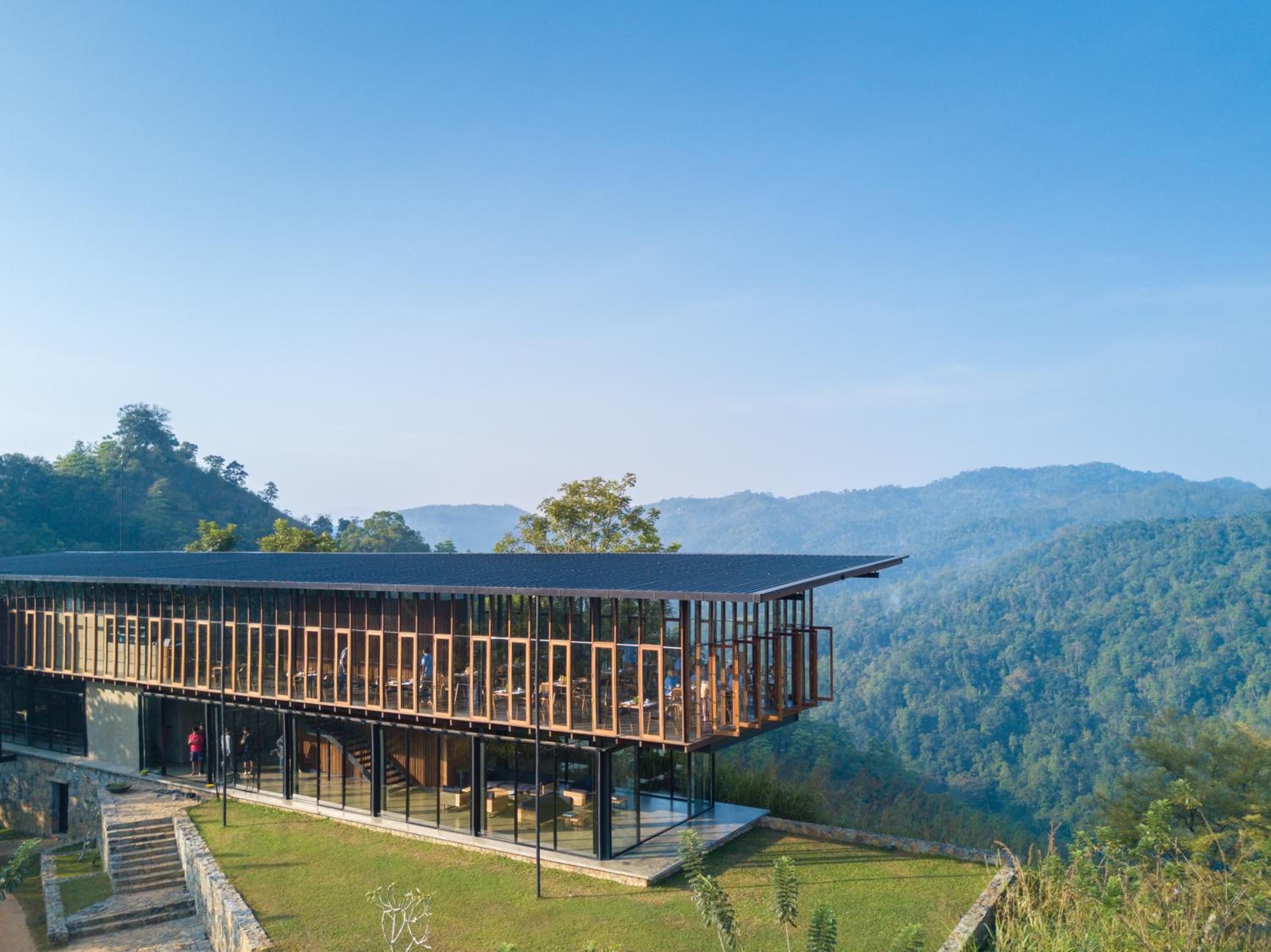
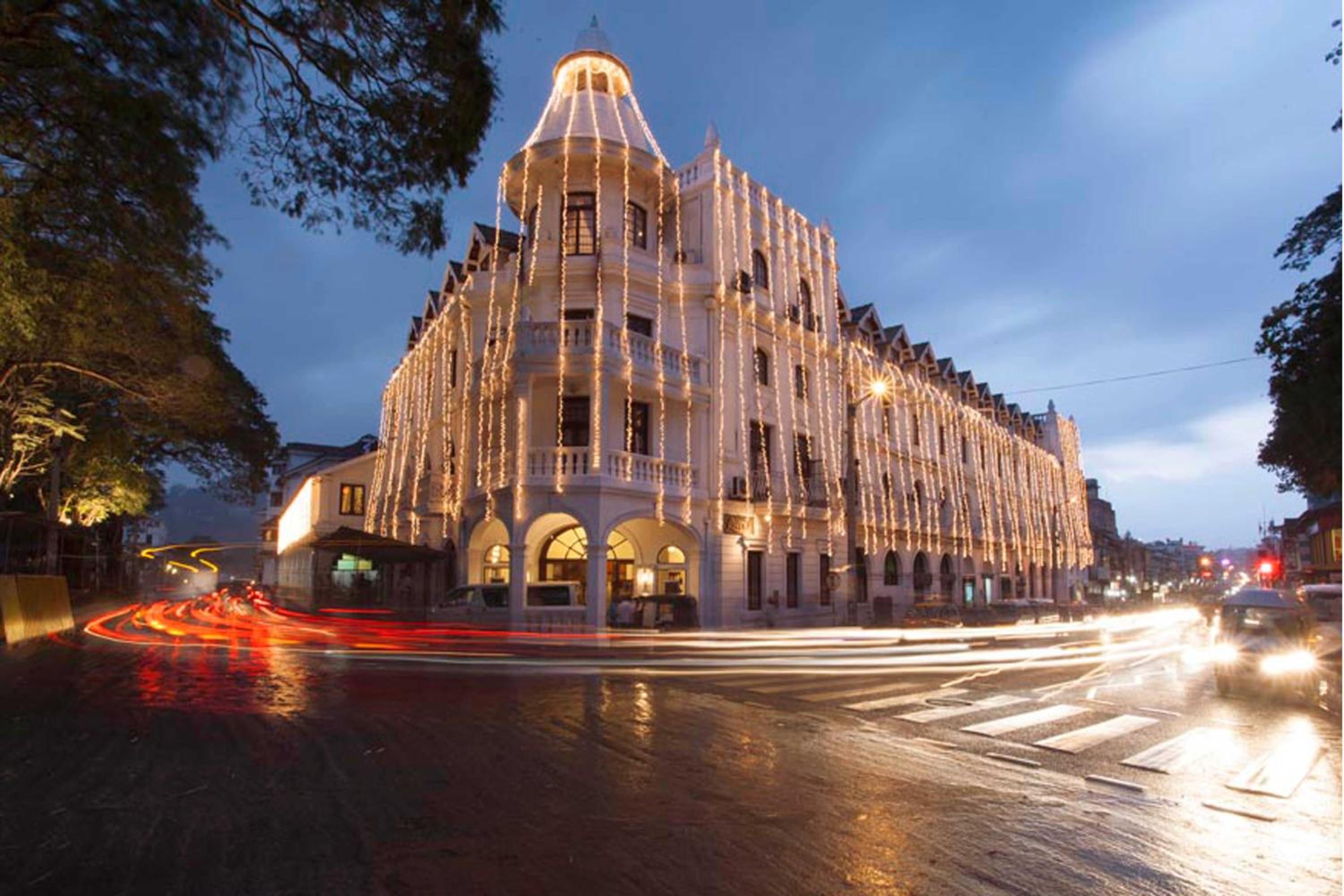
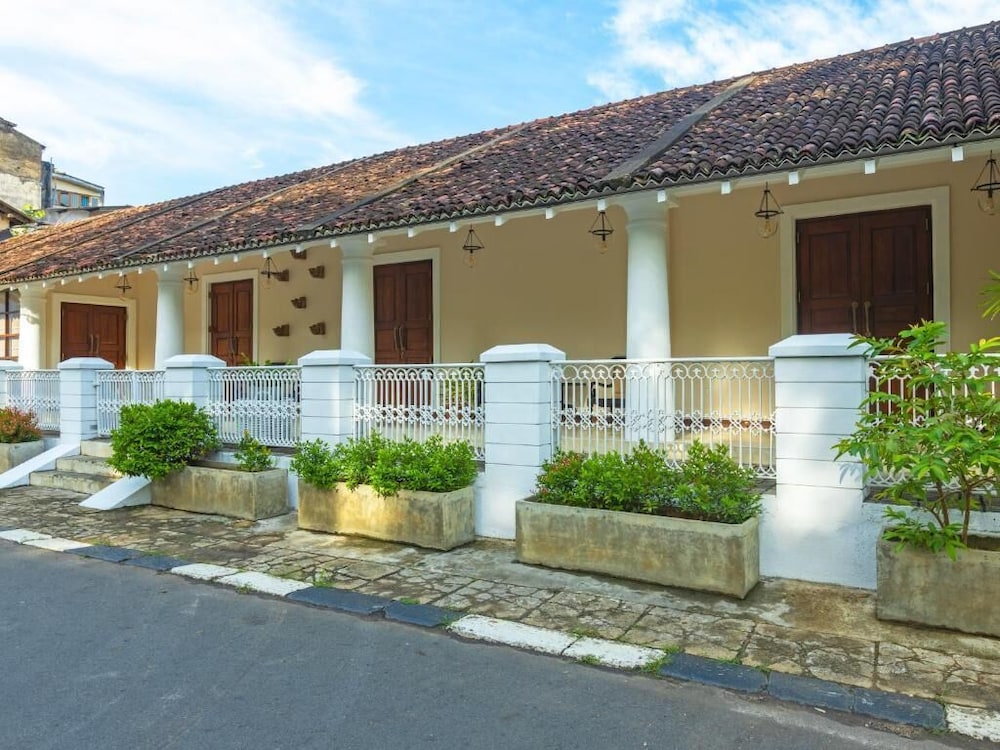
Stay in the city centre for one night, next to the temple, and on the hills above the lake for two, where the view costs a tuk-tuk each way. A hotel here runs about €66.06 a night in what travellers log. Book far ahead for the Esala Perahera, ten nights in July or August when the whole country comes to Kandy.
City centre
Hostels with dorms €7 to €12 and mid-range hotels by the lake, €30 to €80, noisy until late.
The lake and the forest
Guesthouses and boutique villas on the hill above the water, €35 to €120, with the view from breakfast.
Peradeniya
Mid-range hotels along the river road, €40 to €90, and the rainforest resorts with pools over the trees from €120.
Katugastota
Homestays and small family guesthouses on the river, €15 to €40, cheaper and more local.


What to eat in Kandy
The full spread, and hill-country versions lean on jackfruit and greens
Chopped flatbread stir-fried on a hot plate
Bowl-shaped rice pancakes, plain or with an egg
Buffalo curd with kithul palm syrup
The hill country starts here
Discover food spots in Stippl
Find restaurants and markets on the map, save them to your itinerary, works offline too.
Kandy customs and what not to do
The gate checks the dress code
Shoulders and knees covered at the Temple of the Tooth and it is checked at the door, not politely suggested; carry socks, the stone courtyard gets hot by nine.
You need no temple guide
Whatever the men at the entrance say, the guide is not compulsory and the temple is signposted; a firm no thank you and walk on.
Never turn your back on one
Posing with your back to a Buddha image is a genuine offence here, and the temple staff act on it; face the statue, and no photographs in the relic chamber.
The Perahera is a procession
Standing room along the route is free and the paid seating is sold from balconies; the elephants are in it, and their welfare is a live question in the town.
Do
- Time the temple visit to a puja; the relic chamber is closed otherwise
- Cover shoulders and knees, and carry socks
- Book a room months ahead if your dates touch the Perahera
Don't
- Hire the compulsory guide at the temple gate
- Photograph yourself with your back to a Buddha image
- Visit the elephant orphanages sold as sanctuaries near Kandy
What a Kandy trip costs
Track what you actually spend
Set a daily budget per country and log expenses in any currency while you travel.
Fun facts about Kandy
Kandy held out for three centuries after the coast fell. The Portuguese and the Dutch never took it, and the British only in 1815, which is why its dance and architecture read differently from the coast.
Whoever holds the tooth relic holds the right to rule. That is why the Temple of the Tooth is a palace complex and not just a shrine, and why the relic has moved with every capital.
Kandy Lake is not a natural lake. The last Kandyan king had it dug in 1807, and the forced labour cost him popular support eight years before the British took the city.
Udawattakele is the only urban forest reserve in Sri Lanka. The 104 acres of forest sit directly behind the royal palace, with monkeys, hornbills and a walk that starts in the town.
Kandy is the most literal overnight stop in Sri Lanka. 48.31% of planned stops here on Stippl carry exactly one night, more than anywhere else in the country.
Kandy sits at about 500 metres in the hills. That makes it cooler and less humid than anywhere on the coast, and the UNESCO sacred city listing dates from 1988.
Local tips for Kandy
The Colombo train runs
Colombo to Kandy is the line that runs end to end, three hours for about €3 in reserved second class. Seats open thirty days ahead and sell out; board at Peradeniya on the way back.
Onward is Nanu Oya, by road
The line south of Kandy is still being repaired after the cyclone, so the famous stretch is boarded at Nanu Oya, two hours by car for about €40. Do not assume a train from Kandy.
Most people stay one night
48.31% of stops are a single night: the temple and the evening puja, then the hills. Two adds the gardens and a Knuckles day, and Kandy is where a Sri Lanka trip doubles in size.
Skip the temple touts
The official guides at the entrance are unnecessary and persistent; the audio guide inside is about €1. Covered shoulders and knees, shoes off, and the queue moves.
Monkeys take bags
Around the lake and in the forest reserve they take food and bags. Nothing loose, and the town's pavements are not calm either; walk the lake side.
Perahera crowds run late
In the festival fortnight the processions go until after midnight and the streets are dense. Book the room by spring, take a seat on the route, and keep the bag in front.
Kandy questions, answered
Between the cultural triangle and the hills, as the hinge of the whole route. Kandy carries 8.46% of everything planned in Sri Lanka on Stippl, and almost every circuit passes through it. Put one or two nights into Stippl and treat the onward leg into the hills separately.
One or two nights. 1 night is the normal stay in the Kandy stops planned on Stippl, which covers the Temple of the Tooth at a puja and a walk round the lake. A second night buys the botanical gardens at Peradeniya and a kandyan dance evening.
For most people, and it is what 48.31% of Kandy stops planned on Stippl come to. The Temple of the Tooth is the reason to be here, and its inner chamber only opens during the three daily pujas, so the trick is timing rather than duration. Aim for the evening one.
You cannot see the relic itself. The chamber that holds it opens during the three daily pujas and you file past the doorway with everybody else. Aim for the evening puja, dress with shoulders and knees covered, and leave your shoes at the gate. It is a working shrine before it is a sight.
Over ten nights leading up to the August full moon, with the grandest procession on the last of them. The dates shift each year with the lunar calendar, so check them before you book anything. Rooms in Kandy sell out months ahead and rates multiply for that week.
By about three degrees, and noticeably less humid, because it sits around five hundred metres up in a bowl of hills. It is not cool the way Ella and Nuwara Eliya are cool. Treat it as the first step of the climb rather than as the relief itself.
Every guide is written by the Stippl editors and checked against the trips our travellers actually plan. Spotted something out of date? Let us know.

Plan Kandy in Stippl
Day-by-day planning, stays and budget in one app, with every place from this guide already on the map.
Download the app