

Tortuguero
Tortuguero has no road: you arrive by boat or plane, and there are no cars in the village. The beach in front of it is the largest green turtle nesting site in the hemisphere.
Tortuguero in a nutshell
Tortuguero: what to expect
87,000+ stops in Costa Rica have been planned on Stippl. Here is what they say about Tortuguero.
Tortuguero is the most important green turtle nesting beach in the western hemisphere, and there is no road to it. The village sits on a sandbar a kilometre long, sea on one side and canal on the other, with no cars on it. Salt water and fresh water meet here, which is why the wildlife is as dense as it is: green macaws, spider monkeys, caimans and the West Indian manatee. A canoe at six reaches channels the motorboats cannot, past caimans, howler monkeys and herons. The Jaguar Trail runs through mud parallel to the beach, and Cerro Tortuguero looks back over the canals from an extinct volcanic hill north of the village.
Tortuguero is the most prescribed stop in Costa Rica. More than half of the stays here are exactly two nights and almost all the rest are one or three, which is the tightest distribution we measure in the country, because the boat runs to a timetable and the lodges sell the package. It is also the only destination here whose busiest month is a wet one, and the turtles are the reason.
Book a park-certified guide for the nesting beach, and 2 nights to fit it in. No cameras, no phones and no torches: a screen alone turns a female back into the sea. Hire the boots for the Jaguar Trail. And do not come for a beach holiday, because you cannot swim here and this coast has no dry month.
Plan Tortuguero in Stippl
Day-by-day planning, stays and budget in one app, with every place from this guide already on the map.
Download the appWho Tortuguero is for
Anyone wanting a turtle nest
Tortuguero is the place, and the season is fixed, and most people give it 2 nights to see it.
Wildlife travellers generally
The canals deliver monkeys, caimans, iguanas and birds at close range on any morning of the year, in or out of turtle season.
Anyone who wants the journey
Bus, then boat, then jungle: the way in is the point, and there is no road to pass through on.
Walkers, with boots
The Jaguar Trail runs parallel to the beach through forest where mud is the defining feature, and Cerro Tortuguero gives the view over the canals and the sea.
Maybe not for you: beach holidays, since you cannot swim here; anyone who needs to stay dry, because this is one of the wettest places in Costa Rica and there is no dry month; and anyone hoping to drift through, as almost nobody arrives without a booking.
The best time to visit Tortuguero
Least wet months
February and March
There is no dry season here, only a less wet one: the canals at their calmest, the leatherbacks starting to nest and the lodges quieter. The Caribbean is not on the Pacific's calendar.
Green turtle season
July to October
The reason the village exists, and the wettest stretch of the year with it. The night walks to the nesting beach run every evening and the hatchlings start running for the sea from September.
Wettest months
November to January
November is the wettest month of the year and the canals are high and fast. The hatchlings are still emerging into early December; the birding is at its best.
- January is the month most travellers plan Costa Rica for on Stippl, and Tortuguero is planned about 84 days ahead, the longest lead of the ten we cover. The lodges sell as packages with the boat, and the packages are what set the lead.
- Green turtles nest July to October, leatherbacks March to May, and the two seasons have different weather. The greens come in the wettest months and in the largest numbers; the leatherbacks come in the least wet, in far smaller numbers.
- The nesting beach is closed at night without a licensed guide. The village runs the night walks in the nesting months, in small groups and without torches; the tour is booked at the lodge or in the village that afternoon.
- Tortuguero has no road, and the boat is the only way in. The launches from La Pavona run to a schedule and the canal is closed in a storm; a plan with a flight the next morning needs a night in San José first.
Add your Tortuguero dates and we'll flag the weather
Stippl shows the season, crowds and prices for every stop on your route.
Describe your trip, get a Tortuguero itinerary in seconds
Everything in this guide is already in Stippl. Tell the planner how long you have and what you like: it builds the route, the days and the travel times, and you edit whatever you want.
Things to do in Tortuguero
 Photo by Koen Swiers via Pexels
The turtle nesting tour
Take the night tour in season with a park-certified guide to a designated stretch of beach, about €30, with no cameras, phones or torches; a screen is enough to turn a turtle back. July to October for the greens.
A canoe at six in the morning
Take three hours through the narrow canals with a guide paddling, about €25, on water the motorboats cannot reach: caimans, herons, monkeys and the river otter if you are lucky. The best hour in the park.
The Jaguar Trail
Walk the trail from the ranger station parallel to the beach through the forest, with mud as the defining feature; hire the rubber boots in the village for about €2. Two hours, and the park ticket is about €15.
A night walk
Take the two-hour walk in the forest from six, about €25, for red-eyed tree frogs, snakes and spiders. Only outside the turtle-nesting season.
Cerro Tortuguero
Take the boat and climb the extinct volcanic hill north of the village for the viewpoint over the canals and the sea, about two and a half hours and a separate park sector, about €20 with the boat. Mornings.
The village
Walk the kilometre of unpaved street with its painted houses, no traffic and the canal on one side, and stop at the Sea Turtle Conservancy centre, about €2, run by the organisation that has counted these turtles since the 1950s.
The neighbourhoods of Tortuguero
The village
Car-free street, cheaper rooms
The main street, the ranger station, the restaurants, the tour kiosk and the cheaper rooms, everything walkable on a kilometre of car-free sand. For budget travellers and for the village's own guides.
The guides and the kiosk on foot, and rooms that are a bed and a fan.
The lodges across the canal
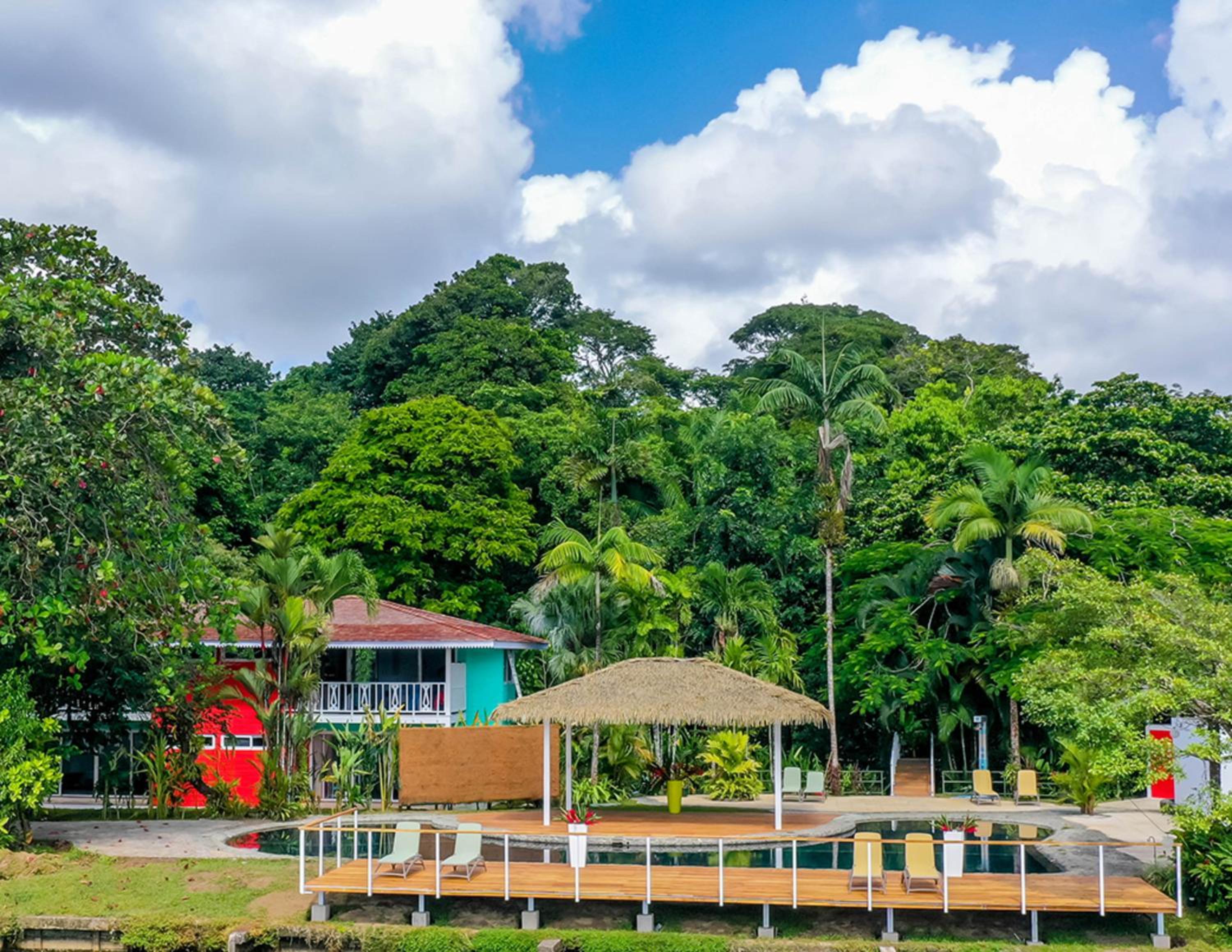
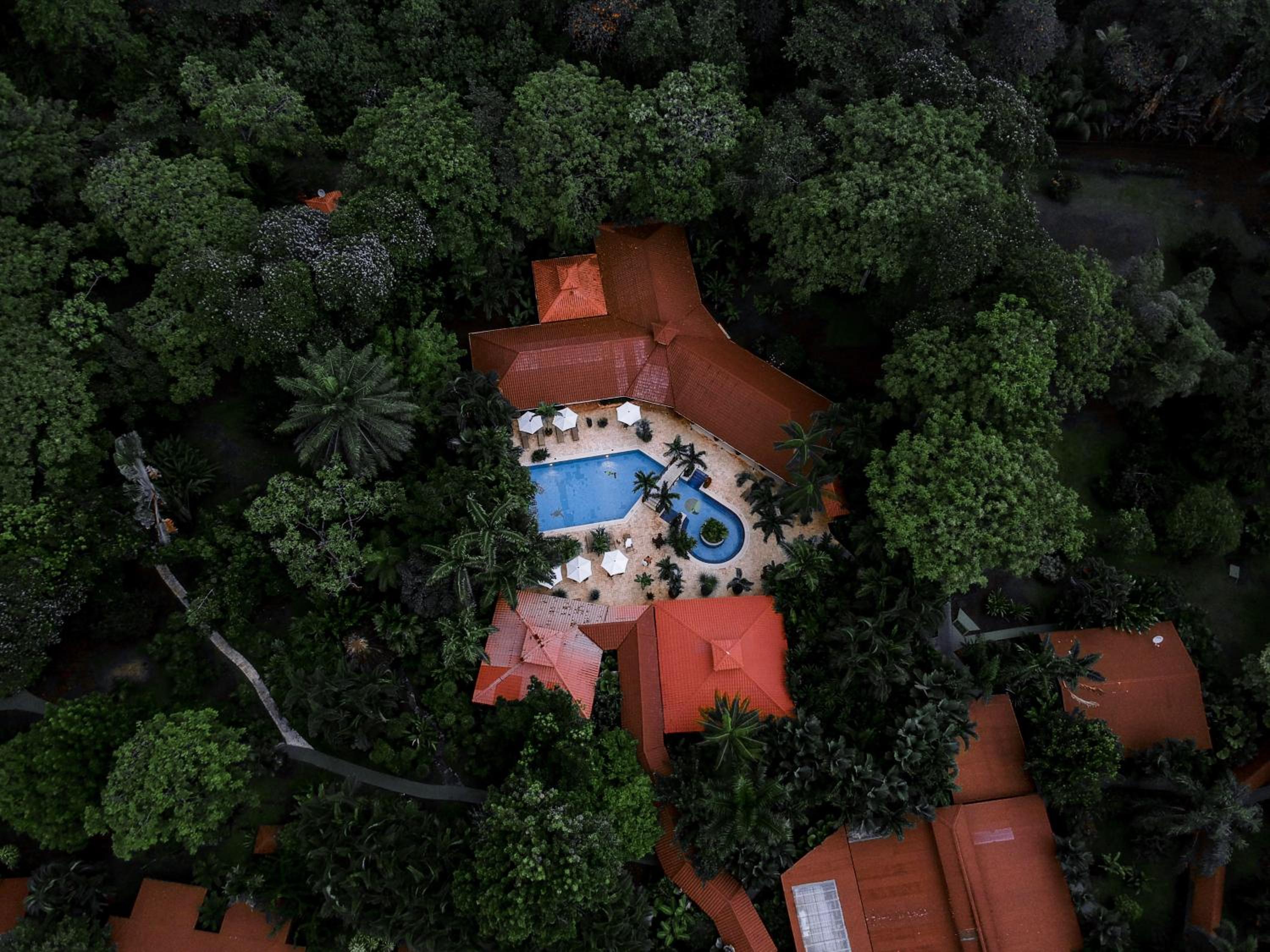
Boat access, packages, pools
Boat-access lodges on the far bank and north of the village: packages, pools, gardens and a boat every time you want a beer in town. For families and for the all-in-one price.
Everything included and a pool, and a boat for the village.
The beach side
Rooms toward the sea
The guesthouses on the ocean side of the village strip, a two-minute walk from the turtle beach and the ranger's night patrol. For the turtle walk at the door and for the sound of the surf.
The nesting beach on foot, and a sea you cannot swim in.
La Pavona
The dock, the night before
The river dock and the guarded car park where the boats leave, with a couple of plain guesthouses for the early boat. For a late arrival the night before and for nothing else.
The first boat without the dawn drive, and nowhere to eat.
See every Tortuguero neighbourhood on one map
Save the areas you like and Stippl plots your days so you're not crossing the city twice.
Where to stay in Tortuguero
Stay on the beach side of the village if you want the turtle walk on foot and a cheaper bed, and in a lodge across the canal if you want a pool, a package and a boat every time you want a beer in town. Most people give Tortuguero 2 nights on Stippl, and almost nobody deviates. There are not many beds here; book early.
The village
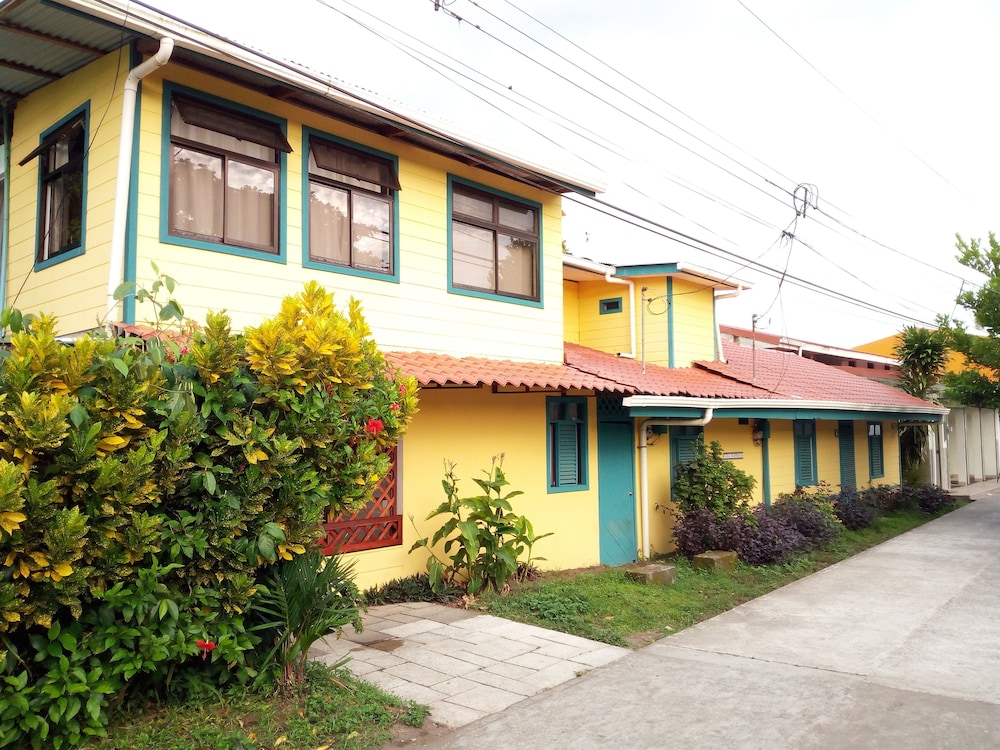
Cabinas and small guesthouses on the car-free main street, €35 to €80, with hostels from €15 a bed.
The lodges across the canal
Boat-access lodges sold as packages with meals and tours, €150 to €350 a night.
The beach side
Guesthouses two minutes from the turtle beach, €40 to €90, for the ranger's night patrol.
La Pavona
A couple of plain guesthouses by the dock, €30 to €60, for the early boat.


What to eat in Tortuguero
A separate vegan menu, our sources' most warmly recommended address
Local Costa Rican cooking on a waterside terrace
Cheap local plates
National plate of rice, beans, salad, plantain and a protein
Discover food spots in Stippl
Find restaurants and markets on the map, save them to your itinerary, works offline too.
Tortuguero customs and what not to do
Spanish and Creole English
The village's people are Hispanic, Afro-Caribbean and Miskito, and both languages are spoken; a greeting in either works, and the village is a community, not a resort.
The turtle rules bind
No photography, no phone screens, no white light, dark clothing, and you go where the guide takes you; the park licenses the guides for exactly this reason.
The beach closes at night
From six in the evening during nesting season the beach is for turtles and licensed groups only; the rangers patrol it, and the fine is real.
Conservation that worked
A population that nearly went for soup in the 1960s is now the largest green turtle rookery in the hemisphere; the village guides are the reason, so book them, not the lodge's.
Do
- Book the turtle walk with a licensed village guide
- Wear dark clothing and leave the phone at the lodge
- Take the canoe tour at dawn
- Bring cash; there is no ATM in the village
Don't
- Walk the beach after six in nesting season
- Use a light or a screen on a turtle walk
- Swim at Playa Tortuguero
- Photograph the village children without asking
What a Tortuguero trip costs
Budget
€47–75
Village room, sodas for most meals, self-booked tours at the kiosk, one canal or turtle tour every other day.
Mid-range
€105–170
Canal-side lodge on a package with meals and transfers included, a canoe and a night turtle tour.
High-end
€300+
Full-package lodge with private guiding, private transfers and multiple daily tours.
Track what you actually spend
Set a daily budget per country and log expenses in any currency while you travel.
Fun facts about Tortuguero
Tortuguero is the largest green turtle nesting beach in the Western Hemisphere. It has been monitored continuously since Archie Carr began in the 1950s, the longest-running sea turtle study anywhere.
There is no road to Tortuguero. You arrive by boat or by plane, and the village on its sandbar between sea and canal has no cars at all.
The green turtle was close to extinction here in the 1960s. Almost every nesting female was taken for the turtle-soup trade; the Sea Turtle Conservancy was founded in 1959 to stop it, and the decline has reversed.
The name means place of turtles. Tortuga is Spanish for turtle, and the park was declared in 1975 to protect the 35 km of black-sand nesting beach.
Tortuguero is the most prescribed stop in Costa Rica. On Stippl 54.8% of planned stops are exactly two nights; when the boat runs on a timetable, the traveller does not choose.
Salt water and fresh water meet in the canals. That is why the density of wildlife is what it is: over 300 bird species, 150 mammals, and jaguar and manatee that you should not expect to see.
Fewer than 500 people live in the village. They speak Spanish and Creole English, are Hispanic, Afro-Caribbean and Miskito, and the economy is entirely tourism.
Local tips for Tortuguero
You cannot drive here
Drive to La Pavona, leave the car in the guarded lot for about €10 a night and take the boat, or fly in twenty-five minutes from San José against five hours by land and water.
Boat tickets at the office
The boat is one to two hours and the tide decides which. The ticket at the La Pavona office costs about €4; the one sold on the bus costs more.
The last boat is at three
The last boat back to La Pavona leaves at 15:00, so plan the departure day around it. A morning canoe tour and lunch is what fits before it.
How long to stay
Most people give Tortuguero 2 nights on Stippl: a canal tour at dawn, a village afternoon, and a turtle walk with a guide from July to October.
Do not swim here
Playa Tortuguero has strong currents and sharks, and the canals have caimans and crocodiles. The water is for boats. The trails are mud, so rubber boots and tall socks.
Repellent and a poncho
Mosquitoes are the daily hazard and the night tours are worse than the days. Bring cash as well; there is no ATM in the village and the lodges add it up in cash.
Tortuguero questions, answered
As a two-night block with a boat at each end, because no road reaches it. Travellers planning Tortuguero on Stippl start about 84 days out, the longest lead in Costa Rica, because the lodges are small and nesting season fills them. Put the transfer days into Stippl as travel, not sightseeing.
Two nights. Stops in Tortuguero planned on Stippl come to 2 nights, and it covers a dawn canal trip, the village and one walk in the park. Three if you are chasing turtles, because the nesting tours run at night and depend on the weather.
July is when most people go in the Tortuguero stops planned on Stippl, and it sits in the middle of green turtle nesting. September is the quieter answer: hatchlings on the beach, less rain than July, and one of the least-booked months of the year.
By boat, or by air. Most people drive or shuttle to La Pavona and take a public boat down the canals, an hour or two depending on the water level. Moin near Limon is the other landing. There is a short flight from San Jose if you would rather not lose the day.
No. No cameras, no phones and no torches on the nesting beach, and the guides enforce it, because light disorients the females and sends hatchlings the wrong way. Tours go in small groups behind a single red light. It is the rule that makes the whole thing work.
No. The beach has strong currents and sharks, and the village is emphatic about it. Swimming happens in the lodge pools. The water that matters here is the canals: a boat through them at dawn is the reason to come, and it is where the wildlife actually is.
Every guide is written by the Stippl editors and checked against the trips our travellers actually plan. Spotted something out of date? Let us know.

Plan Tortuguero in Stippl
Day-by-day planning, stays and budget in one app, with every place from this guide already on the map.
Download the app