

Sydney
Sydney has more than a hundred beaches inside a working city, and a thirty-minute ferry that shows you the whole harbour. The Opera House was finished on lottery money.
Sydney in a nutshell
Sydney: what to expect
This is what 366,000+ planned stops in Australia on Stippl say about Sydney.
Sydney is a harbour with a city around it, and the harbour does half the sightseeing for you. The Opera House and the Harbour Bridge face each other across Circular Quay, and the Manly ferry passes both in about half an hour for the price of a bus fare. Bondi to Coogee is six kilometres of clifftop, ocean pools and a cemetery on the headland. Spit to Manly is ten, quieter, and carries Aboriginal rock engravings on the way. The Blue Mountains and the Three Sisters are ninety minutes inland.
Sydney is a long stop in a country of short ones. 23.7% of the stops planned here are a single night, against more than a third across Australia, and one Sydney stay in ten runs longer than a week. Travellers commit to it early too, booking 98 days out where the national figure is nearer ninety.
Travel on the water, and 3 nights goes further than you would expect. One contactless tap covers train, metro, light rail, bus and ferry, which makes the harbour crossings ordinary transport rather than a tour. Do Spit to Manly in that direction and finish with the ferry home. Whales pass between May and November and the cliffs watch them for nothing. Skip Sydney if you came for the outback, because this is a coastal world city and nothing else.
Plan Sydney in Stippl
Day-by-day planning, stays and budget in one app, with every place from this guide already on the map.
Download the appWho Sydney is for
First-timers
The icon density of the Opera House, the Bridge and Bondi is unmatched in Australia, and the harbour does half the sightseeing for you.
Beach-plus-city travellers
Over 100 beaches inside a functioning metropolis; nowhere else in the country combines both at this scale.
Walkers
The coastal walks from Bondi to Coogee and Spit to Manly are world-class urban hikes.
Backpackers starting out
Sydney is the classic first stop of the east-coast run, with hostel infrastructure everywhere and 3 nights the norm.
Families
Darling Harbour's cluster, Taronga, Luna Park, and the calm-water beaches at Clovelly, Shelly and Balmoral.
LGBTQ+ travellers
Oxford Street and the Mardi Gras parade in early March, and the Imperial Hotel's drag heritage.
Maybe not for you: budget purists, since this is Australia's priciest city; travellers allergic to crowds at headline sights; and anyone expecting the outback, because Sydney is a coastal world city.
The best time to visit Sydney
Summer
December to February
The beach season and the peak, with hot days that can spike into a heatwave, the harbour at its busiest and prices at their highest across the Christmas and January school holidays.
Autumn
March to May
Warm sea, mild days and the crowds thinning after Easter. The water is warmest in February and March, so autumn gets the best of the swimming without the January prices.
Winter
June to August
Mild, clear days, whales off every headland, the biggest surf swells and hotel prices at their floor. Vivid lights up the harbour from late May.
Spring
September to November
Warming days, jacarandas in October and the ocean pools back in use by November. Prices stay reasonable until the school holidays start in December.
- January is the month most travellers plan Australia for on Stippl, and Sydney is planned about 98 days ahead. Only 11.1% of Sydney plans are made inside a fortnight, which is the right instinct for a summer harbour city.
- New Year's Eve fills the harbour with a million people and empties the hotels months before. Rooms and ticketed vantage points go two to three months out; the free spots on the foreshore fill from dawn on the day.
- The sea lags the air by months. The water is warmest in February and March and coldest in August and September, so a December swim is cooler than the temperature suggests and a May one warmer.
- Vivid Sydney runs late May to mid June, with the Opera House sails lit every night. The city is busiest on the weekend evenings of the festival; a weeknight walk around Circular Quay sees the same show with room to stand.
- Sydney's summer heat comes in spikes, not stretches. A day past forty happens most summers and the city stops for it; the beaches are full and the trains are not the place to be.
Add your Sydney dates and we'll flag the weather
Stippl shows the season, crowds and prices for every stop on your route.
Describe your trip, get a Sydney itinerary in seconds
Everything in this guide is already in Stippl. Tell the planner how long you have and what you like: it builds the route, the days and the travel times, and you edit whatever you want.
Things to do in Sydney
The Manly ferry
Ride the ferry from Circular Quay past the Opera House and under the Bridge for the price of a normal fare, about €6, and thirty minutes of the best harbour view there is. Come back at sunset for the skyline.
Bondi to Coogee
Walk the six kilometres of clifftop path past the beaches, the ocean pools and the cemetery, two to three hours. Start early; the narrow path crowds by mid morning, and the Icebergs pool at Bondi is the swim.
The Spit to Manly
Walk the ten kilometres the locals pick over Bondi to Coogee, three to four hours, quieter and more varied, with Aboriginal rock engravings on the way and the ferry home at sunset. Do it in that direction.
BridgeClimb, or the free walk
Climb the arch on a booked tour of two and a half to three and a half hours, about €200, or walk the bridge's pedestrian deck for free, open around the clock. The Pylon Lookout at €12 is the middle option.
The Opera House inside
Take the hour-long guided tour that runs most days and sells out, about €25, or simply see a performance; the cheap seats in the concert hall are the way to see the room. Book online a week ahead.
The Blue Mountains
Take the train ninety minutes to Katoomba for the Three Sisters at Echo Point and Scenic World's steep railway, then pick a walk that actually descends into the valley. A day, and the last train back is the crowded one.
The neighbourhoods of Sydney
The Rocks and Circular Quay
Sandstone lanes, the ferries
The colonial birthplace: sandstone lanes, weekend markets, the city's oldest pub and the ferry wharves under the bridge, with the grand hotels. For first visits and for the views; eat elsewhere.
The harbour at the door, and the highest prices and the tour groups.
CBD and Barangaroo
Walkable sights, the waterfront
The walkable cluster of the QVB, Hyde Park and the new Barangaroo waterfront, with every train and hotels of every grade. For short stays and for transit convenience.
Everything on foot and every train, and a business district's evenings.
Surry Hills
Restaurants, coffee, small bars
The eating-and-drinking suburb: trend-setting restaurants, coffee and small bars, walkable to Central, with boutique hotels and terraces. For foodies and for a base among locals.
The best eating in the city, and a walk to Central for everything else.
Darlinghurst and Kings Cross
Oxford Street, hostels, small bars
The LGBTQ+ heart on Oxford Street and the Mardi Gras route, with Kings Cross now hostels and small bars after its gentrification. For nightlife and for budget beds near the centre.
The bars and the cheapest central beds, and the noise on weekends.
Bondi
The famous sand, café strip
The famous kilometre of sand and the café strip, with the coastal walk to Coogee starting at the south end and hostels to boutique hotels. For beach life with city access.
The beach at the door, and forty minutes on the bus to the city.
Manly
Seaside town, the ferry
A proper seaside town at the end of the harbour's best ferry ride, with Shelly Beach's snorkelling and the Corso, and apartments and hotels along the front. For longer stays and families.
The beach and the ferry, and half an hour on the water to the city.
See every Sydney neighbourhood on one map
Save the areas you like and Stippl plots your days so you're not crossing the city twice.
Where to stay in Sydney
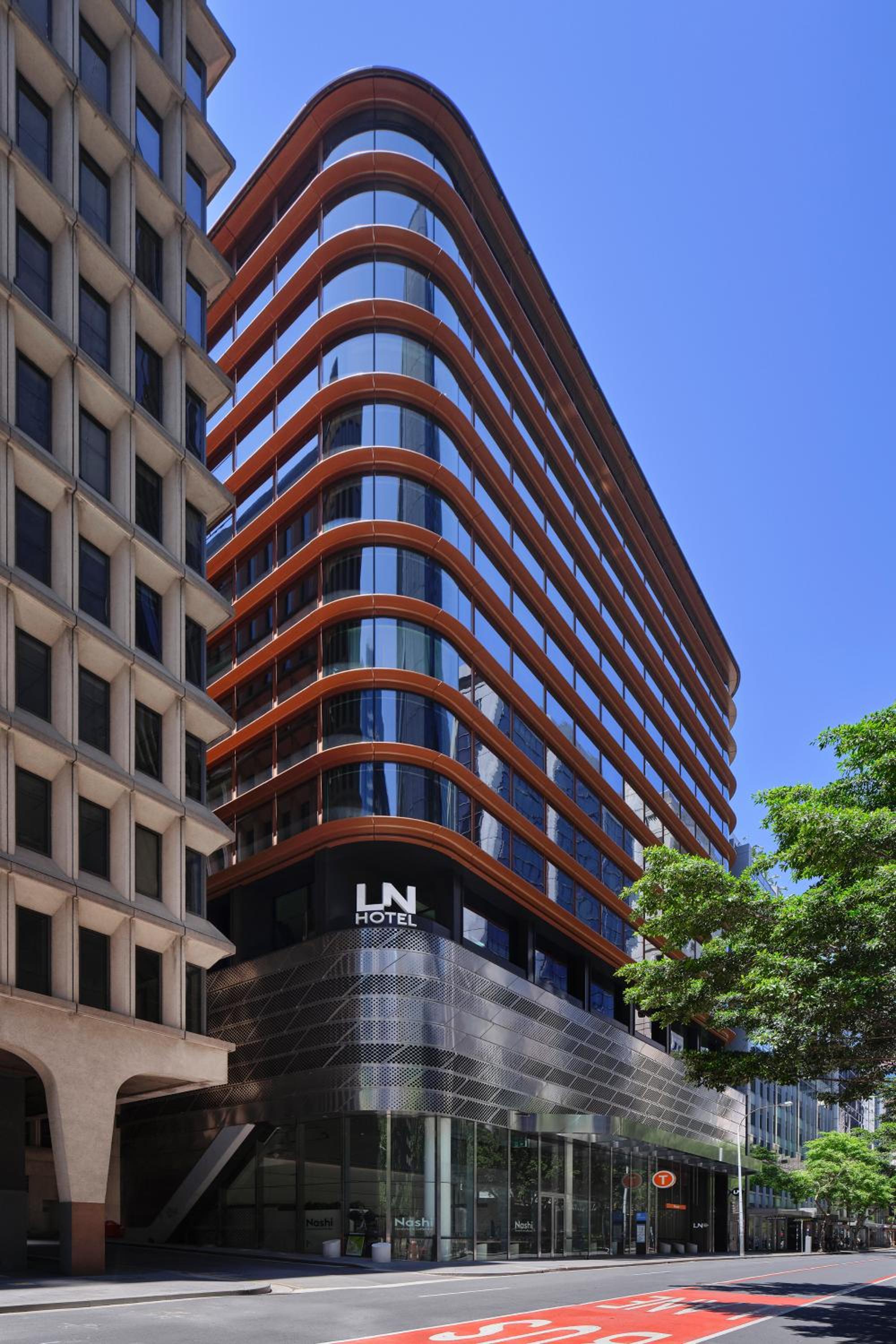
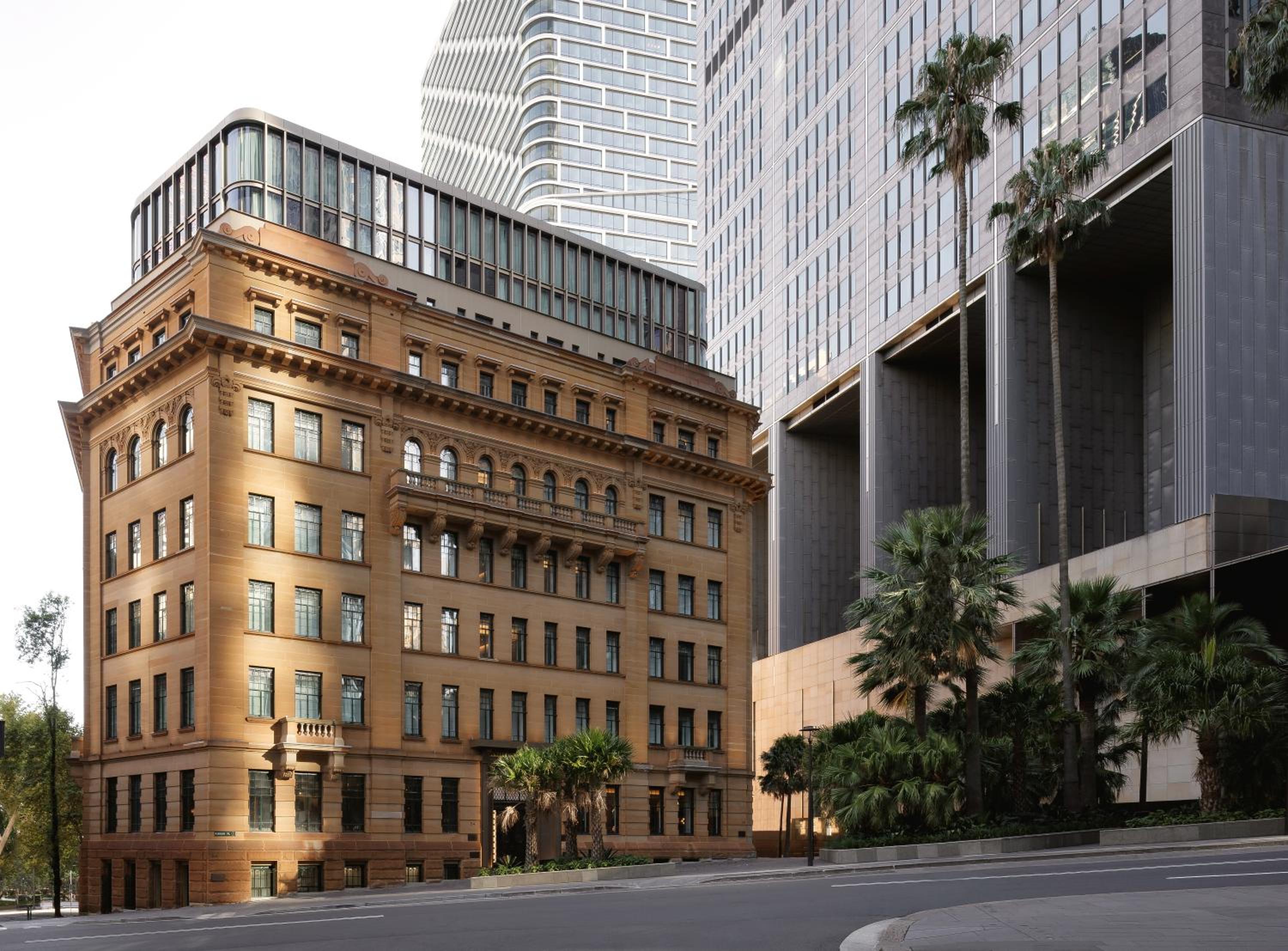
Stay in the CBD or The Rocks for a short sightseeing stay, in Surry Hills for the food within a walk of Central, and in Bondi or Manly for beach life if you accept the commute. Most people give Sydney 3 nights on Stippl. The mid-range is the weak spot, so families do better in an apartment-hotel; for quiet, Kirribilli is one ferry stop across the bridge.
The Rocks and Circular Quay
The grand harbour hotels from €300, and the heritage hostel with rooftop views from €40 a bed.
CBD and Barangaroo
Hotels of every grade above the trains, €150 to €350, with the big hostels from €35 a bed.
Surry Hills
Boutique hotels and converted terraces, €160 to €300, with the restaurants downstairs.
Darlinghurst and Kings Cross
Hostels €30 to €50 a bed and small hotels €120 to €220, above the small bars.
Bondi
The hostel cluster from €35 a bed and boutique beach hotels, €180 to €400.
Manly
Apartments and hotels along the Corso and the beachfront, €150 to €320, with the ferry to the city.


What to eat in Sydney
oysters, prawns and fish straight off the boats
smashed avocado on toast, the brunch cliché
classic harbourside takeaway
Asian hawker food in an outdoor alley
Cantonese and pan-Asian food-court eating
the budget Mexican chain, our sources' cheap-eat default
Sydney's harbourside fine dining
Discover food spots in Stippl
Find restaurants and markets on the map, save them to your itinerary, works offline too.
Sydney customs and what not to do
The mornings are outdoors
The city runs on them: pre-work ocean swims, runs and volleyball, most visibly at Manly and Bondi, and joining in at the Icebergs pool is more Sydney than watching.
Sport is close to religion
Three football codes, the SCG's heritage and big-game tickets that sell fast; the pub will have the game on and asking who is playing is the way into the conversation.
Gadigal country, acknowledged
Unevenly but increasingly: Aboriginal-guided tours at the Botanic Garden and Dharawal, engravings on the harbour walks, and the acknowledgement that opens every public event.
Christmas is a barbecue
On the beach, and the season shuts many cafés from Christmas to early January; Bondi on Christmas Day is the tradition, and the alcohol ban on the sand is enforced.
Do
- Swim between the red-and-yellow flags, always
- Book the icons, BridgeClimb, the Opera House tours and the top restaurants, well ahead
- Take the ferry when a ferry exists; it is the city at its best
- Join a morning swim at Bondi or Manly
Don't
- Drive in the centre
- Judge the beaches by Bondi alone; locals go to Manly, Bronte, Coogee and the harbour coves
- Plan an unbooked New Year's Eve; the harbour foreshore fills by morning
- Drink on the beach; the ban is enforced
What a Sydney trip costs
Track what you actually spend
Set a daily budget per country and log expenses in any currency while you travel.
Fun facts about Sydney
The Opera House cost nearly fifteen times its budget. A state lottery paid off the blowout, and the architect Jørn Utzon left in 1966 and never returned to see it finished in 1973.
The Harbour Bridge holds six million rivets. It took 1,400 workers eight years to build, from 1923 to 1932, and it is repainted continuously from one end to the other.
Bondi Beach is only about a kilometre long. Startlingly short for its fame; Manly's strip is about three kilometres, and Sydney has over a hundred beaches in total.
Wendy Whiteley built her Secret Garden without ever asking permission. The artist's widow cleared derelict railway land below her house in Lavender Bay, and the harbour-side garden is now protected.
A dust storm turned the whole city Mars-red at dawn in September 2009. The desert dust from the interior was the weather service's worst in 70 years, and the photographs of the red Harbour Bridge went around the world.
The Opera House has been a UNESCO World Heritage Site since 2007. It is one of the youngest buildings on the list, and the competition that chose Utzon's design was decided in 1956.
Sydney is not the capital of Australia. It is the largest and oldest city and the main international gateway, and Canberra was built in 1913 to settle the argument with Melbourne.
Local tips for Sydney
Two Manly ferries
The F1 takes about thirty minutes and the fast ferry fifteen, from the same wharf at Circular Quay; the F1 is on the Opal card and has the view. The last one back is late.
Tap on with a bank card
Opal or a contactless card covers every train, bus, ferry and light rail with a daily cap. The long-distance XPT to Byron or Melbourne is outside it; pre-book, no wifi, no sockets.
Day trips by rail
Katoomba is two hours from Central, the Royal National Park forty-five minutes, Newcastle two and a half. Sunday fares are capped low; the trains stop around half past midnight.
How long to stay
Most people give Sydney 3 nights on Stippl: the harbour, one coastal walk and a day out. A quarter stay one, which is the mistake.
Swim between the flags
Rips kill about twenty-six people a year in Australia and overseas visitors are over-represented. Volunteer patrols run late September to late April; Bondi is patrolled year round. Clovelly and the ocean pools are calm.
UV is the underrated constant
The summer index reaches thirteen and burns happen on cool days. Hat, factor fifty and shade at midday, and water and a buddy on the Blue Mountains tracks, where the phone signal goes.
Sydney questions, answered
Around the water and the walks rather than a list. Trips that include Sydney run 38 days on Stippl, so it is usually the first or last stop of a long east coast run. Put three nights into Stippl, keep one for the Blue Mountains, and book the bridge climb early.
Three or four. The Sydney stops planned on Stippl run to 3 nights, which is the harbour, the coastal walk and one museum day. A week if you want the Blue Mountains, the northern beaches and time to sit still on any of it.
More than you would guess: 10.7% of Sydney stops planned on Stippl carry no night at all, which is an international arrival connecting straight onto a domestic flight north. That is a lot of city to fly over. One night at the very least is worth the stop.
The beach itself divides people, and the ones who dislike it point at the car park, the sea wall and the crowds, and send you to Tamarama, Bronte or Coogee instead. Nobody argues about the coastal walk from Bondi to Coogee, which is the consensus best thing in the city. Do the walk.
Easily. The train from Central to Katoomba takes about two hours and costs very little on an Opal card, and a hop-on-hop-off bus links the lookouts and trailheads at the other end. Tours add hotel pickup and take the planning off you, at a considerably higher price.
No, Canberra is, and it was purpose-built as a compromise because Sydney and Melbourne could not agree which of them should be. Sydney is the largest and the oldest city, which is why nearly everybody assumes otherwise. Canberra is about three hours south by road.
Every guide is written by the Stippl editors and checked against the trips our travellers actually plan. Spotted something out of date? Let us know.

Plan Sydney in Stippl
Day-by-day planning, stays and budget in one app, with every place from this guide already on the map.
Download the app