

Manuel Antonio
Manuel Antonio est l'endroit le plus facile du Costa Rica pour observer beaucoup d'animaux sauvages en une matinée, sur des sentiers plats avec une plage de baignade à l'intérieur du parc. Cette proximité entre la forêt tropicale et le sable n'existe nulle part ailleurs sur la côte.
Manuel Antonio en bref
Manuel Antonio : à quoi s'attendre
Nos voyageurs ont planifié plus de 87 000 arrêts au Costa Rica sur Stippl. C'est d'où proviennent les chiffres présentés ici.
Manuel Antonio est le plus petit parc national du pays et le plus visité, et il met la forêt tropicale et la plage au programme d'une même matinée. Entre huit et neuf kilomètres de sentiers abritent plus de cent espèces de mammifères et cent quatre-vingts oiseaux, dont trois des quatre singes du Costa Rica et les deux espèces de paresseux. Manuel Antonio Beach se trouve à l'intérieur du parc dans une crique protégée et offre la meilleure baignade de la région. Espadilla Sur est plus longue, moins fréquentée et a des courants plus forts, tandis que Playa Biesanz se trouve à dix minutes à travers la jungle au coucher de soleil.
Manuel Antonio est le premier endroit au Costa Rica où les voyageurs considèrent leur visite comme des vacances plutôt que comme un arrêt. Ses séjours s'étalent davantage que partout ailleurs dans le pays, avec la plus longue queue de visites de cinq nuits, tandis que la plupart des destinations du Costa Rica s'en tiennent rigidement à deux ou trois nuits. Elle est aussi en anti-corrélation avec toute la côte de Guanacaste : le pays a deux circuits balnéaires et les voyageurs en choisissent un.
Engagez un guide avec une lunette pour la marche matinale, et restez 2 nuits. Sans un, vous passerez devant presque tout, ce que tout le monde convient. Uvita est la plage suivante et l'association la plus forte du pays, donc la route côtière vers le sud est la continuation naturelle. Passer Manuel Antonio si vous voulez la solitude, car c'est le parc le plus fréquenté du Costa Rica et le plafond quotidien n'atténue que légèrement cela.
Planifiez Manuel Antonio dans Stippl
Planification jour par jour, hébergements et budget dans une seule application, avec chaque lieu de ce guide déjà sur la carte.
Télécharger l'applicationÀ qui Manuel Antonio s'adresse
Quiconque voulant observer la faune facilement
Manuel Antonio est l'endroit le plus facile au Costa Rica pour voir beaucoup en une seule matinée, c'est pourquoi il figure sur 10,1 % des arrêts du pays.
Les familles
Sentiers plats, une visite courte, et des plages à l'intérieur du parc lui-même, ce qui en fait le parc national le plus facile du pays avec des enfants.
Quiconque voulant jungle et plage
La forêt tropicale et le sable dans le même parc est le véritable argument de vente, et nulle part ailleurs sur la côte ne fait les deux d'aussi près.
Les voyageurs balnéaires
La meilleure baignade se trouve à l'intérieur du parc, et la plage publique à l'extérieur est meilleure pour le surf que pour la baignade.
Peut-être pas fait pour vous : quiconque cherche la solitude, car c'est le parc national le plus occupé et le plus populaire du pays même avec le plafond quotidien ; et les excursionnistes à la journée, car presque personne ne vient ici sans rester au moins une nuit.
Le meilleur moment pour visiter Manuel Antonio
Saison sèche
Décembre à mars
Le seul endroit où les conseils nationaux de décembre à avril sont vraiment exacts : le seul tronçon réellement sec mesuré dans les destinations du Costa Rica que nous couvrons. Chaud, très fréquenté et le parc à pleine capacité.
Saison verte
Mai à novembre
Mouillé la plupart des après-midis et octobre le mois le plus humide du pays, mais le parc est ouvert, les plages sont vides et la faune est la même. Les lodges baissent leurs tarifs.
- Janvier est le mois où la plupart des voyageurs planifient Manuel Antonio sur Stippl, environ 75 jours à l'avance. Les billets à créneau horaire du parc sont ce qui se vend en ce mois, et ils sont achetés en ligne, pas à l'entrée.
- Entrez dans le parc à l'ouverture. La faune est la plus active à sept heures, c'est l'heure la plus fraîche, et le parc se remplit entre huit heures et demi et midi même avec des billets à créneau horaire ; une entrée l'après-midi voit la foule et les paresseux endormis.
- Manuel Antonio est l'endroit le plus chaud de la plupart des itinéraires du Costa Rica. En arrivant de la Vallée centrale, l'humidité est le choc ; la plage à l'intérieur du parc est la réponse, et la route de colline entre la ville et le parc est un taxi, pas une marche, à midi.
- Le parc est fermé les mardis. C'est la seule fermeture fixe sur la côte et elle attrape les gens chaque semaine ; un séjour de deux nuits qui tombe le lundi et mardi voit la plage et pas le parc.
Ajoutez vos dates pour Manuel Antonio et nous vous signalerons la météo
Stippl indique la saison, l'affluence et les prix pour chaque étape de votre itinéraire.
Décrivez votre voyage et obtenez un itinéraire pour Manuel Antonio en quelques secondes
Tout ce guide est déjà dans Stippl. Dites au planificateur combien de temps vous avez et ce que vous aimez : il construit l'itinéraire, les journées et les temps de trajet, et vous modifiez ce que vous voulez.
À faire à Manuel Antonio
 Photo by Jake Marsee via Pexels
Une promenade guidée dans le parc
Prenez un guide avec une lunette pour deux à trois heures sur le Sendero Principal, environ €40 plus le billet du parc de €16 ; sans lui, vous raterez presque tout. Réservez l'entrée de sept heures en ligne et soyez à l'entrée à l'ouverture.
Manuel Antonio Beach
Nagez dans la crique protégée à l'intérieur du parc, le meilleur endroit pour nager ici, à la fin du sentier principal. Gardez le sac fermé ; les capucins et les ratons laveurs ouvrent les fermetures.
Playa Espadilla Sur
Marchez jusqu'à la plage plus longue de l'autre côté du tombolo, plus grande, plus vide et avec des courants plus forts. Nagez uniquement en eau peu profonde et jamais seul.
Playa Espadilla Norte
Surfez ou prenez une leçon sur la plage publique gratuite à l'extérieur de l'entrée, environ €40 pour deux heures avec une école, le spot pour débutants de la côte. Les bars de plage fonctionnent jusqu'au coucher du soleil.
Playa Biesanz
Marchez dix minutes dans le sentier de la jungle jusqu'à la crique cachée, la plage du coucher de soleil avec eau calme et location de kayak, gratuit. Les après-midis en semaine la laissent presque vide.
Cataratas Nauyaca
Prenez l'excursion d'une journée vers le sud en direction de Dominical vers les chutes à deux niveaux avec bassins en dessous, accessibles par une marche de quatre kilomètres, un transfert en quatre roues motrices ou à cheval, environ €10 à €35. La plus belle cascade du pays selon la plupart des avis.
Les quartiers de Manuel Antonio
The park road
Hôtels en flanc de colline, vues sur le Pacifique
Les sept kilomètres de colline sur la Route 618 entre Quepos et l'entrée du parc, bordés d'hôtels avec vue sur le Pacifique, où séjournent la plupart des visiteurs. Pour les premières visites et pour la vue ; certains vous permettent de marcher jusqu'au parc.
La vue et le parc à portée, et une colline pour chaque promenade.
Espadilla Norte
Plage publique, écoles de surf
La plage publique au bas de la route, juste à l'extérieur de l'entrée du parc : écoles de surf, transats, restaurants de plage et hôtels derrière le sable. Pour les journées de plage et pour l'accès à pied.
La plage et l'accès à pied, et le coin le plus fréquenté de la côte.
Quepos
Ville active, marina, bus
La ville active à sept kilomètres au nord : la gare routière, la marina, le supermarché et les lits les moins chers, pas une ville de plage. Pour les voyageurs à petit budget et pour les bus et les bateaux de pêche sportive.
Les lits les moins chers et les bus, et un trajet en bus jusqu'au sable.
Playa Biesanz
Crique cachée, eau calme
La petite crique hors de la route du parc en dessous des grands hôtels, accessible par un sentier court, avec eau calme et quelques hôtels sur la colline au-dessus. Pour les familles qui veulent nager et pour la crique avant dix heures.
L'eau calme et l'ombre, et un sentier en descente avec les bagages.
Découvrez chaque quartier de Manuel Antonio sur une seule carte
Enregistrez les quartiers que vous aimez et Stippl organise vos journées pour éviter de traverser la ville deux fois.
Où loger à Manuel Antonio
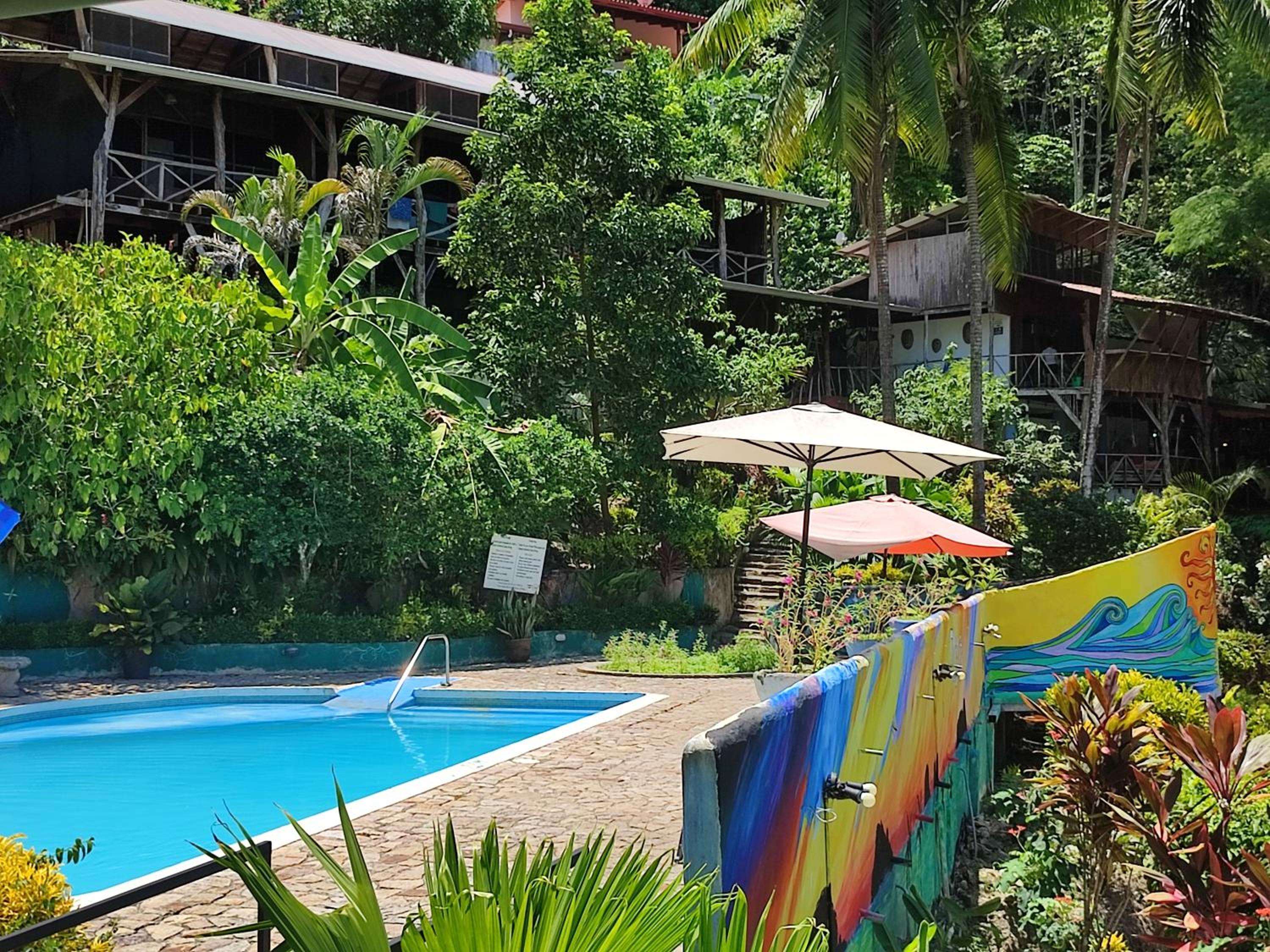
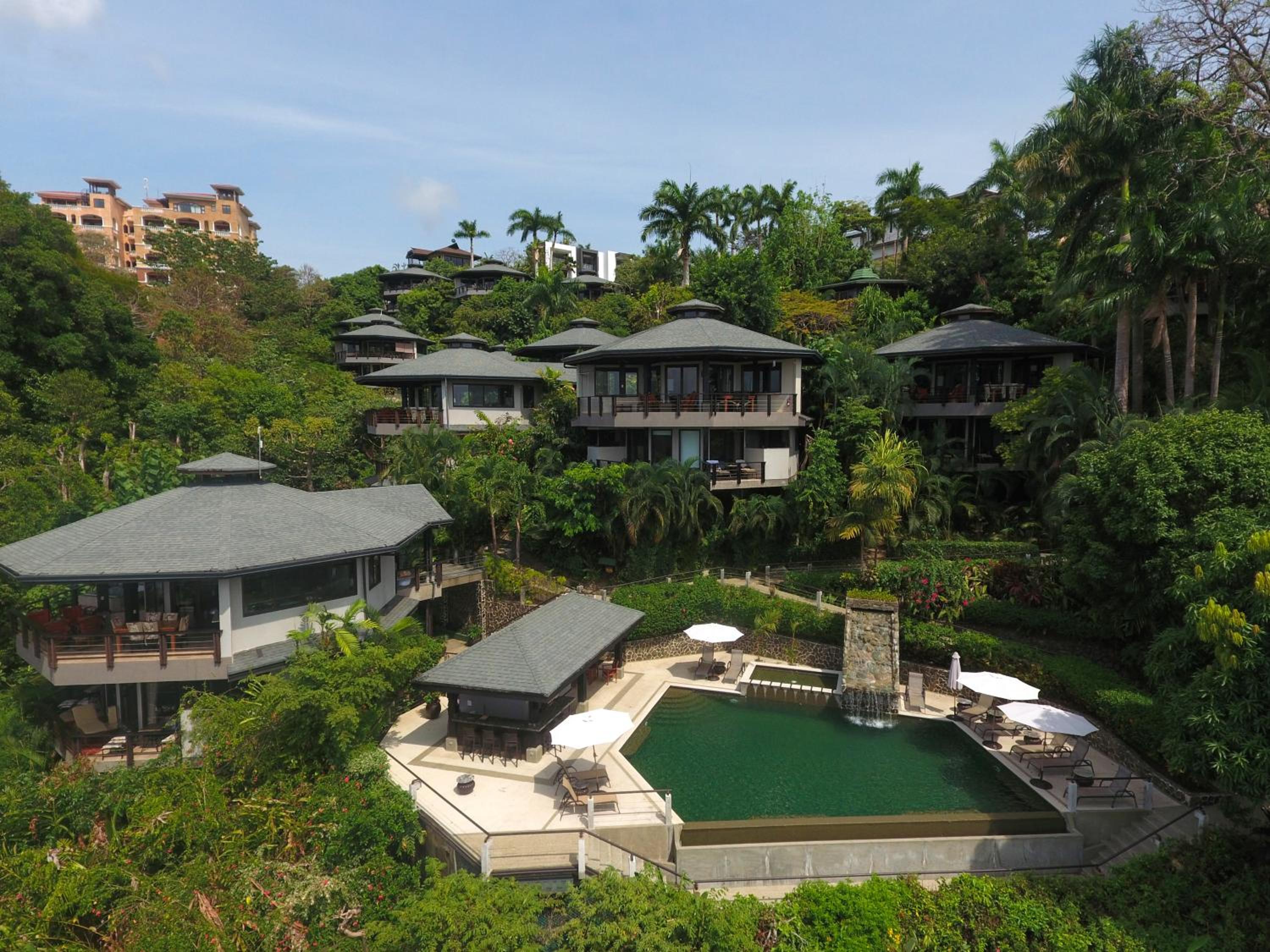
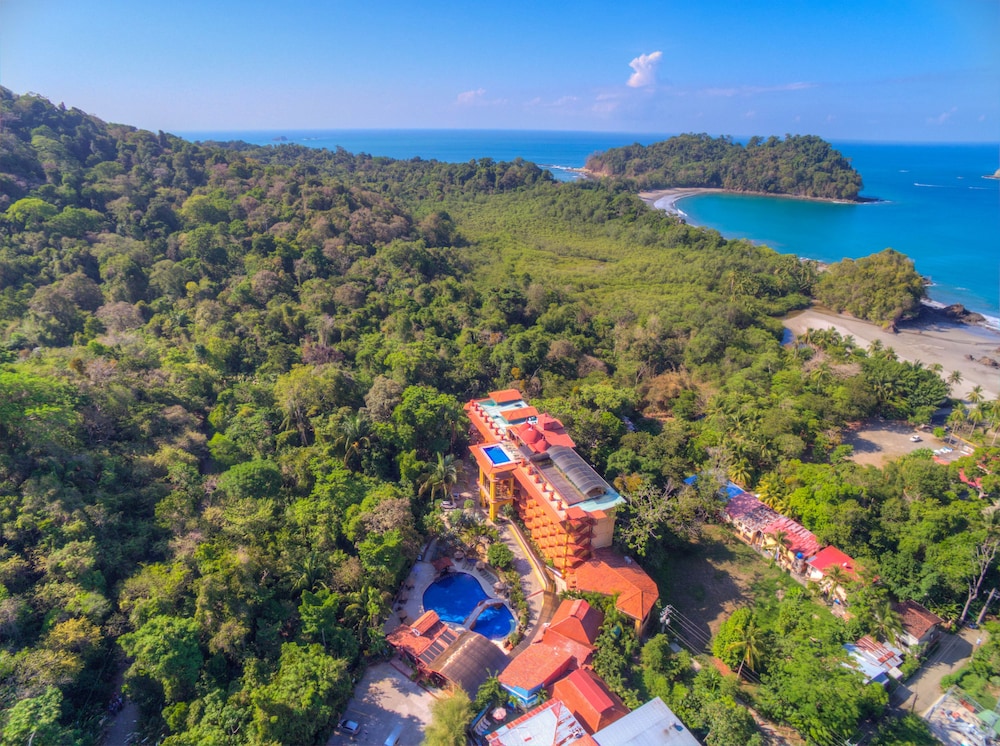
Restez sur la route du parc pour une première visite, en flanc de colline avec le Pacifique en dessous, et aussi proche de l'entrée que le budget le permet : les hôtels à côté de l'entrée vous permettent de marcher dedans et de sauter le parking complètement. La plupart des gens donnent 2 nuits à Manuel Antonio sur Stippl et beaucoup en prennent trois. Quepos est la réponse pour les petits budgets, avec les bus.
La route du parc
Hôtels et lodges avec piscines et vues sur l'océan le long de la colline, €100 à €300, et auberges à partir de €18 par lit.
Espadilla Norte
Hôtels de plage et cabines derrière le sable, €70 à €180, à quelques pas de l'entrée du parc.
Quepos
Les lits les moins chers, auberges à partir de €14 et hôtels simples €35 à €70, près de la gare routière.
Playa Biesanz
Quelques hôtels haut de gamme sur la colline au-dessus de la crique, à partir de €250, avec l'eau calme en dessous.


Que manger à Manuel Antonio
Plat national de riz, haricots, salade, plantain et une protéine
Riz et haricots frits ensemble, le petit-déjeuner standard
Un restaurant thaïlandais sur la route du parc
L'autre restaurant nommé en ville
Le seul restaurant avec service assis à l'intérieur du parc ; signalé fermé par une source
Découvrez des adresses gourmandes dans Stippl
Trouvez restaurants et marchés sur la carte, enregistrez-les dans votre itinéraire, fonctionne aussi hors ligne.
Coutumes de Manuel Antonio et ce à éviter
Le parc a été remporté localement
Il a été créé en 1972 après la pression locale contre des propriétaires étrangers qui avaient bloqué l'accès aux plages ; la victoire communautaire est pourquoi l'entrée est limitée et la plage est publique.
Ne nourrissez pas la faune
L'interdiction de nourriture existe parce que les visiteurs nourrissaient les singes et laissaient des déchets ; les capucins volent les sacs et deviennent agressifs, et les rangers fouillent les sacs à l'entrée.
Les démarcheurs à l'entrée ne sont pas du personnel
Des hommes avec des badges officiels vendent des tours et des billets qui ne sont pas ceux du parc ; le billet n'existe que sur le site SINAC et les rangers portent l'uniforme vert.
La plage ferme à trois heures
Le parc ferme ses portes tôt pour laisser les animaux profiter de la plage ; la plage publique d'Espadilla reste ouverte, avec les courants et les mancenilles à surveiller.
À faire
- Réservez le créneau de sept heures sur SINAC des jours à l'avance
- Prenez un guide avec une lunette ; c'est pour cela que vous payez
- Nagez dans la crique à l'intérieur du parc, pas à Espadilla Sur
- Apportez de l'eau et utilisez les stations de ravitaillement
À éviter
- Apportez de la nourriture ou un répulsif dans le parc
- Achetez un billet auprès de n'importe qui à l'entrée
- Ne laissez pas de sac sur le sable pendant que vous nagez
- Ne vous asseyez pas sous les mancenilles sur Espadilla
Ce qu'un voyage à Manuel Antonio coûte
Budget
€47–75
Lit en dortoir ou cabine basique à Quepos, sodas pour la plupart des repas, bus publics avec navette occasionnelle, un parc payant tous les deux jours, plages gratuites.
Milieu de gamme
€105–170
Hôtel sur la route du parc avec vue sur le Pacifique, une voiture de location partagée avec assurance obligatoire, une promenade guidée dans la faune et dîners au restaurant.
Haut de gamme
€300+
Resort en flanc de colline ou lodge signature, guides privés, transferts privés et opérateurs touristiques haut de gamme.
Suivez ce que vous dépensez vraiment
Définissez un budget journalier par pays et enregistrez vos dépenses dans n'importe quelle devise pendant le voyage.
Anecdotes sur Manuel Antonio
Manuel Antonio est le plus petit parc national du Costa Rica et le plus visité. L'autorité du parc l'affirme elle-même, environ 8 à 9 km de sentiers, c'est pourquoi demi-journée suffit pour le parcourir.
Le parc existe parce que les habitants locaux ont lutté contre les propriétaires étrangers. Ses propriétaires avaient bloqué l'accès aux plages, et la pression publique a créé le parc par la loi en 1972.
Trois des quatre espèces de singes du Costa Rica vivent dans le parc. Capucins à face blanche, singes-écureuils et hurleurs, aux côtés de paresseux à deux et trois doigts, d'iguanes et de basilics.
Un isthme de sable donne au parc deux plages côte à côte. El Tómbolo relie la Pointe de la Cathédrale au continent, avec la plage Manuel Antonio d'un côté et Espadilla Sur de l'autre.
Le parc contient un lagon de 14 hectares et des îles côtières. Mangrove, îles et lagon côtoient la forêt et les plages, et les îles sont des sites de nidification pour les oiseaux marins.
La ville s'appelle Quepos et le parc est Manuel Antonio. Ils sont distants de 7 km avec une route de villégiature entre les deux, et les hôtels le long de cette route sont ce que les gens entendent par Manuel Antonio.
Conseils locaux pour Manuel Antonio
Il n'y a pas de parking officiel
Les panneaux sur la Route 618 et les hommes en gilets haute visibilité sont des parkings privés qui facturent ce qu'ils veulent. Restez près de l'entrée ou réservez une excursion avec transferts et le problème disparaît.
Billets uniquement sur le site SINAC
Les personnes avec des badges officiels à l'entrée vendent des tours et des billets qui ne sont pas ceux du parc ; passez devant eux. Réservez le créneau de sept heures en ligne des jours à l'avance.
Uvita est l'étape suivante
Une heure en bas d'une route côtière facile, et l'endroit que Manuel Antonio apparie plus que tout autre. Le bus fonctionne quelques fois par jour pour environ €3.
Combien de temps rester
La plupart des gens donnent 2 nuits à Manuel Antonio sur Stippl : le parc avec un guide une matinée, la plage publique la suivante. Le parc est fermé les mardis.
Nagez dans la crique
Playa Manuel Antonio à l'intérieur du parc est protégée ; Espadilla Sur a des courants, et les mancenilles le long de celle-ci sont toxiques pour s'asseoir ou se protéger dessous. Les plages ferment à trois heures.
Les singes prennent la nourriture et les sacs
Rien sur le sable pendant que vous nagez, et les ratons laveurs ouvrent les fermetures. Apportez de l'eau et utilisez les stations de ravitaillement ; la marche de retour est chaude et surtout à midi.
Questions sur Manuel Antonio, réponses
Réservez d'abord le billet et choisissez un jour qui n'est pas un mardi, quand le parc ferme. Les billets sont vendus uniquement sur le site des parcs nationaux, à l'avance, avec un numéro de passeport par visiteur. Les voyageurs planifiant Manuel Antonio sur Stippl réservent environ 75 jours à l'avance, donc mettez la matinée au parc sur Stippl tôt et laissez la plage pour l'après-midi.
Deux nuits. Manuel Antonio reçoit 2 nuits dans les voyages que les gens planifient sur Stippl, c'est-à-dire une matinée au parc, une après-midi à la plage et un jour de voyage à chaque extrémité. Le parc lui-même représente une demi-journée ; les plages en dehors sont ce qui remplit le reste.
C'est le petit parc le plus fréquenté du pays et représente 10,1 % de tout ce qui est planifié au Costa Rica sur Stippl. La foule est réelle, et c'est aussi pourquoi la faune est si facile à voir ici. Arrivez à l'ouverture, empruntez d'abord les sentiers éloignés, et ça se rétablit rapidement.
Pour la faune, pratiquement oui. Les paresseux, les hiboux et les serpents sont invisibles sans une lunette et un œil entraîné, et les guides parcourent les mêmes sentiers courts toute la journée. Engagez-en un à l'entrée, ou marchez assez près d'un groupe pour entendre le commentaire, ce que beaucoup de gens font.
Vous pouvez vous baigner : la plage à l'intérieur du parc est celle abritée, et Espadilla Sur à côté a des courants qui ne le sont pas. La nourriture est une autre histoire. Les sacs sont vérifiés à la porte et seule l'eau passe, à cause des singes et des ratons laveurs, qui sont extrêmement habiles à cela.
Quepos pour un prix plus bas et les connexions de bus, la route du parc pour les vues et pour pouvoir marcher jusqu'à la porte. La route est une raide colline entre les deux avec les restaurants dispersés le long, et un taxi d'un bout à l'autre prend environ dix minutes.
Chaque guide est écrit par la rédaction Stippl et vérifié avec les voyages que nos voyageurs planifient réellement. Vous avez repéré une information dépassée ? Dites-le-nous.

Planifiez Manuel Antonio dans Stippl
Planification jour par jour, hébergements et budget dans une seule application, avec chaque lieu de ce guide déjà sur la carte.
Télécharger l'application