

Hue
Hue is one dynasty documented end to end, an Imperial City and a circuit of royal tombs along the Perfume River you cycle in a day. The most distinct cooking in Vietnam, under a euro a bowl.
Hue in a nutshell
Hue: what to expect
Huế was the capital of Vietnam from 1802 to 1945, under the thirteen emperors of the Nguyễn dynasty: the last dynasty, and the only one to rule a unified country from here. The citadel, the tombs and the cuisine are all consequences of that century and a half
The Complex of Huế Monuments has been UNESCO-listed since 1993, and it is not one site but a scatter: the walled citadel on the north bank, and the royal tombs strung along the Perfume River for 15 km upstream
On 1 January 2025 Thừa Thiên Huế province was abolished and became Huế, Vietnam's sixth centrally-governed municipality alongside Hanoi, Ho Chi Minh City, Hải Phòng, Đà Nẵng and Cần Thơ. It covers 4,947 km². Of the Vietnamese destinations in this knowledge base, Huế is the one that was PROMOTED: Đà Nẵng absorbed a neighbour, Ninh Bình absorbed two, Hà Giang was absorbed and lost its name, and Huế was raised to city rank six months before the July reform and then left alone by it
Plan Hue in Stippl
Day-by-day planning, stays and budget in one app, with every place from this guide already on the map.
Download the appWho Hue is for
History travellers
One dynasty, one city, and a set of monuments that documents it end to end; nowhere else in Vietnam comes close.
Food travellers
Hue has the most distinct regional cuisine in the country and it is cheap; a day of eating here is a reason to come in itself.
Anyone crossing the country
Hue sits at the exact centre of the country, and nearly every trip that carries it carries Hoi An as well, with 2 nights the norm.
Cyclists and slow riders
The tomb circuit along the Perfume River is flat, quiet and one of the better day rides in the country.
Budget travellers
A bed at €4.50 to 7 and a bowl of bun bo at well under a euro.
Maybe not for you: anyone planning a long stay, since almost nobody runs past three nights; anyone wanting nightlife, because there is one bar street; and anyone coming September to December, when more than half the year's rain falls and the city floods.
The best time to visit Hue
Dry
February to April
The three months that work: moderate rain and comfortable temperatures for the tombs and the walls.
Hot
May to August
Rideable and sweaty, with thirty-two-degree days and rain building through the summer.
Wet
September to December
Most of the year's rain in four months, typhoons, and river flooding that reaches the monuments.
- From September to December the Perfume River floods and the water reaches the monuments. The tomb circuit and the Imperial City are the trip, so a wet-season visit is a gamble on both.
- Hue is planned only 63 days ahead on Stippl, and 24.2% of its plans are made inside a fortnight. It is decided on from Hoi An or Da Nang, a few hours down the coast, which works in every season but the floods.
- The Imperial City opens late on Thursdays, until ten instead of half past five. The grounds lit after dark are the coolest way to see them from May to August, and the emptiest.
- The Hue Festival is biennial, with its arts week in June in even years. The city fills for it; outside the festival years the programme spreads across the seasons.
Add your Hue dates and we'll flag the weather
Stippl shows the season, crowds and prices for every stop on your route.
Describe your trip, get a Hue itinerary in seconds
Everything in this guide is already in Stippl. Tell the planner how long you have and what you like: it builds the route, the days and the travel times, and you edit whatever you want.
Things to do in Hue
 Photo by Dương Nhân via Pexels
The Imperial City
Spend half a day inside the walls: the Thai Hoa palace, the Nine Dynastic Urns, the foundations of the Forbidden Purple City and the Co Ha gardens, about €8. What is missing is as telling as what stands; the bombing of 1968 took most of it.
The royal tombs
Visit two or three, and they are not interchangeable: Minh Mang is formal and symmetrical, Tu Duc is a garden retreat the emperor used while alive, Khai Dinh is concrete and mosaic on a hillside. About €6 each, and a scooter or a car for the day.
Thien Mu Pagoda
See the seven-storey tower above the Perfume River, the city's oldest pagoda and the home of the Austin car that carried Thich Quang Duc to his self-immolation in 1963. Free, and best from the river at the end of the afternoon.
A dragon boat on the Perfume River
Take a boat upriver to Thien Mu and the near tombs, about €10 to €20 per boat rather than per person, from the pier by the Trang Tien bridge. Two hours, and the boatman's family lives aboard.
Dong Ba market
Eat at the market on the north bank, the city's kitchen: bun bo Hue from the stalls at the back for about €1, and the conical hats and dried goods in front. Mornings are the real market.
The DMZ and the Vinh Moc tunnels
Take the long day north to the former border: the tunnels a whole village lived in for years, Khe Sanh and the Ben Hai river, about €25 on a shared tour. It is a full day and a serious one.
The neighbourhoods of Hue
Phu Hoi
Backpacker quarter, bar street
The south-bank hostel and backpacker quarter across the Truong Tien bridge: guesthouses, tour desks, bike hire, the bar street and most of the Western-facing restaurants. For budget stays and first visits that want everything on foot.
Everything walkable and the cheapest beds, and the bar street's noise.
Vinh Ninh
Riverside, mid-range, calmer
The south bank's quieter half between Phu Hoi and the river bend: mid-range hotels, the riverside promenade and a short walk to the bridge and the restaurants without the bar noise. For couples and families.
The river and quiet, and a ten-minute walk to the restaurants.
The Citadel
Inside the walls, local lanes
The walled north bank: the Imperial City, Dong Ba market and narrow lanes of low houses inside the ramparts, with a few homestays among them. For a second visit and for the walls at dawn.
The Imperial City on foot, and a bridge to cross for every evening out.
Phu Cat
Working quarter, small kitchens
East of the citadel across the Dong Ba canal: a working residential quarter of markets and small kitchens with almost no visitors, and a handful of homestays. For eating like the city does and for a local street.
The city's own kitchens, and a taxi to the sights and the bars.
See every Hue neighbourhood on one map
Save the areas you like and Stippl plots your days so you're not crossing the city twice.
Where to stay in Hue
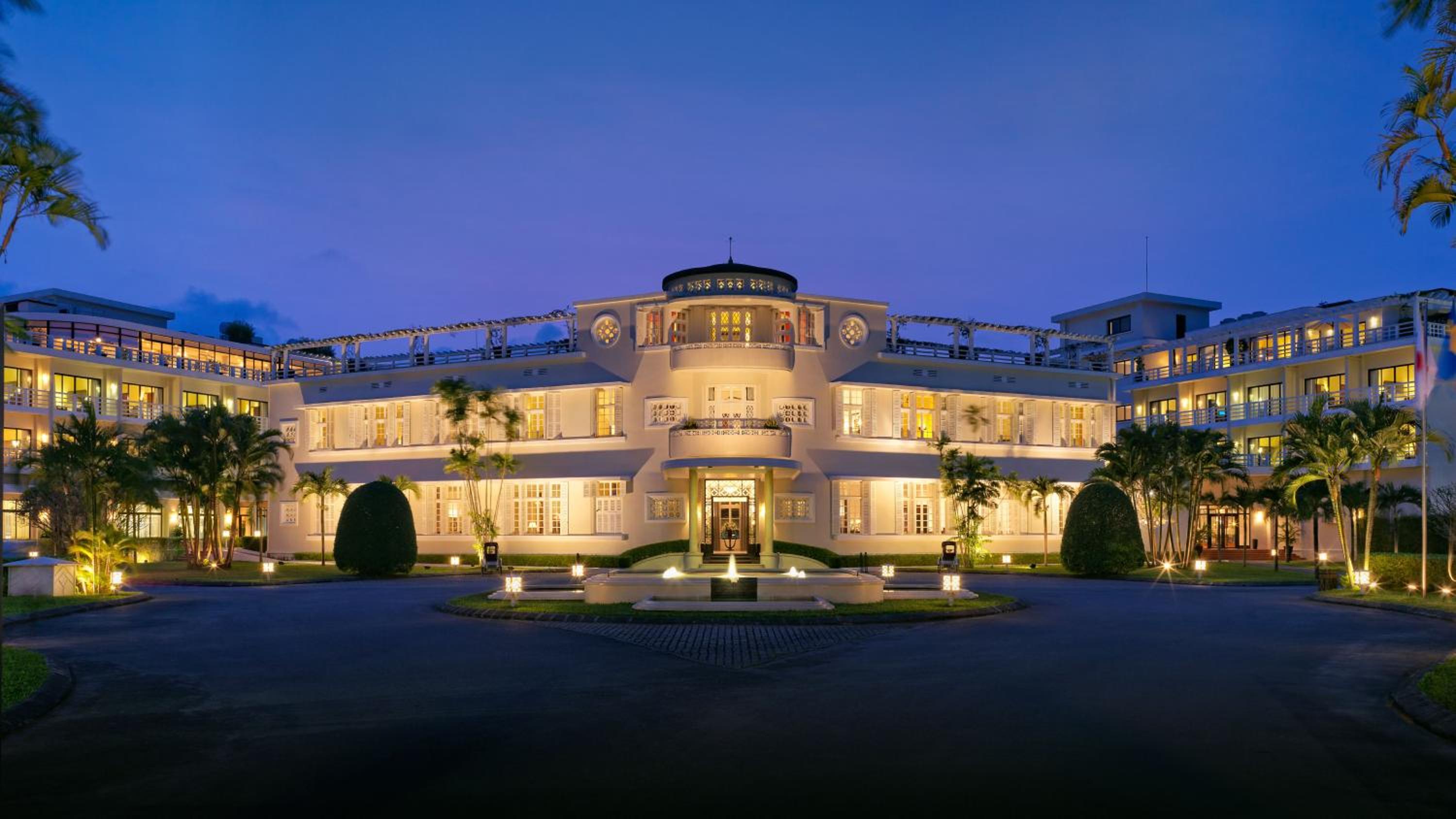
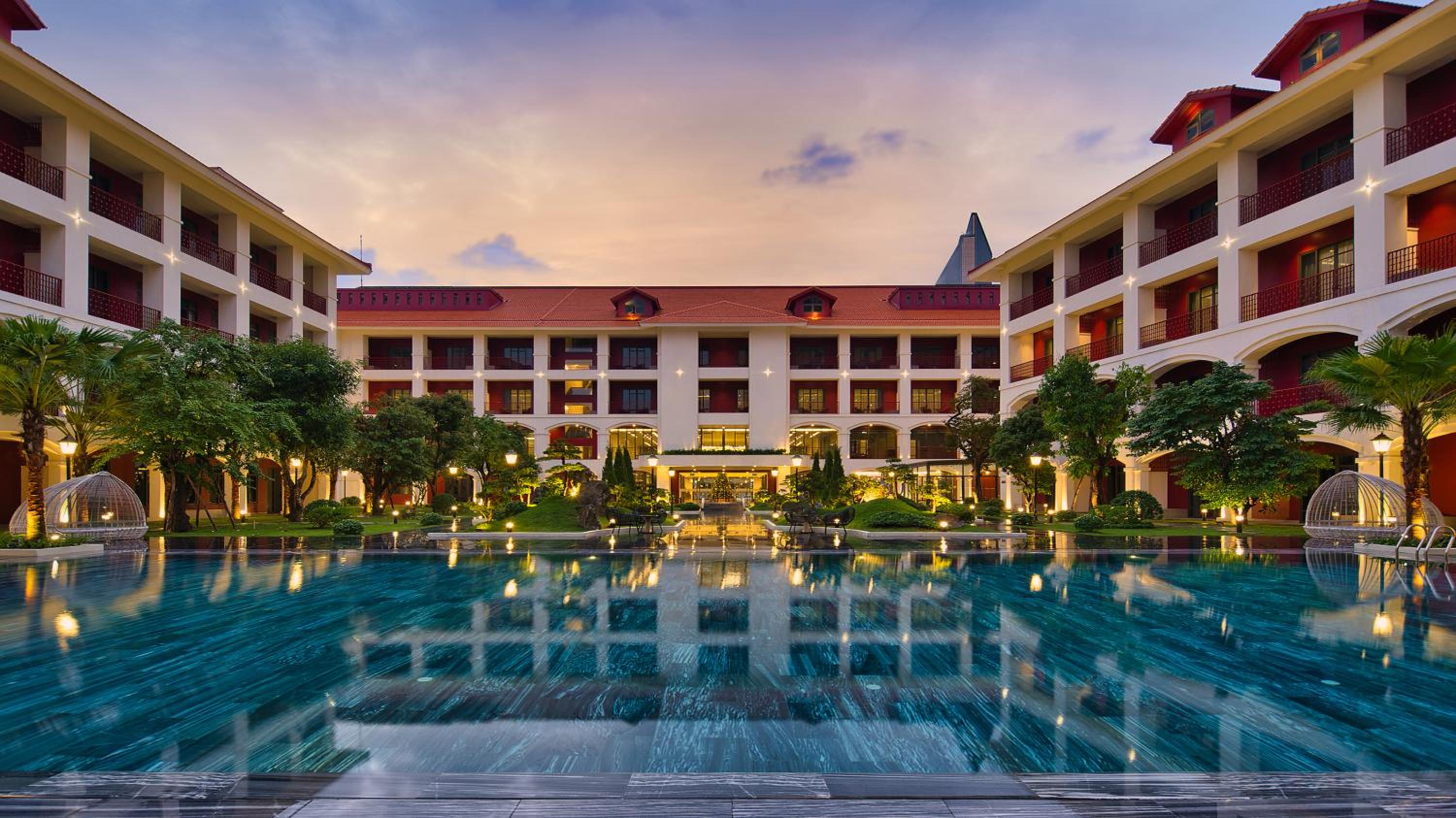
Stay on the south bank, in Phu Hoi for a first visit: the hostel quarter is compact enough to walk end to end in ten minutes, and the bridge to the citadel is at the top of it. Most people give Hue 2 nights on Stippl. Beds are cheap even by Vietnamese standards, and between September and December a ground-floor room is a real flood risk; book upstairs.
Phu Hoi
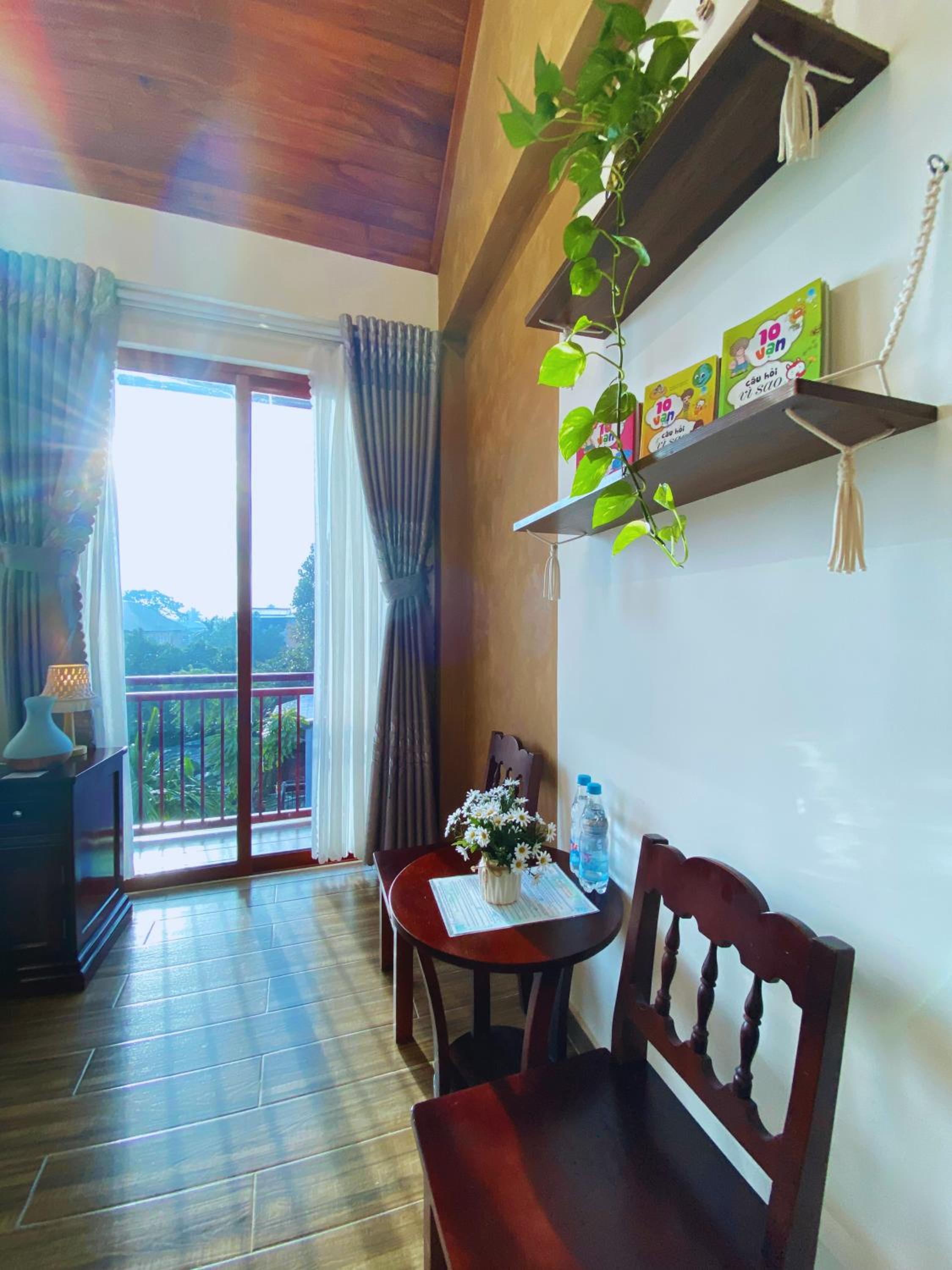
Hostels with dorms from €4.50 and decent private rooms €10 to €25, with the bar street on the corner.
Vinh Ninh
Riverside mid-range hotels on the Le Loi strip facing the water, €30 to €80, the step up most people take.
The Citadel
A few homestays in the low houses inside the ramparts, €10 to €30, and very little else.
Phu Cat
A handful of family hotels and homestays across the canal, €10 to €25, with no other visitors.


What to eat in Hue
Rice vermicelli in a lemongrass-and-shrimp-paste beef broth with a chilli-oil slick and sliced shank, spicier and heavier than phở
Small steamed rice cakes eaten together: shrimp-and-crackling saucers, banana-leaf parcels, and translucent tapioca dumplings around a whole shrimp
Rice with tiny river clams, herbs, crackling and clam broth, eaten at room temperature as a cheap breakfast
Thick tapioca noodles in crab soup
Salt coffee, invented in Huế
Discover food spots in Stippl
Find restaurants and markets on the map, save them to your itinerary, works offline too.
Hue customs and what not to do
The tombs are imperial sites
Shoulders and knees covered at the Imperial City and the tombs, and the code is enforced at some gates; the combo ticket is cheaper than singles and sold at the first site.
The small plates come as a set
Bánh bèo, nậm and lọc are ordered together and eaten in sequence, not one at a time; a set at a street kitchen is about €2 and that is how they work.
The city closes early
One bar street and the lights go out by eleven; Hue's evening is the river, the night market on Nguyen Dinh Chieu and dinner, not a night out.
Count your money out
At the ticket windows and with cyclo drivers, count the notes visibly; the 500,000 and 20,000 look alike and the confusion is not always innocent.
Do
- Cover shoulders and knees at the Imperial City and the tombs
- Buy the combo ticket if you are seeing more than one tomb
- Count your money out visibly at ticket windows
- Eat the small plates in a set, not one at a time
Don't
- Treat the tombs as one attraction; they are five to fifteen kilometres apart and three is a half-day
- Climb the structures at Hồ Thủy Tiên; the site is declared unsafe
- Plan a ground-floor room in the flood months
- Expect a night out
What a Hue trip costs
Budget
€17–24
Hostel dorm, street food, bicycle, one monument a day.
Mid
€39–60
Riverside hotel, restaurant meals, a motorbike, the combo ticket.
Comfortable
€105+
Boutique hotel on the river, private guide and driver, boat to the tombs.
Track what you actually spend
Set a daily budget per country and log expenses in any currency while you travel.
Fun facts about Hue
Hue was the capital of Vietnam from 1802 to 1945. Thirteen emperors of the Nguyen dynasty ruled from here, the last dynasty and the only one to govern a unified country from this city.
The car that carried Thich Quang Duc to Saigon in 1963 is at Thien Mu. The Austin sits behind glass at the pagoda; the monk's self-immolation in protest was the photograph that went round the world.
Salt coffee was invented in Hue. It has since spread across central Vietnam, and Da Nang counts it as an import from up the coast.
Hue gets about 3,000 mm of rain a year, the most on the route. That is 22% wetter than Hoi An, 120 km down the same coast, and most of it falls between October and December.
The abandoned water park at Ho Thuy Tien had crocodiles in it. The aquarium tanks held them after construction stopped, and the authorities only removed them in January 2016.
Only seven of the thirteen Nguyen emperors have tombs here. The dynasty ran 143 years, and several of its rulers were exiled or died abroad, which is why the tombs along the Perfume River are fewer than the reigns.
The citadel is a copy of Beijing's Forbidden City. A 10 km moat, walls 6 metres high, and a Purple Forbidden City at the centre where only the emperor, his household and the eunuchs could go.
Local tips for Hue
Arrive by train
Hue is on the main north-south line, and the stretch south to Da Nang over the Hai Van Pass is the reason to take it rather than fly. Sit on the left going south.
The airport is domestic only
Phu Bai has about nineteen departures a day on VietJet and Vietnam Airlines and no international service. Almost nobody starts a trip here; the station is why people come through.
The tombs are a loop
Minh Mang, Tu Duc and Khai Dinh are strung along the river; a bicycle covers the near ones and a scooter or a car for about €25 does all three in a day.
How long to stay
Most people give Hue 2 nights on Stippl, and a third stay one. It arrives about 20 days days into a trip, so book the onward train south when you book the room.
The Citadel floods
A record Perfume River in late October 2025 put the Imperial City under water, and some flooding is normal every autumn. From September to December keep the visit flexible by a day.
Start the Citadel early
The grounds are large, open and unshaded, and the good months reach the high twenties by April. Be at the gate at seven with water, and take the tombs in the afternoon.
Hue questions, answered
As the imperial stop between Hoi An and the north, reached by the train over the Hai Van pass, which is the best rail stretch in the country. Lay the centre out in Stippl and give Hue two nights between Da Nang and the overnight train north. Show the route to people who have done it, in subreddits like r/VietnamTravel.
Two. Most people give Hue 2 nights on Stippl and 34.6% of stops are a single night, which is the day-trip-from-Hoi-An pattern and too short for the tombs. Two lets you do the Citadel one day and two or three tombs by bicycle or car the next.
About 20 days days into a trip planned on Stippl, which is the middle of a month-long north-to-south route, straight after Hoi An. It is planned 63 days ahead, so this is a fixture rather than a last-minute add; the combo ticket for the Citadel and tombs is sold at the first site you enter.
Yes, and go in knowing that most of the inner city was destroyed in 1968. What you are seeing is a partly restored ruin, which is a different experience from an intact palace, and the audio guide is what turns the empty courtyards back into rooms. Shoulders and knees covered; the dress code is enforced at the gate.
Two or three, and pick different ones: Minh Mang for formality, Tu Duc for the garden, Khai Dinh for the strangeness. They are five to fifteen kilometres apart and three of them is a half-day, not an hour, so the combo ticket and a driver or a bicycle are the way. Do not climb the structures at the abandoned water park; it is unsafe.
February to April. January is cool and grey with about three hours of sun a day, and September to December is the flood season, when the river comes up the streets and a ground-floor room is the mistake. January is still the busiest month for Hue starts planned on Stippl, so the dry window fills; the bun bo Hue is the same in any month.
Every guide is written by the Stippl editors and checked against the trips our travellers actually plan. Spotted something out of date? Let us know.

Plan Hue in Stippl
Day-by-day planning, stays and budget in one app, with every place from this guide already on the map.
Download the app