

Da Lat
Da Lat is twenty degrees and pine forest after the heat of the coast, and Vietnam's honeymoon town. Canyoning, rafting and cliff jumps for less than anywhere comparable, and one of the country's best roads out to Nha Trang.
Da Lat in a nutshell
Da Lat: what to expect
Da Lat is a highland town at roughly 1,500 m in the Central Highlands, and its whole identity is that it is cool. Mean monthly temperatures run 16.8–20.2 °C against tropical heat everywhere else in Vietnam, which is why it is nicknamed the city of eternal spring
It was built as a French hill station in the early 20th century, and the legacy is physical: pine-forested slopes, colonial villas, an Art Deco railway station and a cathedral, arranged around a lake
Xuan Huong Lake is artificial and is the town's social centre. French engineers dammed a branch of the Cam Ly river between 1919 and 1935; the crescent covers roughly 43 hectares and the promenade around it is where the evening happens
Plan Da Lat in Stippl
Day-by-day planning, stays and budget in one app, with every place from this guide already on the map.
Download the appWho Da Lat is for
Anyone overheating
After the Mekong, Hoi An or Saigon, 20 °C and pine forest is a physical relief, and that is the single strongest reason to come.
Adventure travellers
Canyoning, rafting, cliff jumps and mountain biking are concentrated here and cheaper than anywhere comparable.
Motorbike riders
The Da Lat to Nha Trang road is one of the country's best rides, and the Easy Rider tradition started in this region.
Budget travellers
The hostel scene is real and food is cheap even by Vietnamese standards, and Da Lat is on 21.3% of Vietnam trips on Stippl.
Couples
Da Lat is Vietnam's honeymoon town and the whole aesthetic follows from that.
Families
Short walks, farms, a cable car and a lake, none of it strenuous.
Maybe not for you: beach travellers, since Da Lat is inland, high and often foggy; and anyone on a tight two-week route, because reaching it costs a long bus leg from either coast and it is the stop people cut to make the Hoi An to Saigon run work.
The best time to visit Da Lat
Dry season
December to March
The reason to come: clear skies, mild days, cold nights and the flower farms at their most photographed.
Transition
April and November
Warm and increasingly wet in April; drying out and still typhoon-exposed in November. Both are defensible if the alternative is not coming.
Monsoon
May to October
Rain on most days, persistent fog by September, and canyoning at its most variable. The waterfalls are at their most dramatic and their most dangerous.
- Canyoning runs all year, but from May to October the river decides the day. After heavy rain the operators cancel the waterfall abseils; a dry-season booking gets the full course, a monsoon one gets what the water allows.
- Da Lat is planned about 73 days ahead on Stippl, and a quarter of its plans are made inside a month. It is the cool stop people add from the coast when the heat gets to them, which works in every season but the flower festival.
- The Flower Festival is held every second December and the accommodation tightens for it. Check whether the year is a festival year before booking a December trip; in the off years December is the quiet, clear month.
- Nights are cold all year, and the dry season nights are the coldest. Twelve degrees in January in a town of unheated guesthouses; the layer you did not need in Saigon is the one you need here.
Add your Da Lat dates and we'll flag the weather
Stippl shows the season, crowds and prices for every stop on your route.
Describe your trip, get a Da Lat itinerary in seconds
Everything in this guide is already in Stippl. Tell the planner how long you have and what you like: it builds the route, the days and the travel times, and you edit whatever you want.
Things to do in Da Lat
 Photo by Tường Chopper via Pexels
Canyoning at Datanla
Abseil two waterfalls including a twenty-five-metre drop, slide the natural waterslides and jump into a plunge pool, about €50 for the day with a licensed operator. The thing Da Lat is known for, and only with a licensed operator.
The Crazy House
Walk the architect Dang Viet Nga's organic-surrealist guesthouse, a maze of tunnels, staircases and animal-themed rooms, about €3. Genuinely strange, and the stairs are not for vertigo.
Linh Phuoc Pagoda
Take the heritage train seven kilometres from the 1938 station to Trai Mat for the temple surfaced entirely in mosaic made from broken porcelain, with a thirty-seven-metre bell tower. Free; the train is about €5 return and runs a few times a day.
Lang Biang
Take a jeep or walk about four kilometres up the twin peaks north of town to 2,167 metres, with the K'Ho village of Lat on the plateau below. About €2 entry and €10 for the jeep; mornings are clear.
The road to Nha Trang by motorbike
Ride pillion with an Easy Rider or drive the pass road down to the coast, among the best roads in the country, about €60 with a driver. A full day with stops at the waterfalls and the coffee farms.
The night market
Join the town by the lake after dark for grilled corn, hot soy milk and the banh trang nuong pizza, a euro or two a plate. The best argument for a second night in Da Lat.
The neighbourhoods of Da Lat
The centre
Lake, market, walkable
The lake, Hoa Binh square, the central market, the 1938 Art Deco station and the pink cathedral, all walkable, with hotels at every price around the market. For first visits and anyone without a scooter.
Everything on foot, and the market's noise until late.
The French quarter
Colonial villas, pine streets
The colonial-villa quarter south of the lake, the town's most characterful corner, with villa guesthouses along quiet pine-lined roads. For design-minded travellers and couples who want the old Da Lat.
The prettiest streets and the quiet, and a walk uphill for every dinner.
Dalat Heights
Pine plateau, budget guesthouses
The pine-forested plateau south of the lake: French villas and budget guesthouses along quieter roads, with the Flower Garden at the edge. For budget travellers who want the trees and can walk twenty minutes to the centre.
Cheap and green, and a climb back from town.
Tuyen Lam Lake
Forested lakeside, resorts
Lakeside and forested several kilometres out: resorts rather than guesthouses, with the cable car to the Truc Lam monastery and the forest trails. For families and drivers who want a resort and the lake.
The forest and a pool, and a car for everything in town.
Lang Biang side
Northern rise, K'Ho villages
The northern edge toward the Lang Biang massif and the K'Ho villages below it, with homestays and farm stays among the greenhouses. For hikers and for a night among the people who were here first.
The mountain at dawn and a village, and a ride for the town.
See every Da Lat neighbourhood on one map
Save the areas you like and Stippl plots your days so you're not crossing the city twice.
Where to stay in Da Lat
Stay in the centre around Xuan Huong Lake for a first visit: the market, the Art Deco station and the night market are all on foot. The characteristic room is a converted French villa rather than a purpose-built hotel, and the mid-range is full of them. Most people give Da Lat 2 nights on Stippl. Bring a jumper; nights drop well below what the rest of Vietnam prepares you for.
The centre
Hostels with dorms €5 to €10 and hotels at every price round the market, €15 to €60.
The French quarter
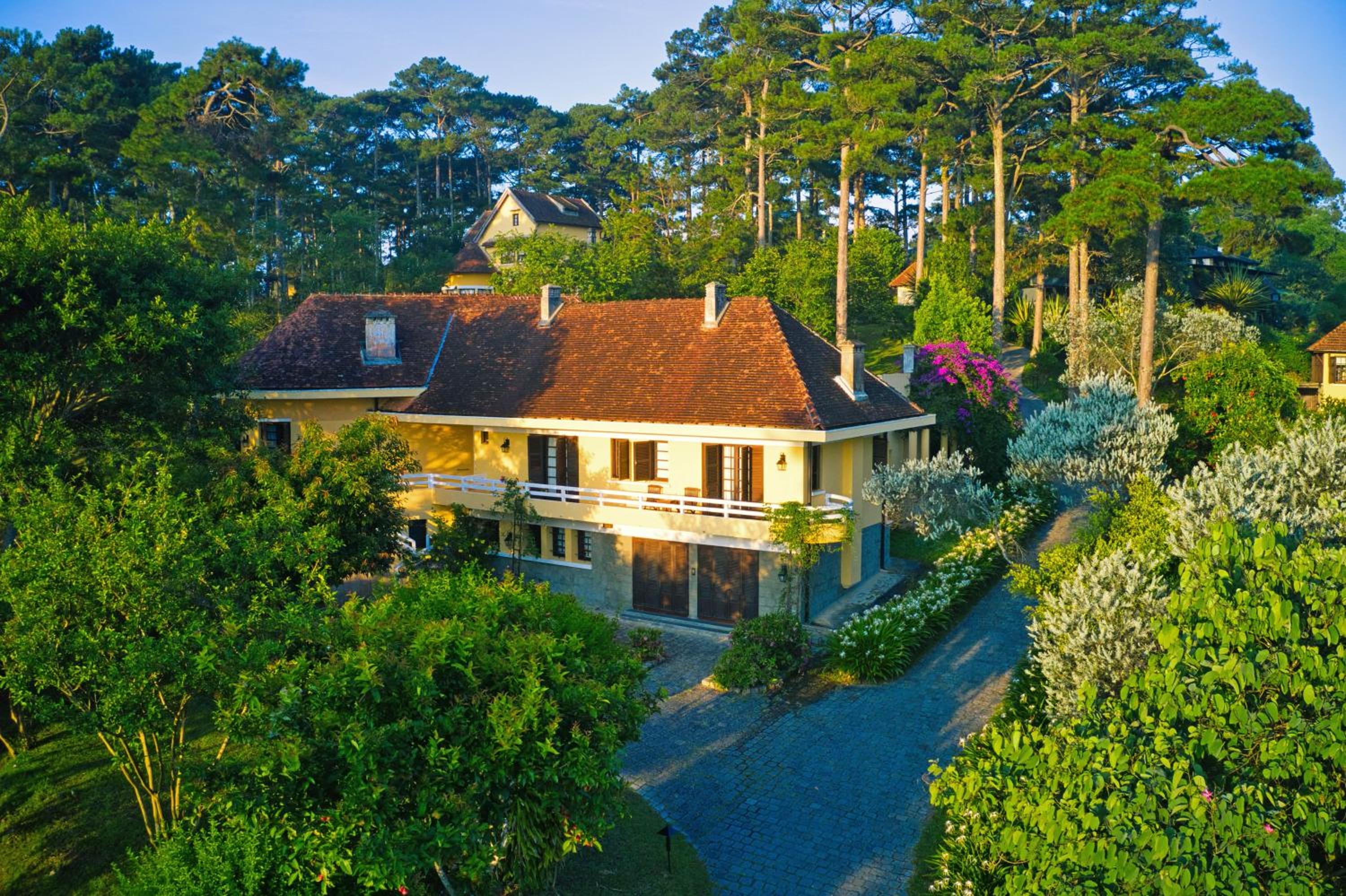
Restored 1930s villas rented by the room, €40 to €120, along quiet pine-lined roads.
Dalat Heights
Budget guesthouses and family villas on the plateau, €12 to €40, with a walk down to the lake.
Tuyen Lam Lake
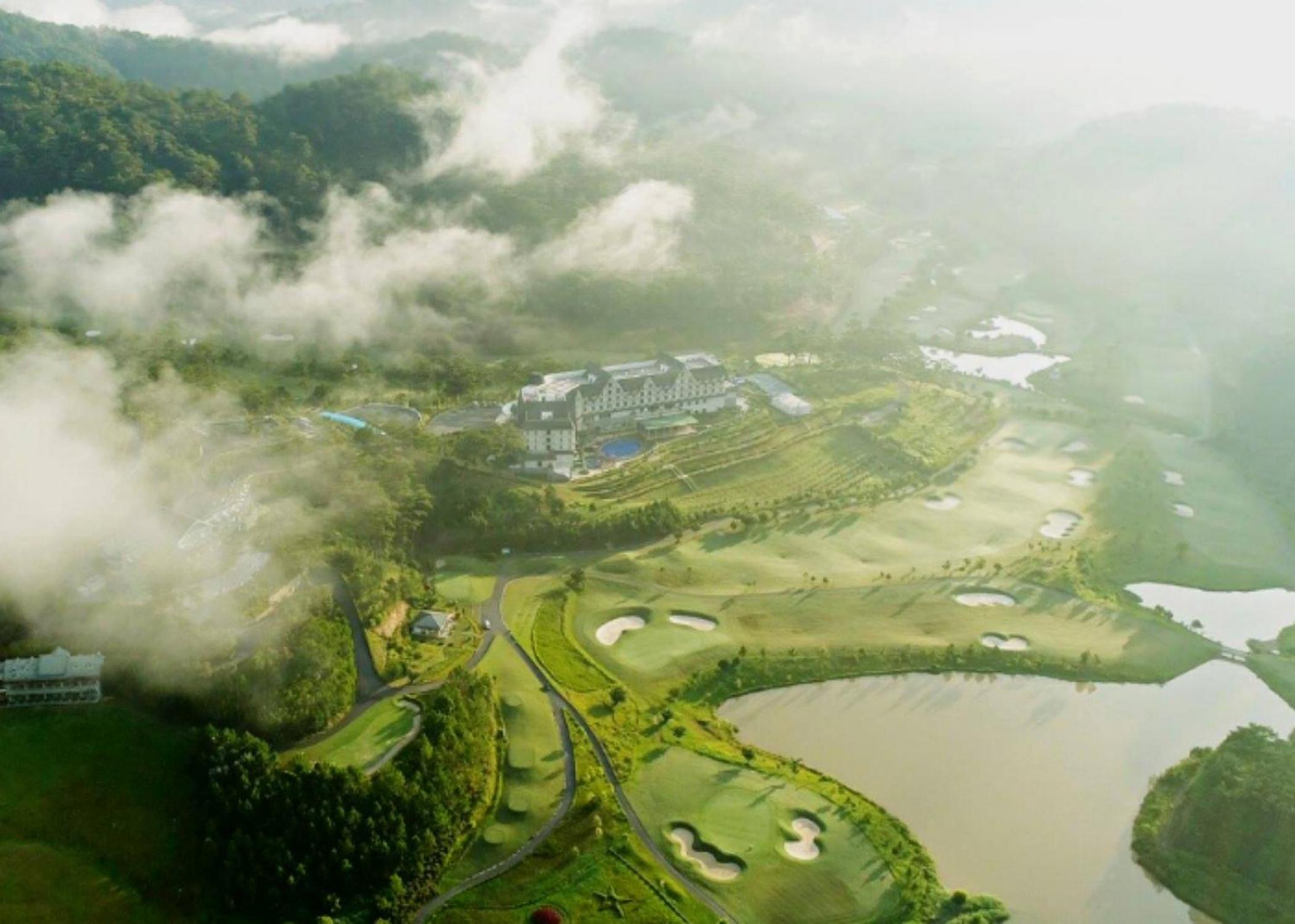
Lakeside resorts with pools and forest views, €80 to €200, a taxi from town.
Lang Biang side
Homestays and farm stays among the greenhouses, €10 to €35 with meals, for hikers.


What to eat in Da Lat
The town's signature crop, sold fresh, dried and as jam; grown under greenhouses across the plateau
Brewed from the artichokes the highlands grow; sold everywhere as the local souvenir drink
The Vietnamese baguette sandwich, eaten here as a market and night-market staple
Coffee with a whipped egg-yolk custard on top
Cold-weather street food: the night market's business, and unusual in a tropical country
Discover food spots in Stippl
Find restaurants and markets on the map, save them to your itinerary, works offline too.
Da Lat customs and what not to do
A domestic-tourism town
The crowds are Vietnamese couples and families and the town is shaped for them: heart-shaped photo props, flower gardens and pedal boats. Foreigners are the minority here.
The K'Ho were here first
Living around Lang Biang with their own weaving and rice-wine traditions, and the mountain was sacred long before the French arrived in the 1890s; a village visit is on their terms.
Temple dress at both temples
Covered shoulders and knees at Truc Lam and Linh Phuoc, shoes off where indicated, and the cable car to Truc Lam is part of the visit, not a ride.
The waterfalls are for looking
Three visitors died at Datanla swimming above the falls; the water is for canyoning with an operator, not for a dip, and the rope sections are the reason to check the operator.
Do
- Pack a fleece or a jacket; nights average 11 to 14 degrees and drop lower in winter
- Book canyoning on the operator's reputation, not the price
- Ride, or be ridden; the roads out of Da Lat are the point of Da Lat
Don't
- Treat the waterfalls as a swimming spot
- Assume clear views; fog is the plateau's default for half the year
- Plan Da Lat as a day trip; it is a long bus from anywhere
What a Da Lat trip costs
Track what you actually spend
Set a daily budget per country and log expenses in any currency while you travel.
Fun facts about Da Lat
Da Lat grows about three-quarters of all the cut flowers sold in Vietnam. The volcanic plateau soil supports roses, hydrangeas and mimosas that will not grow in the tropical lowlands.
The French cog railway once ran from Da Lat to the coast. Built between 1908 and 1932 to Phan Rang, it was one of the highest rack railways in Asia, and a short stretch still runs to Trai Mat.
Xuan Huong Lake is entirely artificial. French engineers dammed a branch of the Cam Ly river between 1919 and 1935, and the 43-hectare crescent is where the town's evening happens.
Linh Phuoc Pagoda is surfaced entirely in broken glass, porcelain and ceramic. Its 37-metre bell tower is the tallest in the town, and the dragon in the courtyard is made of 12,000 beer bottles.
Da Lat is Vietnam's honeymoon town before it is anything else. The foreign guides sell canyoning and rafting; the place is primarily a Vietnamese couples destination, which is where the swan pedalos come from.
The town sits at 1,500 metres and averages between 17 and 20 degrees all year. That is why it is called the city of eternal spring, and why strawberries and artichokes grow here and nowhere else in the south.
Local tips for Da Lat
Da Lat is a bus town
It has an airport and the routes arrive overland; the night bus from Hoi An is the leg most people swap for a flight. From Saigon it is about seven hours or a fifty-minute flight.
The Easy Riders are it
Licensed guides carry you pillion with the luggage strapped on, for a day or a multi-day circuit to the coast, about €60 a day. Copycats are common; the originals have the office.
The heritage train is a ride
Seven kilometres to Trai Mat and back from the 1938 station in about half an hour, about €5, and it exists to be ridden. Linh Phuoc pagoda at the far end is the reason.
How long to stay
Most people give Da Lat 2 nights on Stippl: canyoning or the waterfalls on one day, the town and the night market on the other. Pack a jumper; the evenings are cold.
Canyon with a licensed operator
Three British tourists died at Datanla in 2016 on a trip without ropes or trekking tickets, and the operator was suspended. Book through the park office or a company with the permit on the wall.
Waterfalls are wild in the wet
From May to October the falls are at their most dramatic and least predictable, with sixteen to twenty-four rain days a month. The dry season is the season for the rock slides.
Da Lat questions, answered
Between the coast and the south, as the cool break: most people come down from Nha Trang or Mui Ne and leave for Saigon. Lay the southern half out in Stippl and check the bus hours; Da Lat costs a long leg from either coast. Then show the route to people who have done it, in subreddits like r/VietnamTravel.
Two, and three if you are canyoning or riding out to the countryside. Most people give Da Lat 2 nights on Stippl and about a quarter of stops, 23.65%, are a single night, which is the arrive-late, leave-early pattern of a bus connection rather than a visit.
Yes if you want cool air, adventure sports or the motorbike road to Nha Trang; no if you are on a tight two-week coastal route. 21.3% of Vietnam trips planned on Stippl include it, so it is a common detour rather than a standard stop, and the people who skip it are usually short on days.
At night, yes. January lows average around eleven degrees and can fall to five, and nowhere else on a Vietnam route asks for a jacket. Travellers plan Da Lat 73 days ahead on Stippl, so there is time to pack for it; December to March is the dry season, and the fog on Lang Biang is year-round.
It has killed people, and the provincial tourism department has said in so many words that an operator's permit does not mean the equipment or the staff have been inspected. Choose on reputation and on the guide-to-client ratio, not on price, and skip it in heavy rain when the falls run high.
Often not. Fog is the plateau's default state for half the year and persistent in September and October, and the summit view is a morning thing in the dry months. Go before nine in December to March, take the jeep to the top, and treat a clear day as a bonus rather than the plan.
Every guide is written by the Stippl editors and checked against the trips our travellers actually plan. Spotted something out of date? Let us know.

Plan Da Lat in Stippl
Day-by-day planning, stays and budget in one app, with every place from this guide already on the map.
Download the app