

New York City
New York City is five boroughs, and a first visit is Manhattan plus a strip of western Brooklyn, walked in patches and ridden underneath on a subway that never closes. Three nights for most, a week for the rest, and the short-term apartment you were counting on is illegal.
New York City in a nutshell
New York City: what to expect
This is what 450,000+ planned stops in the United States on Stippl say about New York City.
New York City gets three nights from most people and four or more from nearly half, and the distances are what visitors misjudge. Almost everything a first visit does sits on Manhattan plus western Brooklyn: the Brooklyn Bridge walked into DUMBO, a Broadway show, the free Staten Island Ferry past the Statue of Liberty, Museum Mile along Central Park, the High Line into Chelsea Market and an observation deck chosen on purpose. Most travellers give New York City 3 nights on Stippl, the longest stay of any American city.
New York City is where American trips begin, and for many it is the whole trip. The city opens 60.8% of the trips it appears on, of everyone who plans it on Stippl, and 42.3% of those trips carry no other American stop at all; 46.5% of stops run to four nights or more.
Sleep in Midtown a few blocks from Times Square rather than on it, tap a contactless card on the subway, and group each day by neighbourhood. Two sights in the same borough can be an hour apart, and a badly placed room costs an hour a day. Skip the short-term apartment, because stays under thirty days are effectively illegal and may be cancelled, and skip July and August if humidity bothers you, since the stone and asphalt hold the heat overnight.
Plan New York City in Stippl
Day-by-day planning, stays and budget in one app, with every place from this guide already on the map.
Download the appWho New York City is for
First-time city travellers
The density means a short trip still delivers: five landmarks in a morning is normal rather than ambitious, and the grid makes navigation easy.
Art-lovers
Museum Mile alone holds nine institutions along Central Park, and the Chelsea gallery district is free to walk into.
Foodies
The range runs from a slice folded and eaten standing to a tasting menu, and the immigrant food halls in Queens are the part visitors skip.
Theatre-goers
Broadway is the reason a large share of visitors book at all, and the same-day and discount routes are real and worth the queue.
Long-stayers
46.5% of New York City stops planned on Stippl run to four nights or more, the deepest stay of any American city.
Trip openers
New York City opens 60.8% of the trips it appears on, of everyone who plans it on Stippl, the door to the country.
Maybe not for you: travellers on a strict daily budget under about €80, since a hostel dorm is the only thing that holds the floor; anyone who wants a quiet or slow trip; and families needing an apartment, because short-term rentals are effectively unavailable.
The best time to visit New York City
Spring
April to June
The first good window: mild, everything outdoors reopens, the cherry trees in Central Park and Brooklyn's botanic garden, and crowds not yet at their peak.
Summer
July and August
Hot, humid and busy, with the subway platforms hotter than the street, but the season of free outdoor concerts, park film nights and rooftop everything.
Autumn
September to early November
The window most people name first: comfortable air, autumn colour in the park, the marathon and prices below summer.
Winter
December to March
December buys Christmas at a premium, with the tree, the windows and the markets; January to March is the cheapest the city gets, and the museums are empty.
- Most travellers give New York City 3 nights on Stippl, and 23.6% of stops are a single night. Three covers the bridge, a show and the ferry; the fourth is what nearly half of visitors give it, for the museums and Brooklyn.
- The marathon on the first Sunday of November closes streets in all five boroughs. Book far ahead or avoid the weekend, since the runners' families take the Midtown rooms.
- Thanksgiving on the fourth Thursday of November shuts much of the city for the day. The Macy's parade fills Central Park West in the morning and the restaurants that open are booked.
- Christmas and New Year run from late November. The Rockefeller tree, the department-store windows and the markets are the reason to come, and the reason rooms cost most; Times Square on the 31st is a pen from early afternoon.
- The US Open in late August and early September visibly moves hotel prices. The tennis is in Queens and the hotels are everywhere, so the fortnight is booked ahead or avoided.
- Short-term apartment rentals are effectively unavailable. Hosts must be registered and present for stays under thirty days, so the room is a hotel or a hostel, and the price floor is a dorm.
Add your New York City dates and we'll flag the weather
Stippl shows the season, crowds and prices for every stop on your route.
Describe your trip, get a New York City itinerary in seconds
Everything in this guide is already in Stippl. Tell the planner how long you have and what you like: it builds the route, the days and the travel times, and you edit whatever you want.
Things to do in New York City
 Photo by Carmelle Locatelli via Unsplash
 Photo by Chris via Unsplash
 Photo by Charles Parker via Pexels
The Brooklyn Bridge into DUMBO
Free, about thirty minutes, walked toward Brooklyn so the skyline is in front of you, with the view back from the waterfront the one people remember.
A Broadway show
The reason a large share of visitors book the trip; the same-day lottery and discount booths are real and worth the queue, and Tuesday is the cheapest night.
The Staten Island Ferry at dusk
A free 25-minute round trip past the Statue of Liberty, run as commuter transport rather than as a tour, from the tip of Manhattan.
An observation deck, chosen on purpose
They differ by height, price and whether the Empire State Building is in your photograph or under your feet; book the slot before you fly.
Museum Mile on a pay-what-you-wish day
Nine institutions along Central Park's eastern edge, several of which set their own price on certain days, with the Met's roof in summer.
The High Line into Chelsea Market
An elevated rail line turned garden, walked south to north or the reverse, ending in a food hall, and the gallery district of Chelsea underneath.
The neighbourhoods of New York City
Midtown
The skyscraper core
Times Square, the Empire State Building, Rockefeller Plaza and Grand Central within a walk of each other, with the most subway lines and the most hotel rooms in the city. For first visits.
Every line and every sight on foot, and the noisiest, dearest and least local streets in the city.
Lower Manhattan
Where the city began
The 9/11 Memorial, the Liberty ferry, the Staten Island Ferry and the Dutch-era streets of the financial district on one waterfront, quiet after the offices empty. For history and the harbour.
The ferries and the memorial at the door, and an evening that ends when the offices do.
Chelsea and the High Line
Galleries above the rail
Over 200 contemporary galleries free to walk into, the elevated park running north to Hudson Yards and Chelsea Market at the bottom of it. For art and a walkable west side.
The galleries and the High Line, at west-side prices and a walk to the nearest express stop.
Greenwich Village
Bohemian, now expensive
Brownstone streets, Washington Square and the city's best small restaurants, with the West Village's lanes the one part of Manhattan the grid does not reach. For food and evenings.
The best small restaurants and the prettiest streets, at the highest room rates below Midtown.
Lower East Side
The immigrant palimpsest
The Tenement Museum, Chinatown's dollar dumplings, Korean barbecue and the city's last genuinely alternative bars, with the East Village next door. For nightlife and food.
The bars and the cheap food, and noise until late under the window.
Williamsburg
Brooklyn, one stop out
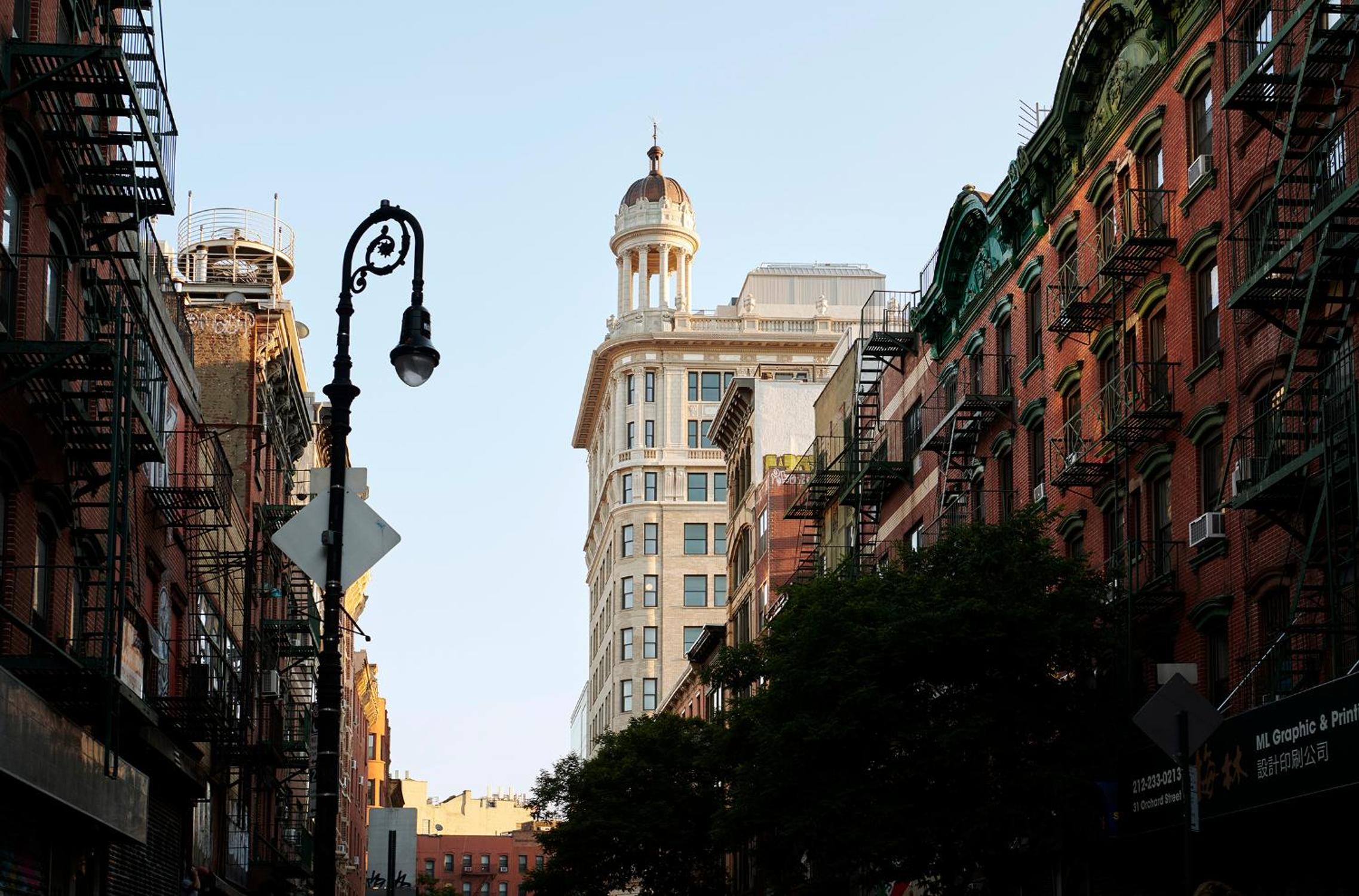
Skyline views from Domino Park, the dining that pulled Manhattan across the river and the independent music venues, one L-train stop from the East Village. For a second visit.
Cheaper rooms and the skyline from across the river, and a train under the river every morning.
See every New York City neighbourhood on one map
Save the areas you like and Stippl plots your days so you're not crossing the city twice.
Where to stay in New York City
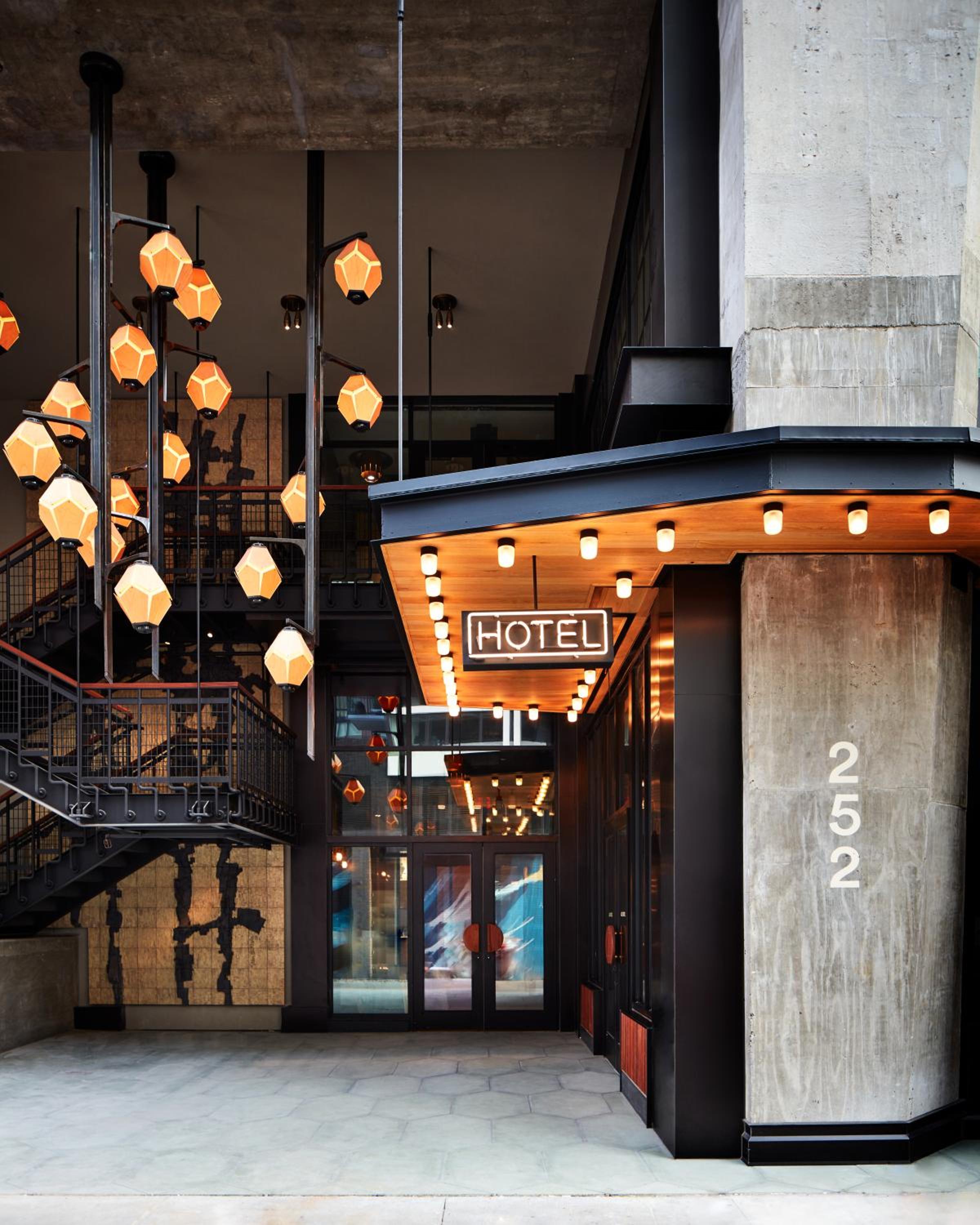
Sleep in Midtown a few blocks from Times Square rather than on it, or near Penn Station for the airports; which area you sleep in decides how much of the day you lose. Most travellers give New York City 3 nights on Stippl, a hostel dorm is the only thing that holds the budget floor, and the short-term apartment is not an option.
Midtown
The city's hotel volume, from two-star doubles to four-stars, €170 to €390 a double.
Lower Manhattan
Business hotels that drop their rates at the weekend, €150 to €320 a double.
Chelsea and the High Line
Boutique hotels and a hostel or two on the west side, €160 to €350 a double.
Greenwich Village
Small hotels in brownstone streets, €200 to €400 a double, few and booked early.
Lower East Side
Hostels and design hotels above the bars, €90 to €280 a double.
Williamsburg
€140–260
Hostels and rooftop-pool hotels across the river, €120 to €280 a double.



What to eat in New York City
A single wedge of thin New York-style pizza, folded, eaten standing
Boiled-then-baked bagel, cream cheese, cured salmon
Brined, smoked and steamed beef, cut thick
Chicken or lamb over rice with white sauce, from a street cart
Dense, cream-cheese-based, baked
Chinatown counter dumplings sold by the handful
Discover food spots in Stippl
Find restaurants and markets on the map, save them to your itinerary, works offline too.
New York City customs and what not to do
Stand right, walk left
On escalators and in stations, and blocking the flow is the one thing that reliably draws comment from New Yorkers.
Tipping is the wage
It is how service staff are paid, at 15 to 20 percent in sit-down places and a dollar or two a drink, and the printed 30 percent suggestion is not the norm.
Directness is not rudeness
A fast, unsoftened answer is the local register and is meant helpfully, and asking for directions gets one.
Photograph people with manners
The street-photography culture is strong and consent still applies, and the costumed characters in Times Square expect payment for a pose.
Bag checks everywhere
Museums, observation decks and the Liberty ferry all run airport-style security, so travel light on sightseeing days.
Turning traffic gets your green
Turning vehicles get a green light at the same time as pedestrians at most intersections, so the crossing is looked at both ways.
Do
- Tap a contactless card straight onto the subway reader rather than buying a paper ticket
- Carry some small notes for tips, carts and the few places that do not take cards
- Book timed-entry attractions before you fly; several sell out days ahead
- Group each day by neighbourhood rather than by attraction
- Walk the bridge toward Brooklyn, so the city is in front of you
Don't
- Eat at the restaurants immediately on Times Square
- Assume a printed tip suggestion is the expected amount; 30 to 40 percent suggestions appear and are not the norm
- Book a short-term apartment rental; it is almost certainly illegal and may be cancelled
- Plan two neighbourhoods a long subway ride apart into the same afternoon
- Board an empty subway car late at night when the rest of the train is full; it is empty for a reason
What a New York City trip costs
Budget
€80–110
A hostel dorm, the subway, pizza slices and delis, the free ferry, parks and pay-what-you-wish museums.
Mid-range
€130–170
A mid-range double shared, a sit-down meal a day, two or three paid attractions, a discount Broadway ticket.
High-end
€260+
A well-located hotel, restaurant dinners with the tip, Broadway at face value and an observation deck.
Track what you actually spend
Set a daily budget per country and log expenses in any currency while you travel.
Fun facts about New York City
The New York subway has 472 stations, more than any other metro in the world. It runs 24 hours a day across all five boroughs, which is why an evening here can end at any time.
Over 800 languages are spoken in New York City. That makes it the most linguistically diverse place on earth, with Queens the borough where most of them live.
Central Park is larger than Monaco. About 340 hectares in the middle of Manhattan, laid out in the 1850s on land that was swamp and rock.
The Staten Island Ferry carries about 70,000 passengers a day for nothing. It has never charged a fare on its current route, and it passes the Statue of Liberty each way.
Manhattan's grid was drawn in 1811. Numbered streets east to west and avenues north to south above 14th Street, which is why an address translates into a walking time.
The Brooklyn Bridge was the world's longest suspension bridge when it opened in 1883. Its walkway was built for pedestrians from the start, above the traffic rather than beside it.
Local tips for New York City
The subway answers everything
Twenty-four hours a day, all five boroughs, and faster than a taxi for most journeys inside Manhattan; tap a contactless card and the fare caps after twelve rides in a week.
Pick the airport by the queue
Border control at JFK can run to hours on a bad arrival while Newark clears faster on the same evening, so the airport is part of the flight choice.
Skip the hop-on bus
The traffic that makes it slow is the same traffic the subway goes under; walking beats it over short distances and the subway over long ones.
The visitor areas are safe
Manhattan's visitor districts are safe by the standards of any large city, and ordinary crowd precautions are what is called for.
Heat holds overnight
The city is built of stone and asphalt and the subway platforms are hotter than the street in July and August, so the summer day starts early.
Three nights, or four
Most travellers give New York City 3 nights on Stippl and 46.5% of stops run to four or more, so the first three days are the obvious and the fourth is the city.
New York City questions, answered
For the first visit, just: most travellers give New York City 3 nights on Stippl, and 46.5% of stops run to four or more, the deepest stay of any American city. Three covers the bridge, a show, the ferry and one museum; the fourth day is Brooklyn and the neighbourhoods.
At the start: the city opens 60.8% of the trips it appears on and 42.3% of those trips carry no other American stop, of everyone who plans it on Stippl. Put New York first in Stippl with three or four nights, add Washington or Boston by train, then ask people who have done it, in subreddits like r/AskNYC, which neighbourhood to sleep in.
Midtown, a few blocks from Times Square rather than on it, for the subway connections and the walk to the sights, or near Penn Station for the airports. Williamsburg or DUMBO in Brooklyn trade a river crossing for a cheaper room and the skyline view, and the short-term apartment is not an option.
Effectively no. A stay under thirty days is only legal with the permanent occupant present and at most two guests, hosts must be registered with the city, and the platforms may not process unregistered bookings, so a listing that looks available may be cancelled. The room is a hotel or a hostel.
The visitor districts are safe by big-city standards and the subway is how the city moves at every hour; the ordinary cautions are a bag in front of you in a crush and not boarding an empty car late at night when the rest of the train is full. Transit crime has fallen sharply from its recent peak.
The free Staten Island Ferry passes close enough for the photograph, twice, on a 25-minute round trip from the tip of Manhattan. Pay only if you want to land on Liberty or Ellis Island, which the ferry does not do, and book the crown weeks ahead. 5.3% of New York City stops planned on Stippl are same-day, and the ferry fits even those.
Every guide is written by the Stippl editors and checked against the trips our travellers actually plan. Spotted something out of date? Let us know.

Plan New York City in Stippl
Day-by-day planning, stays and budget in one app, with every place from this guide already on the map.
Download the app