

Miami
Miami is a Latin American city on an American beach, two municipalities across a causeway with two rule books, and the door to the Keys. Two or three nights, a car for anything beyond downtown, and the dry season from December to April.
Miami in a nutshell
Miami: what to expect
Every figure here is drawn from 450,000+ stops planned in the United States on Stippl.
Two nights in Miami buys three completely different days: the art deco strip, the beach and the Everglades. Miami and Miami Beach are separate cities across a causeway, and almost everything a first visit pictures is on the Beach; the rest is Wynwood's murals, Calle Ocho's Cuban counters and cigar rollers in Little Havana, Vizcaya's Italianate villa on Biscayne Bay, Key Biscayne twenty minutes from downtown and an airboat over the sawgrass an hour west. Most travellers give Miami 2 nights on Stippl, and the distribution has two peaks rather than one.
Miami is the door to Florida and the door out again, and it is planned for the winter more than anywhere else in the country. The city opens 46.4% of the trips it appears on and closes 52.3%, of everyone who plans it on Stippl, and 27.9% of Miami plans start between November and February, well above the American norm, because the dry season is the reason to come.
Sleep on South Beach knowing what you are buying, book the car unless the trip is only downtown and the Beach, and read the bill on Ocean Drive before adding a tip. The free Metromover covers downtown and Brickell and nothing else. Skip Miami in the wet season without refundable bookings, since the hurricane peak sits around 10 September, and skip the idea that the Beach and the city share one set of rules, because they do not.
Plan Miami in Stippl
Day-by-day planning, stays and budget in one app, with every place from this guide already on the map.
Download the appWho Miami is for
First-timers
The art deco strip, the beach and the Everglades are three completely different days inside one short trip, from one base.
Foodies
Cuban, Haitian, Colombian, Venezuelan and Peruvian cooking at counter prices, plus a Michelin selection and stone crab in season.
Art-lovers
Wynwood, the Design District, the Pérez and, in December, the largest art fair in the Americas.
Winter-sun travellers
27.9% of Miami plans on Stippl start between November and February, well above the American norm, because the dry season is the point.
Florida enders
Miami closes 52.3% of the trips it appears on, of everyone who plans it on Stippl, as the flight home after the Keys or Orlando.
Night people
South Beach and Wynwood run late by any standard, and the city polices the difference between them.
Maybe not for you: anyone without a car who wants to see more than downtown, since the one free train goes almost nowhere; and anyone hoping for a walkable European-style city, because Miami is a driving city with one beach strip you can walk.
The best time to visit Miami
The dry season
December to April
Six to eight rain days a month, warm rather than hot, outside the hurricane season entirely and the dearest rooms on South Beach, with Art Basel in the first week of December.
Spring break
March
The dry season's one caution: the Beach fills with American colleges in rotation, the city tightens its rules on noise and alcohol, and the rooms price for it.
The wet season
May to October
Eleven to nineteen rain days a month, arriving as afternoon thunderstorms rather than all-day grey, so it costs less of a day than the numbers suggest, and the rooms halve.
Hurricane season
June to November
The statistical peak is around 10 September; storms are rare in any given week and the disruption when one comes is total, so the mitigation is refundable bookings.
- Most travellers give Miami 2 nights on Stippl, and 27.0% of stops run to four or more. The stay has two peaks: a two-night city break, and a week on the Beach or as the base for the Keys.
- Most travellers plan Miami about 100 days days ahead on Stippl, and only 11.4% inside a fortnight. The dry-season rooms on South Beach roughly double, and they go first.
- Art Basel Miami Beach in the first week of December books out the whole city. The fair, the satellite fairs and the parties fill every room across the causeway at the year's top rates.
- The Calle Ocho Festival in March is the largest Hispanic street festival in the country. Little Havana's main street closes for a Sunday of stages and food, and the city's spring-break rules apply the same month.
- Miami Carnival in October is Caribbean rather than Cuban. Centred outside the tourist neighbourhoods, with the parade and the fetes on the mainland, and the hotels barely notice it.
- Stone crab season runs from mid-October to early May. The claws are served cold with mustard sauce and the restaurants that built their name on them are closed outside it.
Add your Miami dates and we'll flag the weather
Stippl shows the season, crowds and prices for every stop on your route.
Describe your trip, get a Miami itinerary in seconds
Everything in this guide is already in Stippl. Tell the planner how long you have and what you like: it builds the route, the days and the travel times, and you edit whatever you want.
Things to do in Miami
 Photo by Nour Abiad via Pexels
 Photo by Dennis Rochel via Unsplash
 Photo by Matin Keivanloo via Unsplash
The Wynwood Walls
An outdoor museum of commissioned murals, open daily and ticketed, with the surrounding warehouse blocks free and just as painted, and the best coffee in the city between them.
Calle Ocho on foot
Domino Park, the cigar rollers, the Walk of Fame and a Cuban lunch with a cortadito at a ventanita, in about four blocks of Little Havana.
An Everglades airboat
An hour west of the city and the only place most visitors will see a wild alligator, on a flat-bottomed boat over the sawgrass.
The art deco district at dusk
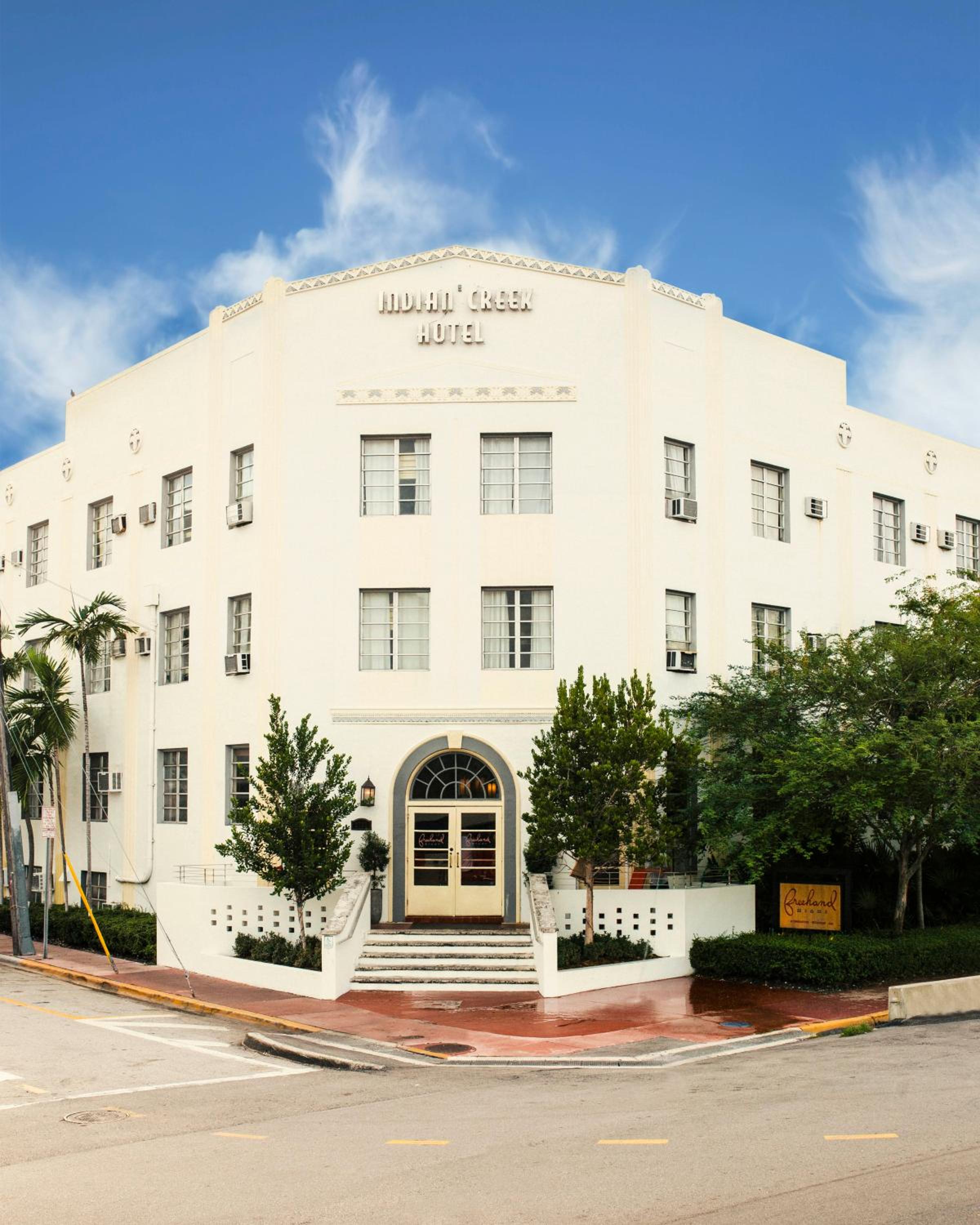
Ocean Drive's neon comes on and the 1930s facades stop looking like a film set and start looking like architecture; the walking tour from the welcome centre explains them.
Vizcaya Museum and Gardens
An Italianate villa on Biscayne Bay built in 1916, with formal gardens down to the water, and the least Miami-looking thing in Miami.
Key Biscayne for a day
A barrier island twenty minutes from downtown with a lighthouse, mangroves and the calmest water near the city, reached over the Rickenbacker Causeway.
The neighbourhoods of Miami
South Beach
Art deco, sand and noise
Ocean Drive's pastel facades, Lincoln Road's pedestrian mall and the widest beach in the city, walkable and loud at night, across the causeway in the separate city of Miami Beach. For first visits.
Walkable, on the sand and the most expensive area, where the season swing in price is largest.
Wynwood
Warehouses turned galleries
The Walls, the Museum of Graffiti and the best coffee and taco blocks in Miami, in a former garment district that is now the art quarter, north of downtown. For art and going out.
The murals and the bars at the door, and a drive to the beach every time.
Little Havana
Cuban Miami, unchanged
Calle Ocho, dominoes in Máximo Gómez Park, Cuban coffee at every counter and the exile story told by the people it happened to. For history and food.
The food and the history, in a neighbourhood with almost no hotels.
Coconut Grove
Bayside and leafy
Sailing, Vizcaya's gardens and a village centre that predates the rest of the city, under banyan trees on Biscayne Bay. For families and calm.
Green, calm and on the bay, and twenty minutes' drive from the beach.
Coral Gables
Planned, Mediterranean, quiet
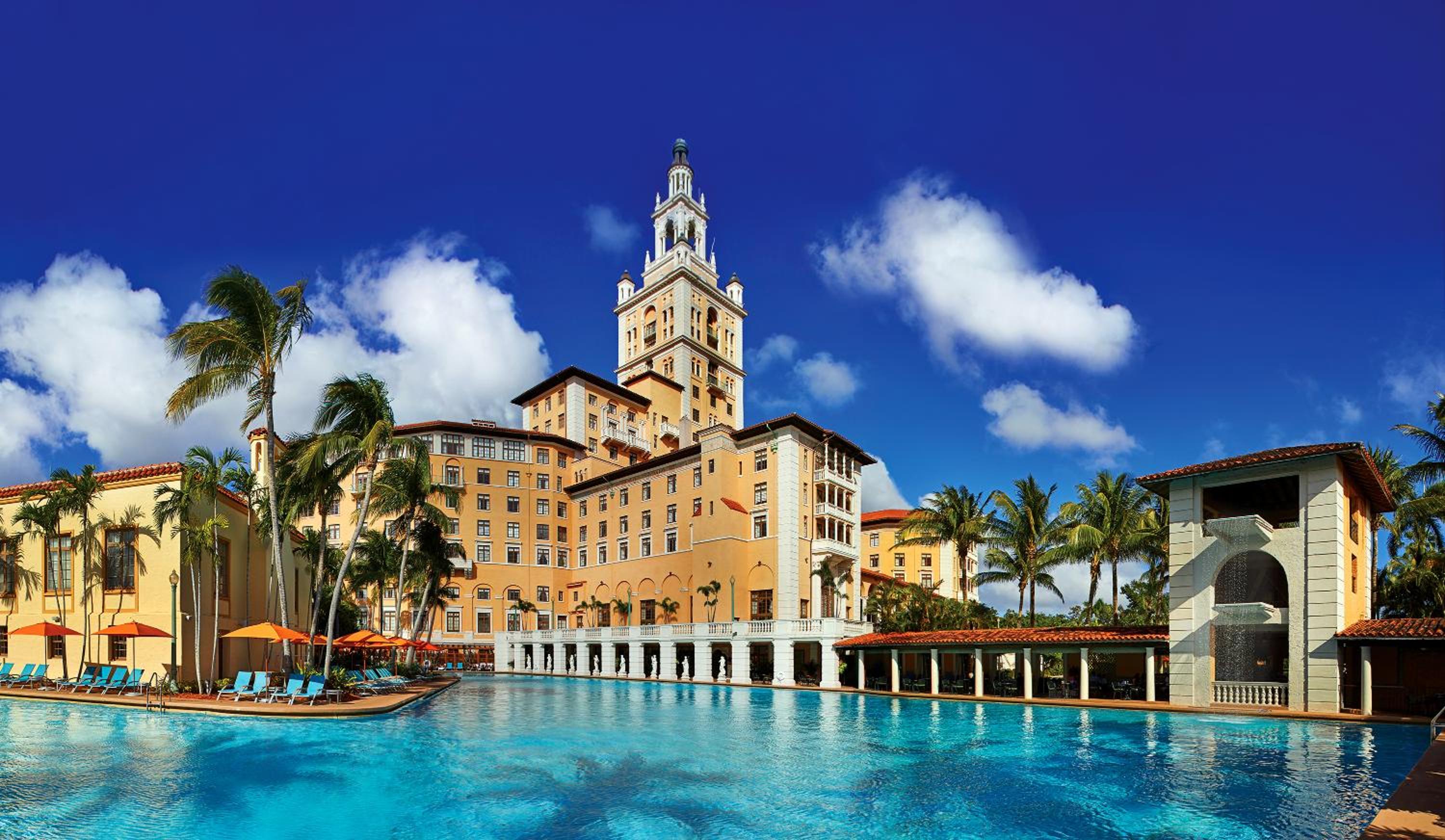
Carved limestone street signs, the Biltmore hotel and the Venetian Pool, a planned 1920s city of its own with the university at its edge. For luxury and quiet.
The grandest hotels and the quietest streets, at a drive from everything a visitor lists.
Design District
Fashion and public art
Eighteen blocks of flagship stores with serious sculpture between them, free to walk, next to Little Haiti and a short ride from Wynwood. For art and shopping.
The galleries and the shops, with few hotels and no beach.
See every Miami neighbourhood on one map
Save the areas you like and Stippl plots your days so you're not crossing the city twice.
Where to stay in Miami
Sleep on South Beach for a first visit and know what you are buying: walkable, on the sand, loud at night, the most expensive area and the one where the season swing is largest. Most travellers give Miami 2 nights on Stippl, 27.0% of stops run to four or more, and the dry-season rooms on the Beach roughly double, so the second visit sleeps in Wynwood or the Grove.
South Beach
€190–360
Art deco hotels on Ocean Drive and Collins Avenue, €150 to €400 a double, doubling in the dry season.
Wynwood
€160–280
Design hotels and apartments among the murals, €120 to €260 a double.
Little Havana
€120–200
A handful of guesthouses and apartments, €80 to €160 a double.
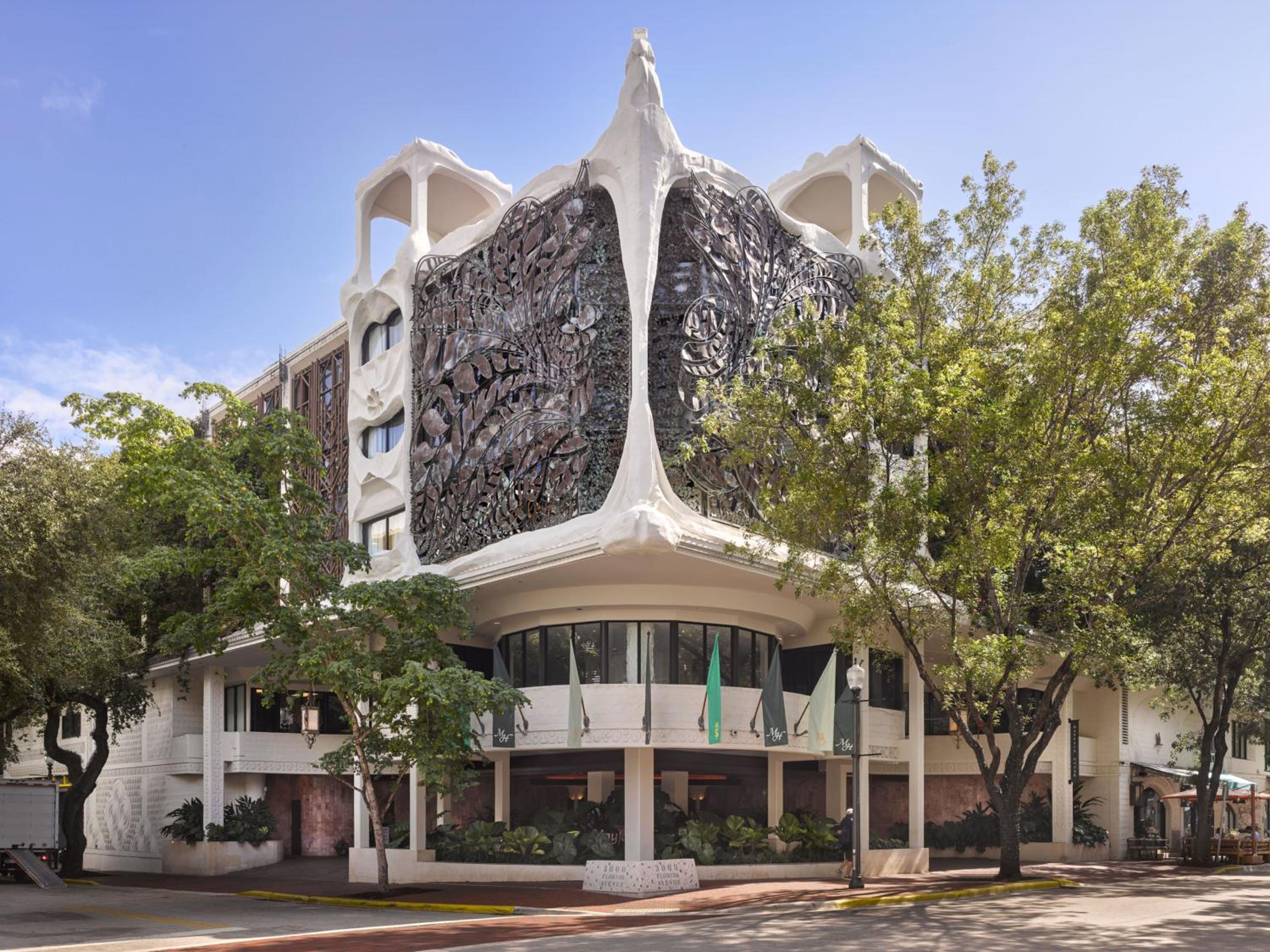
Coconut Grove
€170–300
Bayside hotels and family apartments under the banyans, €150 to €320 a double.
Coral Gables
€180–320
The Biltmore and the boutique hotels of the planned city, €180 to €450 a double.
Design District
€200–380
Apartments and a few boutique hotels, €140 to €280 a double.


What to eat in Miami
Roast pork, ham, Swiss, pickle and mustard, pressed
Fried béchamel croquettes, usually ham or chicken
Sweetened espresso with steamed milk, drunk standing
Claws served cold with mustard sauce, in season only
Haitian fried pork with pikliz, sour and hot
Peruvian and Venezuelan cooking, both large local cuisines
Discover food spots in Stippl
Find restaurants and markets on the map, save them to your itinerary, works offline too.
Miami customs and what not to do
Spanish is not foreign here
Around seven in ten residents are Hispanic or Latino, and a greeting in Spanish is ordinary rather than performative at any counter.
Check the bill before tipping
The percentages are national, with one local caveat: beachfront restaurants often add service automatically, so read the bill before adding more.
Cuban history is living history
The exile community's story is recent and personal, Calle Ocho is where it is told, and it is a subject to listen about rather than to have opinions about.
Dress is the local sport
Miami dresses up for dinner in a way most American cities do not, and several venues enforce it at the door.
Two cities, two rule books
Miami Beach polices noise, alcohol and beach access more tightly than Miami does, and the rules change seasonally, tightest in March.
The beach flag is the rule
Rip currents and jellyfish are posted at every lifeguard tower, and a red flag means the water is closed whatever the weather looks like.
Do
- Book a car unless the trip is genuinely only downtown and the Beach
- Check the beach flag before swimming; the system is posted at every lifeguard tower
- Drink coffee standing at a ventanita at least once
- Check the Miami Beach rules before booking March dates
- Book refundable if the dates fall in hurricane season
Don't
- Assume the Metromover will get you to South Beach; it does not leave downtown
- Eat on Ocean Drive without reading the bill, including the service line
- Plan a hurricane-season trip without refundable bookings
- Treat Miami Beach and Miami as one city; they are not, and their rules differ
- Leave anything visible in the parked car at the beach
What a Miami trip costs
Budget
€78–95
A hostel bed, the buses and the free Metromover, Cuban counter food and the free beaches.
Mid-range
€129–189
A mid-range hotel off the Beach, a rental car with its parking, eating well once a day, an airboat trip.
High-end
€241+
A beachfront room on South Beach in the dry season, when the rates roughly double, and dinner in the Design District.
Track what you actually spend
Set a daily budget per country and log expenses in any currency while you travel.
Fun facts about Miami
Around seven in ten Miami residents are Hispanic or Latino. One of the highest shares of any large American city, which is why Spanish is a working language rather than a foreign one.
Miami is the only major American city founded by a woman. Julia Tuttle persuaded the railway south and incorporated the city in 1896, on land she owned on the north bank of the river.
The Miami Metromover has been free since 2002. It carries no fare of any kind, loops downtown and Brickell, and reaches nothing a beach visitor wants.
Little Haiti in Miami was called Lemon City until 2016. It was formally renamed in recognition of the Haitian community that settled there in the 1980s.
Miami Beach is a separate city from Miami. Across the causeway, with its own police force and its own rules, and almost everything a first-time visitor pictures is on the Beach side.
The art deco district of Miami Beach holds about 800 protected buildings. The largest concentration of the style anywhere, built in the 1930s and saved from demolition in the 1970s.
Local tips for Miami
The Metromover is free
No fare at all, running roughly from five in the morning to midnight, and it covers downtown and Brickell and nothing else; it is not a way to reach South Beach.
Most visitors need a car
The city is spread out and the transit between its districts is thin, so the rental and the parking are the transport budget, with the Beach the one walkable strip.
Brightline reaches Orlando
A direct train from Miami Central in about three and a half hours, and the one intercity journey here that does not need a car.
Citi Bike along the Beach
The Miami Beach Pathway runs the length of the barrier island and a bike is genuinely the best way to move along it.
Crime has fallen sharply
The county recorded its lowest murder count in nearly sixty years, and the realistic risks for a visitor are property crime, the sea and the sun rather than violence.
Two nights, or a week
Most travellers give Miami 2 nights on Stippl and 27.0% of stops run to four or more, so decide before booking whether this is the city break or the beach week.
Miami questions, answered
Two to three covers the beach, the art districts and Little Havana: most travellers give Miami 2 nights on Stippl, and the distribution has two peaks, the city break and the beach week, with 27.0% of stops running to four or more. The Keys or Orlando take the rest of a Florida trip.
At either end: Miami opens 46.4% of the trips it appears on and closes 52.3%, of everyone who plans it on Stippl, with the Keys south and Orlando north by Brightline. Put it into Stippl as the first or last two nights, then ask people who have done Florida, in subreddits like r/Miami, whether the Keys earn their drive.
For almost any itinerary, yes. The free Metromover covers downtown and Brickell only, no rail reaches South Beach, and the Everglades, Key Biscayne and Coral Gables are all drives. The Beach itself is walked or cycled along the pathway, and the car sits in a paid garage.
The county recorded its lowest murder count in nearly sixty years and homicides have kept falling, so the realistic risks for a visitor are property crime, the sea and the sun rather than violence. The beach flags at every lifeguard tower are the safety briefing for the water.
From June to the end of November, with the statistical peak around 10 September; storms are rare in any given week and the disruption when one comes is total. The mitigation is refundable bookings rather than avoiding the dates, and 27.9% of Miami plans on Stippl start in the dry winter instead.
No. They are separate cities across a causeway with separate police forces and different rules on noise, alcohol and beach access, tightest in March. The art deco district, Ocean Drive and the wide beach are on the Beach side; Wynwood, Little Havana and the Grove are in the city.
Every guide is written by the Stippl editors and checked against the trips our travellers actually plan. Spotted something out of date? Let us know.

Plan Miami in Stippl
Day-by-day planning, stays and budget in one app, with every place from this guide already on the map.
Download the app