

Mae Hong Son
Mae Hong Son gets a hundred thousand visitors a year against Chiang Mai's millions, and it is the home of Shan food you barely find elsewhere. Dawn mist over the lake is why you set an alarm.
Mae Hong Son in a nutshell
Mae Hong Son: what to expect
We work from 1,756,000+ planned stops across Thailand on Stippl.
Mae Hong Son is the far corner of the northern loop, and the ride out is most of what it is. The town sits six to eight hours from Chiang Mai whichever way round you go, and there are no flights any more. What waits when you arrive: two Burmese-style temples reflected in the mist on Chong Kham lake before six in the morning, the hilltop temple on Doi Kong Mu, and khao sen at the morning market, the Shan breakfast that tells you where you are. Most travellers give the town 2 nights on Stippl.
Nearly two in five people give Mae Hong Son a single night, which is the loop passing through. 37.69% of Mae Hong Son stops planned on Stippl are one night, and 0.13% of all Thai stops are here at all. The people who come are mostly riding rather than visiting, and the town is the far point of the ride.
Two nights turns it from a bed into a base. Cross the Su Tong Pae bamboo bridge at dawn, five hundred metres of walkway over paddy that monks still cross on alms rounds. Drive the thirty-two kilometres of mountain road up to Ban Rak Thai, a Yunnanese tea village on the Myanmar border built round a reservoir. Sit at Pang Oung at sunrise for pine forest and mist over water, which is the picture that sells the province. Come between November and January, because February is already inside the burning window.
Plan Mae Hong Son in Stippl
Day-by-day planning, stays and budget in one app, with every place from this guide already on the map.
Download the appWho Mae Hong Son is for
Motorbike travellers
Mae Hong Son is the far point of Thailand's best-known ride, and the town is where you rest in the middle of it.
Anyone avoiding the crowd
Around 100,000 visitors a year against Chiang Mai's millions, and most of them give it 2 nights.
Food travellers
Shan food is barely available in the rest of Thailand and this town is its centre.
Slow travellers
Two nights is the norm and the town rewards mornings rather than itineraries.
Photographers
Dawn mist over the lake and over Pang Oung is the reason people set alarms here.
Maybe not for you: anyone in a hurry, since there is no flight and the road is six hours minimum; anyone with a respiratory condition between February and April; and anyone expecting nightlife, of which there is essentially one bar.
The best time to visit Mae Hong Son
Cool and dry
November to January
Clear air, cold nights and morning mist on the lake: the season everything is written about.
Burning season
February to April
Smoke from agricultural burning fills the valley; the views disappear and the health cost is real.
Green season
June to October
Rain, landslide risk on the loop, waterfalls at full flow and almost no other travellers. May and late October are the changeovers, with the air clearing and the roads drying.
- Poi Sang Long, usually in late March or early April, is the town's biggest event. Shan boys are paraded in elaborate costume for three days before ordaining as novices, and the guesthouses fill for it despite the smoke.
- Mae Hong Son is planned about 83 days ahead on Stippl, and nearly a quarter of its plans are made inside a month. It is the far point of the loop, decided on from Chiang Mai or Pai rather than from home.
- The loop is a landslide risk from June to October. The road from Pai and the road down to Mae Sariang both close after heavy rain; in the green season give the drive a spare day.
Add your Mae Hong Son dates and we'll flag the weather
Stippl shows the season, crowds and prices for every stop on your route.
Describe your trip, get a Mae Hong Son itinerary in seconds
Everything in this guide is already in Stippl. Tell the planner how long you have and what you like: it builds the route, the days and the travel times, and you edit whatever you want.
Things to do in Mae Hong Son
Chong Kham lake before six
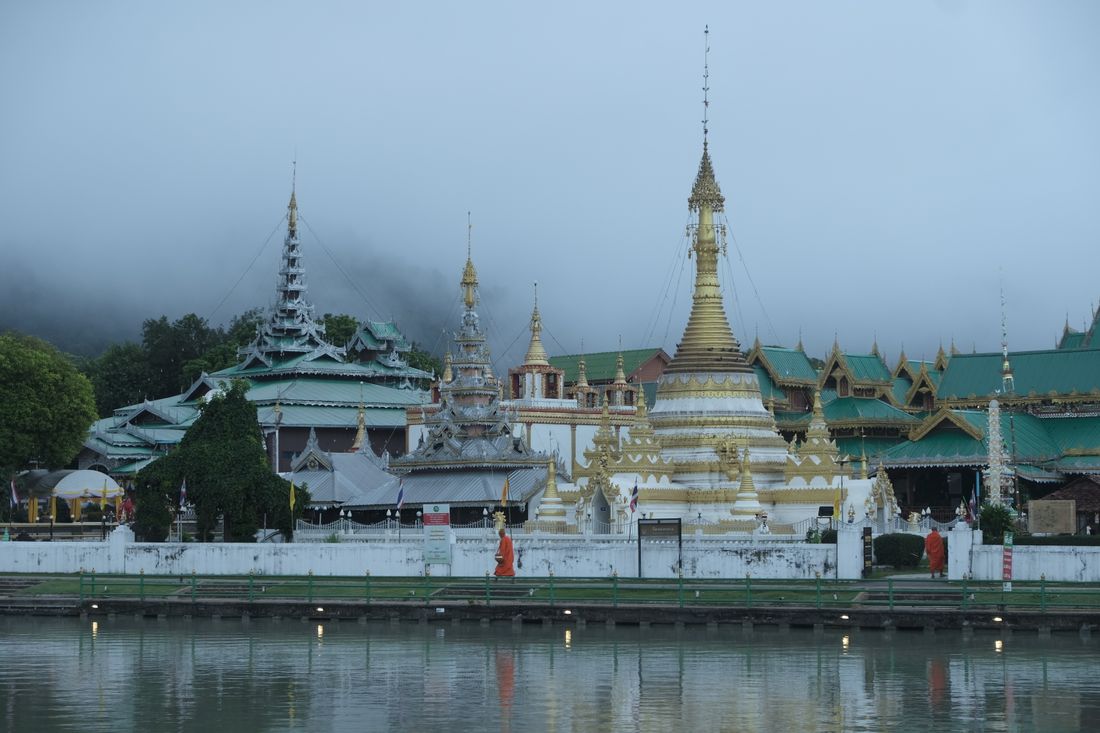
Walk to the lake in the middle of town before six, when the two Burmese-style temples are reflected in the mist and most visitors are still asleep. Free, and the market beside it is opening as you leave.
Doi Kong Mu
Climb or drive to the hilltop temple above town for the whole valley, best at dawn or last light. Free, fifteen minutes on foot from the lake, and the two white chedis are lit after dark.
Khao sen at the morning market
Eat the Shan breakfast, rice noodles in a tomato and pork broth, at the morning market beside the lake for about €1. It is the dish that explains where you are, and it is gone by nine.
The Su Tong Pae bamboo bridge
Cross the five-hundred-metre bamboo walkway over the paddies at dawn, when the monks walk it on their alms rounds. Free, ten minutes out of town, and greenest from September to November.
Ban Rak Thai
Drive thirty-two kilometres of mountain road to the Yunnanese tea village on the Myanmar border, built around a reservoir, and eat the Yunnan pork and tea-leaf dishes at the lakeside. A scooter or a hired songthaew for the day.
Pang Oung at sunrise
Sit on the shore of the reservoir in the pine forest at first light, when the mist lifts off the water: the picture that sells the province. Camp or stay in the village to be there at six; it is an hour from town.
The neighbourhoods of Mae Hong Son
Chong Kham lake
Temples on the water, night market
The centre of the town: two Burmese-style temples reflected in the lake, the night market beside them and the guesthouses all round. For first visits and anyone who wants the town on foot.
The temples at dawn from the door, and a town that is quiet by nine.
Doi Kong Mu
Hilltop temple, valley views
The hill immediately west of town with the temple on top and a handful of resorts on its slopes looking over the valley. For couples who want the view and a quiet night above the mist.
The view over the valley, and a ride down for every meal.
The Kayan villages
Riverside, community-run
Ban Huai Deua and Huay Pu Keng, riverside villages ten kilometres south reached by road or longtail, where the Kayan community hosts homestays on its own terms. For a night that puts money in the village rather than an operator.
A stay in the community, and a longtail or a scooter back to town.
Ban Rak Thai
Tea village on the border
The Yunnanese Chinese tea village thirty kilometres north on the Myanmar border, built round a reservoir with tea houses and clay-walled guesthouses. For a night away from town among the tea and the mist.
Tea and the border at dawn, and an hour's mountain road to reach it.
See every Mae Hong Son neighbourhood on one map
Save the areas you like and Stippl plots your days so you're not crossing the city twice.
Where to stay in Mae Hong Son
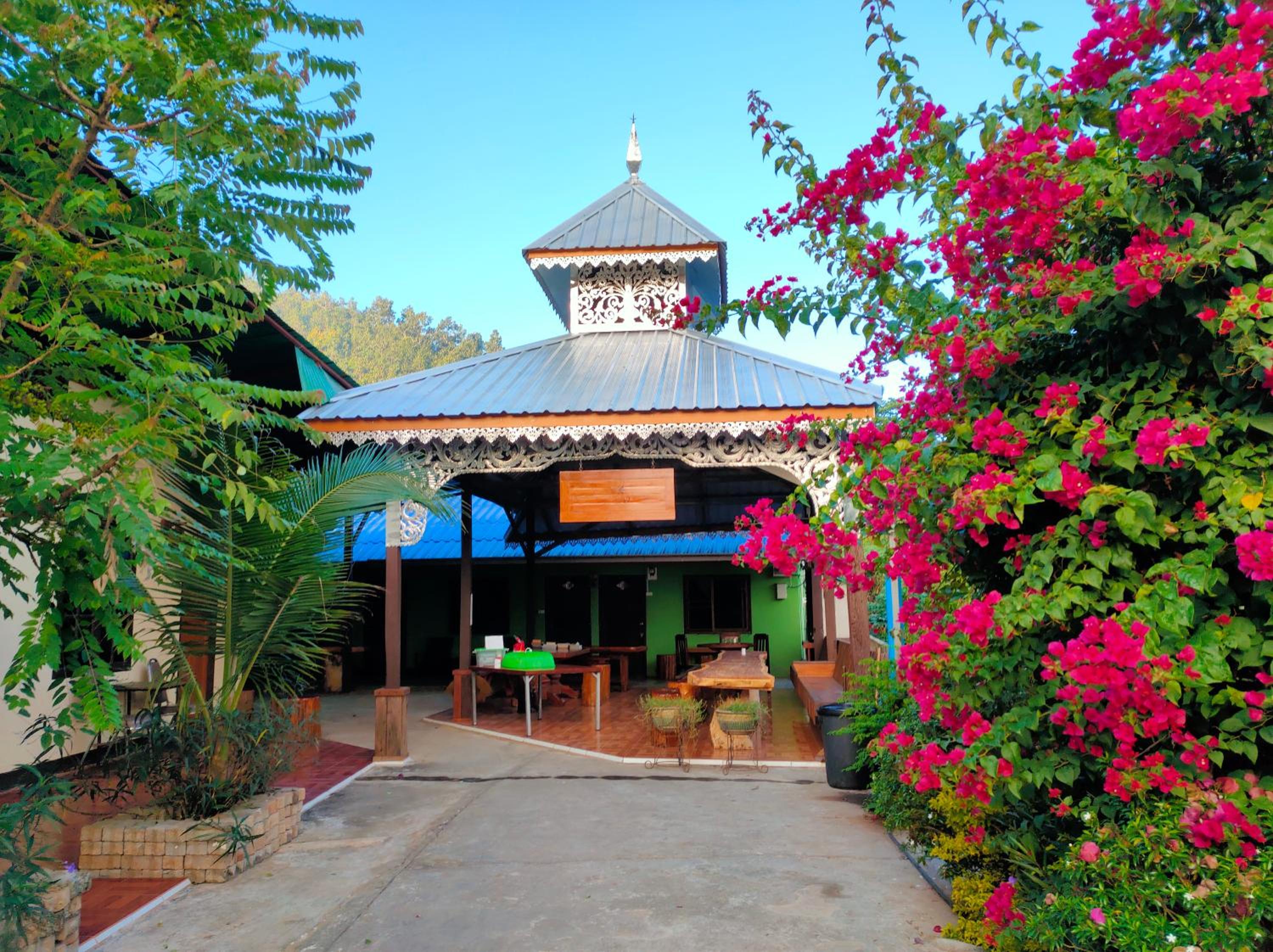
Stay round Chong Kham lake: the guesthouses sit between the two Burmese temples and the night market, and the town is small enough that everything is a walk. 37.69% of Mae Hong Son stops planned on Stippl are a single night, the loop's usual rhythm. Book ahead for November, when the sunflower bloom brings weekend visitors from Bangkok and Chiang Mai.
Chong Kham lake
Family guesthouses and one or two hostels, dorms from €7 and doubles €12 to €35; there is no luxury tier.
Doi Kong Mu
A handful of small resorts on the slopes with valley views, €35 to €90, a short ride from the market.
The Kayan villages
Riverside homestays hosted by the Kayan community, €10 to €25 with meals, reached by road or longtail.
Ban Rak Thai
Clay-walled guesthouses and tea-house rooms round the reservoir, €20 to €60, cold at night in December.


What to eat in Mae Hong Son
Thin rice noodles in a light tomato broth, the most common Shan dish of all
Deep-fried fritters of green papaya, shallot or banana blossom
Rice kneaded with pork and blood, steamed in a banana leaf
Grilled banana-leaf parcels of meat and herbs, northern Thai
Northern curry noodle soup, here sometimes with a hint of tomato
Chicken roasted in rice hay
Discover food spots in Stippl
Find restaurants and markets on the map, save them to your itinerary, works offline too.
Mae Hong Son customs and what not to do
The Kayan villages are loaded
The Kayan are refugees from Myanmar's Karenni state and many have no Thai citizenship, so the income matters; the human-zoo charge is documented and the residents themselves are divided.
Which village matters most
There are staged villages on the Chiang Mai and Pattaya day-trip circuits and there are real settlements near Mae Hong Son where people live; only the second is worth a visit.
Go with the village's guides
Pay the village, ask before every photograph and buy from the people you meet rather than through an operator that keeps the margin.
The coils press the collarbone
The neck is not lengthened; the shoulders are pushed down, and the women will explain it if asked with respect.
The lake temples are Shan
Wat Chong Kham and Wat Chong Klang are Burmese-Shan in style and use; shoulders and knees covered, and the morning market opposite is where the town eats.
Do
- Cover shoulders and knees at the lake temples and at Doi Kong Mu
- Ask before photographing anyone in a Kayan village, and buy something
- Check the air-quality reading before committing to a February or March visit
Don't
- Book a long-neck village as an add-on from Chiang Mai; that is the staged version
- Count on a flight; there is not one
- Ride route 1095 in the rains without checking conditions
What a Mae Hong Son trip costs
Budget
€20–30
Hostel dorm or lake-side guesthouse, market food, scooter hire.
Mid-range
€55–90
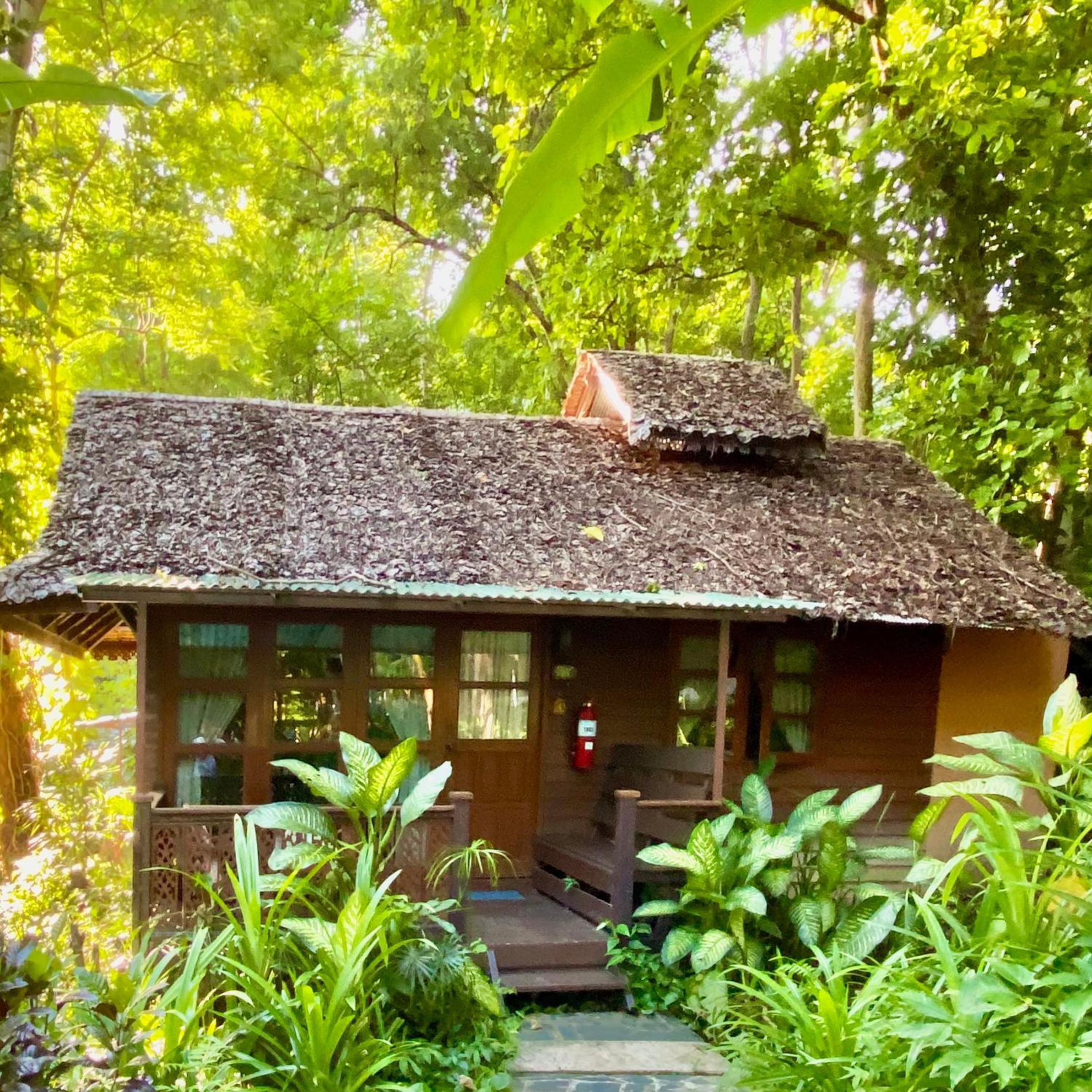
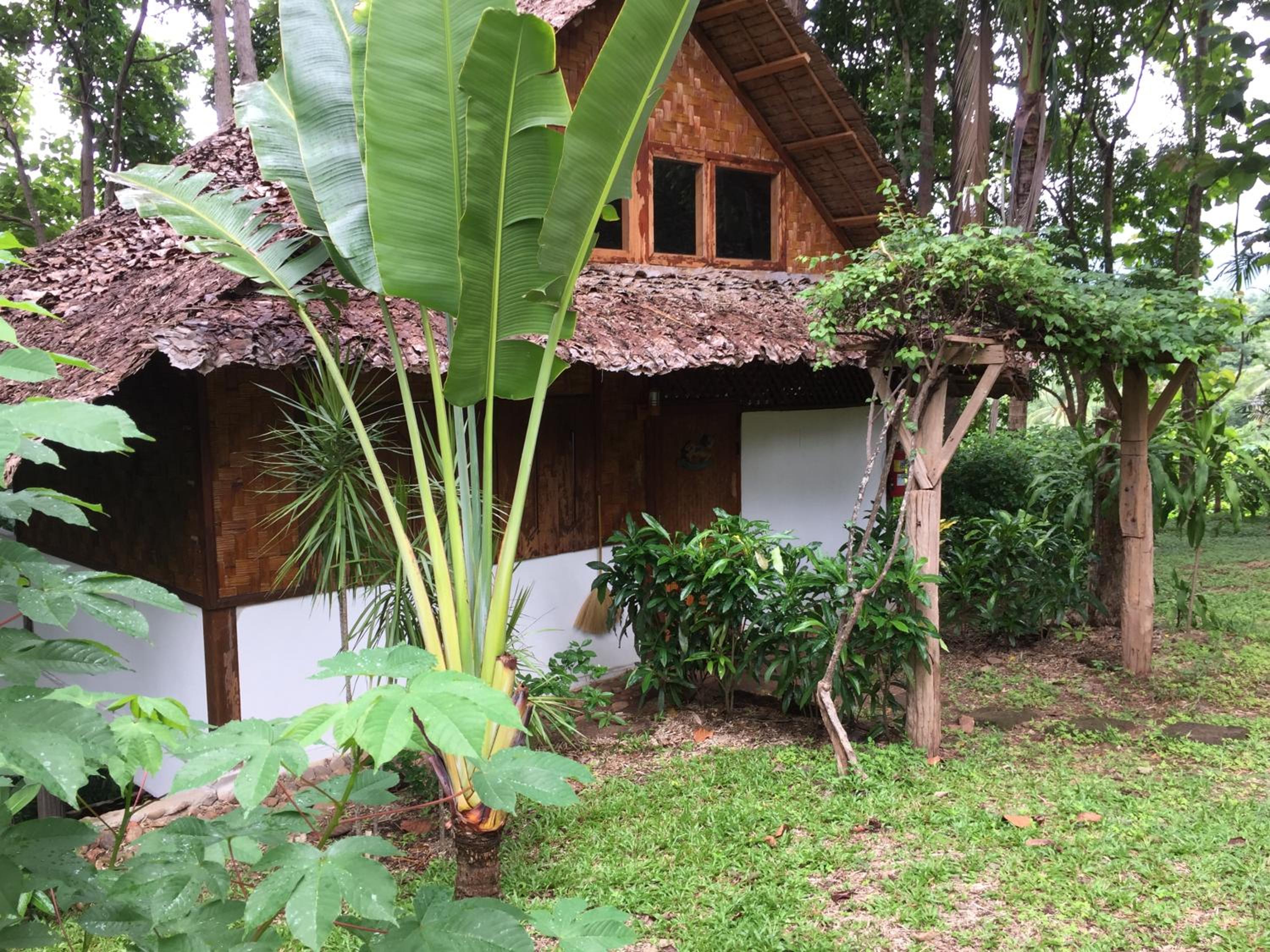
A hotel or hand-built hut, restaurant meals, a rented car.
High-end
€180+
The one resort outside town; there is no luxury tier here.
Track what you actually spend
Set a daily budget per country and log expenses in any currency while you travel.
Fun facts about Mae Hong Son
The valley floor sits at 270 metres, ringed by peaks of 2,000. That is why it fills with mist almost every morning, and why the town is nicknamed the city of three mists.
Mae Hong Son receives about 100,000 visitors a year. Chiang Mai, at the other end of the same road, receives millions, which is the whole argument for coming here.
The Su Tong Pae bridge is a bamboo walkway built for monks. It crosses the paddy fields so the monks can reach the village on their morning alms round without wading.
Ban Rak Thai was settled by Yunnanese Chinese soldiers. The village on the Myanmar border grows and sells tea, and the tea houses around its lake are the reason to drive out.
The town is the far corner of a 600 km motorbike loop. The Mae Hong Son Loop runs Chiang Mai, Pai, Mae Hong Son and Mae Sariang on routes 1095, 108 and 107.
Most of the population is Shan, not northern Thai. It shows in the temples, the language and the food, and the Burmese-style pagodas by the lake are the town's visual signature.
Local tips for Mae Hong Son
There are no flights
The airport exists and no airline serves it. It is the bus from Chiang Mai, six hours on Route 108 through Mae Sariang or the shorter and far more twisting 1095 through Pai.
Take the 108 if you get sick
Route 1095 makes people ill and the slower bus via Mae Sariang is the standard advice for anyone who suffers. The loop uses both roads, which is the point of the loop.
Ride the loop clockwise
Mae Sariang first, so the flat 108 leg builds skill before the mountains, on a semi-automatic 110cc or bigger. The 1,864 curves are the whole loop; 762 are the Pai road.
The town itself needs nothing
The lake, the temples, the market and most guesthouses are within a short walk. A scooter or a car covers everything outside, and Ban Rak Thai is a day.
How long to stay
Most people give Mae Hong Son 2 nights on Stippl, and nearly four in ten stay one as the far corner of the loop. Two gets the dawn at the lake and Pang Oung.
Three months of very bad air
February to April carry some of Thailand's worst smoke, trapped in the valley. November to January is the clean window; in the burning window check a live reading and cut the exertion.
Mae Hong Son questions, answered
If you can ride, it is the reason to come at all, and the town is the far corner of it. Lay the loop out in Stippl as several nights rather than a there-and-back, because it is six to eight hours from Chiang Mai either way round. Then ask people who have ridden it, in subreddits like r/ThailandTourism.
Not any more. The last airline dropped the route, so the town is reached by road only, either the northern way through Pai or the southern way through Mae Sariang. Both take six to eight hours from Chiang Mai and both are worth doing once, which is why people ride the loop rather than double back.
Barely: 0.13% of Thai stops planned on Stippl are in Mae Hong Son, which puts it well outside the country's top thirty places. That is the whole character of it, and it is why the loop rather than the town is the thing people plan around.
Almost nobody: 2.99% of Mae Hong Son stops planned on Stippl carry no night at all, which is what six to eight hours of mountain road in each direction does to the idea. The town is a night on a loop rather than an excursion out of Chiang Mai.
Khao sen at the morning market, which is the Shan noodle breakfast and the dish that tells you which side of the mountains you are on. Shan is the first language for a lot of people here, and the cooking follows that rather than the northern Thai food you get in Chiang Mai.
November to January, and not February, whatever a booking site says. February is already inside the northern burning window and this is a valley province where the smoke settles. Travellers leave 83 days between planning a Mae Hong Son stop on Stippl and arriving.
Every guide is written by the Stippl editors and checked against the trips our travellers actually plan. Spotted something out of date? Let us know.
Plan Mae Hong Son in Stippl
Day-by-day planning, stays and budget in one app, with every place from this guide already on the map.
Download the app