

Chiang Rai
Chiang Rai is Chiang Mai several notches quieter, and its White, Blue and Black temples are living art rather than history. The big sights are free or under €6, and it is the bridge to the Laos slow boat.
Chiang Rai in a nutshell
Chiang Rai: what to expect
The figures here sit on 1,756,000+ planned stops across Thailand on Stippl.
Chiang Rai is a town of three artist temples, and they are the reason to come rather than a bonus on the way past. Wat Rong Khun, the white mirror-glass complex an artist has been building with his own money for decades, is the headline. The Blue Temple is small, free and calmer, and Baan Dam is the dark twin of both, forty black teak buildings full of bones, hides and horns. Most travellers give the town 2 nights on Stippl.
Almost a third of people give Chiang Rai one night, and every sight is out of town. 31.7% of Chiang Rai stops planned on Stippl are a single night, and 94.2% of the trips carrying Chiang Rai carry Chiang Mai as well. The temples sit ten to thirty minutes apart in different directions, so one night means choosing two of the three.
Two nights is the honest minimum and three lets you reach the border. Take Wat Rong Khun at opening and Baan Dam in the same run, keep the Blue Temple for the end of a day because it is quick and free, and give a whole day to the Golden Triangle at Sop Ruak, where the Ruak meets the Mekong and three countries touch. Khun Korn waterfall is a flat walk through bamboo to the tallest fall in the province. Come between November and January, before the smoke, because Chiang Rai borders the fires that cause it.
Plan Chiang Rai in Stippl
Day-by-day planning, stays and budget in one app, with every place from this guide already on the map.
Download the appWho Chiang Rai is for
Temple and art travellers
The White, Blue and Black trio is a different register from Thailand's historic wats: living contemporary art, one artist's apocalyptic murals and another's bone-filled provocation.
Anyone heading for Laos
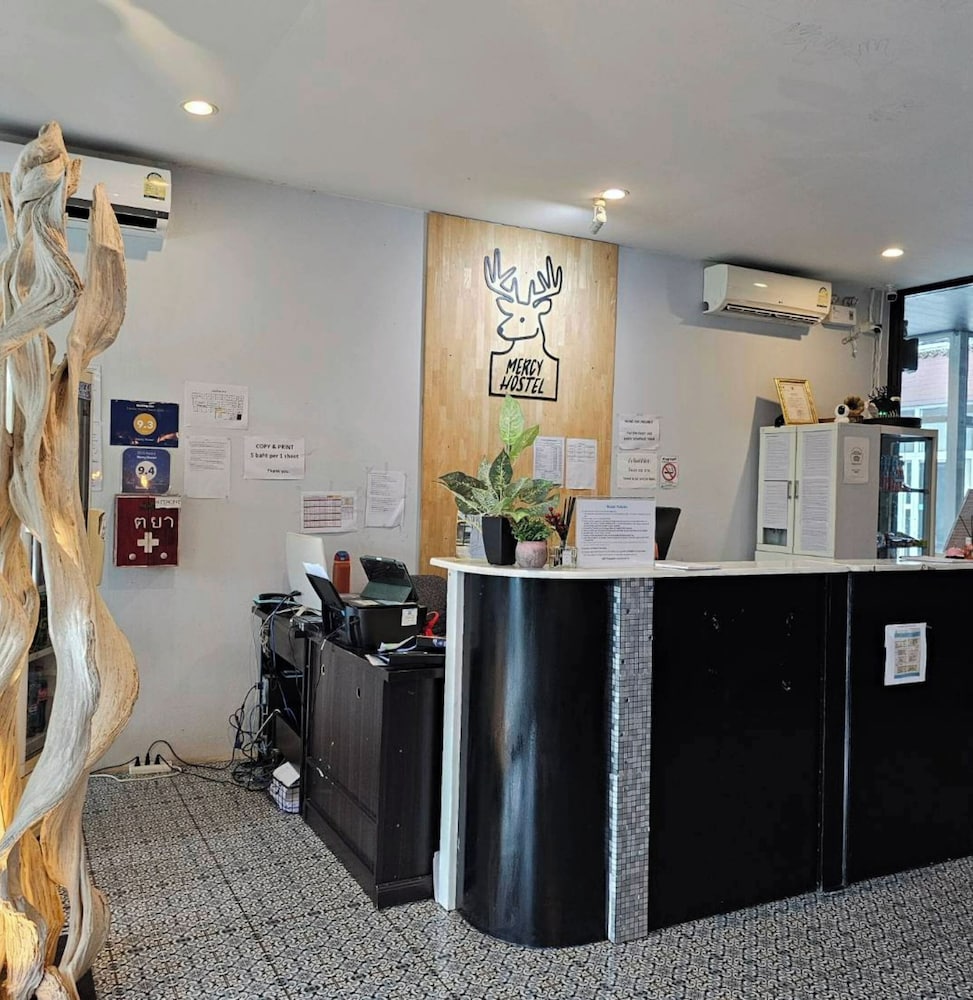
Chiang Rai is the natural bridge between Chiang Mai and the Huay Xai slow boat, with cheap central hostels built around exactly that traffic.
Anyone Chiang Mai wore out
The same Lanna north, several notches quieter: fewer tourists at the markets, calm evenings, and no crowds outside the White Temple's peak hours.
Coffee and tea people
The province grows Thailand's best-known highland arabica at Doi Chang and Doi Tung and its largest tea estates, and the city cafés run on local beans.
Viewpoint chasers
Phu Chi Fa and Phu Langka serve cool-season sunrise seas of mist that rank with anything in the country, at the cost of a 3 am start.
Budget travellers
Most people give it 2 nights: dorms from about €5, food for a few euros a day, and the biggest sights free or under €6.
Maybe not for you: nightlife travellers, since a handful of bars on Jetyod Road is the whole scene; anyone travelling March to mid-April, when the province sits beside the source fires of the regional smoke; and anyone who dislikes long road days, because the sights span a province.
The best time to visit Chiang Rai
Cool and dry
November to January
Clear skies, warm days and the coldest nights of any Thai destination, twelve degrees in December and January and colder on the viewpoints.
Burning season
February to mid April
The same northern smoke as Chiang Mai, and worse on the Myanmar border, where much of the fire load starts. February deteriorates through the month and March is the month to avoid.
Hot
March to May
Mid-thirties before the rains, with the smoke over the first half.
Rainy
May to October
Short heavy storms, wettest July to September, and the upside is real: green hills, full waterfalls and empty temples.
- The safe recommendation is November to January, not the November to February the guides say. February belongs to the burning season in bad years, and the viewpoints at Phu Chi Fa and Phu Langka are the first thing the smoke takes.
- January is the month most travellers plan Chiang Rai for on Stippl, about 83 days ahead. 11.6% of plans are made inside a fortnight, which works here in a way it does not in Chiang Mai.
- Late December to mid January is blossom season at Singha Park and Doi Tung. Pink tabebuia across the hills, a local draw that the international guides mostly miss, and it lands in the best fortnight of the year.
- The rains end the smoke within days, usually late April into early May. The rules are Chiang Mai's: an N95 mask, a live air index the morning of any mountain plan, and no viewpoint trip between February and mid April.
Add your Chiang Rai dates and we'll flag the weather
Stippl shows the season, crowds and prices for every stop on your route.
Describe your trip, get a Chiang Rai itinerary in seconds
Everything in this guide is already in Stippl. Tell the planner how long you have and what you like: it builds the route, the days and the travel times, and you edit whatever you want.
Things to do in Chiang Rai
 Photo by Evan Krause via Unsplash
 Photo by Alin Meceanu via Unsplash
 Photo by Kirandeep Singh Walia via Pexels
The White Temple at opening
Be at Wat Rong Khun at eight, when it opens, to see the all-white mirror-glass complex the artist Chalermchai Kositpipat has been building with his own money since 1997 before the coaches fill it. About €2.50, and the bridge of hands is a one-way walk.
The Blue Temple
See Wat Rong Suea Ten, deep blue and gold, finished in 2016 by a student of the White Temple's artist, with a luminous white Buddha inside. Smaller, free and calmer; interior photography is allowed here.
Baan Dam, the Black House
Walk the late Thawan Duchanee's estate of forty black teak buildings filled with bones, hides and horns, the dark twin of the White Temple. About €2, ten kilometres north of town, and a tuk-tuk will wait.
Wat Huay Pla Kang at sunset
Take the lift up inside the enormous white Guanyin on the hill outside town and look out through her eyes, then watch the sun go from the nine-tier pagoda. The grounds are free and the lift about €1.
A Golden Triangle day
Drive to Sop Ruak, where the Ruak meets the Mekong and three countries touch, for the viewpoint, a Mekong boat run and the opium museums that explain what this borderland was until the 1990s. About an hour and a half each way; the Hall of Opium is the museum to pick.
The market circuit
Saturday Walking Street on Thanalai Road from five until eleven, the week's big event and heavily local, the Sunday version on San Khong Noi, and the nightly Night Bazaar by the bus terminal. Eat at the Saturday one; the food courts are hidden down the side streets.
The neighbourhoods of Chiang Rai
Wiang
Walkable core, bars on Jetyod
The city centre: the Clock Tower, Wat Phra Kaew, Jetyod Road's bars and most of the hostels and guesthouses, with the first bus terminal in the middle. For first visits and short stays that want everything on foot.
Everything walkable from your bed, and a small-town evening by ten.
Night Bazaar
Market, food court, early buses
The evening centre of gravity: the nightly market, the food court and live music, next to the bus terminal for the early departures. For a single night between the temples and the border.
Dinner and the bus in one place, and a market crowd under the window.
Kok Riverside
Resorts and garden cafés
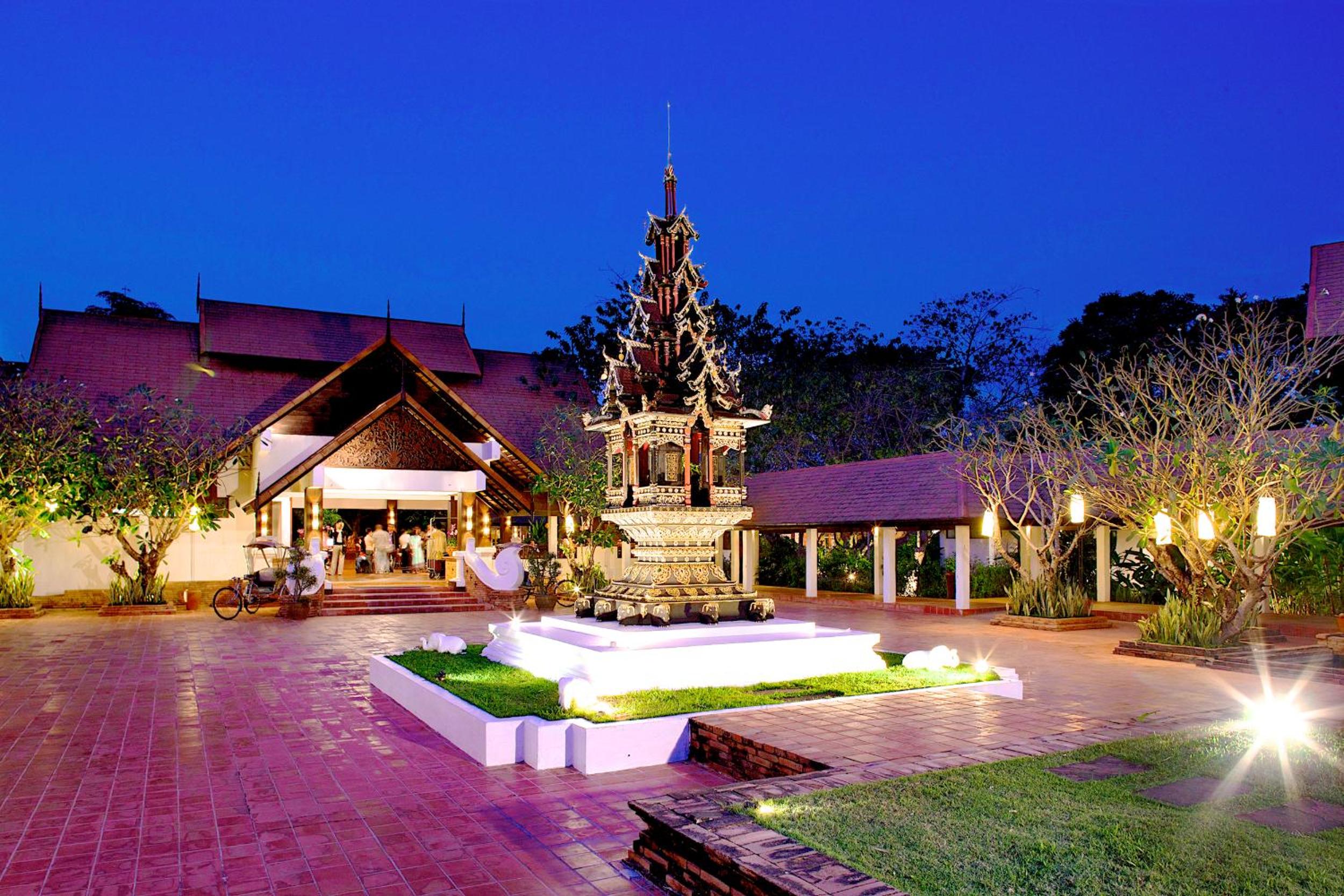
The north edge along the Mae Kok: the upmarket strip of riverside resorts, spas and garden cafés, ten minutes from the centre. For couples and families who want a pool and a river view.
A river at breakfast and a spa, and a tuk-tuk for every dinner in town.
The countryside
Rice fields, farm cafés, own wheels
Homestays, villas and farm cafés among the rice fields north and west of the city, in the Rim Kok and Nang Lae direction. For slow travellers with a scooter or a Grab budget who want the north outside the town.
Rice fields outside the window, and nothing within walking distance.
See every Chiang Rai neighbourhood on one map
Save the areas you like and Stippl plots your days so you're not crossing the city twice.
Where to stay in Chiang Rai
Stay in Wiang, the walkable centre, where the hostels, guesthouses and small hotels sit between the Clock Tower and the night bazaar. Most people give Chiang Rai 2 nights on Stippl, enough for the White Temple and the Blue Temple with a morning to spare. Booking pressure is mild; a few days' notice covers even the November to February peak.
Wiang
Quiet hostels built for the Laos traffic, dorms €5 to €10, and central hotels €17 to €43.
Night Bazaar
Budget guesthouses and small hotels next to the bus terminal, €13 to €35, for an early departure.
Kok Riverside
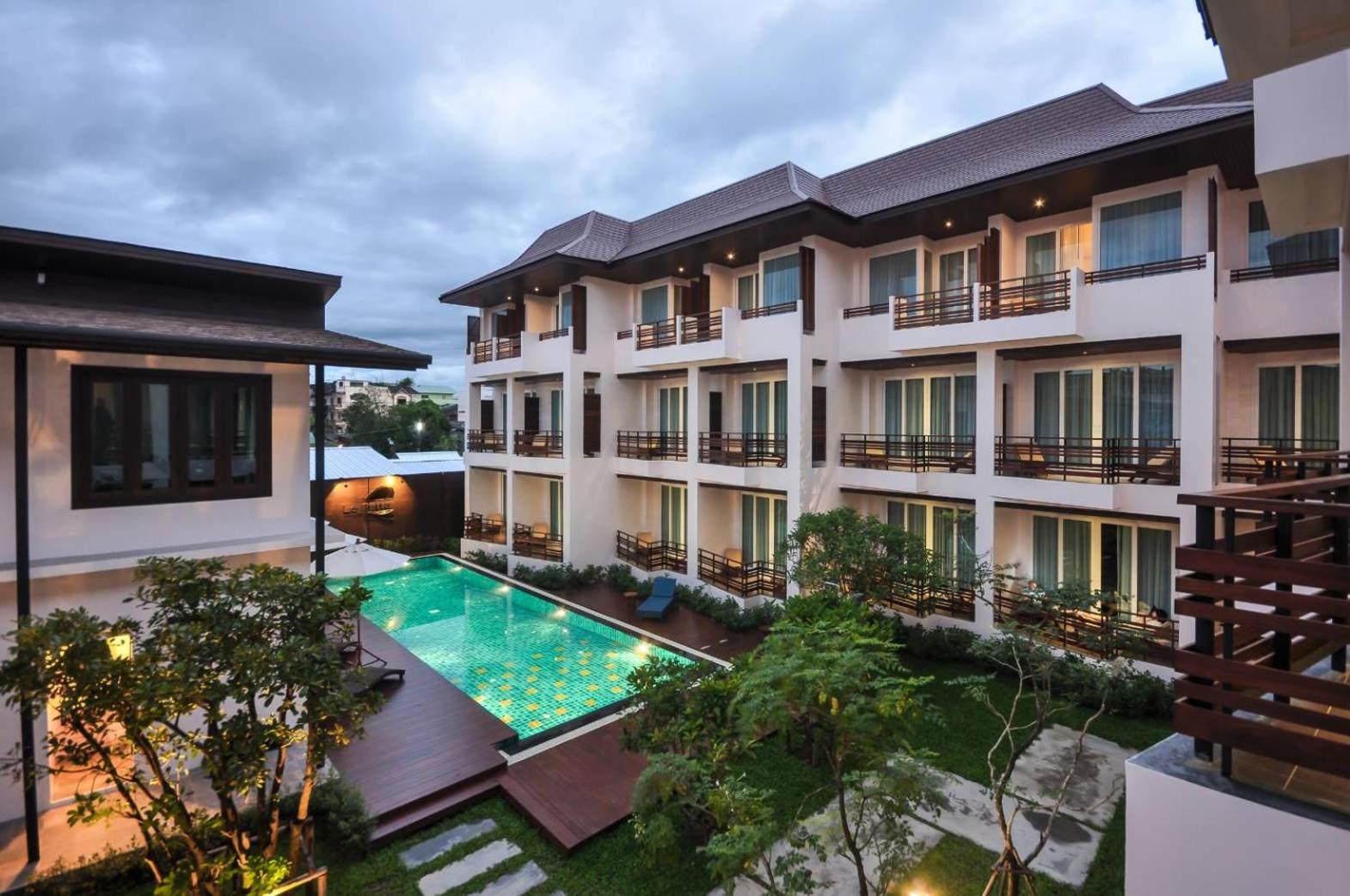
Riverside resorts with gardens and spas, €50 to €150, the only resort product the city has.
The countryside
Family-run homestays and rice-field villas ten minutes out, €25 to €80; you need a scooter.


What to eat in Chiang Rai
the northern coconut-curry noodle dish
northern herb sausage, grilled
green-chilli and tomato-pork dips with vegetables
grilled pork skewers / marinated grilled chicken with sticky rice
order-it-yourself broth pot, a northern night-market institution
Discover food spots in Stippl
Find restaurants and markets on the map, save them to your itinerary, works offline too.
Chiang Rai customs and what not to do
This is where Lanna started
Mengrai's first capital, and the Emerald Buddha was found here in 1434 when lightning split a chedi at Wat Phra Kaew, in the city centre and quieter than the artist temples.
The artist temples are temples
Shoulders-and-knees dress and shoes off apply at the White Temple exactly as at a historic wat; it enforces the code at the gate and bans photography inside the main building.
Tham Luang is living memory
The 2018 cave rescue is recent local memory and the memorial statue honours Saman Kunan, the diver who died; visit quietly, not as a curiosity.
Mae Sai is trade, not theatre
The border market is a working one for the town on both sides; treat it as a functioning border, not a photo stop, and do not plan a Myanmar hop.
The villages are homes
Many hill villages near the border are refugee communities with few income options, and the long-neck show-village format is the one to refuse; visit the Hill Tribe Museum first.
Do
- Reach the White Temple at 08:00, dressed for a temple, with cash for the ticket
- Visit the Hill Tribe Museum before booking any village visit or trek
- Bring warm layers from November to February; nights in town are 12 degrees and the sunrise viewpoints colder
- Check the air index each morning between February and April before committing to the mountains
Don't
- Photograph inside the White Temple's main building
- Book a long-neck village photo-stop tour; the format itself is the problem
- Plan a Myanmar border hop at Mae Sai
- Swim in or eat fish from the Kok River
What a Chiang Rai trip costs
Backpacker
€16–27
Dorm, night-market meals, songthaews, free temples.
Mid-range
€36–45
Private room or small hotel, scooter or Grab, paid sights, café habit.
Comfortable
€45–64+
Riverside resort, private driver days, tours.
Track what you actually spend
Set a daily budget per country and log expenses in any currency while you travel.
Fun facts about Chiang Rai
The White Temple is entirely funded by one artist. Chalermchai Kositpipat has spent over a billion baht of his own money, caps donations to keep control, and the nine-building plan is projected to finish around 2070.
An earthquake in 2014 nearly ended the White Temple. The damage was severe enough that demolition was considered, and the artist chose restoration instead.
The murals inside the White Temple feature Superman, Neo and Harry Potter. They are woven into a Buddhist judgement scene, the artist's point being that no superhero saves you from yourself.
Chiang Rai is older than Chiang Mai. King Mengrai ruled from here in the thirteenth century before founding Chiang Mai in 1296 and moving the Lanna court south.
The Emerald Buddha was discovered in Chiang Rai in 1434. Lightning split the chedi at Wat Phra Kaew that hid it, and the statue is now Thailand's palladium in the Grand Palace in Bangkok.
The giant white figure at Wat Huay Pla Kang is not a Buddha. It is Guanyin, the bodhisattva of mercy, 69 metres tall, and half the internet calls it a Big Buddha anyway.
The Black House took its creator 36 years to build. Thawan Duchanee filled the 40-building estate with bones and hides because, he said, death inspired him to draw.
Local tips for Chiang Rai
Fly in, or bus from Chiang Mai
There is no railway to Chiang Rai. From Bangkok the flight is cheap and frequent; from Chiang Mai the bus takes three hours for about €7 and the Green Bus is the one.
The centre walks end to end
In town Grab shows the price up front and the songthaews are the cheapest ride. Agree a tuk-tuk fare before you get in.
The temples need wheels
The White, Blue and Black temples are outside town in three directions: a rented scooter, a driver for about €25, Grab both ways or the seven-sights tour, which exists because the bus does not.
The Golden Triangle by tour
The distances are long, the stops are spread and no bus serves the loop; a shared tour is about €30. The boat to the Laos casino bank is a scam zone, not a photo stop.
How long to stay
Most people give Chiang Rai 2 nights on Stippl, and nearly a third stay one, the highest share in Thailand. Two nights gets the temples and the Golden Triangle without the rush.
March air is the hazard
The province shares Chiang Mai's burning-season smoke and adds Myanmar's. From February to mid April check a live reading and keep the mask; the city itself is among the calmest in the country.
Chiang Rai questions, answered
Not if you can avoid it. The round trip is six hours in a vehicle and the sights are spread ten to thirty minutes apart on the far side of it. Lay it into the route in Stippl as a stop between Chiang Mai and the border rather than as a return leg. Then ask people who tried it both ways, in subreddits like r/ThailandTourism.
About one in eight: 12.7% of Thailand trips planned on Stippl carry a Chiang Rai stop. That is a fraction of what the north's main city takes, and it is mostly a question of distance, since the town sits three hours further on with a border behind it.
You can see two of the three comfortably. Wat Rong Khun, the Blue Temple and Baan Dam sit in different directions, ten to thirty minutes out of town, so one day covers a pair of them properly or all three in a rush. Wat Rong Khun at opening is the one to build the day around.
The point at Sop Ruak, about an hour north of the town, where the Ruak river meets the Mekong and Thailand, Laos and Myanmar all touch. There is a viewpoint, boat runs out onto the Mekong and two opium museums that explain what this borderland was before it became a photograph stop.
In March and the first half of April, badly. Chiang Rai sits up against the border where much of the burning happens, so the haze arrives earlier and clears later than it does further south. 63.1% of travellers who plan Chiang Rai on Stippl arrive between November and February.
Yes, at Chiang Khong on the Mekong, where the two-day slow boat down to Luang Prabang starts. 67.9% of the trips that include Chiang Rai on Stippl carry another country as well, and that crossing is much of the reason. It is why the town works better on the way out than as a return trip.
Every guide is written by the Stippl editors and checked against the trips our travellers actually plan. Spotted something out of date? Let us know.

Plan Chiang Rai in Stippl
Day-by-day planning, stays and budget in one app, with every place from this guide already on the map.
Download the app