

Chiang Rai
Chiang Rai è Chiang Mai con parecchi gradi di quiete in più, e i suoi templi Bianchi, Blu e Neri sono arte vivente piuttosto che storia. I principali siti sono gratuiti o sotto i 6 €, ed è il ponte per il slow boat del Laos.
Chiang Rai in breve
Chiang Rai: cosa aspettarsi
Le figure qui si trovano su 1.756.000+ soste pianificate in tutta la Thailandia su Stippl.
Chiang Rai è una città di tre templi artistici, ed essi sono il motivo per venire piuttosto che un bonus di passaggio. Wat Rong Khun, il complesso bianco in vetro specchiato che un artista sta costruendo con i suoi soldi da decenni, è il pezzo forte. Il Tempio Blu è piccolo, gratuito e più tranquillo, e Baan Dam è il gemello scuro di entrambi, quaranta edifici in teak nero pieni di ossa, pelli e corna. La maggior parte dei viaggiatori dedica alla città 2 notti su Stippl.
Quasi un terzo delle persone dedica a Chiang Rai una notte, e ogni attrazione è fuori città. Il 31,7% delle soste a Chiang Rai pianificate su Stippl è di una sola notte, e il 94,2% dei viaggi che includono Chiang Rai includono anche Chiang Mai. I templi si trovano da dieci a trenta minuti di distanza in direzioni diverse, quindi una notte significa scegliere due dei tre.
Due notti è il minimo onesto e tre ti permettono di raggiungere il confine. Prendi Wat Rong Khun all'apertura e Baan Dam nella stessa corsa, tieni il Tempio Blu per la fine di una giornata perché è veloce e gratuito, e dedica un'intera giornata al Triangolo d'Oro a Sop Ruak, dove il Ruak incontra il Mekong e tre paesi si toccano. La cascata di Khun Korn è una passeggiata pianeggiante attraverso il bambù fino alla cascata più alta della provincia. Vieni tra novembre e gennaio, prima del fumo, perché Chiang Rai confina con i fuochi che lo causano.
Pianifica Chiang Rai in Stippl
Pianificazione giorno per giorno, alloggi e budget in un'unica app, con ogni luogo di questa guida già sulla mappa.
Scarica l'appPer chi è Chiang Rai
Viaggiatori di templi e arte
Il trio Bianco, Blu e Nero è un registro diverso dai wats storici della Thailandia: arte contemporanea vivente, gli affreschi apocalittici di un artista e la provocazione piena di ossa di un altro.
Chiunque sia diretto al Laos
Chiang Rai è il ponte naturale tra Chiang Mai e la barca lenta per Huay Xai, con ostelli centrali economici costruiti attorno esattamente a quel traffico.
Chiunque Chiang Mai abbia stancare
Lo stesso nord di Lanna, diversi scalini più tranquillo: meno turisti nei mercati, serate calme, e nessuna folla fuori dalle ore di punta al Tempio Bianco.
Persone appassionate di caffè e tè
La provincia coltiva la più famosa arabica d'altitudine della Thailandia a Doi Chang e Doi Tung e i suoi più grandi poderi di tè, e i caffè della città funzionano con chicchi locali.
Cacciatori di punti panoramici
Phu Chi Fa e Phu Langka offrono mari di nebbia all'alba della stagione fresca che si classificano con qualsiasi cosa nel paese, al costo di un inizio alle 3 del mattino.
Viaggiatori con budget limitato
La maggior parte delle persone le dedica 2 notti: dormitori da circa €5, cibo per pochi euro al giorno, e le principali attrazioni gratuite o sotto €6.
Forse non fa per te: viaggiatori della vita notturna, poiché una manciata di bar su Jetyod Road è tutta la scena; chiunque viaggi da marzo a metà aprile, quando la provincia si trova accanto ai fuochi di origine del fumo regionale; e chiunque non ami lunghe giornate di viaggio, perché le attrazioni si estendono su una provincia.
Il miglior periodo per visitare Chiang Rai
Fresco e asciutto
Novembre a gennaio
Cieli limpidi, giorni caldi e le notti più fredde di qualsiasi meta tailandese, dodici gradi a dicembre e gennaio e ancora più freddo nei punti di osservazione.
Stagione dei fuochi
Febbraio a metà aprile
Lo stesso fumo del nord come a Chiang Mai, e peggio al confine con il Myanmar, dove inizia gran parte dell'incendio. Febbraio peggiora nel corso del mese e marzo è il mese da evitare.
Caldo
Marzo a maggio
Metà anni trenta prima delle piogge, con il fumo nella prima metà.
Piovoso
Maggio a ottobre
Temporali brevi e intensi, il più bagnato luglio-settembre, e il lato positivo è reale: colline verdi, cascate piene e templi vuoti.
- La raccomandazione sicura è novembre-gennaio, non novembre-febbraio come dicono le guide. Febbraio appartiene alla stagione di bruciatura in anni cattivi, e i punti di osservazione a Phu Chi Fa e Phu Langka sono la prima cosa che il fumo porta via.
- Gennaio è il mese in cui la maggior parte dei viaggiatori pianifica Chiang Rai su Stippl, circa 83 giorni prima. L'11,6% dei piani sono fatti entro una quindicina di giorni, che funziona qui in un modo in cui non funziona a Chiang Mai.
- Fine dicembre a metà gennaio è stagione di fioritura a Singha Park e Doi Tung. Tabebuia rosa sulle colline, un richiamo locale che le guide internazionali per lo più perdono, e atterra nella migliore quindicina dell'anno.
- Le piogge terminano il fumo entro pochi giorni, di solito fine aprile in inizio maggio. Le regole sono quelle di Chiang Mai: una maschera N95, un indice dell'aria dal vivo la mattina di qualsiasi piano di montagna, e niente gita al punto di osservazione tra febbraio e metà aprile.
Aggiungi le tue date per Chiang Rai e ti segnaliamo il meteo
Stippl mostra la stagione, l'affluenza e i prezzi per ogni tappa del tuo itinerario.
Descrivi il tuo viaggio e ottieni un itinerario per Chiang Rai in pochi secondi
Tutto questo guida è già in Stippl. Di' al pianificatore quanto tempo hai e cosa ti piace: costruisce l'itinerario, le giornate e i tempi di viaggio, e tu modifichi ciò che vuoi.
Cose da fare a Chiang Rai
 Photo by Evan Krause via Unsplash
 Photo by Alin Meceanu via Unsplash
 Photo by Kirandeep Singh Walia via Pexels
Il Tempio Bianco all'apertura
Sii a Wat Rong Khun alle otto, quando apre, per vedere il complesso specchiato tutto bianco che l'artista Chalermchai Kositpipat sta costruendo con i suoi soldi dal 1997 prima che i pullman lo riempiano. Circa €2,50, e il ponte delle mani è una passeggiata a senso unico.
Il Tempio Blu
Vedi Wat Rong Suea Ten, blu profondo e oro, finito nel 2016 da uno studente dell'artista del Tempio Bianco, con un Buddha luminoso bianco all'interno. Più piccolo, gratuito e più calmo; la fotografia interna è consentita qui.
Baan Dam, la Casa Nera
Cammina nella proprietà di quaranta edifici di teak nero dello scomparso Thawan Duchanee pieni di ossa, pelli e corna, il gemello scuro del Tempio Bianco. Circa €2, dieci chilometri a nord della città, e un tuk-tuk aspetterà.
Wat Huay Pla Kang al tramonto
Prendi l'ascensore dentro l'enorme Guanyin bianca sulla collina fuori città e guarda fuori dai suoi occhi, poi guarda il sole tramontare dalla pagoda a nove livelli. I terreni sono gratuiti e l'ascensore circa €1.
Una giornata al Triangolo d'Oro
Guida a Sop Ruak, dove il Ruak incontra il Mekong e tre paesi si toccano, per il punto di osservazione, una corsa in barca sul Mekong e i musei dell'oppio che spiegano cos'era questa terra di confine fino agli anni '90. Circa un'ora e mezza in ogni senso; l'Aula dell'Oppio è il museo da scegliere.
Il circuito del mercato
Saturday Walking Street su Thanalai Road dalle cinque alle undici, l'evento principale della settimana e molto locale, la versione domenicale su San Khong Noi, e il Night Bazaar notturno accanto al terminal degli autobus. Mangia al Saturday; i food court sono nascosti sotto le strade laterali.
I quartieri di Chiang Rai
Wiang
Centro percorribile a piedi, bar su Jetyod
Il centro città: la Torre dell'Orologio, Wat Phra Kaew, i bar di Jetyod Road e la maggior parte degli ostelli e guesthouse, con il primo terminal degli autobus in mezzo. Per le prime visite e i soggiorni brevi che vogliono tutto a portata di mano.
Tutto raggiungibile dal tuo letto, e una serata da piccolo paese entro le dieci.
Night Bazaar
Mercato, food court, autobus iniziali
Il baricentro serale: il mercato notturno, il food court e la musica dal vivo, accanto al terminal degli autobus per le partenze iniziali. Per una sola notte tra i templi e il confine.
Cena e autobus nello stesso posto, e una folla del mercato sotto la finestra.
Kok Riverside
Resort e caffè con giardino
Il bordo settentrionale lungo il Mae Kok: la striscia di lusso di resort sul fiume, spa e caffè con giardino, dieci minuti dal centro. Per le coppie e le famiglie che vogliono una piscina e una vista sul fiume.
Un fiume a colazione e una spa, e un tuk-tuk per ogni cena in città.
The countryside
Campi di riso, caffè in fattoria, mezzi propri
Homestay, ville e caffè in fattoria tra i campi di riso a nord e ovest della città, nella direzione di Rim Kok e Nang Lae. Per i viaggiatori lenti con uno scooter o un budget Grab che vogliono il nord fuori dalla città.
Campi di riso fuori dalla finestra, e niente entro una passeggiata a piedi.
Vedi ogni quartiere di Chiang Rai su un'unica mappa
Salva le zone che ti piacciono e Stippl organizza le tue giornate così non attraversi la città due volte.
Dove alloggiare a Chiang Rai
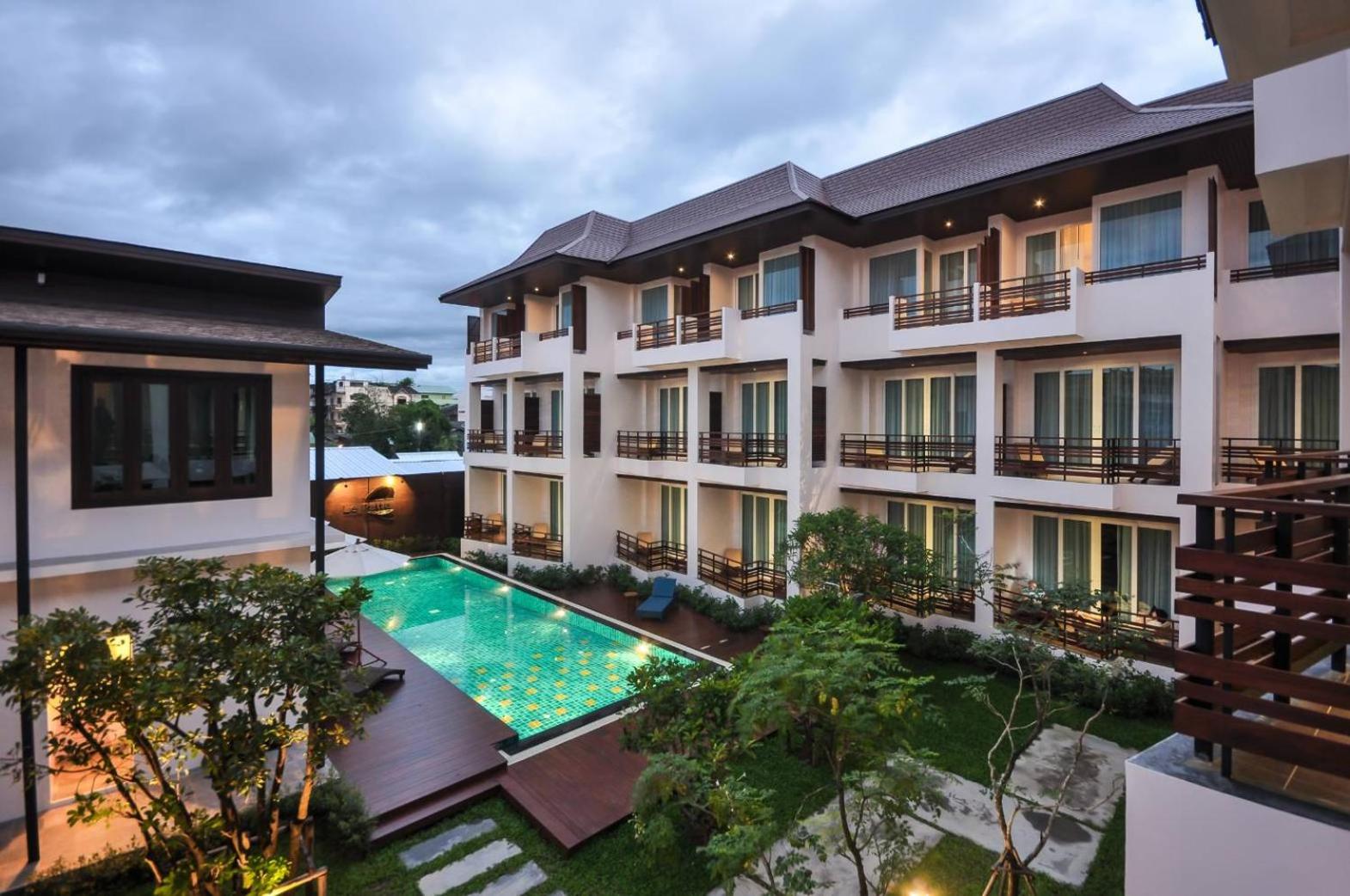
Alloggia a Wiang, il centro percorribile a piedi, dove gli ostelli, le guesthouse e i piccoli hotel si trovano tra la Torre dell'Orologio e il bazar notturno. La maggior parte delle persone dà a Chiang Rai 2 notti su Stippl, sufficienti per il Tempio Bianco e il Tempio Blu con una mattinata di anticipo. La pressione di prenotazione è mite; pochi giorni di preavviso coprono anche il picco da novembre a febbraio.
Wiang
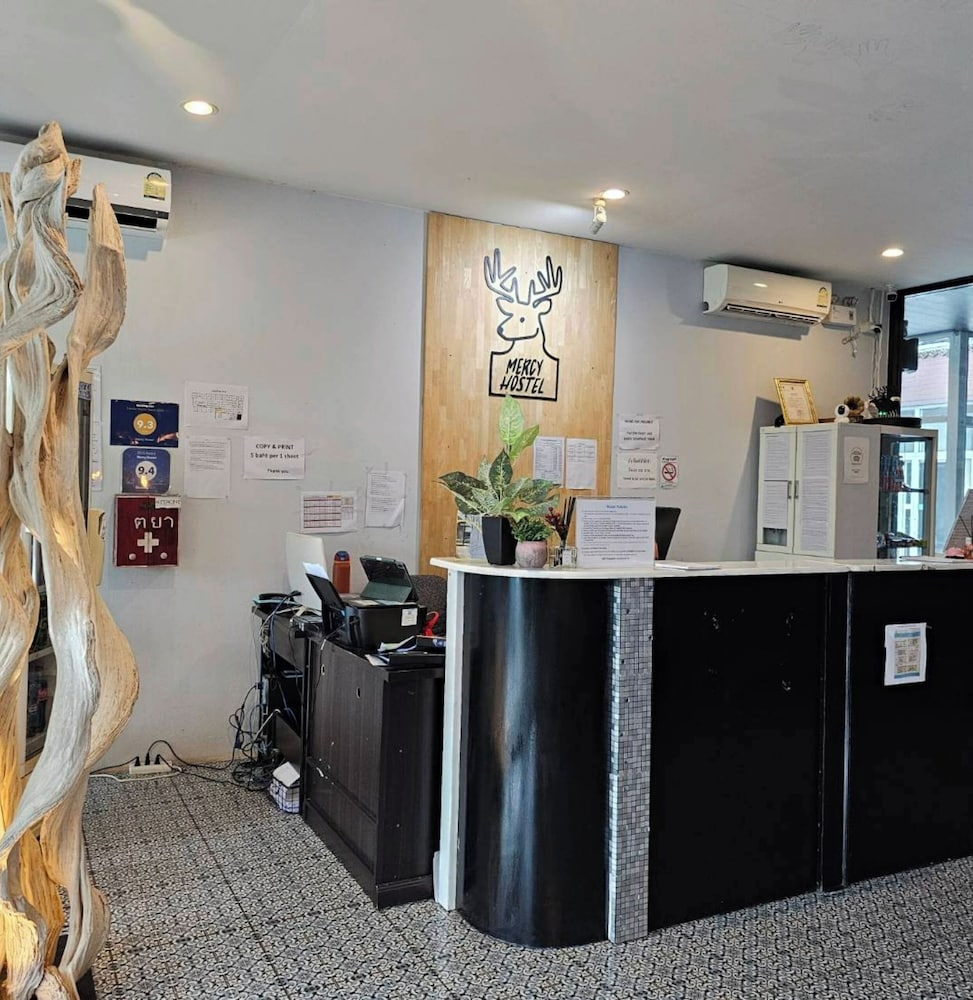
Ostelli tranquilli costruiti per il traffico del Laos, dormitori €5 a €10, e hotel centrali €17 a €43.
Night Bazaar
Guesthouse economiche e piccoli hotel accanto al terminal degli autobus, €13 a €35, per una partenza anticipata.
Kok Riverside
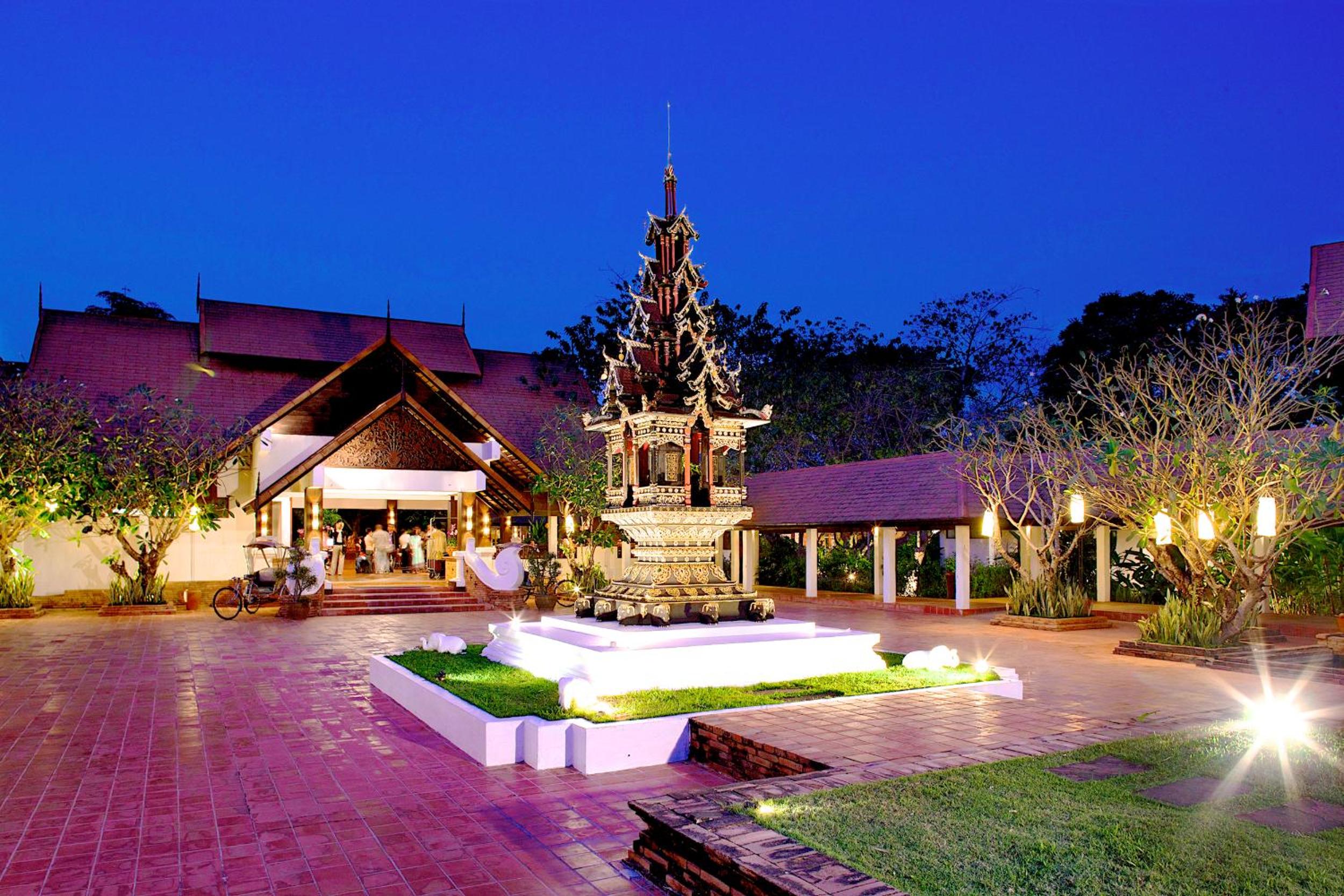
Resort sul fiume con giardini e spa, €50 a €150, l'unico prodotto resort che la città ha.
La campagna
Homestay a conduzione familiare e ville nei campi di riso dieci minuti fuori, €25 a €80; hai bisogno di uno scooter.


Cosa mangiare a Chiang Rai
il piatto settentrionale di noodle al curry di cocco
salsiccia di erbe settentrionale, grigliata
immersioni di maiale e pomodoro al peperoncino verde con verdure
spiedini di maiale alla griglia / pollo marinato alla griglia con riso appiccicaticcio
pentola di brodo su ordinazione, un'istituzione del mercato notturno settentrionale
Scopri posti dove mangiare in Stippl
Trova ristoranti e mercati sulla mappa, salvali nel tuo itinerario, funziona anche offline.
Costumi di Chiang Rai e cosa non fare
È qui che Lanna ha avuto inizio
Primo capitale di Mengrai, e il Buddha di Smeraldo è stato trovato qui nel 1434 quando un fulmine spezzò uno chedi a Wat Phra Kaew, nel centro città e più tranquillo dei templi degli artisti.
I templi degli artisti sono templi
L'abbigliamento che copre spalle e ginocchia e le scarpe tolte si applicano al Tempio Bianco esattamente come in un wat storico; applica il codice al cancello e vieta la fotografia all'interno dell'edificio principale.
Tham Luang è memoria vivente
Il salvataggio dalla grotta del 2018 è memoria locale recente e la statua commemorativa onora Saman Kunan, il sommozzatore che è morto; visita in silenzio, non come una curiosità.
Mae Sai è commercio, non teatro
Il mercato di confine è uno operativo per la città su entrambi i lati; trattalo come un confine funzionante, non come una fermata fotografica, e non pianificare un salto in Myanmar.
I villaggi sono case
Molti villaggi sulle colline vicino al confine sono comunità di rifugiati con poche opzioni di reddito, e il formato show-villaggio del collo lungo è quello da rifiutare; visita prima il Museo delle Tribù Montane.
Sì
- Raggiungi il Tempio Bianco alle 08:00, vestito da tempio, con contanti per il biglietto
- Visita il Hill Tribe Museum prima di prenotare una visita al villaggio o un trekking
- Porta strati caldi da novembre a febbraio; le notti in città sono 12 gradi e i punti di osservazione dell'alba ancora più freddi
- Controlla l'indice dell'aria ogni mattina tra febbraio e aprile prima di impegnarti in montagna
No
- Fotografare all'interno dell'edificio principale del Tempio Bianco
- Prenota un tour di un villaggio del collo lungo per foto; il formato stesso è il problema
- Pianificare un salto di confine con il Myanmar a Mae Sai
- Nuotare nel Fiume Kok o mangiare pesce da esso
Quanto costa un viaggio a Chiang Rai
Backpacker
€16–27
Dormitorio, pasti al mercato notturno, songthaew, templi gratuiti.
Fascia media
€36–45
Camera privata o piccolo hotel, scooter o Grab, siti a pagamento, abitudine del caffè.
Confortevole
€45–64+
Resort sul fiume, giorni con autista privato, tour.
Tieni d'occhio quanto spendi davvero
Imposta un budget giornaliero per paese e registra le spese in qualsiasi valuta mentre viaggi.
Curiosità su Chiang Rai
Il Tempio Bianco è interamente finanziato da un artista. Chalermchai Kositpipat ha speso oltre un miliardo di baht di tasca propria, limita le donazioni per mantenere il controllo, e il piano di nove edifici è previsto terminare intorno al 2070.
Un terremoto nel 2014 ha quasi distrutto il Tempio Bianco. Il danno è stato abbastanza grave da considerare la demolizione, e l'artista ha scelto il restauro.
I murales all'interno del Tempio Bianco raffigurano Superman, Neo e Harry Potter. Sono intessuti in una scena di giudizio buddhista, il punto dell'artista essendo che nessun supereroe ti salva da te stesso.
Chiang Rai è più antica di Chiang Mai. Il Re Mengrai regnò da qui nel tredicesimo secolo prima di fondare Chiang Mai nel 1296 e spostare la corte Lanna a sud.
Il Buddha di Smeraldo è stato scoperto a Chiang Rai nel 1434. Un fulmine spezzò lo chedi a Wat Phra Kaew che lo nascondeva, e la statua è ora il talismano della Tailandia nel Palazzo Reale a Bangkok.
La figura bianca gigante a Wat Huay Pla Kang non è un Buddha. È Guanyin, la bodhisattva della compassione, alta 69 metri, e metà di Internet la chiama comunque Big Buddha.
La Black House ha richiesto 36 anni al suo creatore per essere costruita. Thawan Duchanee ha riempito la proprietà di 40 edifici con ossa e pelli perché, come ha detto, la morte lo ispirava a disegnare.
Consigli locali per Chiang Rai
Vola dentro, o autobus da Chiang Mai
Non c'è ferrovia per Chiang Rai. Da Bangkok il volo è economico e frequente; da Chiang Mai l'autobus impiega tre ore per circa €7 e il Green Bus è quello giusto.
Le passeggiate del centro vanno da un'estremità all'altra
In città Grab mostra il prezzo in anticipo e i songthaew sono la corsa più economica. Accordati su una tariffa di tuk-tuk prima di salire.
I templi hanno bisogno di mezzi
I templi Bianco, Blu e Nero sono fuori città in tre direzioni: uno scooter a noleggio, un autista per circa €25, Grab in entrambi i sensi o il tour dei sette siti, che esiste perché l'autobus non lo fa.
Il Triangolo d'Oro con tour
Le distanze sono lunghe, le tappe sono sparse e nessun autobus serve il circuito; un tour condiviso è circa €30. La barca verso la banca del casinò del Laos è una zona di truffe, non una fermata fotografica.
Quanto restare
La maggior parte delle persone dà a Chiang Rai 2 notti su Stippl, e quasi un terzo ne rimane una, la quota più alta della Tailandia. Due notti ottengono i templi e il Triangolo d'Oro senza la fretta.
L'aria di marzo è il pericolo
La provincia condivide il fumo della stagione di bruciatura di Chiang Mai e aggiunge quello del Myanmar. Da febbraio a metà aprile controlla una lettura dal vivo e tieni la maschera; la città stessa è tra le più tranquille del paese.
Domande su Chiang Rai, risposte
Non se puoi evitarlo. Il viaggio di andata e ritorno è sei ore in un veicolo e le attrazioni sono sparse da dieci a trenta minuti di distanza dall'altra parte. Inseriscila nell'itinerario su Stippl come una sosta tra Chiang Mai e il confine piuttosto che come gamba di ritorno. Poi chiedi alle persone che l'hanno provato in entrambi i modi, su subreddit come r/ThailandTourism.
Circa uno su otto: il 12,7% dei viaggi in Thailandia pianificati su Stippl include una sosta a Chiang Rai. Questa è una frazione di quello che prende la principale città del nord, ed è principalmente una questione di distanza, poiché la città si trova a tre ore più avanti con un confine dietro.
Puoi vedere due dei tre comodamente. Wat Rong Khun, il Tempio Blu e Baan Dam si trovano in direzioni diverse, da dieci a trenta minuti fuori città, quindi un giorno copre una coppia di loro correttamente o tutti e tre di fretta. Wat Rong Khun all'apertura è quello su cui costruire la giornata.
Il punto a Sop Ruak, circa un'ora a nord della città, dove il fiume Ruak incontra il Mekong e Thailandia, Laos e Myanmar si toccano. C'è un belvedere, corse in barca sul Mekong e due musei dell'oppio che spiegano cosa era questa terra di confine prima di diventare una fermata fotografica.
A marzo e nella prima metà di aprile, molto male. Chiang Rai si trova proprio contro il confine dove avviene gran parte dei bruciamenti, quindi la foschia arriva prima e si dissipa più tardi di quanto accada più a sud. Il 63,1% dei viaggiatori che pianificano Chiang Rai su Stippl arriva tra novembre e febbraio.
Sì, a Chiang Khong sul Mekong, dove inizia la barca lenta di due giorni verso Luang Prabang. Il 67,9% dei viaggi che includono Chiang Rai su Stippl include anche un altro paese, e quel varco è gran parte del motivo. Per questo la città funziona meglio in uscita che come viaggio di ritorno.
Ogni guida è scritta dalla redazione Stippl e verificata sui viaggi che i nostri viaggiatori pianificano davvero. Hai notato qualcosa di non aggiornato? Faccelo sapere.

Pianifica Chiang Rai in Stippl
Pianificazione giorno per giorno, alloggi e budget in un'unica app, con ogni luogo di questa guida già sulla mappa.
Scarica l'app