

Galle
Galle is the densest colonial townscape in South Asia, and all of it fits inside a two-hour walk of the ramparts at sunset. Heritage hotels inside the walls, and the island's best boutiques outside Colombo.
Galle in a nutshell
Galle: what to expect
We read 253,000+ planned stops in Sri Lanka on Stippl to see how Galle really gets planned.
Galle Fort is not a building you enter, it is thirty-six hectares of walled Dutch town that is free and never closes. You walk the ramparts, about two kilometres and two hours at a stroll, and the town joins you on them at sunset. The 1848 lighthouse is the oldest in the country, the Maritime Museum sits in a Dutch warehouse of 1671, and the cricket ground below the walls is fringed by ocean on two sides. People live inside the walls, which is the difference between Galle and a restored heritage site.
Galle is the half-day of the southern loop. Close to four in ten of the stops planned here are a single night and one in six carries no night at all, the highest pass-through rate in Sri Lanka outside the capital. Unawatuna, four kilometres down the coast, is the only neighbour in the country that turns up on fewer Galle trips than chance would predict: you pick the fort or you pick the bay.
The fort is worth an evening, and sleeping outside the walls is worth the money. Prices inside are what a coffee costs at home, and the swimming is at Unawatuna, Dalawella or Jungle Beach rather than the small beach under the lighthouse. Come between January and March, the only genuinely dry stretch on this coast, and treat May with suspicion: it is the second-wettest month here and it still gets recommended as a quiet shoulder.
Plan Galle in Stippl
Day-by-day planning, stays and budget in one app, with every place from this guide already on the map.
Download the appWho Galle is for
History and architecture people
Galle is the densest colonial townscape in South Asia, and the whole of it fits inside a two-hour walk.
Anyone doing the south coast
Galle is the natural half-day or overnight break between the beaches, and most people give it 1 night.
Shoppers
The fort's boutiques, textile shops and galleries are the best on the island outside Colombo.
Couples and slower travellers
The heritage hotels inside the walls and the evening on the ramparts are what people remember.
Cricket travellers
The stadium is one of the most photographed test grounds in the world and sits between the fort and the sea.
Maybe not for you: beach travellers, since the beach at the lighthouse is small and the currents are real, and the swimming is at Unawatuna, Dalawella or Jungle Beach; and anyone on a budget inside the walls, because food and rooms there are priced for visitors.
The best time to visit Galle
The dry window
January to March
The reason the festival and the test cricket sit here, and the busiest and priciest stretch.
The pre-monsoon heat
April
Hot and building rain; still usable.
The south-west monsoon
May to August
May is the shock, then it eases. June to August is wet but workable, and it is when the rooms inside the fort are cheapest.
The second inter-monsoon
September to November
The wettest part of the year, with cyclone risk in November.
- Test cricket at Galle International Stadium fills the fort, and the match dates move. Check the season's fixtures before booking a dry-month stay; a Test week is the fort at its fullest.
- The Galle Literary Festival takes four days inside the fort in late January, in the years it runs. It returns in 2027 after a pause; the heritage hotels go first for it.
- Galle is planned about 69 days ahead on Stippl, and 14.1% of its plans are made inside a fortnight. Most stops are one night between the beaches, which works outside the festival and the cricket.
- Poya days are public holidays and alcohol is not sold, which catches people in a town built around fort restaurants. The date moves each month; the ramparts at sunset are the same.
Add your Galle dates and we'll flag the weather
Stippl shows the season, crowds and prices for every stop on your route.
Describe your trip, get a Galle itinerary in seconds
Everything in this guide is already in Stippl. Tell the planner how long you have and what you like: it builds the route, the days and the travel times, and you edit whatever you want.
Things to do in Galle
 Photo by Nilanka Kariyawasam via Unsplash
The ramparts at sunset
Walk the two kilometres of Dutch rampart right round the fort, about two hours at a stroll, free and open at any hour. Flag Rock Bastion is where the crowd and the cliff jumpers gather for the sun going down.
Church Street and Pedlar Street
Wander the fort's streets with no plan: the boutiques, the galleries and the Dutch gabled warehouses, and the Dutch Reformed Church of 1755 with gravestones set into the floor. Free, and quietest before the day trippers at eleven.
The lighthouse
Photograph Sri Lanka's oldest lighthouse, built by the British in 1848 and still working, from the rampart below it; you cannot go inside. Free, and the beach beneath is the fort's swimming spot.
The Maritime Archaeology Museum
Spend an hour in the 1671 Dutch warehouse over the Old Gate, with the wrecks and the VOC material, about €3. Damaged in the 2004 tsunami and reopened in 2010.
A test match from the ramparts
Watch cricket at the ground fringed by the ocean on two sides and overlooked by the fort, from the ramparts for free or from a stand for a few euros. Check the fixtures; a test here is one of the great grounds.
A river and mangrove trip
Take a boat through the mangrove channels of the Madu Ganga delta on the road north, past cinnamon islands, water monitors and herons, about €20 for the boat. Two hours, and the morning has the birds.
The neighbourhoods of Galle
Galle Fort
Walled city, heritage hotels
The walled old city: Church Street, Pedlar Street, heritage hotels, galleries and cafés inside the ramparts. For history, couples and anyone who wants the ramparts at dusk from the door.
The prettiest streets in the country, and the highest prices in the south.
Galle New Town
Bus station, markets, real prices
Immediately north and east of the walls: the bus station, the main market, the fish market and the cricket stadium, cheaper and louder, with plain hotels. For budget travellers and for the city that actually works.
Ordinary prices and the markets, and a walk through traffic to the fort.
Unawatuna
Reef bay, dive shops, guesthouses
A reef-sheltered bay four kilometres east, the long-established beach base: guesthouses, dive shops, Jungle Beach and Rumassala hill. For families and budget stays who want to swim.
A bay you can swim in, and a tuk-tuk to the fort.
Thalapitiya
Residential, one grand hotel
A quiet residential district a short drive from the fort, with the town's best-known luxury hotel in it and a few villas. For a splurge and for calm streets.
Calm and the pool, and a tuk-tuk for every meal out.
Dadella
Surf side, headland, villas
The beach and headland west of town, surf-facing, with hostels and villas above the sand. For surfers and long stays who want the west side.
Surf at the door and space, and a ride into town.
See every Galle neighbourhood on one map
Save the areas you like and Stippl plots your days so you're not crossing the city twice.
Where to stay in Galle
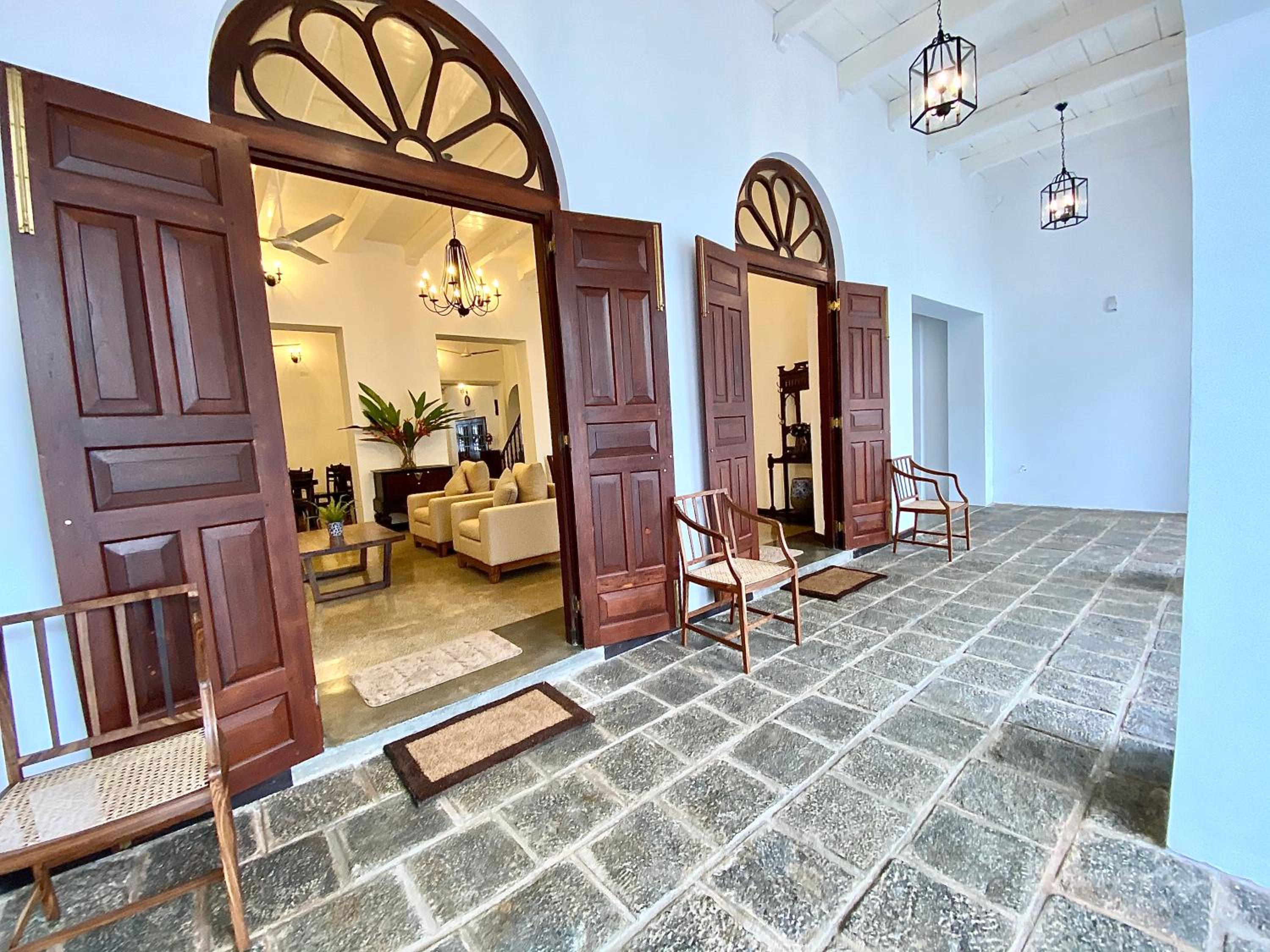
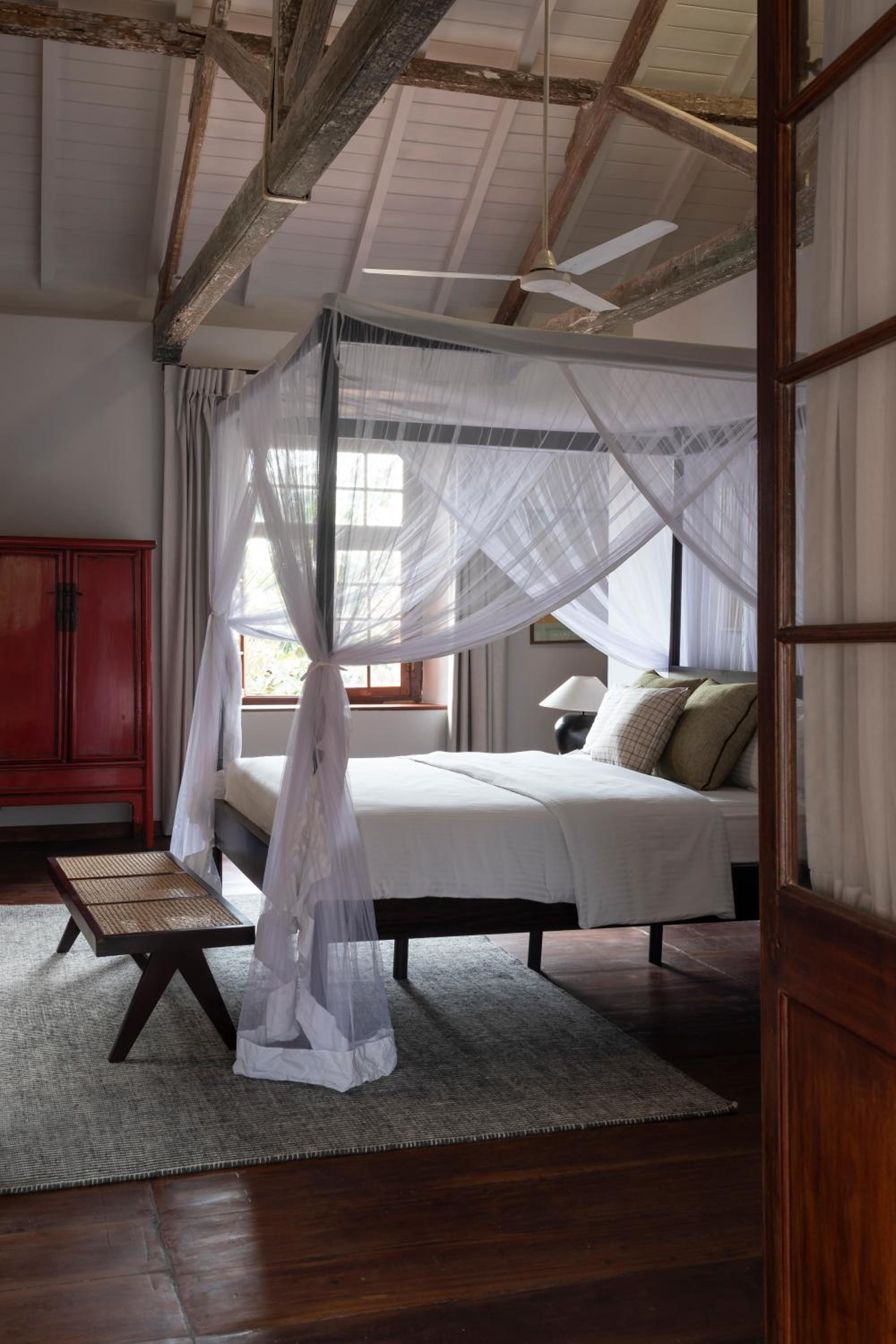
Stay inside the Fort walls if you sleep in Galle at all: the restored Dutch townhouses with courtyards on and around Church Street are the reason to stay rather than day-trip. 38.23% of Galle stops planned on Stippl are a single night. Outside the walls is materially cheaper for the same standard, and a tuk-tuk in takes minutes. Book ahead for January to March.
Galle Fort
Heritage hotels in restored townhouses, €80 to €250, and a few guesthouses in the back streets from €35.
Galle New Town
Plain hotels and family guesthouses near the bus station, €20 to €50, at the cost of the noise.
Unawatuna
Guesthouses, dive lodges and beach hotels, €20 to €90, with the island's oldest backpacker infrastructure.
Thalapitiya
The town's best-known luxury hotel from €300 and a few villas with pools, €100 to €250.
Dadella
Surf hostels from €10 and villas above the sand, €60 to €180, on the west side.


What to eat in Galle
The national meal: rice with 5–10 vegetable, lentil and fish curries, sambols and papadam
Sour fish curry, dry-cooked with goraka, a southern coastal speciality
Chopped flatbread stir-fried with vegetables, egg and meat, cooked to a rhythm on a hot plate
Grated coconut with chilli, lime and onion
Bowl-shaped fermented rice pancakes, plain or with an egg
Discover food spots in Stippl
Find restaurants and markets on the map, save them to your itinerary, works offline too.
Galle customs and what not to do
The fort is a neighbourhood
People live behind those doors and the lanes are their streets; the fort is a living town rather than a museum, and the etiquette follows from that.
The churches are still in use
The Dutch Reformed Church and All Saints hold services; shoulders and knees covered, shoes off where indicated, and the graves in the floor are walked round.
The ramparts are a grandstand
Watching the cricket, the sunset and the cliff-jumpers from the wall is normal and welcomed; the jumping itself is for the boys who know the rocks.
No bargaining in the fort
The boutiques inside the walls are fixed-price design shops, and haggling there reads badly; the market outside the walls is where it is expected.
Do
- Walk the walls early or late; there is almost no shade on them
- Eat at least one rice and curry outside the walls
- Ask before photographing residents, workers or fishermen
Don't
- Ride a motorbike on the Galle to Mirissa coastal road
- Swim outside the marked area below the lighthouse
- Assume the fort has an entrance, a ticket or a closing time; it has none
Fun facts about Galle
The fort walls saved the old town from the 2004 tsunami. The modern city outside them, including the cricket stadium, was wrecked, and the ramparts are the reason the old town survived.
Galle was the capital of Sri Lanka before Colombo. It lost the title in 1656, and for over two centuries it was the island's main spice-trading port.
The lighthouse of 1848 is the oldest in Sri Lanka and still in service. It stands on the ramparts at the south-east corner of the fort, above the swimming beach.
The fort's walls are built of coral and stone. The Dutch laid the town out on a grid inside them after the siege of 1640, and the grid is still the street plan.
Written records of the port go back to the fourteenth century. It was known as Qali and traded with Arab, Indian, Malay and Chinese merchants long before the Portuguese arrived in 1505.
UNESCO listed Galle Fort in 1988. It is the best-preserved fortified city built by Europeans anywhere in south and south-east Asia, and about 100,000 people live in the city around it.
Local tips for Galle
The expressway did it
Before the E01, Colombo to Galle was a three-hour crawl down the coast road; now it is ninety minutes by car or bus for about €4. The Fort is walkable from the bus stand.
The slow train is the point
The coastal line from Colombo runs within metres of the water for long stretches, three hours for a few euros. Reserved first class is booked on the railway's portal and collected before travel.
Most people stay one night
38.23% of stops are a single night and many come for the day from Mirissa or Unawatuna. A night inside the Fort gets the ramparts after the day trippers leave.
Currents at Fort Beach
The small beach under the ramparts has strong currents and a marked, protected section; swim there or at Unawatuna, not off the rocks. The Jungle Beach cove is the calm one.
No shade on the ramparts
The walk and the fort streets are unshaded, and midday is unworkable. Walk the walls before nine or after four, and see the museums in between.
Weekends are crowded
Galle is a day-trip destination and fills at weekends and on holidays; plan the visit for a weekday. The coastal road is shared with long-distance buses; leave the scooter for the lanes.
Galle questions, answered
On the south coast, as the town half of a beach week. Galle carries 4.15% of everything planned in Sri Lanka on Stippl, and most people pair it with a beach nearby rather than sleeping inside the fort itself. Put the fort into Stippl as an evening and a morning.
An afternoon covers the fort; two nights makes the stop worth making. The Galle stops planned on Stippl run to 1 night. The second night is what buys you the ramparts at sunset and the same lanes at eight the next morning with nobody in them.
For a lot of people, yes: 15.64% of Galle stops planned on Stippl carry no night at all, usually a few hours out of Unawatuna or Mirissa. It works, and it misses the point, because the fort is at its best in the two hours either side of sunset.
No. The fort is the old town: a lived-in grid of Dutch streets, open at all hours, with no ticket and no gate. The museums inside charge separately and the ramparts are free to walk at any time. Anyone selling you an entry ticket at the entrance is selling you nothing.
Pick one, because travellers rarely sleep in both. The fort for architecture, cafes and the walk along the walls, with almost nowhere to swim. Unawatuna, four kilometres east, for a sheltered bay, lower prices and a tuk-tuk into the fort whenever you fancy dinner there.
Only in the small marked spot below the lighthouse, and the currents around the fort walls are dangerous enough that people have drowned there. The proper beaches start a few kilometres east at Unawatuna and Dalawella. Treat Galle as a town on the sea rather than a beach town.
Every guide is written by the Stippl editors and checked against the trips our travellers actually plan. Spotted something out of date? Let us know.

Plan Galle in Stippl
Day-by-day planning, stays and budget in one app, with every place from this guide already on the map.
Download the app