
Galle
Galle è il paesaggio urbano coloniale più denso dell'Asia meridionale, e tutto rientra in una passeggiata di due ore intorno ai bastioni al tramonto. Hotel di interesse storico entro le mura, e le migliori boutique dell'isola al di fuori di Colombo.
Galle in breve
Galle: cosa aspettarsi
Abbiamo letto più di 253.000 tappe pianificate dello Sri Lanka su Stippl per vedere come Galle viene davvero pianificata.
Galle Fort non è un edificio che entri, è trentasei ettari di città olandese murata che è gratuita e non chiude mai. Cammini lungo i bastioni, circa due chilometri e due ore a passo tranquillo, e la città si unisce a te al tramonto. Il faro del 1848 è il più antico del paese, il Museo Marittimo si trova in un magazzino olandese del 1671, e il campo da cricket sotto i muri è circondato dall'oceano su due lati. La gente vive entro le mura, che è la differenza tra Galle e un sito di interesse storico restaurato.
Galle è la mezza giornata del circuito meridionale. Quasi quattro su dieci delle tappe pianificate qui sono una sola notte e una su sei non ha notte affatto, il più alto tasso di transito dello Sri Lanka al di fuori della capitale. Unawatuna, quattro chilometri più giù sulla costa, è l'unico vicino nel paese che appare nei viaggio a Galle meno di quanto il caso avrebbe predetto: scegli il forte o scegli la baia.
Il forte vale una serata, e dormire fuori dalle mura vale la spesa. I prezzi all'interno sono quello che costa un caffè da casa, e il nuoto è a Unawatuna, Dalawella o Jungle Beach piuttosto che la piccola spiaggia sotto il faro. Vieni tra gennaio e marzo, l'unico periodo genuinamente secco su questa costa, e tratta maggio con sospetto: è il secondo mese più piovoso qui e viene ancora raccomandato come una spalla tranquilla.
Pianifica Galle in Stippl
Pianificazione giorno per giorno, alloggi e budget in un'unica app, con ogni luogo di questa guida già sulla mappa.
Scarica l'appPer chi è Galle
Appassionati di storia e architettura
Galle è il paesaggio urbano coloniale più denso dell'Asia meridionale, e tutto rientra in una passeggiata di due ore.
Chiunque faccia la costa meridionale
Galle è la naturale sosta di mezza giornata o pernottamento tra le spiagge, e la maggior parte delle persone vi dedica 1 notte.
Acquirenti
Le boutique del forte, i negozi tessili e le gallerie sono i migliori dell'isola al di fuori di Colombo.
Coppie e viaggiatori più lenti
Gli hotel di interesse storico entro le mura e la serata sui bastioni sono quello che la gente ricorda.
Viaggiatori di cricket
Lo stadio è uno dei campi di test match più fotografati al mondo e si trova tra il forte e il mare.
Forse non fa per te: viaggiatori di spiaggia, poiché la spiaggia al faro è piccola e le correnti sono reali, e il nuoto è a Unawatuna, Dalawella o Jungle Beach; e chiunque con un budget limitato entro le mura, perché il cibo e le stanze lì hanno prezzi per i visitatori.
Il migliore momento per visitare Galle
La finestra secca
Gennaio a marzo
La ragione per cui il festival e il test cricket si trovano qui, e il tratto più affollato e più caro.
Il calore pre-monsone
Aprile
Caldo e pioggia in aumento; ancora utilizzabile.
Il monsone di sud-ovest
Maggio ad agosto
Maggio è lo shock, poi si attenua. Da giugno ad agosto è umido ma praticabile, ed è quando le stanze dentro il forte sono più economiche.
Il secondo inter-monsone
Settembre a novembre
La parte più umida dell'anno, con rischio ciclone a novembre.
- Il cricket di test a Galle International Stadium riempie il forte, e le date delle partite cambiano. Controlla i programmi della stagione prima di prenotare un soggiorno nel mese secco; una settimana di test è il forte al suo massimo.
- Il Galle Literary Festival dura quattro giorni dentro il forte alla fine di gennaio, negli anni in cui si svolge. Ritorna nel 2027 dopo una pausa; gli hotel di lusso non sono i primi a esaurirsi.
- Galle è pianificato circa 69 giorni prima su Stippl, e il 14,1% dei suoi piani sono fatti entro due settimane. La maggior parte dei soggiorni è una notte tra le spiagge, il che funziona al di fuori del festival e del cricket.
- I giorni Poya sono festivi pubblici e l'alcol non è venduto, il che sorprende le persone in una città costruita intorno ai ristoranti del forte. La data si muove ogni mese; i bastioni al tramonto rimangono gli stessi.
Aggiungi le tue date per Galle e ti segnaliamo il meteo
Stippl mostra la stagione, l'affluenza e i prezzi per ogni tappa del tuo itinerario.
Descrivi il tuo viaggio e ottieni un itinerario per Galle in pochi secondi
Tutto questo guida è già in Stippl. Di' al pianificatore quanto tempo hai e cosa ti piace: costruisce l'itinerario, le giornate e i tempi di viaggio, e tu modifichi ciò che vuoi.
Cose da fare a Galle
 Photo by Nilanka Kariyawasam via Unsplash
I bastioni al tramonto
Percorri i due chilometri di bastioni olandesi tutto intorno al forte, circa due ore al passo, gratuito e aperto a qualsiasi ora. Flag Rock Bastion è dove si riuniscono la folla e i tuffatori per il tramonto.
Church Street e Pedlar Street
Vagabonda per le strade del forte senza un piano: le boutique, le gallerie e gli edifici da magazzino olandesi con i frontoni, e la Chiesa Riformata Olandese del 1755 con le lapidi incastonate nel pavimento. Gratuito, e più tranquillo prima dei gitanti delle undici.
Il faro
Fotografa il faro più antico dello Sri Lanka, costruito dai britannici nel 1848 e ancora in funzione, dal bastione sottostante; non puoi entrarvi. Gratuito, e la spiaggia sottostante è il punto di balneazione del forte.
Il Museo di Archeologia Marittima
Trascorri un'ora nel magazzino olandese del 1671 sopra la Vecchia Porta, con i relitti e il materiale VOC, circa 3 €. Danneggiato dallo tsunami del 2004 e riaperto nel 2010.
Un test match dai bastioni
Guarda il cricket al campo circondato dall'oceano su due lati e dominato dal forte, dai bastioni gratuitamente o da una tribuna per pochi euro. Controlla i programmi; una partita di test qui è uno dei grandi campi.
Una gita al fiume e tra le mangrovie
Fai un giro in barca attraverso i canali di mangrovie del delta del Madu Ganga sulla strada verso nord, passando per isole di cannella, varani d'acqua e aironi, circa 20 € per la barca. Due ore, e la mattina ha gli uccelli.
I quartieri di Galle
Galle Fort
Città murata, hotel storici
La vecchia città murata: Church Street, Pedlar Street, hotel storici, gallerie e caffè entro i bastioni. Per la storia, coppie e chiunque voglia i bastioni al crepuscolo dalla porta.
Le strade più belle del paese e i prezzi più alti del sud.
Galle New Town
Stazione degli autobus, mercati, prezzi reali
Immediatamente a nord e a est delle mura: la stazione degli autobus, il mercato principale, il mercato del pesce e lo stadio di cricket, più economico e più rumoroso, con hotel semplici. Per i viaggiatori con budget limitato e per la città che funziona davvero.
Prezzi ordinari e mercati, e una passeggiata tra il traffico fino al forte.
Unawatuna
Baia con barriera corallina, negozi di immersioni, guesthouse
Una baia riparata dalla barriera corallina a quattro chilometri a est, la storica base di spiaggia: guesthouse, negozi di immersioni, Jungle Beach e Rumassala Hill. Per famiglie e soggiorni con budget limitato che vogliono nuotare.
Una baia dove nuotare e un tuk-tuk per raggiungere il forte.
Thalapitiya
Residenziale, un grande hotel
Un tranquillo distretto residenziale a breve distanza dal forte, con il più noto hotel di lusso della città e poche ville. Per una spesa generosa e per strade tranquille.
Calma e la piscina, e un tuk-tuk per ogni volta che mangi fuori.
Dadella
Lato surf, promontorio, ville
La spiaggia e la costa a ovest della città, rivolta al surf, con ostelli e ville sulla sabbia. Per surfisti e chi vuole restare a lungo sul lato ovest.
Surf davanti alla porta e spazio, e un passaggio in città.
Vedi ogni quartiere di Galle su un'unica mappa
Salva le zone che ti piacciono e Stippl organizza le tue giornate così non attraversi la città due volte.
Dove alloggiare a Galle
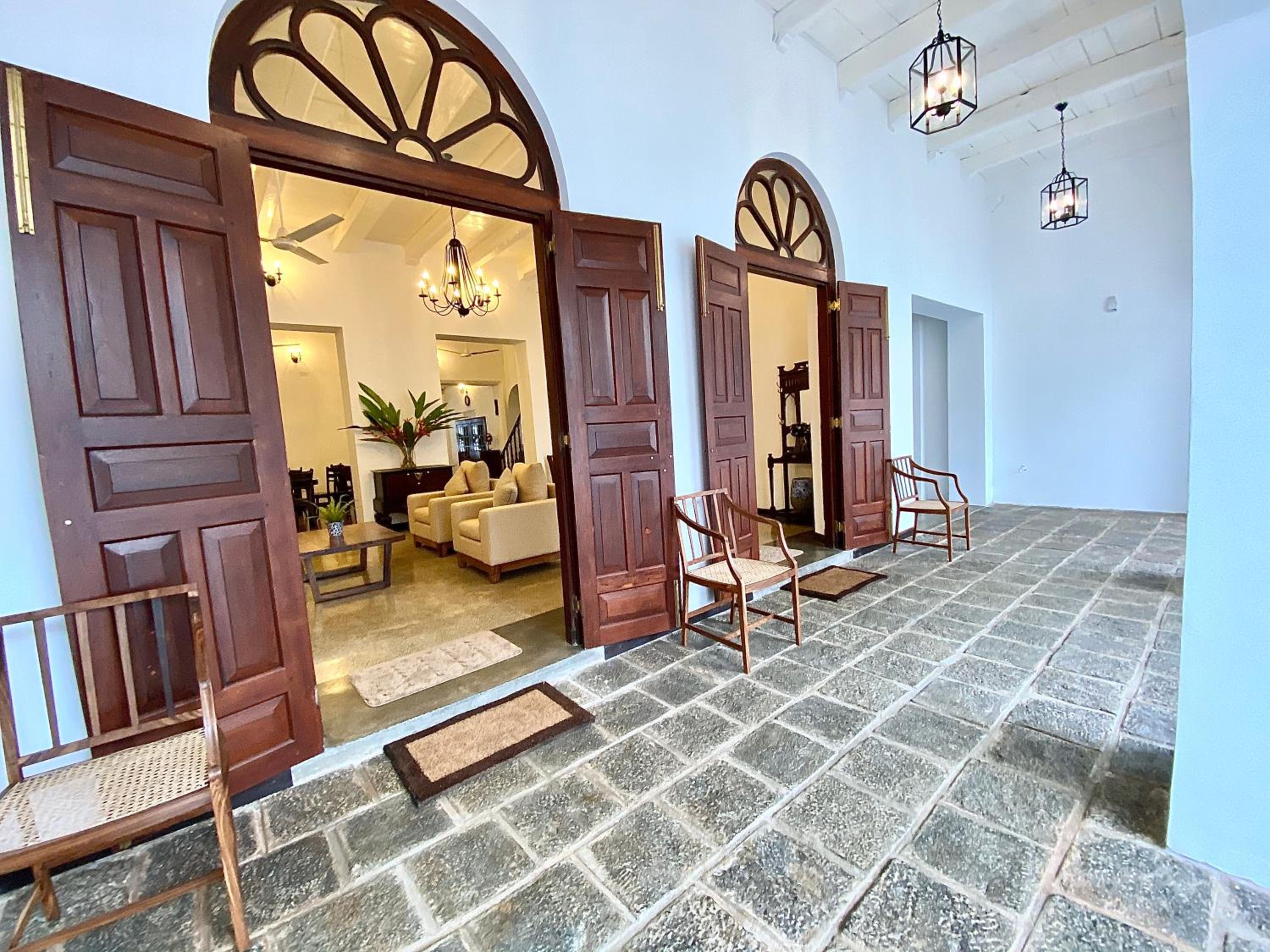
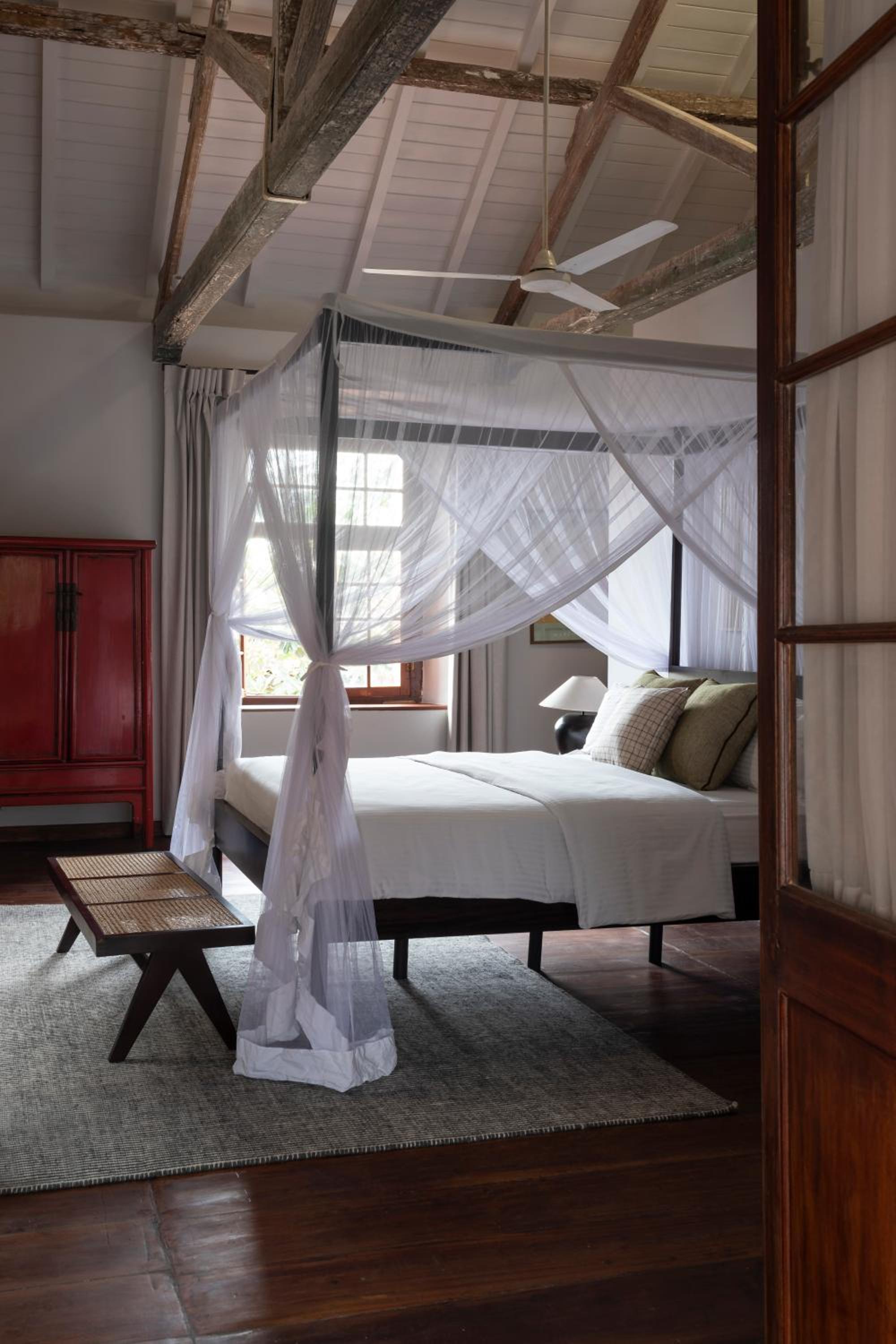
Stai dentro i bastioni del Forte se dormi a Galle: le dimore olandesi restaurate con cortili su e intorno a Church Street sono il motivo per cui stare piuttosto che fare una gita di un giorno. Il 38,23% dei soggiorni a Galle pianificati su Stippl è una sola notte. Fuori dai bastioni è materialmente più economico per lo stesso standard, e un tuk-tuk di raggiungimento dura minuti. Prenota in anticipo da gennaio a marzo.
Galle Fort
Hotel storici in case d'epoca restaurate, da € 80 a € 250, oltre a poche locande negli stretti vicoli a partire da € 35.
Galle New Town
Hotel semplici e case d'ospitalità familiari vicino alla stazione degli autobus, da €20 a €50, al costo del rumore.
Unawatuna
Pensioni, dive lodge e hotel sulla spiaggia, da €20 a €90, con le più antiche infrastrutture per backpacker dell'isola.
Thalapitiya
L'hotel di lusso più noto della città da €300 e alcune ville con piscina, €100 a €250.
Dadella
Ostelli surf a partire da €10 e ville sulla sabbia, da €60 a €180, sul lato ovest.


Cosa mangiare a Galle
Il piatto nazionale: riso con 5–10 curry di verdure, lenticchie e pesce, sambols e papadam
Curry di pesce aspro, cotto secco con goraka, una specialità della costa meridionale
Pane piatto tritato saltato in padella con verdure, uovo e carne, cotto al ritmo su una piastra calda
Cocco grattugiato con peperoncino, limone e cipolla
Frittelle di riso fermentato a forma di ciotola, semplici o con un uovo
Scopri posti dove mangiare in Stippl
Trova ristoranti e mercati sulla mappa, salvali nel tuo itinerario, funziona anche offline.
Costumi e cosa non fare a Galle
Il forte è un quartiere
Le persone vivono dietro quelle porte e i vicoli sono le loro strade; il forte è una città vivente piuttosto che un museo, e l'etichetta segue da ciò.
Le chiese sono ancora in uso
La Chiesa Riformata Olandese e All Saints celebrano ancora funzioni; spalle e ginocchia coperti, scarpe tolte dove indicato, e le tombe nel pavimento vengono evitate.
I bastioni sono una tribuna
Guardare il cricket, il tramonto e gli acrobati che saltano dalle rocce dal bastione è normale e ben accolto; il salto stesso è per i ragazzi che conoscono le rocce.
Niente trattative nel forte
Le boutique dentro i bastioni sono negozi di design a prezzo fisso, e contrattare lì ha cattiva impressione; il mercato fuori dai bastioni è dove è atteso.
Sì
- Percorri i bastioni presto o tardi; non c'è quasi nessuna ombra su di essi
- Mangia almeno un riso e curry fuori dai bastioni
- Chiedi prima di fotografare residenti, lavoratori o pescatori
No
- Guida una moto sulla strada costiera Galle-Mirissa
- Non nuotare al di fuori dell'area contrassegnata sotto il faro
- Non dare per scontato che il forte abbia un'entrata, un biglietto o un orario di chiusura; non ha nulla di ciò
Curiosità su Galle
I bastioni del forte hanno salvato la città vecchia dallo tsunami del 2004. La città moderna fuori da essi, incluso lo stadio di cricket, è stata distrutta, e i bastioni sono il motivo per cui la città vecchia è sopravvissuta.
Galle era la capitale dello Sri Lanka prima di Colombo. Ha perso il titolo nel 1656, e per oltre due secoli è stata il principale porto di esportazione delle spezie dell'isola.
Il faro del 1848 è il più antico dello Sri Lanka ed è ancora in servizio. Si trova sui bastioni all'angolo sud-est del forte, sopra la spiaggia di balneazione.
I bastioni del forte sono costruiti in corallo e pietra. Gli olandesi hanno tracciato la città su una griglia al loro interno dopo l'assedio del 1640, e la griglia è ancora il piano stradale.
I documenti scritti del porto risalgono al quattordicesimo secolo. Era conosciuto come Qali e commerciava con mercanti arabi, indiani, malesi e cinesi molto prima dell'arrivo dei portoghesi nel 1505.
L'UNESCO ha iscritto Galle Fort nel 1988. È la città fortificata costruita da europei meglio conservata in tutta l'Asia meridionale e sudorientale, e circa 100.000 persone vivono nella città circostante.
Consigli locali per Galle
L'autostrada l'ha fatto
Prima della E01, Colombo a Galle era un'arrampicata di tre ore lungo la strada costiera; ora sono novanta minuti in auto o in autobus per circa 4 €. Il forte è raggiungibile a piedi dalla stazione degli autobus.
Il treno lento è il punto
La linea costiera da Colombo corre a pochi metri dall'acqua per lunghi tratti, tre ore per pochi euro. La prima classe prenotata è disponibile sul portale ferroviario e ritirata prima del viaggio.
La maggior parte delle persone resta una notte
Il 38,23% dei soggiorni è una sola notte e molti vengono per il giorno da Mirissa o Unawatuna. Una notte dentro il Forte ti dà i bastioni dopo che i gitanti se ne sono andati.
Correnti a Fort Beach
La piccola spiaggia sotto i bastioni ha correnti forti e una sezione contrassegnata e protetta; nuota lì o a Unawatuna, non sulle rocce. La cove di Jungle Beach è quella tranquilla.
Nessuna ombra sui bastioni
La passeggiata e le vie del forte sono senza ombra, e a mezzogiorno è impossibile. Percorri i bastioni prima delle nove o dopo le quattro, e visita i musei nel frattempo.
I weekend sono affollati
Galle è una destinazione di gita di un giorno e si riempie nei weekend e nei giorni festivi; pianifica la visita per un giorno feriale. La strada costiera è condivisa con autobus a lunga distanza; lascia il motorino per i vicoli.
Domande su Galle, risposte
Sulla costa meridionale, come metà città di una settimana balneare. Galle rappresenta il 4,15% di tutto ciò che è stato pianificato nello Sri Lanka su Stippl, e la maggior parte delle persone la abbina a una spiaggia vicina piuttosto che pernottare dentro il forte stesso. Inserisci il forte su Stippl come una sera e una mattina.
Un pomeriggio copre il forte; due notti rendono la tappa degna di fare. I soggiorni a Galle pianificati su Stippl arrivano a 1 notte. La seconda notte è quella che ti dà i bastioni al tramonto e le stesse vie alle otto del mattino dopo senza nessuno.
Per molte persone, sì: il 15,64% dei soggiorni a Galle pianificati su Stippl non prevedono nessuna notte, di solito qualche ora da Unawatuna o Mirissa. Funziona, ma ci si perde il momento migliore, perché il forte è al suo apice nelle due ore prima e dopo il tramonto.
No. Il forte è la città vecchia: una griglia di vie olandesi abitata, aperta a tutte le ore, senza biglietto e senza cancello. I musei dentro chiedono un biglietto separato e i bastioni sono liberi da percorrere in qualsiasi momento. Chiunque ti venda un biglietto d'ingresso all'entrata sta vendendo nulla.
Scegline uno, perché i viaggiatori raramente dormono in entrambi. Il forte per l'architettura, i caffè e la passeggiata lungo i bastioni, con quasi nessun posto dove nuotare. Unawatuna, quattro chilometri a est, per una baia riparata, prezzi inferiori e un tuk-tuk verso il forte quando ti va di cenare lì.
Solo nel piccolo punto contrassegnato sotto il faro, e le correnti intorno ai bastioni del forte sono abbastanza pericolose da aver causato annegamenti. Le vere spiagge iniziano alcuni chilometri a est a Unawatuna e Dalawella. Tratta Galle come una città sul mare piuttosto che come una città da spiaggia.
Ogni guida è scritta dalla redazione Stippl e verificata sui viaggi che i nostri viaggiatori pianificano davvero. Hai notato qualcosa di non aggiornato? Faccelo sapere.

Pianifica Galle in Stippl
Pianificazione giorno per giorno, alloggi e budget in un'unica app, con ogni luogo di questa guida già sulla mappa.
Scarica l'app