

Seoul
Seoul has a national park inside it, reachable on the metro, which almost no capital on earth can say. Five palaces sit within a few square kilometres of the old core.
Seoul in a nutshell
Seoul: what to expect
We looked at how travellers actually plan Seoul on Stippl, across 51,000+ planned stops in South Korea.
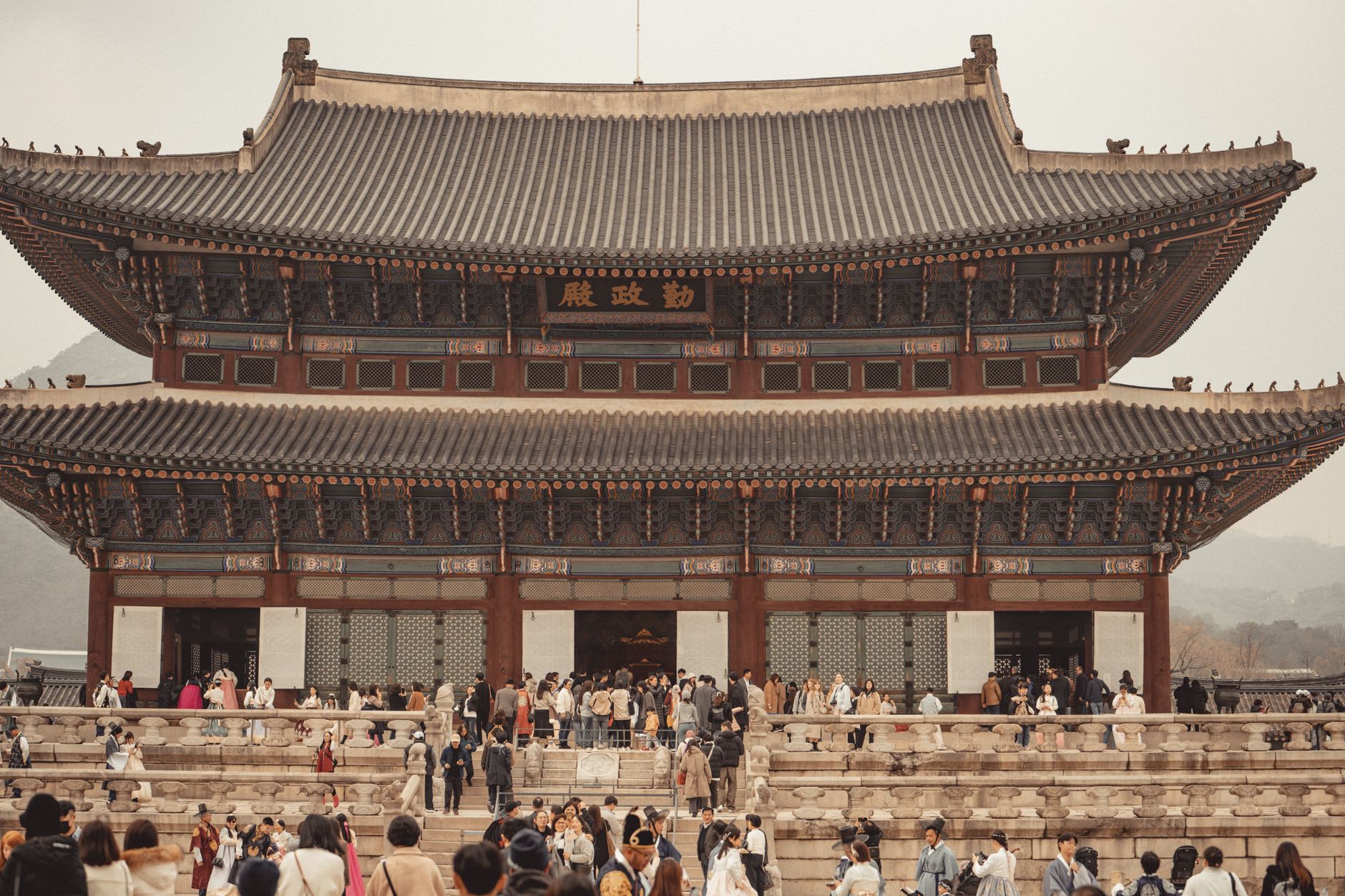
Seoul is ten million people inside a ring of mountains, organised as neighbourhoods rather than around a centre. Five Joseon palaces stand in the middle of it: Gyeongbokgung from 1395 is the largest and Changdeokgung the one people prefer, its Secret Garden on a separate ticket that sells out. Bukchon is a hillside of courtyard houses where residents still live, Gwangjang Market is a meal rather than a shop, and Bukhansan is a granite mountain park at the end of a metro line.
Seoul is the most-carried destination anywhere in this knowledge base. More than nine in ten Korean trips include it, and it takes over four in ten of everything planned in the country. A Korean trip is Seoul plus about one and a half other stops, which is why the capital is less a stage of a route than the route itself. Incheon, the airport city, substitutes for it rather than adding to it.
Four nights is the typical stay, the longest we measure anywhere, so use them on districts rather than sights. The bang culture is the local idiom and worth knowing before you land: noraebang for singing, jjimjilbang for the twenty-four-hour bathhouse, PC-bang for gaming. Hongdae and Itaewon run late by any standard. Avoid July and August if you can, when the heat and the rain arrive together and the city is at its least walkable.
Plan Seoul in Stippl
Day-by-day planning, stays and budget in one app, with every place from this guide already on the map.
Download the appWho Seoul is for
First-time visitors to Asia
The infrastructure removes almost every friction: signage in English, a subway that goes everywhere, and contactless payment, and Seoul holds 43% of Korean stops on Stippl.
Eaters
Food organises the city, from the market alleys to the barbecue streets, and a whole trip can be built around it.
History travellers
Five palaces, a Confucian shrine, city walls and a hanok quarter inside a few square kilometres.
Solo travellers
Eating and drinking alone is normal here, and the safety picture is as good as any capital's.
Night people
Hongdae and Itaewon run late by any standard, and the bang culture of karaoke and gaming rooms runs all night.
Shoppers
K-beauty in Myeongdong and the Dongdaemun night markets are the two poles, and both are open late.
Maybe not for you: anyone visiting in July and August, when the city is hot, humid and wet in that order; the monsoon lands in the middle of it and the palaces are best walked in any other season.
The best time to visit Seoul
Spring
April and May
The reason to time a trip: blossom along the Han in early April, warm dry days and the palaces at their best. The highest prices of the year and the yellow-dust episodes off the Gobi, worst in March and April.
Summer
June to August
The monsoon from late June and then heat and humidity through August; the cheapest beds of the year and the city moving indoors, to the malls, the museums and the night markets. June is usable, July is not.
Autumn
October and November
Clear, dry and the ginkgos yellow along the boulevards, the second peak and the better one for walking. Chuseok in September or early October empties the city for three days.
Winter
December to February
Cold and dry, with real freezes in January and the palaces in snow. Seollal in January or February closes the markets for the family holiday, and the rest of the winter is cheap and clear.
- Seoul is planned about 96 days ahead on Stippl, and only 9.45% of plans are made inside a fortnight. It is one of the least last-minute cities we cover, and the city's hotel stock would take a late decision in any month but the blossom fortnight.
- Chuseok and Seollal are the two weeks the calendar moves. Both are lunar and shift each year; the palaces open free and the markets and family restaurants close, and the trains out of Seoul sell out in a separate advance round.
- The cherry blossom in Seoul is a fortnight in early April, and the festivals are dated before the trees decide. Yeouido along the Han is the big one; book the week, not the festival, and take Namsan or Seokchon Lake if Yeouido has already dropped.
- The monsoon arrives in the last week of June and stays for a month. July is the wettest month by a distance and the humidity sits until late August; a summer plan puts the palaces in the morning and the rest of the day under a roof.
- Yellow dust is a spring problem, and the bad days pass in two or three. Check the daily air index from February to May; on a red day the mountains vanish and a mask is normal, and the day after is usually clear.
Add your Seoul dates and we'll flag the weather
Stippl shows the season, crowds and prices for every stop on your route.
Describe your trip, get a Seoul itinerary in seconds
Everything in this guide is already in Stippl. Tell the planner how long you have and what you like: it builds the route, the days and the travel times, and you edit whatever you want.
Things to do in Seoul
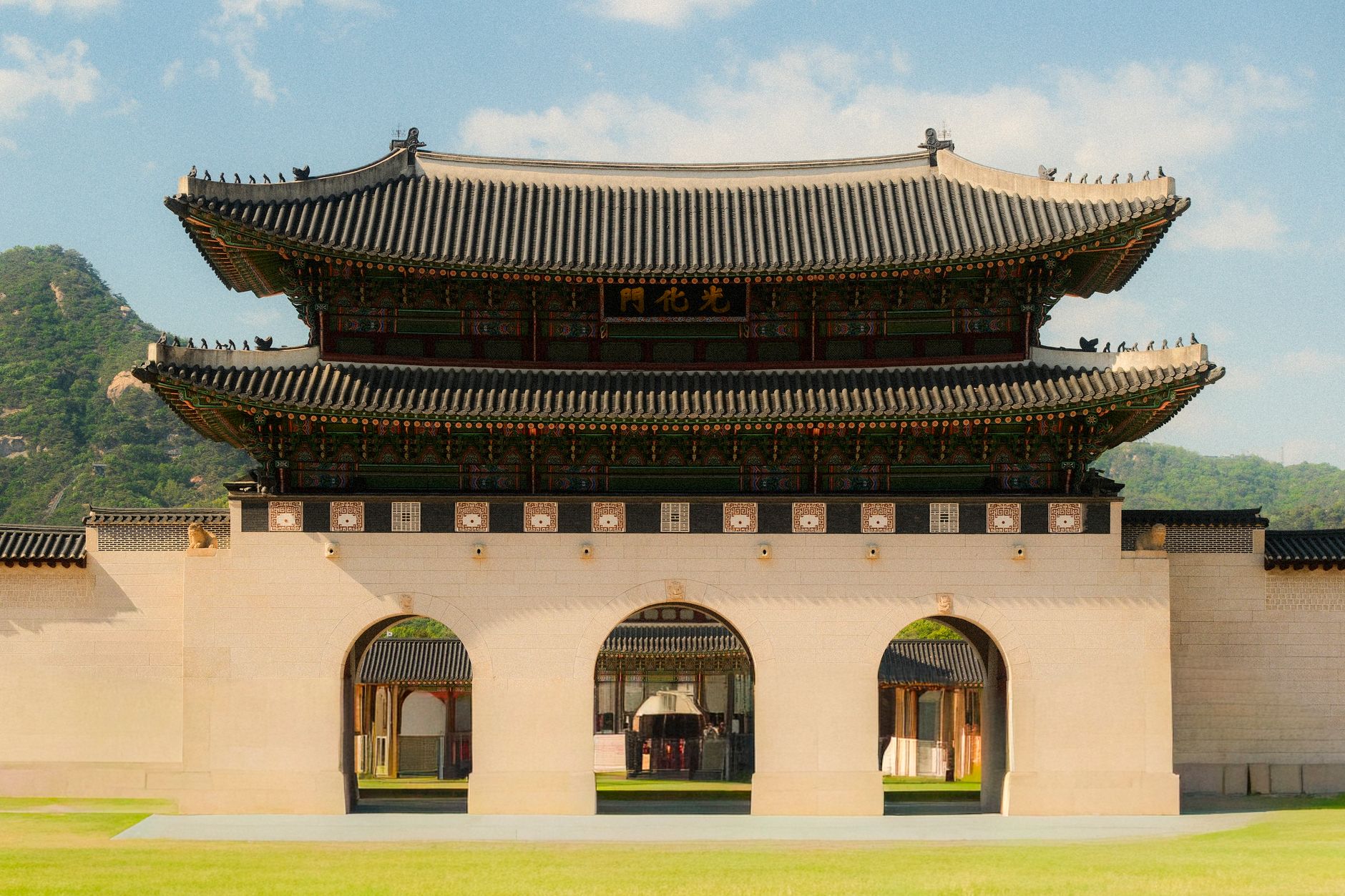


Gyeongbokgung Palace
Walk the largest of the five palaces, built in 1395, with the changing of the guard at ten and two, about €2 and free in a hanbok rented from the shops around it. Closed Tuesdays.
Changdeokgung and the Secret Garden
Take the palace the guides prefer, about €2, and book the separate timed ticket for the garden days ahead; it sells out. Changgyeonggung next door is the substitute when it has.
Bukchon Hanok Village
Walk the hillside of traditional courtyard houses between the two palaces, free, before ten or after four. Residential, and the quiet hours are enforced by wardens.
N Seoul Tower
Go up Namsan on foot, by bus or by the cable car for about €10 return, and pay about €15 for the observation deck or nothing for the terrace below it. Dusk, for both lights.
Gwangjang Market
Eat at the oldest market, the one that is a meal rather than a shop: bindaetteok, mayak gimbap and the raw beef at the counters, about €10 for the lot. Evenings, and cash.
Bukhansan
Hike the granite mountain at the end of a metro line, free, with the Baegundae summit route from Bukhansanseong three hours up. Everybody in Seoul does it on Sundays; go on a weekday.
The neighbourhoods of Seoul
Myeongdong
Shopping, street food, central
The shopping and street-food core, most central and most touristed, with hotels at every price and the best subway connections. For first visits and families.
Everything on the subway and the street food, and the crowds every evening.
Hongdae
University quarter, bars till dawn
The university quarter: bars, live music, cheap food and streets awake until dawn, with hostels and guesthouses. For nightlife and budget travellers.
The best nights and cheapest beds, and no sleep before dawn.
Bukchon and Insadong
Hanok lanes, galleries, tea houses
The hanok village on the hill between two palaces, a residential area rather than a museum, and Insadong's galleries and tea houses below it, with hanok guesthouses. For history and for the palaces at opening.
The palaces and the hanok from the door, and the visiting hours enforced on the lanes.
Gangnam
South of the river, malls, business
South of the river: wide streets, malls, business hotels and Bongeunsa temple, with the biggest hotels. For families and luxury and for a modern base.
The malls and the big hotels, and half an hour to the palaces.
Yeouido
River island, blossom, park
The river island financial district: high-end hotels, the cherry blossom in April and the riverside park. For luxury and for the park.
The park and the river, and a district that empties at night.
Itaewon
International, expat, late
The international district: expat restaurants, the late bars and the mosque, with mid-range hotels and hostels. For eating across every cuisine and for a late night.
Every cuisine and the late bars, and the hill and the noise.
See every Seoul neighbourhood on one map
Save the areas you like and Stippl plots your days so you're not crossing the city twice.
Where to stay in Seoul
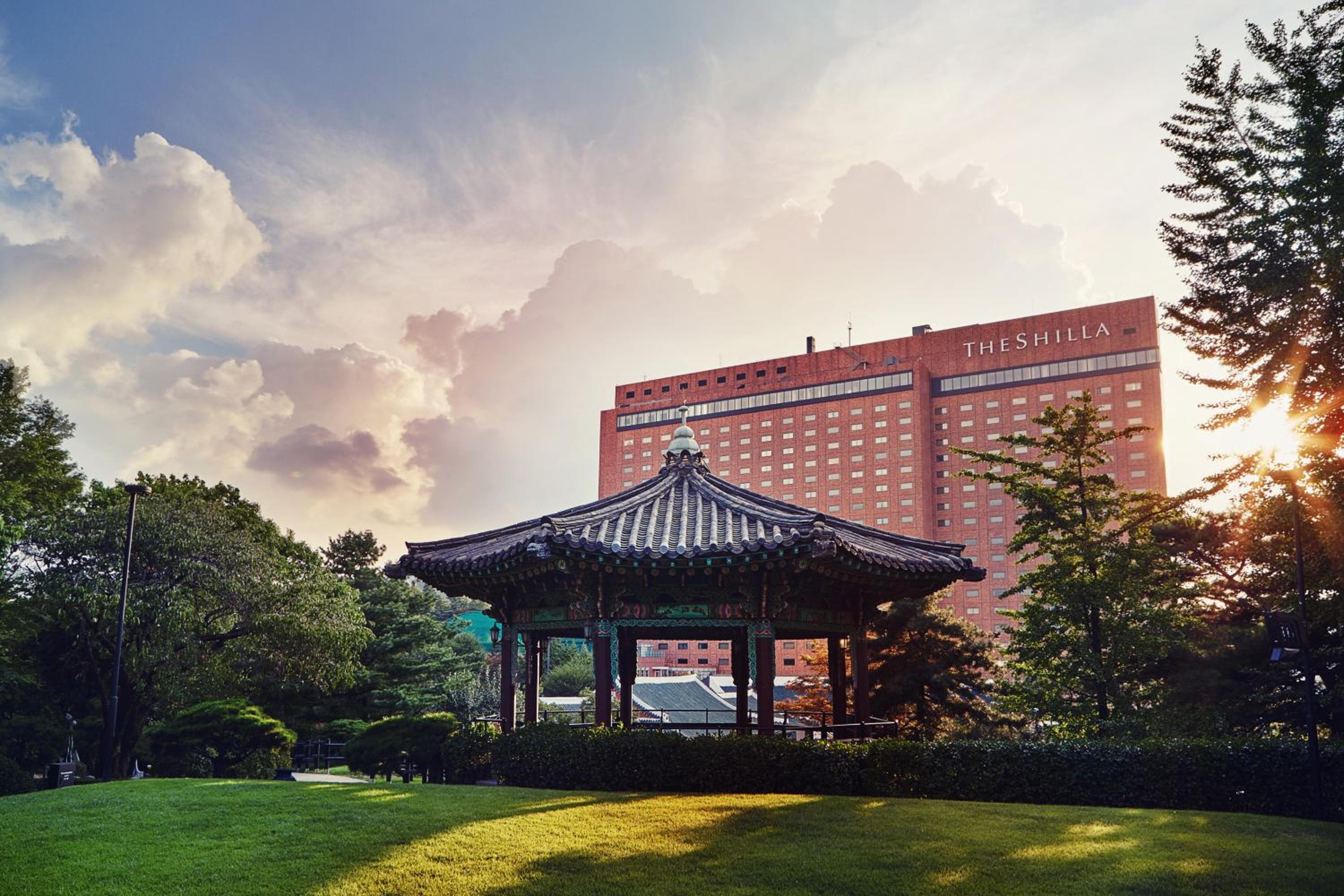
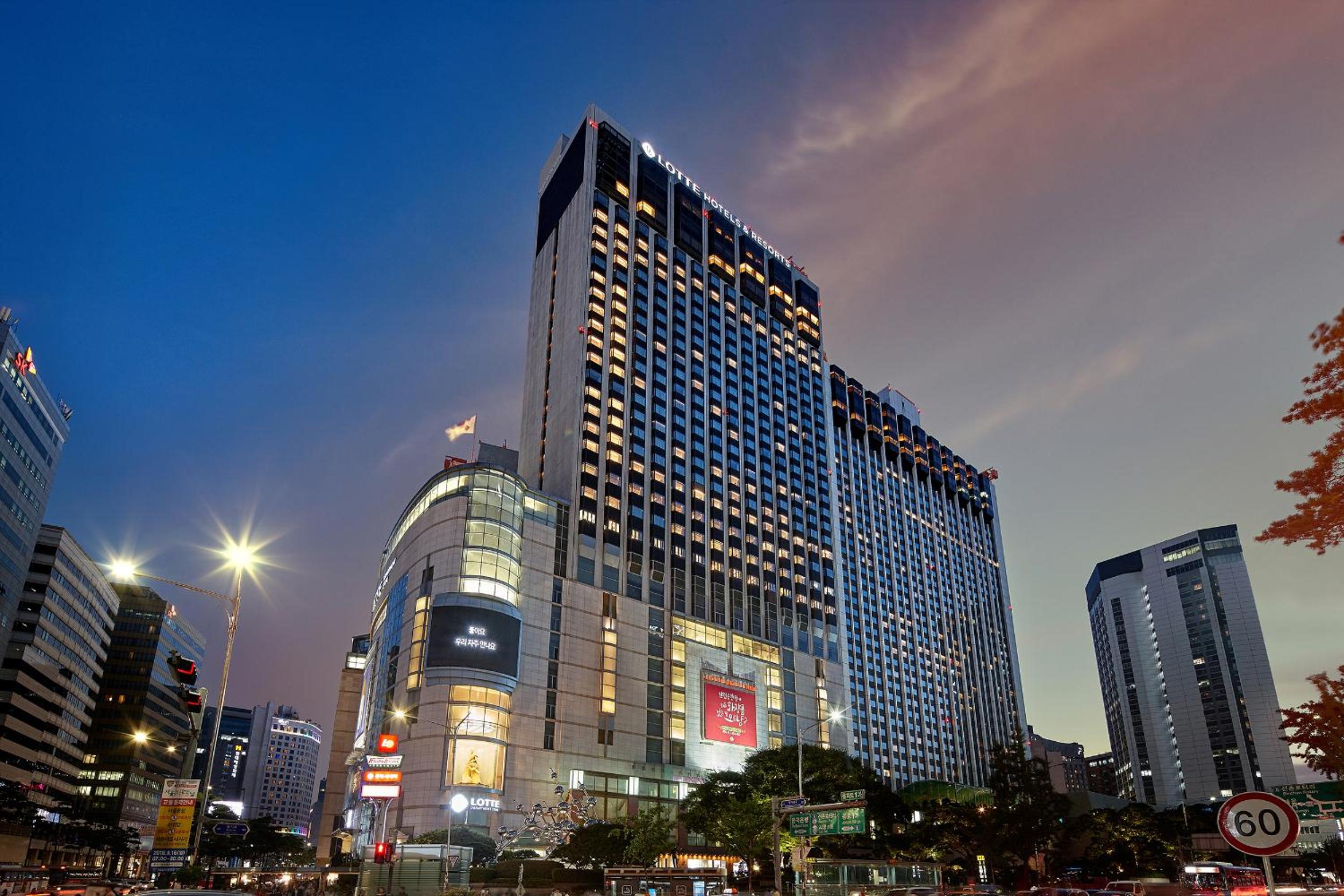
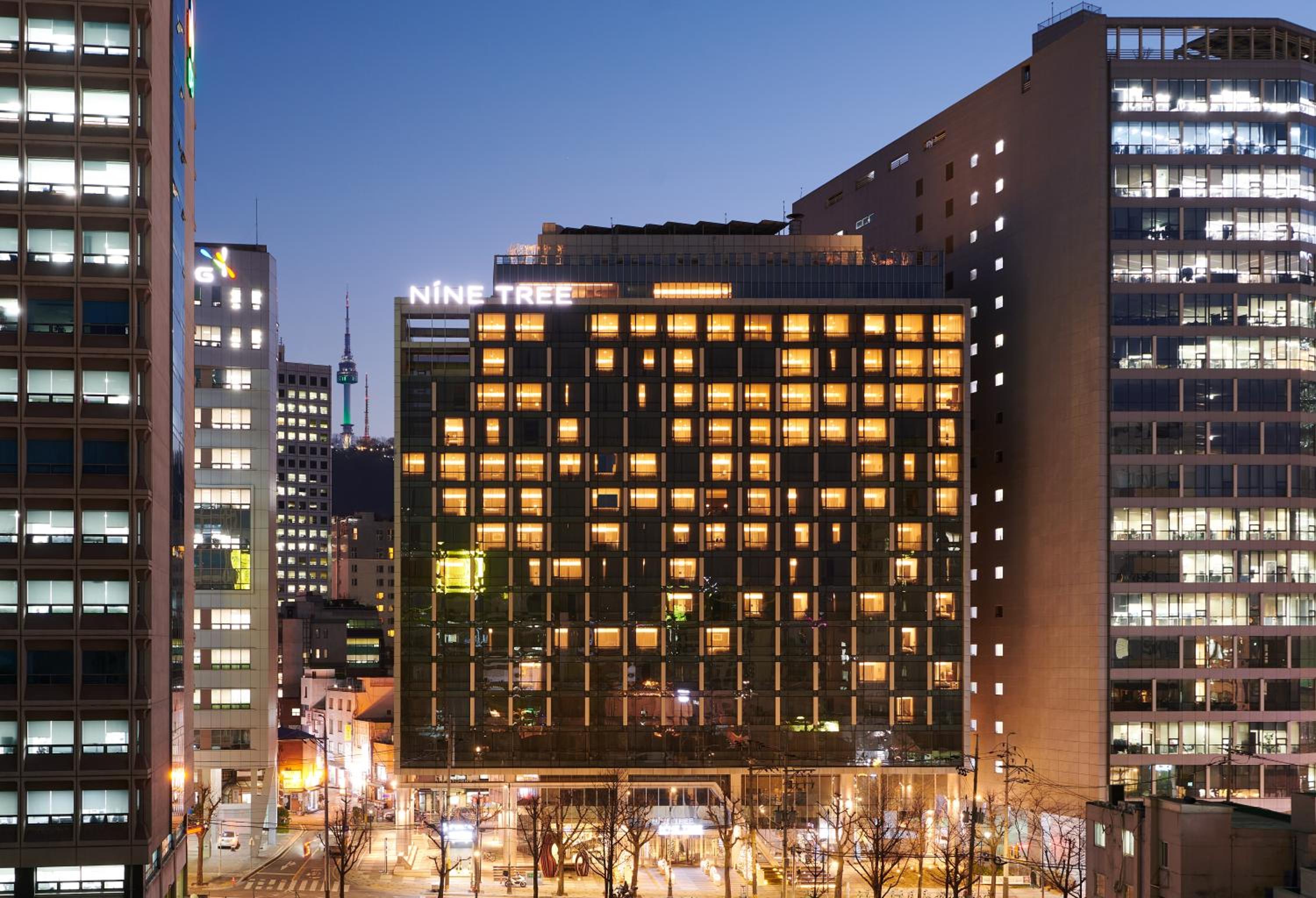
Stay in Myeongdong for a first visit: the safest choice, the most central and the best subway connections, at the highest price per square metre of room. A hotel here runs about €284.10 a night in what travellers log, though Hongdae's hostels run far below that. Book a hanok in Bukchon early; the courtyard houses are small and go first.
Myeongdong
Hotels at every price around the shopping streets, €70 to €250, with the chains at the top.
Hongdae
Hostels and guesthouses among the bars, €18 to €35 a bed and €40 to €90 a room, awake until dawn.
Bukchon and Insadong
Hanok guesthouses with courtyards, €80 to €200, and small hotels near the tea houses, €60 to €130.
Gangnam
The big business and luxury hotels south of the river, €120 to €400.
Yeouido
High-end hotels on the river island, €150 to €350, with the park and the April blossom outside.
Itaewon
Mid-range hotels and hostels among the international restaurants, €20 a bed to €150 a room.


What to eat in Seoul
Meat grilled at the table, wrapped in leaves with banchan
Sour kimchi stew with pork or tofu
Rice with vegetables, egg and gochujang, mixed at the table
Rice cakes in sweet chilli sauce
Mung-bean pancake, fried to order
Twice-fried, with beer, chimaek
Discover food spots in Stippl
Find restaurants and markets on the map, save them to your itinerary, works offline too.
Seoul customs and what not to do
Bukchon is somebody's street
Signage asks for quiet, the residents have complained publicly about visitor noise, and the guards in red vests now enforce visiting hours; walk it before five and keep your voice down.
Two hands, always
Give and receive with both hands, especially with older people: money to the cashier, the glass at the table and a business card; one hand reads as careless.
Tap in and tap out
The fare is distance-based and failing to tap out on the bus is charged as the maximum; the reader is by the door, and the driver will call after you.
Shoes off, floor seating
In hanok stays, temples and many restaurants with floor seating; the shoe cupboard at the door is the signal, and socks without holes are the preparation.
Do
- Buy a Climate Card if you are staying inside Seoul for two days or more
- Book Changdeokgung's Secret Garden ahead, or go to Changgyeonggung instead
- Wear hanbok to a palace if you want free entry; the rental shops are at the gate
- Walk Bukchon before five, quietly
Don't
- Plan July and August around being outdoors
- Assume the Climate Card covers a day trip; it stops at the city boundary
- Treat Bukchon as an attraction; people live there
- Hand money to a cashier with one hand
What a Seoul trip costs
Track what you actually spend
Set a daily budget per country and log expenses in any currency while you travel.
Fun facts about Seoul
Wearing hanbok gets you into the palaces free. That is why rental shops ring the gates and why the courtyards of Gyeongbokgung are full of people in period dress.
The Secret Garden sells out, and there is a substitute next door. Changgyeonggung shares the setting and the season with Changdeokgung's garden, without the name or the queue.
A national park sits inside the capital, at the end of a metro line. Bukhansan's granite peaks are within the city limits, which is close to unique among world capitals.
Seoul is the most-carried destination in any country on Stippl. 17,000+ of the Korean trips that qualify include it, a higher share than any city holds anywhere else.
Five Joseon-dynasty palaces sit in the centre of Seoul. Gyeongbokgung, from 1395, is the largest and Changdeokgung the most admired, and the guards still change at the gates.
Seoul's bang culture has a room for everything. Noraebang for singing, jjimjilbang for bathing, PC-bang for gaming, DVD-bang for films: private rooms are the local idiom for a night out.
Local tips for Seoul
Get a card first
A reloadable card removes ticket-buying and gives transfer discounts. The Climate Card is the default for a short visit: unlimited subway and bus from about €3.50 a day to €14 for seven.
Seoul only, no GTX
The Climate Card works only inside Seoul and excludes the Sinbundang and GTX lines, so a Suwon or DMZ day is not covered. Load T-money for those, or the Mpass, which includes the airport train.
Tap in and tap out
Korean fares are distance-based and failing to tap out is charged as a maximum-distance journey. The reader is by the door on buses; tap it as you leave.
How long to stay
Most people give Seoul 4 nights on Stippl, the longest stay in Korea: palaces and Bukchon, Hongdae and the Han river, a market day and a DMZ tour booked a week ahead.
Check the dust index
Yellow dust in spring is a real air-quality problem, not a curiosity; check the index and carry a mask if you are asthmatic. Summer heat and the monsoon are the season's genuine hazard.
Winter is properly cold
Below freezing for weeks, and the wind off the mountains makes it colder. Seoul is very safe by any measure and solo travel, including solo female travel, is unremarkable here.
Seoul questions, answered
By neighbourhood, not by sight. Seoul carries 43% of everything planned in South Korea on Stippl, and the mistake is treating it as a list rather than four or five districts that each take an afternoon. Group them by area in Stippl and let the subway handle the rest.
Four. The Seoul stops planned on Stippl run to 4 nights, the longest of any stop in the country, and a week is not unusual. Two palaces, Bukchon, Hongdae, Gangnam and one day trip out is roughly what four nights actually holds.
Barely any: 16.44% of Seoul stops planned on Stippl run to a single night, which tells you almost nobody treats it as a stopover once they have looked properly. If you genuinely have one night, take one palace at opening and Gwangjang market in the evening, and accept you have seen a fragment.
The Climate Card if you are staying inside the city: unlimited subway and bus for a flat daily rate, sold at any station. T-money if you are leaving Seoul at any point, because it works nationwide on trains, buses, taxis and in convenience stores. There is no reason to buy both.
Yes, on an organised half-day tour, booked a couple of weeks ahead, with your passport in hand. The JSA with the blue huts is a separate and much stricter ticket that has been closed to visitors for some time, so check what your tour actually includes. National holidays can close everything.
Seoul, unless the flight leaves at dawn. The airport express takes under an hour from Seoul Station and starts early, and Incheon's old port is nowhere near anything you would want to see. If it really is a first-light departure, sleep on Yeongjong Island by the airport instead.
Every guide is written by the Stippl editors and checked against the trips our travellers actually plan. Spotted something out of date? Let us know.
Plan Seoul in Stippl
Day-by-day planning, stays and budget in one app, with every place from this guide already on the map.
Download the app