

Seoel
Seoul heeft een nationaal park erin, bereikbaar per metro, iets wat vrijwel geen andere hoofdstad ter wereld kan zeggen. Vijf paleizen bevinden zich op slechts enkele vierkante kilometer van het oude centrum.
Seoul in het kort
Seoel: wat je kunt verwachten
We keken hoe reizigers Seoul daadwerkelijk plannen op Stippl, verspreid over 51.000+ geplande stops in Zuid-Korea.
Seoul is tien miljoen mensen binnen een bergring, georganiseerd als wijken in plaats van rond een centrum. Vijf Joseon paleizen staan in het midden ervan: Gyeongbokgung uit 1395 is de grootste en Changdeokgung de voorkeur van mensen, zijn Secret Garden op een apart kaartje dat uitverkoopt. Bukchon is een heuvelzijde vol binnenplaatsen waar bewoners nog wonen, Gwangjang Market is een maaltijd in plaats van een winkel, en Bukhansan is een granieten bergpark aan het einde van een metrolijn.
Seoul is de meest gedragen bestemming van alle informatie in deze kennisbank. Meer dan negen van de tien Koreaanse tripjes includeren het, en het verbruikt meer dan vier van de tien van alles wat in het land wordt gepland. Een Koreaanse reis is Seoul plus ongeveer anderhalf ander stop, waardoor de hoofdstad minder een etappe van een route dan de route zelf is. Incheon, de luchthavenstad, vervangt het in plaats van het uit te breiden.
Vier nachten is het typische verblijf, het langste dat wij ergens meten, dus besteed ze aan wijken in plaats van attracties. De bangcultuur is het lokale idioom en het is de moeite waard om het te kennen voordat je landt: noraebang voor zingen, jjimjilbang voor het vierentwintig-uurs badhuis, PC-bang voor gamen. Hongdae en Itaewon blijven laat open naar welke maatstaf dan ook. Vermijd juli en augustus als je kunt, wanneer de hitte en regen samen aankomen en de stad op zijn minst wandelbaar is.
Plan Seoel in Stippl
Planning per dag, verblijven en budget in één app, met elke plek uit deze gids al op de kaart.
Download de appVoor wie is Seoul
Eerste bezoeken aan Azië
De infrastructuur verwijdert bijna elke wrijving: borden in het Engels, een metro die overal gaat, en contactloos betalen, en Seoul omvat 43% van de Koreaanse stops op Stippl.
Eetliefhebbers
Voedsel organiseert de stad, van de marktsteegjes tot de barbecuestraten, en een volledig tripje kan eromheen worden opgebouwd.
Geschiedenisreizigers
Vijf paleizen, een confuciaanstempel, stadsmuren en een hanok-wijk in enkele vierkante kilometer.
Alleen reizende personen
Hier eten en drinken in je eentje is normaal, en het veiligheidsniveau is even goed als in elke hoofdstad.
Nachtmensen
Hongdae en Itaewon gaan laat open naar elke standaard, en de bangcultuur van karaoke en gamingzalen draait de hele nacht door.
Winkelende personen
K-beauty in Myeongdong en de nachtmarkten van Dongdaemun zijn twee polen, en beide zijn laat open.
Misschien niet voor jou: iedereen die in juli en augustus bezoekt, wanneer de stad heet, vochtig en nat is in die volgorde; de moesson landt er middenin en de paleizen zijn best in elk ander seizoen te wandelen.
Het beste moment om Seoul te bezoeken
Lente
April en mei
De reden om een reis in te plannen: bloesem langs de Han in begin april, warme droge dagen en de paleizen op hun best. De hoogste prijzen van het jaar en de gele stofperiodes van de Gobi, ergst in maart en april.
Zomer
Juni tot augustus
De moesson van eind juni en daarna hitte en vochtigheid door augustus; de goedkoopste bedden van het jaar en de stad die naar binnen verhuist, naar de winkelcentra, de musea en de nachtmarkten. Juni is bruikbaar, juli niet.
Herfst
Oktober en november
Helder, droog en de ginkgo's geel langs de boulevards, de tweede piek en de betere voor wandelen. Chuseok in september of begin oktober ontleegt de stad voor drie dagen.
Winter
December tot februari
Koud en droog, met echte vorsten in januari en de paleizen in sneeuw. Seollal in januari of februari sluit de markten voor de familiefeestdag, en de rest van de winter is goedkoop en helder.
- Seoul wordt ongeveer 96 dagen van tevoren gepland op Stippl, en slechts 9,45% van de plannen worden binnen twee weken gemaakt. Het is een van de minst impulsieve steden die we behandelen, en de hotelcapaciteit van de stad zou een laat besluit in elke maand beperken, behalve tijdens de bloemsemweek.
- Chuseok en Seollal zijn de twee weken waarin de kalender verandert. Beide zijn lunair en verschuiven elk jaar; de paleizen openen gratis en de markten en familierestaurants sluiten, en de treinen vanuit Seoul verkopen uit in een aparte voorkoop.
- De kersenbloesem in Seoul is twee weken in begin april, en de festivals zijn gedateerd voordat de bomen beslissen. Yeouido langs de Han is de grootste; boek de week, niet het festival, en neem Namsan of Seokchon Lake als Yeouido al voorbij is.
- De moesson komt in de laatste week van juni en duurt een maand. Juli is veruit de natste maand en de vochtigheid blijft tot eind augustus; een zomerplan zet de paleizen in de ochtend en de rest van de dag onder dak.
- Gele stof is een lenteproblem, en de slechte dagen verdwijnen in twee of drie. Controleer de dagelijkse luchtkwaliteit van februari tot mei; op een rode dag verdwijnen de bergen en een masker is normaal, en de dag erna is meestal helder.
Voeg je data voor Seoul toe en wij waarschuwen je voor het weer
Stippl laat het seizoen, de drukte en de prijzen zien voor elke stop op je route.
Beschrijf je reis en krijg in seconden een reisroute voor Seoul
Alles in deze gids staat al in Stippl. Vertel de planner hoeveel tijd je hebt en wat je leuk vindt: hij bouwt de route, de dagen en de reistijden, en jij past aan wat je wilt.
Dingen om te doen in Seoul


Gyeongbokgung Palace
Loop het grootste van de vijf paleizen, gebouwd in 1395, met de wisseling van de wacht om tien en twee, ongeveer €2 en gratis in een hanbok gehuurd van de winkels eromheen. Dinsdag gesloten.
Changdeokgung en de Secret Garden
Neem het paleis dat gidsen verkiezen, ongeveer €2, en boek het aparte getimede ticket voor de tuin dagen van tevoren; het wordt volledig geboekt. Changgyeonggung ernaast is het alternatief als dit volledig is.
Bukchon Hanok Village
Loop de heuvel van traditionele hofhuizen tussen de twee paleizen, gratis, voor tien of na vier. Woonwijk, en de rustige uren worden door toezichthouders afgedwongen.
N Seoul Tower
Ga naar boven Namsan te voet, per bus of met de kabelbaantelefoon voor ongeveer €10 retour, en betaal ongeveer €15 voor het observatiedek of niets voor het terras eronder. Schemering, voor beide lichten.
Gwangjang Market
Eet op de oudste markt, degene die een maaltijd is in plaats van een winkel: bindaetteok, mayak gimbap en het rauwe rundvlees aan de toonbanken, ongeveer €10 voor het totaal. Avonden, en contant.
Bukhansan
Wandel de granieten berg aan het einde van een metrolijn, gratis, met de Baegundae-topweg van Bukhansanseong drie uur omhoog. Iedereen in Seoul doet het op zondagen; ga op een weekdag.
De wijken van Seoul
Myeongdong
Winkelen, streetfood, centraal
De winkel- en streetfoodkern, meest centraal en meest bezocht door toeristen, met hotels in elk prijssegment en de beste metroverbindingen. Voor eerste bezoeken en gezinnen.
Alles op de metro en de streetfood, en elke avond druk.
Hongdae
Studentenwijk, bars tot zonsopgang
De studentenwijk: bars, livemuziek, goedkoop eten en straten die tot zonsopgang wakker zijn, met hostels en gastenhuis. Voor nachtleven en budgetreizigers.
De beste nachten en goedkoopste bedden, en geen slaap voor zonsopgang.
Bukchon and Insadong
Hanoksteegjes, galerijen, theehuis
Het hanokdorp op de heuvel tussen twee paleizen, een woonwijk eerder dan een museum, en onderaan de galerijen en theehuis van Insadong, met hanokgastenhuis. Voor geschiedenis en voor de paleizen bij opening.
De paleizen en hanok vanaf de deur, en de openingsuren afgedwongen in de steegjes.
Gangnam
Zuid van de rivier, winkelcentra, zakenbuurt
Zuid van de rivier: brede straten, winkelcentra, zakenhotels en Bongeunsa-tempel, met de grootste hotels. Voor gezinnen, luxe en voor een modern onderkomen.
De winkelcentra en grote hotels, en een half uur tot de paleizen.
Yeouido
Riviereiland, bloesem, park
Het financiële district op de riviereiland: high-end hotels, de kersenbloesem in april en het rivierpark. Voor luxe en voor het park.
Het park en de rivier, en een wijk die 's nachts leegloopt.
Itaewon
Internationaal, expat, laat open
De internationale wijk: expat-restaurants, de late bars en de moskee, met mid-range hotels en hostels. Voor eten uit elke keuken en voor een late nacht.
Elke keuken en de late bars, en de heuvel en het lawaai.
Bekijk elke wijk van Seoul op één kaart
Bewaar de buurten die je leuk vindt en Stippl plant je dagen zodat je de stad niet twee keer doorkruist.
Waar te overnachten in Seoul
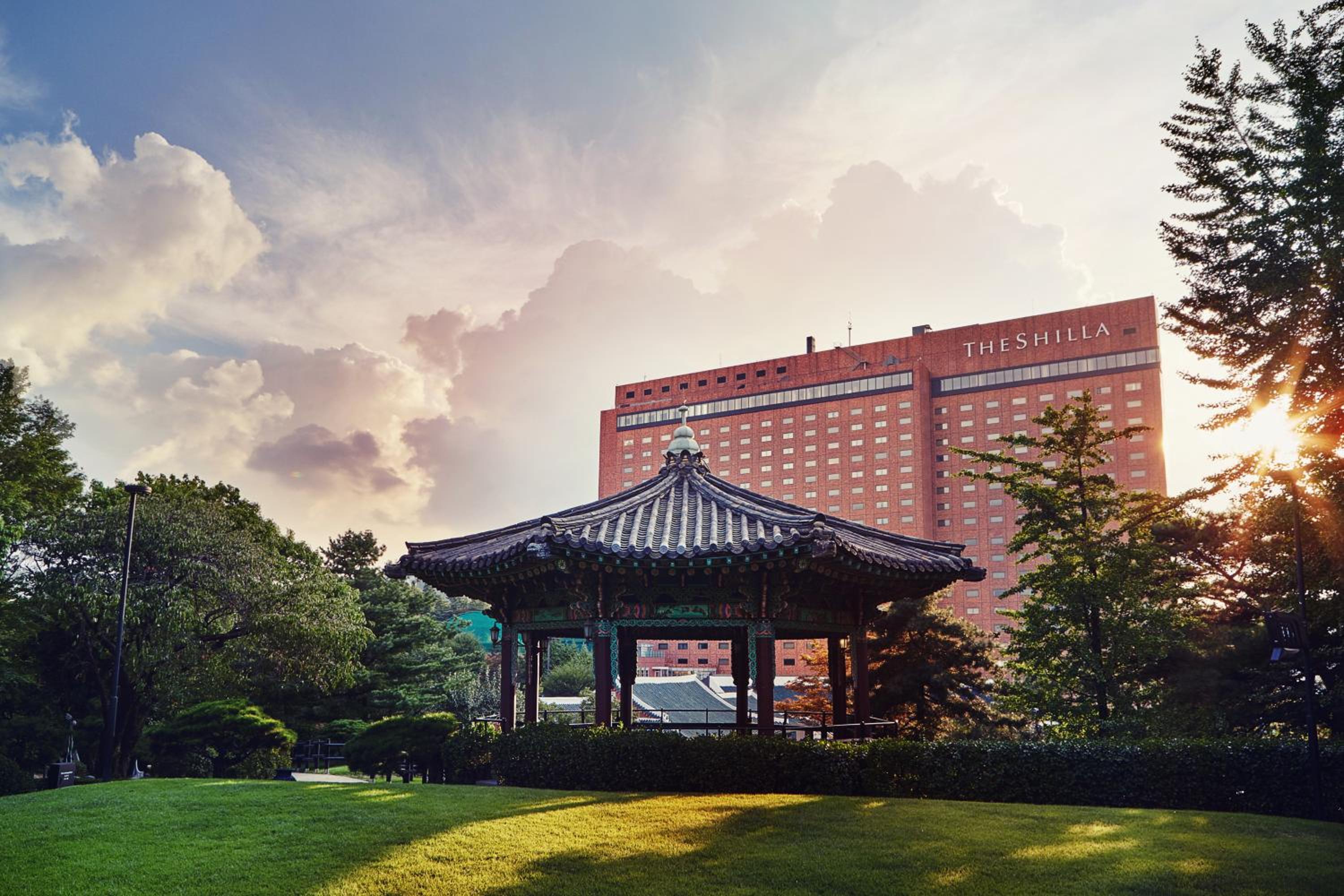
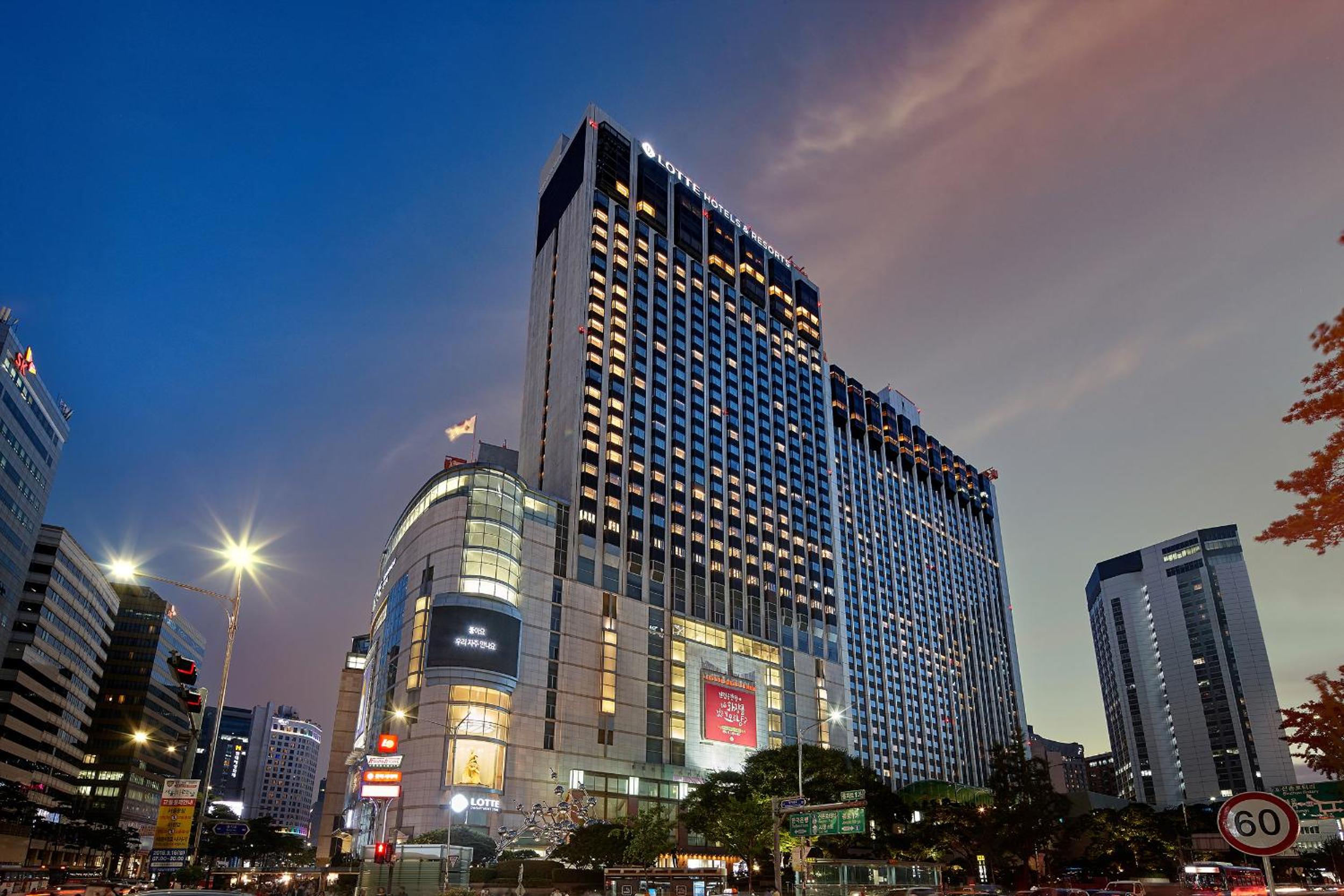
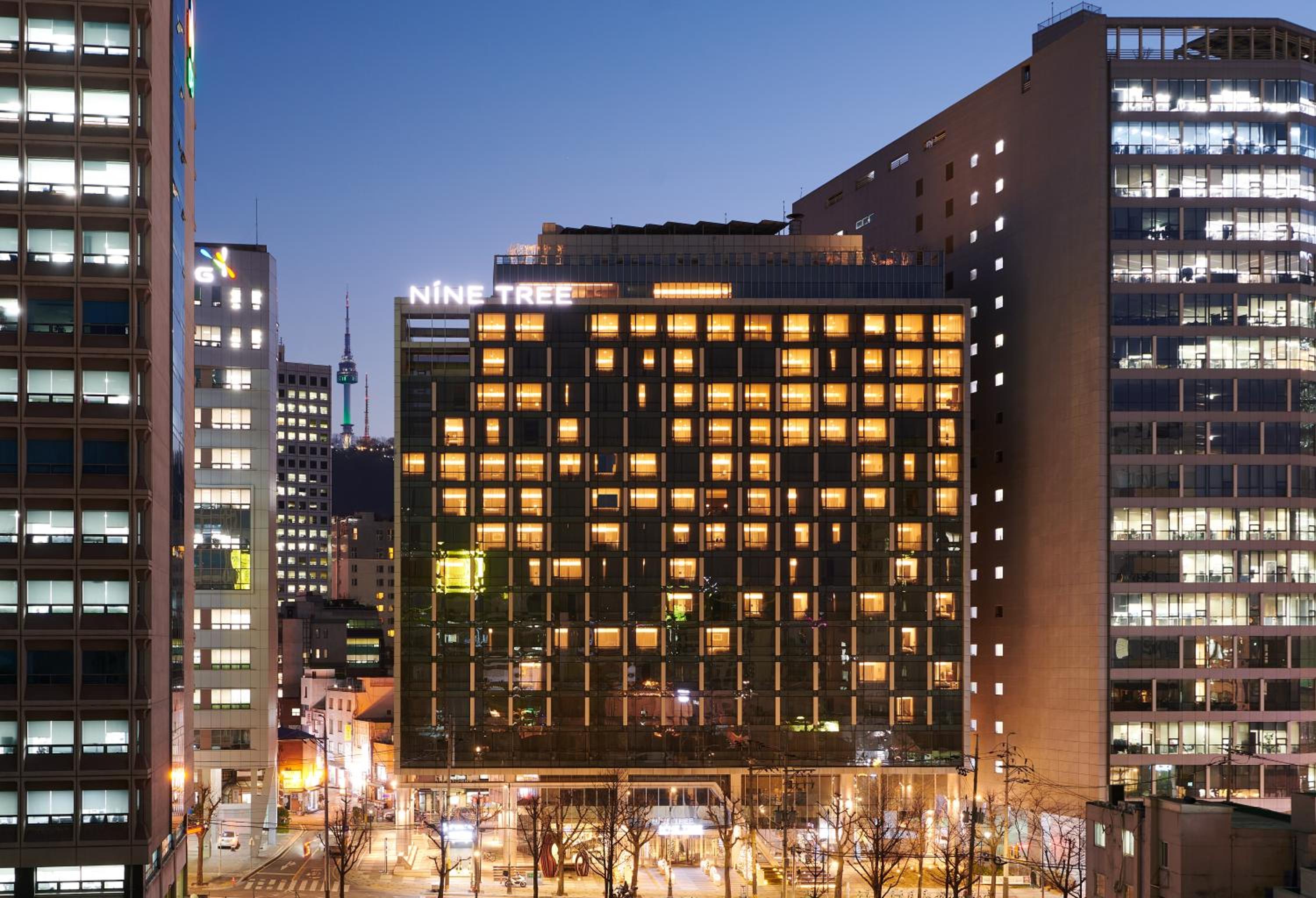
Verblijf in Myeongdong bij je eerste bezoek: de veiligste keuze, het meest centraal en de beste metroverbindingen, tegen de hoogste prijs per vierkante meter. Een hotel hier kost ongeveer €284,10 per nacht volgens reizigersgegevens, terwijl hostels in Hongdae veel goedkoper zijn. Boek een hanok in Bukchon van tevoren; de binnenplaatshuizen zijn klein en raken snel vol.
Myeongdong
Hotels in alle prijscategorieën rond de winkelstraten, €70 tot €250, met ketens aan de top.
Hongdae
Hostels en gasthuizen tussen de bars, €18 tot €35 per bed en €40 tot €90 per kamer, tot zonsopgang open.
Bukchon en Insadong
Hanok-gasthuizen met binnenplaatsen, €80 tot €200, en kleine hotels bij de theehoven, €60 tot €130.
Gangnam
De grote zakelijke en luxehotels aan de zuidzijde van de rivier, €120 tot €400.
Yeouido
Luxehotels op het eiland in de rivier, €150 tot €350, met het park en de bloemsem in april buiten.
Itaewon
Midrange-hotels en hostels tussen de internationale restaurants, €20 per bed tot €150 per kamer.


Wat je moet eten in Seoul
Vlees gegrild aan tafel, gewikkeld in bladeren met banchan
Zure kimchi-stoof met varkensvlees of tofu
Rijst met groenten, ei en gochujang, gemengd aan tafel
Rijstcakes in zoete chilisaus
Mungooncake, vers gebakken
Twee keer gebakken, met bier, chimaek
Ontdek eetadresjes in Stippl
Vind restaurants en markten op de kaart, bewaar ze in je reisroute, werkt ook offline.
Seoul-gewoonten en wat je niet moet doen
Bukchon is iemands straat
Borden vragen om stilte, de bewoners hebben zich openlijk beklaagd over bezoekerslawaai, en de wachten in rode hesjes dwingen nu openingsuren af; loop het voor vijf uur en hou je stem laag.
Twee handen, altijd
Geef en ontvang altijd met beide handen, vooral bij oudere mensen: geld naar de kassa, het glas op tafel en een visitekaartje; één hand werkt rommelig.
Tap in en tap uit
Het tarief is op afstandbasis en het niet aftappen op de bus wordt berekend als het maximum; de lezer zit bij de deur, en de chauffeur roept je na.
Schoenen uit, zitplekken op de grond
In hanokverblijven, tempels en veel restaurants met zitplekken op de grond; de schoenenenkast bij de deur is het signaal, en sokken zonder gaten zijn de voorbereiding.
Wel doen
- Koop een Climate Card als je twee dagen of langer in Seoul blijft
- Boek de Secret Garden van Changdeokgung van tevoren, of ga in plaats daarvan naar Changgyeonggung
- Draag hanbok naar een paleis als je gratis toegang wilt; de verhuurwinkels zijn bij de poort
- Loop Bukchon voor vijf uur, rustig
Niet doen
- Plan juli en augustus rond activiteiten buiten
- Ga ervan uit dat de Climate Card een dagtrip dekt; deze stopt bij de stadgrens
- Behandel Bukchon niet als een bezienswaardigheden; daar wonen mensen
- Geef geld aan een kassier met één hand
Wat een Seoul-reis kost
Houd bij wat je echt uitgeeft
Stel per land een dagbudget in en log uitgaven in elke valuta terwijl je reist.
Leuke weetjes over Seoul
Hanbok dragen geeft je gratis toegang tot de paleizen. Daarom omringen verhuurwinkels de poorten en waarom de binnenplaatsen van Gyeongbokgung vol zitten met mensen in historische kleding.
The Secret Garden wordt volledig geboekt, en er is een alternatief ernaast. Changgyeonggung deelt de setting en het seizoen met de tuin van Changdeokgung, zonder de naam of de wachtrij.
Een nationaal park zit in de hoofdstad, aan het einde van een metrolijn. De granieten toppen van Bukhansan liggen binnen de stadsgrenzen, wat bijna uniek is onder wereldhoofsteden.
Seoul is de meest meegenomen bestemming van elk land op Stippl. 17.000+ van de Koreaanse trips die kwalificeren omvatten het, een groter aandeel dan elke stad ergens anders heeft.
Vijf Joseon-dynastiepaleizen liggen in het centrum van Seoul. Gyeongbokgung, uit 1395, is het grootste en Changdeokgung het meest bewonderd, en de wachten veranderen nog steeds bij de poorten.
De bangcultuur van Seoul heeft een kamer voor alles. Noraebang voor zingen, jjimjilbang voor baden, PC-bang voor gamen, DVD-bang voor films: privékamers zijn de lokale gewoonte voor een avond uit.
Lokale tips voor Seoul
Zorg eerst voor een kaart
Een oplaadbare kaart verwijdert kaartje kopen en biedt overstapdiscounts. De Climate Card is de standaard voor een korte bezoek: onbeperkt metro en bus van ongeveer €3,50 per dag tot €14 voor zeven.
Alleen Seoul, geen GTX
De Climate Card werkt alleen in Seoul en sluit de Sinbundang- en GTX-lijnen uit, dus een dagtrip naar Suwon of de DMZ is niet inbegrepen. Laad T-money voor die, of de Mpass, die de luchthaven-trein omvat.
Tap in en tap uit
Koreaanse tarieven zijn op afstandbasis en het niet aftappen is berekend als een maximale afstandsreis. De lezer zit bij de deur op bussen; tap het terwijl je vertrekt.
Hoe lang je blijft
De meeste mensen geven Seoul 4 nachten op Stippl, het langste verblijf in Korea: paleizen en Bukchon, Hongdae en de Han-rivier, een marktdag en een DMZ-tour geboekt een week van tevoren.
Controleer de stofindex
Gele stof in het voorjaar is een echt luchtkwaliteitsprobleem, niet een nieuwsgierigheid; controleer de index en draag een masker als je astmatisch bent. Zomerhitte en de moesson zijn het echte gevaar van het seizoen.
Winter is goed koud
Weken lang onder nul, en de wind van de bergen maakt het nog kouder. Seoul is buitengewoon veilig en soloreizen, inclusief voor vrouwen alleen, zijn hier volkomen normaal.
Seoul-vragen, beantwoord
Per wijk, niet per bezienswaardigheden. Seoul draagt 43% van alles wat in Zuid-Korea op Stippl wordt gepland, en de vergissing is het als een lijst behandelen in plaats van vier of vijf wijken die elk een middag kosten. Groepeer ze per gebied in Stippl en laat de metro de rest doen.
Vier. De Seoulstops die op Stippl worden gepland lopen tot 4 nachten, het langste van elke stop in het land, en een week is niet ongebruikelijk. Twee paleizen, Bukchon, Hongdae, Gangnam en één dagtrip eruit is ruwweg wat vier nachten werkelijk vasthoudt.
Nauwelijks: 16,44% van de Seoulstops gepland op Stippl lopen tot een enkele nacht, wat je zegt dat bijna niemand het als tussenstop behandelt zodra ze het goed hebben bekeken. Als je werkelijk één nacht hebt, neem dan één paleis bij opening en Gwangjang-markt in de avond, en accepteer dat je een fragment hebt gezien.
De Climate Card als je in de stad blijft: onbeperkt metro en bus voor een vast dagelijks tarief, verkocht op elk station. T-money als je Seoul op enig moment verlaat, omdat het landelijk werkt op treinen, bussen, taxi's en in gemaksmarkten. Er is geen reden om beiden te kopen.
Ja, op een georganiseerde halfdagstour, een paar weken van tevoren geboekt, met je paspoort in hand. De JSA met de blauwe hutten is een apart en veel strenger ticket dat al enige tijd gesloten is voor bezoekers, dus controleer wat je tour werkelijk omvat. Nationale feestdagen kunnen alles sluiten.
Seoul, tenzij de vlucht in de vroege ochtend vertrekt. De airport express duurt minder dan een uur vanuit Seoul Station en vertrekt vroeg, en Incheons oude haven liggen nergens in de buurt van wat je zou willen zien. Als het werkelijk een eerste-daglicht-vertrek is, slaap in plaats daarvan op Yeongjong Island bij de luchthaven.
Elke gids is geschreven door de Stippl-redactie en getoetst aan de reizen die onze reizigers echt plannen. Iets verouderds gezien? Laat het ons weten.

Plan Seoul in Stippl
Planning per dag, verblijven en budget in één app, met elke plek uit deze gids al op de kaart.
Download de app