

Jeju Island
Jeju is what a Seoul and Busan trip adds with a few more days, and it rewards a car like nowhere else in Korea. The country's highest mountain, 437 kilometres of coast path, and women who free-dive for shellfish.
Jeju Island in a nutshell
Jeju Island: what to expect
Before writing this we counted 51,000+ planned stops in South Korea on Stippl.
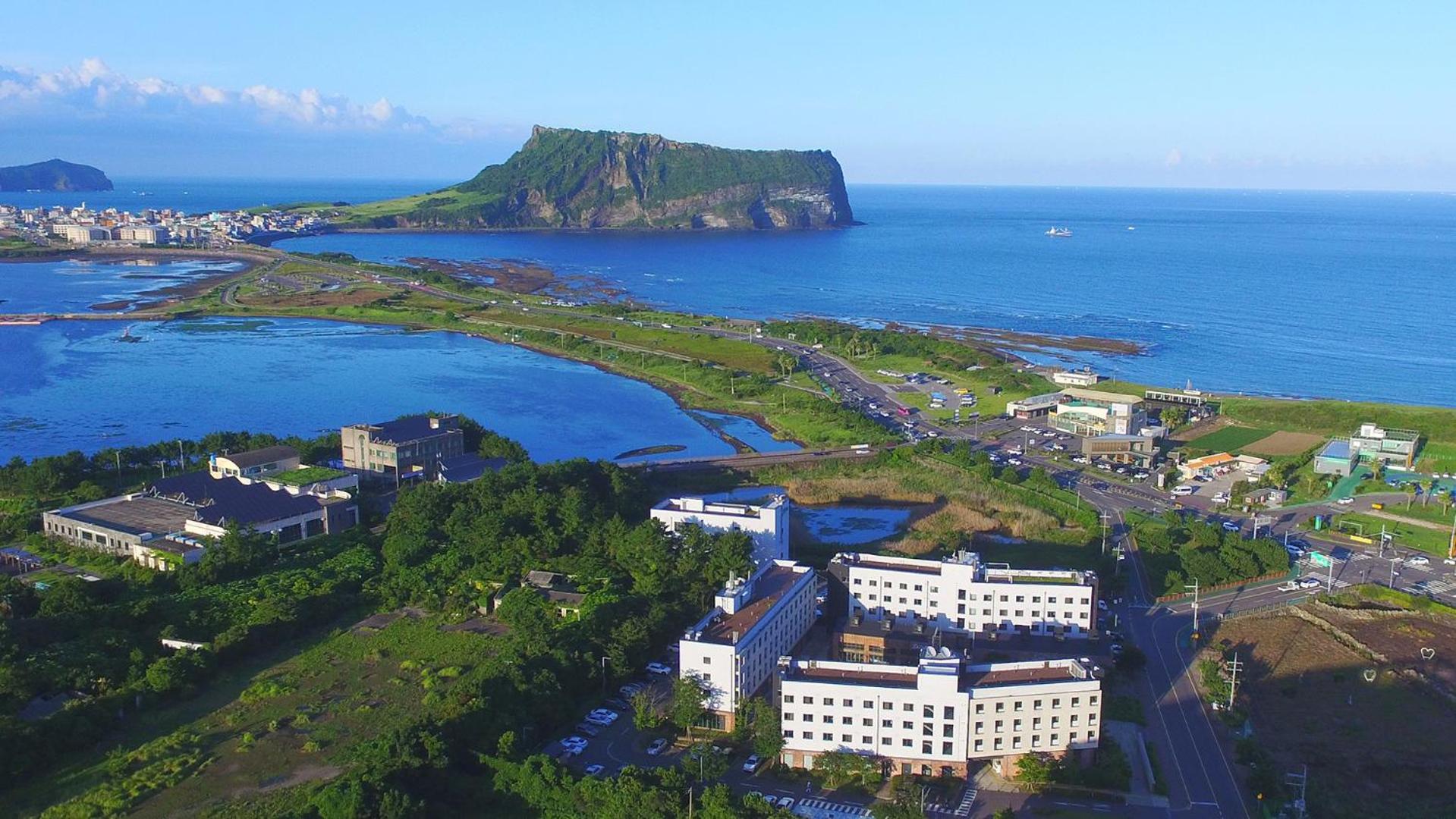
Jeju is a volcanic island eighty-five kilometres off the south coast, built around Hallasan and some 360 smaller cones. Seongsan Ilchulbong is a tuff cone that came out of the sea five thousand years ago, twenty minutes up to the crater, and the name means sunrise peak. Manjanggul is one of the longest lava tubes on earth with a kilometre of it walkable. The Olle Trail waymarks you 437 kilometres of coast across 27 routes, and the haenyeo still free-dive for shellfish without tanks.
Jeju is the third leg of a Korean trip and almost never the second. More than four in five Jeju trips are Seoul plus Busan plus Jeju, and barely one in ten has as few as two stops. It also carries the lowest share of night-free stops we measure in any country, which is what an island does to an itinerary, and it is booked further ahead than anywhere else in Korea.
Three nights, and rent a car for them. The buses work and they are slow, and Jeju rewards driving more than anywhere else in the country: the island splits into a north half around Jeju City and a south half around Seogwipo, and the distances between them are real. Hallasan is a full day to the summit crater. Come outside July and August, when the island is hot, wet, expensive and full of Korean holidaymakers at once.
Plan Jeju Island in Stippl
Day-by-day planning, stays and budget in one app, with every place from this guide already on the map.
Download the appWho Jeju Island is for
Anyone extending Seoul-Busan
Jeju is what those trips add when they have another few days, and most people give it 3 nights.
Walkers
The Olle Trail is 27 routes and 437 km around the coast, and it is the island's best idea.
Drivers
Jeju rewards a car more than anywhere else in Korea, and the buses are slow.
Hikers
Hallasan is a genuine full-day mountain, and the highest point in the country.
Families
The beaches, the museums and the short distances make it the easiest Korean destination with children.
Maybe not for you: anyone without a driving licence, since the buses work but slowly; and anyone visiting in July and August, when the island is hot, wet, expensive and full of Korean holidaymakers.
The best time to visit Jeju Island
Spring
March to May
Canola yellow in March, blossom in early April and May the pick of the year: warm, dry and outside the domestic peak. The Hallasan trails are at their best before the heat.
Summer
July and August
Hot, wet, expensive and full: the Korean domestic peak, with the beaches at Hyeopjae and Hamdeok at capacity and the typhoon season arriving in August. The flights from Seoul run full anyway.
Autumn
September to November
September the other pick, with clear air, warm sea and the summer crowd gone; October and November cooler, with the silver grass on the eastern slopes and the tangerine harvest starting.
Winter
December to February
Mild for Korea, the cheapest months and the camellias in flower at Camellia Hill. Hallasan carries snow, the wind off the sea is the thing to dress for, and the tangerines are everywhere.
- Jeju is planned about 106 days ahead on Stippl, and only 9.26% of plans are made inside a fortnight, the lowest share in Korea we cover. The flights from Seoul are the reason; they sell out in the domestic peak and are cheap the rest of the year.
- Typhoons hit Jeju first and suspend the island. Between August and September a passing storm grounds the flights and the ferries for a day or two; a summer plan needs a spare day at the end, not a connection the same evening.
- Hallasan needs a reservation and an early start. The Seongpanak and Gwaneumsa trails to the summit are capped daily and booked online; the gate closes to summit climbers by early morning, and the weather on top is not the weather at the coast.
- The canola is a March thing and the silver grass an October one. The yellow fields around Seongsan are at their best in late March and the eulalia on the eastern oreums in mid October; the photographs on the brochures are two different months.
Add your Jeju Island dates and we'll flag the weather
Stippl shows the season, crowds and prices for every stop on your route.
Describe your trip, get a Jeju Island itinerary in seconds
Everything in this guide is already in Stippl. Tell the planner how long you have and what you like: it builds the route, the days and the travel times, and you edit whatever you want.
Things to do in Jeju Island


Seongsan Ilchulbong
Climb the 182-metre tuff cone that erupted out of the sea five thousand years ago, twenty minutes up to the crater rim, about €3. The name means sunrise peak and that is when to go.
Hallasan
Climb South Korea's highest mountain at 1,950 metres to the crater lake, a full day on the Seongpanak or Gwaneumsa trail, free with an online reservation. The gate closes to summit climbers by mid morning.
Manjanggul Lava Tube
Walk the kilometre open to visitors in one of the world's longest lava tubes, UNESCO-listed, to the lava column at the end, about €3. Cold inside; bring a layer.
The Jeju Olle Trail
Walk one of the twenty-seven waymarked coastal routes, about 437 kilometres in all, free; routes seven and ten on the south coast are the ones to pick for a day. The reason many Koreans come.
The haenyeo
See the women who free-dive for shellfish without tanks, most now in their sixties and older, at the Haenyeo Museum on the east coast for about €1, and watch a dive show at Seongsan at half past one and three. UNESCO intangible heritage.
Udo
Take the ferry fifteen minutes from Seongsan to the small island, about €7 return, and go round it by scooter or on foot. The peanut ice cream and the coral-sand beach are the stops.
The neighbourhoods of Jeju Island
Jeju City
North coast, airport, bus hub
The city on the north coast: the airport, the bus hub, Black Pork Street and the Gwaneumsa trailhead, with hotels of every grade. For first nights and for anyone without a car.
Every bus and the airport, and a city rather than the island.
Seogwipo
South coast, waterfalls, mildest
The south coast: the waterfalls, the night markets and the island's mildest weather, with guesthouses and the harbour. For families and couples who want the south.
The waterfalls and the calm, and an hour across the island to the airport.
Jungmun
Resort strip, beach, museums
The resort strip west of Seogwipo: the big hotels, a beach and the museums on one strip. For luxury and families who want a resort.
The resorts and the beach, and a strip rather than a town.
Aewol
West coast cafés, beaches
The café strip on the sea west of Jeju City, between Hyeopjae and Gwakji beaches, with pensions and guesthouses. For couples and for the sunset.
The cafés and the beaches, and a car for everything.
Seongsan
Under the tuff cone, Udo ferry
The east under the tuff cone, for the sunrise climb and the ferry to Udo, with guesthouses around the harbour. For the sunrise and for the east coast.
The cone at dawn from the door, and an hour to the city.
See every Jeju Island neighbourhood on one map
Save the areas you like and Stippl plots your days so you're not crossing the city twice.
Where to stay in Jeju Island
Stay in Seogwipo, on the far side of the mountain: the waterfalls, the night markets and the island's mildest weather are there, and almost all the hotels are too. Jeju City is for the arrival night, an hour away. Most people give Jeju 3 nights on Stippl, and almost nobody comes for a day. Check the airport limousine route before booking if you are not driving.
Jeju City
Hotels of every grade near the airport and the bus hub, €40 to €150, and hostels from €15 a bed.
Seogwipo
Guesthouses and mid-range hotels near the harbour, €40 to €110, with the hostels the island is known for.
Jungmun
The big resort hotels side by side on the cliff, from €200, and the resort strip priced accordingly.
Aewol
Pensions and guesthouses along the café strip, €50 to €130, with the sunset from the terrace.
Seongsan
Guesthouses around the harbour under the tuff cone, €35 to €80, for the sunrise climb and the Udo ferry.


What to eat in Jeju Island
Jeju's native black pig, grilled at the table
Sea snail, harvested by haenyeo, as porridge or grilled
A large sweet citrus grown only here, named for the mountain
Raw mackerel, an island speciality that does not travel
Millet rice cake with red bean, a Jeju sweet
Discover food spots in Stippl
Find restaurants and markets on the map, save them to your itinerary, works offline too.
Jeju customs and what not to do
The haenyeo are at work
The women divers are photographed constantly and they are working; the museum and the scheduled demonstrations at Seongsan are the respectful way to see the practice, and buy from their stall.
Seong-eup is lived in
The folk village is not an open-air museum: the thatched houses are homes, the guides are residents, and the horse at the gate is somebody's.
Jeju has its own dialect
Distinct enough that mainland Koreans struggle with it and UNESCO-listed as endangered; the grandmothers at the markets speak it, and a hallo in it gets a smile.
Shoes off, as everywhere
In temples and guesthouses, and the dol hareubang stone grandfathers at every gate are rubbed for luck on the nose, not climbed.
Do
- Arrange an International Driving Permit before you leave home
- Climb Seongsan Ilchulbong at sunrise, which is what it is named for
- See the haenyeo at the scheduled demonstration and buy from their stall
- Check the airport limousine route if you are not driving
Don't
- Plan a bus-based itinerary and expect to see the island
- Photograph the haenyeo at work from the rocks
- Come in July or August unless the dates are fixed
- Expect Jeju's cherry blossom on the mainland's schedule; it is a later variety
What a Jeju Island trip costs
Budget
€38–50
A Jeju City guesthouse, a small hire car, market food.
Mid-range
about €84
A Seogwipo hotel, a car, restaurant meals, the entry tickets.
High-end
€190–280
A Jungmun resort, and someone else driving.
Track what you actually spend
Set a daily budget per country and log expenses in any currency while you travel.
Fun facts about Jeju Island
The haenyeo are the last of their kind. The women free-dive for shellfish without tanks, most of them now over sixty, and UNESCO lists them as intangible cultural heritage.
Jeju's cherry blossom is a native variety, not the Japanese one. The king cherry is original to the island and blooms later than the Yoshino that covers the mainland, with larger flowers.
Nobody knows what the dol hareubang were for. The lava grandfather stones are the island's emblem, standing at village entrances and every gift shop, and their origin has never been agreed.
Jeju is UNESCO-listed three times over. The volcanic island and its lava tubes as World Heritage, the whole island as a Global Geopark, and the haenyeo as intangible heritage.
Jeju is the third leg of a Korean trip and almost never the second. On Stippl the pattern is Seoul, then Busan, then Jeju, in more than four out of five trips that carry all three.
The Seoul to Jeju air route is one of the busiest in the world. The island is Korea's own holiday destination first, and the flights leave Gimpo every few minutes all day.
Jeju has some 360 volcanic cones scattered across it. The oreum sit around the shield volcano Hallasan, Korea's highest mountain at 1,947 metres, on an island 73 km by 31.
Local tips for Jeju Island
Rent a car
The strongest single recommendation for the island: the bus works and costs you most of the day. A small car is about €35 a day, and the International Driving Permit must be arranged at home.
The limousine bus works
The airport limousine runs straight to the Seogwipo and Jungmun hotels for about €4. If you will not drive, hire a driver for a day at about €120 rather than chasing blossom spots by bus.
How long to stay
Most people give Jeju 3 nights on Stippl: the east with Seongsan and Udo one day, the south with the waterfalls the next, and Hallasan or the west on the third.
Hallasan has a cut-off
It is a real mountain: rangers enforce a summit cut-off time and the weather at 1,950 metres is not the weather at the coast. Book the trail online; the two summit routes cap daily numbers.
Typhoons ground flights
The season affects the island and can close the airport for a day. Keep the last night flexible from August to early October, and do not book a same-day international connection.
Swim at the beaches only
The sea is cold and the currents around the tuff cone are strong. Hyeopjae and Hamdeok are the supervised beaches in season; the rest of the coast is for looking at.
Jeju Island questions, answered
As a flight from Gimpo rather than Incheon, and as its own block. Travellers planning Jeju on Stippl book about 106 days out, the longest lead in the country, because the island fills through summer. Put Jeju into Stippl after Seoul and Busan rather than between them.
Three nights with a car, four without one. Jeju gets 3 nights in the trips people plan on Stippl. The island is a ring road with the sights spread the whole way round it, so the difference between three and four is simply whether you are rushing.
Hardly anyone tries: 12.56% of Jeju stops planned on Stippl are a single night, the lowest share in South Korea. Between the flight, the hire car and the drive out of the airport, one night leaves you half a day on an island that wants a full circuit.
You fly, and from Gimpo inside Seoul rather than Incheon. It is the busiest air route in the world, with departures every few minutes and fares that stay remarkably low. The overnight ferries from Busan and Incheon no longer run, and the crossings that survive are from the south-west coast, mostly for cars.
A tuff cone that erupted straight out of the sea at the island's eastern tip, with a crater rim you climb in about twenty minutes. It is named for the sunrise and that is when to do it, before the coaches arrive. The village below is where the haenyeo divers still work.
Yes, and it is a full day: nearly two thousand metres on marked trails, with an enforced turnaround time partway up that the rangers do check. Two routes reach the summit and the others stop short, so choose before you set off, and book the summit trails ahead in season.
Every guide is written by the Stippl editors and checked against the trips our travellers actually plan. Spotted something out of date? Let us know.

Plan Jeju Island in Stippl
Day-by-day planning, stays and budget in one app, with every place from this guide already on the map.
Download the app