

Gyeongju
Gyeongju was the capital of Silla for a thousand years, and nobody put the ruins in a park: twenty-three grassed royal tombs sit in an ordinary small city. One is open to walk inside.
Gyeongju in a nutshell
Gyeongju: what to expect
Every figure here is drawn from 51,000+ stops planned in South Korea on Stippl.
Gyeongju was the Silla capital for nearly a thousand years and the monuments are still standing in the middle of the town. Twenty-three grassed royal tombs sit in a walled park at Daereungwon, one of them opened so you can walk into the burial chamber. Cheomseongdae is a nine-metre stone tower from the 640s and the oldest surviving observatory in East Asia. Bulguksa was begun in 751 on terraced stonework, and Seokguram's domed grotto above it holds a granite Buddha facing the sunrise.
Gyeongju is filed between Seoul and Busan, and the plans put it there almost every time. Three quarters of the trips carrying all three run Seoul, Gyeongju, Busan in that order or the exact reverse. It is not a Busan day trip either: the share of Gyeongju stops with no night on them does not move whether Busan is on the trip or not, which is precisely what a day trip would change.
Two nights, and rent a bicycle for both of them. The old city is small and flat and the tombs, the observatory and the pond are all within a couple of kilometres. Wolji Pond is the image everyone comes for and it wants to be seen after dark. Namsan carries more than a hundred Silla carvings along its trails. Do not plan Gyeongju as a base, because one traveller in ten stays past three nights and the town is a stop rather than a settling place.
Plan Gyeongju in Stippl
Day-by-day planning, stays and budget in one app, with every place from this guide already on the map.
Download the appWho Gyeongju is for
Anyone doing Seoul and Busan
A Gyeongju trip is nearly always a Seoul-and-Busan trip with the old capital added in between, and most people give it 2 nights.
History travellers
Gyeongju rewards them more than any other Korean destination, with the Silla tombs and temples spread across an open-air city.
Cyclists
The old city is genuinely best on two wheels, and the tomb parks are flat.
Families
The theme park at Bomun and the short distances in the old city make it one of the easier Korean stops with children.
Walkers
Namsan is a hillside carved with Silla Buddhas, and a full day on it passes dozens.
Maybe not for you: anyone planning to base here, since the typical stay is two nights and only one visitor in ten stays longer than three; Gyeongju is a stop, not somewhere to settle.
The best time to visit Gyeongju
Spring
April and May
Cherry blossom at Bomun Lake and along the roads in early April, on flat walkable ground, with the eight-kilometre lake loop genuinely crowded for it. The first of the two windows.
Summer
June to August
Monsoon and heat, and the sights are almost all outdoors; the tumuli and the temples are done early or in the rain. The quietest months for the guesthouses.
Autumn
October and November
The pick: clear light, pink muhly grass in the fields around the monuments and the colour at Bulguksa. The city replants the fields each season and the signature changes.
Winter
December to February
Cold, clear and empty, with the tumuli park and Cheomseongdae to yourself and the lights on at dusk. The cheapest rooms of the year.
- Gyeongju is planned about 100 days ahead on Stippl, and only 10.12% of plans are made inside a fortnight. The lead is the country's; the city has small guesthouses rather than hotels, and the blossom week in April is when they run out.
- Bomun Lake is the blossom destination and it is crowded for it. The loop around the lake is lined with trees that peak in the first fortnight of April; the Bulguksa approach is the quieter alternative in the same week.
- The fields around the monuments are replanted each season, and the pink muhly is the current autumn signature. It peaks in October around Cheomseongdae and the Daereungwon tumuli; it changes from year to year, so the photograph is not guaranteed.
- Gyeongju's sights are almost all outdoors, and the monsoon in July and August makes that the problem. The museum is the wet-day plan; the tumuli, Bulguksa and Seokguram are dawn visits in the heat and dusk visits in the cold.
Add your Gyeongju dates and we'll flag the weather
Stippl shows the season, crowds and prices for every stop on your route.
Describe your trip, get a Gyeongju itinerary in seconds
Everything in this guide is already in Stippl. Tell the planner how long you have and what you like: it builds the route, the days and the travel times, and you edit whatever you want.
Things to do in Gyeongju
 Photo by Nino Steffen via Unsplash
Bulguksa Temple
Walk the temple begun in 751 on its original Silla stonework, with the Dabotap and Seokgatap pagodas in the main courtyard, about €4. Burned in 1593 and rebuilt on the surviving platform; the bus from town takes forty minutes.
Seokguram Grotto
Climb to the eighth-century domed chamber above Bulguksa holding a 3.5-metre granite Buddha facing the sunrise over the East Sea, about €4, viewed through glass with no photography. The shuttle bus from Bulguksa, or the hour's walk up.
Daereungwon
Walk among the twenty-three grassed royal tombs in the walled park in the middle of town, about €2, and go into Cheonmachong, the one opened so you can walk into the burial chamber. Dusk, when the mounds are lit.
Wolji Pond after dark
See the reconstructed Donggung pavilions doubled in the water, the single image the city is known for, about €2, after dark; every guide says the same. Open until ten.
Cheomseongdae
Stand at the nine-metre stone tower of the 640s, the oldest surviving observatory in East Asia, alone in a seasonal flower field, free. Pink muhly in October, canola in April, and lit at night.
The National Museum
Spend two hours in the free museum holding the gold crowns that came out of the tombs and the Emille bell. Closed Mondays, and the right stop between the tombs and the temple.
The neighbourhoods of Gyeongju
Hwangnam-dong
Old city, tombs, guesthouses
The old city: the tombs, the observatory, Hwangnidan-gil and most of the guesthouses within a flat walk. For first visits and budget travellers.
The tombs from the door, and the weekend crowds on the café street.
Hwangnidan-gil
Hanok cafés, dessert, hanbok
The converted hanok street beside the tombs: cafés, dessert shops and hanbok rental, with hanok guesthouses in the lanes behind. For foodies and for the street after the day-trippers.
The prettiest street and the cafés, and the queues on it by noon.
Gyochon
Clan quarter, the river
The Choi clan's quarter by the river beside the stone bridge, with hanok stays and the rice-wine house. For history and for a hanok night by the water.
The hanok and the river, and a walk to the tombs.
Bomun Lake
Resort district, big hotels
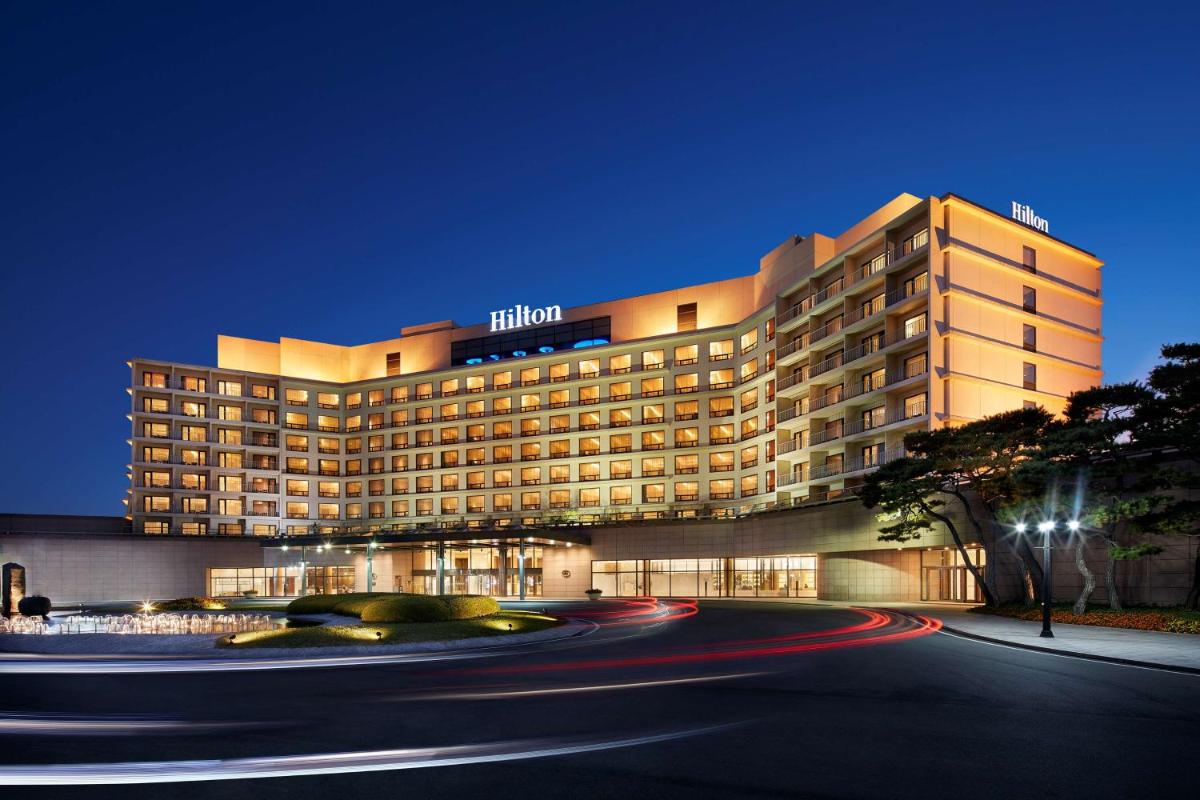
The planned resort district fifteen minutes east: big hotels, the theme park and the blossom loop round the lake. For families and for a pool.
A pool and the lake, and a bus to the old city.
Bulguksa
By the temple, quiet, far out
Out by the temple: quiet guesthouses and a couple of hotels, a long way from dinner and the first at the gate. For the temple at opening and for the quiet.
The temple at dawn, and a bus for everything else.
See every Gyeongju neighbourhood on one map
Save the areas you like and Stippl plots your days so you're not crossing the city twice.
Where to stay in Gyeongju
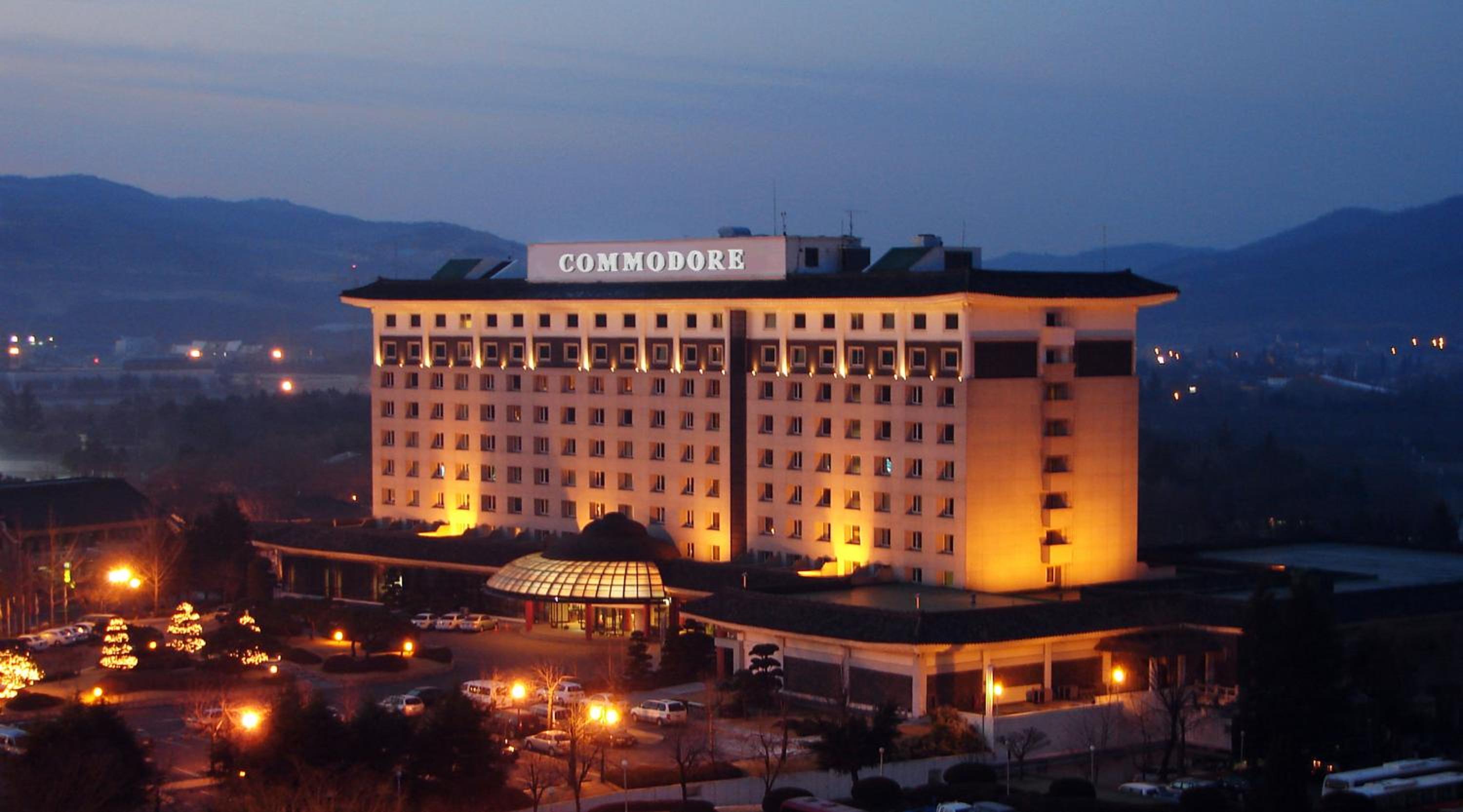
Stay in the old city, in Hwangnam-dong or the lanes behind Hwangnidan-gil: the tombs, the observatory and the cafés are a flat walk, and a hanok guesthouse is the local form. Bomun's big resort hotels are large, old and priced for coach groups. Most people give Gyeongju 2 nights on Stippl; a quarter book one, so two already puts you above average.
Hwangnam-dong
Guesthouses and hostels among the tombs, €18 a bed to €70 a room, all within a flat walk.
Hwangnidan-gil
Hanok guesthouses in the lanes behind the cafés, €50 to €120, and a premium hanok hotel from €200.
Gyochon
Hanok stays by the river and the stone bridge, €60 to €140, with the rice-wine house next door.
Bomun Lake
Big resort hotels with pools on the lake, €80 to €180, priced for coach groups.
Bulguksa
Quiet guesthouses and a couple of plain hotels by the temple, €35 to €80, far from dinner.


What to eat in Gyeongju
Thin-skinned bun packed with red bean, made here since 1939
A set meal of leaf wraps with a table of side dishes
A Silla-descended rice wine, protected as intangible heritage
Barley cakes with red bean, the other Gyeongju pastry
Discover food spots in Stippl
Find restaurants and markets on the map, save them to your itinerary, works offline too.
Gyeongju customs and what not to do
No photographs at Seokguram
The Buddha is behind glass and photography is prohibited; it is about humidity, not crowd control, and the attendant stops it every time.
The tombs are graves
Climbing the Silla burial mounds is prohibited and signed, and it is not a photo opportunity; the grass is walked around, and the one tomb open inside is Cheonmachong.
Both villages are lived in
Yangdong and the hanok quarter are homes and the marked lanes are the visitor route; shoes off at the temples and in the hanok stays, and voices down after dark.
Wolji is for after dark
The Anapji pond is lit at night and that is the whole point of it; the day ticket is the same price and the lanterns come on at dusk, so eat first.
Do
- Rent a bicycle; the old city is flat and small
- Go to Wolji Pond after dark
- Check whether bus 10 or bus 11 is going your way round the loop
- Take your shoes off at the hanok stay
Don't
- Try to photograph Seokguram; it is glassed and prohibited
- Climb the burial mounds
- Plan on the KTX reaching the city; Singyeongju is eight kilometres out
- Treat it as a Busan day trip unless you only want Bulguksa
What a Gyeongju trip costs
Track what you actually spend
Set a daily budget per country and log expenses in any currency while you travel.
Fun facts about Gyeongju
Buses 10 and 11 run the same loop in opposite directions. The useful question at the stop is not which bus but which way, and the loop links every major site in the old city.
Hwangnyongsa's wooden pagoda stood 80 metres tall for six centuries. It was built in 645 and burned by the Mongols in 1238; what remains is a field of column bases at full scale.
Hwangnam-ppang has been made by the same shop since 1939. The red-bean pastry is bought by the box as a gift rather than eaten as a snack, and the queue outside the original shop is constant.
Gyeongju was the capital of Silla for nearly a thousand years. From 57 BC to 935 AD, which is why it is called a museum without walls: the tombs and monuments sit among ordinary streets.
Three separate UNESCO inscriptions cover the area. The Gyeongju Historic Areas, the Bulguksa and Seokguram pair, and Yangdong Folk Village north of the city.
Gyeongju is filed between Seoul and Busan. On Stippl three quarters of the trips carrying all three write them in that order or its exact reverse; it is the stop on the line.
Local tips for Gyeongju
Rent a bicycle
The old city is flat, the distances short and the traffic light. A bike is about €7 a day by the bus terminal; the tumuli, Cheomseongdae and Wolji pond are all within twenty minutes.
Buses 10 and 11
They run the same loop in opposite directions, the single most useful piece of local knowledge here: pick the one going your way. A flat fare of about €1 covers any distance and T-money works.
The KTX stops at Singyeongju
The fast train does not stop in Gyeongju itself; Singyeongju is eight kilometres out and bus 700 is the connection. The old Gyeongju station is on the slow line.
How long to stay
Most people give Gyeongju 2 nights on Stippl: the centre by bike one day, Bulguksa and Seokguram by bus 10 the next. A half-day taxi at about €100 is a recognised private tour.
Namsan is a real hill walk
Three to five hours, lightly signed, and it needs a map. Seokguram's approach is a short exposed walking path from the car park and it closes before dusk.
Weekends fill the buses
Buses 10 and 11 are standing-room-only on busy weekends, which shapes a day more than it endangers one. Do Bulguksa on a weekday morning if the dates allow.
Gyeongju questions, answered
Between Seoul and Busan, on the same leg as one of them. Gyeongju carries 6.32% of everything planned in South Korea on Stippl, and the KTX station is the awkward part, eight kilometres out with a connecting bus. Build it into Stippl as two nights rather than a stop.
Two nights. Across the Gyeongju stops planned on Stippl the usual is 2 nights, and it splits neatly: the burial mounds, Wolji pond and the old centre by bicycle on one day, Bulguksa Temple and Seokguram out of town on the other.
You can, and most people do not: only 5.27% of Gyeongju stops planned on Stippl are same-day, whether or not Busan is on the trip. The reason is Wolji pond after dark, which is the best thing here and needs you to still be in town.
A bicycle in the old city, which is flat and studded with burial mounds, and the local buses for everything outside it. Bulguksa Temple and Seokguram sit up a hill east of town on the same route. Rentals are outside the intercity bus terminal and around the mound park.
No. Singyeongju is about eight kilometres out with a connecting bus into town, which adds twenty minutes to each end of the journey. The intercity bus terminal is central instead, so for a short hop up from Busan the bus is often quicker door to door.
Donggung Palace and Wolji Pond after dark. The reconstructed pavilions are lit and doubled in still water, and it is the single reason the town deserves an overnight rather than a bus stop. Go late, once the coach groups have gone back to Busan, and walk the mounds on the way.
Every guide is written by the Stippl editors and checked against the trips our travellers actually plan. Spotted something out of date? Let us know.

Plan Gyeongju in Stippl
Day-by-day planning, stays and budget in one app, with every place from this guide already on the map.
Download the app