

Gyeongju
Gyeongju era la capitale della Silla per mille anni, e nessuno ha messo i resti in un parco: ventitré tumuli reali erbosi si trovano in una piccola città ordinaria. Uno è aperto per entrare a piedi.
Gyeongju in breve
Gyeongju: cosa aspettarsi
Ogni dato qui proviene da 51.000+ tappe pianificate in Corea del Sud su Stippl.
Gyeongju era la capitale della Silla per quasi mille anni e i monumenti sono ancora in piedi nel mezzo della città. Ventitré tumuli reali erbosi si trovano in un parco murato a Daereungwon, uno di essi aperto perché possiate entrare nella camera funeraria. Cheomseongdae è una torre di pietra alta nove metri del 640 e l'osservatorio superstite più antico dell'Asia Orientale. Bulguksa è stato iniziato nel 751 su murature terrazzate, e la grotta a cupola di Seokguram sopra di esso ospita un Buddha in granito rivolto verso l'alba.
Gyeongju si trova tra Seoul e Busan, e i piani la collocano lì quasi sempre. I tre quarti dei viaggi che comprendono tutti e tre i luoghi seguono il percorso Seoul, Gyeongju, Busan in quell'ordine o l'esatto contrario. Non è neanche una gita di un giorno da Busan: la quota di tappe Gyeongju senza pernottamento non cambia a seconda che Busan sia nel viaggio o meno, che è esattamente quello che cambierebbe una gita di un giorno.
Due notti, e noleggiate una bicicletta per entrambe. La città vecchia è piccola e piatta e i tumuli, l'osservatorio e lo stagno si trovano tutti a pochi chilometri di distanza. Wolji Pond è l'immagine che tutti vengono a vedere e vuole essere vista dopo il tramonto. Namsan contiene più di cento intagli Silla lungo i suoi sentieri. Non pianificate Gyeongju come base, perché uno viaggiatore su dieci rimane oltre tre notti e la città è una tappa piuttosto che un luogo dove stabilirsi.
Pianifica Gyeongju in Stippl
Pianificazione giorno per giorno, alloggi e budget in un'unica app, con ogni luogo di questa guida già sulla mappa.
Scarica l'appPer chi è Gyeongju
Chiunque stia facendo Seoul e Busan
Un viaggio a Gyeongju è quasi sempre un viaggio Seoul-e-Busan con l'antica capitale aggiunta nel mezzo, e la maggior parte delle persone dedica 2 notti.
Viaggiatori della storia
Gyeongju li ricompensa più di qualsiasi altra destinazione coreana, con i tumuli e i templi della Silla sparsi in una città all'aperto.
Ciclisti
La città vecchia è genuinamente migliore in bicicletta, e i parchi dei tumuli sono pianeggianti.
Famiglie
Il parco a tema a Bomun e le brevi distanze nella città vecchia la rendono una delle tappe coreane più facili con i bambini.
Camminatori
Namsan è una collina scolpita con Buddha della Silla, e un'intera giornata su di essa passa davanti a dozzine.
Forse non fa per te: chiunque pianifichi di stanziarsi qui, poiché la permanenza tipica è di due notti e solo uno visitatore su dieci rimane più di tre notti; Gyeongju è una tappa, non un luogo dove stabilirsi.
Il momento migliore per visitare Gyeongju
Primavera
Aprile e maggio
Ciliegi in fiore al Lago Bomun e lungo le strade in inizio aprile, su terreno pianeggiante percorribile, con il circuito del lago di otto chilometri veramente affollato. La prima delle due finestre temporali.
Estate
Giugno ad agosto
Monsone e caldo, e i siti sono quasi tutti all'aperto; i tumuli e i templi vengono visitati presto o sotto la pioggia. I mesi più tranquilli per le guest house.
Autunno
Ottobre e novembre
La scelta giusta: luce limpida, erba muhly rosa nei campi attorno ai monumenti e il colore al Bulguksa. La città ripianuta i campi ogni stagione e la firma cambia.
Inverno
Dicembre a febbraio
Freddo, limpido e vuoto, con il parco dei tumuli e Cheomseongdae tutto per voi e le luci accese al tramonto. Le camere più economiche dell'anno.
- Gyeongju è pianificato circa 100 giorni prima su Stippl, e solo il 10,12% dei piani sono fatti entro una quindicina di giorni. Il vantaggio è del paese; la città ha piccole guest house piuttosto che hotel, e la settimana dei fiori ad aprile è quando esauriscono le scorte.
- Il Lago Bomun è la destinazione della fioritura ed è affollato per questo. L'anello intorno al lago è fiancheggiato da alberi che raggiungono il picco nella prima quindicina di aprile; l'approccio Bulguksa è l'alternativa più tranquilla della stessa settimana.
- I campi intorno ai monumenti vengono ripiantati ogni stagione, e la muhly rosa è la firma autunnale del momento. Raggiunge il picco a ottobre intorno a Cheomseongdae e ai tumuli di Daereungwon; cambia di anno in anno, quindi la fotografia non è garantita.
- I siti di Gyeongju sono quasi tutti all'aperto, e il monsone di luglio e agosto rappresenta il problema. Il museo è il piano per i giorni piovosi; i tumuli, Bulguksa e Seokguram sono visite all'alba al caldo e al tramonto al freddo.
Aggiungi le tue date per Gyeongju e ti segnaliamo il meteo
Stippl mostra la stagione, l'affluenza e i prezzi per ogni tappa del tuo itinerario.
Descrivi il tuo viaggio e ottieni un itinerario per Gyeongju in pochi secondi
Tutto questo guida è già in Stippl. Di' al pianificatore quanto tempo hai e cosa ti piace: costruisce l'itinerario, le giornate e i tempi di viaggio, e tu modifichi ciò che vuoi.
Cose da fare a Gyeongju
 Photo by Nino Steffen via Unsplash
Tempio Bulguksa
Passeggia nel tempio iniziato nel 751 sulla sua pietra Silla originale, con i pagoda Dabotap e Seokgatap nel cortile principale, circa €4. Bruciato nel 1593 e ricostruito sulla piattaforma superstite; l'autobus da città ci mette quaranta minuti.
Grotta Seokguram
Sali alla camera a cupola dell'VIII secolo sopra Bulguksa che contiene un Buddha di granito di 3,5 metri rivolto all'alba sul Mare Orientale, circa €4, visto attraverso il vetro senza fotografia. L'autobus navetta da Bulguksa, o l'ora di camminata su.
Daereungwon
Passeggia tra i ventitré tumuli reali ricoperti di erba nel parco recintato nel mezzo della città, circa €2, e entra in Cheonmachong, l'unico aperto così puoi camminare nella camera sepolcrale. Al tramonto, quando i tumuli sono illuminati.
Stagno Wolji dopo il tramonto
Vedi i padiglioni Donggung ricostruiti riflessi nell'acqua, l'unica immagine per cui la città è conosciuta, circa €2, dopo il tramonto; ogni guida dice lo stesso. Aperto fino alle dieci.
Cheomseongdae
Stai alla torre di pietra di nove metri degli anni 640, l'osservatorio superstite più antico dell'Asia orientale, solitario in un campo di fiori stagionale, gratuito. Muhly rosa a ottobre, colza ad aprile, e illuminato di notte.
Il Museo Nazionale
Trascorri due ore nel museo gratuito che contiene le corone d'oro che uscirono dai tumuli e la campana Emille. Chiuso lunedì, e la tappa giusta tra i tumuli e il tempio.
I quartieri di Gyeongju
Hwangnam-dong
Città vecchia, tumuli, guest house
La città vecchia: i tumuli, l'osservatorio, Hwangnidan-gil e la maggior parte delle guest house a pochi passi. Per le prime visite e i viaggiatori con budget limitato.
Le tombe dalla porta, e la folla del weekend sulla via dei caffè.
Hwangnidan-gil
Caffè hanok, dolci, hanbok
La strada hanok convertita accanto ai tumuli: caffè, negozi di dolci e noleggio hanbok, con guest house hanok nei vicoli dietro. Per gli amanti del cibo e per la strada dopo che i gita turistica se ne sono andati.
La strada più bella e i caffè, e le code su di essa a mezzogiorno.
Gyochon
Quartiere del clan, il fiume
Il quartiere del clan Choi sul fiume accanto al ponte in pietra, con soggiorni hanok e la casa del vino di riso. Per la storia e per una notte hanok in riva all'acqua.
L'hanok e il fiume, e una passeggiata verso le tombe.
Bomun Lake
Quartiere resort, grandi hotel
Il distretto turistico pianificato a quindici minuti a est: grandi hotel, il parco a tema e il percorso dei fiori intorno al lago. Per famiglie e per chi cerca una piscina.
Una piscina e il lago, e un autobus verso la città antica.
Bulguksa
Accanto al tempio, tranquillo, molto lontano
Presso il tempio: tranquille guest house e un paio di hotel, molto lontano dai ristoranti e dalla porta d'ingresso. Per visitare il tempio all'apertura e per la tranquillità.
Il tempio all'alba, e un autobus per tutto il resto.
Vedi ogni quartiere di Gyeongju su un'unica mappa
Salva le zone che ti piacciono e Stippl organizza le tue giornate così non attraversi la città due volte.
Dove alloggiare a Gyeongju
Soggiorna nella città antica, a Hwangnam-dong o nei vicoli dietro Hwangnidan-gil: i tumuli, l'osservatorio e i caffè sono una passeggiata pianeggiante, e una guest house hanok è la forma locale. I grandi hotel resort di Bomun sono grandi, vecchi e quotati per gruppi di autocar. La maggior parte delle persone dà a Gyeongju 2 notti su Stippl; un quarto prenota uno, quindi due già ti mette al di sopra della media.
Hwangnam-dong
Guest house e ostelli tra i tumuli, €18 a letto a €70 a camera, tutti entro una passeggiata pianeggiante.
Hwangnidan-gil
Guest house hanok nei vicoli dietro i caffè, €50 a €120, e un hotel hanok premium da €200.
Gyochon
Soste hanok presso il fiume e il ponte di pietra, €60 a €140, con la casa del vino di riso accanto.
Lago Bomun
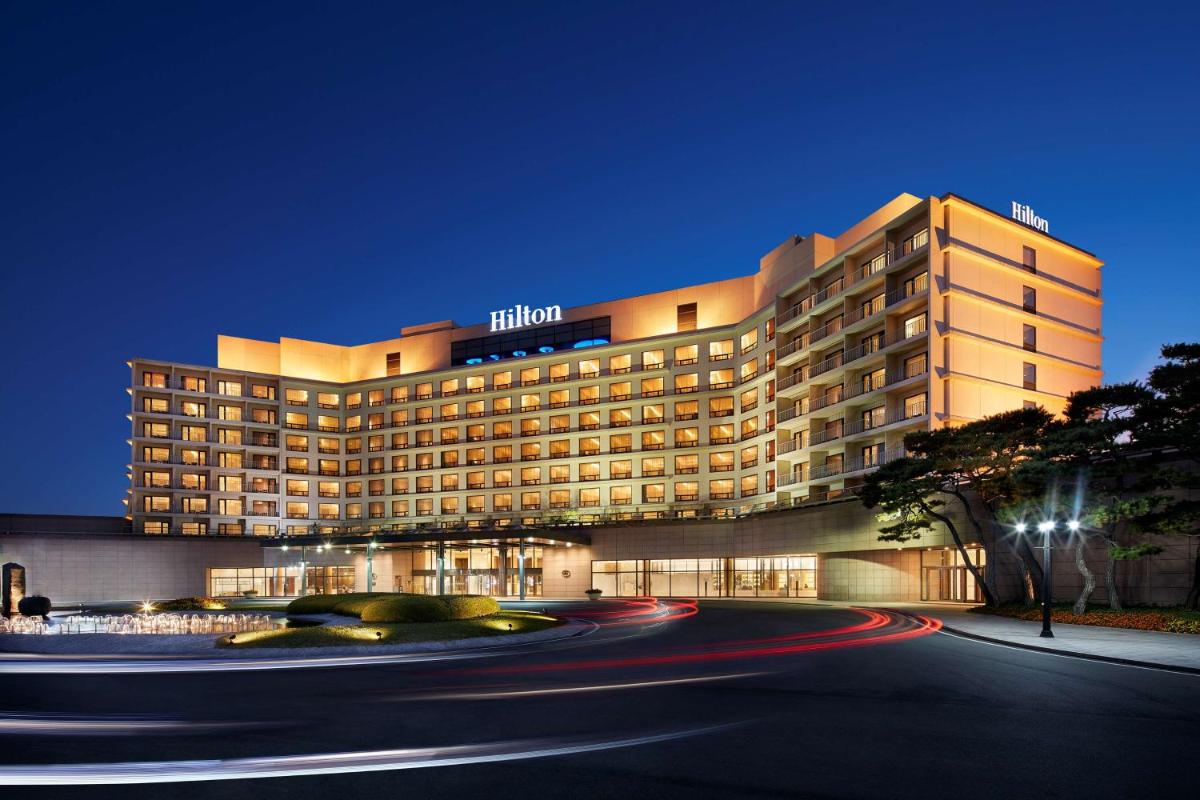
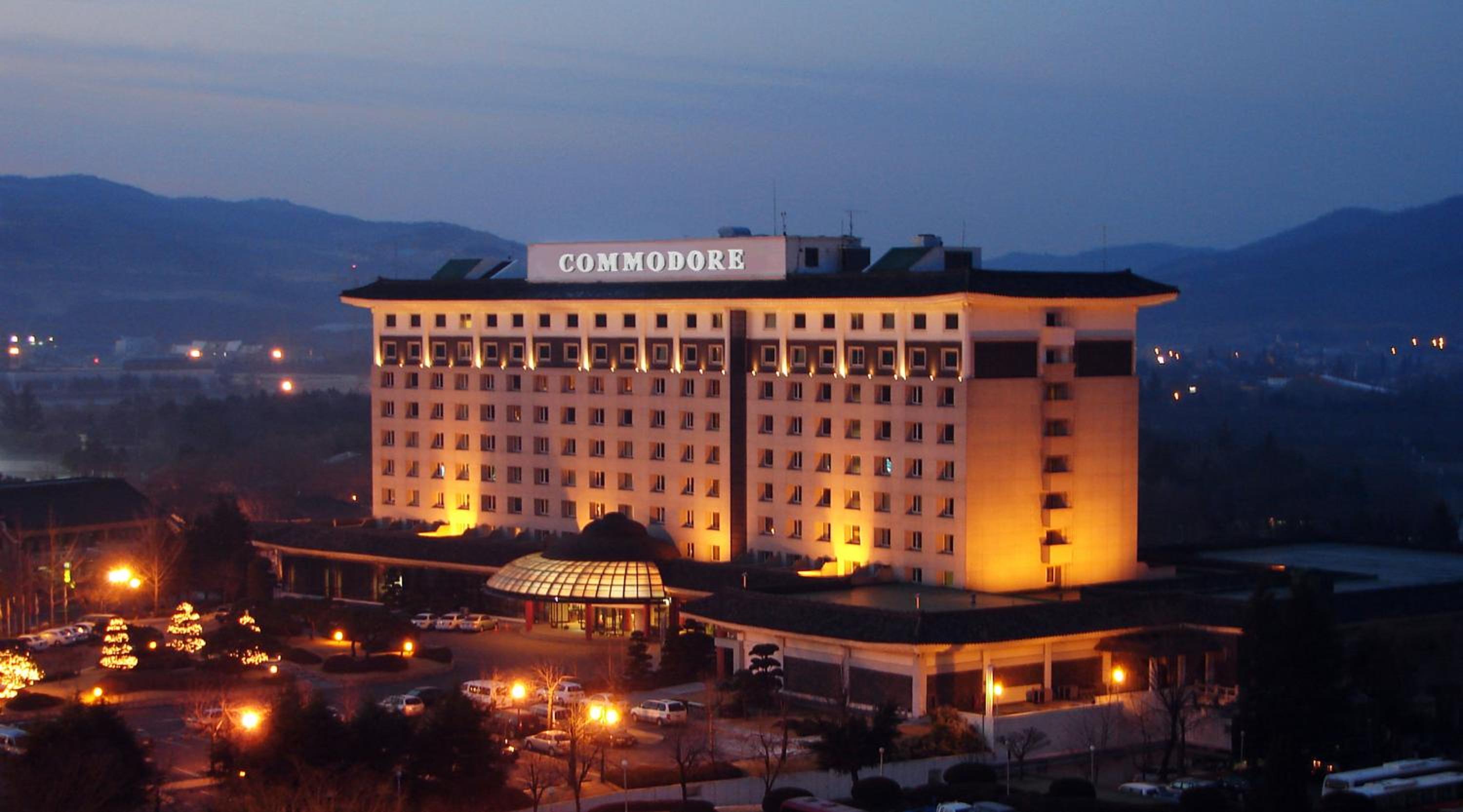
Grandi hotel resort con piscine sul lago, €80 a €180, quotati per gruppi di autocar.
Bulguksa
Guest house tranquille e un paio di semplici hotel presso il tempio, €35 a €80, lontano dai ristoranti.


Cosa mangiare a Gyeongju
Bun a buccia sottile ripieno di fagioli rossi, fatto qui dal 1939
Un piatto con foglie arrotolabili e un tavolo di contorni
Un vino di riso della Silla, protetto come patrimonio immateriale
Torte d'orzo con fagioli rossi, l'altro pasticcio di Gyeongju
Scopri posti dove mangiare in Stippl
Trova ristoranti e mercati sulla mappa, salvali nel tuo itinerario, funziona anche offline.
Usanze di Gyeongju e cosa non fare
Nessuna fotografia a Seokguram
Il Buddha è dietro il vetro e la fotografia è vietata; riguarda l'umidità, non il controllo della folla, e l'addetto lo impedisce ogni volta.
I tumuli sono sepolture
L'arrampicata sui tumuli funerari della Silla è vietata e segnalata, e non è un'opportunità fotografica; l'erba viene camminata intorno, e l'unica tomba aperta all'interno è Cheonmachong.
Entrambi i villaggi sono abitati
Yangdong e il quartiere hanok sono case e i vicoli segnalati sono il percorso dei visitatori; scarpe tolte ai templi e nelle soste hanok, e voci basse dopo il tramonto.
Wolji è per dopo il tramonto
Lo stagno Anapji è illuminato di notte e questo è tutto il punto; il biglietto giornaliero ha lo stesso prezzo e le lanterne si accendono al tramonto, quindi mangia prima.
Sì
- Noleggia una bicicletta; la città antica è pianeggiante e piccola
- Vai allo Stagno Wolji dopo il tramonto
- Controlla se l'autobus 10 o l'autobus 11 sta percorrendo il tuo verso l'anello
- Togliti le scarpe alla sosta hanok
No
- Prova a fotografare Seokguram; è vetrato e vietato
- Arrampicati sui tumuli funerari
- Presumi che il KTX raggiunga la città; Singyeongju è otto chilometri di distanza
- Consideralo una gita di un giorno da Busan a meno che tu voglia solo Bulguksa
Cosa costa un viaggio a Gyeongju
Tieni d'occhio quanto spendi davvero
Imposta un budget giornaliero per paese e registra le spese in qualsiasi valuta mentre viaggi.
Curiosità su Gyeongju
Gli autobus 10 e 11 percorrono lo stesso anello in direzioni opposte. La domanda utile alla fermata non è quale autobus ma quale direzione, e l'anello collega ogni sito principale della città antica.
La pagoda di legno di Hwangnyongsa era alta 80 metri per sei secoli. Fu costruita nel 645 e bruciata dai Mongoli nel 1238; quello che rimane è un campo di basi di colonne a grandezza naturale.
Hwangnam-ppang è fatto dal medesimo negozio dal 1939. Il pasticcio di fagioli rossi è comprato a scatole come regalo piuttosto che mangiato come spuntino, e la coda fuori dal negozio originale è costante.
Gyeongju è stata la capitale della Silla per quasi mille anni. Dal 57 a.C. al 935 d.C., motivo per cui è chiamata un museo senza muri: i tumuli e i monumenti si trovano tra le strade ordinarie.
Tre iscrizioni UNESCO separate coprono l'area. Le Aree Storiche di Gyeongju, la coppia Bulguksa e Seokguram, e il Villaggio Popolare Yangdong a nord della città.
Gyeongju è archiviato tra Seul e Busan. Su Stippl tre quarti dei viaggi che includono tutti e tre li scrivono in quell'ordine o il suo esatto opposto; è la tappa sulla linea.
Consigli locali per Gyeongju
Noleggia una bicicletta
La città antica è pianeggiante, le distanze brevi e il traffico leggero. Una bici costa circa €7 al giorno presso il terminal degli autobus; i tumuli, Cheomseongdae e lo stagno Wolji sono tutti entro venti minuti.
Autobus 10 e 11
Percorrono lo stesso anello in direzioni opposte, il pezzo di conoscenza locale più utile qui: scegli quello che va verso la tua direzione. Una tariffa forfettaria di circa €1 copre qualsiasi distanza e T-money funziona.
Il KTX ferma a Singyeongju
Il treno veloce non si ferma a Gyeongju stesso; Singyeongju è otto chilometri di distanza e l'autobus 700 è la connessione. La vecchia stazione di Gyeongju è sulla linea lenta.
Quanto tempo restare
La maggior parte delle persone dà a Gyeongju 2 notti su Stippl: il centro in bicicletta un giorno, Bulguksa e Seokguram in autobus 10 il prossimo. Un taxi di mezza giornata a circa €100 è un tour privato riconosciuto.
Namsan è una vera passeggiata collare
Da tre a cinque ore, leggermente segnalato, e ha bisogno di una mappa. L'approccio di Seokguram è un breve sentiero a piedi esposto dal parcheggio e chiude prima del tramonto.
I fine settimana riempiono gli autobus
Gli autobus 10 e 11 sono pieni nei fine settimana affollati, il che forma una giornata più di quanto la metta in pericolo. Fai Bulguksa in una mattina feriale se le date lo permettono.
Domande su Gyeongju, risposte
Tra Seul e Busan, sulla stessa tappa di una delle due. Gyeongju rappresenta il 6,32% di tutto ciò che è pianificato in Corea del Sud su Stippl, e la stazione KTX è la parte difficile, otto chilometri di distanza con autobus di collegamento. Costruiscila su Stippl come due notti piuttosto che come una tappa.
Due notti. Tra le tappe di Gyeongju pianificate su Stippl la norma è 2 notti, e si divide bene: i tumuli funerari, lo stagno Wolji e il centro antico in bicicletta un giorno, il Tempio Bulguksa e Seokguram fuori città l'altro.
Puoi farlo, e la maggior parte non lo fa: solo il 5,27% delle tappe di Gyeongju pianificate su Stippl sono nello stesso giorno, indipendentemente da se Busan è nel viaggio. Il motivo è lo stagno Wolji dopo il tramonto, che è la cosa migliore qui e richiede che tu sia ancora in città.
Una bicicletta nella città antica, che è pianeggiante e costellata di tumuli funerari, e gli autobus locali per tutto ciò che è fuori da essa. Il Tempio Bulguksa e Seokguram si trovano su una collina a est della città sulla stessa rotta. I noleggi sono fuori dal terminal degli autobus interurbani e intorno al parco dei tumuli.
No. Singyeongju è a circa otto chilometri di distanza con autobus di collegamento verso il centro, il che aggiunge venti minuti a ogni capo del viaggio. Il terminal degli autobus interurbani è invece centrale, quindi per un breve tragitto da Busan l'autobus è spesso più veloce porta a porta.
Palazzo Donggung e Stagno Wolji dopo il tramonto. I padiglioni ricostruiti sono illuminati e riflessi nell'acqua ferma, ed è l'unico motivo per cui la città merita un pernottamento piuttosto che una tappa in autobus. Vai tardi, una volta che i gruppi di autocar sono tornati a Busan, e cammina sui tumuli lungo il tragitto.
Ogni guida è scritta dalla redazione Stippl e verificata sui viaggi che i nostri viaggiatori pianificano davvero. Hai notato qualcosa di non aggiornato? Faccelo sapere.

Pianifica Gyeongju in Stippl
Pianificazione giorno per giorno, alloggi e budget in un'unica app, con ogni luogo di questa guida già sulla mappa.
Scarica l'app