

Busan
Busan is the marker of a real Korea trip rather than a city break, with the country's beach and dishes Seoul does not have. Gamcheon's painted hillside and the Gwangan bridge at night are the two frames.
Busan in a nutshell
Busan: what to expect
51,000+ stops in South Korea are planned on Stippl, and this is the shape they make.
Busan is Korea's second city and its largest port, spread along thirty kilometres of coast with mountains coming down to it. Gamcheon is a hillside of pastel houses built by Korean War refugees and repainted as an art project in 2009. Jagalchi is the country's largest fish market, where you pick downstairs and eat upstairs. Haedong Yonggungsa is built onto the rocks above the sea, which is unusual for a Korean temple, and Haeundae and Gwangalli are city beaches with towers behind them.
Busan is the switch that turns a city break into a Korea trip. Four in five trips that skip Busan are a single stop, and almost none of the trips that include it are: a Busan itinerary carries close to three times the Korean stops of one without. It never replaces Seoul either, since nineteen in twenty Busan trips carry the capital as well. Nobody passes through: its zero-night and one-night shares are the lowest in the country.
Three nights, and book them early, because Busan is planned further ahead than anything else we measure in Korea. Busan sits 325 kilometres from Seoul, which is the point rather than a drawback. The dishes here are local rather than national, so eat dwaeji gukbap, milmyeon and ssiat hotteok while you can. Come outside July and August unless crowds are fine with you, because that is when the whole country arrives at the beach.
Plan Busan in Stippl
Day-by-day planning, stays and budget in one app, with every place from this guide already on the map.
Download the appWho Busan is for
Anyone wanting more than Seoul
Busan is the marker of a real country trip rather than a city break, and it is the 2nd most-planned stop in Korea on Stippl.
Beach travellers, in summer
Busan is a Korean domestic holiday destination in July and August, and Haeundae is the country's beach.
Eaters
A set of dishes exists here and not in Seoul, from the pork-rice soup to the raw fish at Jagalchi.
Photographers
Gamcheon's painted hillside, Huinnyeoul's cliff village and the Gwangan bridge at night are the three frames.
Hikers and walkers
Igidae, Oryukdo and the coastal paths are within the city limits, and none of them needs a car.
Maybe not for you: anyone who dislikes crowds in July and August, since that is when Korea goes to the beach; and anyone on a short trip, because Busan is 325 km from Seoul and a Busan trip is a different trip.
The best time to visit Busan
Spring
April to June
Warm, dry and the beaches usable without the crowd, with the blossom a week ahead of Seoul in late March and the Jinhae festival an hour away. The good months, and the ones the guides recommend.
Summer
July and August
Hot, humid, wet and full: the Korean domestic high season, with Haeundae at capacity and the beach umbrellas sold by the row. The sea is at its warmest and typhoons cross the coast from August.
Autumn
October and November
Clear and dry, with the film festival in early October booking out the Haeundae hotels and the sea still warm enough for a swim into October. The best walking weather for the coastal trails.
Winter
December to March
Mild by Korean standards, the cheapest months and the blossom arriving at the end. The fish market and the hot springs are the winter plan, and the beaches are empty.
- Busan is planned about 101 days ahead on Stippl, and only 9.25% of plans are made inside a fortnight. That lead is right for the film festival week and the August beach fortnight, and more than the city needs the rest of the year.
- The Busan International Film Festival in early October books out Haeundae. Asia's biggest film festival takes the beachfront hotels and the cinema centre for ten days; come for it or stay in Seomyeon or Nampo and take the metro to the beach.
- Typhoons cross the south coast between August and September. Two or three a year affect Korea and Busan is often first; the ferries to Japan and Jeju suspend and the beaches close for a day or two while one passes.
- Jinhae's cherry blossom festival is an hour away and runs for ten days in early April. Korea's largest blossom event, with the Yeojwacheon stream and the Gyeonghwa station tracks under the trees; it is a day trip from Busan and the trains fill on the weekend.
Add your Busan dates and we'll flag the weather
Stippl shows the season, crowds and prices for every stop on your route.
Describe your trip, get a Busan itinerary in seconds
Everything in this guide is already in Stippl. Tell the planner how long you have and what you like: it builds the route, the days and the travel times, and you edit whatever you want.
Things to do in Busan


Gamcheon Culture Village
Walk the hillside of pastel houses built by war refugees and repainted as an art project in 2009, free, with the stamp map from the entrance for about €1. The city's most photographed place, and residential.
Jagalchi Market
Pick your fish alive downstairs at Korea's largest fish market on the water at Nampo and eat it cooked upstairs, about €25 for two. Open from five in the morning; lunch is the hour.
Haeundae Beach
Swim at the best-known beach in Korea with a wall of towers behind it, then ride the Blueline Park Sky Capsule along the old railway from its eastern end, about €25 for two. The capsules book out on weekends.
Gwangalli Beach
Sit on the quieter beach at night for the Gwangan bridge lit in colour across the bay, the city's other postcard, free. The drone show on Saturday nights.
Haedong Yonggungsa
Take the bus to the temple built onto the rocks above the sea north-east of the city, free, unusual for being coastal rather than mountain. Sunrise, or the lantern nights around Buddha's Birthday.
Taejongdae
Walk or take the little train around the cliffs, the lighthouse and the pine forest at the southern tip of Yeongdo, free with about €3 for the train. Two hours, and the boat from the cliff base.
The neighbourhoods of Busan
Haeundae
The famous beach, towers
The beach city: the best-known sand, the towers behind it, the Sky Capsule from its eastern end and the nightlife, with hotels of every grade. For first visits and nightlife.
The beach and everything at the door, and the whole country in July.
Gwangalli
The other beach, the lit bridge
The other beach, quieter by day, with the Gwangan bridge lit up at night and cafés along the sand, and mid-range hotels behind. For couples and for the view from the bar.
The bridge at night, and a metro ride to the sights.
Nampo
Old centre, markets, the tower
The old centre: Jagalchi fish market, Gukje market, BIFF Square and the tower, with the hostels and budget hotels. For first visits and budget travellers who want the markets on foot.
The markets at the door, and the busiest streets in the city.
Seomyeon
Downtown, gukbap, the interchange
The modern downtown: shopping, restaurants, the gukbap alley and the metro interchange, with business hotels and hostels. For budget travellers and for the food.
The best eating and every line, and a district of shopping streets.
Centum City
Business, the mega store
The business and shopping district with the world's largest department store and the big hotels, between Haeundae and the river. For families and for a rainy day.
The store and the hotels, and a district with no street life.
Yeongdo
The island, cliff village
The island across the bridge: Huinnyeoul cliff village, the Taejongdae cliffs and the harbour, with guesthouses in the village lanes. For a quieter base and for the cliffs at dawn.
The cliffs and the calm, and a bus across the bridge for everything.
See every Busan neighbourhood on one map
Save the areas you like and Stippl plots your days so you're not crossing the city twice.
Where to stay in Busan
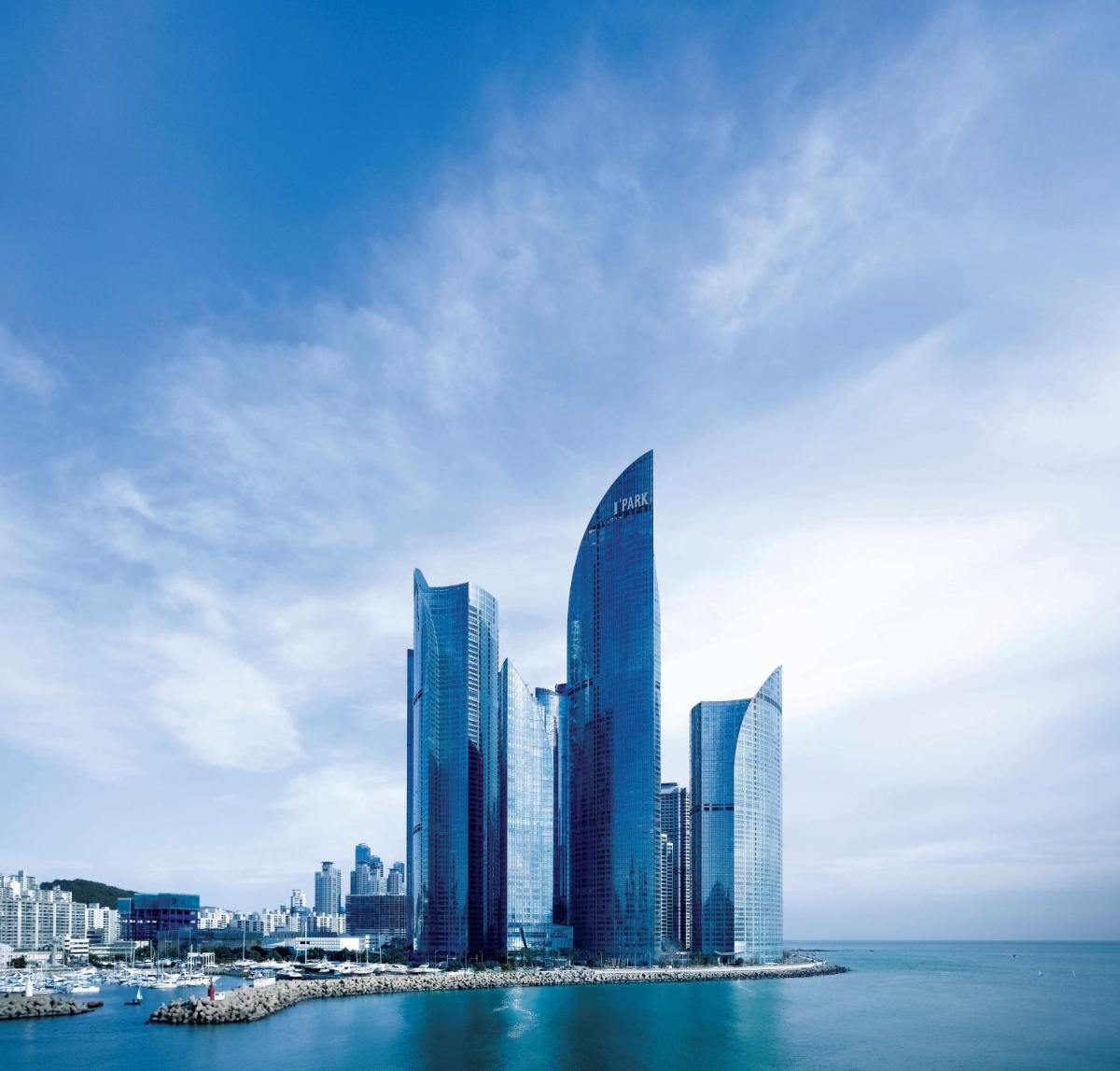
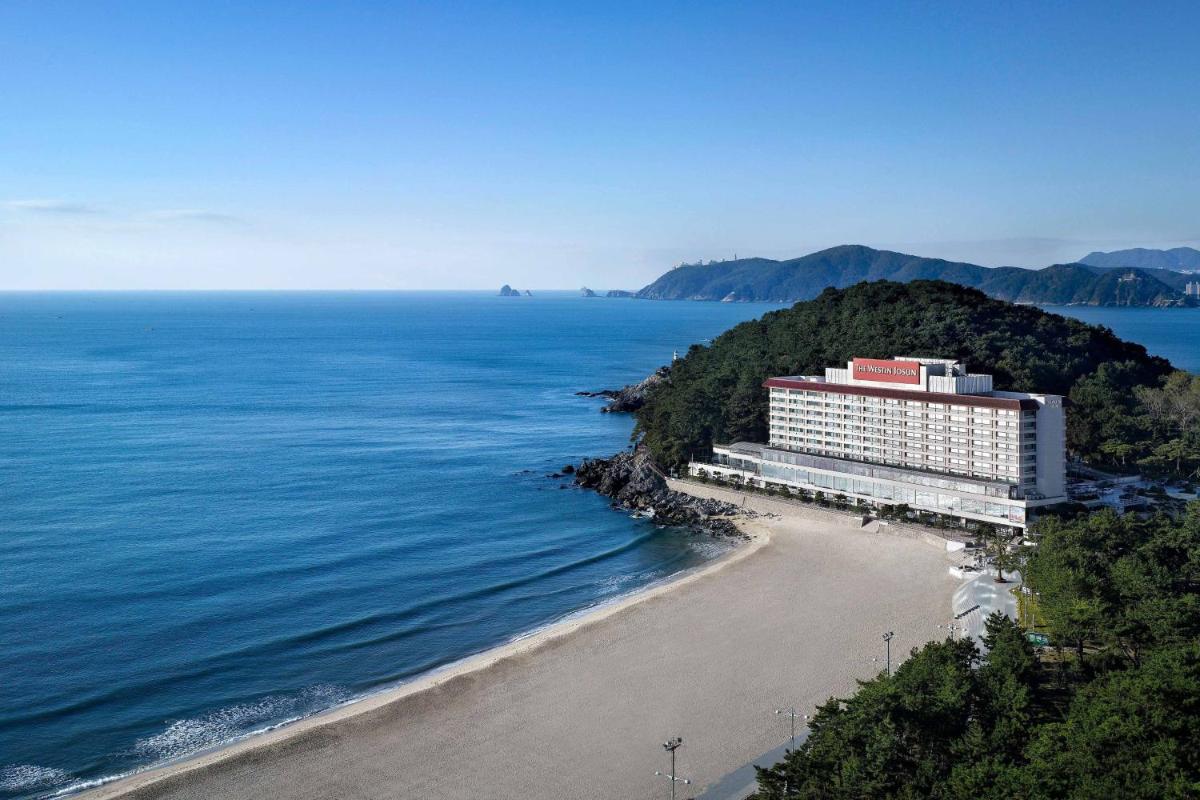
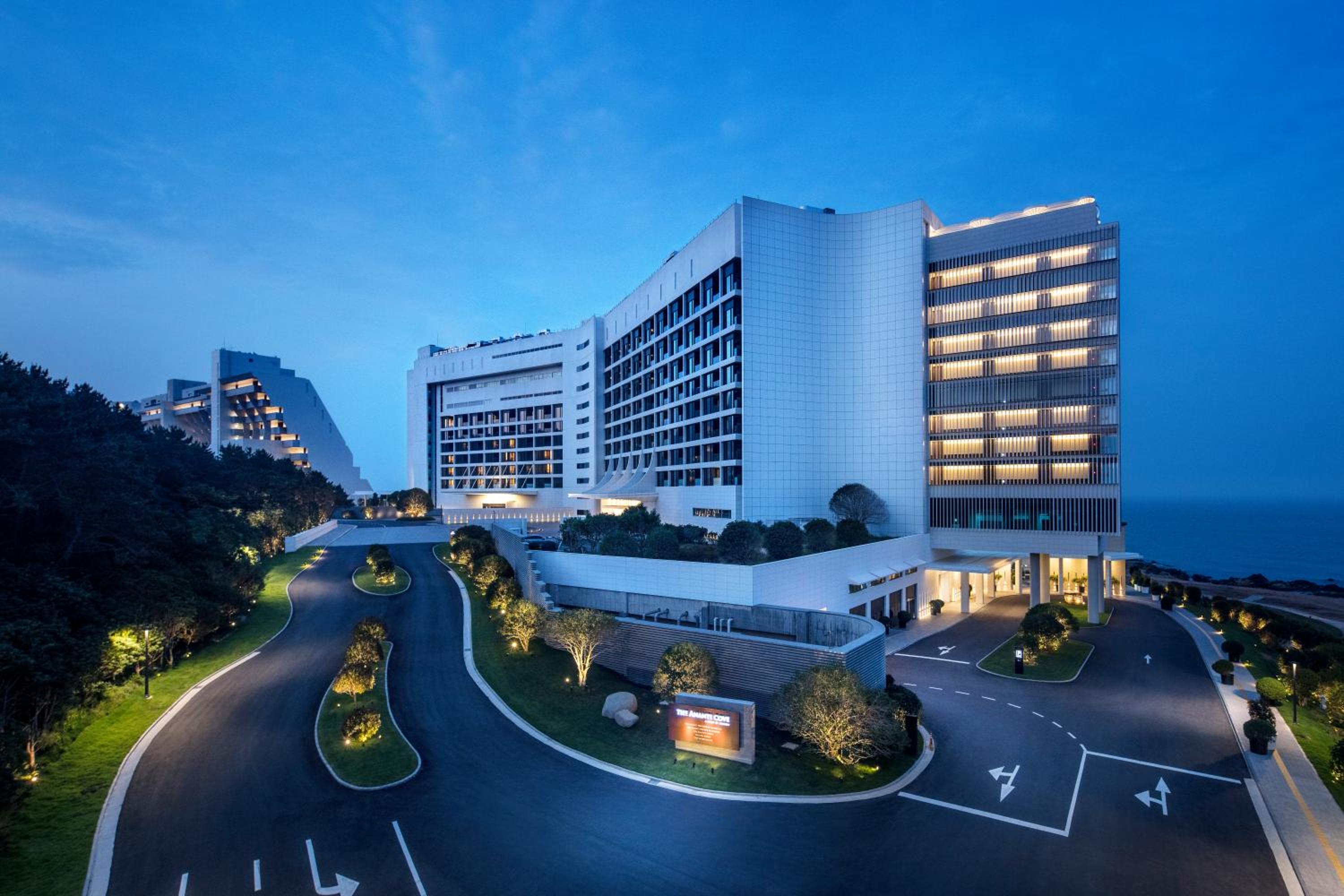
Stay in Nampo for a first visit, with the fish market and the tower on foot and the hostels and budget hotels around them; Haeundae is for the beach and the towers, and Gwangalli is what locals prefer, with the bridge lights for a view. Most people give Busan 3 nights on Stippl, and almost nobody books one. Motels are the Korean budget form, unremarkable rather than seedy.
Haeundae
Tower hotels with sea views from €150, and guesthouses a street behind the beach at €40 to €80.
Gwangalli
Mid-range hotels and guesthouses behind the sand, €50 to €120, with the bridge lit from the window.
Nampo
Hostels €18 to €30 a bed and budget hotels and motels, €35 to €70, by the markets.
Seomyeon
Business hotels and hostels at the metro interchange, €20 a bed to €120 a room, with the big hotel on top.
Centum City
The large chain and conference hotels, €120 to €250, between the beach and the river.
Yeongdo
Guesthouses in the cliff-village lanes, €30 to €70, for a quieter base across the bridge.


What to eat in Busan
Pork-bone broth with rice: Busan's dish, from the war years
Cold wheat noodles, the refugee substitute for northern naengmyeon
Fried sweet pancake stuffed with seeds, a BIFF Square invention
Picked live downstairs, prepared upstairs
Fish cake, Busan's is a branded local speciality
Discover food spots in Stippl
Find restaurants and markets on the map, save them to your itinerary, works offline too.
Busan customs and what not to do
Both villages are residential
Gamcheon and Huinnyeoul are lived-in neighbourhoods with posted quiet hours, not open-air museums; the stamp trail is the visitor route, and the lanes off it are people's front doors.
Agree the fish fee first
At Jagalchi the price of the fish and the price of serving it upstairs are separate; agree both before it is killed, and the side dishes come with the kettle.
Beachwear stays on the beach
Korean beach dress is more covered than European, and a shirt goes on for the walk to the convenience store; Haeundae in July is the whole country, dressed.
Shoes off, floor seating
At the temples and in the restaurants with floor seating; the dwaeji gukbap places in Seomyeon are the ones where you sit on the floor, and that is the local dish.
Do
- Base yourself in one district and plan around it; the city is thirty kilometres long
- Eat dwaeji gukbap in Seomyeon
- Go to Huinnyeoul if Gamcheon is too busy; same story, a tenth of the people
- Agree the Jagalchi price before the fish is killed
Don't
- Assume Seoul's Climate Card works here; it does not
- Treat Gamcheon as an attraction; people live in it
- Plan a beach holiday for July without expecting the whole country to be there
- Walk the lanes off the Gamcheon stamp trail
What a Busan trip costs
Budget
from €9.50 a night
A Seomyeon or Sasang hostel, market food, the metro.
Mid-range
from €38 a night
A Nampo or Seomyeon hotel, restaurant meals, the Sky Capsule.
Track what you actually spend
Set a daily budget per country and log expenses in any currency while you travel.
Fun facts about Busan
Busan was never captured in the Korean War. The refugee settlements that resulted are now its two most-photographed neighbourhoods, Gamcheon and Huinnyeoul, on the hillsides.
Milmyeon exists because of the war. Refugees from the north made naengmyeon with wheat flour when buckwheat was unavailable, and the substitute became the local dish.
Haedong Yonggungsa is a temple on the sea, which Korean temples almost never are. They are built in the mountains as a rule, and this one on the rocks north-east of the city is the exception people come to see.
Busan is booked further ahead than anywhere else in Korea. On Stippl the typical lead is over a hundred days, longer than the capital, because the trip that includes Busan is the long one.
Busan is the switch between Korea's two trips. Trips on Stippl that carry it hold nearly three times the Korean stops of those that do not, and most trips without it are Seoul alone.
Busan is a city of separate centres joined by a metro. Nampo is the old core, Seomyeon the modern one, Haeundae the beach city and Centum City the business district, and the journeys between them are long.
Local tips for Busan
The KTX is how people arrive
Seoul Station to Busan Station is a little over two hours, about €40, and it is the default. Book on the Korail app a week ahead for the weekend trains.
T-money, not the Climate Card
Seoul's Climate Card does not work here; it is a Seoul-only pass. Load a T-money card for the metro and buses, about €1 a ride, and it works on the Gyeongju bus too.
One or two districts a day
Busan is thirty kilometres of coast and the distances are real. Haeundae and Songjeong one day, Gamcheon and the Jagalchi market the next, rather than crossing it repeatedly.
How long to stay
Most people give Busan 3 nights on Stippl. Gyeongju is an hour away and the strongest pairing measured in Korea; the Sky Capsule from Haeundae books out, so reserve online.
Typhoons into September
The season runs from late summer into September on this coast and can close the beaches and the ferries. Beaches are supervised in season only, and Songjeong's currents are real when the surf is up.
Gamcheon is stairs
Gamcheon and Huinnyeoul are steep, with stairs rather than paths in places. Wear shoes for it and go before eleven; the tour groups arrive mid-morning.
Busan questions, answered
Second, after Seoul, and it is what turns a city break into a country trip. Busan carries 17.59% of everything planned in South Korea on Stippl, and the KTX down takes a little over two hours. Put it into Stippl on the same leg as Gyeongju.
Three nights. Most people give Busan 3 nights in the plans they build on Stippl, and it covers Gamcheon, Jagalchi market, a beach afternoon and one of the coastal temples. Only about one stay in ten runs longer than five nights.
No, and hardly anyone tries: 13.42% of Busan stops planned on Stippl are a single night, the lowest share in South Korea. The city runs along a coastline rather than around a centre, so moving between Gamcheon, Haeundae and Jagalchi eats real time on the subway.
Haeundae for the scene, the towers and the Sky Capsule along the old rail line; Gwangalli for quieter sand and the bridge lit up at night. They are twenty minutes apart on the subway, so this is a question about where you sleep rather than where you swim. Gwangalli has the better bars.
Dwaeji gukbap, the pork and rice soup the city runs on; milmyeon, its cold wheat noodles; and ssiat hotteok, a seeded pancake sold on the street in Nampo. None of the three is a Seoul dish, which is rather the point of eating down here instead.
Yes, and it is the best possible use of two of those days. Seoul alone is a city break; Seoul plus Busan is a country. The train takes a little over two hours each way, so even four nights in the capital leaves room for three down on the coast.
Every guide is written by the Stippl editors and checked against the trips our travellers actually plan. Spotted something out of date? Let us know.

Plan Busan in Stippl
Day-by-day planning, stays and budget in one app, with every place from this guide already on the map.
Download the app