

Busan
Busan è il marchio di un vero viaggio in Corea piuttosto che una fuga in città, con la spiaggia del paese e i piatti che Seoul non ha. La collina dipinta di Gamcheon e il ponte Gwangan di notte sono le due inquadrature.
Busan in breve
Busan: cosa aspettarsi
51.000+ tappe in Corea del Sud sono pianificate su Stippl, e questa è la forma che formano.
Busan è la seconda città della Corea e il suo più grande porto, esteso lungo trenta chilometri di costa con le montagne che scendono fino a essa. Gamcheon è una collina di case pastello costruite dai rifugiati della Guerra di Corea e ridipinte come progetto d'arte nel 2009. Jagalchi è il più grande mercato del pesce del paese, dove scegli al piano terra e mangi al piano superiore. Haedong Yonggungsa è costruito sulle rocce sopra il mare, il che è inusuale per un tempio coreano, e Haeundae e Gwangalli sono spiagge cittadine con torri dietro di loro.
Busan è l'interruttore che trasforma una fuga in città in un viaggio in Corea. Quattro su cinque viaggi che saltano Busan sono una singola tappa, e quasi nessuno dei viaggi che la includono lo sono: un itinerario di Busan comporta quasi tre volte più tappe coreane di uno senza. Non sostituisce mai Seoul nemmeno, poiché diciannove su venti viaggi a Busan includono anche la capitale. Nessuno passa di qui: le sue quote di zero notti e una notte sono le più basse del paese.
Tre notti, e prenotale presto, perché Busan è pianificata più in anticipo di qualsiasi altra cosa che misuriamo in Corea. Busan si trova a 325 chilometri da Seoul, che è il punto piuttosto che uno svantaggio. I piatti qui sono locali piuttosto che nazionali, quindi mangia dwaeji gukbap, milmyeon e ssiat hotteok mentre puoi. Vieni fuori da luglio e agosto a meno che le folle non vadano bene per te, perché è allora che l'intero paese arriva alla spiaggia.
Pianifica Busan in Stippl
Pianificazione giorno per giorno, alloggi e budget in un'unica app, con ogni luogo di questa guida già sulla mappa.
Scarica l'appPer chi è Busan
Chiunque voglia più di Seoul
Busan è il marchio di un vero viaggio di paese piuttosto che una fuga in città, ed è la 2ª tappa più pianificata della Corea su Stippl.
Amanti della spiaggia, in estate
Busan è una destinazione turistica coreana per le vacanze nazionali a luglio e agosto, e Haeundae è la spiaggia del paese.
Buongustai
Qui esiste una serie di piatti che non troverai a Seoul, dalla zuppa di maiale e riso al pesce crudo di Jagalchi.
Fotografi
La collina dipinta di Gamcheon, il villaggio scosceso di Huinnyeoul e il ponte Gwangan di notte sono le tre scene imprescindibili.
Escursionisti e camminatori
Igidae, Oryukdo e i sentieri costieri si trovano entro i confini della città, e nessuno di essi richiede un'auto.
Forse non fa per te: chiunque non ami le folle in luglio e agosto, poiché è allora che la Corea va alla spiaggia; e chiunque sia in un viaggio breve, perché Busan dista 325 km da Seoul e un viaggio a Busan è un viaggio diverso.
Il miglior periodo per visitare Busan
Primavera
Aprile-giugno
Caldo, secco e le spiagge utilizzabili senza folla, con i fiori di ciliegio una settimana in anticipo rispetto a Seoul a fine marzo e il festival Jinhae a un'ora di distanza. I mesi buoni, e quelli che le guide consigliano.
Estate
Luglio e agosto
Caldo, umido, bagnato e pieno: l'alta stagione domestica coreana, con Haeundae al completo e gli ombrelloni da spiaggia venduti a fila. Il mare è al suo più caldo e i tifoni attraversano la costa da agosto.
Autunno
Ottobre e novembre
Limpido e secco, con il festival del cinema all'inizio di ottobre che prenota i pieni gli hotel di Haeundae e il mare ancora abbastanza caldo per nuotare fino a ottobre. Il miglior tempo di passeggiata per i sentieri costieri.
Inverno
Dicembre-marzo
Mite secondo gli standard coreani, i mesi più economici e i fiori che arrivano alla fine. Il mercato del pesce e le terme sono il piano invernale, e le spiagge sono vuote.
- Busan è pianificato circa 101 giorni prima su Stippl, e solo il 9,25% dei piani è fatto in due settimane. Questo anticipo è giusto per la settimana del film festival e la quindicina di spiaggia di agosto, e più di quanto la città ne abbia bisogno il resto dell'anno.
- Il Busan International Film Festival in inizio ottobre esaurisce le disponibilità a Haeundae. Il più grande festival cinematografico dell'Asia occupa gli hotel sulla spiaggia e il cinema centrale per dieci giorni; vieni per questo oppure soggiorna a Seomyeon o Nampo e prendi la metro per la spiaggia.
- I tifoni attraversano la costa meridionale tra agosto e settembre. Due o tre all'anno colpiscono la Corea e Busan è spesso il primo; i traghetti per il Giappone e Jeju sospendono e le spiagge chiudono per un giorno o due mentre uno passa.
- Il festival dei fiori di ciliegio di Jinhae è a un'ora di distanza e dura dieci giorni in inizio aprile. Il più grande evento di fioritura della Corea, con il torrente Yeojwacheon e i binari della stazione di Gyeonghwa sotto gli alberi; è una gita di un giorno da Busan e i treni si riempiono nel fine settimana.
Aggiungi le tue date per Busan e ti segnaliamo il meteo
Stippl mostra la stagione, l'affluenza e i prezzi per ogni tappa del tuo itinerario.
Descrivi il tuo viaggio e ottieni un itinerario per Busan in pochi secondi
Tutto questo guida è già in Stippl. Di' al pianificatore quanto tempo hai e cosa ti piace: costruisce l'itinerario, le giornate e i tempi di viaggio, e tu modifichi ciò che vuoi.
Cose da fare a Busan


Gamcheon Culture Village
Cammina sulla collina di case pastello costruite dai rifugiati di guerra e ridipinte come progetto artistico nel 2009, gratuito, con la mappa dei timbri dall'ingresso per circa €1. Il luogo più fotografato della città, e residenziale.
Jagalchi Market
Scegli il tuo pesce vivo al piano inferiore nel mercato ittico più grande della Corea sul mare a Nampo e mangialo cotto al piano superiore, circa €25 per due. Aperto dalle cinque del mattino; l'ora di pranzo è il momento.
Haeundae Beach
Nuota sulla spiaggia più celebre della Corea con un muro di torri dietro, poi cavalca lo Sky Capsule del Blueline Park lungo la vecchia ferrovia dalla sua estremità orientale, circa €25 per due. I capsule si prenotano nei fine settimana.
Gwangalli Beach
Siediti sulla spiaggia più tranquilla di notte per il ponte Gwangan illuminato in colore attraverso la baia, l'altra cartolina della città, gratuito. Lo spettacolo di droni il sabato sera.
Haedong Yonggungsa
Prendi l'autobus per il tempio costruito sulle rocce sopra il mare a nord-est della città, gratuito, insolito per essere costiero piuttosto che montano. All'alba, o le notti delle lanterne intorno al compleanno di Buddha.
Taejongdae
Cammina o prendi il piccolo treno intorno alle scogliere, al faro e alla foresta di pini alla punta meridionale di Yeongdo, gratuito con circa €3 per il treno. Due ore, e la barca dalla base della scogliera.
I quartieri di Busan
Haeundae
La spiaggia famosa, le torri
La città di spiaggia: la sabbia più celebre, le torri dietro, lo Sky Capsule da sua estremità orientale e la vita notturna, con hotel di ogni categoria. Per le prime visite e la vita notturna.
La spiaggia e tutto alla porta, e l'intero paese a luglio.
Gwangalli
L'altra spiaggia, il ponte illuminato
L'altra spiaggia, più tranquilla di giorno, con il ponte Gwangan illuminato di notte e caffetterie sulla sabbia, e hotel di categoria media dietro. Per coppie e per la vista dal bar.
Il ponte di notte, e un viaggio in metro verso i siti.
Nampo
Centro storico, mercati, la torre
Il centro storico: il mercato ittico Jagalchi, il mercato Gukje, BIFF Square e la torre, con ostelli e hotel economici. Per le prime visite e i viaggiatori con budget ridotto che vogliono i mercati a piedi.
I mercati alla porta, e le strade più affollate della città.
Seomyeon
Centro moderno, gukbap, l'interchange
Il centro moderno: shopping, ristoranti, il vicolo gukbap e l'interchange della metro, con hotel business e ostelli. Per i viaggiatori con budget ridotto e per il cibo.
Il cibo migliore e ogni linea, e un distretto di vie dello shopping.
Centum City
Business, il mega store
Il distretto commerciale e dello shopping con il più grande magazzino del mondo e i grandi hotel, tra Haeundae e il fiume. Per le famiglie e per una giornata piovosa.
Lo store e gli hotel, e un distretto senza vita di strada.
Yeongdo
L'isola, villaggio scosceso
L'isola oltre il ponte: il villaggio scosceso di Huinnyeoul, le scogliere di Taejongdae e il porto, con guestehouse nei vicoli del villaggio. Per una base più tranquilla e per le scogliere all'alba.
Le scogliere e la calma, e un autobus oltre il ponte per tutto.
Vedi ogni quartiere di Busan su un'unica mappa
Salva le zone che ti piacciono e Stippl organizza le tue giornate così non attraversi la città due volte.
Dove alloggiare a Busan
Soggiorna a Nampo per una prima visita, con il mercato del pesce e la torre raggiungibili a piedi e gli ostelli e gli hotel economici intorno a loro; Haeundae è per la spiaggia e le torri, e Gwangalli è quello che preferiscono i locali, con le luci del ponte per una vista. La maggior parte delle persone dedica 3 notti a Busan su Stippl, e quasi nessuno ne prenota una. I motel sono la forma coreana di alloggio economico, ordinari piuttosto che squallidi.
Haeundae
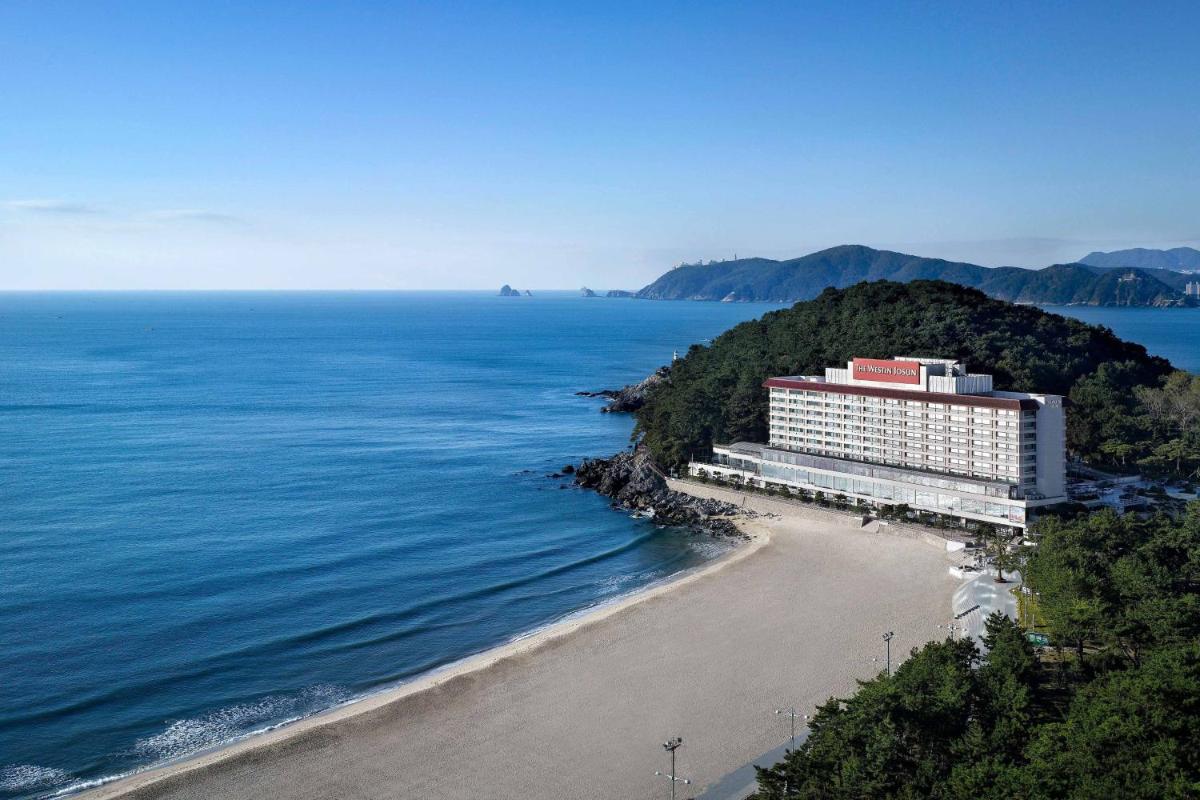
Hotel con torri e vista sul mare da €150, e case private a una strada dalla spiaggia da €40 a €80.
Gwangalli
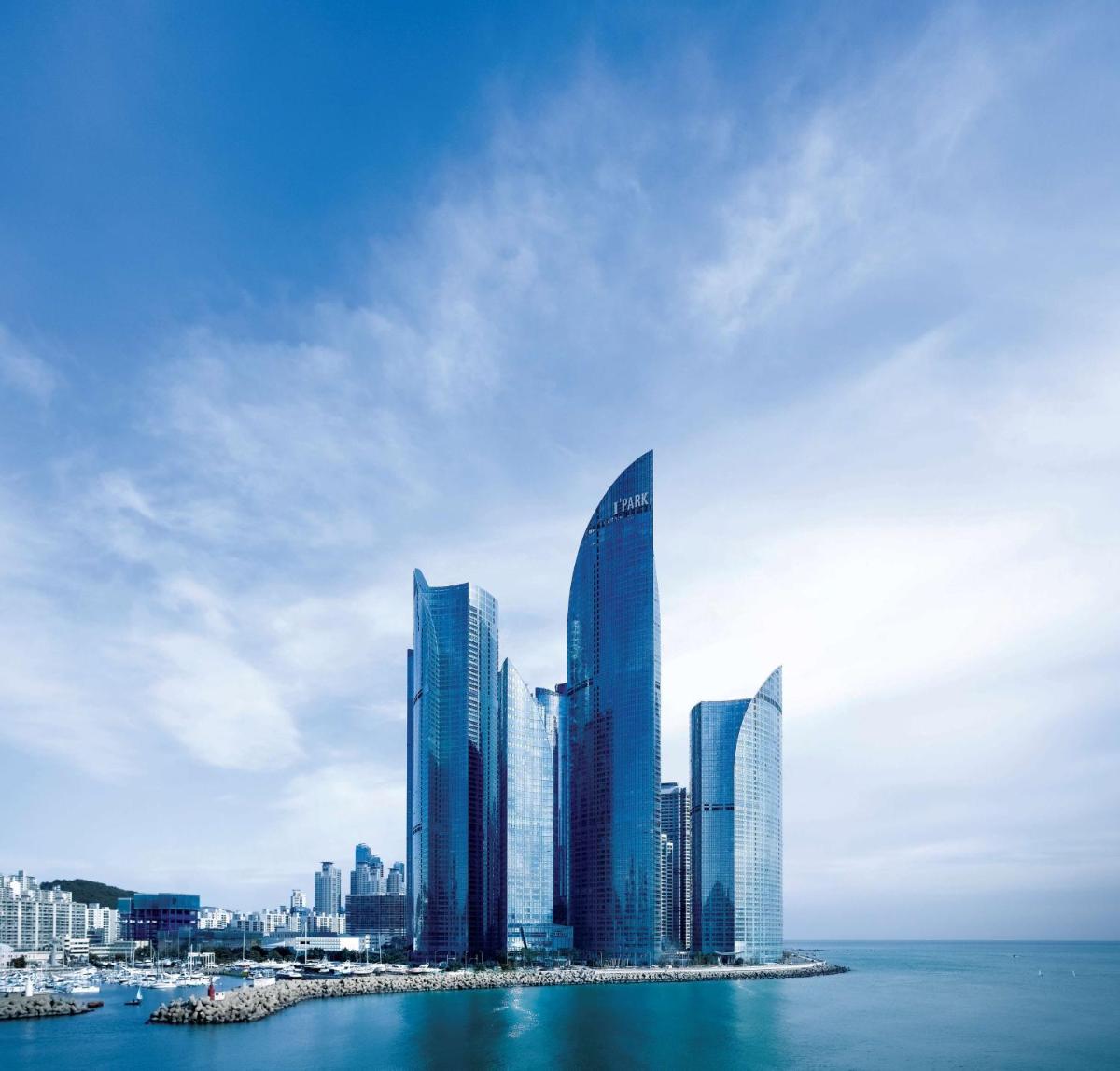
Hotel e case private di media categoria dietro la spiaggia, da €50 a €120, con il ponte illuminato dalla finestra.
Nampo
Ostelli da €18 a €30 per letto e hotel economici e motel, da €35 a €70, accanto ai mercati.
Seomyeon
Hotel business e ostelli allo scambio della metro, da €20 per letto a €120 per camera, con il grande hotel in cima.
Centum City
I grandi hotel a catena e hotel congressuali, da €120 a €250, tra la spiaggia e il fiume.
Yeongdo
Case private nei vicoli del villaggio sulla scogliera, da €30 a €70, per una base più tranquilla attraverso il ponte.


Cosa mangiare a Busan
Brodo di ossa di maiale con riso: il piatto di Busan, dagli anni di guerra
Noodle di frumento freddi, il sostituto dei rifugiati del naengmyeon settentrionale
Frittella dolce fritta ripiena di semi, un'invenzione di BIFF Square
Pescati vivi al piano inferiore, preparati al piano superiore
Polpetta di pesce, quella di Busan è una specialità locale a marchio
Scopri posti dove mangiare in Stippl
Trova ristoranti e mercati sulla mappa, salvali nel tuo itinerario, funziona anche offline.
Usi e costumi di Busan e cosa non fare
Entrambi i villaggi sono residenziali
Gamcheon e Huinnyeoul sono quartieri residenziali con orari di silenzio affissi, non musei all'aperto; il percorso del timbro è il percorso per i visitatori, e i vicoli fuori da esso sono le porte di casa della gente.
Concordare il prezzo del pesce per primo
A Jagalchi il prezzo del pesce e il prezzo del servizio al piano superiore sono separati; concordare entrambi prima che sia ucciso, e i piatti secondari arrivano con il bollitore.
L'abbigliamento da spiaggia rimane sulla spiaggia
L'abbigliamento da spiaggia coreano è più coperto di quello europeo, e una maglietta si indossa per la passeggiata al minimarket; Haeundae a luglio è l'intero paese, vestito.
Scarpe tolte, seduti a terra
Nei templi e nei ristoranti con sedute a terra; i posti di dwaeji gukbap a Seomyeon sono quelli dove siedi a terra, ed è il piatto locale.
Sì
- Stabilisci una base in un distretto e pianifica intorno ad esso; la città è lunga trenta chilometri
- Mangia dwaeji gukbap a Seomyeon
- Vai a Huinnyeoul se Gamcheon è troppo affollata; stessa storia, un decimo delle persone
- Concordare il prezzo di Jagalchi prima che il pesce sia ucciso
No
- Assumere che la Seoul Climate Card funzioni qui; non funziona
- Trattare Gamcheon come un'attrazione; la gente ci vive
- Pianificare una vacanza al mare per luglio senza aspettarsi che l'intero paese sia lì
- Cammina nei vicoli fuori dal percorso del timbro di Gamcheon
Quanto costa un viaggio a Busan
Budget
da €9,50 a notte
Un ostello a Seomyeon o Sasang, cibo dal mercato, la metro.
Categoria media
da €38 a notte
Un hotel a Nampo o Seomyeon, pasti al ristorante, lo Sky Capsule.
Tieni d'occhio quanto spendi davvero
Imposta un budget giornaliero per paese e registra le spese in qualsiasi valuta mentre viaggi.
Curiosità su Busan
Busan non è mai stata catturata durante la guerra di Corea. Gli insediamenti di rifugiati risultanti sono ora i suoi due quartieri più fotografati, Gamcheon e Huinnyeoul, sulle colline.
Milmyeon esiste per colpa della guerra. I rifugiati dal nord preparavano naengmyeon con farina di grano quando il grano saraceno non era disponibile, e il sostituto è diventato il piatto locale.
Haedong Yonggungsa è un tempio sul mare, cosa che i templi coreani quasi mai sono. Sono costruiti nelle montagne di norma, e questo sulle rocce a nord-est della città è l'eccezione che la gente viene a vedere.
Busan è prenotata con più anticipo rispetto a qualsiasi altro posto in Corea. Su Stippl il margine tipico è oltre cento giorni, più lungo della capitale, perché il viaggio che lo include è quello lungo.
Busan è l'interruttore tra i due viaggi in Corea. I viaggi su Stippl che lo includono contengono quasi tre volte le tappe coreane di quelli che non lo fanno, e la maggior parte dei viaggi senza di esso è solo Seoul.
Busan è una città di centri separati collegati da una metro. Nampo è il nucleo antico, Seomyeon quello moderno, Haeundae la città di spiaggia e Centum City il distretto commerciale, e i percorsi tra loro sono lunghi.
Consigli locali per Busan
Il KTX è il modo in cui la gente arriva
Da Seoul Station a Busan Station sono poco più di due ore, circa €40, ed è l'impostazione predefinita. Prenota tramite l'app Korail una settimana prima per i treni del fine settimana.
T-money, non la Climate Card
La Seoul Climate Card non funziona qui; è un pass solo per Seoul. Carica una carta T-money per la metro e gli autobus, circa €1 a corsa, e funziona anche sull'autobus Gyeongju.
Uno o due distretti al giorno
Busan è trenta chilometri di costa e le distanze sono reali. Haeundae e Songjeong un giorno, Gamcheon e il mercato Jagalchi il giorno successivo, piuttosto che attraversarlo ripetutamente.
Quanto tempo restare
La maggior parte delle persone assegna a Busan 3 notti su Stippl. Gyeongju dista un'ora e è l'abbinamento più forte misurato in Corea; lo Sky Capsule da Haeundae si prenota, quindi prenota online.
Tifoni fino a settembre
La stagione dura dalla fine dell'estate fino a settembre su questa costa e può causare la chiusura delle spiagge e dei traghetti. Le spiagge sono sorvegliate solo in stagione, e le correnti di Songjeong sono forti quando le onde sono alte.
Gamcheon è scale
Gamcheon e Huinnyeoul sono ripide, con scale al posto di sentieri in alcuni punti. Indossa scarpe per il percorso e vai prima delle undici; i tour group arrivano a metà mattina.
Domande su Busan, risposte
Seconda, dopo Seoul, e è ciò che trasforma una pausa dalla città in un viaggio per il paese. Busan rappresenta il 17,59% di tutto ciò che è stato pianificato in Corea del Sud su Stippl, e il KTX scende in poco più di due ore. Inseriscilo in Stippl nello stesso segmento di Gyeongju.
Tre notti. La maggior parte delle persone assegna a Busan 3 notti nei piani che costruiscono su Stippl, e copre Gamcheon, il mercato Jagalchi, un pomeriggio di spiaggia e uno dei templi costieri. Solo circa uno su dieci dei soggiorni si estende oltre le cinque notti.
No, e quasi nessuno ci prova: il 13,42% dei soggiorni a Busan pianificati su Stippl sono una sola notte, la percentuale più bassa in Corea del Sud. La città si sviluppa lungo una linea costiera piuttosto che intorno a un centro, quindi spostarsi tra Gamcheon, Haeundae e Jagalchi richiede molto tempo in metropolitana.
Haeundae per l'atmosfera, le torri e lo Sky Capsule lungo la vecchia linea ferroviaria; Gwangalli per sabbia più tranquilla e il ponte illuminato di notte. Distano venti minuti l'una dall'altra in metropolitana, quindi questa è una questione di dove dormi piuttosto che dove nuoti. Gwangalli ha i bar migliori.
Dwaeji gukbap, la zuppa di maiale e riso su cui la città funziona; milmyeon, i suoi noodle di frumento freddi; e ssiat hotteok, una frittella ai semi venduta per strada a Nampo. Nessuno dei tre è un piatto di Seoul, che è appunto il punto del mangiare qui.
Sì, ed è il miglior utilizzo possibile di due di quei giorni. Solo Seoul è una pausa dalla città; Seoul più Busan è un paese. Il treno impiega poco più di due ore in entrambi i sensi, quindi anche quattro notti nella capitale lasciano spazio per tre sulla costa.
Ogni guida è scritta dalla redazione Stippl e verificata sui viaggi che i nostri viaggiatori pianificano davvero. Hai notato qualcosa di non aggiornato? Faccelo sapere.

Pianifica Busan in Stippl
Pianificazione giorno per giorno, alloggi e budget in un'unica app, con ogni luogo di questa guida già sulla mappa.
Scarica l'app