

Canggu
Canggu is where you work and surf on the same day, with Indonesia's densest coworking and a beginner's wave at Batu Bolong. The best eating on the island, and every venue on the strip owns a night.
Canggu in a nutshell
Canggu: what to expect
We read 688,000+ planned stops in Indonesia on Stippl to see how Canggu really gets planned.
Canggu is five kilometres of former rice paddy on the south-west coast, and you come to surf, eat and work. Batu Bolong is the forgiving beach break where most people catch a first wave, Echo is the step up, and the sand is black volcanic rather than white. La Brisa runs a Sunday farmers' market, the lanes between Pererenan and Seseh are working paddy five minutes off the strip, and Tanah Lot is half an hour north-west at sunset. Most travellers give Canggu 3 nights.
Canggu is the cheapest bed of Bali's big three, which is the opposite of what its guidebooks say. A room booked here runs €133.50 against Uluwatu's €163.09 and Ubud's €176.32, on the same three-night stay. The reputation for expense is about the cafés and the beach clubs, not the room, and one in three Indonesian trips on Stippl passes through anyway.
So base yourself here for the food and the surf, and go elsewhere to look at Bali. A scooter beats a car on a five-kilometre strip that is gridlocked most afternoons, and the four villages, Batu Bolong, Berawa, Echo Beach and Pererenan, are one place as far as you are concerned. Skip Canggu if you want a beautiful beach or a swim, because the sand is dark and the rips are real, and skip it if you want sights, because they all leave the area.
Plan Canggu in Stippl
Day-by-day planning, stays and budget in one app, with every place from this guide already on the map.
Download the appWho Canggu is for
Digital nomads and long-stayers
Indonesia's densest concentration of coworking, coliving, gyms and month-long villa rentals, which is why so many people here are on their third week rather than their second night.
Surfers, especially learners
Batu Bolong is a forgiving beach break with a wall of surf schools behind it, and Echo is the step up: warm water and breaks for every level.
Food travellers
Canggu is the best eating on the island, across brunch, coffee, plant-based and a genuinely deep restaurant layer.
People who want a night out
The only place in Bali outside Seminyak with a real weekly nightlife calendar, and every venue has its night.
Beach-club travellers
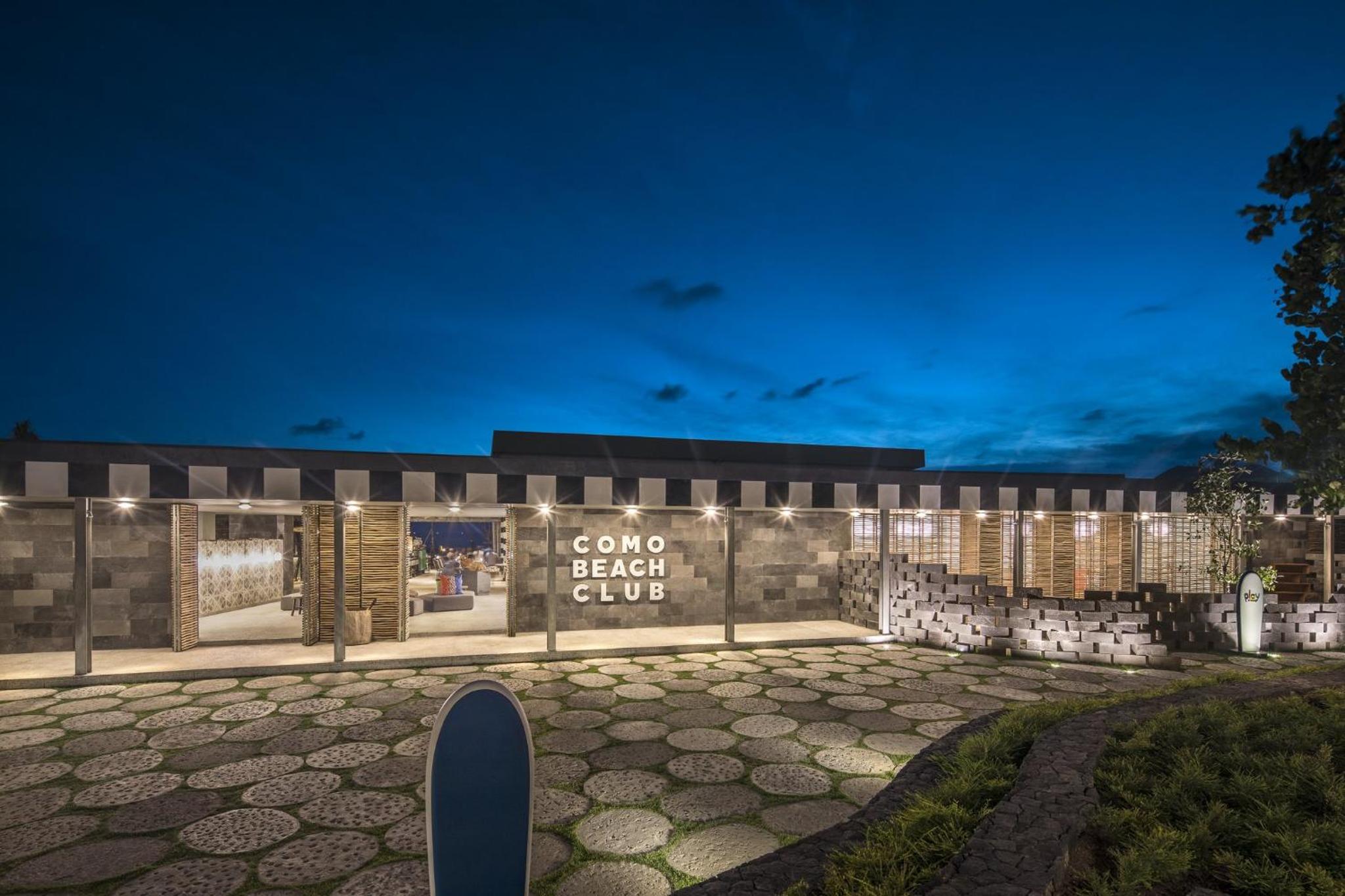
Berawa's clubs are the biggest on the island, and the low-key warung version with a beanbag and a coconut sits a few hundred metres away.
Long-stay gym and yoga people
An unusually dense fitness, pilates, padel and yoga scene for a town this size, and most people give it 3 nights to start with.
Maybe not for you: anyone looking for a beautiful beach, since the sand is black; swimmers, because the water is rip-prone with documented drownings; anyone who wants to see Bali, as the day trips all leave the area; light sleepers near the gridlocked Batu Bolong road; and tight budgets.
The best time to visit Canggu
Dry season and surf season, the same season
April to October
Offshore wind and consistent Indian Ocean swell: this is what Canggu is for. July and August are the peak, with the best waves, the worst crowds and the highest prices.
Shoulder pair
April to May and September to October
Dry, offshore, and before or after the peak; September is the most-planned month for Indonesia on Stippl.
Wet season
November to March
Heavier rain and the wind onshore, though the strip works fine in it; December and January are the coworking months, when the desks go early.
- Canggu's calendar is weekly, not annual. Every venue on the strip owns a night and the rotation barely changes, so the day of the week you arrive decides your first evening more than the month does.
- Book a coworking desk ahead for January. The wet season is the digital-nomad peak, the northern winter drives it, and the good desks in Berawa and Pererenan go weeks out.
- La Brisa's farmers' market is Sunday morning, and Hotel Tugu's cultural evening is Thursday at half past seven. The two weekly fixtures worth planning a day around, and the second is the one genuinely Balinese evening on the strip.
- Nyepi closes the strip completely: no scooter, no beach, no bars, for 24 hours. The date moves each year; on Canggu it is a day indoors with the villa pool, and a good one.
Add your Canggu dates and we'll flag the weather
Stippl shows the season, crowds and prices for every stop on your route.
Describe your trip, get a Canggu itinerary in seconds
Everything in this guide is already in Stippl. Tell the planner how long you have and what you like: it builds the route, the days and the travel times, and you edit whatever you want.
Things to do in Canggu
 Photo by Corey Serravite via Unsplash
 Photo by Timur Kozmenko via Unsplash
Learning to surf at Batu Bolong
Take a lesson on the forgiving beach break with warm water and a wall of surf schools behind it, about €13 an hour with the board. Where more people catch their first wave than anywhere on the island.
Sunset on the sand
Sit on a beanbag on the black sand with a coconut and watch the surfers, the low-key version of a Canggu evening. Free, and Old Man's and the beach bars fill from five.
Echo Beach
Surf the more consistent wave with the quieter road behind it, ten minutes' walk north of Batu Bolong. The board rental is the same price and the crowd is half.
The brunch circuit
Eat the breakfast the town is built around, from about €6 a plate, at the cafés on Batu Bolong and Pererenan. The defining daily ritual rather than a meal, and the queues start at nine.
The rice-field lanes
Walk or ride the lanes between Pererenan and Seseh, five minutes off the strip and a completely different place: working paddies, family warungs and no traffic. Free, and the sunset from the Seseh temple is empty.
Tanah Lot at sunset
Drive thirty to forty-five minutes north-west to the sea temple on its tidal rock, the standard evening trip out of Canggu, about €4. Leave by four; the road back is slow.
The neighbourhoods of Canggu
Batu Bolong
The centre, beginner break, cafés
The centre of gravity: the main beach, the busiest road, the densest run of cafés, shops and bars, and the beginner surf break in front. For first visits and anyone learning to surf.
Everything within a walk, and the worst of the traffic outside the door.
Berawa
Beach clubs, wide streets, gyms
A short ride south-east: wider streets, the big beach clubs, the strongest concentration of restaurants and gyms. For nightlife and for people who came for the clubs.
The biggest clubs and best restaurants, and the least village left.
Pererenan
The newest end, still green
The north-western edge: a village that was quiet five years ago and is now the trend-led end, with cafés, restaurants, a surf break and rice fields still behind. For digital nomads and long stays.
The newest openings and the fields, and prices rising with the openings.
Echo Beach
Quieter, the serious wave
Central but noticeably quieter than Batu Bolong, with a more consistent surf break and a lower-key strip behind it. For surfers past the beginner stage and for a calmer street.
The better wave and a quieter road, and a walk to the cafés.
Seseh
Black sand, beanbags, no scene
Beyond Pererenan: black-sand beaches with warungs and beanbags, villas in the fields and very little else. For families and couples who want Canggu's coast without Canggu.
The beach and the fields, and a scooter for anything else.
See every Canggu neighbourhood on one map
Save the areas you like and Stippl plots your days so you're not crossing the city twice.
Where to stay in Canggu
Stay in Batu Bolong for a first visit, a street back from the beach road: that one instruction cuts both the price and the traffic noise, and everything stays a five-minute walk. A hotel here runs about €133.50 a night in what travellers log, though the range runs far below that. Book a coworking desk ahead for January to March; nowhere else on Bali has that constraint.
Batu Bolong
€25–90
Coworking hostels with a pool and a programme, dorms €8.50 to €15, and guesthouses €30 to €70.
Berawa
€35–150
Boutique hotels and villas near the beach clubs, €60 to €180, with the gyms and restaurants on foot.
Pererenan
€30–120
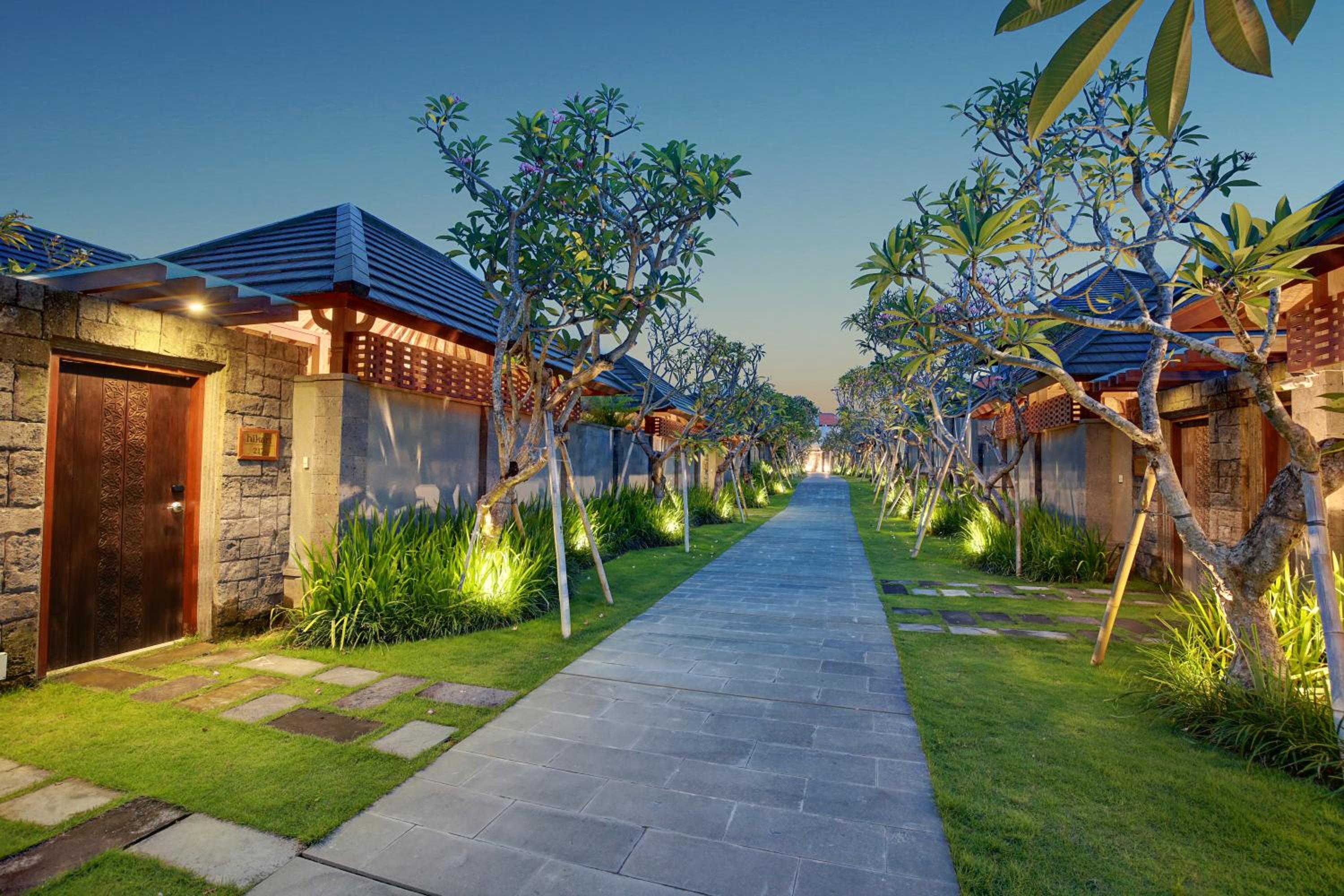
Newer villas and design guesthouses at the trend-led end, €50 to €150, with rice fields still visible for now.
Echo Beach
Surf guesthouses and mid-range villas on a lower-key strip, €35 to €100.
Seseh
Private-pool villas in the fields, €90 to €250, with monthly rates that make the maths work for long stays.


What to eat in Canggu
Rice with small Balinese sides, the warung meal the café strip is priced against
Spit-roast suckling pig with rice, crackling and lawar; a Balinese ceremonial dish
The Canggu breakfast, and the food the town is most associated with worldwide
Smashed avocado, eggs and specialty coffee: not Indonesian, and the reason many people are here
Grilled corn brushed with butter and chilli, sold from a cart on the way down to the beach
Young coconut, drunk on a beanbag at sunset, the local version of a beach club
Discover food spots in Stippl
Find restaurants and markets on the map, save them to your itinerary, works offline too.
Canggu customs and what not to do
Hinduism runs under the strip
Canang sari appear on shop counters and doorsteps by early morning and temple ceremonies close the beach road; the strip is built on a village that still keeps its calendar.
Surf etiquette is the etiquette
Batu Bolong is crowded with beginners and the line-up rules still apply: the surfer nearest the peak has the wave, and dropping in is the fastest way to a bad session.
Canggu costs its own village
Rice paddies built into villas, roads that cannot take the traffic and a strip where the working language is English; the warungs and the banjar are the village, so spend there too.
The circular applies here most
Bali's 2025 rules for foreign tourists cover helmets, licences, traffic and drink-driving with enforcement attached, and Canggu's scooter culture is exactly what they were written for.
Beach plastic is seasonal
Bali's rivers wash it onto the west-coast beaches from November to March; carry a refillable bottle and join a beach clean rather than be surprised.
Do
- Ride with Google Maps in motorbike mode
- Book a street back from the beach road; cheaper, quieter and still a five-minute walk
- Take a surf lesson at Batu Bolong before paddling out anywhere else
- Eat at the warungs at least as often as the cafés, or the budget disappears
Don't
- Swim outside the flagged area or where nobody else is
- Try to drive the strip by car in the afternoon
- Ride at night on unfamiliar lanes, or after the bar
- Book a rice-field view without checking a recent photograph
What a Canggu trip costs
Budget
€30–105
Hostel dorm or a room a street back, warung meals, a shared scooter, free beach, warung beanbag.
Mid-range
€90–170
Guesthouse or small hotel with a pool, café and restaurant eating, own scooter, a beach-club day.
High-end
€160–260+
Private-pool villa, restaurant dining, a driver, day beds at the big clubs.
Track what you actually spend
Set a daily budget per country and log expenses in any currency while you travel.
Fun facts about Canggu
Canggu was a rice-paddy and fishing village within living memory. The change to its present form happened largely in the last decade, and the strip is four villages that travellers treat as one place.
Every major venue on the strip owns a night of the week. Locals plan around the rotation rather than around the venue, so the same bar is empty on Tuesday and rammed on Wednesday.
The black sand is volcanic, carried down from Bali's own mountains. The rivers that bring the sand also bring the wet-season plastic, which is why the beach is a different place from December to February.
Canggu is the digital-nomad capital of Indonesia. Coworking and coliving are concentrated along the strip, and the working population turns over monthly rather than nightly.
A month of scooter rental costs about a third less than thirty daily rates. The monthly rate is quoted at around €135 (2,800,000 Rp), against €3 to €5 a day, which is how the long-stay economy shows in the prices.
The name Canggu covers four villages. Batu Bolong, Berawa, Echo Beach and Pererenan, plus Seseh and Mengening at the quiet north-western end, with no old town and no single centre.
Local tips for Canggu
The airport is 45 to 90 minutes
Twenty kilometres and a different figure every time, because the traffic in the south decides it. A pre-booked driver is about €15; leave the hotel two and a half hours before a flight.
The scooter, unanimously
The strip is five kilometres long, there is no public transport and a car is slower than a bike here. Rentals run about €5 a day; Grab bikes are the alternative when the cars stall.
Set Maps to motorbike mode
The car route sends you the long way round the rice fields; the motorbike route uses the shortcuts the locals use. Two minutes of setting saves twenty on every ride.
How long to stay
Most people give Canggu 3 nights on Stippl, and many stay a month. Three gets the surf lesson, the rice-field lanes and Tanah Lot at sunset.
The beaches are rip-prone
Batu Bolong, Echo and Berawa are black-sand surf beaches with strong rips and patchy lifeguard cover. Swim between the flags, and after heavy rain the water carries the wet-season plastic.
The road needs the licence
A motorcycle licence plus an IDP, and the police check at the roadside stops on the shortcut road. Without the right class the fine is small and the crash is uninsured.
Canggu questions, answered
Pick your end of the strip and get a scooter. It runs five kilometres with no public transport, so where you sleep decides your days. Almost nobody treats it as a day out: only 1.83% of Canggu stops planned on Stippl are same-day. Put Batu Bolong, Berawa or Pererenan into Stippl and stay put.
Two or three to see it, a week or a month if you are working. Most people give Canggu 3 nights in the plans they build on Stippl. There is very little here to visit: it is a place to surf, eat, work and go out, and that takes as long as you give it.
Just 16.34% of the Canggu stops on Stippl come to one night, because nothing here rewards being efficient. A surf lesson is a morning, the traffic eats the middle of the day, and the strip is at its best in the evening. Two nights is the sensible floor.
They are black volcanic sand and they are surf beaches, and nobody pretends otherwise. For white sand you go to Uluwatu, Amed or the Nusa islands. What Canggu's beaches are for is the surf, the sunset and the bars behind them, and on those terms they are very good indeed.
Carefully, and between the flags. This stretch is rip-prone with drownings on record, including off Batu Bolong, and the shore break is heavier than it looks from a sunbed. It is a place to surf rather than to swim. If you want calm water, Sanur is on the other coast.
It is the best on Bali for it. Batu Bolong is a forgiving beach break with a sandy bottom and a row of schools behind it, and lessons run all day for very little. Echo Beach is the step up once you can stand. Go at low tide in the morning, before the crowd arrives.
Every guide is written by the Stippl editors and checked against the trips our travellers actually plan. Spotted something out of date? Let us know.

Plan Canggu in Stippl
Day-by-day planning, stays and budget in one app, with every place from this guide already on the map.
Download the app