
Vik
Vik is the largest village on Iceland's south coast and the bed for its sights: Reynisfjara's black beach and sea stacks, Dyrhólaey's arch, Skógafoss and Seljalandsfoss within half an hour either way. One night, two to slow down, and the beach always from behind the lines.
Vik in a nutshell
Vik: what to expect
72,000+ stops in Iceland have been planned on Stippl. Here is what they say about Vik.
One night in Vik is the coast's rhythm, and the sights outrank the town. Reynisfjara's black sand, its cave and the Reynisdrangar stacks are viewed from the upper ridge since the slope came down, Dyrhólaey's arch headland holds the puffins from May to August, Seljalandsfoss is the fall you walk behind with Gljúfrabúi hidden in the gorge next door, Skógafoss drops sixty metres with a staircase to the Waterfall Way above, the Katla ice cave runs all year under Mýrdalsjökull, and the DC-3 wreck sits on the black sand at Sólheimasandur. Most travellers give Vik 1 night on Stippl.
Vik is the second name in the country, and the first bed after the capital. Vik holds 5.6% of every Icelandic stop planned on Stippl, ahead of Akureyri and Höfn, and 68.4% of stops are a single night, because the beaches and the falls each carry thousands of pass-through stops and the village carries the beds; 79.5% of Vik trips stay inside Iceland.
Book the Vik bed as early as anything on the trip, fill the tank and the shopping bag here before heading east, and obey the beach's light system as law. Skip any version of going into the sea, since the sneaker waves have killed people, and skip a second night unless the ice cave or the wreck walk is the point, because the coast is built for moving on.
Plan Vik in Stippl
Day-by-day planning, stays and budget in one app, with every place from this guide already on the map.
Download the appWho Vik is for
First-timers on the ring
The consensus core of any first Iceland trip, the second name in the country on Stippl and the first bed after the capital.
Photographers
Reynisdrangar at blue hour, the church hill, Dyrhólaey's arch and the DC-3 wreck; the south coast's icon density peaks here.
Aurora-shoulder travellers
September is the biggest month here on Stippl, when the dark skies return while the roads stay easy.
One-night planners
68.4% of Stippl stops here are a single night, and the falls to the west and the beach fit either side of it.
Puffin watchers
May to August, evenings, on Dyrhólaey and above Reynisfjara, with the headland's nesting closures in May and June to plan around.
Iceland-only drivers
79.5% of Vik trips on Stippl stay inside Iceland, the loop and nothing else, with the village as its first night out of Reykjavík.
Maybe not for you: anyone expecting a town to explore, because it is a service village with one main street; and swimmers of any kind, since the ocean here is lethal and there is no safe version of going in, whatever the surface looks like.
The best time to visit Vik
Summer
June to August
Long light, the puffins on the headland, the lupines on the hill and the village booked out months ahead, with the farm belt absorbing the overflow.
September
The shoulder
The busiest month on Stippl: the aurora back while the roads stay easy, the coaches thinner and the beds still dear.
Winter
October to April
Frozen falls, the ice cave at its best, the aurora over the stacks and the coast open all year, with wind and ice the risk on the drive from Reykjavík.
Nesting closures
May and June
Dyrhólaey shuts fully for the first fortnight of May and runs limited hours until late June, so the arch is planned around the Environment Agency's dates.
- Most travellers give Vik 1 night on Stippl, and 68.4% of stops are a single night. The falls on the way in, the beach at blue hour, and Höfn the next day.
- September, 13.1% of Vik plans on Stippl land in the busiest month, September. The aurora is back and the roads are easy, so the village fills a second time after the summer.
- Only 11.6% of Vik plans are made inside a fortnight, of everyone who plans it on Stippl. The village is the most-booked base on the coast and summer sells out far ahead.
- Dyrhólaey closes for the puffins. The headland is shut for the first fortnight of May and restricted until about 25 June, with daytime hours in season, so the arch is timed to the dates.
- The beach changed in February 2026. A slope under Reynisfjall came down and the basalt columns are viewable from the upper ridge only, at any tide, so the plan is the view rather than the walk.
- Parking went paid across the coast. The apps cover Reynisfjara, Skógafoss, Dyrhólaey and the wreck lot, and Seljalandsfoss is paid online, so the phone is set up before the drive.
Add your Vik dates and we'll flag the weather
Stippl shows the season, crowds and prices for every stop on your route.
Describe your trip, get a Vik itinerary in seconds
Everything in this guide is already in Stippl. Tell the planner how long you have and what you like: it builds the route, the days and the travel times, and you edit whatever you want.
Things to do in Vik
Reynisfjara from the ridge
The black beach, the Hálsanefshellir cave and the Reynisdrangar stacks, viewed from the upper ridge since the February 2026 collapse, and from behind the lights always.
Dyrhólaey
The arch headland and its lighthouse, the puffins in season and the full coast panorama, with the nesting closures in May and June to plan around.
Seljalandsfoss and Gljúfrabúi
The walk-behind fall and its hidden slot-canyon twin an hour west, with the waterproofs on for the spray.
Skógafoss and the Waterfall Way
The sixty-metre curtain, Kvernufoss the walk-behind neighbour, and the eight-kilometre trail of some twenty-six falls climbing the staircase above.
The Katla ice cave
The year-round cave under Mýrdalsjökull, three hours by super jeep from the village, blue in every season.
The DC-3 wreck
The 1973 US Navy plane on the black sand at Sólheimasandur, a flat eight-kilometre round trip on foot or the shuttle.
The areas of Vik
The village core
The main street
Hotels, the Lava Show, the Krónan supermarket and the wool outlet on one strip below the church hill, with everything on foot. For everyone staying.
Everything on foot and the church-hill view, but the beds go months ahead.
The Víkurfjara side
The town's own beach
The black beach below the dunes at the village's edge, with the Reynisdrangar view without the drive and almost nobody on it. For photographers.
The sea-stack view without the drive, though the sea is as lethal as next door.
The Reynisfjara side
The famous beach
The car park and the cafe west of Reynisfjall, fifteen minutes by road, with the columns and the cave when access allows. For day visitors.
The columns and the cave, but a car park rather than a place to sleep.
The farm belt toward Skógar
Along Route 1
Guesthouses and cottages strung along the road west, with kitchens, the beds when the village is full and the falls closer. For drivers and budgets.
Beds when the village is full and kitchens to cook in, and a drive to dinner.
See every Vik neighbourhood on one map
Save the areas you like and Stippl plots your days so you're not crossing the city twice.
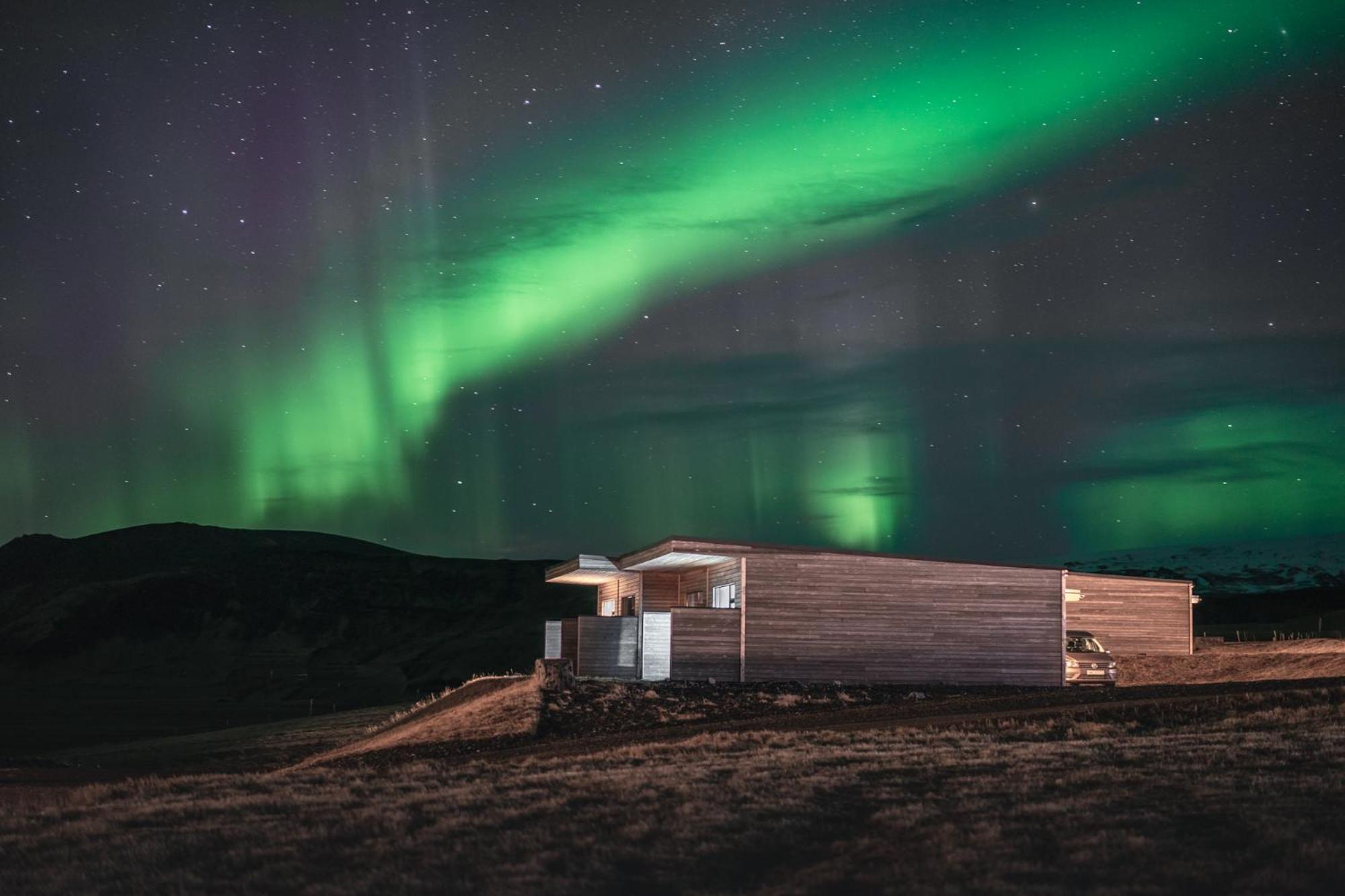
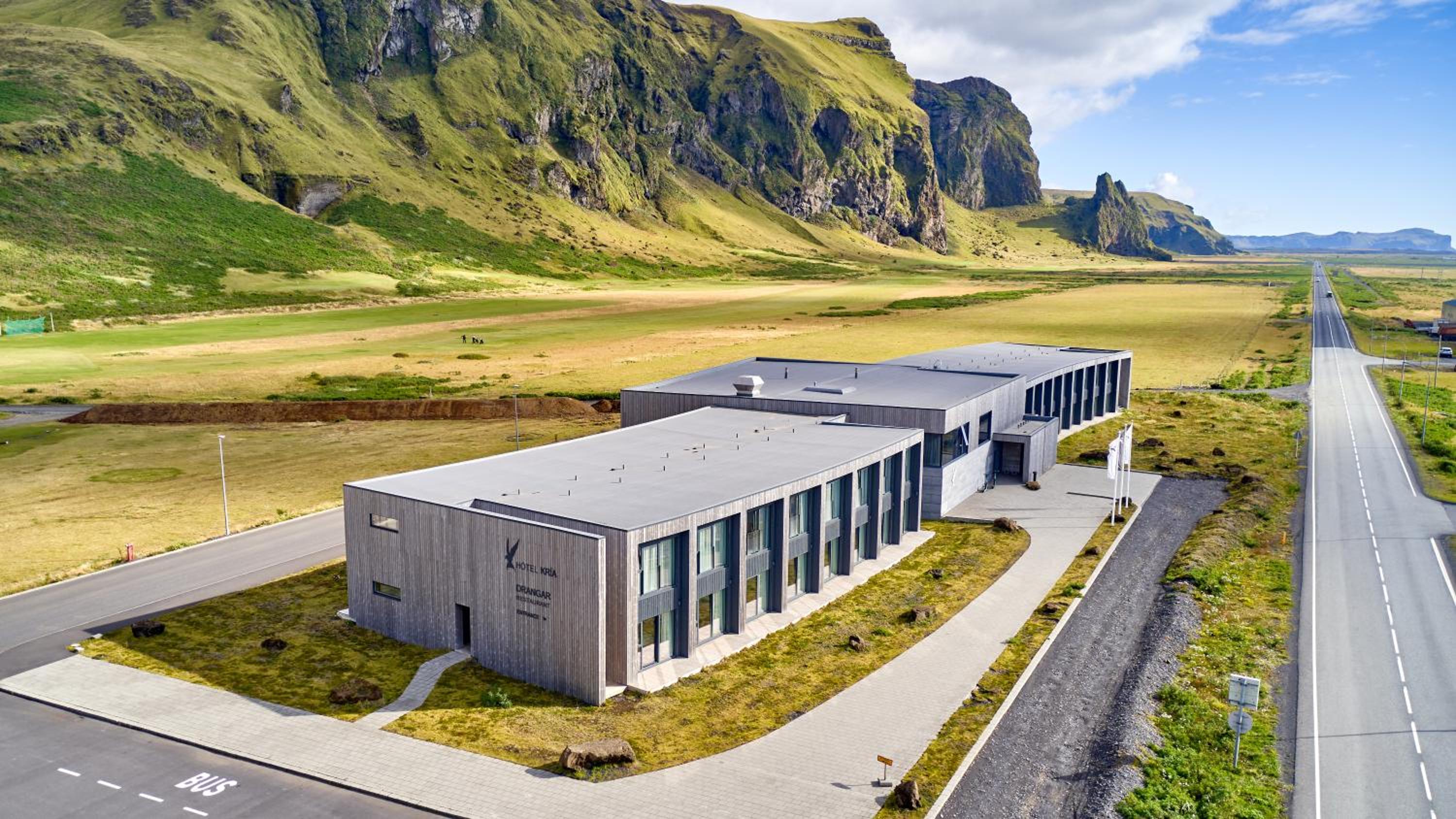
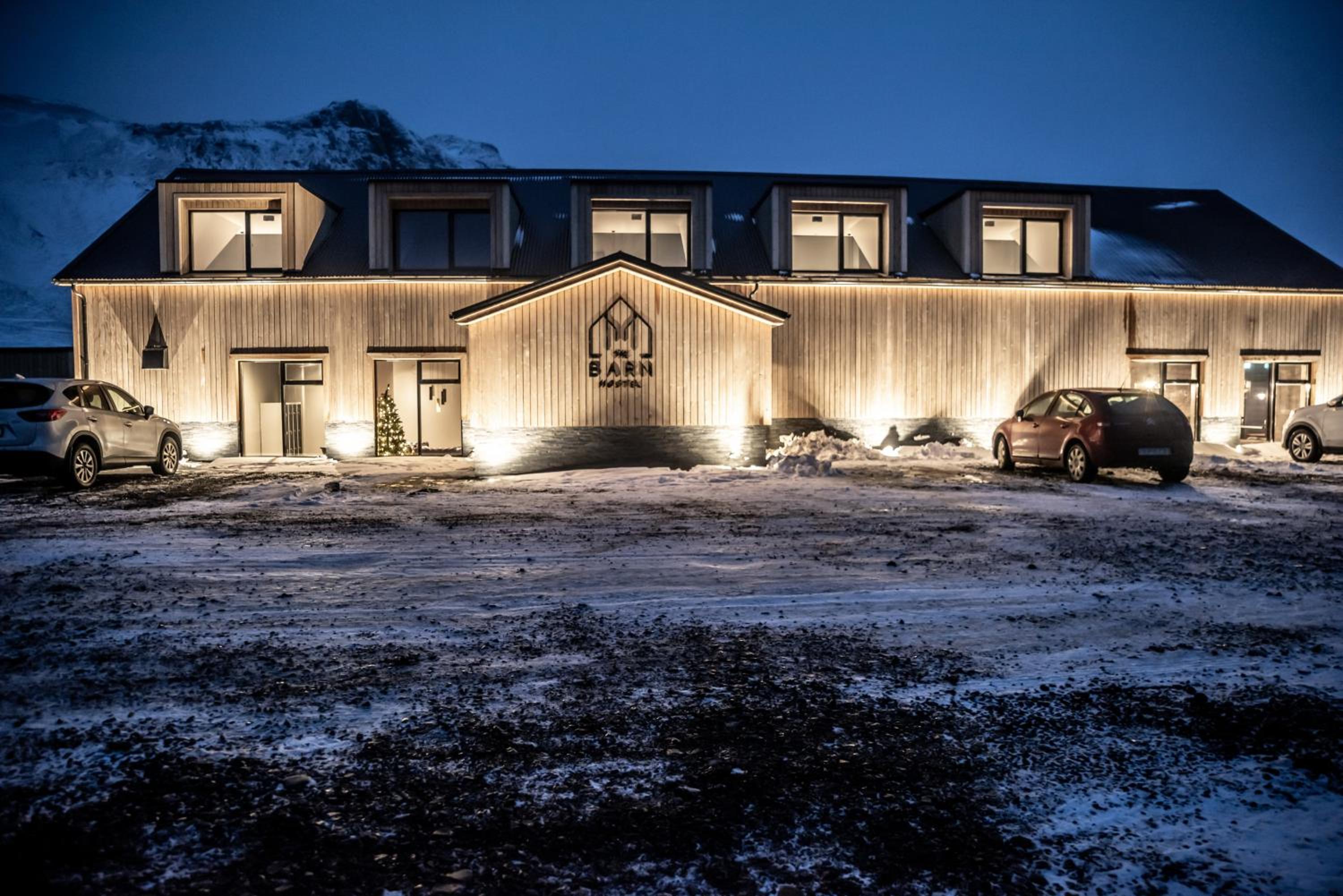
Where to stay in Vik
Book Vik as early as anything on the trip, because it is the most-booked base on the coast and the summer sells out far ahead, with the farm belt toward Skógar absorbing the overflow. Most travellers give Vik 1 night on Stippl, and a second is only worth it for the ice cave or the wreck walk.
The village core
Hotels, a hostel and the campsite on the main street, €25 to €300 a night.
The Víkurfjara side
A few guesthouses near the dunes, €130 to €250 a night.
The Reynisfjara side
One or two farm stays by the beach road, €140 to €260 a night.
The farm belt toward Skógar
Guesthouses and cottages along Route 1, €110 to €220 a night.


What to eat in Vik
Lamb soup, the road-trip staple
The south's shellfish on a black crust
The Icelandic standards done properly
Ten rotating local taps
The bus-cafe institution
Discover food spots in Stippl
Find restaurants and markets on the map, save them to your itinerary, works offline too.
Vik customs and what not to do
The beach lights are law
Locals regard wave-dodgers the way climbers regard rope-cutters, and the warning system exists because people died.
The church is the muster point
The church on the hill is the village's gathering point for a Katla event, a working piece of civil defence that doubles as the best viewpoint.
Stay off the moss and the dunes
The vegetated black dunes at Víkurfjara are fragile and the roped paths are marked, and the moss takes decades to regrow.
The pool rule holds here
The village pool wants the naked shower with soap before the water, enforced as everywhere in Iceland.
Katla is a neighbour
The volcano under Mýrdalsjökull is monitored constantly, the tours run daily, and the village treats the plan as normal rather than a warning.
Krónan is the errand
The supermarket and the fuel stop are the last big ones before Höfn, and the village runs on that role.
Do
- Obey the lights at Reynisfjara and stay in the green zone
- Walk up to the church for the view over the stacks
- Fill the tank and the shopping bag before heading east
- See the puffins in the evening from Dyrhólaey in season
- Book the bed before anything else on the coast
Don't
- Turn your back on the sea at any beach here
- Try to reach the basalt columns; the ridge is the view now
- Drive to Dyrhólaey in early May expecting it open
- Walk on the vegetated dunes at Víkurfjara
- Climb on the DC-3 wreck
What a Vik trip costs
Camper
€50–85
The town campsite or Þakgil, kitchen cooking and the parking apps.
Guesthouse
€130–220
A farm-belt double, one restaurant meal and the sights.
Comfortable
€260+
A design hotel in the village, the Lava Show and a guided glacier or cave tour.
Track what you actually spend
Set a daily budget per country and log expenses in any currency while you travel.
Fun facts about Vik
Vik, a village of a few hundred people, is Iceland's second destination on Stippl. It holds 5.6% of every Icelandic stop planned there, ahead of Akureyri and Höfn.
The Reynisdrangar stacks off Vik are trolls in folklore. Caught mid-theft by the sunrise while dragging a ship ashore, and turned to basalt where they stood.
Vik is among the wettest inhabited places in Iceland. And the greenest for it: the hill above the village blooms with lupines in June.
The sand at Vik is rapidly cooled basalt lava. Ground black by the North Atlantic, which is why the beaches here are the colour they are.
The church hill at Vik doubles as the Katla evacuation point. Folklore and civil defence share one address, and the view is the best in the village.
Only 0.7% of stops in Vik run four nights or more on Stippl. The lowest long-stay share of any named place in the country, because the coast is built for moving on.
Local tips for Vik
Parking went paid
The apps cover Reynisfjara, Skógafoss, Dyrhólaey and the wreck lot, and Seljalandsfoss is paid online, so the phone is set up before the drive.
Fill up heading east
Stations thin out toward Höfn, and the Krónan run and the fuel stop are one errand in the village.
Reynisfjara kills
The mechanism is the sneaker wave, irregular and running far beyond the wet line without warning, and the deaths are recent.
The lights govern the beach
Yellow, orange and red zone lights at the entrance, and red means do not pass the sign, whatever the surface looks like.
The collapse changed the beach
A slope under Reynisfjall came down in February 2026, erosion followed, and the columns are viewed from the upper ridge at any tide.
One night, booked early
68.4% of Stippl stops here are a single night and only 11.6% of plans are made inside a fortnight, because the village sells out first on the coast.
Vik questions, answered
Yes, from behind the lines. The waves are genuinely lethal at the waterline, so the rule is to stay in the green zone, obey the lights at the entrance and never turn your back on the sea; since the February collapse the basalt columns are viewed from the upper ridge only, and the beach is no less worth it for that.
The village and its famous beach, fifteen minutes apart over the Reynisfjall shoulder. The town's own beach, Víkurfjara, has the sea-stack view without the crowds, and most travellers give Vik 1 night on Stippl with the beach seen at blue hour on the way in or out.
Rarely, because 68.4% of stops here are a single night on Stippl and only 0.7% run to four or more, the lowest long-stay share in the country. Two buys the wreck walk or the ice cave, and the farm belt takes the overflow when the village is full.
May to August, in the evenings, on Dyrhólaey and above Reynisfjara. Mind the headland's nesting closures, shut for the first fortnight of May and restricted until late June with daytime hours in season, and put the evening into Stippl before the bed, then ask people who saw them in subreddits like r/VisitingIceland which week was best.
Barely: a thin bus line from Reykjavík with a change at Skógar, or the day tours that run the coast from the capital. The coast is built for drivers, and 79.5% of Vik trips on Stippl stay inside Iceland, which is the hire-car loop and nothing else.
It is monitored constantly and the tours run daily under it. The village's plan, with the church as the muster point, is civil defence doing its job rather than a warning to stay away, and the last eruption was more than a century ago.
Every guide is written by the Stippl editors and checked against the trips our travellers actually plan. Spotted something out of date? Let us know.

Plan Vik in Stippl
Day-by-day planning, stays and budget in one app, with every place from this guide already on the map.
Download the app