

Strasbourg
Strasbourg is the Christmas market that has run since 1570, under a cathedral you climb 332 steps up, and December is the data agreeing with the marketing. The Alsace wine villages start here.
Strasbourg in a nutshell
Strasbourg: what to expect
311,000+ stops in France have been planned on Stippl. Here is what they say about Strasbourg.
Strasbourg is French and German by turns, and the whole of a visit fits inside one square kilometre. The Grande Île has been World Heritage since 1988 and the German-built Neustadt beyond it was added in 2017. The cathedral rises 142 metres in pink Vosges sandstone, was the tallest building on earth for more than two centuries, and its astronomical clock performs its full parade once a day. Petite France is the tanners' quarter, best before the boats start.
Strasbourg is the only French destination with a real winter, and it beats the capital at it. December is its second-biggest month, ahead of June and May, and a quarter of its arrivals fall between November and February against a fifth in Paris and one in twenty in Nice. It is also the one French destination that is not on the Paris circuit: Paris turns up on a third of Strasbourg trips against more than half of French trips generally.
One night is the pattern here, and Strasbourg is the only French destination where that is true. More than half of everything planned here is a night or none, because a square-kilometre centre and a market you can walk in an evening do not need longer. Alsace is the rest of the trip: Colmar pairs with Strasbourg more strongly than any two places in France, and Riquewihr and Eguisheim follow down the wine route. Germany is a tram ride across the river.
Plan Strasbourg in Stippl
Day-by-day planning, stays and budget in one app, with every place from this guide already on the map.
Download the appWho Strasbourg is for
Christmas-market travellers
December is Strasbourg's second-biggest month, and that is the data agreeing with the marketing rather than the other way round.
Anyone building an Alsace loop
Colmar, Riquewihr and Ribeauvillé appear on the same trips, and the wine route runs south from here.
Families
A compact walkable centre, boat tours, a big park, and a market built around children in December.
History and architecture people
A Gothic cathedral, a Renaissance island and a German imperial grid, all listed.
Day-trippers from Germany
Frankfurt, Basel and the Black Forest are all close, and most people give Strasbourg 1 night from any of them.
Maybe not for you: anyone planning a long stay, since the typical visit is one night and almost nobody runs four; the city is a day and a half, and Alsace is the rest of the trip.
The best time to visit Strasbourg
Shoulder
May to June and September
The best weather, an empty centre and the boat tours running without the queues. Festival Musica and the sound-and-light show on the cathedral run late June into July.
Summer
July and August
Warm and busy, with the boat tours full, the Petite France terraces at capacity and the astronomical clock ticket selling out by noon. Bastille Day on 14 July.
Christmas market
Late November to 24 December
The Christkindelsmärik, running since 1570 and the oldest in France, across a dozen sites on the Grande Île. The month the city fills, prices double and the rooms are booked by September.
Deep winter
January to March
Cold, dim and genuinely quiet, with the cathedral and the museums to yourself and the Alsace wine villages asleep. The cheapest weeks of the year.
- July is the month most travellers plan Strasbourg for on Stippl, and France as a whole is planned about 72 days ahead. 17.9% of Strasbourg plans are made inside a fortnight, the highest share in France we cover; in December that share sleeps in Kehl.
- The Christmas market opens on the last Friday of November and closes on 24 December. Some sites run to 30 December; the city publishes the exact dates in the autumn, and the hotels are booked out long before the announcement.
- The astronomical clock parade is daily at half past twelve, on a separate ticket. It is sold from ten to twelve at the south transept and sells out in summer; be in the queue by half past eleven or see the clock without the Apostles.
- Strasbourg's winter fills for one month and empties for three. November and December carry the market crowd; January to March are cold, dim and genuinely quiet, and the cheapest weeks of the year to see the cathedral alone.
Add your Strasbourg dates and we'll flag the weather
Stippl shows the season, crowds and prices for every stop on your route.
Describe your trip, get a Strasbourg itinerary in seconds
Everything in this guide is already in Stippl. Tell the planner how long you have and what you like: it builds the route, the days and the travel times, and you edit whatever you want.
Things to do in Strasbourg
 Photo by Matheus Guimarães via Pexels
The Christmas market
Walk the Christkindelsmärik across a dozen squares from the last Friday of November to 24 December, running since 1570, free. Book the room by September; the city doubles its prices for it.
The astronomical clock at 12:30
Watch the only full parade of the day, when the Apostles pass before the figure of Christ, on a separate ticket of about €4 sold from ten to twelve at the south transept. It sells out in summer; be in the queue by half past eleven.
The cathedral platform
Climb the 332 steps to the platform for the Vosges on one side and the Black Forest on the other, about €8. Mornings, before the queue.
Petite France early
Walk the tanners' houses and the Ponts Couverts before the boat tours and the crowds, free. The lock at lunchtime is the thing to avoid.
A boat tour of the Grande Île
Take the seventy-minute boat around the old town and out to the European quarter, the one sight that genuinely works better from the water, about €14, through a lock. Book the slot in summer.
Colmar and the wine route
Take the train thirty minutes to Colmar and a bus or a car on to Riquewihr and Eguisheim, the two villages to name, for a tasting for about €10. A day, and the Christmas markets there run the same weeks.
The neighbourhoods of Strasbourg
Grande Île
The island, cathedral, half-timber
The UNESCO island: the cathedral, the Palais Rohan, the covered markets and a dense grid of half-timbered lanes, with hotels of every grade. For first visits and for everything inside one square kilometre.
Everything on foot, and the December crowds and the bag checks.
Petite France
Canals, tanners' houses, the bridges
The island's south-west corner: sixteenth-century tanners' and millers' houses over the canals and the Ponts Couverts, with boutique hotels in the timber houses. For atmosphere and for the most photographed quarter in the east.
The postcard from the window, and the photographers under it by ten.
Krutenau
Student quarter, cheap eating
The old fishermen's quarter turned student district: bookshops, tattoo studios and cheap restaurants along the Quai des Bateliers, with the hostels. For budget travellers and for the actual nightlife.
The cheapest good eating and the nights, and a bridge to the island.
Neustadt
German grid, boulevards, university
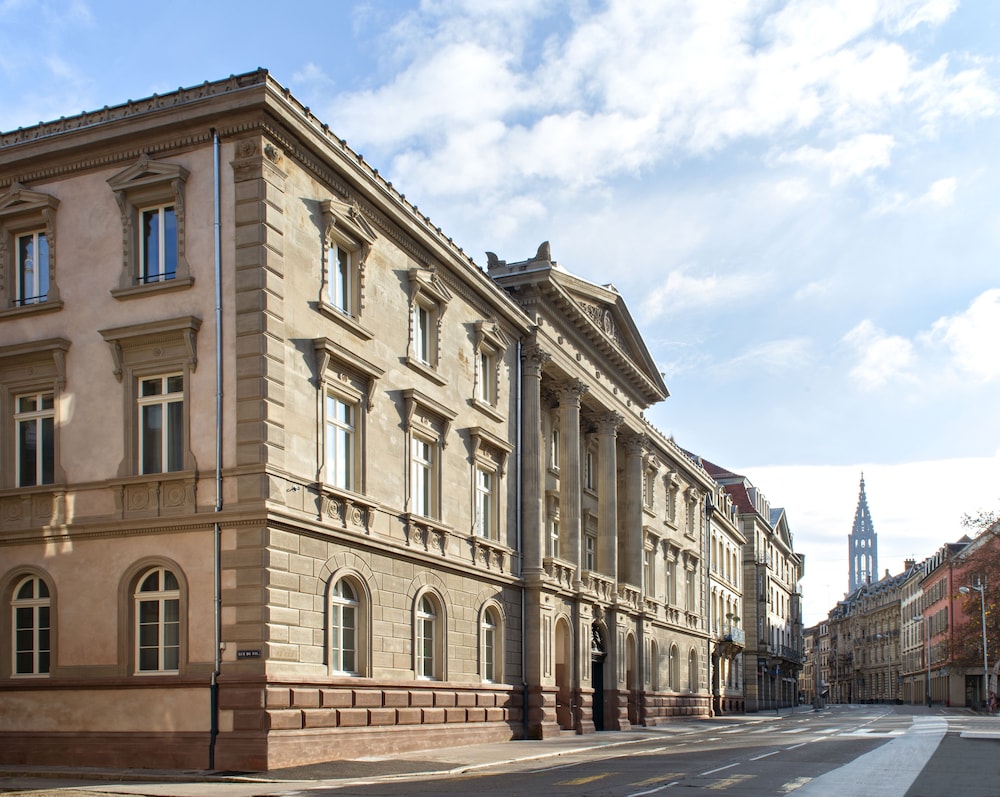
The German grid of 1871 to 1918: wide boulevards, Neo-Renaissance and Art Nouveau, the Palais du Rhin and the university, with mid-range hotels. For architecture and for quiet streets nobody walks.
The listed boulevards and the calm, and a twenty-minute walk to the cathedral.
The European quarter
Institutions, the park
The Parliament, the Council of Europe, the Court of Human Rights and the Parc de l'Orangerie, with business hotels. For a quiet base by the park and for the institutions' visits.
The park and the calm, and a tram to the island.
See every Strasbourg neighbourhood on one map
Save the areas you like and Stippl plots your days so you're not crossing the city twice.
Where to stay in Strasbourg
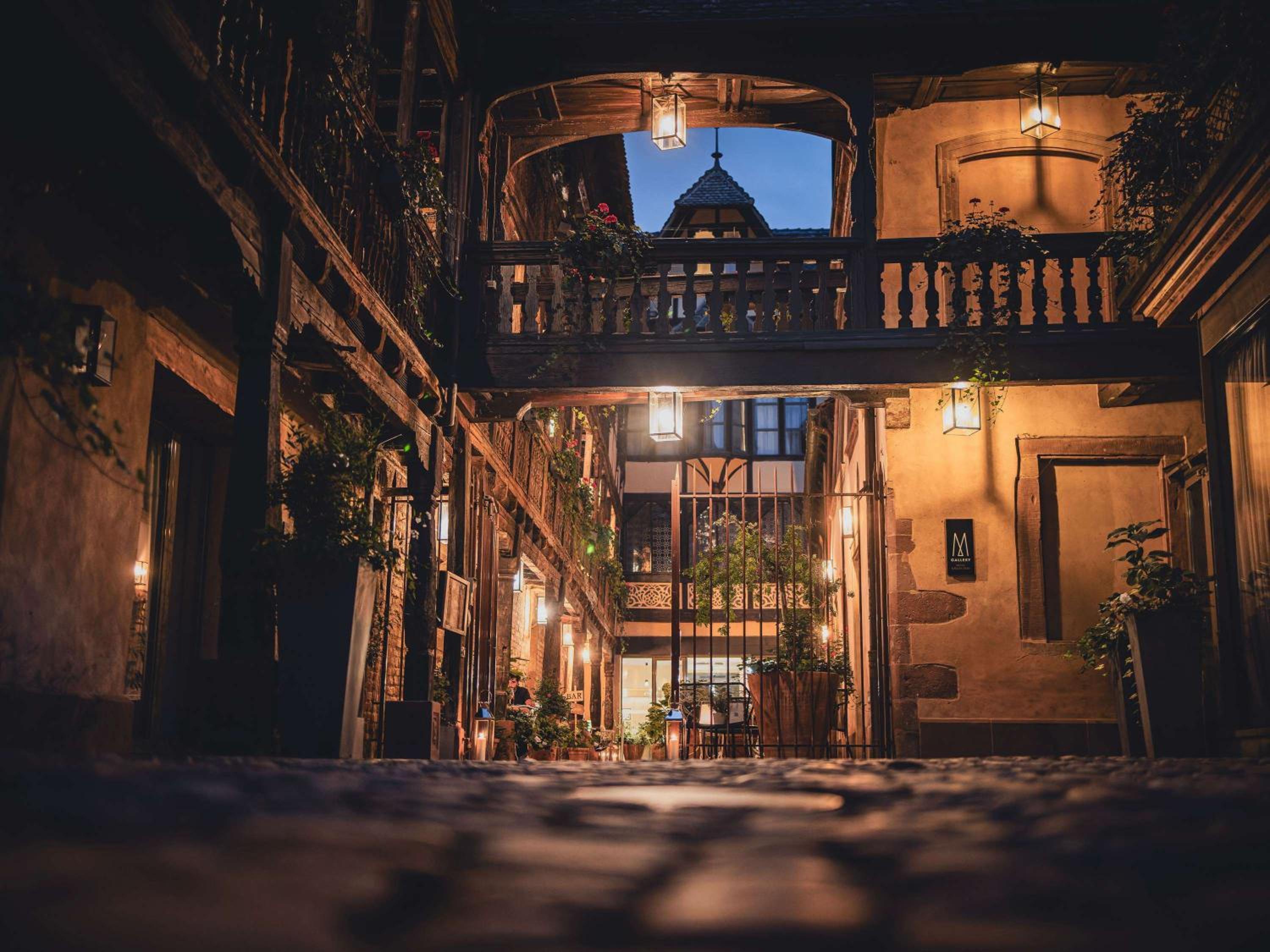
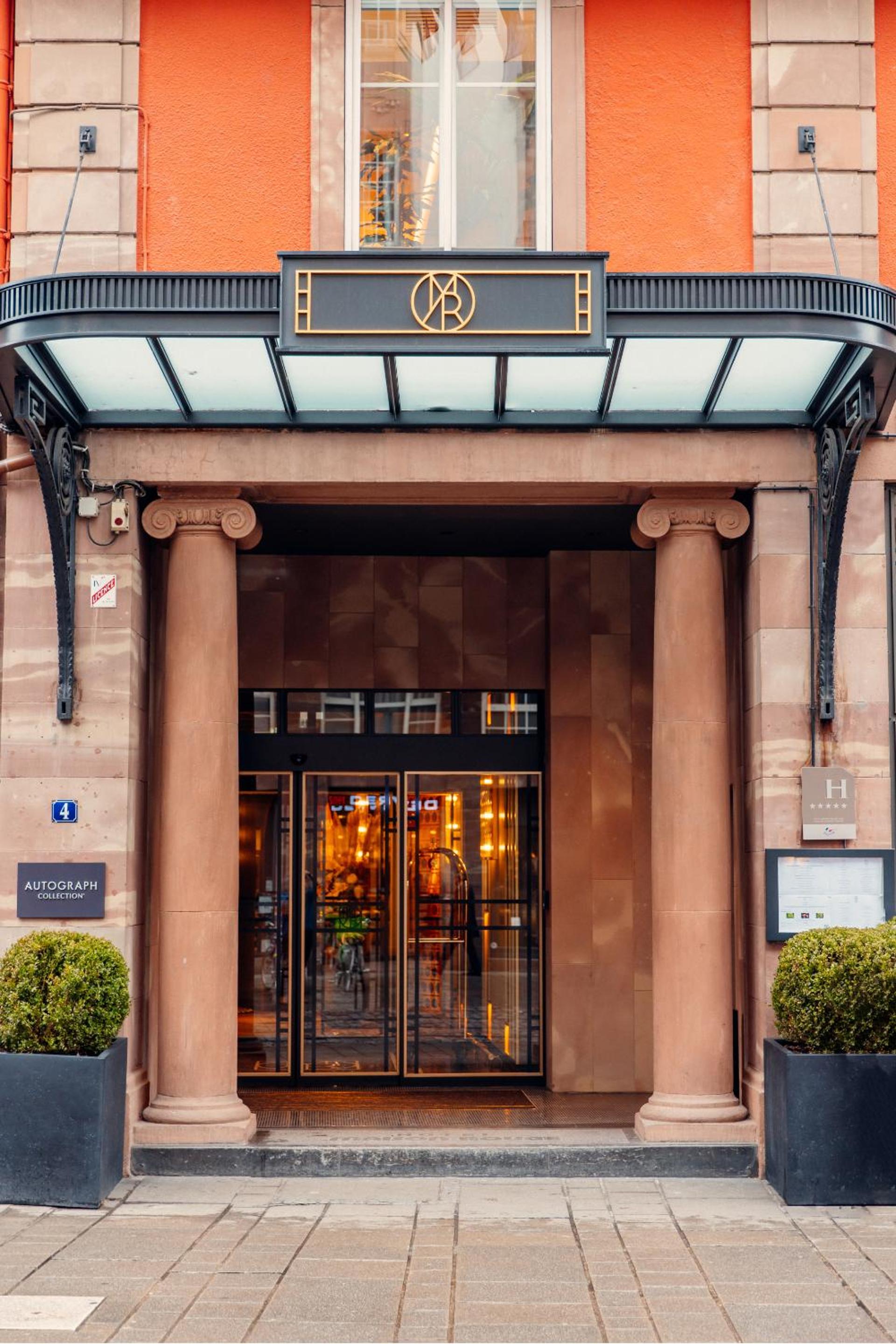
Stay on the Grande Ile, between the cathedral and Petite France: the island is small enough that anywhere on it works, and everything is on foot. 44.84% of Strasbourg stops planned on Stippl are a single night, with a third usually spent on the wine route. December is a different booking problem: rooms roughly double and the island sells out months ahead, so book early or sleep in Colmar.
Grande Île
€90–200
Hotels of every grade among the half-timbered lanes, €100 to €220, doubling in December.
Petite France
€100–220
Boutique hotels in the timbered houses over the canals, €140 to €280.
Krutenau
€65–130
The hostels, €28 to €40 a bed, and cheap hotels and apartments, €70 to €120, along the quays.
Neustadt
€80–160
Mid-range hotels in the German-era grid, €90 to €160, a ten-minute walk from the island.
The European quarter
Business hotels by the park, €90 to €150, quiet outside session weeks and full during them.


What to eat in Strasbourg
Thin dough with fromage blanc, onion and lardons, fired hot and fast; ordered by the round and shared
Sauerkraut slow-cooked in Riesling under sausages, pork and potato, the region's plate of record
Three meats and potatoes baked overnight in a sealed clay pot; a Monday dish by origin
The Alsatian pretzel, sold from bakery windows and market stalls all day
A fluted yeast cake with almonds and raisins, sweet or savoury with bacon
A washed-rind cheese from the Vosges, eaten with cumin, pungent and local
Mulled wine, and in December the reason half the market exists
The Alsace whites, bottled in the tall green flûte; dry Riesling, aromatic Gewurztraminer
Discover food spots in Stippl
Find restaurants and markets on the map, save them to your itinerary, works offline too.
Strasbourg customs and what not to do
Alsace is neither, and says so
Not French, not German, and touchy about both: the region changed hands four times between 1871 and 1945, and the dialect, the food and the architecture are its own.
A winstub has a rhythm
You sit where you are put, share a table if it is full, and the tarte flambée comes in rounds until you say stop; the Riesling is by the pichet.
The market is a city event
Locals shop the Christmas market and the crowd at six on a Saturday is mostly Alsatian; it runs inside a security perimeter with bag checks, and the stalls close at eight.
Sunday shuts shops, not stalls
The shops close and the market stalls do not; in December the Grande Île is busiest on Sunday afternoon, and the cathedral's clock show is at half past twelve.
Do
- Get the astronomical clock ticket before 11:50, and go in low season if you can
- Walk Petite France before nine, and take the boat later
- Book December accommodation months ahead, or stay in Colmar
- Order tarte flambée by the round and keep going
Don't
- Call Alsatian food German to an Alsatian
- Plan the canal-boat lock for the lunch rush
- Expect the wine route to be reachable by train
- Arrive in December without knowing about the closures and bag checks
What a Strasbourg trip costs
Budget
€55–90
Hostel dorm, tarte flambée, tram, free cathedral.
Mid-range
€120–200
Three-star on or beside the island, a winstub dinner, a boat tour.
High-end
€280+
Hotel in Petite France, a starred Alsatian kitchen, a private guide.
Track what you actually spend
Set a daily budget per country and log expenses in any currency while you travel.
Fun facts about Strasbourg
Strasbourg Cathedral was the tallest building in the world for 227 years. From 1647 to 1874, and its single spire of pink Vosges sandstone still stands at 142 metres.
The Christmas market has run every December since 1570. The Christkindelsmärik is the oldest documented Christmas market in France, and December roughly doubles the price of a room.
The astronomical clock performs its full parade once a day, at 12:30. The Twelve Apostles pass before a figure of Christ, and a cockerel crows three times, on a mechanism from 1842.
Strasbourg has two UNESCO listings on one list. The medieval Grande Île was inscribed in 1988 and the German imperial Neustadt in 2017, which is unusual for one city.
A city tram crosses an international border on a local ticket. Line D runs to Kehl, in Germany, across the Rhine, and the Black Forest is a day trip from the same platform.
The historic centre is about one square kilometre. The cathedral, Petite France, the Ponts Couverts and the covered markets are all inside it, on an island enclosed by the Ill.
Local tips for Strasbourg
The TRIO ticket for groups
A CTS single is €2.00, a 24-hour pass €4.60, and the TRIO 24-hour ticket at €10.40 covers two or three people, which is the one most visiting groups want. Buy it at the tram stop.
Tram D into Germany
Tram D crosses to Kehl on an ordinary ticket in fifteen minutes, the cheapest border crossing in Europe. Bring ID; spot checks happen on the bridge.
The Grande Île walks
The island is pedestrian and one square kilometre, so nothing inside it needs transport. Petite France at eight in the morning is empty; by eleven it is not.
The wine route needs wheels
Riquewihr, Eguisheim and Ribeauvillé are not on the railway: a bus from Colmar, a tour from about €70, or a car. Colmar itself is thirty minutes by train.
Most people stay one night
44.84% of stops are a single night, a stop between Paris and Germany at 1h50 from each. Two nights fits Colmar and a wine village.
Dress for the market
The Christmas market is outdoors at a December average of six degrees with little sun, and it runs inside a security perimeter with bag checks at the entry points. Pickpockets work the crowds.
Strasbourg questions, answered
At one end of an Alsace and Rhine loop, not as a detour from Paris. Strasbourg opens 14.53% of the trips it appears in on Stippl, and Colmar, the wine route and Germany all sit inside an hour of it. Lay that loop out in Stippl before you book the return flight.
One or two. 1 night is the normal stay in the Strasbourg stops planned on Stippl, the only French city on this site where that is true, and it covers the cathedral, Petite France and a winstub dinner. The second night is what buys you Colmar or the wine route.
For the Christmas market, months. The rest of the year it is the most last-minute city in France: 17.9% of the trips including Strasbourg are put together inside a fortnight on Stippl. From late November the rooms go early and the rates double, so that is the one date to settle in summer.
It parades once a day, at half past twelve, and it needs a separate ticket sold at the south transept from late morning. In summer it sells out, so join that queue rather than the cathedral one. The rest of the cathedral is free and worth an hour on its own.
Easily, about thirty minutes by regional train, several an hour. Colmar is the smaller, prettier half of the pair and the villages of the wine route run south from it, so plenty of people build the day as Colmar first and a village or two after. Go early in December.
In about fifteen minutes. The tram runs across the Rhine to Kehl on an ordinary city ticket, which makes Strasbourg the easiest border crossing in France. Kehl itself is unremarkable, but it puts the Black Forest and Baden-Baden inside a comfortable day out.
Every guide is written by the Stippl editors and checked against the trips our travellers actually plan. Spotted something out of date? Let us know.

Plan Strasbourg in Stippl
Day-by-day planning, stays and budget in one app, with every place from this guide already on the map.
Download the app