

Santa Teresa
Santa Teresa ist ein Surfstrand von der Länge der Stadt, mit Sandboden für Anfänger an einem Ende, mit Yoga-Studios und Coworking-Spaces für diejenigen, die einen Monat bleiben. Der Sonnenuntergang im Sand ist ein nächtliches Ereignis.
Santa Teresa auf einen Blick
Santa Teresa: was dich erwartet
Dahinter sind 87.000+ Stopps geplant über ganz Costa Rica auf Stippl.
Santa Teresa ist eine unbefestigte Straße etwa vier Kilometer lang, die hinter vier Stränden in einer Reihe verläuft. Mal País, Playa Carmen, Playa Santa Teresa und Playa Hermosa erstrecken sich von Süd nach Nord, mit Surfshops, Yoga-Studios, Boutiquen und Coworking-Spaces entlang der gesamten Länge. Hermosa ist der sandige Anfängerstrand. Die Mal-País-Gezeitenpools füllen sich bei Ebbe mit warmem und kaltem Wasser, und Cabo Blanco an der Spitze der Halbinsel war Costa Ricas erstes Schutzgebiet, das 1963 ausgewiesen wurde.
Santa Teresa ist kaum eine Costa-Rica-Reise überhaupt. Weniger als die Hälfte der Reisen, die es enthalten, bleiben im Land, der niedrigste Anteil, den wir hier messen, und einer von fünf umfasst auch Mexiko oder Guatemala: Dies ist ein Stopp auf einer Überlandreise durch Mittelamerika. Es hält Menschen länger als irgendwo sonst auf, mit einem Aufenthalt von sechs Nächten oder mehr gegen einen bei der nächsten Destination.
Behandeln Sie 3 Nächte als Minimum, denn hierher zu kommen ist eine Fähre und fast ein Tag in jede Richtung. Anfänger wollen die trockenen Monate, wenn der Wind offshore weht und die Wellen kleiner sind, und alle anderen wollen die Grünseasonwellen. Überspringen Sie es, wenn Sie auf das Geld achten, denn es ist die teuerste Stadt im Land, und überspringen Sie es wegen der Tierwelt, die hier spärlicher ist als überall sonst, wohin Sie gehen.
Plane Santa Teresa in Stippl
Tagesplanung, Unterkünfte und Budget in einer App, mit jedem Ort aus diesem Reiseführer bereits auf der Karte.
App herunterladenFür wen sich Santa Teresa eignet
Surfer, in der richtigen Jahreszeit
Anfänger in den trockenen Monaten, alle anderen in der grünen Jahreszeit, und die Strandwellen erstrecken sich über die ganze Länge der Stadt.
Menschen, die längere Zeit bleiben
Yoga-Studios, Coworking-Spaces und Wochenraten existieren, weil die Stadt dafür gebaut wurde, und 3 Nächte sind nur der Anfang.
Mittelamerika-Overlander
Mehr als die Hälfte von Santa Teresas Reisen verlassen Costa Rica, was es für viele eher zu einem Drehkreuz als zu einem Reiseziel macht.
Familien und Nicht-Surfer
Die Gezeitenpools von Mal País füllen sich bei Ebbe mit Fischen und Seeigeln, Montezumas Wasserfall ist dreißig Minuten östlich, und die weiße Insel Tortuga ist eine Bootsfahrt entfernt.
Vielleicht nichts für dich: kurze Aufenthalte, da hierher zu kommen den besten Teil eines Tages in jede Richtung kostet; knappe Budgets, denn dies ist die teuerste Stadt des Landes; Tierwelt-Reisende, die zu Cabo Blanco gehen sollten; und Badegäste, denn die Strömungen, die die Welle machen, machen das Meer rau.
Die beste Zeit für einen Besuch in Santa Teresa
Trockenzeit
Dezember bis April
Wirklich trocken, was an dieser Küste ungewöhnlich ist, mit Offshore-Winden, kleine saubere Wellen und die Stadt auf ihrem Höhepunkt und teuersten. Das Anfänger-Surferfenster.
Grüne Jahreszeit
Mai bis November
Die Südwest-Dünung kommt an, die Wellen werden größer und die Menge dünnt aus. Nasse Nachmittage, trockene Morgen und die Zufahrtsstraße in ihrem schlimmsten Zustand.
- Januar ist der Monat, auf den die meisten Reisenden Costa Rica bei Stippl planen, und Santa Teresa wird etwa 65 Tage voraus geplant, die kürzeste Frist der zehn, die wir abdecken. In der Trockenzeit ist das ein Glücksspiel: die Stadt füllt sich, und die guten Zimmer gehen zuerst.
- Die zwei Jahreszeiten passen zu entgegengesetzten Surfern. Dezember bis April bringt Offshore-Winde, saubere Gesichter und Dünung, die um mehr als die Hälfte fallen kann; Mai bis November bringt die Südwest-Dünung und die Größe, für Menschen, die dafür kamen.
- Die Straße nach Santa Teresa ist Schmutz und die grüne Jahreszeit verwandelt sie in Schlamm. Die Fahrt von der Fähre in Paquera dauert länger als die Karte in jedem Monat sagt; von September bis November ist ein Allradantrieb der Unterschied zwischen Ankunft und Umkehr.
- Weihnachten bis Neujahr und Osterwoche sind ausverkauft. Die Surfcamps und Villen der Stadt bepreisen diese vierzehn Tage separat und verkaufen sie im Herbst; der Rest der Trockenzeit ist belebt, aber zu buchen.
Füge deine Santa Teresa-Termine hinzu, und wir warnen dich vor dem Wetter
Stippl zeigt Saison, Andrang und Preise für jeden Stopp auf deiner Route.
Beschreibe deine Reise und erhalte in Sekunden eine Route für Santa Teresa
Alles in diesem Reiseführer ist bereits in Stippl. Sag dem Planer, wie viel Zeit du hast und was dir gefällt: Er baut die Route, die Tage und die Reisezeiten, und du änderst, was du willst.
Dinge, die man in Santa Teresa tun kann
 Photo by Luis Diego Aguilar via Unsplash
Surfen lernen
Buchen Sie eine Lektion in Playa Hermosa, mit sandigem Boden und ohne Felsen, etwa €45 für zwei Stunden, oder surfen Sie Playa Carmen und Santa Teresa selbst mit dem Rest. Buchen Sie in der Stadt oder online; die guten Instruktoren sind in der Trockenzeit ausgebucht.
Yoga auf der Strecke
Nehmen Sie teil an einer Klasse in einem der offenen Studios mit Blick auf das Meer, etwa €15, oder an einem einwöchigen Retreat. Sunrise-Klassen um sieben sind diejenigen mit Aussicht.
Sonnenuntergang am Strand
Treten Sie dem nächtlichen Ereignis im Sand bei, mit den Kokosnussverkäufern, den Snackwagen und der Menge. Kostenlos, und die Strandlokale am Carmen-Ende schenken ab fünf aus.
Die Gezeitenpools von Mal País
Sitzen Sie in den warmen und kalten Pools, die die Felsen bei Playa Mar Azul bei Ebbe füllen, mit den Fischen und Seeigeln, die die letzte Flut mitgebracht hat, kostenlos. Fünfzehn Minuten südlich; überprüfen Sie die Gezeitentabelle.
Montezuma
Nehmen Sie die unbefestigte Bergstraße dreißig Minuten östlich zur kleineren bohemischen Stadt, zum dreistufigen Wasserfall und einem ruhigeren Strand, etwa €5 mit geteiltem Taxi. Ein Tag, und der Wasserfallspaziergang erfordert Schuhe.
Cabo Blanco
Gehen Sie auf dem Weg zum Strand an der Spitze der Halbinsel in Costa Ricas erstem Schutzgebiet, das 1963 gegründet wurde, etwa €12. Montag und Dienstag geschlossen, und die Hin- und Rückfahrt dauert vier Stunden.
Die Viertel von Santa Teresa
Playa Santa Teresa
Die Mitte, der belebteste, Hauptbreak
Der Mittelbereich und die belebteste Strecke: die meisten Restaurants, die meiste Unterkunft, der Hauptsurfstrand und die meisten Fahrzeuge auf der Straße. Für erste Besuche und Surfer.
Die Welle und die Restaurants, und der Staub der Straße dahinter.
Playa Hermosa
Am sandigsten, am sanftesten, Anfängerlektionen
Nördlich der Mitte: das sandigste und sanfteste Wasser, wo Anfänger-Surflektionen stattfinden und der Teil, der am schnellsten bebaut wird. Für Anfänger und Familien.
Das sanfteste Wasser und einen Roller für die Stadt.
Playa Carmen
Das südliche Ende, Bank, felsig
Das südliche Ende, wo die Straße von Cóbano auf die Küste trifft: ruhiger, eine Handvoll guter Restaurants, die einzige Bank und der Geldautomat der Gegend und ein felsiger Strand. Für ruhigere Aufenthalte und für den Geldautomaten.
Die Bank und die Ruhe, und Felsen im Wasser.
Mal País
Separates Dorf, Gezeitenpools
Vier Kilometer südlich: ein separates Dorf mit eigenen Restaurants, ruhiger und mehr Wohngebiet, mit den Gezeitenpools bei Mar Azul. Für lange Aufenthalte und für die Gezeitenpools bei Ebbe.
Ruhe des Dorfes und die Pools, und einen Roller für das Surfen.
Sieh jedes Viertel von Santa Teresa auf einer Karte
Speichere die Viertel, die dir gefallen, und Stippl plant deine Tage, damit du die Stadt nicht zweimal durchquerst.
Wo man in Santa Teresa übernachtet
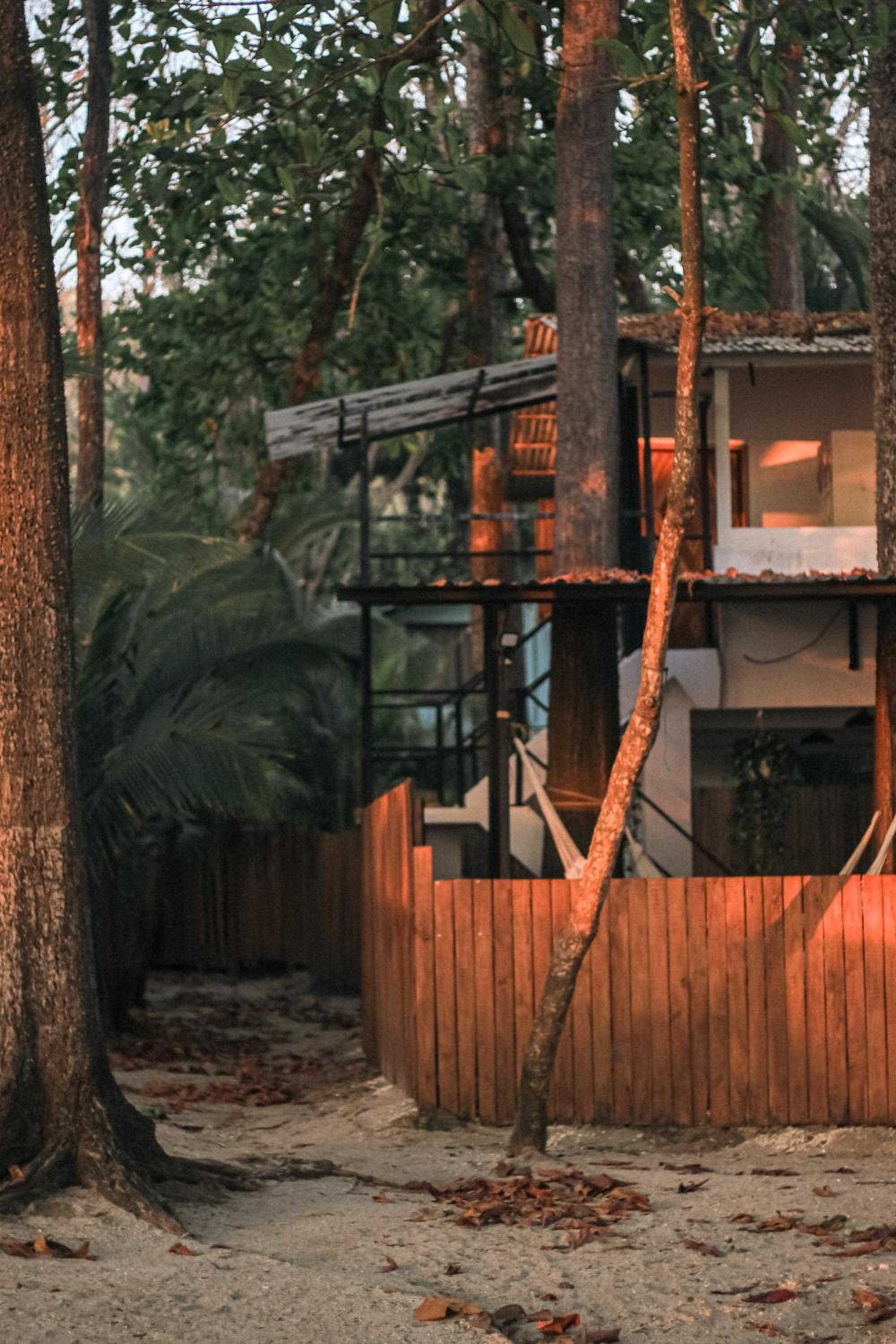
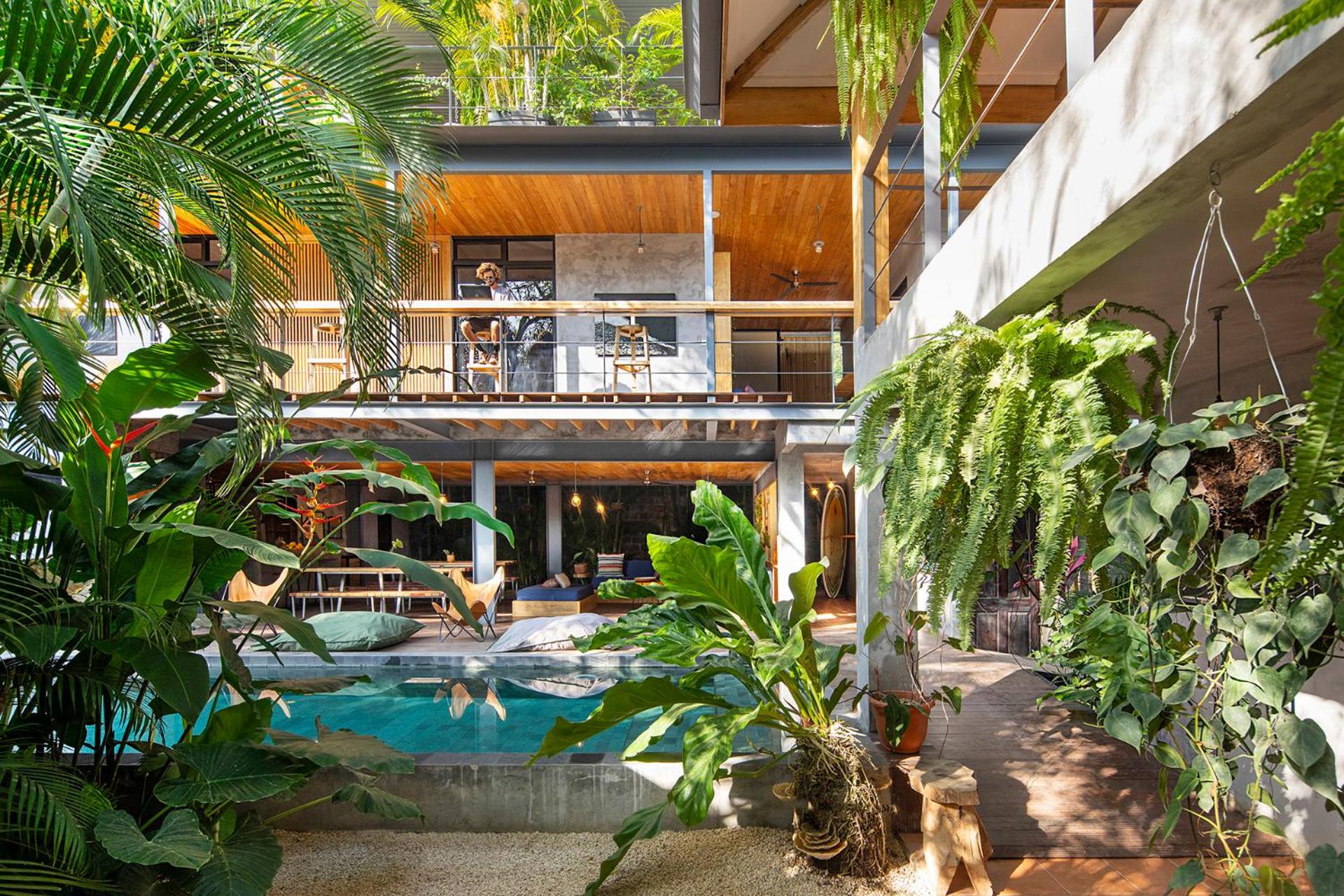
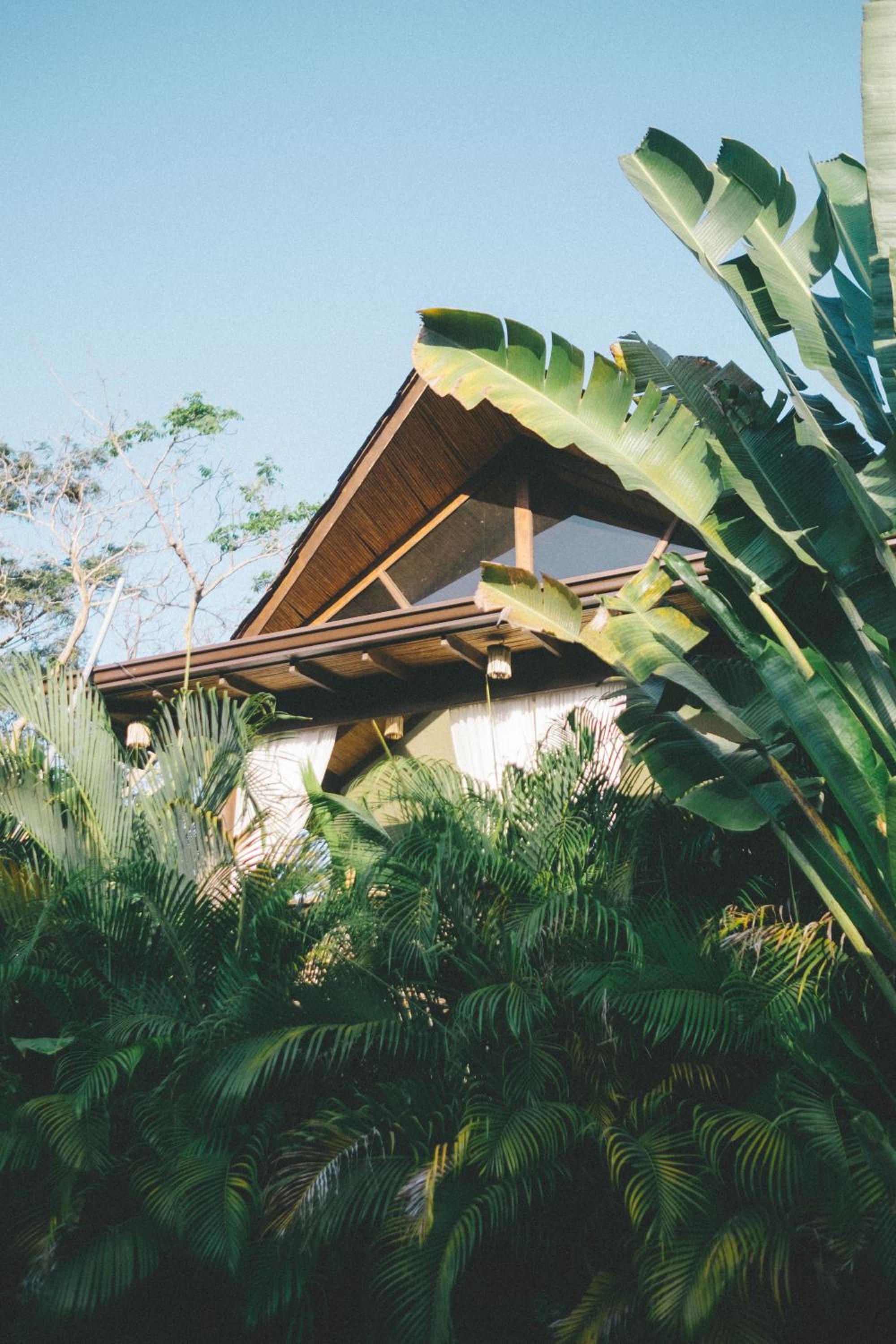
Bleiben Sie in Playa Santa Teresa, nur weg von der Hauptstraße, aber nicht weit weg, da der Hügel schnell beginnt: die meisten Restaurants, die Unterkunft und der Surfstrand sind auf dieser mittleren Strecke. Die meisten Menschen geben Santa Teresa 3 Nächte bei Stippl, und einer von sechs bleibt fünf oder länger. Buchen Sie die Trockenzeit, Dezember bis April, im Voraus.
Playa Santa Teresa
Surf-Hostels im Sand ab €18 pro Bett, und Boutique-Villen und kleine Hotels, €100 bis €300.
Playa Hermosa
Familien-Cabinas und neue Villen neben dem Anfänger-Surfen, €70 bis €200, der am schnellsten gebaute Teil der Stadt.
Playa Carmen
Guesthouses und Mittelklasse-Hotels am ruhigeren Ende, €60 bis €150, neben dem einzigen Geldautomaten.
Mal País
Langzeit-Villen, Campingplätze ab €12 und Hill-Hotels mit Infinity-Pools über der Bucht, €50 bis €250.


Was du in Santa Teresa essen solltest
Acai- oder Müsli-Bowls, die charakteristische Morgenmahlzeit der Stadt
Lokal gerösteter Kaffee
Ein rein vegetarisches Menü rund um die Surf- und Yoga-Szene
Pizza im italienischen Stil
Lässige italienische Gerichte aus einer Container-Food-Hall
Asian-inspirierte Gerichte
Ein Getränk im Sand bei Sonnenuntergang
Entdecke Food-Spots in Stippl
Finde Restaurants und Märkte auf der Karte, speichere sie in deiner Route, funktioniert auch offline.
Santa Teresa Bräuche und was man nicht tun sollte
Die Stadt läuft nach Surf-Zeit
Frühe Morgen im Wasser, eine Mittagsruhe und Sonnenuntergang am Strand; das Abendessen ist früh und die Straße ist um sieben dunkel, so dass der Abend dort ist, wo Sie sind.
Es ist eine internationale Stadt
Eine große Bevölkerung von Ausländern und Langzeitgästen prägt die Küche, die Preise und die Sprache, die Sie hören werden; das Tico-Dorf ist Cóbano, und usted gilt dort immer noch.
Wählen Sie Pferdeoperatoren mit Bedacht
Die Strandpferde reichen von gut gepflegt bis nicht; schauen Sie sich die Tiere an, bevor Sie bezahlen, und wählen Sie den Betreiber, der sie im Schatten spaziert und sie ruhen lässt.
Der Staub ist eine Tatsache des Lebens
Alle machen Witze darüber und die Straße überzieht alles; ein Tuch für die Kamera, Sonnenbrille am Motorrad, und das Hemd, das Sie auf der Straße tragen, ist nicht das Hemd zum Abendessen.
Tun
- Surfen bei Sonnenaufgang und Ruhe am Mittag
- Tanken Sie in Cóbano auf; es gibt keine Tankstelle in der Stadt
- Barmittel mitführen; der eine Geldautomat ist unzuverlässig
- Schauen Sie sich die Pferde an, bevor Sie eine Fahrt buchen
Lassen
- Schwimmen Sie dort, wo die Wellen gut sind; Playa Carmen hat Strömungen und Felsen
- Gehen Sie nicht allein spät nachts auf der unbeleucteten Straße
- Fahren Sie nicht ohne Sonnenbrille und Helm mit einem ATV
- Erwarten Sie kein Spanisch auf der Strecke; erwarten Sie es in Cóbano
Was eine Santa-Teresa-Reise kostet
Budget
€47–75
Schlafplatz oder günstige Unterkunft, legere Mahlzeiten neben der Hauptstraße, ein Fahrrad statt eines ATVs, eine bezahlte Aktivität jeden zweiten Tag.
Mittelklasse
€105–170
Surf-Town-Mittelklasse-Hotel, Restaurant-Abendessen, alle paar Tage eine Surflehrstunde, ein ATV.
Luxus
€300+
Boutique-Hotel oder Villa mit Pool, private Surflektionen und Yoga, täglich Restaurantbesuche.
Behalte im Blick, was du wirklich ausgibst
Lege pro Land ein Tagesbudget fest und erfasse Ausgaben in jeder Währung, während du reist.
Wissenswertes über Santa Teresa
Costa Ricas erstes Schutzgebiet ist am Ende dieser Straße. Cabo Blanco wurde 1963 gegründet, bevor das Nationalparksystem existierte, an der Spitze der Halbinsel hinter Mal País.
Santa Teresa ist die teuerste Stadt Costa Ricas. Vier Kilometer Lehmstraße ohne Tankstelle und ein Geldautomat, und die Preise eines europäischen Resorts.
Der Februar bringt 11 mm Regen und der Oktober 417 mm. Ein 38-facher Anstieg, der schärfste an der Pazifikküste, weshalb die Trockenzeit hier wirklich trocken ist.
Santa Teresa hat die längsten Aufenthalte Costa Ricas. Bei Stippl bleibt einer von sechs Reisenden fünf Nächte oder länger, gegen fast niemanden an den straffesten Zielen im Inland.
Santa Teresa ist kaum eine Costa-Rica-Reise überhaupt. Mehr als die Hälfte der Reisen, die sie enthalten, verlassen das Land, und einer von fünf beinhaltet auch Mexiko.
Der Streifen ist wirklich vier Strände hintereinander. Von Süd nach Nord Mal País, Playa Carmen, Playa Santa Teresa und Playa Hermosa, mit Playa Manzanillo weitere acht Kilometer weiter.
Lokale Tipps für Santa Teresa
Bodenfreiheit, kein 4x4
Die Straße ist teilweise die ganze Strecke hinein und durch die Stadt unbefestigt, daher ist Bodenfreiheit wichtiger als Allradantrieb. Tanken Sie in Cóbano auf: Santa Teresa hat keine Tankstelle.
Buchen Sie die Fähre im Voraus
Reservieren Sie die Überfahrt von Puntarenas nach Paquera vor der Abreise, etwa €25 mit Auto. Wenn Sie den Mietwagen noch nicht abgeholt haben, geben Sie Mietwagen in das Nummernschild-Feld ein und korrigieren es im Hafen.
Ein Fahrrad, kein ATV
Ein Fahrrad ist die vernünftige Art, entlang der Strecke zu fahren, etwa €8 pro Tag, und ein ATV kostet das Fünffache auf einer staubigen unbeleucteten Straße, die von Motorrädern belebt ist. Sonnenbrille auf jeden Fall.
Wie lange man bleiben sollte
Die meisten Menschen geben Santa Teresa 3 Nächte bei Stippl: eine Morgen Surflektionen, Montezuma-Wasserfall am nächsten, und jeden Abend Sonnenuntergang in Playa Carmen.
Surfstrände, nicht zum Schwimmen
Playa Carmen hat starke Strömungen und Felsen im Wasser, und die Strände sind allgemein zum Surfen. Achten Sie auf Seeigel in den Gezeitenpools.
Barmittel mitführen
Verlassen Sie sich nicht darauf, dass der eine Geldautomat funktioniert. Gehen Sie auch nicht allein spät nachts; die Straße nach Hause ist dunkel und die Stadt hat keine Straßenbeleuchtung.
Santa Teresa Fragen, beantwortet
Als Block an einem Ende statt als Stopp in der Mitte. Hierher zu kommen dauert sechs Stunden von San Jose, einschließlich der Puntarenas-Fähre, oder ein Kurzflug zu Cobano und eine halbstündige Fahrt. Reisende, die Santa Teresa auf Stippl planen, buchen etwa 65 Tage im Voraus. Geben Sie die Fährenzeiten in Stippl ein.
Mindestens drei Nächte. Reisende, die Santa Teresa auf Stippl planen, geben ihr 3 Nächte, und angesichts der langen Anreise lohnt sich weniger nicht für die Fähre. Die Stadt ist eine staubige Straße entlang des Strandes und wirkt langsam auf dich.
Es trägt 5,0% von allem, das in Costa Rica auf Stippl geplant wird, was viel für einen so schwer zu erreichenden Ort ist. Das ist, was eine sechsstündige Fahrt über eine Lehmstraße dir sagt: Menschen, die hierherkommen, haben etwas Spezifisches über die Welle, die Sonnenuntergänge oder das Essen gehört.
Nicht unbedingt, aber Bodenfreiheit hilft. Die Hauptstraße durch die Stadt ist unbefestigt und ist je nach Jahreszeit entweder Staub oder Spuren, und die Seitenwege bis zu den Hotels sind steiler als sie aussehen. Ein kleines Auto schafft es in den trockenen Monaten; in der Regenzeit nimm die Bodenfreiheit.
Das ganze Jahr, was ungewöhnlich ist. Dezember bis April ist kleiner und sauberer und eignet sich für Anfänger; Mai bis November ist größer und konstanter und eignet sich für alle anderen. Der Kompromiss ist Regen, und die nassen Monate sind auch, wenn die Stadt am leersten ist und die Raten fallen.
Ja, und es hat den Ruf, die teuerste Stadt in Costa Rica zu sein, was einiges bedeutet. Alles kommt per Fähre oder über eine Lehmstraße an, und die Menschenmenge, die es anzieht, kann es bezahlen. Essen Sie in den Sodas statt in den Strandclubs und es kommt auf etwas Vernünftiges zurück.
Jeder Guide wird von der Stippl-Redaktion geschrieben und mit den Reisen abgeglichen, die unsere Reisenden tatsächlich planen. Etwas veraltet entdeckt? Sag uns Bescheid.

Plane Santa Teresa in Stippl
Tagesplanung, Unterkünfte und Budget in einer App, mit jedem Ort aus diesem Reiseführer bereits auf der Karte.
App herunterladen