
Merida
Mérida is het centrum van de Yucataanse keuken, van de kokospitoven cochinita tot marktlunches, met gratis evenementen op het plein elke avond. Uxmal, de gele stad Izamal en de flamingo's van Celestún zijn elk een dagtrip waard.
Merida in het kort
Merida: wat je kunt verwachten
De onderstaande nummers zijn afkomstig van meer dan 133.000 geplande haltes in Mexico op Stippl, en de rest uit de gidsen die we controleren.
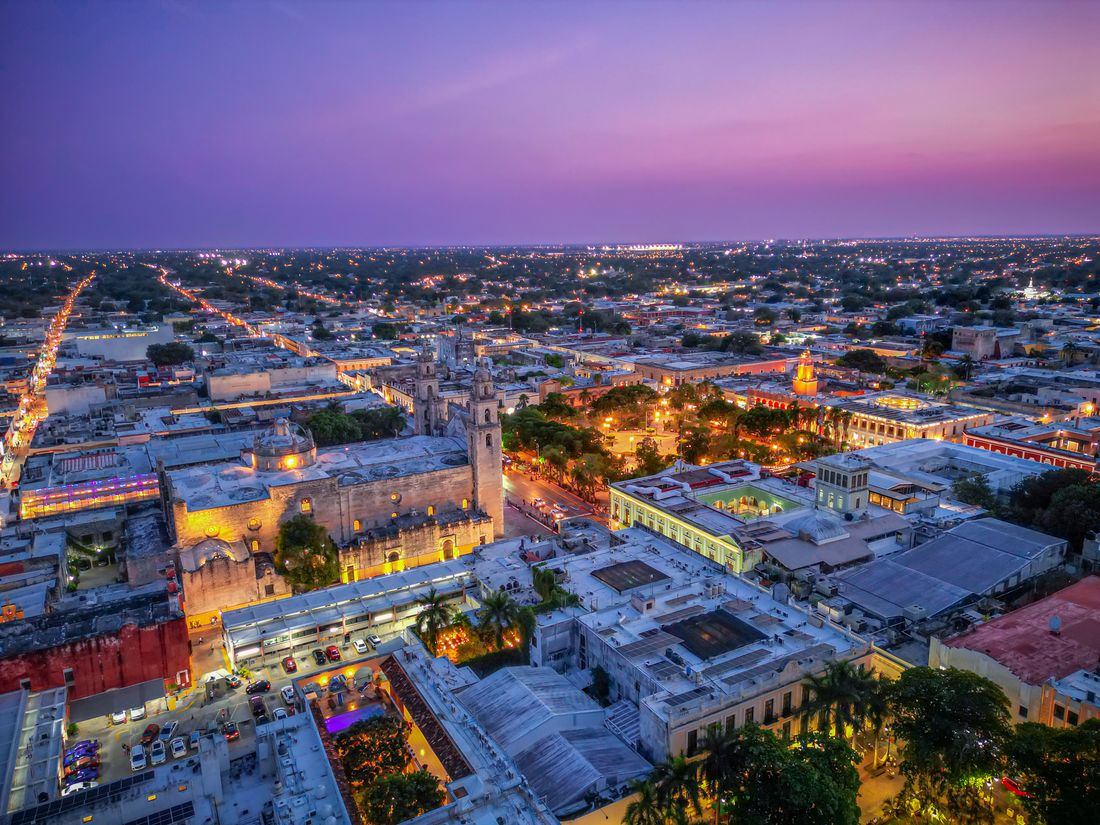
Mérida is de witte koloniale hoofdstad van Yucatán, en de dagtrip-ring is de helft van waarom je komt. Uxmal en de Puuc-route liggen een uur naar het zuiden, Izamals mosterdgele straten naar het oosten, Celestúns flamingo's naar het westen en de Cuzamá-cenotes langs oude plantagetreinsporen. De stad zelf voert elk avond een gratis cultuurprogramma uit op het plein, van Pok-ta-Pok onder schijnwerpers tot de Palacio-muurschilderingen, en het eten is het referentiepunt van het schiereiland: cochinita uit een kuilen oven en Lucas de Gálvez-markt op zijn meest overweldigend.
Mérida is voor volledigheidsjagers. Trips die het meenemen hebben meer Mexicaanse haltes dan enig ander bestemmingsplan, ongeveer anderhalf keer het nationale beeld, dus niemand vliegt alleen voor Mérida. Het is ook het scharnier tussen de twee Mexico's: elke strandbestemming in het land vermijdt Mexico-Stad en elke zuidelijke halte selecteert het overtollig, en Mérida is de enige plaats die de hoofdstad op precies het normale tarief draagt.
Twee nachten is wat de meeste reizigers eraan geven, en oktober is de maand die je wilt. Die piek wordt alleen gedeeld met Mexico-Stad en Oaxaca, wat het Día de Muertos-corridor is dat in de plannen verschijnt. Tussen april en juni is de hitte eerder een schemawijziger dan een klacht, dus bouw de middagen in rond schaduw, water en siesta-uren. Sla Mérida over als je voor een Caribisch strand bent gekomen, want Progreso is een locals strand en helemaal niet zoals een.
Plan Merida in Stippl
Planning per dag, verblijven en budget in één app, met elke plek uit deze gids al op de kaart.
Download de appVoor wie is Merida
Voedselperegrinaars
Yucateekse keuken's hoofdstad: de kuilen-ovencochinita maatstaf, marktkkraam lunches en taquerías op televisie.
Geschiedenis- en architectuurliefhebbers
Conquistador herenhuizen op Mayafunderingen, de haciendastrook en de Puuc-ruïnes binnen een dag.
Gezinnen
Veilig, kalm, plein-centrische avonden en cenote dagtochten met ondiepe uiteinden voor degenen die nog niet kunnen zwemmen.
Cultuuragendalezers
Gratis evenementen nachtelijk, Mérida Fest in januari, een van Mexico's grootste Carnavals en Hanal Pixán in november.
Volledigheidsjagers
Mérida is de stad waar de langste, volledigste Mexico itineraria op Stippl doorheen gaan, hoewel de meeste het 2 nachten geven.
Misschien niet voor jou: strand-eerste reizigers, omdat Progreso meer een locals strand is dan een Caribisch; warmtegevoelige bezoekers van april tot juni, wanneer 36° het schema verandert; en nachtleven zoeker, omdat avonden hier plazas en salsa zijn, niet clubs.
Het beste moment om Mérida te bezoeken
Het comfortabele half
Oktober tot maart
Het bezoekseizoen met warme dagen, koele nachten en de flamingo's van Celestún op hun hoogtepunt van november tot februari. Mérida Fest in januari en Carnaval in februari zijn de twee grote weken van de stad.
De oven
April tot juni
Hitte voorbij comfortabel voor de regens, en sightseeing wordt een sport voor alleen 's ochtends. De cenotes zijn het middagplan en de prijzen staan op hun laagst.
Nat seizoen
Juni tot oktober
Middagstormen, september de natste maand en het orkaanseizoen voor het hele schiereiland. De stad blijft draaien; het strand van Progreso loopt leeg.
- Oktober is de maand waarin de meeste reizigers Mérida ongeveer 78 dagen vooraf op Stippl plannen. 14,0% van Mérida-plannen worden binnen een twee weken gemaakt, en de hotelvoorraad van de stad leidt dat elke maand in; Hanal Pixán-week is de uitzondering.
- Hanal Pixán in begin november is de Yucataanse Día de Muertos. De altaren gaan op in de hele stad en de Paseo de las Ánimas vult de straten van de begraafplaats naar het centrum; het is eerst een familieobservantie en op de tweede plaats een spektakel.
- Plaza Grande heeft elk avond een gratis programma en Paseo de Montejo sluit zondag ochtenden voor auto's. Pok-ta-Pok-herscheppingen, muziek en lichtshows door de week; de Biciruta op zondag is de manier om de herenhuis te zien.
- De flamingo's van Celestún zijn een winterverschijnsel. De bootjes vanuit het dorp varen het hele jaar door, maar de vogels zijn in grote getale aanwezig van november tot februari en verdwenen als het regenseizoen aanbreekt; een zomerreis laat vooral mangrovebossen en enkele achterblijvers zien.
Voeg je data voor Merida toe en wij waarschuwen je voor het weer
Stippl laat het seizoen, de drukte en de prijzen zien voor elke stop op je route.
Beschrijf je reis en krijg in seconden een reisroute voor Merida
Alles in deze gids staat al in Stippl. Vertel de planner hoeveel tijd je hebt en wat je leuk vindt: hij bouwt de route, de dagen en de reistijden, en jij past aan wat je wilt.
Dingen om te doen in Mérida
 Photo by Ritchie Soto via Pexels
 Photo by David Hernandez via Pexels
Het gratis avondprogramma op de plaza
Kijk naar de Pok-ta-Pok ballgame onder schijnwerpers op zaterdagen, de muziek op andere nachten en de Palacio-muurschilderingen open tot 's avonds, allemaal gratis; de cultuur van Mérida is opzettelijk gratis. De vertrouwelijke stoelen zijn voor de mensenmenigte.
Uxmal vroeg
Neem het uur naar het zuiden naar het Puuc-meesterwerk bij opening, ongeveer €25, voor de afgeronde piramide van de Tovenaar en de beklimbare zijstructuren, zonder verkoopergauntlet en dschungelrust. De avondlichtshow is de andere slot.
Een marktdag-voedselcrawl
Eet op de Lucas de Gálvez markt op zijn overweldigendste best, cochinita op de Santa Ana-kramen en lechón waar de lijnen zijn, ongeveer €5 per bord. Ochtenden, en de zondagmarkt op het plein.
Izamal
Rijd een uur naar de gele stad, elke muur dezelfde mosterd, en het 1561-convent met zijn immense atrium, gratis. Een halve dag, en de locals zijn oprecht verrast je te zien.
De flamingo's van Celestún
Neem een lancha van het dorp negentig minuten westwaarts in de biosphere, ongeveer €20 per boot gedeeld, voor de flamingo's in duizendtallen van november tot februari, de mangrovtunnels en de zoetwater-bron. Vislunch op het strand erna.
De cenotes van Cuzamá
Rijd met de paardenkar langs de oude plantagerails naar drie wild verschillende doplaten, ongeveer €20 voor de kar, een halve dag puur Yucatán. Een uur oostwaarts, en ochtends.
De wijken van Merida
Centro
Plaza Grande, koloniaal hart
Het koloniale hart: de kathedraal, Casa de Montejo, de Palacio-muurschilderingen, gratis avondgebeurtenissen op het plein en beide ADO-terminals dicht bij. Voor eerste bezoeken; lawaaierig en druk.
Alles te voet, en de lawaai van het plein tot laat.
Santa Ana
Hippe café's, galerijen, goedkoopste bedden
De budget-trendy wijk net ten noorden: hippe café's, galerijen, straatkunst en de cochinita-kramen op de markt, met de goedkoopste bedden in de stad. Voor budgetreiziger's.
Het beste goedkope eten en de goedkoopste kamers, en tien minuten lopen naar het plein.
Santiago
Oude buurt, taqueria's, salsa
Een van de oudste buurten: een neoclassicaal-koloniale mix, weinig toeristen, de beste taqueria's van de stad en zaterdagavond salsa in het park. Voor gezinnen en lokale avondjes.
De taqueria's en het park, en een wandeling naar het plein.
Paseo de Montejo
Herenhuis boulevard, luxe
De Frans-stijl herenhuis boulevard: rustiger, luxe verblijven, herenhuis-musea en de ruggengraat van de zondagse fietsroute. Voor rust en architectuur; een lange wandeling van het plein.
De boulevard en de rust, en een taxi naar het centrum.
La Ermita
Rustig zuidelijk randje, lokaal
De rustige zuidelijke oude-stadrandom rond La Ermita en San Sebastián: veilig, lokaal en nog steeds loopafstand van het plein, met gastenhuizen in de oude huizen. Voor lange stays.
Een lokaal hoekje tegen lokale prijzen, en twintig minuten lopen naar het plein.
Bekijk elke wijk van Merida op één kaart
Bewaar de buurten die je leuk vindt en Stippl plant je dagen zodat je de stad niet twee keer doorkruist.
Waar te overnachten in Merida
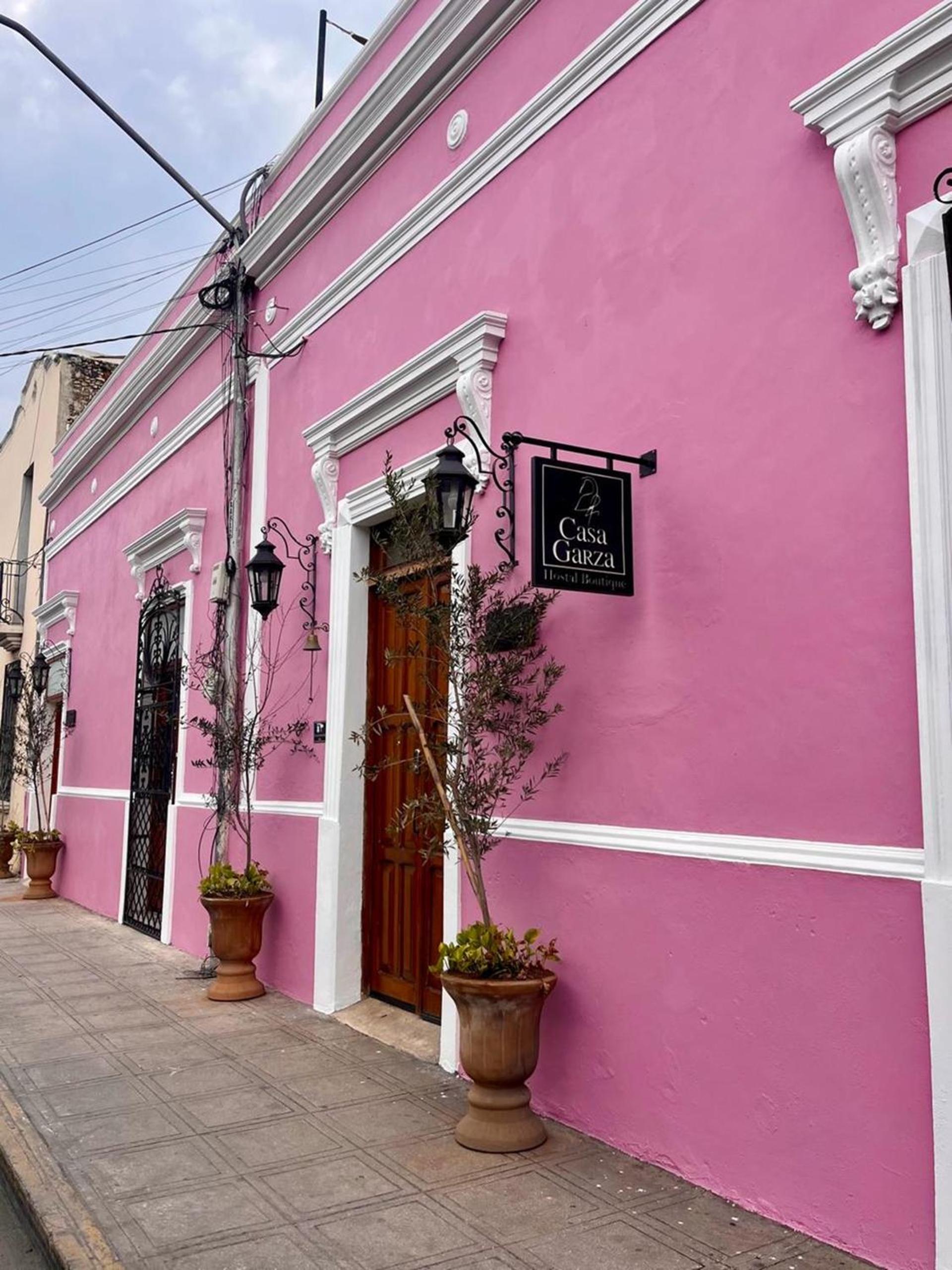
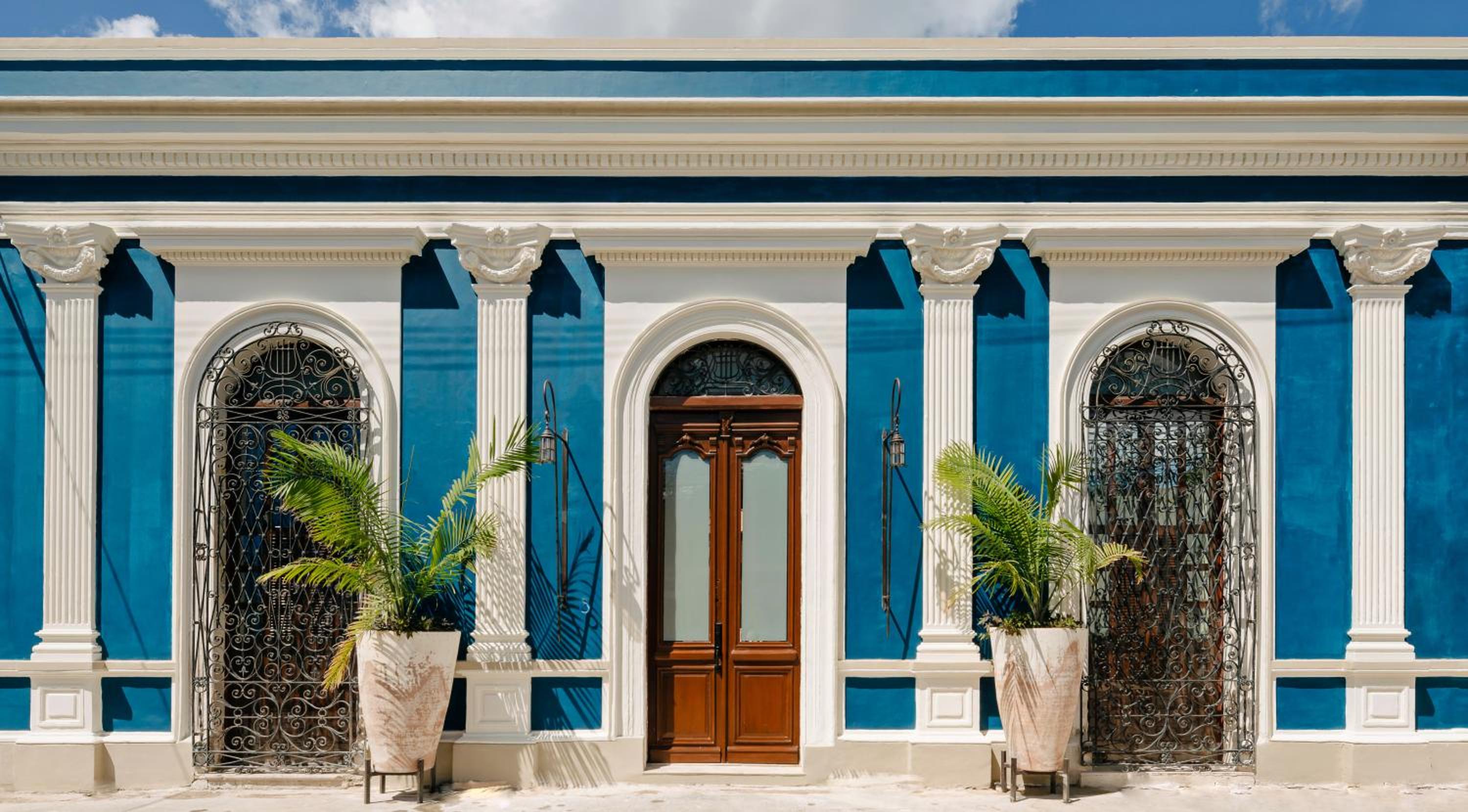
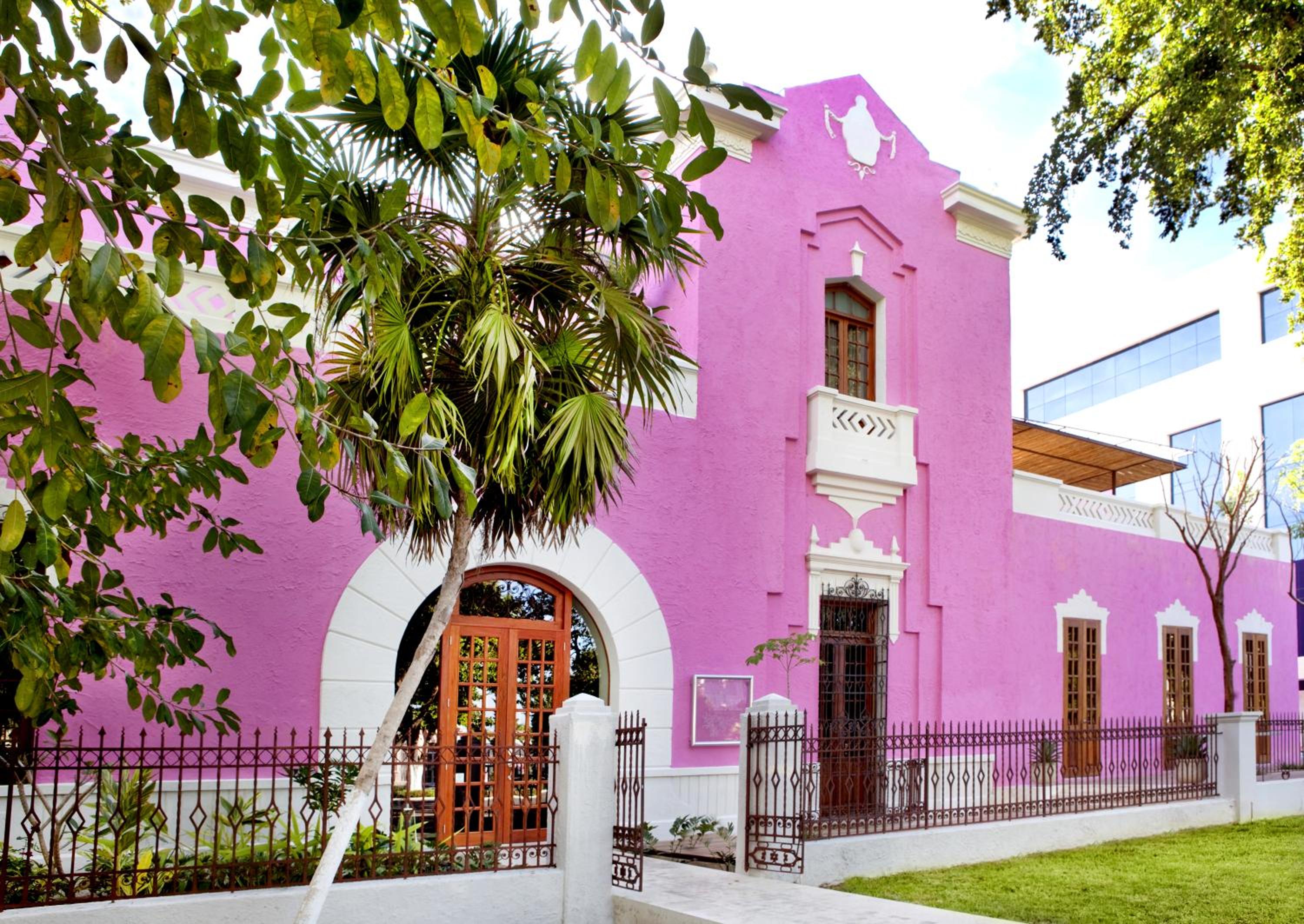
Blijf in Centro voor een eerste bezoek, in een gerenoveerd koloniaal huis met een patio en een onderdompelbad: het is de Meridavorm, en beide busterminals en de gratis avondgebeurtenissen op het plein zijn te voet. De meeste mensen geven Mérida 2 nachten op Stippl. Airconditioning en een zwembad zijn halfjaar functionele vereisten, geen luxe; check het aanbod voor beide.
Centro
Koloniale huizen met zwembaden gebruikt als boetiekhotels, €60 tot €150, en midrange-hotels dicht bij het plein, €40 tot €80.
Santa Ana
Hostels met tuinhangmatten en gratis ontbijt, €8,50 tot €16 per bed, en gastenhuizen €30 tot €60.
Santiago
Gezinsgastenhuizen en gehuorde koloniale huizen, €35 tot €80, met de taqueria's beneden.
Paseo de Montejo
Luxe hotels in de herenhuis en de ketens, €90 tot €200, en de hacienda-hotels buiten de stad vanaf €250.
La Ermita
Gastenhuizen in de oude huizen aan de rustige zuidelijke rand, €30 tot €70, nog steeds een wandeling naar het plein.


Wat je moet eten in Merida
achiote varkensvlees uit de ondergrondse kuilen oven
kalkoensoep met limoen, de Yucateekse voorgerecht
geroosterd varken in de oven, de taqueriacrop
gesmookt-chili zwarte kalkoen stoof
de gegrilde-tortilla straatcanon
de gerold-crêpe dessertkar
Ontdek eetadresjes in Stippl
Vind restaurants en markten op de kaart, bewaar ze in je reisroute, werkt ook offline.
Mérida-gebruiken en wat niet te doen
Maya-cultuur is het kader
Een stad met meerderheid Mayas met Yucatec Maya hoorbaar op de markten en het ballgame wekelijks opnieuw gespeeld op het plein; betrek het als hedendaagse cultuur, niet erfgoedtheater.
Kleed je voor kerk en hitte
De kathedraal is er een die gebruikt wordt en het is tegelijk heet; lichte katoen met bedekte schouders lost beide op, en de shorts blijven voor het zwembad.
Het plein is het contract
Avonden op de pleinen behoren toe aan gezinnen en de gratis concerten; doe mee op hun volume, en de zondag gesloten straten op Paseo de Montejo zijn voor fietsen en kinderwagens.
Koop van de coöperatieven
Ambachtswerkplaatsen met vaste prijs onder de Palacio-bogen verslaan de agressieve showrooms op de uitrit; de hangmat die je in een hotellobby wordt getoond kost het dubbele.
Wel doen
- Zet elke dag voorop: sights om acht uur, siësta om twee uur
- Boek airconditioning en een zwembad van april tot september
- Neem de gratis ochtendwandeling en geef de gids een fooi
- Draag kleine contanten met je mee; parkeerterreinen en marktstealls zijn contant-only
Niet doen
- Plan Chichén Itzá van hieruit; Valladolid is de betere basis
- Eet op de plein voorerven; loop twee blokken
- Plan Celestún buiten november tot februari verwachtend de ansichtkaartenflotaties
- Onderschat mei niet; zesendertig graden herorganiseert een dag
Wat een trip naar Mérida kost
Budget
€26–43
Slaapzaal (€8,50–16), marktmaaltijden, gratis plaincultuur, een colectivo-dagtrip.
Middenklas
€60–105
Koloniaal-zwembad tweepersoon (€39–82), restaurantdiners, een auto-dagtrip.
Luxe
€130–260
Gerenoveerde hacienda vijfsterren (ongeveer €270).
Houd bij wat je echt uitgeeft
Stel per land een dagbudget in en log uitgaven in elke valuta terwijl je reist.
Leuke weetjes over Merida
De vertrouwelijke stoelen op het Plaza Grande zijn uit 1915. De gepaarde witte S-zitjes werden, het verhaal gaat, uitgevonden zodat stelletjes gezond te praten zonder elkaar aan te raken.
De pier van Progreso loopt ongeveer 6,5 km de Golf in, de langste ter wereld. De ondiepe zeebodem dwong de haven zo ver weg, en de cruiseschepen leggen aan het einde ervan aan, een half uur ten noorden van Mérida.
Izamal is in één tint geel geschilderd, convent inbegrepen. De hele stad ten oosten van Mérida werd in 1993 voor een pauselijk bezoek opnieuw geschilderd en heeft de kleur sindsdien behouden.
De herenhuis van Mérida waren gebouwd op sisal. Het groene goud van de henequén-boom betaalde voor de Paseo de Montejo, en de ruïnes van hacienda's rond de stad zijn het fossielen van die boom.
Ongeveer 60% van de inwoners van Mérida is van Mayaafkomst. De cultuur komt naar voren in het eten, de wekelijkse ballgame-herscheppingen en de marktstealls in plaats van in museumkasten.
Mérida hoort bij de completisten op Stippl. De reizen ervan bevatten meer Mexicaanse stops dan enig ander doel's, en Campeche is er naar gepland drie en een half keer vaker dan het toeval voorspelt.
Lokale tips voor Merida
Ken de busstation-kaart
Eersteklas ADO CAME en tweedeklas TAME aan de overkant van de straat, TAME voor Uxmal en Campeche, Noreste voor Celestún en Izamal, Auto Progreso twee blokken zuid voor het strand. Chichén Itzá is ongeveer €12 op ADO.
Uber 's nachts, loop overdag
Het centrum loopt en Uber is 's nachts goedkoop. Het autorijden in de Yucatán is gemakkelijk; het autorijden in Mérida is een parkeerzoektocht waar de grotere auto voorbij gaat, dus gebruik de bewakte geldterreinen.
Hoelang je moet blijven
De meeste mensen geven Mérida 2 nachten op Stippl: het centro en een museumdag, Uxmal of een cenote-circuit de volgende dag. Zondag sluit Paseo de Montejo voor auto's voor de fietsrit.
Siësta is de veiligheidsregel
Maanden boven de vijfendertig graden maken dehydratatie en hitteberoerte het werkelijke risico van de stad. Sights voor elf uur, binnenshuis van één tot vier uur, en de pleinen van zes uur.
Onder Mexicoś veiligste steden
Mensen lopen hier 's nachts en het straatleven is overal. De gebruikelijke basislijn blijft van toepassing: zakkenrollers in pleinmenigten en Uber in plaats van laat thuis lopen.
Geen nachtrijden
Plattelandswegen zijn goed overdag; na het donker zijn de topes, de snelheidsdrempels, ongemarkeerd en is de fauna buiten. Boek laat-zomer verblijven terugbetaalbaar; orkaanseizoen is van toepassing op het hele schiereiland.
Mérida-vragen, beantwoord
Aan het westelijke einde van de lus, en als dagtrip-basis. Oktober is de drukste maand in de Merida-haltes gepland op Stippl, wat is wanneer de hitte eindelijk is gebroken. Voeg Uxmal, Izamal en Celestún toe als dagtochten en laat de stad de avonden hebben.
Twee nachten voor de stad zelf. Reizigers die Merida op Stippl plannen geven het 2 nachten, wat de Paseo de Montejo, het plein op een weekeindavond en twee zeer goede maaltijden dekt. Voeg alleen avonden toe als je het als dagtrip-basis gebruikt.
Het werkt beide kanten op, en een kwart van de bezoeken is de korte versie: 25,1% van de geplande Mérida-stops op Stippl zijn één nacht. De stad op zichzelf is een plaats voor twee nachten. Als uitvalbasis voor Uxmal, Celestún en Izamal rechtvaardigt het gemakkelijk vier nachten.
Nee. Mérida wordt gepromoot als uitvalbasis ervoor en het ligt twee uur verweg, wat betekent dat je met de touringcars aankomt in plaats van ervoor. Valladolid, veertig minuten vanaf de poort, is de juiste basis, en Mérida's eigen stadshandleiding zegt hetzelfde. Doe Uxmal van hier: beter en rustiger.
April tot juni, tenzij je echt van dertig graden zonder zeebriesje houdt. De stad ligt binnenlands en houdt de warmte vast. Oktober tot maart is Mérida op zijn best, en november brengt Hanal Pixan, Yucatáns Dag van de Doden, en flamingo's naar Celestún.
Twee blokken uit elke plaza in plaats van erop. De kramen op Santa Ana voor cochinita pibil 's ochtends, de taquería's rond Santiago voor lechón, en Mercado 60 's avonds. Eet lunch vroeg: de bekende plekken zijn uitverkocht en dicht in de vroege middag.
Elke gids is geschreven door de Stippl-redactie en getoetst aan de reizen die onze reizigers echt plannen. Iets verouderds gezien? Laat het ons weten.
Plan Merida in Stippl
Planning per dag, verblijven en budget in één app, met elke plek uit deze gids al op de kaart.
Download de app