
Sigiriya
Sigiriya is the site every Sri Lanka itinerary is built around, 1,200 steps up a rock to a palace with a pool on top, and the base for the whole cultural triangle. Pidurangala opposite gives the view of it.
Sigiriya en pocas palabras
Sigiriya: qué esperar
This is what 253,000+ planned stops in Sri Lanka on Stippl say about Sigiriya.
Sigiriya is a granite plug standing two hundred metres out of flat dry-zone jungle, with a fifth-century royal citadel on top of it. King Kassapa built it after taking the throne from his father. The site is a sequence rather than a summit: water gardens and moats, then boulder gardens, then the frescoes up a caged spiral stair, then the mirror wall carrying graffiti a thousand years old, then the lion's paws and the last climb. Pidurangala, a kilometre and a half north, is where you stand to look at it.
Nowhere else on the island do travellers commit to sleeping the way they do here. Under three stops in a hundred here carry no night, against one in ten across the country, and even the shorter quarter of stays runs two nights, which is true of nowhere else on the loop. Dambulla, twenty kilometres away and sold as the same day out, is not a pair with it: people log the rock they slept under.
Climb at first light, and stay 2 nights so that you can. The heat and the crowds both arrive by nine, and the whole site takes two to three hours. Dambulla's cave temples and Polonnaruwa's ruined capital fill the second day, and the elephant gathering at Minneriya and Kaudulla runs through the back half of the year. Skip the climb if you have vertigo, because the fresco stair is an enclosed spiral and it usually has a queue on it.
Planifica Sigiriya en Stippl
Planificación día a día, alojamientos y presupuesto en una sola app, con cada lugar de esta guía ya en el mapa.
Descargar la appPara quién es Sigiriya
First-timers and historians
Sigiriya is the single site every Sri Lanka itinerary is built around, and most people give it 2 nights.
Cultural-triangle travellers
Polonnaruwa, Anuradhapura and Dambulla are all inside 90 minutes, so Sigiriya is the base for the whole triangle.
Families
The climb of 1,200 steps in the heat is real and the spiral stair is enclosed, so it works with older children and not with toddlers.
Wildlife travellers
The Minneriya and Kaudulla elephant gathering in the second half of the year is a short drive away.
Puede que no sea para ti: anyone with vertigo, since the frescoes stair is a caged spiral often with a queue on it; and anyone expecting the rock to be cheap, because Sigiriya alone is €30 while Pidurangala next door is a tenth of that.
El mejor momento para visitar Sigiriya
The peak
Enero a marzo
Dry, cooler, and the busiest the site gets.
The hot inter-monsoon
Abril y mayo
Thirty-five degrees and the first rain: the least comfortable climb of the year.
The dry-zone summer
Junio a agosto
The driest months and the elephant gathering. Hot, clear and quieter than January.
The second inter-monsoon
Octubre a diciembre
The wet half, with November the wettest month of the year.
- La concentración de elefantes es una temporada, no un festival. Cientos de elefantes se concentran en Minneriya desde alrededor de julio hasta octubre y se trasladan a Kaudulla desde septiembre; los operadores cambian de parque, así que reserva el safari por mes, no por parque.
- Sigiriya se planifica unos 69 días antes en Stippl, y el 14,3% de sus planes se hacen en menos de una quincena. Es el sitio alrededor del cual se construye cada ruta de Sri Lanka, así que se fija temprano.
- La subida es un plan a primera luz en cada temporada, y en abril y mayo es el único plan. Mil doscientos escalones, poca sombra y el calor a las nueve; las puertas abren a las siete y los autobuses llegan a las nueve.
- Los globos aerostáticos de Sigiriya vuelan un turno de amanecer de noviembre a abril. Un único lanzamiento alrededor de las seis sobre la roca y el país de los tanques; fuera de esos meses el viento los descarta.
Añade tus fechas para Sigiriya y te avisamos del tiempo
Stippl muestra la temporada, la afluencia y los precios de cada parada de tu ruta.
Describe tu viaje y obtén un itinerario de Sigiriya en segundos
Todo lo de esta guía ya está en Stippl. Dile al planificador cuánto tiempo tienes y qué te gusta: construye la ruta, los días y los tiempos de viaje, y tú editas lo que quieras.
Cosas que hacer en Sigiriya
 Photo by Oliver Frsh via Unsplash
 Photo by Chathura Anuradha Subasinghe via Unsplash
Roca Sigiriya
Sube unos 1.200 escalones, cuarenta y cinco minutos hacia arriba, y dedica de dos a tres horas para todo el sitio con los jardines acuáticos, los frescos y el muro de espejo, unos €30. Estar en la puerta a las siete; los escalones están bajo el sol lleno a las nueve.
Roca Pidurangala
Sube de veinte a treinta minutos con una trepada por rocas en la cima para la vista de Sigiriya que la propia roca no puede darte, unos €1. El amanecer es lo importante; la puesta de sol también funciona.
Los frescos
Sube por la escalera de caracol enrejada hasta los diecinueve cuadros supervivientes de las doncellas de Sigiriya a mitad de la roca, incluidos en la entrada. Sin fotografía, y el guardia lo dice en serio.
Templos cueva de Dambulla
Conduce media hora hasta las cinco cuevas con imágenes de Buda y techos pintados bajo el saliente de granito, unos €5. Hombros y rodillas cubiertos, zapatos quitados, y la subida desde la carretera son veinte minutos.
Un safari en Minneriya o Kaudulla
Toma el jeep de la tarde hacia la concentración de elefantes, en Minneriya de julio a octubre y Kaudulla desde septiembre, unos €40 por el jeep más la tarifa del parque. Los operadores siguen a la manada entre los dos parques.
Polonnaruwa
Conduce ochenta minutos hasta la capital medieval en ruinas y pedalea entre los templos y los Budas gigantes de Gal Vihara, unos €25 de entrada. El segundo sitio estándar de un día del triángulo cultural, y mejor en bici que en coche.
Los barrios de Sigiriya
Sigiriya village
At the foot of the rock
The road at the foot of the rock: guesthouses, homestays, a few resorts and the lake, a walk or a cycle from the entrance. For first visits and budget travellers who want the rock at opening.
The gate on foot at dawn, and a village that closes early.
Habarana
Junction town, nature lodges
Fifteen kilometres north, a junction town with the area's nature lodges and the departure point for the Minneriya safaris. For families and for a lodge with a pool between the sights.
The lodges and the safaris, and a drive to the rock.
Dambulla
Cave temples, cheapest beds
Twenty kilometres south-west: the cheapest beds in the area and the cave temples on the hill, with the bus station for everywhere. For budget travellers and for the buses.
The caves and the buses, and a town rather than a village.
Kandalama
Reservoir, architectural resorts
The reservoir east of Dambulla, where the big architectural resorts sit in the forest above the water. For a splurge and for the view from the pool.
The best resorts in the region, and a car for everything else.
Consulta todos los barrios de Sigiriya en un solo mapa
Guarda las zonas que te gusten y Stippl organiza tus días para que no cruces la ciudad dos veces.
Dónde alojarse en Sigiriya
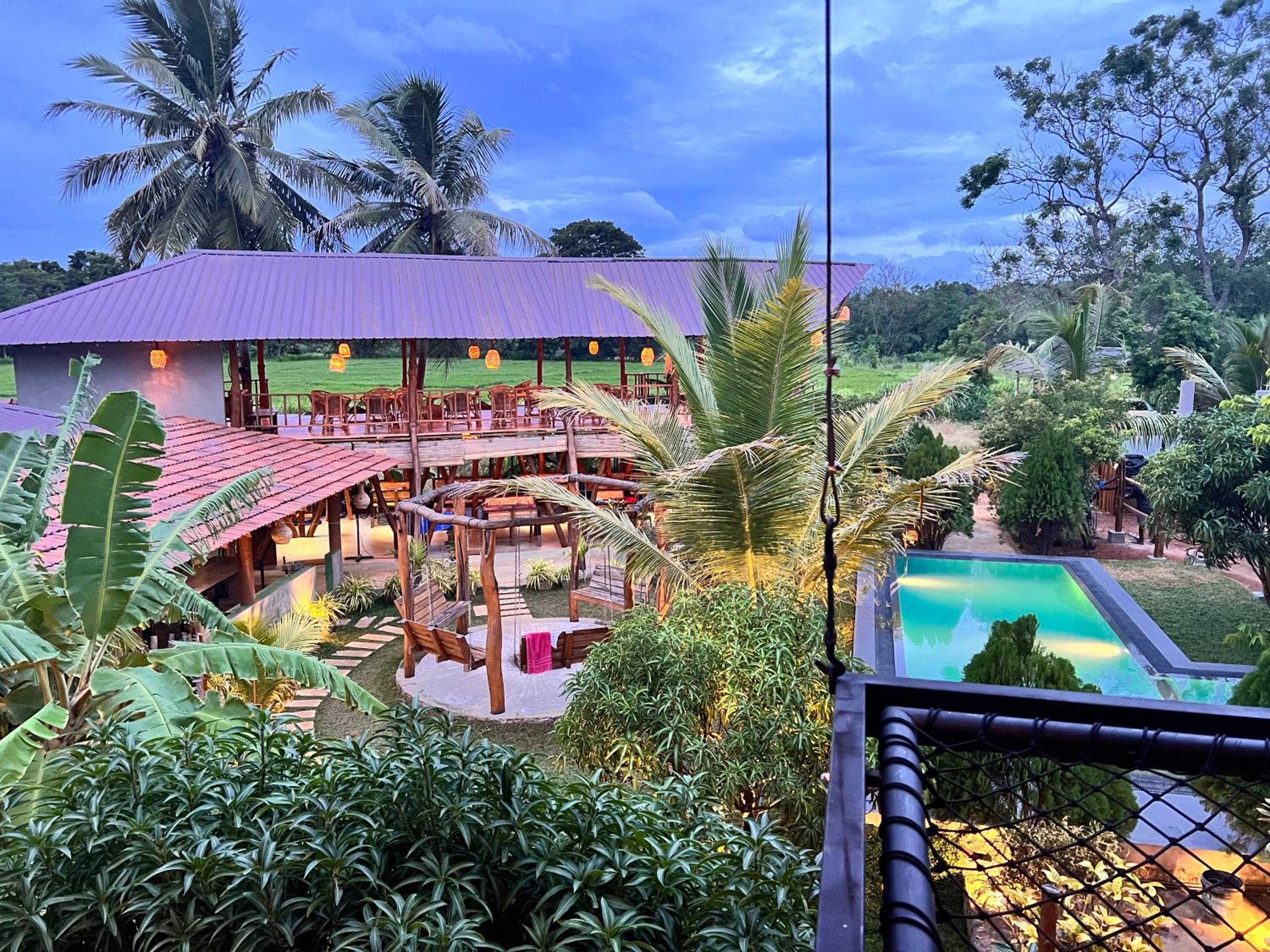
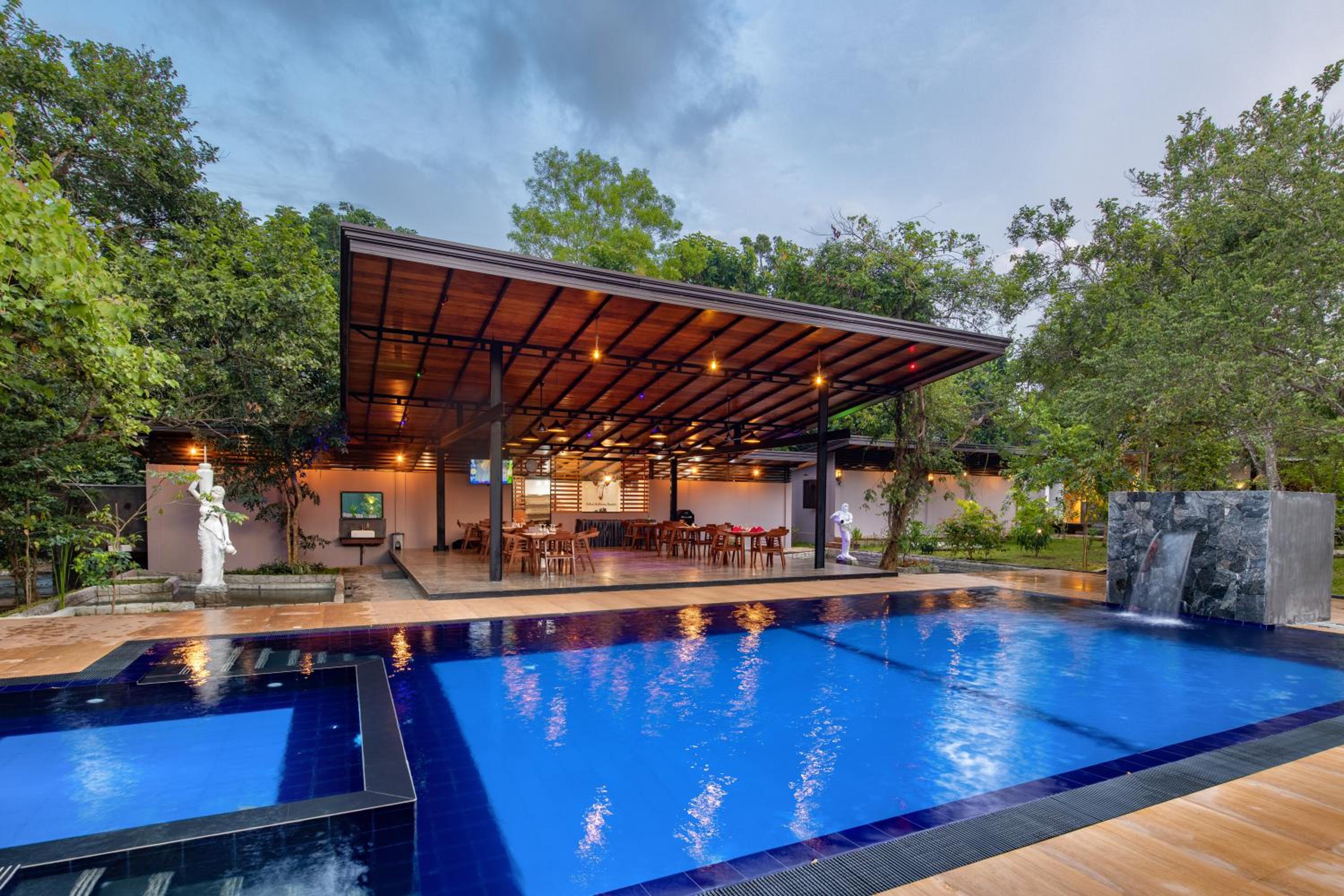
Alójate en el pueblo de Sigiriya si quieres ser el primero en subir la roca: las casas de huéspedes y pensiones a su pie están a un paseo o un viaje en bicicleta de la entrada. Un hotel aquí cuesta unos €94,02 por noche en lo que los viajeros registran, aunque el pueblo está muy por debajo. Reserva dos noches, una para la roca al amanecer y otra para Pidurangala y un safari en Minneriya.
Pueblo de Sigiriya
Casas de huéspedes familiares y de familia con bicicletas, €15 a €45, y algunos pequeños resorts junto al lago desde €70.
Habarana
Albergues de naturaleza y hoteles de safari alrededor de la encrucijada, €80 a €200, con los jeeps de Minneriya a la puerta.
Dambulla
Albergues y habitaciones más baratas de la zona, dormitorios €6 a €10 y dobles €15 a €35, a veinte kilómetros de la roca.
Kandalama
Los grandes resorts arquitectónicos en el bosque sobre el embalse, desde €200, y la piscina con la vista.


Qué comer en Sigiriya
Rice with a spread of vegetable, lentil and meat curries
Chopped flatbread stir-fried with egg and vegetables
Sour dry fish curry with goraka
Buffalo curd with kithul palm syrup
Descubre sitios para comer en Stippl
Encuentra restaurantes y mercados en el mapa, guárdalos en tu itinerario, también funciona sin conexión.
Costumbres de Sigiriya y qué no hacer
Sin código de vestimenta en la roca
Sigiriya es un sitio real, no religioso, y no hay normas de vestimenta; sorprende a los que llegan desde Dambulla, y la subida es calurosa, así que vístete para ello.
Dambulla es lo opuesto
Los templos cueva requieren hombros y rodillas cubiertos, quitarse los zapatos al pie de los escalones y una tarifa de cuidado de zapatos; los monos en el camino se llevan cualquier cosa suelta.
Sin fotos en los frescos
La norma es aplicada por un asistente en las escaleras de caracol, y el flash ha dañado la pintura; mira, y compra la postal en el museo.
Las guías en la puerta son opcionales
El sitio está lo suficientemente señalizado para hacerlo solo y los hombres en la entrada no son obligatorios; una guía licenciada vale la pena, unos €10, si quieres la historia.
Sí
- Comienza a la hora de apertura, o toma la franja de última hora de la tarde
- Lleva un litro de agua por persona; los puestos cerca de la cima son poco fiables
- Reserva actividades directamente con la familia u operador que las gestiona
No
- No camines por la carretera de Pidurangala en la oscuridad; coge un tuk-tuk
- Fotografía los frescos
- Asume que tu entrada incluye el museo; comprueba qué combinación compraste
Lo que cuesta un viaje a Sigiriya
Controla lo que gastas de verdad
Fija un presupuesto diario por país y registra gastos en cualquier moneda mientras viajas.
Curiosidades sobre Sigiriya
The mirror wall carries graffiti from over a thousand years ago. Early visitors scratched verses praising the paintings into the polished plaster, and their lines are read alongside the modern scratching that spoiled them.
King Kassapa built a swimming pool on the summit. The cut cistern is still there on the palace terrace, 200 metres above the plain, fed by rainwater the engineers channelled up.
Monks were moved off the rock to make room for the palace. They went to Pidurangala, which is how the cheaper rock next door got its temple and its sunrise crowd.
Sigiriya was a capital for only eighteen years. Kassapa built it between about 477 and 495 AD after taking the throne from his father; his half-brother came back for it and won.
Solo sobreviven 19 de los frescos. Las pinturas murales de mujeres se alcanzan por una escalera de caracol enrejada, la fotografía está prohibida, y en su día cubrieron toda la cara occidental de la roca.
Pidurangala se comporta como un amanecer y no como una estancia. En Stippl la mayoría de sus paradas planeadas no tienen noche en absoluto, a diferencia de Sigiriya, donde la gente duerme para subir temprano.
Consejos locales para Sigiriya
Todo pasa por Dambulla
Sea como sea que llegues, Dambulla es el intercambiador de autobuses y la cama más barata; el pueblo de Sigiriya está veinte minutos más adelante en tuk-tuk por unos €5. Los templos cueva están en el camino.
Un conductor para el día
Los sitios del triángulo cultural están de veinte a setenta kilómetros de distancia sin transporte público útil; un conductor para el día cuesta unos €40 y es el arreglo normal. Polonnaruwa y Dambulla en un día.
Un tuk-tuk a la puerta antes del amanecer
Las pensiones lo organizan, unos €3, y es la única forma práctica de estar en la taquilla cuando abre. Los elefantes salvajes usan las carreteras de noche; no la camines.
Cuánto tiempo quedarse
La mayoría da a Sigiriya 2 noches en Stippl: la roca una mañana, Pidurangala el amanecer siguiente, y un safari en Minneriya en medio. Es el centro del triángulo.
Las avispas son el peligro real
Hay señales de advertencia, cabañas de refugio en las escaleras y días en que los guardias mantienen a los visitantes abajo. Sé tranquilo en la subida y no corras si avanzan; entra en una cabaña.
Sube antes de las nueve
La roca no tiene sombra, las escaleras son de metal y piedra, y la mitad del día no es viable. La escalera de caracol a los frescos está cerrada y con cola; un problema para los que tienen vértigo.
Preguntas sobre Sigiriya, respondidas
Start at first light, because the stairs are exposed and the rock bakes by nine. Sigiriya carries 7.67% of everything planned in Sri Lanka on Stippl, so expect company. Put Pidurangala into Stippl for the following morning rather than the same one: both want a sunrise, and you only get one a day.
Two nights. Travellers planning Sigiriya on Stippl give it 2 nights, and even the shorter visits rarely drop below it. One night is enough for the rock and nothing else; two gives you Pidurangala at sunrise and the Dambulla caves as well.
Roughly 21.44% of the Sigiriya stops on Stippl stop at one night, and it means climbing on your arrival or your departure day. Both rocks want a dawn start and you cannot do that twice in one night. The cultural triangle repays a second night more than most stops here.
Both, if you have a morning each. Forced to choose: Sigiriya for the ruins on top, the frescoes and the water gardens; Pidurangala for the view of Lion Rock itself, at a fraction of the ticket price. The photograph you have in your head was taken from Pidurangala.
Twelve hundred steps or so, on maintained staircases with handrails, and nothing about it is technical. What makes it hard is the heat, the exposure and the queue on the narrow spiral up to the frescoes. Anyone reasonably fit manages it. Nobody enjoys doing it at midday.
Yes for the cave temples, which hold the best painted interiors on the island, but treat it as its own stop rather than an add-on. It is a steep climb to the caves in full sun and it deserves a morning of its own. Fewer people combine the two than the guidebooks assume.
Cada guía la escribe la redacción de Stippl y se contrasta con los viajes que nuestros viajeros planean de verdad. ¿Has visto algo desactualizado? Cuéntanoslo.

Planifica Sigiriya en Stippl
Planificación día a día, alojamientos y presupuesto en una sola app, con cada lugar de esta guía ya en el mapa.
Descargar la app