

Sapa
Sapa is a valley walk that ends in a family's house for the night, the most recommended thing here and among the cheapest. A cable car puts Indochina's highest point inside a morning.
Sapa in a nutshell
Sapa: what to expect
788,000+ stops in Vietnam have been planned on Stippl. Here is what they say about Sapa.
Sapa is a base for the valleys below it, not a town you spend your days in. Sapa is a former French hill station at 1,500 metres where almost nothing in the town itself is old. The walk down to Ta Van through Lao Chai takes half a day on valley paths and ends at a family homestay, and that walk is the destination rather than an excursion from it. Fansipan is twenty minutes up by cable car, Bac Ha market runs on Sunday mornings, and a Red Dao herbal bath at Ta Phin is what the legs want afterwards.
Two nights or three, and the second night decides which trip you had. 33.6% of stays run two nights and 32.2% run three, an even split no other Vietnamese destination has. Two keeps you in town. Three buys the night in the valley, which is the part people remember.
Getting there is the part people underestimate. Sapa has no airport and no station, so it is six hours by bus from Hanoi or a night train to Lao Cai plus an hour up the hill. Mist is the normal condition rather than the exception and it can sit for days, so if you need the view guaranteed, this is a gamble. Ask who your guide works for before you book: in Sapa that is the live question, and the answer decides where your money lands.
Plan Sapa in Stippl
Day-by-day planning, stays and budget in one app, with every place from this guide already on the map.
Download the appWho Sapa is for
Walkers, at any level
The standard Lao Chai to Ta Van route is 9 to 12 km on valley paths over four or five hours, and mud after rain is the gradient.
Anyone wanting a homestay
A night with a family is the single most recommended thing here and it is cheap.
Anyone with two nights
Most people give Sapa 2 nights, which is enough for the valley walk and the mountain.
Photographers, briefly
Golden terraces run roughly mid-September to late October, and the date moves year to year.
Summit-seekers, no climb
The cable car is the reason Fansipan is on ordinary itineraries at all, and it puts Indochina's highest point inside a morning.
Maybe not for you: people who need sun, since Sapa averages four sunshine hours a day and the mist can sit for days; anyone coming December to February, unless the cold is the point; and anyone who wants the town itself to be charming, because it is not.
The best time to visit Sapa
Harvest
September to November
The gold, then the cut fields, with the rain falling away month by month. The best window of the year.
Spring
March to May
Warming, the year's best sunshine in March and April, blossom, then the flooded planting terraces in May.
Monsoon
June to August
The greenest terraces, the muddiest trails and landslide risk on the passes, with rain on most days.
Cold and dry
December to February
Fog, frost and bare terraces: the least rain and the least reason to come. Nine to eleven degrees, and the hotels are unheated.
- The terraces are planted in May, green through September and bare from December to February. A winter visit misses the whole point of the place; September is when the photographs are taken.
- January is the month most travellers plan Sapa for on Stippl, about 66 days ahead, and it is the wrong month. 20.3% of plans are made inside a fortnight, so a switch to autumn costs nothing but the decision.
- Bac Ha market runs every Sunday from six to two, two and a half hours east, and the trip only works if a Sunday is in the plan. It is the one market most itineraries include; Coc Ly on Tuesdays is smaller and almost without foreign visitors.
- Tet in late January or February empties the valleys and fills the transport. It lands inside Sapa's worst weather anyway, so it is a reason to be elsewhere, not a reason to change the month.
Add your Sapa dates and we'll flag the weather
Stippl shows the season, crowds and prices for every stop on your route.
Describe your trip, get a Sapa itinerary in seconds
Everything in this guide is already in Stippl. Tell the planner how long you have and what you like: it builds the route, the days and the travel times, and you edit whatever you want.
Things to do in Sapa
 Photo by Vivu Vietnam via Unsplash
 Photo by Jack Young via Unsplash
Walking down to Ta Van
Walk nine to twelve kilometres through Lao Chai on the valley paths, three and a half to five and a half hours, to a family homestay in Ta Van. This is the destination; about €30 with the guide, dinner and the night.
The Fansipan cable car
Ride twenty minutes through cloud to 3,143 metres, then climb six hundred steps or take the funicular to the summit temple and the giant Buddha, about €30. Clear days are a minority; go on the first clear morning you get.
The O Quy Ho pass by scooter
Ride twenty minutes west to the 1,900-metre pass with the Silver Waterfall beside the road and the Love Waterfall a thirty-minute walk in. A scooter for the day is about €6, and the cloud comes up the valley by two.
Bac Ha market on a Sunday
Take the two and a half hours east on a Sunday morning for livestock, textiles and the region's minority groups trading rather than performing. Sundays only; the shared tours leave at six.
A Red Dao herbal bath
Soak in a wooden tub of valley herbs after a day of walking, in the village of Ta Phin thirty minutes out, for about €5. Twenty minutes is the advice; longer and the herbs make you dizzy.
The night market on N1 Street
Walk the market from four until ten, busiest at weekends, and buy the warm clothes you did not pack. Grilled skewers and sweet potatoes from the stalls for a euro or two.
The neighbourhoods of Sapa
Sapa town
Hill station, church, night market
The core around the lake and the stone church: hotels at every price, tour offices, the night market, restaurants and massage places, and where every day trek starts. For a first night and anyone without a homestay booked.
Everything on foot and every trek's start, and the concrete and the crowds.
Muong Hoa valley
Terraces, homestays, family dinners
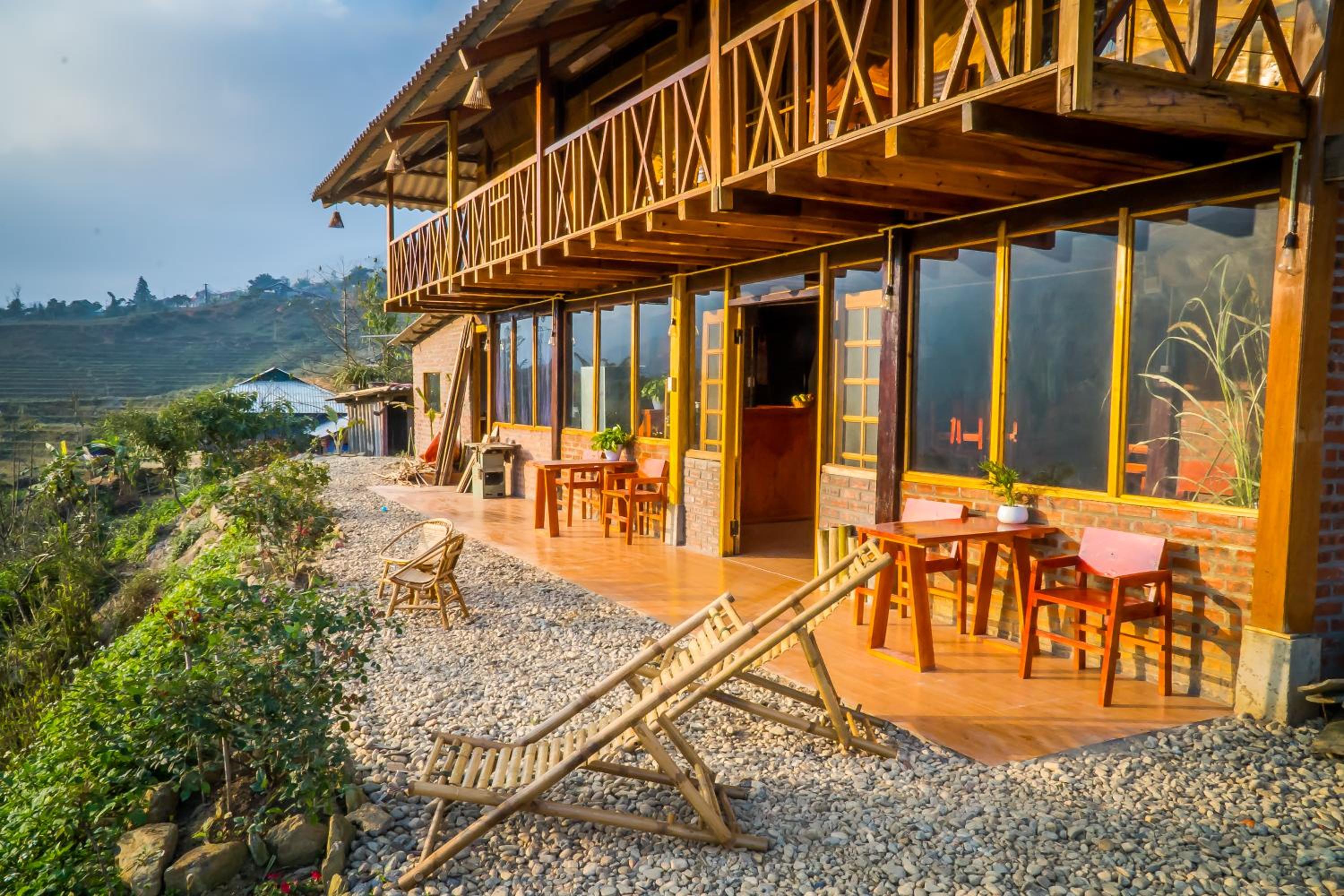
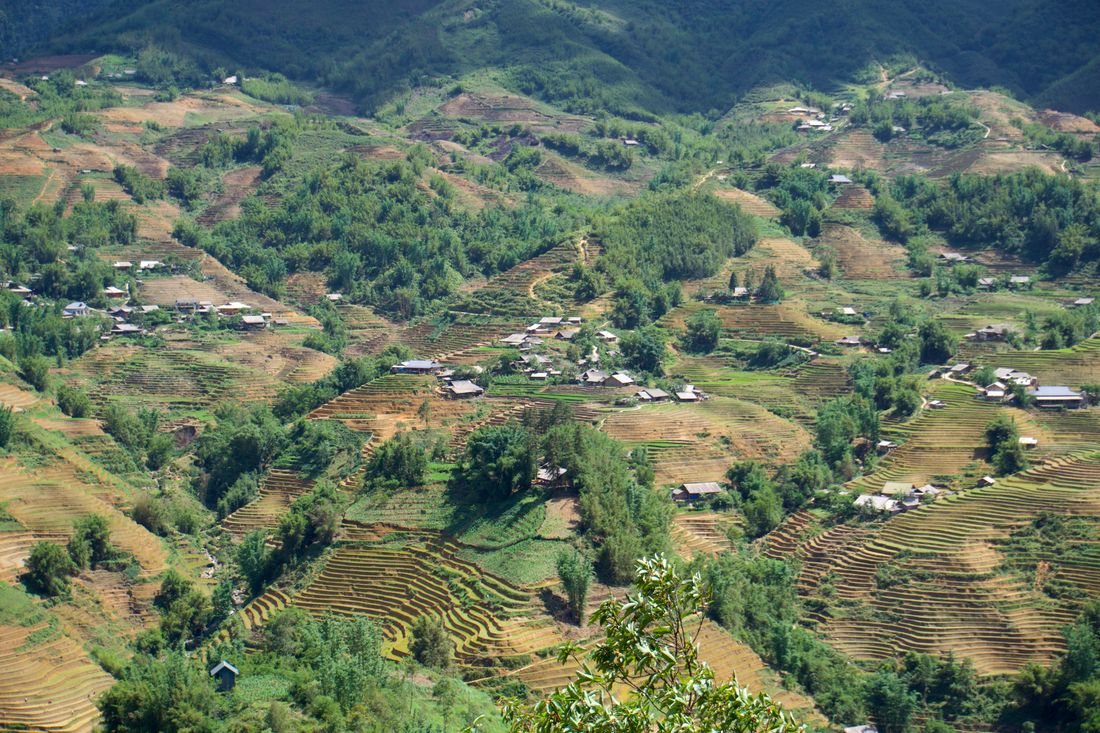
Lao Chai, Ta Van and Y Linh Ho on the valley floor, seven to twelve kilometres downhill: the terraces themselves, homestays rather than hotels and family dinners. For the night the trek is for.
The terraces from the terrace, and no reliable signal and a climb back to town.
Ta Phin
Red Dao village, herbal baths
A Red Dao village half an hour out with herbal bath houses, a ruined French church on the way and far fewer visitors than the Muong Hoa side, with a few homestays. For a second night and for the baths.
The baths and the quiet, and a ride for everything else.
Fansipan side
Cable-car base, resort hotels
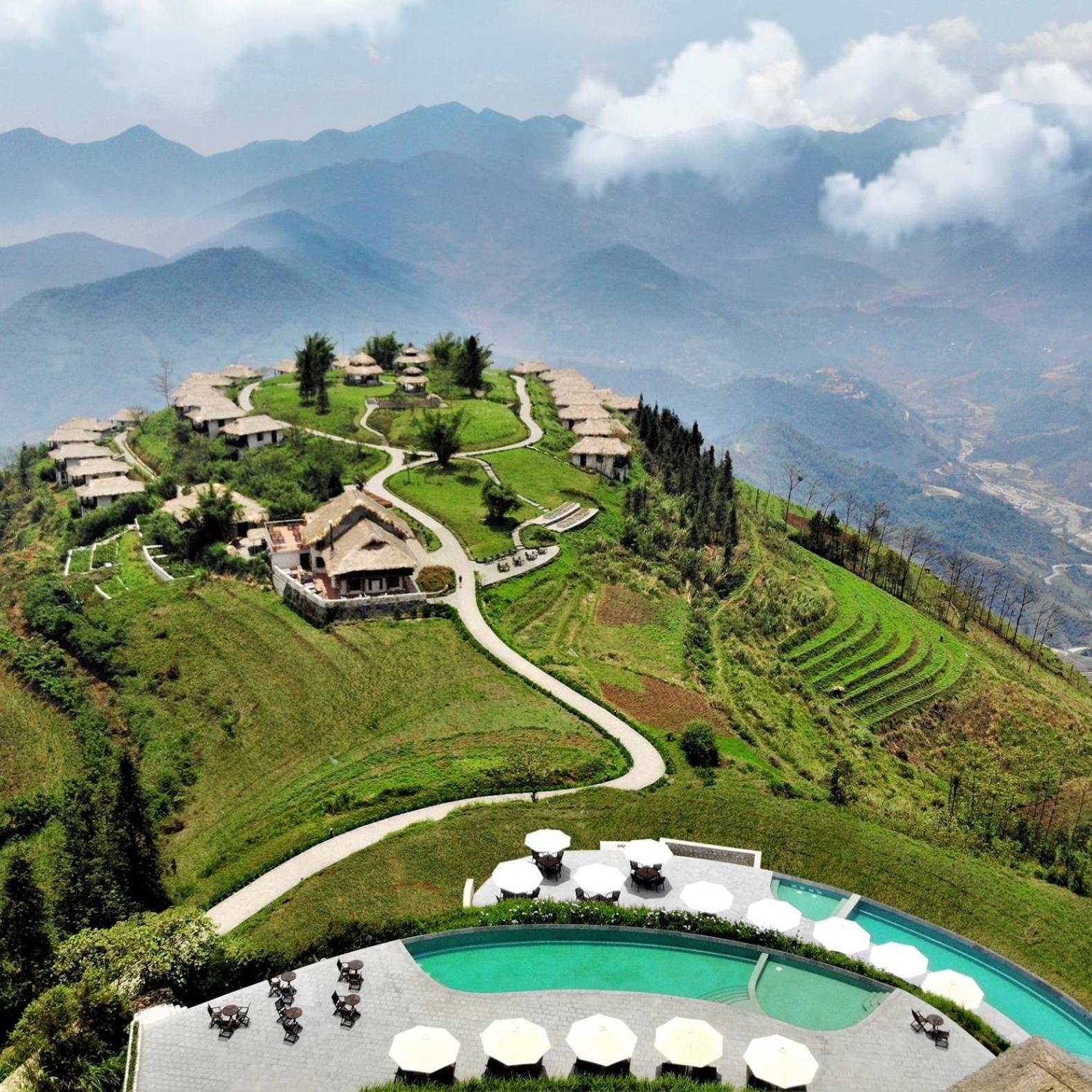
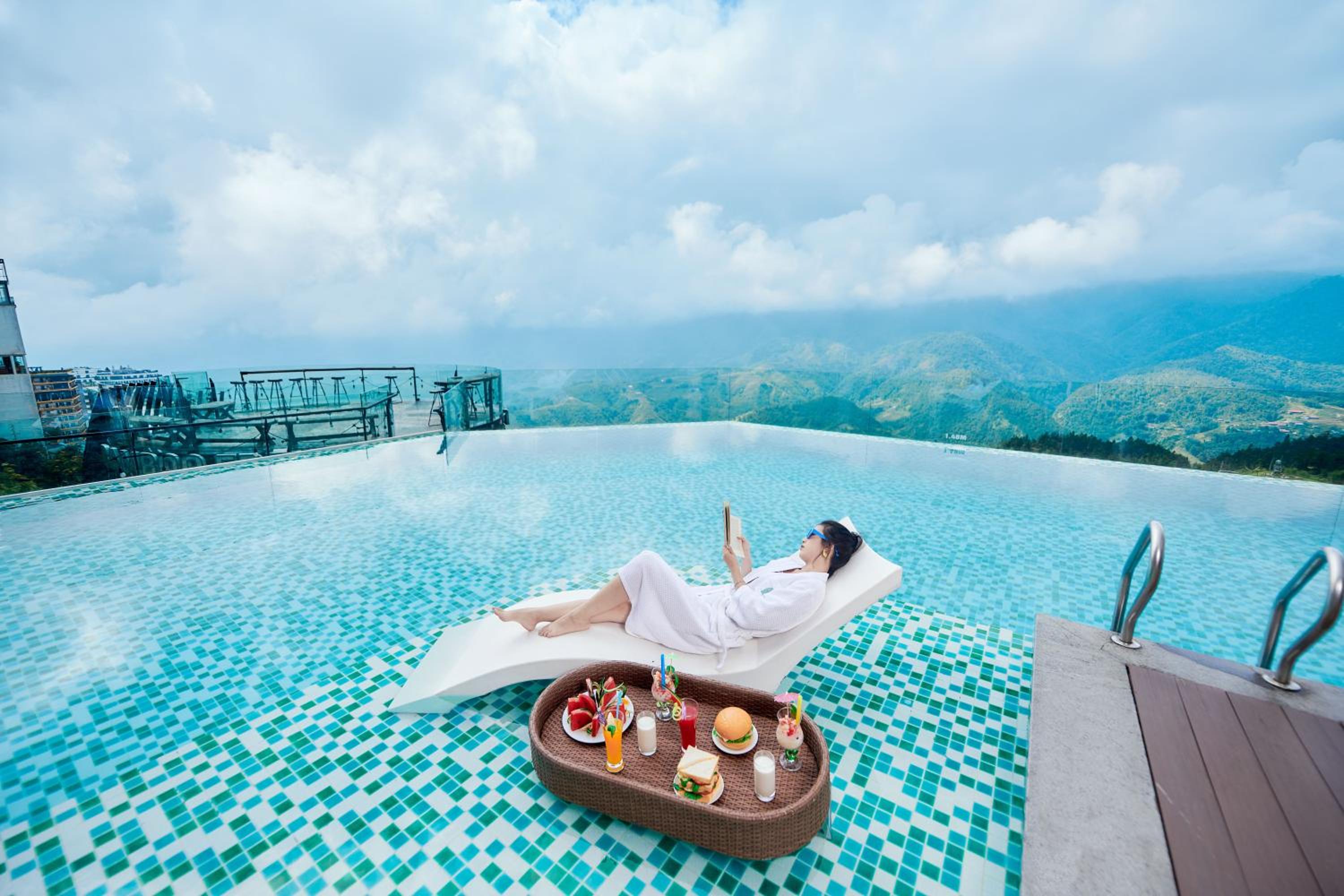
The road out of town toward the cable car and the pass: the big resort hotels with the mountain view and the valley below them. For families and anyone who wants a pool at 1,500 metres.
The view and a pool, and a taxi for the town and the trails.
See every Sapa neighbourhood on one map
Save the areas you like and Stippl plots your days so you're not crossing the city twice.
Where to stay in Sapa
Split the stay: one or two nights in Sapa town for the logistics and the cable car, then one night in a Ta Van or Lao Chai homestay in the valley, which is what you came for. Most people give Sapa 2 nights on Stippl. Leave the big bag at the town hotel, charge everything, and book ahead for September to November; the good valley places are small.
Sapa town
Hostels with dorms from €3.50 and rooms from €8.50, up to boutique hotels with mountain views at €60 to €150.
Muong Hoa valley
Family homestays with a communal dinner and no heating, €8 to €20, and terrace-view guesthouses to €40.
Ta Phin
A few village homestays with herbal baths, €8 to €25, and far fewer visitors.
Fansipan side
The big resort hotels with the view over the valley, €80 to €250, on the road to the cable car.


What to eat in Sapa
A simmering pot at the table, the standard cold-weather meal in town; vegetable versions are widely available
Charcoal-grilled meat, tofu, corn and eggs sold on the street after dark, eaten standing up in the cold
Farmed in the cold streams around Sapa since the 2000s, an unexpected local speciality at this altitude
The H'Mông market stew, traditionally horse; a market dish rather than a restaurant dish
Home-distilled maize spirit, poured at homestay dinners and refused with difficulty
Tofu, pumpkin, green beans, bean sprouts, stir-fried mushroom, rice, and pork for those who eat it, served communally
Discover food spots in Stippl
Find restaurants and markets on the map, save them to your itinerary, works offline too.
Sapa customs and what not to do
The women on the trail sell
Hmong and Dao women join walkers at the edge of town and stay for hours, and the sale comes at the end. It is not a scam; a small purchase closes it.
Book the guide directly
The live ethical question here is who pays the guide: book with a Hmong-owned operator or a local guide directly, not through a Hanoi agency that subcontracts her.
Never buy from children
Buying makes selling worth more than school; buy the same handicraft from an adult in a village instead, and haggle, which is expected.
Cát Cát is a managed site
The original Hmong families were displaced as it developed and the village is now largely run by outside operators; the homestay in a valley village is the real thing.
Do
- Book the trekking guide directly, and ask who she works for
- Say yes to the homestay family dinner; it costs a few euros and it is the best meal of the trip
- Carry cash; nothing outside town takes cards
- Bring earplugs to a homestay: fifteen trekkers, one room and rice wine
Don't
- Buy from children, however hard the refusal is
- Assume the terraces are green; they are bare from November to April
- Book the bus through your hostel
- Treat Cát Cát as the authentic village; the homestay is that
What a Sapa trip costs
Budget
€13–22
Hostel dorm from €3.50, valley homestay with dinner, guided day trek under €17, eating where the guides eat.
Mid-range
€34–60
Private room in town or a valley guesthouse with a terrace view, cable car, taxis instead of walking, restaurant meals.
High-end
€105+
An ecolodge or resort out in the terraces with a pool, private transfers, a private guide.
Track what you actually spend
Set a daily budget per country and log expenses in any currency while you travel.
Fun facts about Sapa
The Fansipan cable car holds a Guinness World Record. It is the longest non-stop three-rope cable car in the world, opened in 2016, and reaches the 3,143-metre summit in about twenty minutes.
Some of the rice terraces are thought to be over 300 years old. They were cut by hand into near-vertical slopes by H'Mong and Dao farmers, and the same families still work them.
Salmon and sturgeon are farmed in the streams around Sapa. At 1,500 metres the water is cold enough for fish that have no business being in Vietnam, and they turn up on every menu in town.
The French bombed the town they had built. Sapa was a colonial hill station from the early 1900s, and the withdrawing French destroyed it in the 1940s, which is why almost nothing colonial survives.
Sapa gets 1,455 hours of sunshine a year. That is an average of four hours a day, and only three in June and October, which is why the fog is part of every account.
Fansipan is the highest mountain in Indochina. At 3,143 metres it rises directly above the town, inside Hoang Lien National Park, about 20 km from the Chinese border.
Local tips for Sapa
Only the bus reaches Sapa
The railway ends at Lao Cai, thirty-five kilometres down the mountain, and there is no airport. It is a six-hour direct sleeper bus from Hanoi or the eight-hour night train plus an hour of hairpins.
Train up, bus back
The train costs more and people sleep better on it; the bus is cheaper and direct, and tall travellers do not fit the pods. Doing one each way is the local advice.
A platform, not the hostel
Use a site that shows the actual vehicle and recent reviews; booking through the hostel means a commission and, too often, a worse bus. Many Hanoi departures leave from company offices, not a bus station.
Sapa comes late in the trip
It arrives about 19 days days into a trip for most people, near the end of a north-to-south route. Book the onward sleeper at the same time as the one up.
Do the last hour in daylight
The expressway does the first four hours; the climb from the turn-off is bends and drop-offs. Take a daytime departure or a night bus that arrives after dawn.
Wet trails from June to August
It rains most days in those months and the paths to Ta Van turn to mud; people slip and abandon routes. Go with a guide and proper shoes, and pack a warm layer for February.
Sapa questions, answered
At the northern end, after Hanoi and as the alternative to the Ha Giang loop rather than as well as it. Lay the north out in Stippl and give Sapa two or three nights with a homestay trek in the middle. Show the route to people who have done it, in subreddits like r/VietnamTravel, and say whether you want to walk or ride.
Two nights buys the town, the cable car and one trek with a homestay night; three is the comfortable number. Most people give Sapa 2 nights on Stippl and 12.9% of stops run to four or more, which is the trekking crowd. Arriving after midday on day one makes two nights too short.
About 19 days days in on a trip planned on Stippl, which is the end of the northern loop before the train back to Hanoi and the flight south. 29.3% of Vietnam trips include it, and the bus is the way: six hours to Sapa itself, against the train to Lao Cai plus an hour by minivan.
Flooded in May, green from June to August in the monsoon, gold from mid-September to late October, and bare from November to April. The gold and the good weather overlap only in late September and October; January and February are nine to eleven degrees with nights near freezing, and the homestays are unheated.
No, but a local guide costs under €20 including lunch and the trails are muddy, foggy and unsigned often enough that it is worth it. Travellers plan Sapa 66 days ahead on Stippl, so book with a Hmong-owned operator or a guide directly rather than through a Hanoi agency that subcontracts her; the women who join you on the trail are selling, which is normal.
It is a managed site with an entrance fee and a difficult history: the original Hmong families were displaced as it developed and it is largely run by outside operators now. Go with adjusted expectations or skip it; the homestay night in a valley village is the authentic experience, not this.
Every guide is written by the Stippl editors and checked against the trips our travellers actually plan. Spotted something out of date? Let us know.
Plan Sapa in Stippl
Day-by-day planning, stays and budget in one app, with every place from this guide already on the map.
Download the app