

Mui Ne
Mui Ne is where desert dunes run down to a tropical sea, almost the only place on earth they do, and the coast Vietnam kitesurfs on. Sledge the red dunes at sunset, shoot the white ones at dawn.
Mui Ne in a nutshell
Mui Ne: what to expect
Mui Ne is one road. The strip runs along the coast for roughly 10 to 20 km, with the sea on one side and resorts, kite schools and restaurants on the other; there is no town centre in the usual sense
Two things bring people here and neither is the beach itself: the sand dunes and the wind. The White Dunes and the Red Dunes sit within half an hour of the strip, and the same northeast trade winds that build them make this the best-known kitesurfing coast in Vietnam
The dunes are the landscape nobody expects in Vietnam: desert running down to a tropical sea, and our sources repeatedly says there is nothing else like it in the country
Plan Mui Ne in Stippl
Day-by-day planning, stays and budget in one app, with every place from this guide already on the map.
Download the appWho Mui Ne is for
Kitesurfers and windsurfers
Mui Ne is on the world map for this, with schools along the strip and competitions in season.
Anyone breaking a coastal leg
Mui Ne sits between Ho Chi Minh City and the central coast, and most people give it 2 nights on the way through.
Photographers
The dunes at dawn are a photograph found nowhere else in Vietnam.
Budget travellers
Hostels from a few euros, and the strip is cheaper than its resort reputation suggests.
Families
Flat sand, calm resorts with pools, short excursions and no altitude or hiking.
Riders
A scooter turns the dunes, the stream, the towers and the fishing village into one easy day.
Maybe not for you: swimmers, since the beaches are not the country's best and the water fills with kitesurfers by day; and anyone booking a week, because the sights run out fast and one stop in three is a single night.
The best time to visit Mui Ne
Wind season
November to March
Dry, breezy and the reason the kite schools exist: the busiest and best months, with steady wind of fifteen to twenty-five knots.
Hot and calm
April and May
The wind drops and the heat peaks: good for swimming, poor for kiting.
Wet
June to September
Rain on many days and the cheapest rooms of the year; October is the turn, with the rain easing and the wind returning partway through.
- The wind runs November to March, so a kitesurfing trip is a winter booking and a swimming trip a spring one. In April and May the wind drops and the schools go quiet; the two things Mui Ne is for do not share a season.
- January is the month most travellers plan Mui Ne for on Stippl, about 61 days ahead. 23.6% of plans are made inside a fortnight, and the strip only tightens during a kite competition.
- The dunes are a dawn plan in every season. The white dunes before the quad bikes arrive, the red dunes at sunset; by mid-morning the sand is too hot to walk and the light is flat.
Add your Mui Ne dates and we'll flag the weather
Stippl shows the season, crowds and prices for every stop on your route.
Describe your trip, get a Mui Ne itinerary in seconds
Everything in this guide is already in Stippl. Tell the planner how long you have and what you like: it builds the route, the days and the travel times, and you edit whatever you want.
Things to do in Mui Ne

The White Dunes at dawn
Drive twenty-five kilometres up the coast for the dunes at first light, before the quad bikes arrive, the reason people photograph Mui Ne. A jeep tour with the fish market and the stream runs about €15.
Sandboarding the Red Dunes
Sledge the rust-coloured dunes closer to town at sunset, with a plastic board rented from the children at the bottom for a euro. Smaller than the white dunes, and the sledging is the point.
A kitesurfing lesson
Learn the one activity this coast is known for, with steady wind from November to March; a three-day beginner course runs about €300. The schools line the beach at the eastern end.
The Fairy Stream barefoot
Walk an hour up the shallow red-walled canyon and back with no shoes on, in ankle-deep water. Free, and cooler in the morning.
The Phan Thiet fish market at sunrise
Be on the sand at six when the fleet lands and the catch is thrown ashore and sold within the hour. Free, twenty minutes from the strip, and the coracles are the photograph.
Po Shanu Cham towers
Stop at the three eighth-century brick towers on the hill with the sea below, half an hour and about €1. On the road into town from Phan Thiet.
The neighbourhoods of Mui Ne
Ham Tien
The resort strip, kite schools
The main run of beachfront resorts, kite schools, bars and restaurants along the coast road, where almost everyone stays. For first visits and kitesurfers; a pool and a sea view for city-hotel money.
Everything on the strip, and a beach that fills with kites in the wind season.
Mui Ne village
Fishing fleet, coracles, no resorts
Two kilometres east of the strip: the fleet, the round coracles, the morning market and a few guesthouses, with no resorts. For a local base and for the fish market at dawn.
The village and the market, and a shirt on and a ride for the bars.
Towards the dunes
Open sand, quiet resorts
The coast road north-east toward the Red Dunes and Bau Trang, with a scatter of quiet resorts and the sand at the door. For families and drivers who want the dunes at sunrise without the strip.
The dunes at dawn, and a car for every meal.
Phan Thiet
Provincial city, fish market
The provincial city twenty kilometres away: the railway station side, the big fish market at sunrise, more resorts and everyday Vietnamese life. For budget travellers and for the train.
Real prices and the train, and twenty minutes to the beach.
See every Mui Ne neighbourhood on one map
Save the areas you like and Stippl plots your days so you're not crossing the city twice.
Where to stay in Mui Ne
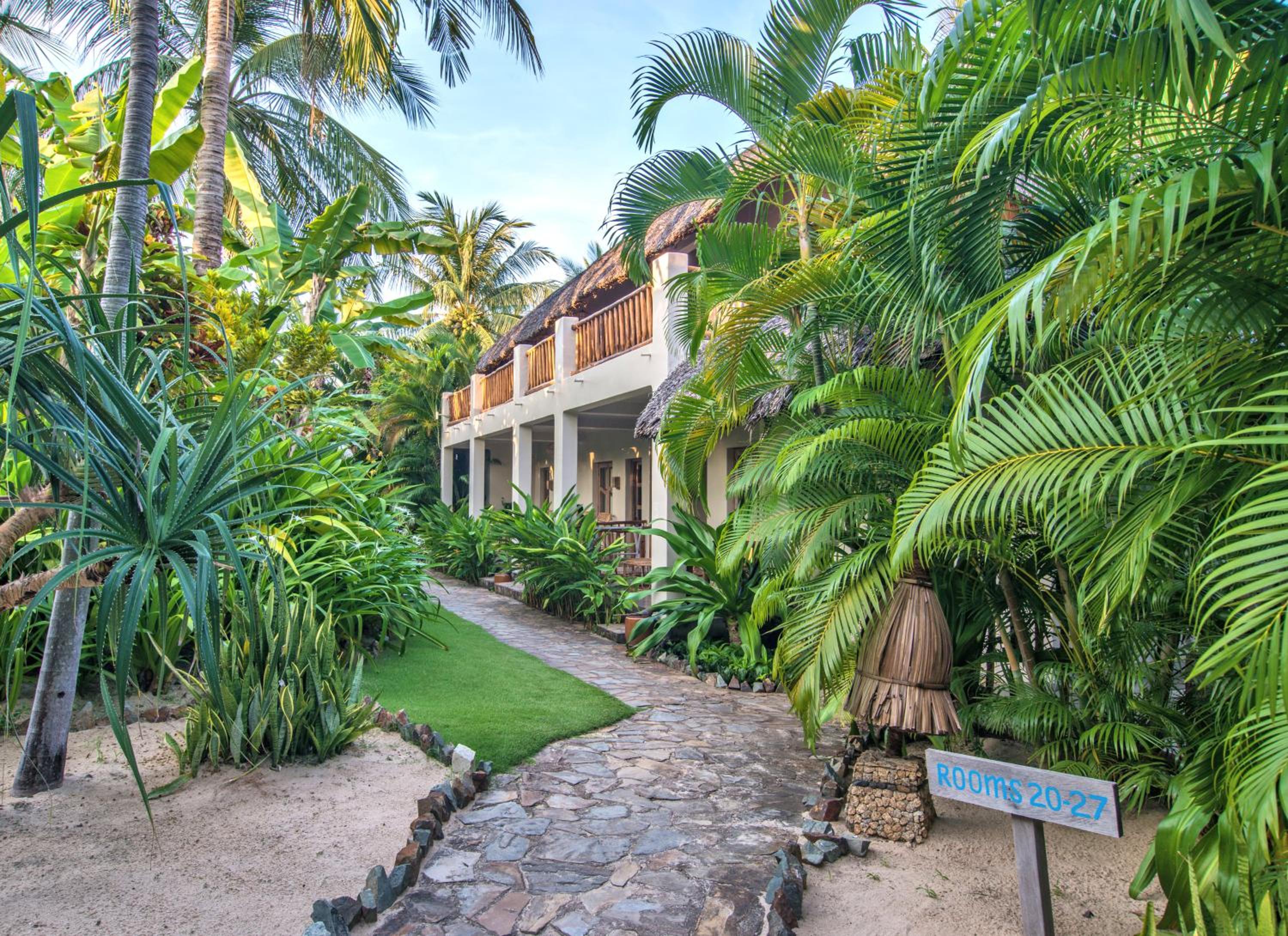
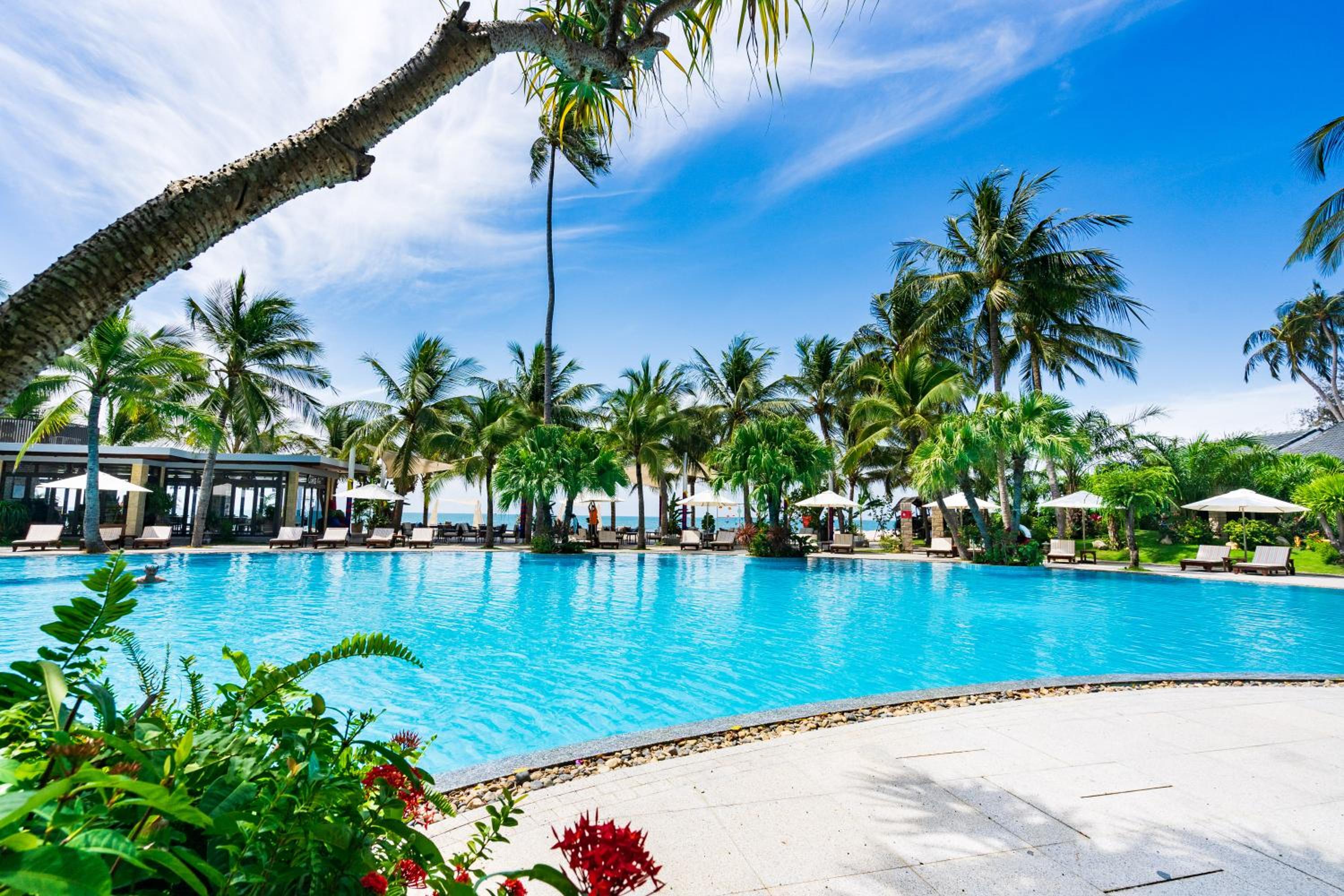
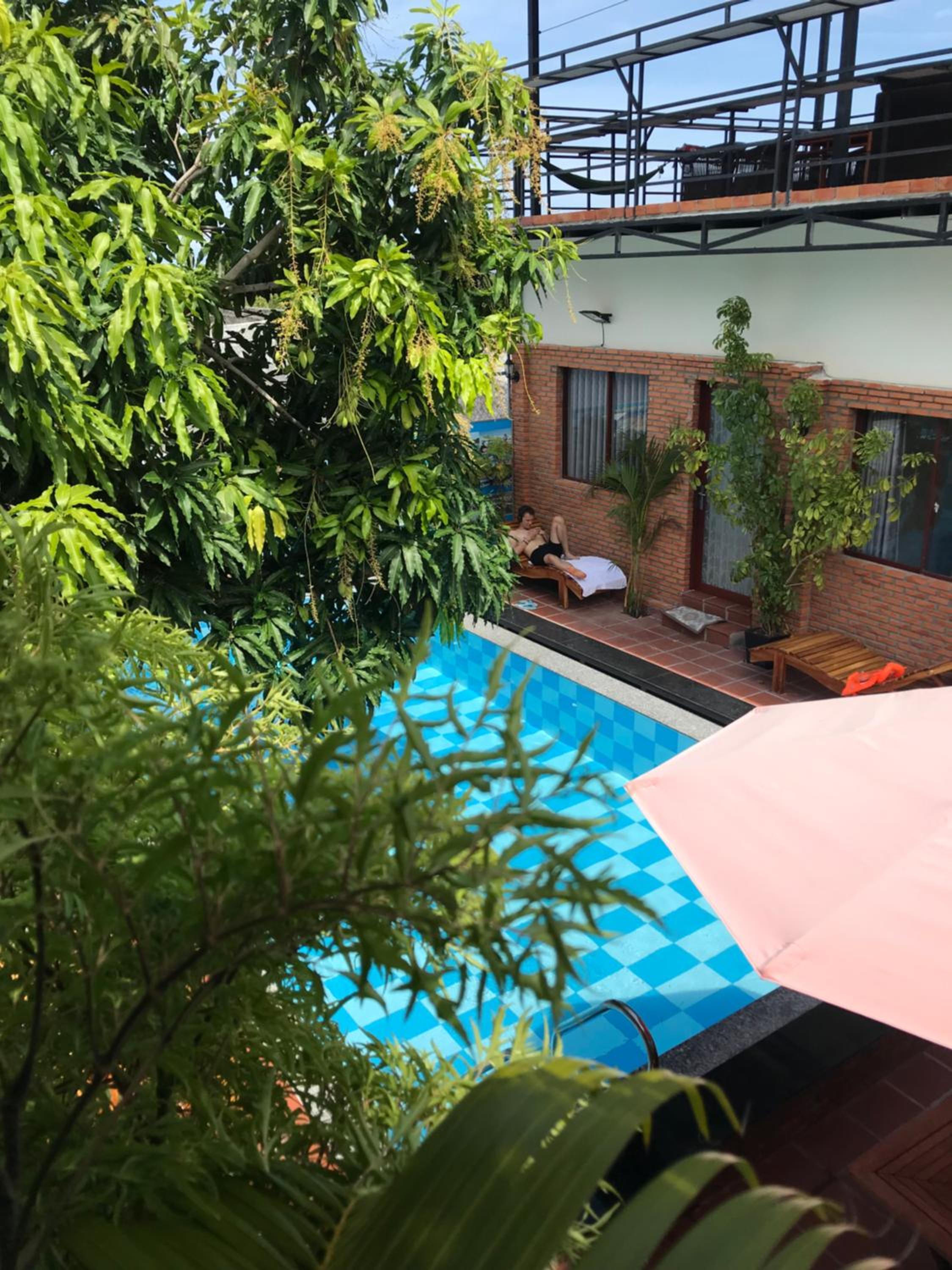
Stay on the Ham Tien strip, where nearly every resort, guesthouse and hostel has a pool: a beachfront room here costs what a plain room costs in the cities, and that is the coast's real selling point. Most people give Mui Ne 2 nights on Stippl. Booking ahead only matters in the wind season, November to March, and at Tet.
Ham Tien
Pool resorts €30 to €90, social hostels €5 to €10 a bed, and kite schools with rooms at the eastern end.
Mui Ne village
A few family guesthouses among the fishing fleet, €10 to €30, with no resorts and no bars.
Towards the dunes
Quiet resorts with the sand at the door, €40 to €120, for families with a car.
Phan Thiet
City hotels and larger resorts on the far side of the bay, €20 to €80, near the station.


What to eat in Mui Ne
Thick noodle soup with fish cake, the local coast's signature bowl
The fleet's catch, charcoal-grilled; squid and crab in particular
Fish sauce; Phan Thiết is one of the two historic production centres in Vietnam
The baguette sandwich, eaten here looking at the boats
Rice noodles and tofu with fermented shrimp paste; the sauce is mixed at the table so you can back out
The province around Mui Ne grows most of Vietnam's crop; the trellis fields line the road in
Discover food spots in Stippl
Find restaurants and markets on the map, save them to your itinerary, works offline too.
Mui Ne customs and what not to do
A resort strip and a village
Attached and with different rules: swimwear is normal on the beach and out of place at the fish market, where a shirt and a greeting go a long way.
Russian is a working language
Vietnamese staff on the strip often speak it better than English; not knowing it costs nothing, and menus come in three languages.
Be clear with the dune children
Children rent sandboards at the dunes and vagueness gets you followed; a friendly yes or no, once, and a fair price if yes, about €1.
The Cham towers are active
Po Shanu is not a ruin park; the usual temple courtesies apply, with shoulders and knees covered and shoes off at the shrine.
Do
- Rent a scooter and do the dune circuit yourself if you can ride
- Go to the White Dunes at sunrise rather than sunset; the light is better and the quads are not there yet
- Carry small notes for the dune entry gates and parking
- Bargain for boards and quads, and not in restaurants
Don't
- Plan a week here; the highlights fit in a morning
- Ride without a licence and expect it to pass unnoticed on this strip
- Count on swimming off the main beach in the wind season; it fills with kites
What a Mui Ne trip costs
Budget
{budget-low|checked:2026-09-02|next:2027-03-02} roughly €13–22
A hostel dorm at €3.50–6, street food, a scooter, the dunes on your own.
Mid-range
{budget-mid|checked:2026-09-02|next:2027-03-02} roughly €34–60
A resort room with a pool on the strip, restaurant meals, a jeep tour.
High-end
{budget-high|checked:2026-09-02|next:2027-03-02} €105+
A beachfront resort, kite lessons, private transfers.
Track what you actually spend
Set a daily budget per country and log expenses in any currency while you travel.
Fun facts about Mui Ne
The Red Dunes get their colour from iron oxide. The sand was laid down over thousands of years of wind-driven sedimentation, and the same trade winds still move it.
Mui Ne is where kitesurfing in Vietnam began. The north-east trade winds that built the dunes make this the country's best-known kite coast, and it still hosts international competitions.
Phan Thiet is one of Vietnam's two historic fish-sauce capitals. The other is Phu Quoc, and the fleet and the fish market are still a working industry a couple of kilometres from the hotels.
Mui Ne changed province on 1 July 2025. Binh Thuan was dissolved in the national merger and absorbed into Lam Dong, which makes Da Lat's province the largest in the country.
Menus on the strip run Vietnamese, Russian, then English. The dominant foreign market has been Russian-speaking for two decades, which is unusual in Vietnam and changes the feel of the place.
Po Shanu's three Cham towers date from the eighth century. They stand on a hill between Mui Ne and Phan Thiet, the southernmost remnant of the Cham kingdom that once ran the whole coast.
Local tips for Mui Ne
The expressway cut the drive
Ho Chi Minh City is the gateway and it is about four hours now; anything written before the expressway says five or six. The sleeper buses drop at the guesthouses.
The train stops short
It does not reach Mui Ne. It stops at Phan Thiet, and you finish by taxi or the local bus, about half an hour.
A scooter beats the jeep tour
About €6 a day, and cheaper and freer than the standard jeep circuit of the dunes and the stream. The road in from Phan Thiet is fast and busy; the coast road east is quiet.
How long to stay
Most people give Mui Ne 2 nights on Stippl, and a third stay one: the dunes at dawn and the dunes at sunset. Kitesurfers stay a week.
Kites and swimmers share water
In the kite season from November to March, swim away from the school zones at the eastern end; the lines and the boards move faster than they look.
No shade on the dunes
The White Dunes are hot and exposed with no water for sale at the far end, and the quad bikes mix with walkers on the same sand. Dawn, water, and stay off the quad tracks.
Mui Ne questions, answered
As a one-night stop on the way from Saigon to Da Lat or Nha Trang, not as a beach week. Lay the south out in Stippl and give the dunes a sunrise and a night; the highlights fit in a morning. Show the route to people who have done it, in subreddits like r/VietnamTravel, and say whether you kitesurf.
One or two. Most people give Mui Ne 2 nights on Stippl and 32.3% of stops are a single night, which is the honest verdict: the White Dunes at sunrise, the Red Dunes and the fairy stream fit in one morning, and the second night is for the wind.
Yes, for the dunes and the wind, and briefly. The beaches are not good by Vietnamese standards, so come for the sand you walk on rather than the sand you lie on; January is the busiest month for Mui Ne starts planned on Stippl, when the kite season is on and the strip is full of Russians and boards.
A direct bus, now three to four hours on the expressway rather than the five to six older guides quote, or the train to Phan Thiet and a taxi. Travellers plan Mui Ne 61 days ahead on Stippl, usually as a leg between Saigon and the mountains; day trips are sold, but three to four hours each way is a long day for one dune stop.
Roughly November to March, when the north-east trade winds run steady at fifteen to twenty-five knots and the main beach fills with kites, which is also when swimming off it stops being an option. The dunes and the fairy stream are the same in any month; the wet season from May to October is short showers, not washouts.
On the strip along Nguyen Dinh Chieu, where everything is, with the fish market at the village end and the resorts at the other. The dunes are twenty minutes east by scooter or jeep, and a room at the eastern end saves the drive at sunrise; the fishing village is the place to eat and the wrong place for swimwear.
Every guide is written by the Stippl editors and checked against the trips our travellers actually plan. Spotted something out of date? Let us know.

Plan Mui Ne in Stippl
Day-by-day planning, stays and budget in one app, with every place from this guide already on the map.
Download the app