

Da Nang
Da Nang is the one place in Vietnam with beach and city at full scale, and the Hai Van Pass starts at its northern edge. Hoi An is 45 minutes away, and the same food costs less here.
Da Nang in a nutshell
Da Nang: what to expect
Da Nang is the transit city of central Vietnam, and our sources say so before it says anything else. Four independent publishers open their Da Nang articles with the same sentence in different words: travellers fly or train in and go straight to Hội An, 30 km away, using the city purely as a transfer
Our own data measures exactly that, and it is the single sharpest finding in the Vietnamese layer. Da Nang holds the region's only international airport and opens 5.1% of the trips that carry it, against Hanoi's 30.6%. It is not a starting point; it is a place people pass through at the halfway mark
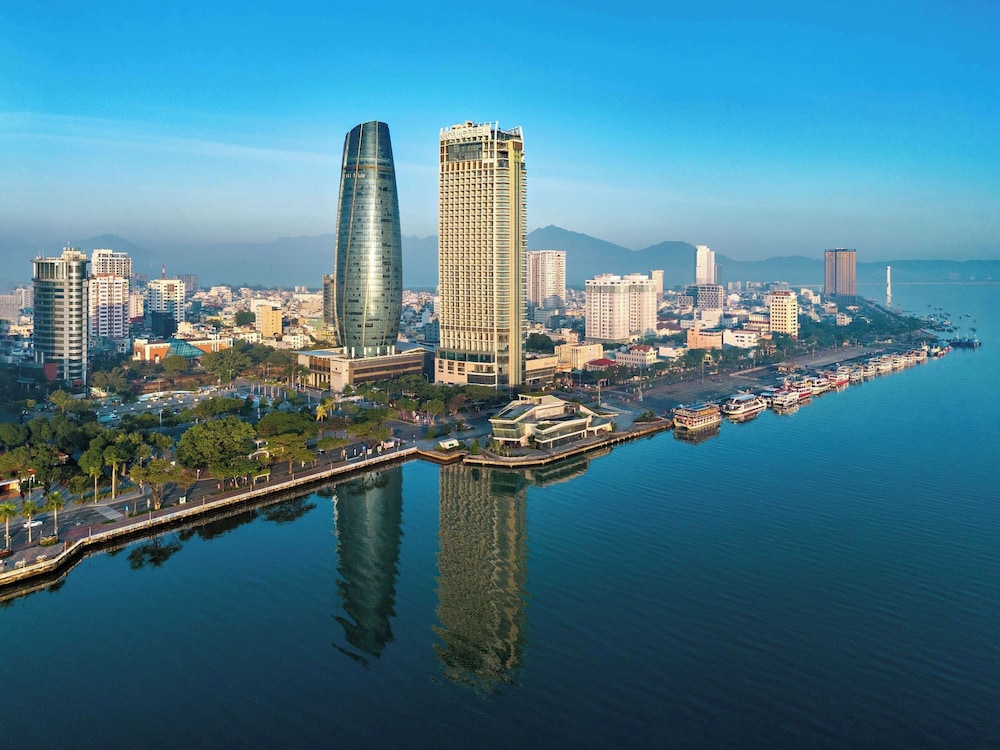
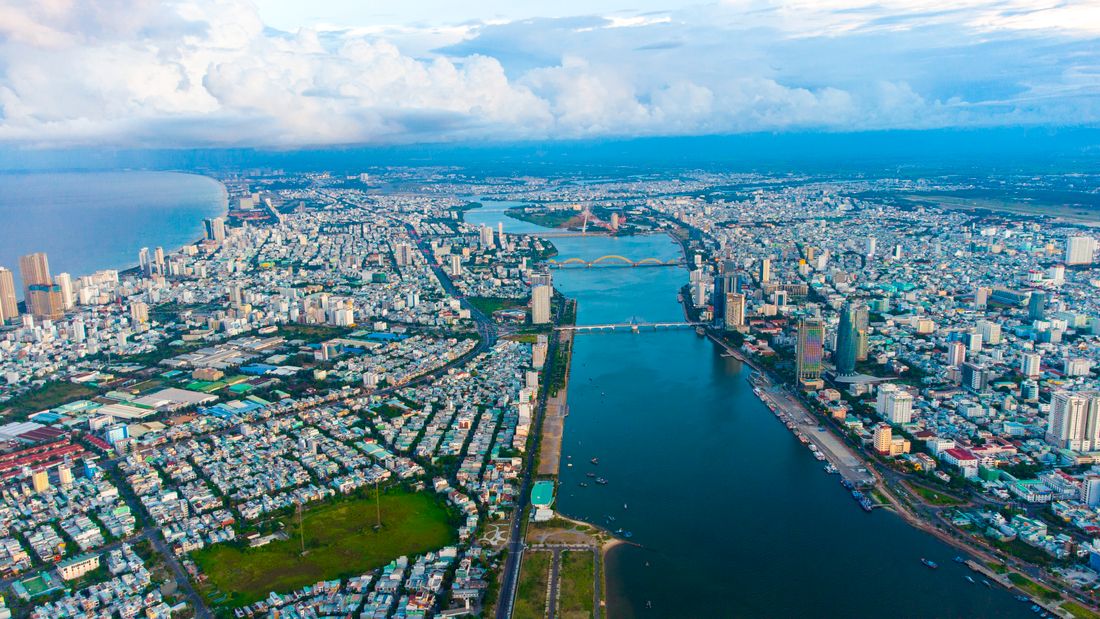
Vietnam's third- or fourth-largest city depending on the count, and a genuinely modern one: our sources describe skyscrapers, new bridges, clean streets, unusually for Vietnam, a city that is easy to move around
Plan Da Nang in Stippl
Day-by-day planning, stays and budget in one app, with every place from this guide already on the map.
Download the appWho Da Nang is for
Anyone wanting beach and city
No other Vietnamese destination offers both at this scale, and Da Nang is on 40.1% of Vietnam trips on Stippl because of it.
Remote workers on long stays
Cheap apartments, fast internet everywhere, dense café culture, a large existing expat community and a beach at the end of the street.
Anyone basing in the centre
Hoi An is 45 minutes, Hue two and a half hours over the Hai Van Pass, and My Son and Ba Na Hills both fit inside a day.
Food travellers
Mi Quang, banh trang cuon thit heo, bun cha ca and the Nam O raw-fish salad are all local and all cheap, without Hoi An's prices.
Motorbike riders
The Hai Van Pass starts at the city's northern edge and is the best-known ride in Vietnam.
Maybe not for you: anyone whose trip is short, since Hoi An and Hue come first and most people give Da Nang two nights; beach holidays in October and November, when swimming is restricted and the city floods; and anyone wanting an old city, because Da Nang is new.
The best time to visit Da Nang
Dry season
January to August
Long, and the useful window inside it is February to May. June to August is dry but over thirty-three by day, which is when the beach is for mornings.
Wet season
September to December
Most of the year's rain in four months, with October and November taking the bulk of it. Typhoon landfall is normal in this stretch rather than exceptional.
- From September to December a typhoon can close the beach, the pass and the airport for a day or two, and it happens most years. A wet-season stay needs a spare day; a beach week is a February to August booking.
- January is the month most travellers plan Da Nang for on Stippl, about 74 days ahead. 17.7% of plans are made inside a fortnight, and January is inside the dry season, so it works.
- The Dragon Bridge breathes fire at nine on Friday, Saturday and Sunday nights. The Friday show is recent; the riverbanks fill from half past eight.
- The international fireworks festival runs from late May into July, with competition nights over the Han River from eight. The city's largest event, and the riverside hotels go for the final.
Add your Da Nang dates and we'll flag the weather
Stippl shows the season, crowds and prices for every stop on your route.
Describe your trip, get a Da Nang itinerary in seconds
Everything in this guide is already in Stippl. Tell the planner how long you have and what you like: it builds the route, the days and the travel times, and you edit whatever you want.
Things to do in Da Nang

The Golden Bridge at Ba Na Hills
Take the twenty-minute cable car to 1,400 metres and walk the 150-metre footbridge held up by two enormous sculpted hands, about €35 for the whole hill. Go on the first car; the bridge is a queue by ten.
The Marble Mountains
Climb the five outcrops named for the five elements, riddled with caves holding Buddhist shrines that served as field hospitals in the war, about €2 plus €0.50 for the lift. An hour and a half, and a torch helps in Am Phu cave.
The Dragon Bridge
Stand on the riverbank at nine on a Saturday or Sunday night when the 666-metre bridge breathes real fire and then sprays water. Free, and the east bank has the better line.
The Lady Buddha at Son Tra
Drive up the peninsula to the sixty-seven-metre Lady Buddha at Linh Ung, visible from across the bay and the city's most-visited religious site. Free, and the road on round the peninsula is the best ride in the city.
The Hai Van Pass
Ride the coastal pass north towards Hue on a rented motorbike or pillion with a driver, about €30 for the day, quiet since the trucks moved to the tunnel. Twenty kilometres of hairpins with the sea below.
The Museum of Cham Sculpture
See the largest collection of Cham sandstone anywhere, more than three hundred pieces and some of them seventh century, about €2.50. An hour, and the right morning before My Son.
The neighbourhoods of Da Nang
An Thuong
Cafés, craft beer, one block back
One block back from the beach: a walkable grid of numbered lanes with the city's densest run of cafés, specialty coffee, craft beer and international kitchens. For long stays and anyone who wants the beach and the evening on foot.
The beach and the best evenings, and the expat strip's prices.
My Khe beach
Resort strip, thirty kilometres of sand
The east bank: a long arc of white sand along Vo Nguyen Giap lined with mid-range and resort hotels, seafood restaurants and beach clubs. For beach stays and families who want a pool and the sea.
The sea at the door, and a taxi across the river for the city.
Hai Chau
City centre, market, cathedral
The commercial core on the west bank: the Han market, the pink cathedral, the Cham museum and the Dragon Bridge, at the city's cheapest prices. For budget stays and anyone who wants a Vietnamese city rather than a beach.
The cheapest beds and the real city, and a ride to the sand.
Son Tra
Forested peninsula, pagoda, langurs
The forested headland closing the bay to the north-east, with the Lady Buddha at Linh Ung on the slope and a few resorts on the coves below. For quiet stays and for the peninsula's beaches and monkeys.
Forest and empty coves, and a car for everything.
Marble Mountains
Southern edge, caves, resorts
The southern edge below the five marble outcrops with their cave sanctuaries, the stone-carving village and the big resorts along Non Nuoc beach towards Hoi An. For resort stays halfway to Hoi An.
A resort beach and the shrines, and a taxi to either city.
See every Da Nang neighbourhood on one map
Save the areas you like and Stippl plots your days so you're not crossing the city twice.
Where to stay in Da Nang
Stay in An Thuong for a first visit: one block back from My Khe beach, with the cafés and the craft beer in a walkable grid of lanes, and the sand two minutes away. Most people give Da Nang 2 nights on Stippl, and many stay longer on a monthly studio. It is also the cheaper bed for Hoi An, forty minutes down the coast.
An Thuong
Guesthouses, boutique hotels and long-stay studios with a pool, €20 to €60, and monthly from about €410.
My Khe beach
Mid-range and resort hotels along the beach road, €50 to €150, with the big towers from €200.
Hai Chau
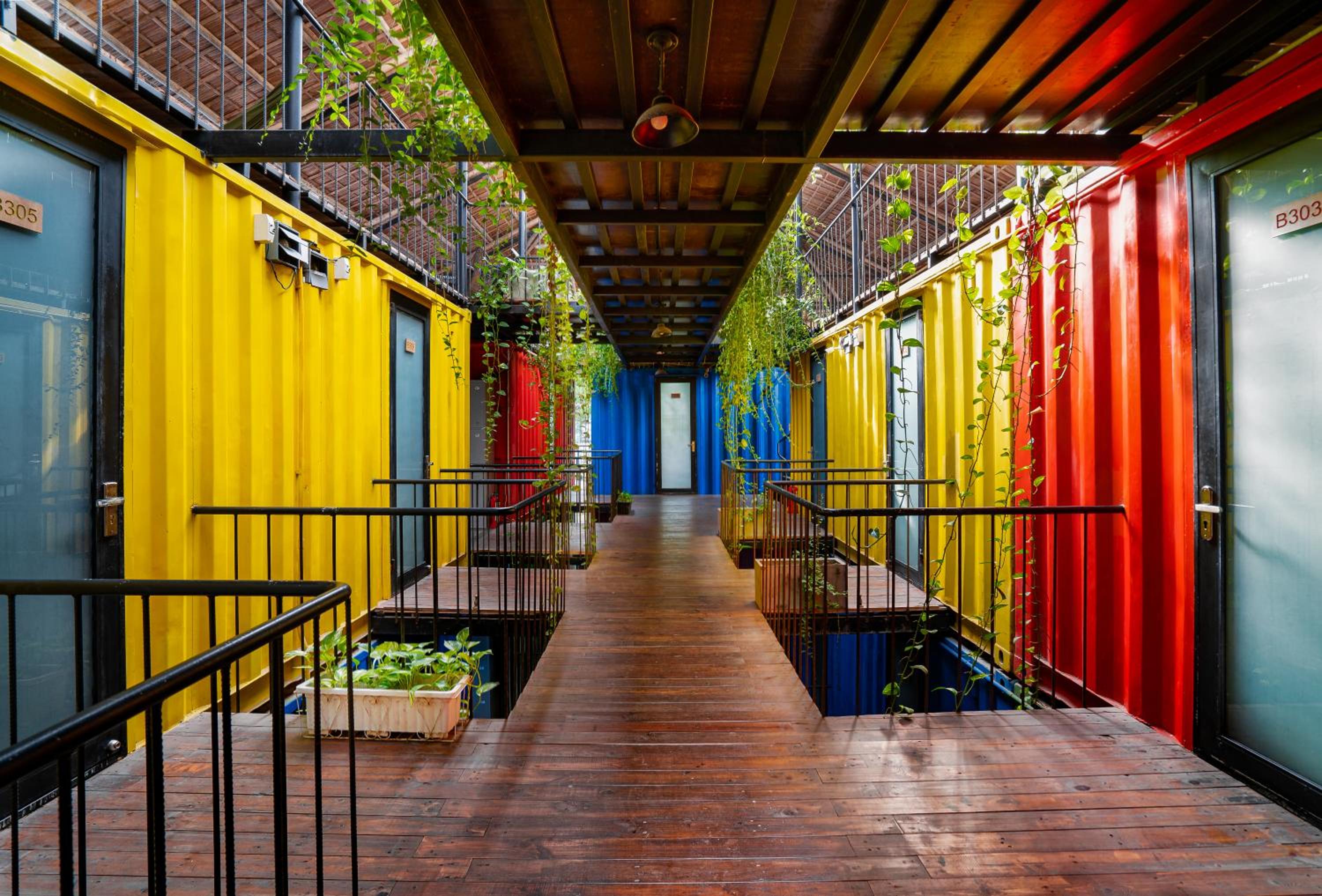
Hostels, homestays and serviced apartments at the city's cheapest rates, €8 to €35.
Son Tra
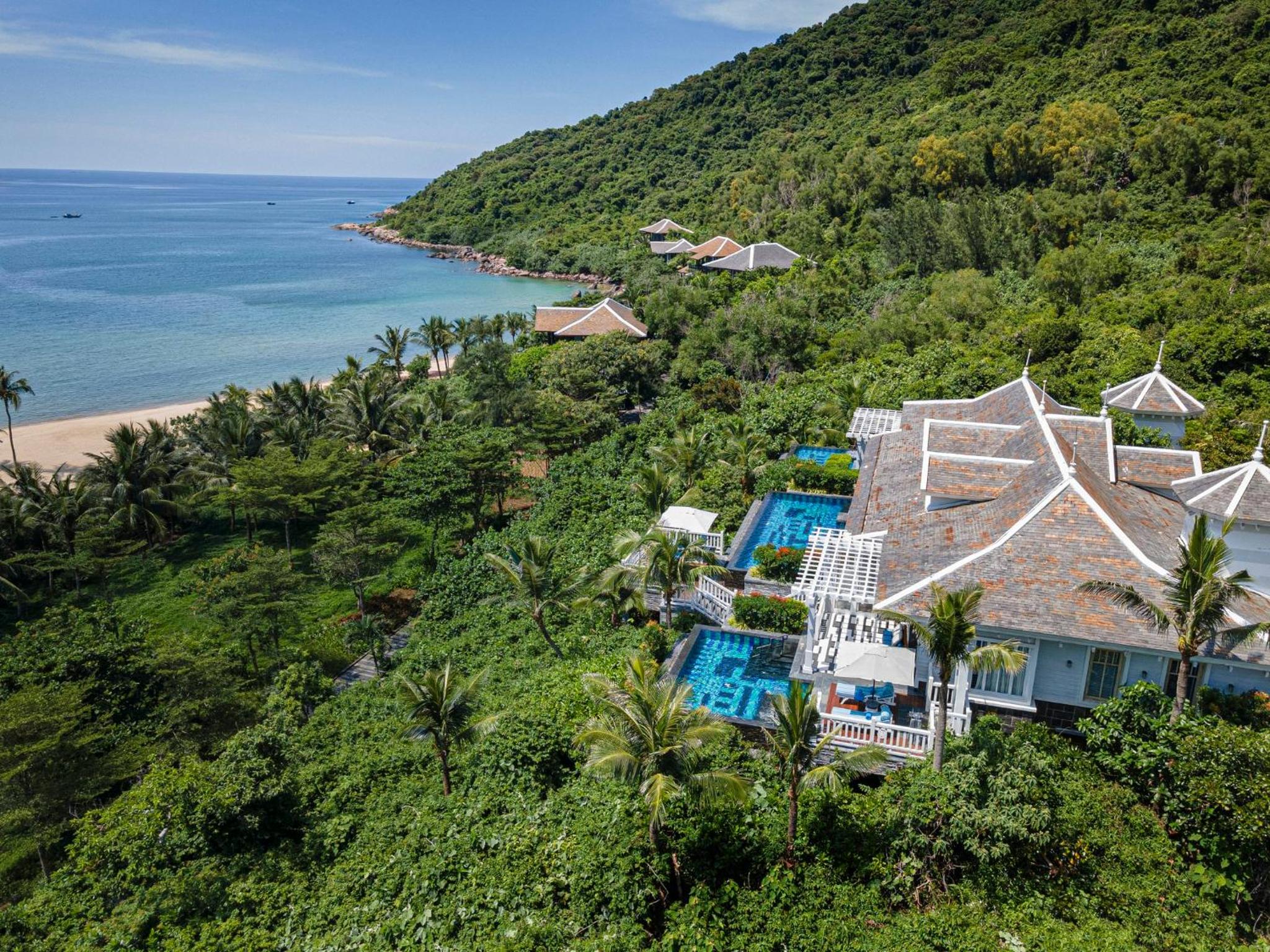
A few resorts on the coves below the peninsula road, from €250, among the best in Southeast Asia.
Marble Mountains
Large beach resorts along Non Nuoc beach, from €120, with golf and the road to Hoi An.


What to eat in Da Nang
Wide turmeric-yellow rice noodles in a small amount of intense broth, with pork, shrimp, peanuts and herbs; a noodle salad more than a soup
Boiled pork belly, herbs and green vegetables rolled at the table in soft rice paper
Fish-cake noodle soup, the local breakfast
Raw herring cured with lime and galangal, eaten with wild greens and a fish-sauce dip
Fresh seafood grilled or steamed, the default dinner
Discover food spots in Stippl
Find restaurants and markets on the map, save them to your itinerary, works offline too.
Da Nang customs and what not to do
A beach city, still Buddhist
Two hundred metres inland it is: shoes off at the Marble Mountains shrines and in homes, shoulders and knees covered at Linh Ứng and the mountain sanctuaries.
The flags are real here
Yellow is a patrolled zone and red means the sea is closed; the lifeguards on My Khe are real and are ignored at real cost every year.
Sơn Trà has rules since 2025
The Tiên Sa to Bàn Cờ route admits manual motorbikes, mountain bikes and walkers only; scooters and automatics are turned back, and parts of the peninsula are military, so no drones.
The langurs are not fed
The red-shanked douc langurs on the peninsula are endangered and habituated animals lose their fear of roads; watch from the car, keep the food in the bag.
Do
- Take shoes off at temple thresholds, at the Marble Mountains shrines and in homes
- Cover shoulders and knees at Linh Ứng and the mountain sanctuaries
- Swim between the flags and read them
- Carry cash for the bus, the markets and the mountain gates
Don't
- Take a scooter onto the Sơn Trà routes; manual bikes and walkers only
- Trek off the marked Sơn Trà routes; Húc Lở, Mũi Nghê and Bãi Đá Đen are closed
- Fly a drone on the peninsula without permission
- Feed the langurs
What a Da Nang trip costs
Budget
€22–30
Hostel or cheap hotel in Hải Châu, street food, Grab bikes, public bus to Hội An.
Mid
€50–80
Beach-side hotel in An Thượng, restaurant meals, a scooter, one big day trip.
Comfortable
€130+
Resort on My Khê, private driver, Bà Nà Hills and Mỹ Sơn with a guide.
Track what you actually spend
Set a daily budget per country and log expenses in any currency while you travel.
Fun facts about Da Nang
Mi Quang is named after a province that no longer exists. The name means Quang noodles, after Quang Nam, the province Da Nang left in 1997 and absorbed back in 2025.
The Golden Bridge was built to make people stop. It opened in 2018 with the stated aim of drawing tourists to a city that lay between two famous ones and was skipped by both.
The Dragon Bridge breathes real fire. The 666-metre bridge is the longest of its kind in Vietnam, and the dragon's head spits fire and water at nine on weekend nights.
Son Tra holds one of the last populations of the red-shanked douc langur. The monkey is found at this density almost nowhere else, on 4,400 hectares of peninsula inside a city of three million.
Da Nang is now the largest centrally-governed city in Vietnam by area. About 11,860 square kilometres, roughly twice Ho Chi Minh City, after Quang Nam province was merged into it.
My Khe was China Beach to the American soldiers who used it. The name survives in guidebooks and nowhere on any Vietnamese sign, along a coastline that runs about 28 km.
Outsiders have entered Vietnam through Da Nang for five centuries. The Portuguese arrived here in 1535 and the French landed here to begin the conquest, which is a long way of saying it has always been the airport.
Local tips for Da Nang
Da Nang is the coast's station
Every rail and air arrival for central Vietnam lands here; Hoi An and Hue have no airport. The terminals are a walk apart, and Grab needs a Vietnamese number, so buy the SIM in arrivals.
The LK02 bus to Hoi An
It replaced the old number 1 bus and runs from the centre for about €1; any guide still describing bus 1 is out of date. A Grab is about €12.
The Hai Van Pass is quiet now
Twenty-one kilometres of mountain road at five hundred metres, empty since the tunnel took the trucks. A rented motorbike or an easy-rider pillion for about €30 does it to Hue.
How long to stay
Most people give Da Nang 2 nights on Stippl, and more than a quarter stay one on the way to Hoi An. Two gets the Marble Mountains and Son Tra as well as the beach.
No swimming in autumn
The beach is patrolled to enforce it: the rips on this stretch are strong even in modest surf and the winter monsoon makes them worse. Lifeguard cover runs April to September.
The floods come in October
The 2025 floods were the worst in living memory on this coast, and every autumn brings some. Keep the days after a big storm flexible; the roads to Hue and Hoi An close.
Da Nang questions, answered
As the central hub: fly in, sleep by the beach, and do Hoi An and Hue from here. Lay the centre out in Stippl and give Da Nang its own nights rather than treating it as the airport for Hoi An; the food and the beach are the reason. Then show the route to people who have done it, in subreddits like r/VietnamTravel.
Two. Most people give Da Nang 2 nights on Stippl and 27.2% of stops are a single night, the arrival or the flight home. Two lets you swim at My Khe, eat the mi Quang, and see the Dragon Bridge breathe fire on a weekend evening.
Most people plan it as a stop: 40.1% of Vietnam trips planned on Stippl include Da Nang, and only 5.1% of those trips open here, so it sits in the middle of a route rather than at the airport end. The beach and the Marble Mountains are what earn it the nights.
Both, and they are forty-five minutes apart. Hoi An is the town you walk; Da Nang is the beach, the food and the airport, and many people sleep here and visit there because it is cheaper. Da Nang is planned 74 days ahead on Stippl, and the LK02 bus runs between the two roughly hourly until six.
May to August, yes and easily. October and November, frequently not: the sea is closed by red flags for days at a time. February to April is warm enough to swim and the best all-round weather, and the lifeguards on My Khe are real, so swim between the yellow flags.
No. It is an amusement park with a famous bridge in it, and the Golden Bridge is one of the most photographed structures in Southeast Asia, so early morning or closing time are the only quiet windows. Go for the bridge knowing what surrounds it, or skip it for the Marble Mountains and the beach.
Every guide is written by the Stippl editors and checked against the trips our travellers actually plan. Spotted something out of date? Let us know.
Plan Da Nang in Stippl
Day-by-day planning, stays and budget in one app, with every place from this guide already on the map.
Download the app