

Manchester
Manchester gives you two Premier League clubs and the city of Joy Division, The Smiths and Oasis in one compact centre. Liverpool is thirty-five minutes away, and the two are planned as one trip.
Manchester in a nutshell
Manchester: what to expect
Our own data here is 277,000+ stops planned across the United Kingdom on Stippl.
Manchester is worth a night or two, and most travellers give it 1 night on Stippl. The draw is football and music: stadium tours at Old Trafford and the Etihad, a gig in the city of Joy Division and Oasis, and the record shops and street art of the Northern Quarter. The Science and Industry Museum, built on the world's oldest surviving passenger railway station, and the canals of Castlefield tell the industrial story, and the big museums are free.
Manchester is a city people pass through more than they stay in. 29.6% of Manchester stops planned on Stippl carry no bed at all, the highest share of any British city we measure, and the airport is a large part of why. It belongs to its own network too, since Manchester trips head for Liverpool, York and the northern cities rather than London or the Highlands.
So pair it with Liverpool, thirty-five minutes by train, and use it as the door to the north. The Peak District is about forty-five minutes away by car, the Lake District about ninety, and York an hour and a half by train. Eat on the Curry Mile in Rusholme or in the converted mills of Ancoats. Skip Manchester as a base for Scotland, which is planned from Edinburgh or Glasgow, and skip it if you wanted a slow week in one city.
Plan Manchester in Stippl
Day-by-day planning, stays and budget in one app, with every place from this guide already on the map.
Download the appWho Manchester is for
Football fans
Two Premier League clubs run stadium tours at Old Trafford and the Etihad, and the rivalry between them divides the city itself.
Music lovers
Manchester markets a lineage from Joy Division and The Smiths to Oasis, and its gig venues keep it a working music city.
Long-haul arrivals
Manchester Airport is one of Britain's main long-haul gateways, and the city makes a natural first night before heading north.
Northern England travellers
Liverpool is thirty-five minutes away by train, with York and Chester close behind, and Manchester trips head for them rather than London.
Industrial-history fans
The Science and Industry Museum sits on the world's oldest surviving passenger railway station, and Castlefield's canals and viaducts show the mill city.
Off-season weekenders
Manchester has the flattest travel year in Britain on Stippl, its busiest month only 2.5× its quietest, so winter costs little in atmosphere.
Maybe not for you: anyone after a slow week in one city, since most people here stay a single night; and travellers wanting a Scottish add-on, because Highland trips start from Edinburgh or Glasgow instead.
The best time to visit Manchester
Spring
March to May
March is the driest month of the year, and by May the evenings are long and settled enough for days out in the Peak District.
Summer
June to August
The warmest months, with August the warmest of all, and the busiest for travel, though less sharply than anywhere else in Britain.
Autumn
September to November
September is still one of the best months to come. October is the wettest of the year and November stays wet and dark.
Winter
December to February
Cold and wet, but the Christmas markets fill the city-centre squares from mid-November and the football season plays on through it.
- June is the month most travellers plan Manchester for on Stippl, but the year here is the flattest in Britain. The busiest month is only 2.5× the quietest, and January outranks October, so a winter or shoulder weekend costs little.
- The Christmas markets run from mid-November to early January across several city-centre squares. They are free to enter, and the exact dates are confirmed later each year, so fix a December weekend once they are announced.
- Match days change the city centre. Crowds, road closures and full trams build around Old Trafford and the Etihad on home fixtures, so check the fixture list before booking a room or a stadium tour for that weekend.
Add your Manchester dates and we'll flag the weather
Stippl shows the season, crowds and prices for every stop on your route.
Describe your trip, get a Manchester itinerary in seconds
Everything in this guide is already in Stippl. Tell the planner how long you have and what you like: it builds the route, the days and the travel times, and you edit whatever you want.
Things to do in Manchester
 Photo by JR Bradbury via Pexels
 Photo by Lāsma Artmane via Unsplash
A stadium tour
Old Trafford and the Etihad both run stadium tours, the city's most-named draw. Book on the clubs' own sites, and avoid match days, when crowds and road closures take over.
The Science and Industry Museum
Free, and built on the world's oldest surviving passenger railway station, which makes it the place to start the industrial story of the city.
The Northern Quarter
Walk the tight grid of record shops, independent stores and street art, then stay on for the bars. By day it is the café and brunch quarter.
Castlefield's canals and viaducts
The industrial city at its most photogenic, with canals, railway viaducts and Roman remains at the south-west edge of the centre, a short walk from the museum.
The Curry Mile in Rusholme
A long strip of South Asian restaurants south of the centre, and the one food destination the city is most known for. The restaurants run the length of the street, so walk it before choosing.
A gig
Manchester's live-music venues are why the city's music history is not only history. Pick a night in the Northern Quarter or Ancoats and see who is playing.
The neighbourhoods of Manchester
Northern Quarter
Record shops, bars, street art
Independent shops, record stores, bars and street art in a tight grid at the heart of the city. For nightlife, short stays and anyone here for the music.
The best nights out, and the noise that comes with them.
Ancoats
Converted mills, restaurants
The old mill district, now the contemporary restaurant quarter, a short walk from the Northern Quarter. For food-led trips and couples who want dinner on the doorstep.
The best dinners in the city, but a quieter evening after them.
Piccadilly
Station streets, tram hub
The streets around the main station and the tram interchange, with every connection at the door. For one-night stops, early trains and day trips to Liverpool.
Every train and tram at the door, but station streets rather than a neighbourhood.
Spinningfields
Glass towers, restaurants
The modern business district, glass-fronted and full of restaurants, within walking distance of the centre. For business travellers and anyone who wants a newer hotel.
Modern rooms and restaurants, and a business district's character.
Castlefield
Canals, viaducts, quiet
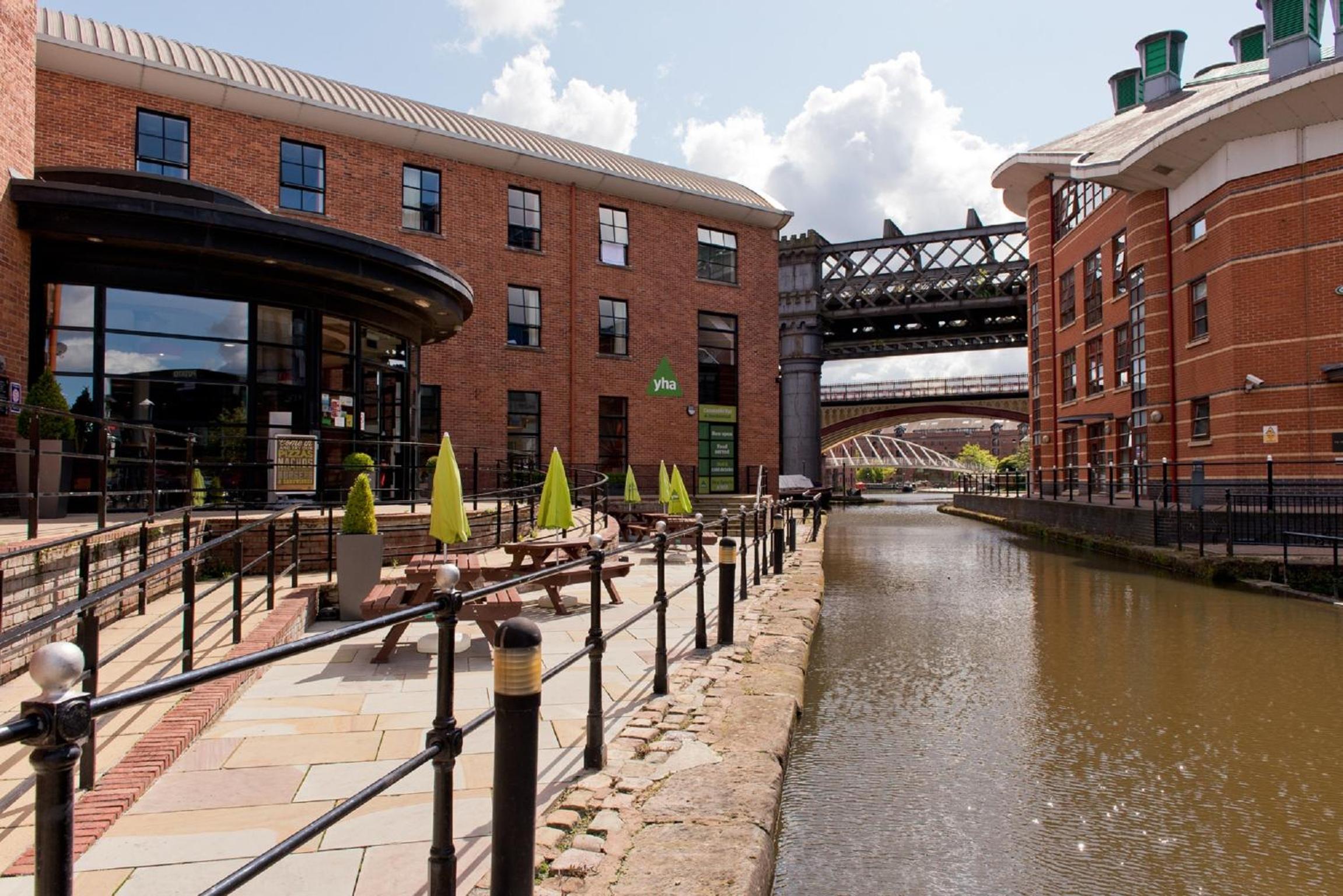
Canals, railway viaducts and Roman remains at the south-west edge of the centre, next to the Science and Industry Museum. For walkers and a calmer base.
The prettiest corner of the centre, and a walk to the nightlife.
Salford Quays
Waterfront, MediaCity, galleries
The redeveloped docks around MediaCity and the galleries, away from the centre and reached by tram. For families and travellers who want space by the water.
Space and the waterfront, and a tram ride into town.
See every Manchester neighbourhood on one map
Save the areas you like and Stippl plots your days so you're not crossing the city twice.
Where to stay in Manchester
Stay in the Northern Quarter for a first visit: the bars, the record shops and the gig venues are on the doorstep, and Piccadilly station is a short walk for the train to Liverpool. Most travellers give Manchester 1 night on Stippl, so a central room near the trams beats a quieter one further out.
Northern Quarter
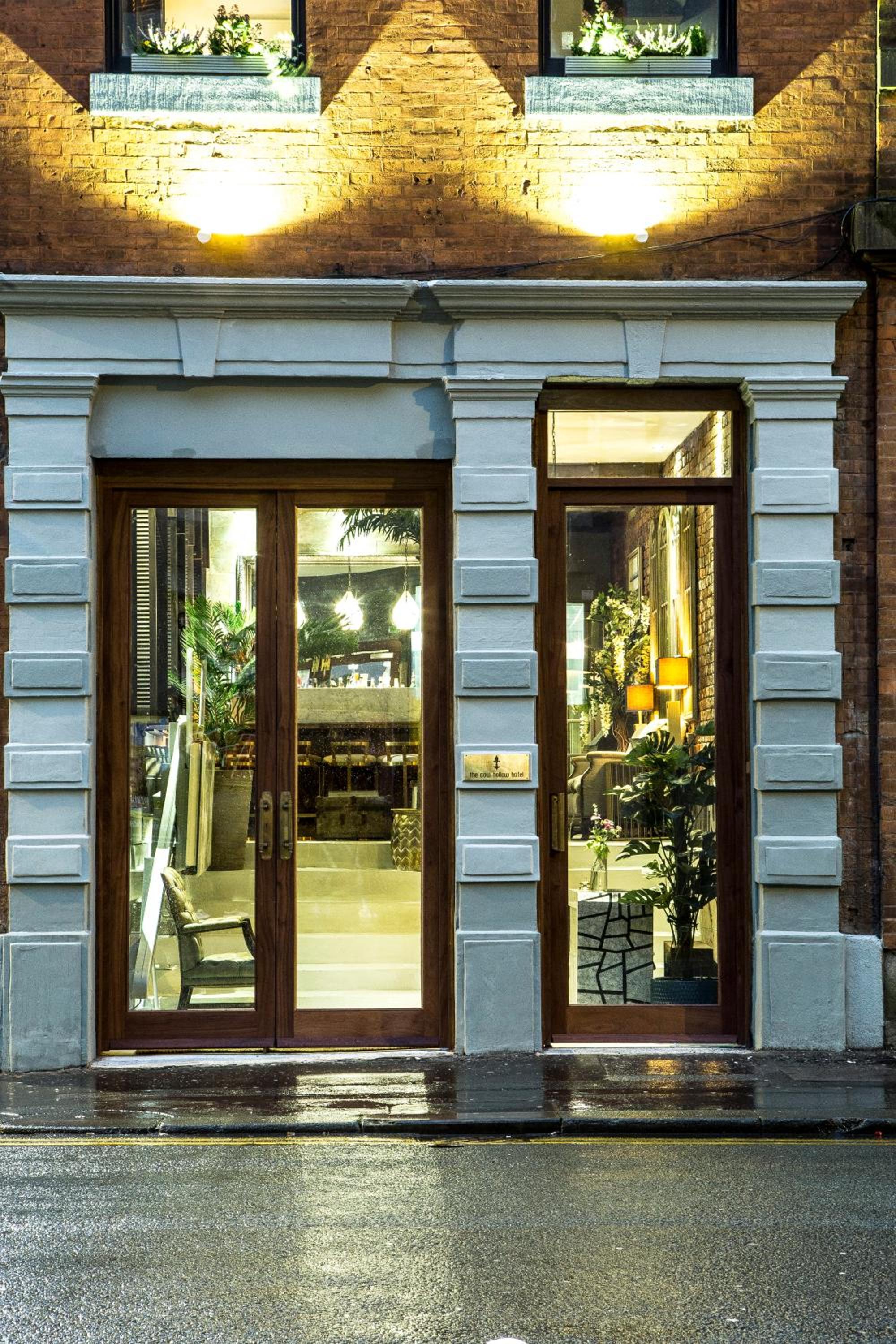
Hostels from €26 a bed and boutique hotels from €100 a double, right in the middle of the nightlife.
Ancoats
Apartment hotels and boutique rooms in converted mills, €100 to €180 a double.
Piccadilly
Chain hotels and budget rooms by the station, €80 to €120 a double.
Spinningfields
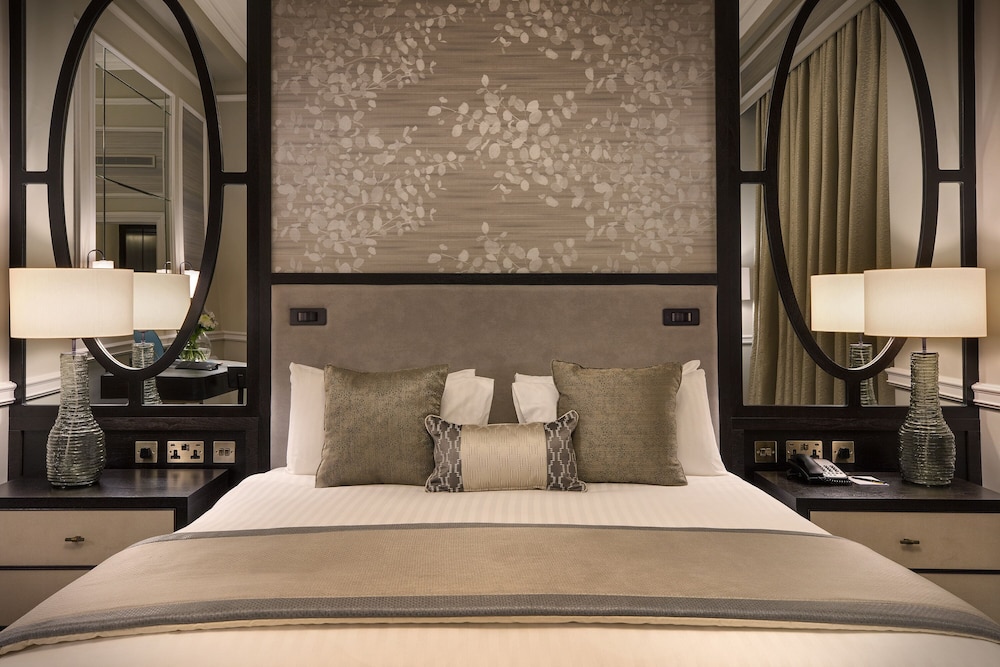
Newer four-star and business hotels, €120 to €200 a double.
Castlefield
Canal-side hotels and apartments near the museum, €90 to €160 a double.
Salford Quays
Waterfront hotels and apartments near the tram stop, €90 to €150 a double.


What to eat in Manchester
A long strip of South Asian restaurants, described as the UK's largest
The city's contemporary dining quarter, in former mills
Independent coffee and brunch places in a tight grid
Ordinary British pub cooking, well covered and rarely named
Discover food spots in Stippl
Find restaurants and markets on the map, save them to your itinerary, works offline too.
Manchester customs and what not to do
Ask which club, never assume
United and City divide the city, and assuming which one someone supports is the local faux pas, so ask first or keep it neutral.
Strangers will talk
Northern friendliness is real: people start conversations far more readily than in London, at the bar and on the street, and it is meant warmly.
The music is a living scene
The city treats its music as a working scene rather than a museum piece, so the gig listings matter more than the blue plaques.
Match days fill the centre
On home fixtures, crowds, road closures and full trams build around both grounds, so plan journeys and meals around the kick-off.
Do
- Ask which team someone supports before offering an opinion
- Check the fixture list before booking a weekend
- Chat at the bar; it is expected here
- Book stadium tours on the clubs' own sites
Don't
- Assume a Mancunian supports United
- Plan a tram journey near the grounds at kick-off
- Book a stadium tour through a reseller
- Treat the music scene as nostalgia only
What a Manchester trip costs
Track what you actually spend
Set a daily budget per country and log expenses in any currency while you travel.
Fun facts about Manchester
Manchester is where the Industrial Revolution was built. Most of its museums and restored districts, from Castlefield's canals to the mills of Ancoats, are organised around that story.
Manchester has two Premier League clubs, United and City. The rivalry divides the city, and asking rather than assuming who someone supports is the local rule.
Joy Division, The Smiths and Oasis all came out of Manchester. The city markets that lineage, and its gig venues keep it a working music scene rather than a heritage trail.
Manchester gets about 831 mm of rain a year, far less than Glasgow. It is wetter than London's 627.5 mm but much drier than western Scotland's 1,262.8, whatever its reputation says.
October is Manchester's wettest month and March its driest. October brings about 95 mm on average, nearly double the 51 mm that falls in March.
August, not July, is the warmest month in Manchester. Its average daily high of 20.8 degrees just beats July's 20.6 at the Met Office station at the airport.
Local tips for Manchester
Liverpool is 35 minutes away
Trains run Manchester to Liverpool in about thirty-five minutes, so the two cities work as one trip from a single base, or as two short stops.
Walk the centre, tram the rest
The city centre is compact and walkable, and the Metrolink trams cover the wider area, out to Salford Quays and the suburbs beyond.
One night is normal
Most travellers give Manchester 1 night on Stippl, and many none at all, so a day of museums, the Northern Quarter and a gig is a proper visit.
The Peak District is close
The Peak District is about forty-five minutes away by car and the Lake District about ninety, so a hire car turns a Manchester stop into a walking base.
Sundays close early
Sunday closures still matter here: Manchester's central library shuts and opening hours run shorter across the city, so do the museums on a Saturday.
York is ninety minutes east
York is about an hour and a half by train for the Minster, the walls and the Shambles, and Chester is forty-five minutes the other way.
Manchester questions, answered
Because Manchester is as much an arrival point as a destination. 29.6% of Manchester stops planned on Stippl carry no bed, the highest share of any British city we measure. The airport is one of Britain's main long-haul gateways, and many travellers land, see the city in a day and move on to Liverpool or the Lakes.
More than most British cities. Manchester has the flattest travel year in Britain, with its busiest month only 2.5× its quietest in the Manchester trips people build on Stippl, and January outranks October. The Christmas markets run from mid-November and the football season plays on through the winter.
As the door in, usually by air, then outward to Liverpool, York and the national parks. Most travellers give Manchester 1 night on Stippl, so lay the northern cities out in Stippl and see whether one base with day trips beats moving every night. Then show the route to people who have been, in subreddits like r/manchester or the Facebook groups.
Yes. The two cities are thirty-five minutes apart by train, and Liverpool is the strongest pairing anywhere in the British trips we see, far ahead of London or anything in Scotland. Two nights split between them, or one base with a day trip, covers the stadium tours, the Beatles, the docks and the galleries.
No. Highland destinations appear on Manchester trips less often than chance would give, and Scotland is planned from Edinburgh or Glasgow instead. From Manchester the natural extensions are Liverpool, York, Chester, the Peak District and the Lake District, all within about ninety minutes.
Less than its reputation. Manchester gets about 831 mm of rain a year, more than London but far less than Glasgow, with October the wettest month and March the driest. Pack a waterproof in any season and keep the museums for the wet afternoons, since the big ones are free.
Every guide is written by the Stippl editors and checked against the trips our travellers actually plan. Spotted something out of date? Let us know.

Plan Manchester in Stippl
Day-by-day planning, stays and budget in one app, with every place from this guide already on the map.
Download the app