

Koh Phi Phi
Koh Phi Phi has no traffic at all, and one viewpoint that shows you two bays between vertical karst walls. Leopard sharks on the signature dives, and Bamboo Island with nothing built on it.
Koh Phi Phi in a nutshell
Koh Phi Phi: what to expect
Our travellers have planned 94,000+ stops on the island on Stippl. That is where the numbers here come from.
Koh Phi Phi has no roads, no cars and no airport, and that shapes everything about a stay. You arrive by boat at Tonsai and walk from there. The viewpoint stairs above the village are the island's signature twenty minutes, Long Beach has the best reef you can swim to straight off the sand, and the Phi Phi Leh circuit takes in Pileh Lagoon, Monkey Beach, Viking Cave and the Bida islands. Most travellers give it 2 nights on Stippl.
Koh Phi Phi is reached rather than chosen, and the boats decide who turns up. 34.5% of travellers who plan Koh Phi Phi on Stippl come straight from Phuket, and a quarter more arrive from Krabi. Both are ferry rides of a couple of hours, which is why the quiet window at Maya Bay is before half past ten and the middle of the day belongs to the day trips.
Two nights is what most people take and three is the version worth having. One day goes to the Phi Phi Leh circuit by longtail, arranged at Tonsai Pier rather than bought as a package, with Maya Bay on the terms it is actually offered: a boardwalk across the island, an hour ashore, wading only, and nothing at all from August into September. The next goes to Bamboo Island in the morning or a dive on the Bida archways, where leopard sharks are the local speciality. Loh Dalum handles the night.
Plan Koh Phi Phi in Stippl
Day-by-day planning, stays and budget in one app, with every place from this guide already on the map.
Download the appWho Koh Phi Phi is for
Divers and snorkellers
The Bida Nok and Bida Nai pinnacles are the signature dives, leopard sharks are the local speciality, and dry-season visibility can exceed 30 metres.
Backpackers and partygoers
Loh Dalum is one of Thailand's most concentrated beach-party strips, with bucket bars, fire shows and daytime pool parties within a few hundred metres.
Short-stay island-hoppers
Most people give Phi Phi 2 nights, which covers the island and its boat trips, and it slots between Phuket, Krabi and Koh Lanta on the Andaman circuit.
Scenery-first travellers
Vertical karst walls, twin bays seen from one viewpoint, and lagoons that photograph the way the brochures promise.
Walkers and car-free travellers
A destination with no traffic at all is genuinely rare, and the absence of vehicles is the island's single most praised quality.
Couples who commit to quiet
Laem Tong and Loh Bagao are quiet in a way the isthmus never is, provided the boat-only trade-off is accepted up front.
Maybe not for you: light sleepers on the isthmus, since Loh Dalum's noise carries to Tonsai; anyone with mobility limits or heavy luggage, because there are no vehicles and stairs everywhere; and anyone on a fixed schedule from May to October, when sailings cancel on weather warnings.
The best time to visit Koh Phi Phi
Dry season
November to April
Calm sea, clear water, all boats running. December to March is the settled core, and late December to February the price and crowd peak.
Southwest monsoon
May to October
Heavy, short rain with clear mornings and afternoon storms, wettest in September and October. Prices drop sharply, and so does reliability.
- Maya Bay closes from 1 August to 30 September every year, and the boats may pass but not land. Loh Samah and Lo Ko bays close with it, so a Phi Phi Leh circuit in those months is Pileh Lagoon, Viking Cave and the Bidas.
- January is the month most travellers plan Phi Phi for on Stippl, about 78 days ahead. Only 11.3% of plans are made inside a fortnight, and the hostel beds sell out for the peak weeks.
- There is no cool season on Phi Phi. The daily high never drops below about thirty-one in any month; what changes across the year is rain, sea state and underwater visibility, and the seasonal decision is about boats, not temperature.
- Visibility is best from November to April and drops hard in the monsoon. Swell, plankton bloom and runoff cut it from May, so the Bida dives and the Long Beach reef are a dry-season plan.
- The trunk ferries from Phuket and Krabi run all year, but from May to October there are fewer sailings and rougher crossings. Small-boat trips are the first to cancel; a monsoon visit needs a spare day either side.
Add your Koh Phi Phi dates and we'll flag the weather
Stippl shows the season, crowds and prices for every stop on your route.
Describe your trip, get a Koh Phi Phi itinerary in seconds
Everything in this guide is already in Stippl. Tell the planner how long you have and what you like: it builds the route, the days and the travel times, and you edit whatever you want.
Things to do in Koh Phi Phi
 Photo by Vlad Gregurco via Unsplash
 Photo by Nott Peera via Unsplash
The Phi Phi Viewpoint
Climb the stairs from Tonsai Village, twenty to forty minutes, to the view with Tonsai Bay's deep blue on one side and Loh Dalum's teal on the other and the village on the bar between them. About €1, and go at seven before the heat.
Maya Bay, on its own terms
Land on Phi Phi Leh at the Loh Samah floating pier and walk the boardwalk through the island for one ranger-timed hour ashore; there is no swimming, and the bay is closed in August and September. Worth it once, early, and not the reason to come.
The longtail circuit of Phi Phi Leh
Arrange a private longtail from Tonsai pier for half a day, about €40, to Monkey Beach, Pileh Lagoon, Viking Cave and the Bidas. Pileh Lagoon is where you swim.
Diving the Bida islands
Dive Bida Nai's archway full of baitfish and Bida Nok's swim-throughs among giant boulders, with leopard sharks as the local speciality, about €80 for two dives. The shops on Tonsai run mornings and afternoons.
Bamboo Island
Take the morning boat five kilometres off Phi Phi Don to the most beautiful stop in the group, with no infrastructure at all: bring food and water. Check the itinerary, because not every day trip includes it.
Snorkelling off Long Beach
Swim out from Long Beach to the best shore-accessible reef on Phi Phi Don, the reason the beach works as a base. Tonsai and Loh Dalum are boat traffic and sand; the taxi boat from the pier is a few euros.
The neighbourhoods of Koh Phi Phi
Tonsai Village
Pier, dive schools, noise
The south side of the isthmus where the ferry lands: the pier, agents, dive schools, shops, restaurants and most hostels, dense and walkable. For first visits, divers and anyone who wants everything on foot.
Everything on foot and every boat, and a village that never goes quiet.
Loh Dalum Bay
Party beach, empties at low tide
The north side of the same isthmus, two minutes' walk: white sand, a wide shallow bay, beach bars, fire shows and buckets, loud until very late. For backpackers and nightlife; the bay drains almost completely at low tide.
The party on the sand, and no swimming when the tide is out.
Long Beach
Swimmable, reef, relaxed
The south-east coast, twenty minutes on a dark coastal path from Tonsai or ten by longtail: a proper swimmable beach, the best shore-reachable reef and a few bars. For families and couples who want the sea and quiet.
The best swimming and snorkelling, and a longtail home after dark.
Loh Bagao Bay
Resort beach, boat only
The east coast of the northern lobe, half an hour by boat: a long beach, resort-led, with very few independent restaurants. For a resort holiday that does not need the village.
A long quiet beach, and the resort's menu for every meal.
Laem Tong
Quiet tip, sea-gypsy village
The north-eastern tip, boat only: a handful of upmarket resorts beside a small Urak Lawoi settlement, effectively self-contained. For honeymoons and for people who want the island without Tonsai.
The quietest end of the island, and a boat for anything beyond your resort.
See every Koh Phi Phi neighbourhood on one map
Save the areas you like and Stippl plots your days so you're not crossing the city twice.
Where to stay in Koh Phi Phi
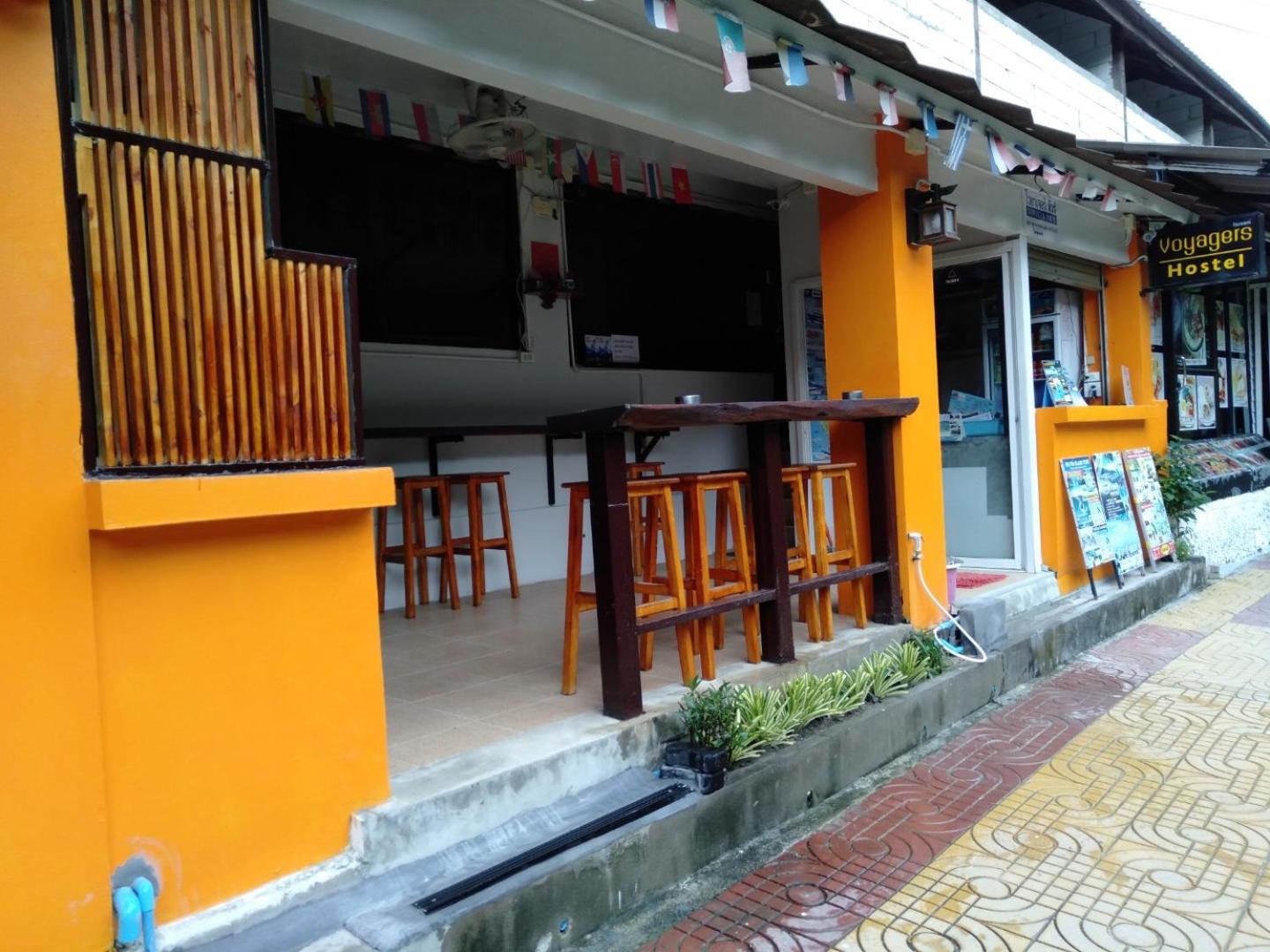
Stay in Tonsai Village for a first visit: the ferry, the dive schools, the cheap food and most of the hostels are all within a few minutes on foot. Most people give Koh Phi Phi 2 nights on Stippl. The hostels here are either loud until five in the morning or dead quiet, so read the reviews for noise, pack earplugs, and book the dry-season peak ahead.
Tonsai Village
Hostels with dorms €11 to €17, and small guesthouses and hotels in the lanes, €30 to €80.
Loh Dalum Bay
Party hostels and beach-bar bungalows, €12 to €60, where the walls shake until late.
Long Beach
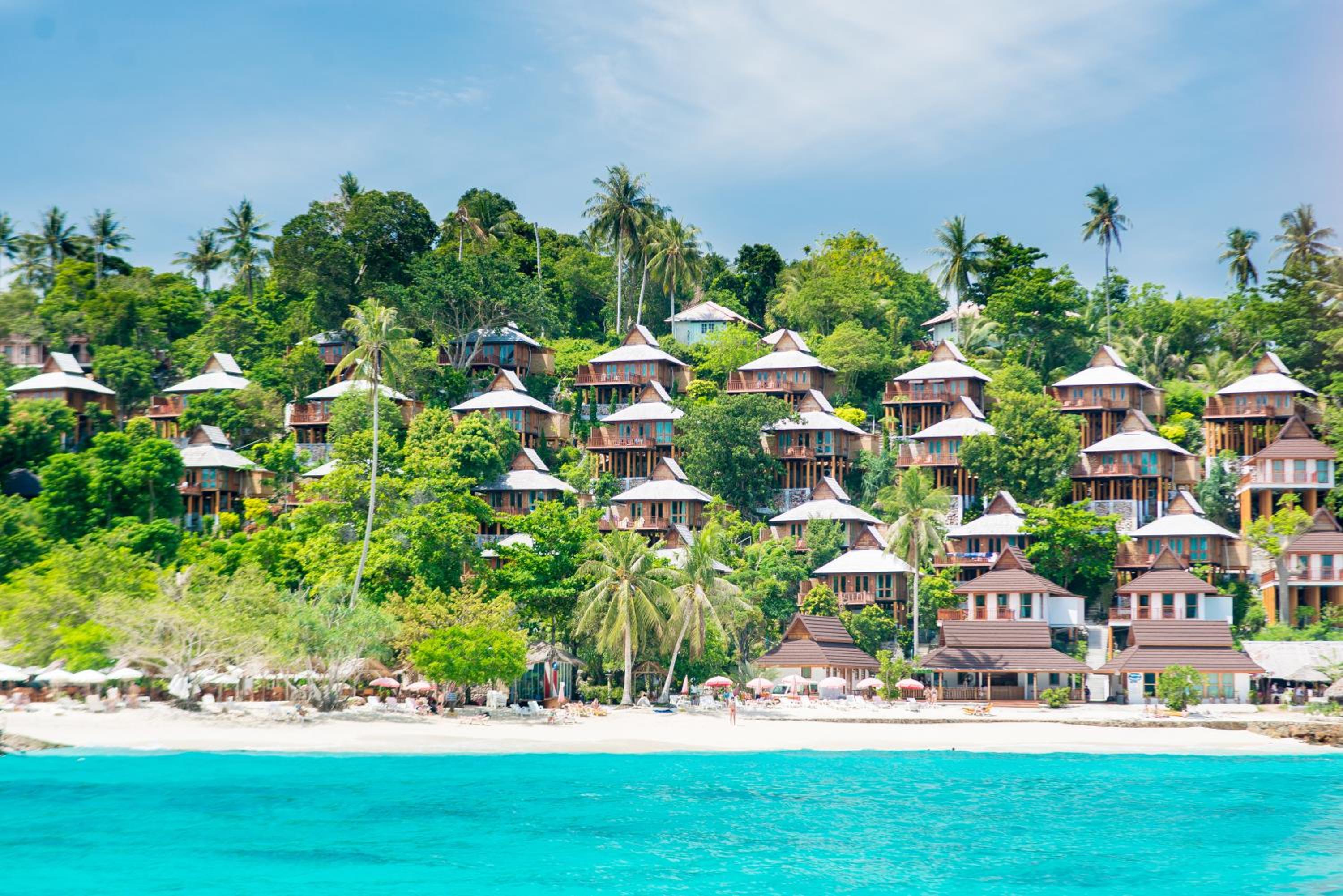
Bungalow resorts and a few mid-range hotels on the sand, €40 to €120, five minutes by longtail.
Loh Bagao Bay
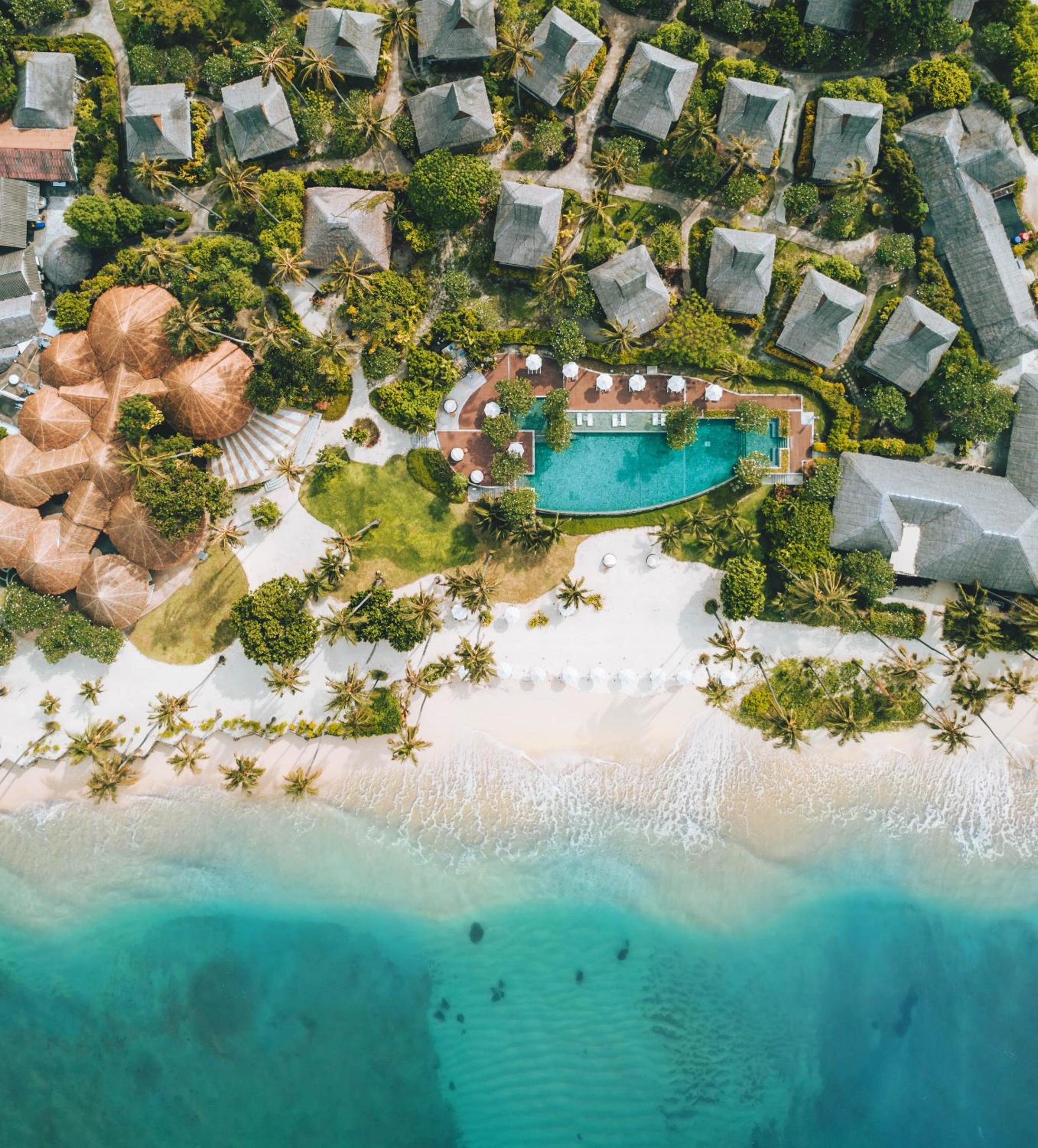
Large resorts with pools and their own restaurants, from €120, half an hour by boat from the pier.
Laem Tong
A handful of upmarket resorts from €150, reached only by boat and effectively self-contained.


What to eat in Koh Phi Phi
the island's genuine strength: fish, prawns and squid grilled to order, priced by weight at beachfront places
pad thai, curries, fried rice and noodle dishes from family-run kitchens rather than the Western menus that dominate the strip
stalls, skewers, smoothies, fresh produce and local desserts, aimed at residents rather than tourists
Discover food spots in Stippl
Find restaurants and markets on the map, save them to your itinerary, works offline too.
Koh Phi Phi customs and what not to do
Phi Phi Leh is policed
Boats may not anchor in Maya Bay, everyone lands at the Loh Samah floating pier, the hour ashore is timed, and rangers whistle people out of water deeper than a wade.
Laem Tong is somebody's home
A small Urak Lawoi settlement sits alongside the resorts at the north end; it is a resident community, so no photographs of the houses and a shirt on through the village.
Monkey Beach monkeys bite
The macaques are wild and habituated: bites and stolen bags are common, so hand them nothing and keep every zip closed.
The green signs are working kit
The tsunami evacuation routes run through the village and up the paths and residents are drilled on them; read them on arrival rather than photograph them.
Do
- Pay the park fee once and keep the date-stamped ticket; it covers every park site that day
- Check which pier your ticket departs from before you book a transfer
- Choose your bay before your hotel, and accept the boat transfer for a quiet one
- Take the longtail back from Long Beach after dark rather than the coastal path
Don't
- Swim or snorkel inside Maya Bay; wading only, and rangers enforce it
- Plan a Maya Bay landing in August or September; the bay is closed
- Expect to sleep on Phi Phi Leh; there is no accommodation and camping is banned
- Feed the monkeys at Monkey Beach
What a Koh Phi Phi trip costs
Track what you actually spend
Set a daily budget per country and log expenses in any currency while you travel.
Fun facts about Koh Phi Phi
The monkeys on Monkey Island were moved there from Phi Phi Don. They were rounded up in the early 2000s as tourism surged in the village, and the island off the north coast became their home.
Camping on Phi Phi Leh has been banned three times. Informal camping ended in 2005, licensed camping returned in 2007, and the permits were revoked in 2012 and never restored.
Blacktip reef sharks came back to pup in Maya Bay after the closure. The park authority publicised the juveniles as part of the case for the swimming ban, and they can be seen from the beach in the shallows.
Phi Phi Don is about 10 square kilometres, and the village sits on a sandbar. Two limestone lobes are joined by a low isthmus, with Tonsai Bay on the south side and Loh Dalum Bay a two-minute walk north.
The archipelago has six islands and only one you can sleep on. Phi Phi Don is inhabited; Phi Phi Leh, Bamboo Island and Mosquito Island are day visits, and the two Bida islands have no beaches at all.
The village you walk through today was built after 2005. The 2004 tsunami devastated Phi Phi Don, and the green evacuation-route signs are standing infrastructure rather than decoration.
Local tips for Koh Phi Phi
Everyone lands at Tonsai
There is no other port of entry for scheduled boats; from the pier you walk with your bag or take a longtail to a bay with no path. A small levy is paid on landing.
Book the boat online
The aggregator and operator sites sell an e-ticket you swap for a boarding sticker at the pier, and the online fare runs below the counter. Be at Tonsai pier forty-five minutes before departure.
Long Beach: walk or longtail
Twenty-five to thirty minutes on foot from Tonsai, pleasant in daylight and unlit at night, or five minutes by longtail for about €3. Take the boat after dark.
How long to stay
Most people give Phi Phi 2 nights on Stippl: the viewpoint at dawn, one boat day around Phi Phi Leh, and a night on Loh Dalum if that is the point.
The sea is the exposure
Crossings are cancelled at short notice in the south-west monsoon, small speedboats first. A rough week can strand you; keep the last night on the mainland if you have a flight.
Have a way home from the bars
Drink spiking and theft on the beach are the risks the guides skip. Watch the bucket, take only the cash you need, and never climb into the Reggae Bar ring after drinking.
Koh Phi Phi questions, answered
Put it between Phuket and Krabi rather than out on a limb, because both are a couple of hours away by ferry and you will pass one of them anyway. Lay the boat days out in Stippl so you can see how many half-days the crossings actually eat. Then ask people who have done it, in subreddits like r/ThailandTourism.
Close to a third of routes say so: 30.9% of Thailand trips planned on Stippl include Koh Phi Phi. What you get is a car-free island with a reef you can swim to from the beach, and what you pay is two half-days sitting on ferries to reach it and leave again.
About one in five: 19.1% of Koh Phi Phi stops planned on Stippl are a single night, and that is usually somebody fitting the island in between two ferries. One night means the viewpoint and Loh Dalum, and it leaves no room at all for the Phi Phi Leh circuit.
No, and that has been the rule for some time. Maya Bay sits on Phi Phi Leh, a different island, and a visit means landing at the Loh Samah pier, walking a boardwalk across and an hour ashore with wading to about knee depth. It also closes completely through August and September.
None at all, and no motorbikes and no roads either. Everything moves on foot, by longtail or on the pushcarts that shift luggage and supplies through the village. Pack for walking the last stretch to your room, because a wheeled suitcase and a sand path are a poor combination here.
Overwhelmingly in the dry season: 65.2% of the trips carrying Koh Phi Phi on Stippl start between November and March. The sea is calmest then and the ferries are reliable, and the flip side is that the viewpoint and Maya Bay are at their busiest in exactly those months.
Every guide is written by the Stippl editors and checked against the trips our travellers actually plan. Spotted something out of date? Let us know.

Plan Koh Phi Phi in Stippl
Day-by-day planning, stays and budget in one app, with every place from this guide already on the map.
Download the app